Preventative Care

ADVANCED ORTHOPEDIC CARE FOR DOGS & CATS

Veterinary Orthopedic Surgery in Laguna Beach

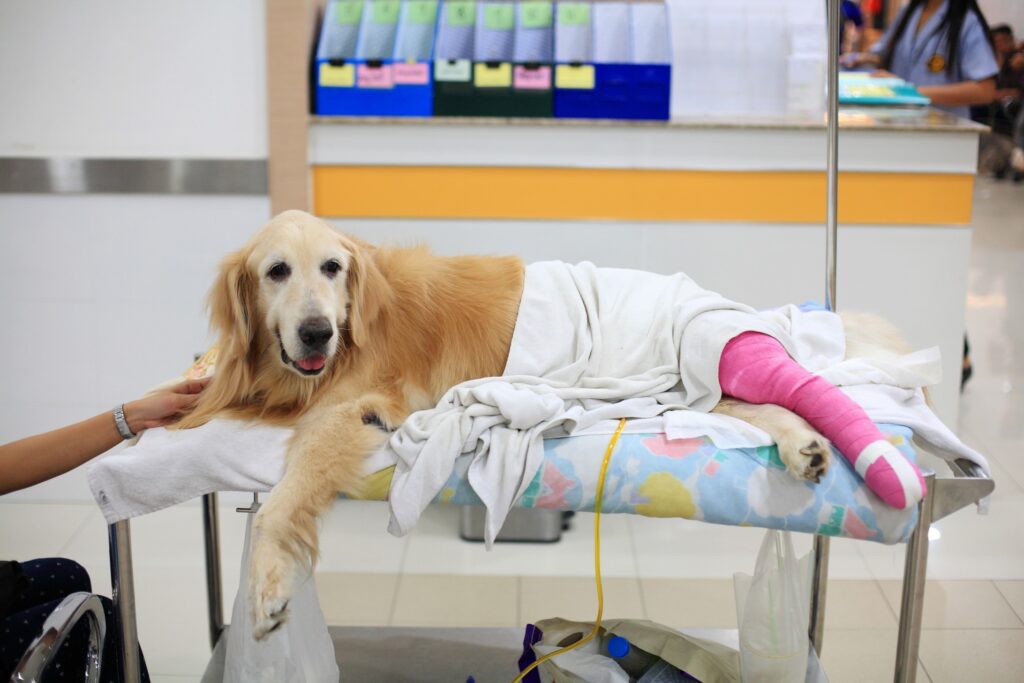
Limping, joint instability and difficulty moving can significantly affect a pet’s comfort and quality of life. At Aliso Beach Animal Clinic, we provide orthopedic evaluations and coordinate advanced surgical care for dogs and cats with injuries, developmental conditions and painful joint problems.

For complex orthopedic procedures, we work with Zachery “Zack” Smith, DVM, DACVS, a board-certified veterinary surgeon who specializes in orthopedic and soft-tissue surgery. Dr. Smith performs scheduled surgical procedures at Aliso Beach Animal Clinic by appointment, allowing many patients to receive advanced care through their familiar veterinary hospital.

Procedures may include TPLO surgery, femoral head and neck ostectomy, medial patellar luxation correction and other complex orthopedic or soft-tissue surgeries based on the patient’s diagnosis and surgical consultation.

REQUEST AN ORTHOPEDIC EVALUATION

CALL (949) 499-4190

Specialized Orthopedic Surgery Close to Home

Many orthopedic conditions require specialized surgical training, equipment and careful postoperative management. Rather than sending every patient to an unfamiliar hospital, Aliso Beach Animal Clinic can coordinate selected procedures with a visiting board-certified veterinary surgeon.

Your pet’s regular veterinary team remains involved throughout the process. We can help coordinate the initial examination, diagnostic testing, surgical consultation, procedure, pain-management plan and postoperative follow-up.

Not every limping pet needs surgery. Our first priority is to determine why your pet is uncomfortable and identify the most appropriate treatment. Depending on the diagnosis, recommendations may include rest, medication, weight management, rehabilitation, laser therapy, surgery or referral for additional specialty care.

Meet Our Board-Certified Veterinary Surgeon

Zachery “Zack” Smith, DVM, DACVS

Dr. Zack Smith is a Diplomate of the American College of Veterinary Surgeons and specializes in complex orthopedic and soft-tissue surgery.

Board certification in veterinary surgery requires advanced postgraduate training, completion of a surgical residency and successful completion of rigorous specialty examinations. This training prepares a veterinary surgeon to evaluate and treat complicated orthopedic injuries and surgical conditions.

Dr. Smith performs eligible procedures at Aliso Beach Animal Clinic by appointment. Surgical availability depends on the patient’s condition, the procedure required and scheduling with the surgical team.

When Should a Limping Pet Be Examined?

A limp may result from something relatively minor, such as a sore paw or temporary muscle strain. It can also be a sign of a torn ligament, unstable kneecap, fracture, joint disease, tendon injury, spinal problem or another condition requiring treatment.

As a practical rule of thumb, a pet that remains lame for more than seven days—even if the limp comes and goes—should receive a veterinary examination.

Persistent or intermittent lameness does not automatically mean that surgery is necessary. However, lameness lasting longer than a week often suggests that the problem is more than temporary soreness and deserves a clear diagnosis.

Schedule an examination sooner if your pet:

  • Will not place weight on a leg
  • Cries, trembles or reacts when touched
  • Has visible swelling or an abnormal limb position
  • Develops a sudden limp after running, jumping or playing
  • Has been struck by a vehicle or experienced another trauma
  • Has a knee that appears to slip, pop or give way
  • Frequently skips or holds up a hind leg
  • Has difficulty rising, climbing stairs or jumping
  • Becomes less active or reluctant to exercise
  • Has a limp that improves with rest but repeatedly returns
  • Shows weakness, dragging or loss of coordination
  • Has an open wound or suspected fracture

Sudden inability to stand, major trauma, uncontrolled pain, severe bleeding or an open fracture requires immediate veterinary attention.

Why Timely Orthopedic Treatment Matters

Waiting does not always allow an orthopedic injury to heal. When a ligament, kneecap or other joint structure is unstable, continued movement can create repeated inflammation and abnormal wear inside the joint.

Depending on the condition, delaying recommended treatment may contribute to:

  • Progressive osteoarthritis
  • Ongoing joint inflammation
  • Cartilage or meniscal damage
  • Loss of muscle mass
  • Reduced range of motion
  • Chronic pain or stiffness
  • Compensatory strain on other legs or the spine
  • A more difficult recovery later

Surgery cannot erase arthritis that is already present, and some arthritis may continue to develop even after a successful procedure. However, when surgery is recommended for an unstable joint, restoring stability can reduce ongoing abnormal movement, improve function and help slow additional joint deterioration.

The decision should be based on the diagnosis, severity of instability, pet’s age and size, activity level, overall health and expected quality-of-life benefit—not on lameness alone.

Orthopedic Procedures Available by Appointment

TPLO Surgery for Cranial Cruciate Ligament Injuries

A cranial cruciate ligament injury is one of the most common causes of hind-leg lameness in dogs. When this ligament becomes partially or completely torn, the knee becomes unstable and painful.

TPLO stands for tibial plateau leveling osteotomy. Rather than attempting to replace the damaged ligament, the procedure changes the biomechanics of the knee so it can remain stable while bearing weight.

During TPLO surgery, the surgeon makes a carefully planned curved cut in the upper tibia, rotates the tibial plateau and secures it in its new position with a surgical plate and screws.

TPLO may be recommended for:

  • Partial or complete cranial cruciate ligament tears
  • Persistent knee instability
  • Dogs with ongoing pain or lameness
  • Active dogs that need reliable joint stability
  • Larger dogs, although smaller dogs may also be candidates
  • Patients that have not achieved adequate function with conservative care

The appropriate treatment depends on the individual dog. An orthopedic examination and properly positioned radiographs are generally required before planning TPLO surgery.

FHO: Femoral Head and Neck Ostectomy

A femoral head and neck ostectomy, commonly called an FHO, is a procedure used to relieve pain associated with certain hip conditions. The surgeon removes the head and neck of the femur so the painful bone-on-bone contact within the hip joint is eliminated.

Over time, the surrounding muscles and soft tissues form a functional false joint. Rehabilitation and gradual return to activity are important parts of recovery.

FHO may be considered for selected dogs or cats with:

  • Severe hip-joint injury
  • Femoral head or neck fractures
  • Legg-Calvé-Perthes disease
  • Chronic hip luxation
  • Painful hip disease when other treatments are unsuitable
  • Hip-joint deterioration affecting comfort and function

The expected result depends on the patient’s size, body condition, muscle strength, underlying diagnosis and postoperative rehabilitation.

Medial Patellar Luxation Correction

Medial patellar luxation, or MPL, occurs when the kneecap moves out of its normal groove toward the inside of the leg. Some pets intermittently skip or carry the leg, while more advanced cases can cause persistent lameness, abnormal limb alignment and progressive arthritis.

Mild cases without significant symptoms may be monitored. Surgery is more commonly considered when luxation is causing pain, repeated lameness, cartilage wear or functional difficulty.

The exact surgical plan depends on the cause and severity of the luxation. Correction may involve deepening the groove that guides the kneecap, repositioning its tendon attachment, tightening or releasing supporting tissues or correcting abnormal bone alignment.

Additional Complex Orthopedic Procedures

Dr. Smith may perform other advanced orthopedic procedures based on the patient’s diagnosis and surgical evaluation. These may include selected fracture repairs, joint-stabilization procedures and correction of complicated orthopedic conditions.

Procedure availability varies. Our veterinary team will review your pet’s examination findings and imaging before determining whether surgery can be performed at Aliso Beach Animal Clinic or whether referral to a specialty hospital is more appropriate.

Urgent and Emergency Soft-Tissue Surgery

Dr. Smith may also be available for selected urgent or emergency soft-tissue surgical cases when scheduling, staffing and the patient’s condition allow.

Potential cases may include complicated wounds, gastrointestinal foreign bodies, internal surgical conditions or other urgent problems requiring advanced surgical expertise.

Call Aliso Beach Animal Clinic before arriving. Surgical availability cannot be guaranteed without prior communication and evaluation.

Patients that are unstable, require immediate overnight intensive care or need treatment when the surgical team is unavailable may be referred directly to a 24-hour emergency and specialty hospital.

LEARN ABOUT SAME-DAY URGENT CARE

How We Evaluate an Orthopedic Problem

Medical History

We will ask when the lameness began, whether it is constant or intermittent, whether a specific injury occurred and what activities make it better or worse.

Tell us about previous injuries, surgeries, medications, supplements and any treatments already attempted. Videos of your pet walking or limping at home can be useful when the problem is intermittent.

Physical and Orthopedic Examination

The veterinarian will observe your pet standing and walking and will examine the affected limb for pain, swelling, instability, reduced motion or muscle loss.

The examination may also include the opposite limb, hips, spine and neurologic function because the apparent location of a limp does not always identify the true source of the problem.

Diagnostic Imaging

Radiographs may be recommended to evaluate bones, joints, alignment and signs of arthritis. Some orthopedic conditions require sedation so precise positioning can be obtained without causing unnecessary discomfort.

Additional testing or advanced imaging may be recommended when ordinary radiographs do not provide enough information.

Surgical Consultation

When a complex procedure may be beneficial, the case can be reviewed with Dr. Smith. The consultation includes discussion of the diagnosis, recommended procedure, alternatives, expected recovery, potential complications and estimated cost.

What to Expect Before Surgery

Before surgery, your pet may need:

  • A current physical examination
  • Pre-anesthetic laboratory testing
  • Orthopedic radiographs or other imaging
  • Review of current medications and health conditions
  • Fasting instructions
  • A personalized anesthesia and pain-management plan
  • Home preparation for restricted postoperative activity

Follow all medication and fasting instructions carefully. Contact us before surgery if your pet develops vomiting, diarrhea, coughing, reduced appetite or another new medical concern.

Recovery After Orthopedic Surgery

Successful orthopedic surgery requires careful home care. Even when a pet begins using the leg quickly, the bone and supporting tissues may still need weeks to heal.

Postoperative instructions may include:

  • Strict activity restriction
  • Short, controlled leash walks
  • Use of a crate, pen or confined room
  • Prevention of running, jumping and stair use
  • Pain and anti-inflammatory medication
  • Incision monitoring
  • Cold or warm compresses when directed
  • Rehabilitation exercises
  • Laser therapy when appropriate
  • Follow-up examinations and radiographs

Returning to unrestricted activity too early can delay healing or contribute to implant complications. Follow the prescribed recovery schedule even when your pet appears comfortable.

Frequently Asked Questions

Does every pet that limps need orthopedic surgery?

No. Lameness may be treated with rest, medication, weight management, rehabilitation or another non-surgical approach depending on the cause. Surgery is considered when a structural problem, joint instability, fracture or other condition is unlikely to improve adequately without correction.

Should I wait to see whether my pet’s limp goes away?

A mild limp that begins after unusual activity may improve with brief rest. However, schedule an examination if the limp is severe, repeatedly returns or lasts longer than seven days. Seek care sooner if your pet will not bear weight, is visibly painful or experienced significant trauma.

Will surgery prevent arthritis?

No procedure can guarantee that arthritis will never develop. Many orthopedic diseases begin causing inflammation before surgery is performed. The goal of surgery is to correct or stabilize the underlying mechanical problem, improve comfort and function and reduce continued abnormal wear when possible.

Why not manage a torn cruciate ligament with pain medication alone?

Medication may reduce pain and inflammation, but it does not permanently stabilize a knee with significant cruciate-ligament insufficiency. Continued instability can contribute to meniscal injury, muscle loss and progressive arthritis. The best treatment depends on the patient’s size, activity, degree of instability and overall health.

How do I know whether my pet is a TPLO candidate?

A veterinarian must first confirm that the knee is the source of the lameness and assess the degree of cruciate instability. Orthopedic examination findings, radiographs, body size, activity and health status are considered before recommending TPLO.

Is Dr. Smith at Aliso Beach Animal Clinic every day?

No. Dr. Smith is a visiting board-certified veterinary surgeon, and complex procedures are scheduled by appointment. Call our team to arrange an evaluation and discuss upcoming surgical availability.

Can Dr. Smith perform emergency surgery?

Selected emergency soft-tissue procedures may be possible depending on timing, staffing, the patient’s stability and surgeon availability. Call immediately for instructions. Some patients will need direct transfer to a 24-hour emergency and specialty hospital.

How long is recovery after orthopedic surgery?

Recovery depends on the procedure and individual patient. Many orthopedic procedures require several weeks of restricted activity followed by a gradual return to exercise. Follow-up radiographs may be necessary before unrestricted activity is approved.

Schedule an Orthopedic Evaluation in Laguna Beach

If your dog or cat has been limping for more than seven days—even intermittently—or is having difficulty standing, walking, climbing stairs or returning to normal activity, schedule an orthopedic examination.

Our veterinary team can evaluate the problem, obtain appropriate diagnostic images and determine whether medical care, rehabilitation or consultation with board-certified veterinary surgeon Dr. Zack Smith is the best next step.

CALL (949) 499-4190

REQUEST AN APPOINTMENT

Aliso Beach Animal Clinic
30816 Coast Highway
Laguna Beach, CA 92651
Directly across from the Montage Laguna Beach

Monday–Friday: 7:30 a.m.–4:30 p.m.
Saturday: 8 a.m.–12 p.m.
Sunday: Closed

Do not submit an online appointment form for a life-threatening emergency.
Our Approach to Veterinary Surgery

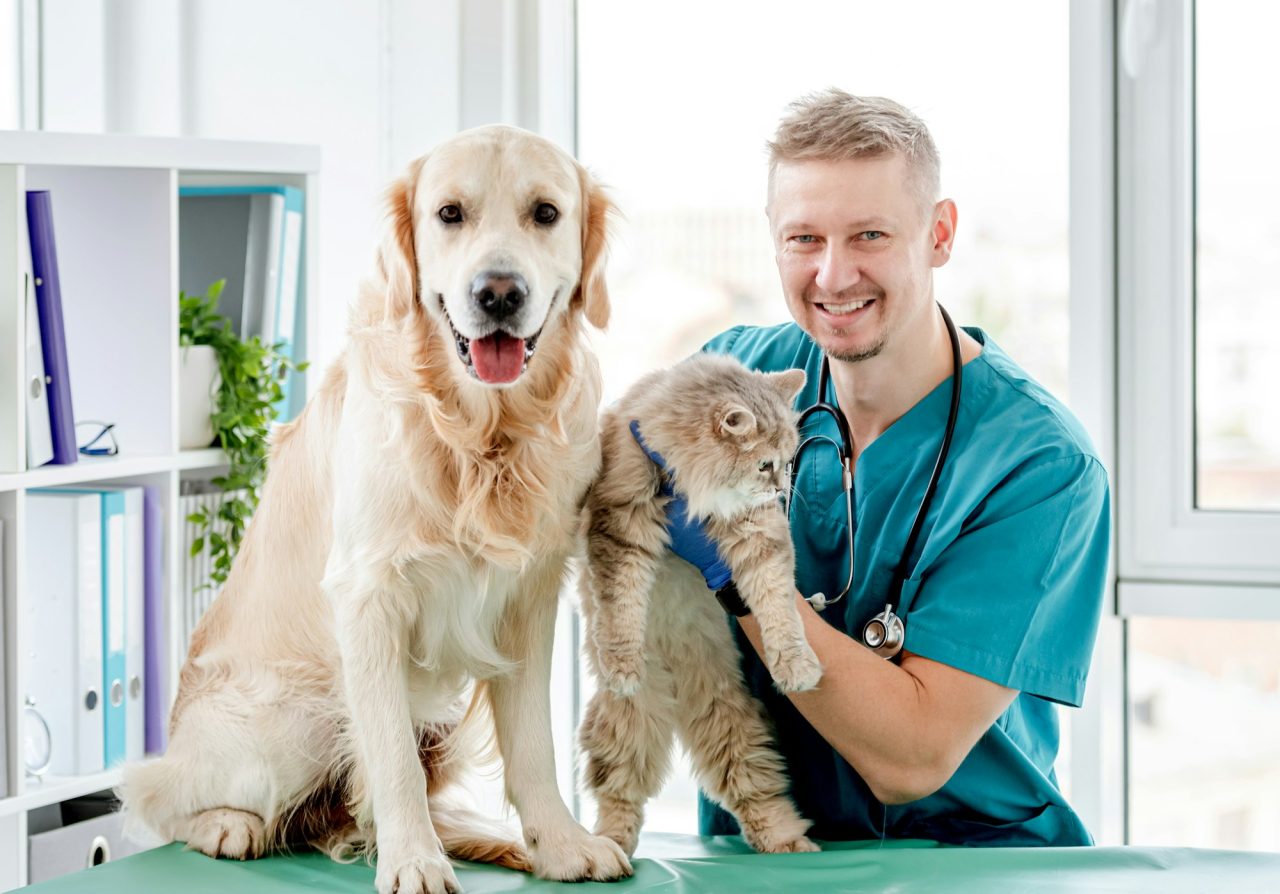
Veterinary anesthesia is not limited to the time your pet is on the operating table. It is a coordinated process that begins with pre-surgical evaluation and continues through anesthesia, surgery, pain control and recovery.

Our surgical approach may include:

  • A complete pre-surgical physical examination
  • Review of your pet’s medications and medical history
  • Pre-anesthetic blood work
  • An individualized anesthesia protocol
  • Placement of an IV catheter
  • Fluid therapy tailored to the patient
  • Oxygen delivery and airway protection
  • Continuous hands-on observation
  • ECG monitoring
  • Pulse oximetry
  • Blood-pressure monitoring
  • Capnography
  • Respiratory monitoring
  • Body-temperature monitoring
  • Active warming devices
  • Sterile preparation and aseptic surgical technique
  • Multimodal pain management
  • Monitoring by a dedicated veterinary technician
  • Close observation throughout anesthetic recovery
  • Detailed home-care and medication instructions


No anesthetic procedure is entirely without risk. Careful evaluation, individualized medication choices, attentive monitoring and early intervention help us reduce that risk as much as reasonably possible.

What Types of Pet Surgery Do We Perform?

Veterinary surgical procedures generally fall into two categories: planned procedures and medically necessary or urgent procedures.

Planned and Elective Surgery

Planned procedures are scheduled in advance. Although some are described as elective, they may provide important preventive or medical benefits.

Examples may include:

  • Spay and neuter surgery
  • Removal of benign skin growths
  • Selected mass removals
  • Biopsies
  • Wound repair
  • Other soft-tissue procedures

The recommendation to perform surgery is never made lightly. Dr. Hayter considers your pet’s condition, age, expected quality-of-life benefit and available nonsurgical alternatives before recommending a procedure.

Urgent and Medically Necessary Surgery

Some conditions require prompt surgical treatment. These may include:

  • Certain intestinal foreign bodies or obstructions
  • Serious wounds
  • Internal bleeding
  • Infected or damaged tissue
  • Selected tumor removals
  • Other urgent soft-tissue conditions

The services appropriate for an individual patient depend on the pet’s stability and the complexity of the procedure. When a patient requires overnight intensive care, advanced imaging or specialty surgery, we will discuss referral to an appropriate emergency or specialty hospital.

Please call before arriving with an urgent case so our team can advise you regarding availability and the most appropriate level of care.

What Is Pre-Anesthetic Blood Work?

Pre-anesthetic blood work helps us evaluate your pet’s health before administering anesthesia. A pet may appear healthy while still having an early medical condition that is not obvious during a physical examination.

Testing commonly includes a complete blood count and blood chemistry panel.

Complete Blood Count

A complete blood count, or CBC, evaluates:

  • Red blood cells, which carry oxygen
  • White blood cells, which may indicate infection or inflammation
  • Platelets, which help the blood clot

A CBC may identify anemia, inflammation, infection, platelet abnormalities or other findings that could affect surgery or anesthesia.

Blood Chemistry and Electrolytes

A chemistry panel provides information about:

  • Kidney function
  • Liver function
  • Blood glucose
  • Protein levels
  • Electrolyte balance
  • Hydration status

Depending on your pet’s age, symptoms, medical history and procedure, additional evaluation may include urinalysis, blood-pressure measurement, diagnostic imaging, an electrocardiogram or cardiac testing.

What Happens if My Pet’s Blood Work Is Abnormal?

An abnormal laboratory result does not automatically mean that your pet cannot receive anesthesia.

Pets with kidney disease, liver changes, diabetes and other chronic conditions can often undergo necessary procedures with a modified anesthesia, medication or fluid plan. In other cases, it may be safer to stabilize the patient, perform additional testing or postpone an elective procedure.

Dr. Hayter evaluates the complete patient rather than making a decision based on one laboratory value.

Is My Senior Pet Too Old for Anesthesia?

There is no single age at which a dog or cat automatically becomes too old for anesthesia.

Senior pets are more likely to have changes involving the heart, kidneys, liver, lungs or endocrine system. For that reason, they may benefit from additional testing and more extensive anesthetic planning.

A healthy 15-year-old pet may sometimes be a better anesthetic candidate than a younger pet with uncontrolled disease. We consider your pet’s overall health, comfort, mobility, quality of life and expected benefit from the procedure.

Can a Pet With a Heart Murmur Have Anesthesia?

Many pets with heart murmurs can undergo anesthesia safely, but the murmur should be evaluated as part of the pre-anesthetic assessment.

Depending on your pet’s examination, symptoms and medical history, additional testing may include:

  • Blood-pressure measurement
  • Electrocardiogram
  • Chest radiographs
  • Echocardiogram
  • Consultation with a veterinary cardiologist


The results help us determine how well the heart is functioning and whether the anesthesia and fluid plan should be modified.

Can Pets With Chronic Medical Conditions Have Anesthesia?

Many pets with well-managed medical conditions can receive anesthesia with additional planning and monitoring.

Conditions requiring special consideration include:

  • Diabetes mellitus
  • Cushing’s disease
  • Addison’s disease
  • Kidney disease
  • Liver disease
  • Heart disease
  • Respiratory disease
  • Seizure disorders
  • Thyroid disease

These conditions may affect medication timing, fasting instructions, fluid therapy, anesthetic drug selection and recovery care.

Do not stop or change insulin, steroids, heart medication, seizure medication or another prescription unless our veterinary team specifically instructs you to do so.

How Do We Help Protect Your Pet During Anesthesia?

Individualized Anesthesia Protocols

Anesthesia is not a one-size-fits-all process. Medication selection and dosage are adjusted according to your pet’s:

  • Age
  • Weight
  • Breed
  • Temperament
  • Health conditions
  • Laboratory results
  • Procedure
  • Expected level of discomfort

Using a combination of appropriately selected medications can provide sedation, anesthesia and pain relief while reducing reliance on any single drug.

IV Catheter Placement

An IV catheter provides reliable access to your pet’s bloodstream throughout anesthesia.

It allows the team to administer:

  • Anesthetic medications
  • Pain medication
  • Appropriately selected fluids
  • Additional supportive medications
  • Emergency medication if needed

Having immediate venous access is an important component of anesthetic preparation and patient support.

Individualized Fluid Therapy

Fluid therapy may help maintain IV catheter access and support circulation during anesthesia. The type and rate of fluids are selected for the individual patient rather than using the same plan for every pet.

Pets with kidney disease, heart disease, dehydration, blood loss or other medical concerns require careful adjustment to avoid giving too little or too much fluid.

Airway Protection and Oxygen

During general anesthesia, an endotracheal tube is commonly placed to protect the airway and deliver oxygen and anesthetic gas.

This is especially important for procedures involving the mouth, dental procedures and patients at increased risk of airway obstruction or aspiration.

Capnography

Capnography measures the carbon dioxide in your pet’s exhaled breath. It provides real-time information about ventilation and can alert the team to changes in breathing, airway function or circulation.

Capnography provides different information from pulse oximetry, so using both creates a more complete picture of respiratory function.

ECG and Heart-Rate Monitoring

An electrocardiogram, or ECG, tracks the heart’s electrical rhythm. It helps the team recognize changes in heart rate or rhythm that may require an adjustment in anesthesia or supportive care.

Pulse Oximetry

Pulse oximetry estimates the percentage of oxygen carried in the blood. It helps the team evaluate oxygenation throughout the procedure and recovery period.

Blood-Pressure Monitoring

Anesthesia can affect blood pressure. Monitoring allows the team to recognize low or high blood pressure and respond by adjusting anesthetic depth, warming, fluid support or other treatment.

Temperature Monitoring and Active Warming

Pets can lose body heat quickly while anesthetized. Low body temperature may slow recovery and affect circulation, metabolism and comfort.

We monitor body temperature and use appropriate warming devices to help maintain a safe temperature before, during and after surgery.

A Dedicated Anesthesia Technician

A dedicated veterinary technician monitors the patient rather than performing the surgical procedure.

The technician observes:

  • Heart rate and rhythm
  • Blood pressure
  • Oxygen saturation
  • Carbon-dioxide levels
  • Respiratory rate and pattern
  • Body temperature
  • Anesthetic depth
  • Patient positioning
  • Fluid administration
  • Recovery quality

Monitoring equipment is valuable, but it does not replace direct observation by a trained team member.

How Do We Maintain Surgical Sterility?

For procedures requiring sterile technique, the surgical site is clipped and carefully cleansed with antiseptic solutions before surgery.

Our team uses appropriate aseptic practices that may include:

  • Sterilized surgical instruments
  • Sterile gloves
  • Sterile surgical drapes
  • Surgical masks, caps and gowns as appropriate
  • Careful preparation of the surgical site
  • Separation of sterile and nonsterile materials
  • Appropriate cleaning and preparation of the procedure area

These measures help reduce the risk of contamination and postoperative infection.

How Is Pain Managed?

Pain control begins before the first surgical incision and continues during recovery and at home.

Depending on the patient and procedure, pain management may include:

  • Injectable pain medication
  • Local anesthetic blocks
  • Anti-inflammatory medication when medically appropriate
  • Oral medication for home use
  • Sedatives to promote calm recovery
  • Laser therapy or other supportive treatment when appropriate


Using multiple forms of pain relief can improve comfort while reducing reliance on any single medication.

What Is the Difference Between Sedation and General Anesthesia?

Sedation helps a pet become relaxed or drowsy but may not produce complete unconsciousness. General anesthesia creates a controlled state of unconsciousness and usually allows the airway to be protected with an endotracheal tube.

Sedation may be appropriate for selected brief or minimally invasive procedures. General anesthesia may be preferable when a procedure:

  • Is painful
  • Requires complete immobility
  • Takes more than a few minutes
  • Involves the mouth or airway
  • Requires precise positioning
  • Requires sterile surgical technique


Local anesthetic blocks can improve pain control but usually do not replace sedation or anesthesia when a pet cannot safely remain awake and still.

The least intensive option is not automatically the safest. The correct choice depends on the patient and procedure.

Are Flat-Faced Pets at Greater Anesthetic Risk?

Brachycephalic, or flat-faced, dogs and cats can have an increased risk of airway obstruction and breathing complications.

Examples include:

  • English Bulldogs
  • French Bulldogs
  • Pugs
  • Boston Terriers
  • Persian cats
  • Himalayan cats

These patients require careful airway assessment, oxygenation, intubation and recovery monitoring. Heavy sedation is not necessarily safer because a sedated flat-faced animal may lose some ability to keep its airway open.

We plan the anesthetic approach according to the individual pet’s anatomy, health and procedure.

Why Do Veterinary Dental Procedures Require Anesthesia?

Anesthesia-free tooth scaling is not equivalent to a comprehensive veterinary dental procedure.

Removing visible tartar from an awake pet does not allow the veterinary team to:

  • Examine every surface of every tooth
  • Clean safely beneath the gumline
  • Measure periodontal pockets
  • Protect the airway
  • Obtain diagnostic dental X-rays
  • Identify disease hidden below the gums
  • Treat painful or infected teeth


General anesthesia allows a thorough oral examination, professional cleaning and necessary treatment without fear, movement or pain. Learn more on our Veterinary Dental Services page.

How Should I Prepare My Pet for Surgery?

Follow the individualized instructions provided by Aliso Beach Animal Clinic. Fasting and medication directions differ according to age, species, size, health conditions and planned procedure.

Before surgery:

  1. Tell us about every prescription medication, supplement and over-the-counter product your pet receives.
  2. Ask which medications should be given or withheld.
  3. Follow the exact food and water instructions provided by our team.
  4. Notify us if your pet develops vomiting, diarrhea, coughing, breathing changes, lethargy or another new symptom.
  5. Arrange safe transportation home.
  6. Prepare a quiet, comfortable recovery area.
  7. Make sure you understand the expected activity restrictions and aftercare.


Do not automatically withhold food and water for 12 hours. Young pets, diabetic patients and medically fragile animals may require different instructions. Unless we tell you otherwise, do not change your pet’s medication or fasting schedule on your own.

What Should I Expect During Recovery?

Careful recovery monitoring is an important part of anesthesia safety.

A team member will observe your pet’s:

  • Breathing and airway
  • Heart rate
  • Body temperature
  • Comfort
  • Alertness
  • Incision or treatment site
  • Ability to sit or stand safely


Some sleepiness, mild disorientation or decreased appetite may occur during the first evening. Your pet’s expected recovery will depend on the procedure and medications used.

Home care may include:

  • Pain medication
  • Antibiotics or other prescriptions
  • An Elizabethan collar or recovery suit
  • Restricted activity
  • Incision monitoring
  • A temporary special diet
  • Sedatives
  • Physical rehabilitation
  • A follow-up examination


Contact the clinic promptly if your pet experiences difficulty breathing, collapse, repeated vomiting, uncontrolled bleeding, severe pain, extreme weakness, an opening in the incision or another concerning symptom listed in the discharge instructions.

Does Anesthesia Quality Differ Between Veterinary Clinics?

Yes. Two estimates for the same procedure may include very different levels of preparation, monitoring, staffing, pain management and recovery care.

When comparing veterinary surgical or dental services, ask whether the estimate includes:

  • A pre-surgical examination
  • Pre-anesthetic blood work
  • An individualized anesthesia protocol
  • IV catheter placement
  • Appropriate fluid therapy
  • Endotracheal intubation and oxygen
  • ECG monitoring
  • Pulse oximetry
  • Blood-pressure monitoring
  • Capnography
  • Temperature monitoring
  • Active warming
  • A dedicated anesthesia technician
  • Sterile preparation and instruments
  • Pain medication
  • Recovery monitoring
  • Written discharge instructions
  • Follow-up care


Price is important, but it should not be the only factor considered when choosing where your pet will receive anesthesia and surgery.

Schedule Pet Surgery in Laguna Beach

Aliso Beach Animal Clinic provides veterinary surgery, pre-anesthetic blood work, advanced anesthesia monitoring and individualized pain management for dogs and cats in Laguna Beach and surrounding South Orange County communities.

We welcome pet owners from South Laguna, Laguna Beach, Dana Point, Laguna Niguel, Aliso Viejo and nearby areas.

Aliso Beach Animal Clinic
30816 Coast Highway
Laguna Beach, CA 92651
(949) 499-4190

Call today to schedule a surgical consultation or discuss an upcoming procedure.