PERSONALIZED NUTRITION FOR DOGS & CATS
Pet Nutrition Counseling in Laguna Beach
Medically reviewed by Bryan Hayter, DVM, Owner and Medical Director of Aliso Beach Animal Clinic. Last reviewed: August 2026.
Nutrition affects your pet’s weight, muscle mass, digestion, skin, energy, dental health and ability to manage chronic disease. Yet choosing a food can be confusing. Pet owners are often faced with competing claims about kibble, canned food, raw diets, whole-food diets, grain-free food and home-prepared meals.
Aliso Beach Animal Clinic provides individualized pet nutrition counseling for dogs and cats in Laguna Beach. We help owners evaluate commercial and home-prepared feeding options without assuming that one type of food is best for every pet.
Our recommendations are based on your pet’s species, age, body condition, medical history, activity level, food tolerance and the nutritional completeness of the diet—not simply on marketing terms or popular trends.
REQUEST A NUTRITION CONSULTATION
CALL (949) 499-4190
A Personalized Nutrition Plan for Your Pet
Two pets of the same size may need very different diets. A growing puppy has different nutritional requirements than an adult dog. A sedentary indoor cat may need fewer calories than a highly active cat. Pets with kidney disease, gastrointestinal disease, pancreatitis, allergies or urinary problems may need additional nutritional considerations.
During a nutrition consultation, we may evaluate:
- Current food and feeding amount
- Treats, chews and table food
- Supplements
- Weight and body-condition score
- Muscle-condition score
- Age and life stage
- Activity and exercise
- Digestive symptoms
- Skin and coat health
- Dental health
- Medical conditions and medications
- The owner’s preferences and practical limitations
Our goal is to recommend a diet that is nutritionally appropriate, realistic to feed consistently and sustainable for both the pet and owner.
Whole-Food Diets for Dogs and Cats
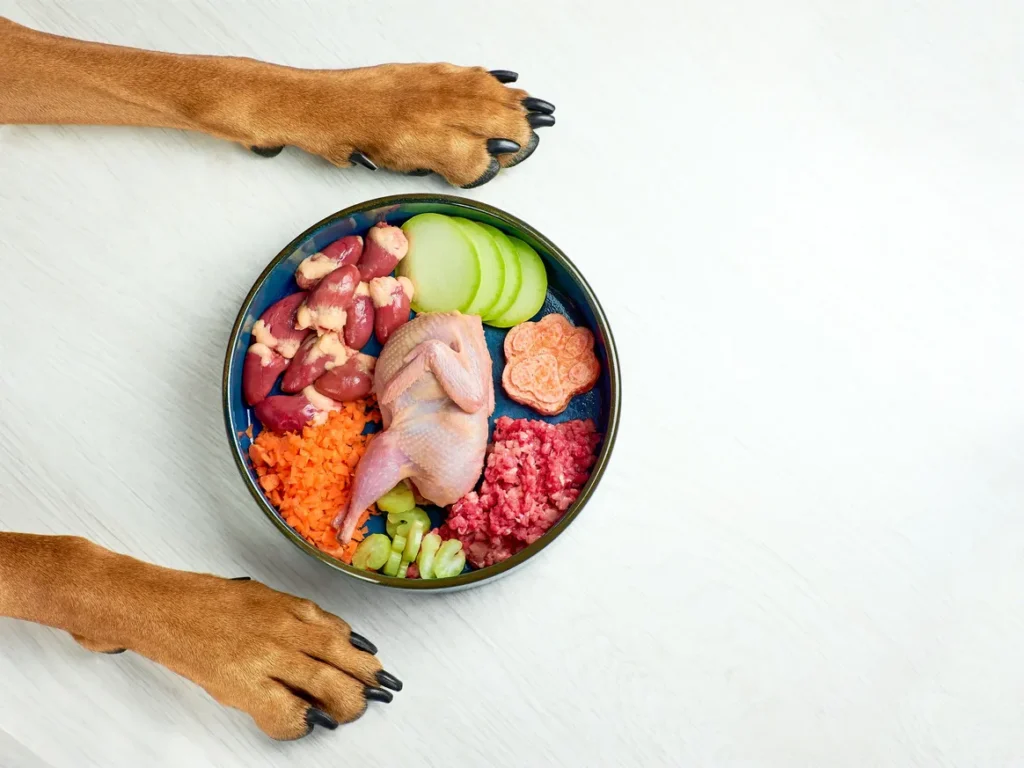
Some owners prefer diets made primarily from recognizable meat, vegetables, grains and other minimally processed ingredients. These are often described as fresh-food or whole-food diets.
In our clinical experience, some pets eating carefully portioned, nutritionally complete whole-food diets return with improved body condition and less excess weight. This may be related to accurate portioning, moisture content, palatability and greater owner awareness of exactly how much food is being provided.
However, whole-food diets are not automatically lower in calories or superior to commercial kibble. Some fresh diets are calorie dense, and overfeeding can still cause weight gain.
Potential Advantages of a Complete Whole-Food Diet
Depending on the formulation and individual patient, possible advantages may include:
- Recognizable ingredients
- Higher moisture content
- Strong palatability
- Easier customization for selected medical conditions
- Clearer portion control
- Reduced reliance on certain preservatives when refrigerated or frozen
- An alternative for pets that do not tolerate a conventional diet
These benefits depend on the diet being complete, balanced, safely prepared and fed in the correct amount.
Whole Food Does Not Automatically Mean Complete Nutrition
Chicken, rice, vegetables and organ meat may appear wholesome, but combining nutritious ingredients does not automatically create a nutritionally complete diet.
Dogs and cats require precise amounts and proportions of:
- Protein and essential amino acids
- Fat and essential fatty acids
- Calcium and phosphorus
- Vitamins
- Trace minerals
- Fiber
- Calories
A diet can look healthy while still being deficient or excessive in one or more essential nutrients.
Does Kibble Contain Glue?
No. Commercial kibble is not held together with household or industrial glue.
Most kibble is produced through a cooking and extrusion process. Heat, moisture and pressure help shape the food, and starches or other approved ingredients contribute to its structure and texture.
Some owners prefer whole-food diets because they want fewer processed ingredients, fewer preservatives or greater transparency about what is in the bowl. Those are reasonable preferences to discuss, but it is not medically accurate to describe kibble as being held together by harmful glue.
A well-formulated commercial diet can provide complete and balanced nutrition. A whole-food diet can also be appropriate when it is properly formulated. The individual formulation and the pet’s response matter more than the category name alone.
Dental Care Is Essential With Whole-Food and Soft Diets
Dental care is particularly important for pets eating soft, moist or fresh-food diets because these foods generally do not provide meaningful mechanical cleaning of the teeth.
However, ordinary kibble should not be treated as a substitute for dental care either. Most standard dry food crumbles when bitten and does not adequately clean beneath the gumline. Only specially designed dental diets and products with demonstrated dental benefits should be expected to reduce plaque or tartar meaningfully.
Regardless of diet, a complete dental-care plan may include:
- Daily brushing with pet-safe toothpaste
- Annual oral examinations
- Professional anesthetic dental cleaning when indicated
- Veterinary Oral Health Council-accepted products
- Appropriate dental diets or chews
- Monitoring for bad breath, red gums or difficulty eating
Owners feeding fresh or home-prepared food should be especially deliberate about brushing and professional dental care rather than assuming that chewing food will keep the teeth clean.
LEARN ABOUT PET DENTAL CARE
Home-Prepared Pet Diets Must Be Fully Formulated
We understand why owners want to cook for their pets. Preparing food at home offers control over ingredients and can be valuable for selected pets with medical or dietary needs.
However, an improvised home-prepared diet is not safe for long-term feeding simply because it contains meat, vegetables and other nutritious foods.
Home-prepared diets should be formulated to provide every essential nutrient in the correct amount and proportion for the individual pet.
Common problems in unbalanced recipes include:
- Insufficient calcium
- Incorrect calcium-to-phosphorus ratio
- Deficient essential amino acids
- Inadequate essential fatty acids
- Vitamin deficiencies
- Trace-mineral deficiencies or excesses
- Too few or too many calories
- Inappropriate supplementation
These deficiencies may develop gradually. A pet can appear healthy for months while nutritional damage is occurring.
Online Recipes Are Frequently Incomplete
Recipes from social media, blogs, cookbooks and general recipe websites may not meet established nutritional requirements for dogs or cats.
Even a recipe that was originally balanced can become incomplete when an owner:
- Omits the required supplement
- Substitutes one meat for another
- Changes ingredient quantities
- Removes a disliked ingredient
- Adds extra vegetables or treats
- Changes the cooking method
- Feeds by volume rather than the specified weight
When using a formulated recipe, follow it exactly unless the veterinarian or veterinary nutritionist who developed it approves a change.
Dilated Cardiomyopathy and Nutritional Deficiency in Dogs
Dilated cardiomyopathy, or DCM, is a serious condition in which the heart muscle becomes enlarged and contracts poorly.
Some dogs develop inherited DCM. Other cases may be associated with nutritional deficiencies or imbalances.
Improperly formulated home-prepared diets can be deficient in taurine, methionine, cysteine or other nutrients involved in normal cardiac function. Taurine deficiency is one recognized nutritional cause of DCM in susceptible dogs, although diet-associated DCM is complex and is not explained by taurine deficiency in every patient.
Signs of DCM may include:
- Reduced stamina
- Weakness
- Coughing
- Rapid or difficult breathing
- Weight loss
- Collapse
- Abnormal heart rhythm
- Congestive heart failure
A home-prepared diet formulated by a qualified veterinary nutrition professional and followed exactly is much less likely to create these deficiencies than an improvised recipe.
Do not attempt to protect against DCM simply by adding taurine to an otherwise unbalanced diet. Supplementing one nutrient does not correct all possible deficiencies and may create a false sense of safety.
Why Home-Prepared Cat Diets Require Extra Caution
Cats are obligate carnivores with several unique nutritional requirements. They cannot safely adapt to nutritional imbalances as readily as many owners assume.
Home-prepared cat diets may be deficient in:
- Taurine
- Thiamine
- Arachidonic acid
- Preformed vitamin A
- Vitamin D
- Calcium
- Other vitamins and trace minerals
Taurine Deficiency in Cats
Taurine is an essential amino acid for cats. Inadequate taurine can contribute to:
- Retinal degeneration and vision loss
- Dilated cardiomyopathy
- Reproductive problems
- Poor growth
Cooking, ingredient selection and the balance of animal tissues included in a recipe can affect taurine intake. Adding meat alone does not guarantee adequate taurine.
Thiamine Deficiency and Neurologic Disease
Thiamine, or vitamin B1, deficiency can cause severe and potentially fatal neurologic disease in cats.
Possible signs include:
- Loss of balance
- Weakness
- Head tremors
- Abnormal eye movements
- Neck flexion
- Seizures
- Depression or altered awareness
- Loss of appetite
Risk factors may include an inadequately formulated diet, improper storage, certain preservation methods and excessive feeding of raw fish containing thiaminase.
Severe neurologic disease from folate deficiency is not considered the typical concern in home-prepared cat diets. Thiamine and taurine are more important deficiencies to emphasize.
How to Prepare a Balanced Home-Cooked Diet
Owners who want to prepare food at home should use a recipe created for the specific pet by a board-certified veterinary nutritionist or a reliable veterinary formulation resource.
One resource we recommend is:
BalanceIt.com
Balance It provides veterinary nutritionist-developed tools that can generate recipes for dogs and cats. Some medical conditions require veterinary authorization or direct formulation by a nutrition specialist.
A complete recipe may require a specific vitamin-and-mineral supplement. The supplement is not optional. Meat, vegetables, oil and carbohydrates alone rarely supply every required nutrient in the correct proportion.
Follow the Recipe Exactly
For home preparation to remain balanced:
- Weigh ingredients accurately
- Use the specified cuts of meat
- Use the prescribed cooking method
- Add every required supplement
- Do not substitute ingredients without approval
- Feed the prescribed daily amount
- Store food safely
- Return for weight and health monitoring
A recipe should be updated when a pet grows, becomes more or less active, develops a medical condition or experiences a meaningful weight change.
Commercially Prepared Whole-Food Diets
Owners who want a whole-food approach without cooking at home may consider a commercially prepared fresh or gently cooked diet formulated by qualified veterinary nutrition professionals.
We do not recommend a particular brand for every pet. Instead, we encourage owners to evaluate whether the manufacturer:
- Employs or consults with a board-certified veterinary nutritionist
- Formulates diets to recognized nutritional standards
- Conducts appropriate quality-control testing
- Can provide complete nutrient information
- Maintains qualified staff responsible for formulation
- Provides clear calorie information
- Uses reliable manufacturing and food-safety practices
- Has a process for monitoring complaints and adverse events
Terms such as “human grade,” “natural,” “premium” and “holistic” do not by themselves establish that a food is nutritionally complete or appropriate for a particular pet.
Raw Diets and Food-Safety Risks
Raw diets may expose pets and household members to bacteria and parasites. Organisms such as Salmonella, E. coli and Listeria can contaminate the food, bowls, preparation surfaces, pet’s mouth and stool.
Raw bones can also cause:
- Broken teeth
- Choking
- Constipation
- Gastrointestinal obstruction
- Perforation
These risks are particularly important in households with young children, older adults, pregnant people or anyone with a weakened immune system.
Owners interested in a fresh-food diet can usually choose a cooked, nutritionally complete option without accepting the same degree of raw-food exposure.
Pet Weight Management
Diet quality matters, but calories still determine whether a pet gains or loses weight.
Fresh and whole-food diets may appear lighter in the bowl because they contain more moisture. This does not always mean they are lower in calories.
A weight-management plan may include:
- Measuring every meal
- Calculating an appropriate calorie target
- Limiting treats to a small portion of daily calories
- Accounting for chews and table food
- Increasing safe exercise
- Monitoring body and muscle condition
- Regular weight checks
- Adjusting portions as weight changes
We focus on preserving lean muscle while reducing excess body fat rather than pursuing rapid weight loss.
Nutrition for Puppies and Kittens
Growing pets are particularly vulnerable to nutritional imbalance.
Puppies and kittens require diets formulated for growth. Large- and giant-breed puppies need controlled calories and mineral balance to support steady skeletal development.
Do not feed an improvised home-prepared diet to a growing puppy or kitten. Small errors in calcium, phosphorus, vitamin D or calorie intake can affect developing bones, joints and organs.
A home-prepared growth diet should be created specifically for that individual animal by a board-certified veterinary nutritionist.
LEARN ABOUT PUPPY & KITTEN CARE
Nutrition for Senior Pets
Senior pets do not all need the same “senior” food.
We consider:
- Muscle loss
- Body weight
- Kidney and liver health
- Dental disease
- Mobility
- Digestion
- Appetite
- Chronic medical conditions
Some older pets require fewer calories, while others need additional calories and high-quality protein to prevent weight and muscle loss.
A meaningful change in appetite or weight should be medically evaluated rather than managed only by changing food.
LEARN ABOUT SENIOR PET CARE
Nutrition for Medical Conditions
Diet may be an important part of managing:
- Food allergy
- Chronic gastrointestinal disease
- Kidney disease
- Urinary disease
- Pancreatitis
- Obesity
- Diabetes
- Liver disease
- Heart disease
- Skin disease
- Arthritis
A diet that is appropriate for one condition may be unsuitable for another. For example, a high-fat whole-food diet may be poorly tolerated by a pet with pancreatitis, while an unbalanced low-protein diet may cause muscle loss or nutrient deficiency.
Medical diets should be selected according to the diagnosis and monitored with examinations and laboratory testing when appropriate.
When Appetite or Digestive Changes Need Prompt Veterinary Care
Nutrition is often part of managing chronic disease, but a sudden change in eating, drinking, digestion, or energy should not automatically be treated by changing food.
If your dog or cat suddenly stops eating, develops repeated vomiting or diarrhea, becomes markedly weak or lethargic, appears painful, or has another significant change in health, call Aliso Beach Animal Clinic promptly.
We provide
same-day urgent veterinary care in Laguna Beach
for many stable illnesses during regular clinic hours when availability allows. Call
(949) 499-4190
before arriving so our veterinary team can determine whether your pet needs an examination, diagnostic testing, treatment, or a higher level of emergency care.
Difficulty breathing, collapse, repeated seizures, unresponsiveness, severe weakness, or another life-threatening condition may require immediate evaluation at a 24-hour emergency hospital.
Supplements Are Not Automatically Harmless
Vitamins, minerals, oils and herbal products can cause adverse effects or create nutritional imbalances.
Potential problems include:
- Excess calcium
- Vitamin A or vitamin D toxicity
- Bleeding risk
- Gastrointestinal upset
- Medication interactions
- Excess calories
- Contamination or inconsistent concentration
Tell us about every supplement, powder, oil, chew and food topper your pet receives.
Do not add supplements to an already complete commercial diet unless there is a clear medical or nutritional reason.
Frequently Asked Questions About Pet Nutrition
Are whole-food diets healthier than kibble?
Not automatically. A nutritionally complete whole-food diet may be an excellent option for some pets, while a well-formulated commercial kibble may be more appropriate for others. The formulation, calorie content, quality control and individual patient matter more than the category name.
Does kibble contain glue?
No. Kibble is generally formed through a cooking and extrusion process. Starches and other approved ingredients help create its shape and texture, but it is not held together with household or industrial glue.
Can a whole-food diet help my pet lose weight?
It may help when the diet is accurately portioned and provides an appropriate calorie level. In our experience, some pets eating complete whole-food diets achieve a leaner condition, but overfeeding any food can cause weight gain.
Does kibble clean my pet’s teeth?
Most standard kibble does not provide adequate dental cleaning. Specially designed dental diets may reduce plaque or tartar, but daily brushing and professional veterinary dental care remain important regardless of food type.
Can I cook chicken, rice and vegetables for my dog every day?
Not as a complete long-term diet unless the recipe has been professionally formulated and includes all required supplements. Chicken, rice and vegetables alone are deficient in several essential nutrients.
Can I make cat food at home?
Yes, but only with a complete recipe formulated specifically for cats by a qualified veterinary nutrition professional. Cats have unique taurine, thiamine, fatty-acid, vitamin and mineral requirements that are easy to miss.
What deficiencies can occur in homemade cat food?
Possible deficiencies include taurine, thiamine, calcium, essential fatty acids, vitamin A, vitamin D and trace minerals. Taurine deficiency can damage the heart and retina, while thiamine deficiency can cause severe neurologic disease.
Can an unbalanced diet cause heart disease in dogs?
Yes. Nutritional deficiencies and imbalances can contribute to secondary dilated cardiomyopathy in some dogs. Taurine deficiency is one possible cause, but diet-associated DCM is complex and cannot always be attributed to one nutrient.
Can I simply add taurine to a homemade diet?
No. Adding taurine does not correct deficiencies in calcium, vitamins, fatty acids, trace minerals or other essential nutrients. The entire diet must be properly formulated.
What is BalanceIt.com?
BalanceIt.com is a veterinary nutrition resource that can generate complete recipes for dogs and cats and identify the supplements required to balance them. Some recipes or medical conditions require veterinary involvement.
Do you recommend a specific fresh-food company?
We do not recommend one brand for every patient. We evaluate the diet’s formulation, nutritional adequacy, quality control, calorie content and suitability for the individual pet.
Are raw diets healthier?
There is no reliable evidence that raw food is necessary for optimal health. Raw diets can expose pets and people to infectious organisms and may be nutritionally incomplete if not professionally formulated.
How do I know whether my pet is overweight?
A veterinarian evaluates the ribs, waist, abdominal tuck, fat covering and muscle condition—not just body weight. Ask us to show you how to monitor body condition at home.
Should my senior pet eat a senior diet?
Not necessarily. Senior pets have different needs depending on body condition, muscle mass, organ function and medical history. The word “senior” on a label does not guarantee that the diet is appropriate for your pet.
Schedule Pet Nutrition Counseling in Laguna Beach
Whether you feed kibble, canned food, a commercially prepared whole-food diet or a safely formulated home-cooked recipe, your pet deserves nutrition selected for individual health rather than marketing trends.
Aliso Beach Animal Clinic provides personalized nutrition and weight-management guidance for dogs and cats in Laguna Beach.
CALL (949) 499-4190
REQUEST AN APPOINTMENT
Aliso Beach Animal Clinic
30816 Coast Highway
Laguna Beach, CA 92651
Directly across from the Montage Laguna Beach
Monday–Friday: 7:30 a.m.–4:30 p.m.
Saturday: 8:00 a.m.–12:00 p.m.
Sunday: Closed
Medical review: Reviewed for medical accuracy by Bryan Hayter, DVM. Last reviewed July 2026.