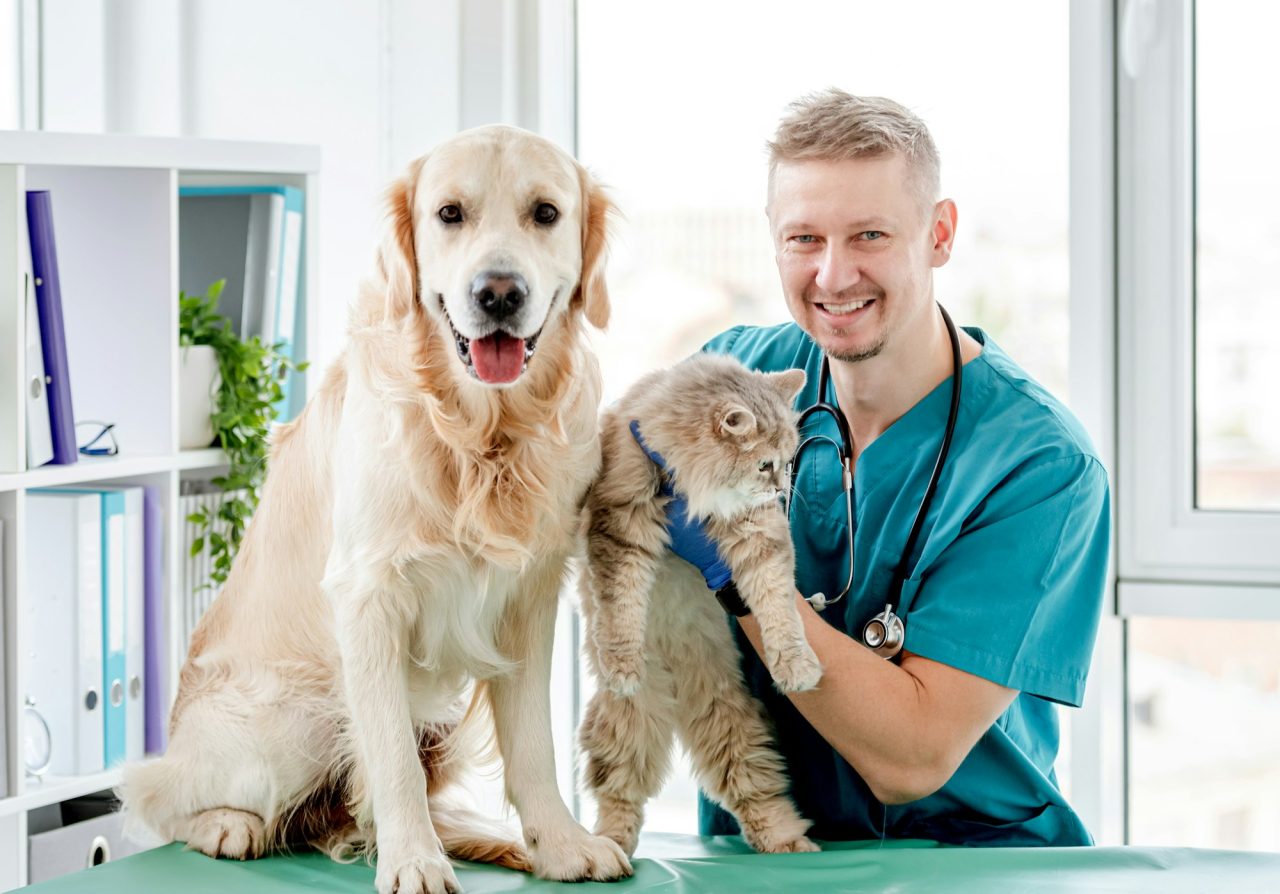
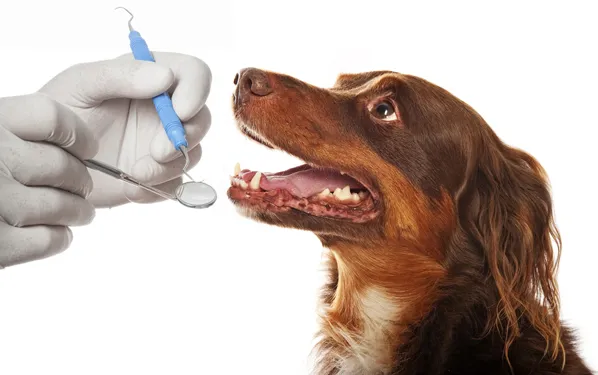
TRUSTED DENTAL CARE FOR DOGS & CATS
Pet Dental Cleaning & Veterinary Dentistry in Laguna Beach
Medically reviewed by Bryan Hayter, DVM, Owner and Medical Director of Aliso Beach Animal Clinic. Last reviewed: August 2026.
Dental disease can cause chronic pain, infection, difficulty eating and progressive damage beneath the gumline—even when a dog or cat continues to eat and behave normally.
Aliso Beach Animal Clinic provides comprehensive pet dental cleaning, dental X-rays, periodontal treatment and tooth extractions for dogs and cats in Laguna Beach. Our goal is not to remove teeth unnecessarily or inflate a treatment plan. Our goal is to identify painful and infected teeth accurately, preserve healthy teeth whenever reasonably possible and recommend the treatment we would want for our own pets.
As an independently owned, locally accountable veterinary clinic, we have longstanding ties to the Laguna Beach community. We want our clients to understand every recommendation and feel confident that decisions are based on the individual pet’s comfort, health and long-term quality of life.
REQUEST A DENTAL ASSESSMENT
CALL (949) 499-4190
Why Dental Care Matters for Dogs and Cats
Dental disease begins when plaque and bacteria accumulate on the teeth and beneath the gumline. Without effective home care and professional treatment, plaque mineralizes into tartar and inflammation can progress to periodontal disease.
Periodontal disease damages the gingiva, periodontal ligament and bone that hold each tooth in place. Over time, affected teeth may become painful, loose or infected.
Untreated dental disease may cause:
- Chronic oral pain
- Inflamed or bleeding gums
- Loose or mobile teeth
- Tooth-root abscesses
- Loss of supporting bone
- Fractured or infected teeth
- Difficulty chewing
- Reduced appetite or weight loss
- Infection affecting neighboring teeth and oral tissues
- Oronasal fistulas between the mouth and nasal cavity
- Pathologic jaw fractures in severe cases
Pets frequently hide dental pain. Many continue eating because they are hungry and have learned to chew around the painful area. A normal appetite does not guarantee a comfortable or healthy mouth.
How Often Should Pets Have Dental Cleanings?
Aliso Beach Animal Clinic recommends that every dog and cat receive an
oral examination at least once a year. For many pets, we recommend a professional anesthetic dental cleaning annually.
The appropriate interval depends on:
- Breed and jaw shape
- Age
- Previous periodontal disease
- Rate of plaque and tartar accumulation
- Home dental care
- Diet
- Missing, crowded or abnormally positioned teeth
- Medical conditions
Small dogs, cats and pets with previous periodontal disease may need professional care more frequently. A young pet with a healthy mouth and effective daily brushing may follow a different schedule.
The American Veterinary Medical Association recommends that a veterinarian evaluate a pet’s teeth and gums at least annually. The American Animal Hospital Association explains that most pets need professional dental cleaning every one to two years, while many higher-risk patients need it more often.
READ THE AVMA PET DENTAL CARE GUIDANCE
READ AAHA’S GUIDANCE ON PROFESSIONAL DENTAL CLEANINGS
Signs Your Pet May Have Dental Disease
Schedule a dental examination if you notice:
- Persistent bad breath
- Red, swollen or bleeding gums
- Visible tartar
- Loose, broken or discolored teeth
- Dropping food
- Chewing on only one side
- A preference for soft food
- Reduced interest in toys or chews
- Pawing at the mouth
- Excessive drooling
- Blood in saliva
- Facial swelling
- Nasal discharge
- Reduced appetite or weight loss
- Behavior changes or reluctance to have the face touched
Dental disease may also be discovered during a routine wellness examination before an owner notices symptoms.
What Is Included in an Anesthetic Dental Cleaning?
A comprehensive veterinary dental procedure is much more than removing visible tartar.
Depending on the individual patient, the procedure may include:
- Pre-anesthetic examination and medical-history review
- Pre-anesthetic laboratory testing
- Individualized anesthetic planning
- Placement of an intravenous catheter
- Endotracheal intubation to protect the airway
- Advanced anesthetic monitoring
- Full-mouth dental X-rays
- Scaling above and below the gumline
- Polishing every tooth surface
- Periodontal probing around each tooth
- Assessment of tooth mobility and furcation exposure
- A complete dental chart
- Treatment of periodontal disease
- Extraction of painful or non-salvageable teeth when indicated
- Post-extraction dental X-rays
- Multimodal pain management
- Careful anesthetic recovery monitoring
- Home dental-care recommendations
A complete treatment plan can only be finalized after the pet is anesthetized, the teeth are cleaned, periodontal probing is completed and dental X-rays are reviewed. Significant disease is often hidden beneath the gumline and cannot be fully evaluated during an awake examination.
Why Dental X-Rays Are Essential
A large portion of every tooth lies beneath the gumline. The crown may look normal while the root, surrounding bone or internal tooth structure is diseased.
Dental X-rays can reveal:
- Tooth-root abscesses
- Bone loss caused by periodontal disease
- Retained roots
- Fractures extending below the gumline
- Dead or infected teeth
- Feline tooth resorption
- Impacted or unerupted teeth
- Abnormal root development
- Changes affecting neighboring teeth
AAHA strongly recommends full-mouth dental radiographs for dental patients. Research cited in its guidelines found clinically important X-ray abnormalities in some teeth that appeared normal during visual examination.
We also take post-extraction X-rays when appropriate to confirm that the entire root has been removed and assess the extraction site.
When Does a Tooth Need to Be Extracted?
We do not extract a tooth simply because it has tartar or because extraction is convenient. Each tooth is evaluated using the visual examination, dental probing, mobility assessment and dental X-rays.
When a tooth is healthy enough to remain comfortable and functional, preservation may be appropriate. When a tooth is painful, infected, structurally damaged or has lost too much support, extraction may be the most humane and predictable treatment.
Grade 2 or Grade 3 Tooth Mobility
A healthy tooth should be firmly anchored by its periodontal ligament and supporting bone.
Grade 2 or grade 3 mobility indicates significant loss of periodontal support. A tooth that moves substantially from side to side—or also moves vertically within its socket—is generally painful, unstable and unlikely to regain normal support through cleaning alone.
These severely mobile teeth are commonly extracted to remove the source of pain and infection.
Deep Periodontal Pocketing
A periodontal pocket is an abnormal space between a tooth and its supporting gum tissue.
Deep pockets trap bacteria and debris below the gumline. When pocketing or gingival recession represents more than approximately half of the tooth’s root support, AAHA guidelines indicate that extraction or advanced periodontal treatment is appropriate.
The recommendation depends on the tooth, degree of attachment loss, home-care potential and whether referral for advanced periodontal treatment is practical.
Tooth-Root Abscess or Infection on Dental X-Rays
Dental X-rays may reveal infection, inflammation or bone destruction around a tooth root that is not obvious from the visible crown.
An abscessed or non-vital tooth generally requires extraction or advanced treatment such as root-canal therapy. Antibiotics alone do not permanently correct an infected tooth because the diseased source remains present.
Fractured Teeth
Not every minor enamel chip requires extraction. However, a fracture may expose sensitive dentin or the pulp chamber containing the tooth’s nerves and blood supply.
Extraction may be recommended when:
- The pulp is exposed
- The tooth is infected or non-vital
- The fracture extends below the gumline
- The root is fractured
- The tooth cannot be restored predictably
- Root-canal treatment is not appropriate or is not being pursued
Advanced restorative treatment or referral to a board-certified veterinary dentist may be discussed when saving an important tooth is realistic and desired.
Furcation Exposure
The furcation is the area where the roots of a multi-rooted tooth divide. In a healthy mouth, that space is covered by gum tissue and supporting bone.
Furcation exposure means periodontal disease has destroyed some of that support. Advanced class 2 or class 3 furcation exposure frequently carries a poor prognosis without advanced periodontal treatment and may be an indication for extraction.
Severe Gingival Recession
Gingival recession exposes part of the tooth root and may reflect significant periodontal attachment loss.
Mild recession does not automatically require extraction. Severe recession, especially when combined with deep pocketing, mobility, bone loss or furcation exposure, may leave a tooth painful and structurally compromised.
Feline Tooth Resorption
Tooth resorption is a common and painful condition in cats in which the tooth structure begins to break down.
Affected teeth may appear to have a small red defect near the gumline, but much of the disease may only be visible on dental X-rays. Treatment commonly requires extraction or another technique selected according to the X-ray appearance of the roots.
Other Reasons for Extraction
Extraction may also be recommended for:
- Retained tooth roots
- Persistent deciduous teeth causing crowding or trauma
- Teeth creating painful contact with oral tissues
- Advanced periodontal bone loss
- Oronasal fistulas
- Severe infection
- Abnormal teeth associated with cyst formation
- Teeth involved in certain oral masses or injuries
Why Removing a Diseased Tooth Can Improve Comfort
Owners are often understandably worried when they learn that a pet needs one or more extractions. It can feel distressing to authorize the removal of a tooth that is still visibly present.
However, a loose, fractured, abscessed or severely diseased tooth is not functioning like a healthy tooth. It may be a continual source of pain, inflammation and bacterial infection.
After appropriate extraction and healing, many owners notice that their pet:
- Eats more comfortably
- Shows greater interest in toys
- Has improved breath
- Becomes more playful or social
- Allows the face to be touched more comfortably
- Appears brighter or more energetic
Removing a non-salvageable tooth eliminates that source of discomfort and infection. It can also help protect surrounding oral tissues and neighboring teeth from continued periodontal contamination and bone destruction.
Dogs and cats generally adapt very well after necessary dental extractions. Comfort and freedom from infection are more important than retaining a painful tooth.
Transparent and Trustworthy Extraction Decisions
Aliso Beach Animal Clinic is a local, independently owned veterinary practice with longstanding ties to the Laguna Beach community. We want to remain the type of hospital where we would feel comfortable bringing our own pets.
That means we strive to:
- Recommend extractions only when they are medically justified
- Use dental X-rays and objective periodontal findings
- Explain what is wrong with each affected tooth
- Discuss alternatives when a tooth may be saved
- Provide an estimate and obtain informed consent
- Contact the owner when unexpected findings substantially change the plan
- Use effective pain control
- Monitor anesthesia carefully
- Provide clear discharge and home-care instructions
Some dental disease cannot be fully diagnosed until the patient is anesthetized. We discuss possible findings and establish communication preferences before the procedure so you understand how treatment decisions will be handled.
Multimodal Dental Pain Control
Dental disease and dental extractions can be painful. We use multimodal pain control, meaning that more than one type of medication or technique may be used to address pain through different pathways.
Depending on the procedure and individual patient, pain management may include:
- Pre-anesthetic pain medication
- Local dental nerve blocks
- Intraoperative analgesic medication
- Anti-inflammatory medication when medically appropriate
- Additional medications for more extensive oral surgery
- Postoperative oral pain medication
- Cold or soft-food recommendations during recovery
Dental nerve blocks numb specific areas of the mouth. They can improve patient comfort and may reduce the amount of inhaled anesthesia required to maintain an appropriate anesthetic depth.
Each pain-control plan is adjusted for the pet’s species, age, weight, kidney and liver health, medical history and extent of dental treatment.
Advanced Anesthetic Monitoring
General anesthesia allows us to protect the airway, clean beneath the gumline, take diagnostic dental X-rays, probe each tooth and perform treatment without causing fear, restraint or pain.
Before the procedure, we evaluate the patient and review medical history, medications and laboratory results. The anesthetic protocol is selected for the individual pet rather than applied as a universal formula.
Our dental anesthesia and monitoring protocols may include:
- Pre-anesthetic bloodwork
- Intravenous catheter placement
- Intravenous fluids when appropriate
- Endotracheal intubation
- Continuous ECG monitoring
- Pulse-oximetry monitoring
- Capnography to evaluate ventilation
- Blood-pressure monitoring
- Respiratory-rate monitoring
- Body-temperature monitoring
- Active warming support
- A dedicated team member monitoring the patient
- Continued observation throughout anesthetic recovery
No anesthetic procedure is entirely without risk. Careful patient evaluation, individualized drug selection, airway management, monitoring, temperature support and attentive recovery are used to manage that risk.
Non-Anesthetic Dental Cleanings: Our Honest Position
Aliso Beach Animal Clinic does offer limited non-anesthetic surface cleanings for selected cooperative patients when owners specifically request this service. We provide this option primarily from a customer-service standpoint for clients who understand its significant limitations.
However, we strongly recommend comprehensive anesthetic dental cleanings for dogs and cats when professional dental care is due.
A non-anesthetic cleaning may remove some visible plaque or tartar from the exposed surfaces of certain teeth. It cannot provide the same medical evaluation or treatment as an anesthetized dental procedure.
A non-anesthetic surface cleaning cannot reliably provide:
- A complete examination beneath the gumline
- Full-mouth dental X-rays
- Accurate periodontal probing around every tooth
- A reliable mobility and furcation assessment
- Thorough subgingival cleaning
- Airway protection
- Treatment of painful teeth
- Tooth extraction
- Diagnosis of hidden root disease
- Complete polishing of every tooth surface
The American Veterinary Dental College does not recommend anesthesia-free dental scaling as a substitute for professional veterinary dentistry. AVDC explains that removing visible tartar may make teeth appear cleaner while failing to diagnose or treat periodontal disease below the gumline.
A pet may therefore leave with teeth that look better while painful disease, bone loss, tooth resorption or root infection remains undetected.
READ THE AVDC INFORMATION ABOUT ANESTHESIA-FREE DENTAL CLEANINGS
We are happy to discuss anesthesia concerns honestly. For most dogs and cats needing professional dental care, a carefully planned anesthetic procedure provides the most complete, useful and medically appropriate evaluation and treatment.
Home Dental Care
Professional dentistry works best when paired with regular home care. Plaque begins forming again shortly after a dental cleaning.
Daily brushing with pet-safe toothpaste is the most effective home-care option for many pets. Begin gradually and stop if your pet appears painful or distressed.
Depending on the patient, we may also discuss:
- Veterinary Oral Health Council-accepted products
- Dental diets
- Appropriate dental chews
- Oral rinses
- Water additives
- Dental wipes
- Follow-up examinations
Human toothpaste should not be used because it is designed to be rinsed and may contain ingredients that are unsafe when swallowed by pets.
What to Expect After a Dental Procedure
Recovery instructions depend on the treatment performed.
Your pet may need:
- Soft food for several days
- Temporary avoidance of hard treats and chew toys
- Oral pain medication
- Antibiotics only when medically indicated
- Monitoring for bleeding or swelling
- A postoperative recheck
- A gradual return to brushing after healing
A small amount of blood-tinged saliva may occur after extractions. Contact us for persistent bleeding, marked swelling, repeated vomiting, refusal to eat, severe lethargy, breathing difficulty or any concern about your pet’s recovery.
Frequently Asked Questions About Pet Dentistry
Why can’t you determine every extraction before anesthesia?
Many important findings are hidden beneath the gumline. Dental X-rays, periodontal probing, mobility testing and examination of cleaned teeth are needed before the full extent of disease can be determined.
Do all loose teeth need to be extracted?
Substantial mobility usually indicates significant loss of support. Grade 2 and grade 3 mobile teeth generally have a poor prognosis and are commonly extracted. Mild mobility is evaluated together with X-rays, pocketing, attachment loss and the tooth’s function.
Does every fractured tooth need to be removed?
No. Treatment depends on the depth and location of the fracture and whether the pulp is exposed or infected. Some teeth may be monitored or treated by a veterinary dental specialist. Non-restorable or infected fractures commonly require extraction.
Can antibiotics cure an abscessed tooth?
Antibiotics may temporarily reduce surrounding infection, but they do not remove the diseased or dead tissue inside an infected tooth. Definitive treatment generally requires extraction or root-canal therapy.
Will my pet be able to eat after extractions?
Most dogs and cats eat comfortably after appropriate healing, even when several teeth are removed. Diseased teeth may have been causing more discomfort than owners realized.
Is my senior pet too old for a dental procedure?
Age alone does not determine anesthetic suitability. We evaluate the pet’s overall health, examination, laboratory results and anticipated benefit.
Older pets often experience meaningful improvement in comfort after painful dental disease is treated.
Why is anesthesia necessary?
Anesthesia allows us to protect the airway, clean below the gumline, take dental X-rays, probe the tissues and treat painful conditions without fear, movement or distress.
Do you offer anesthesia-free dental cleanings?
We offer limited non-anesthetic surface cleanings for selected cooperative patients as a customer-service option. We are transparent that this is not equivalent to a comprehensive veterinary dental procedure and cannot diagnose or treat disease beneath the gumline.
How often should my dog or cat receive a dental cleaning?
Many pets benefit from annual professional dental care. AAHA states that most pets need cleaning every one to two years, with small dogs, cats and other higher-risk patients often needing it more frequently. We recommend a schedule based on the individual oral examination and dental history.
Can I receive an estimate before the procedure?
Yes. We provide a preliminary estimate based on the awake examination. Because hidden disease may only become visible on dental X-rays after anesthesia, the final treatment needs may differ. We discuss possible ranges and communication preferences before proceeding.
Schedule a Pet Dental Assessment in Laguna Beach
Protect your pet from avoidable dental pain and infection with thoughtful, trustworthy veterinary dentistry close to home.
Aliso Beach Animal Clinic provides comprehensive anesthetic dental cleanings, full-mouth dental X-rays, individualized extraction decisions, advanced anesthetic monitoring and multimodal pain control for dogs and cats.
We recommend only the care we believe your pet genuinely needs and explain the reasons behind every treatment decision.
Medically Reviewed by Dr. Bryan Hayter, July 2026
CALL (949) 499-4190
REQUEST A DENTAL APPOINTMENT
Aliso Beach Animal Clinic
30816 Coast Highway
Laguna Beach, CA 92651
Directly across from the Montage Laguna Beach
Monday–Friday: 7:30 a.m.–4:30 p.m.
Saturday: 8 a.m.–12 p.m.
Sunday: Closed