Exotic Pet Veterinarian in Laguna Beach, CA
Rabbits, reptiles, birds, and small mammals have medical, nutritional, and environmental needs that differ significantly from those of dogs and cats.
At Aliso Beach Animal Clinic, Bryan William Hayter, DVM, and our veterinary team provide medical care and husbandry guidance for many exotic and nontraditional companion animals.
Services may include wellness examinations, diagnostic testing, nutrition counseling, assessment of illness or injury, and appropriate same-day urgent evaluations during regular clinic hours.
Our independently owned clinic is located in South Laguna Beach, serving pet families from Dana Point, Monarch Beach, Emerald Bay, Three Arch Bay, and nearby coastal Orange County communities.
Medically reviewed and approved by Bryan William Hayter, DVM, Owner and Medical Director — November 5, 2026.
Meet Some of the Exotic Pets We Care For
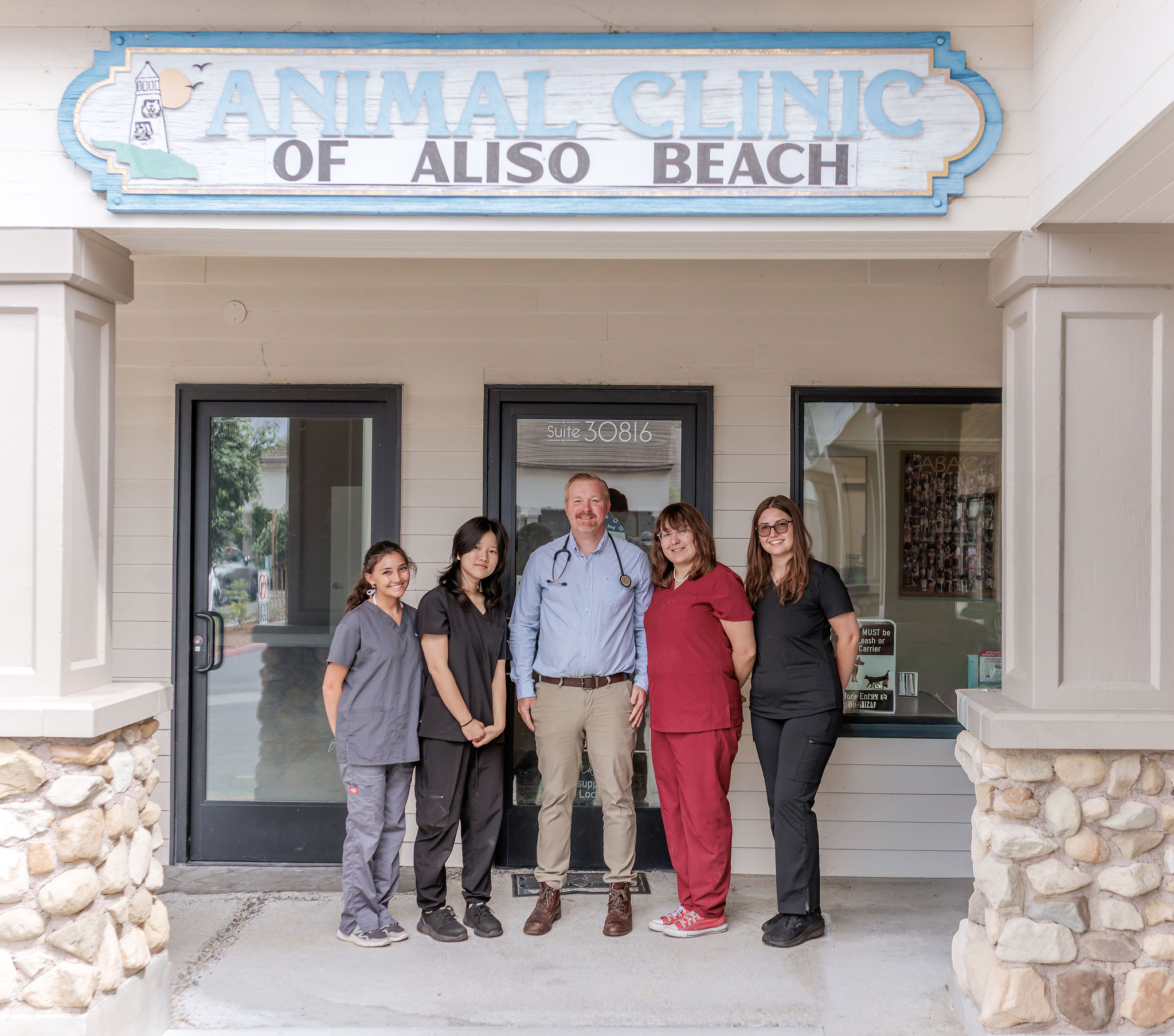
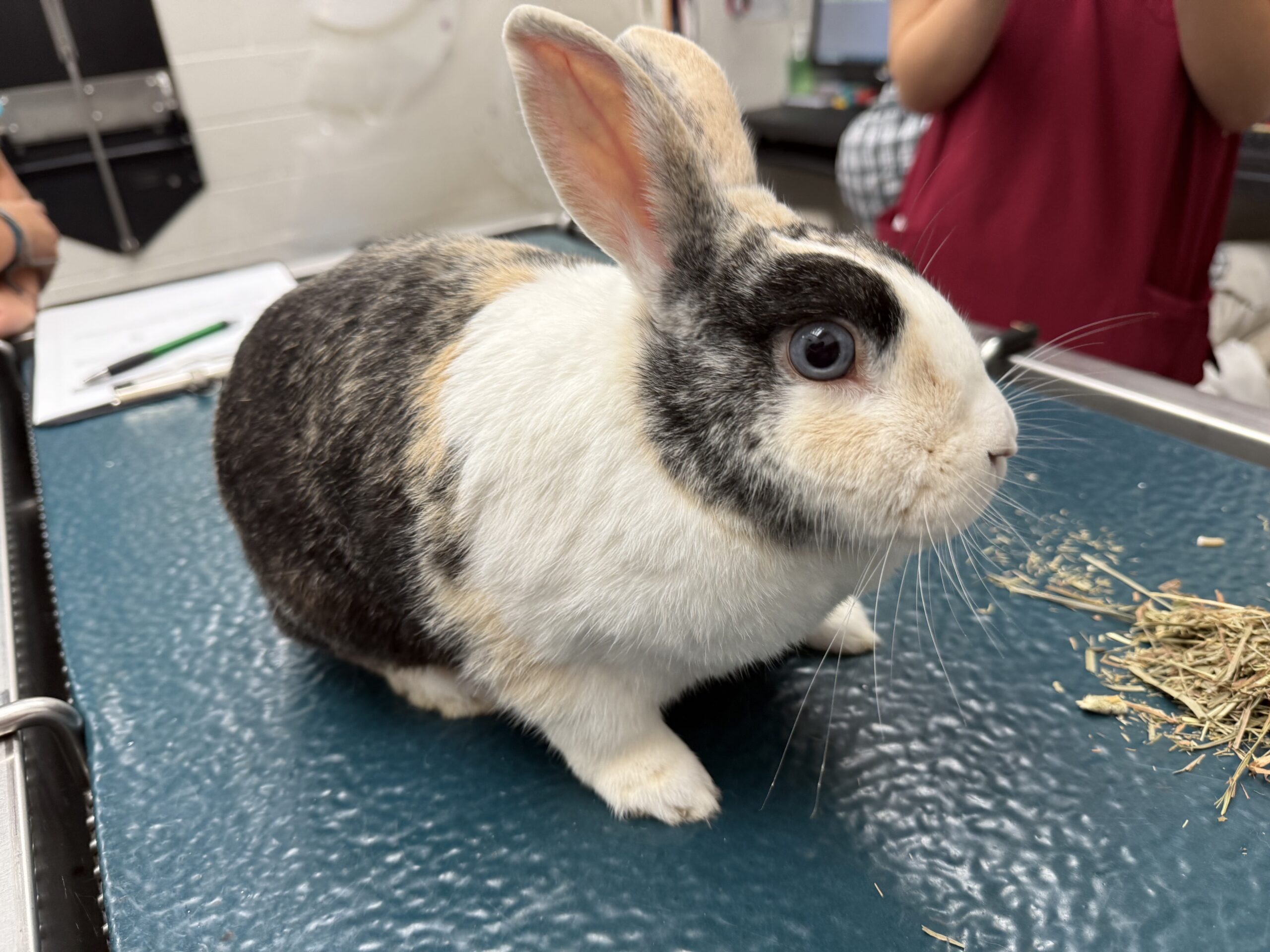
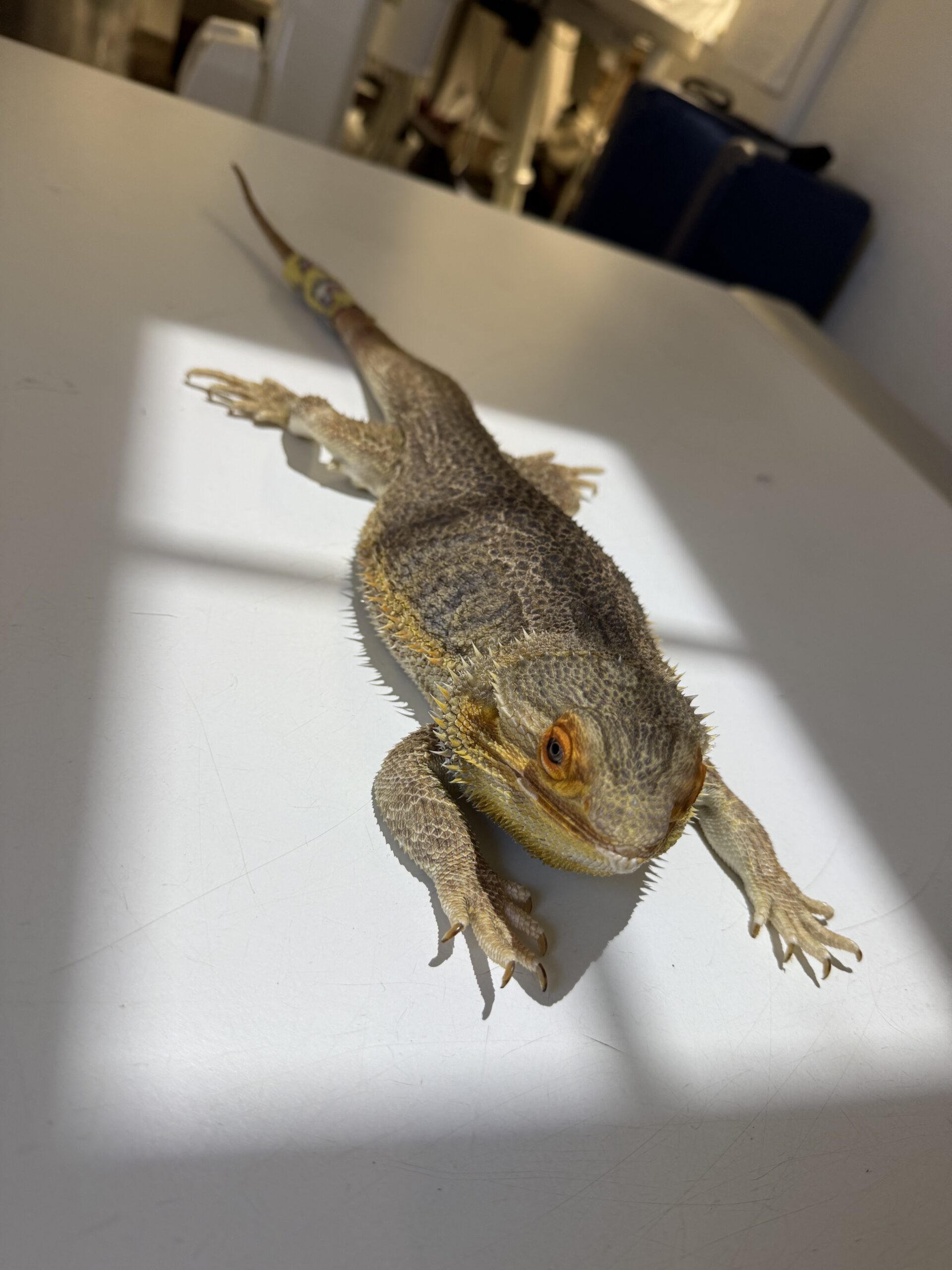
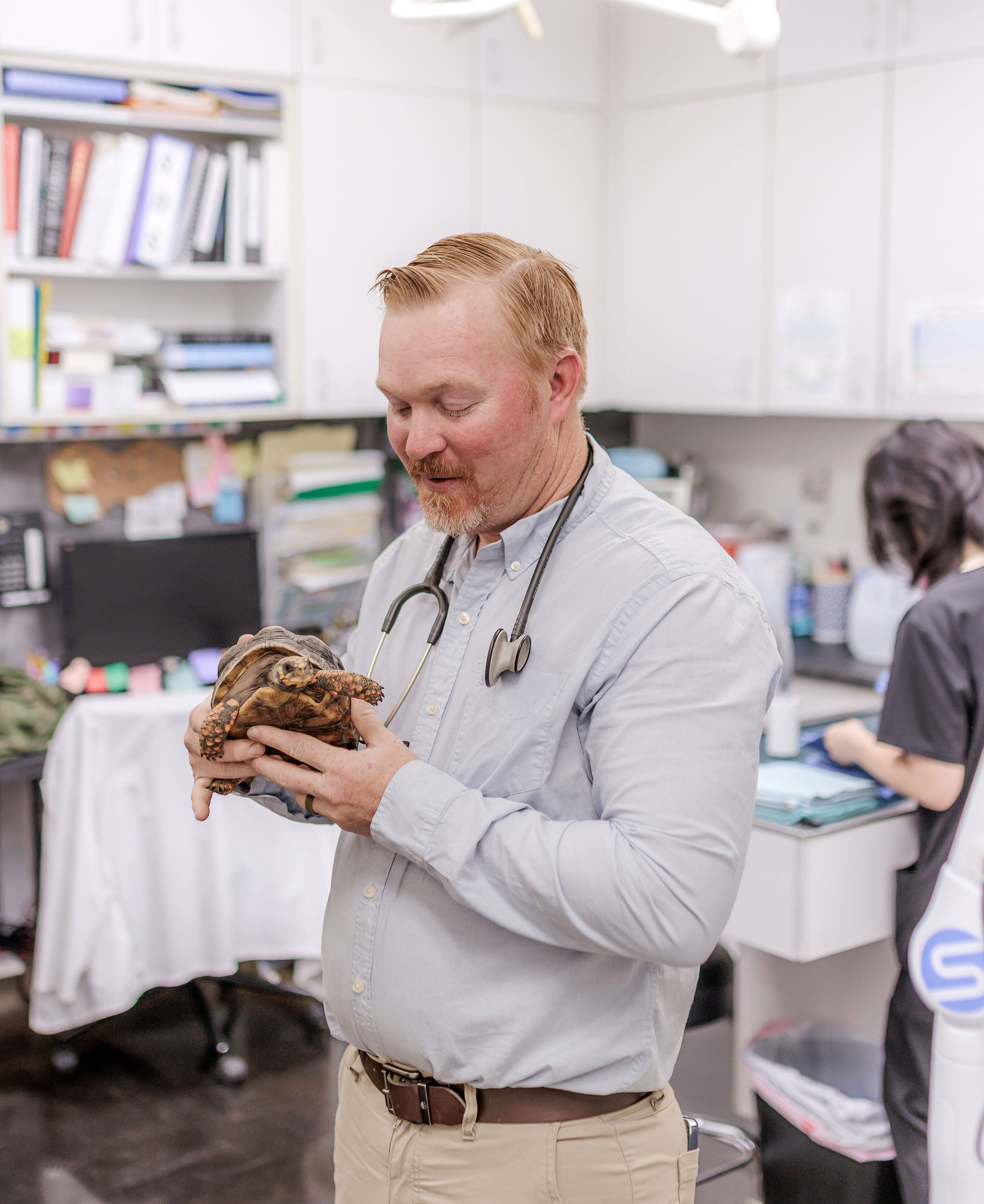
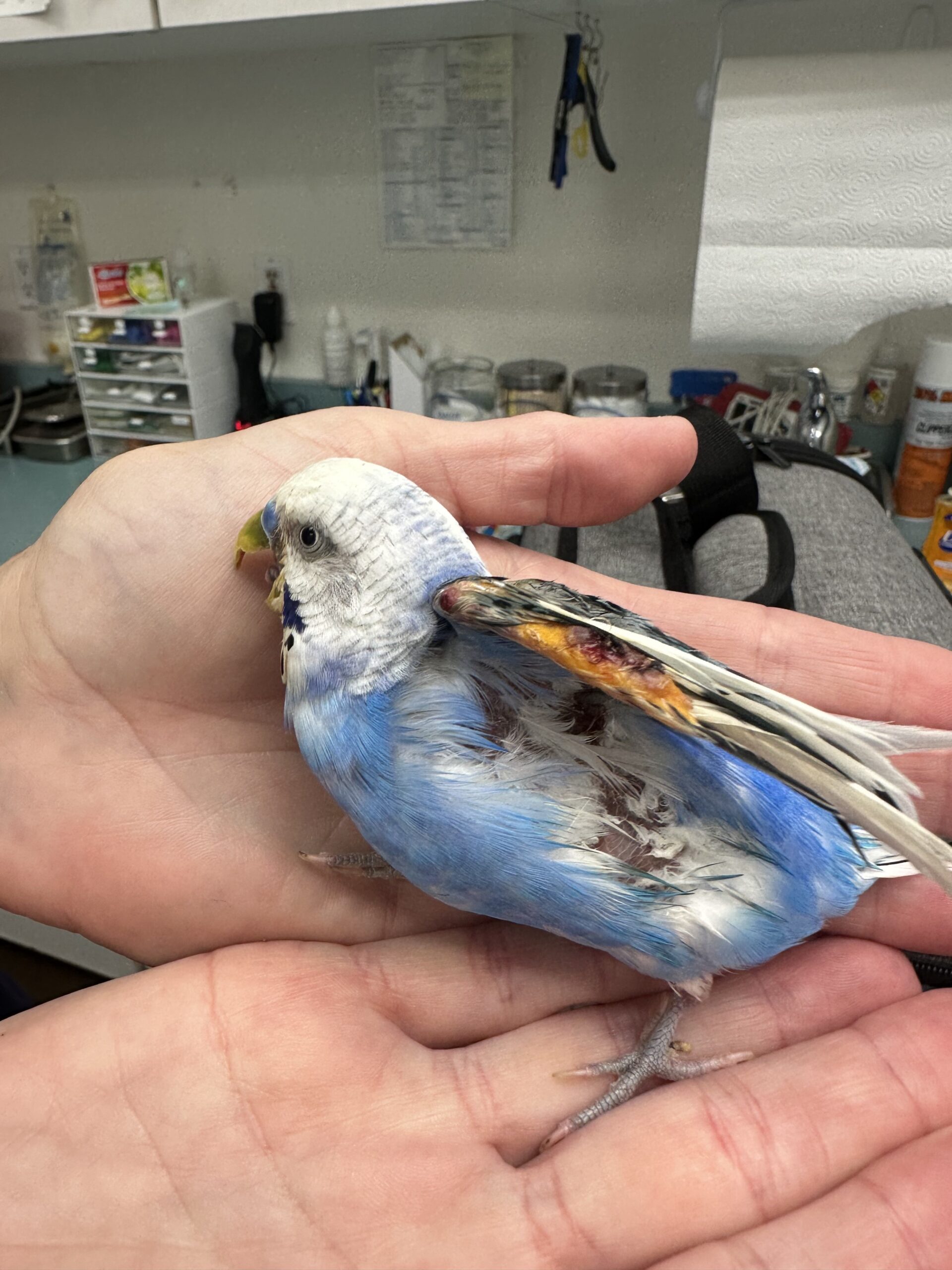
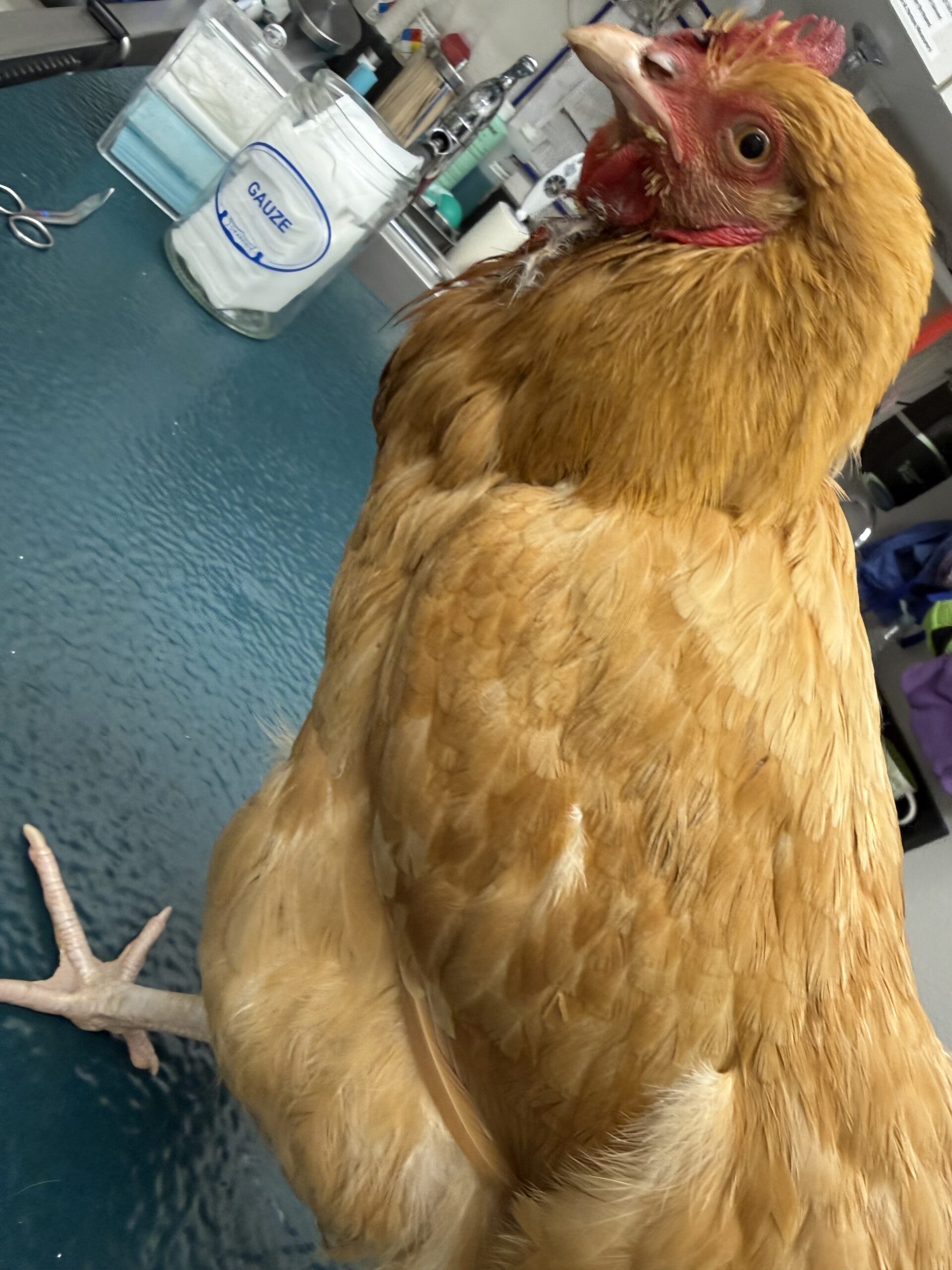
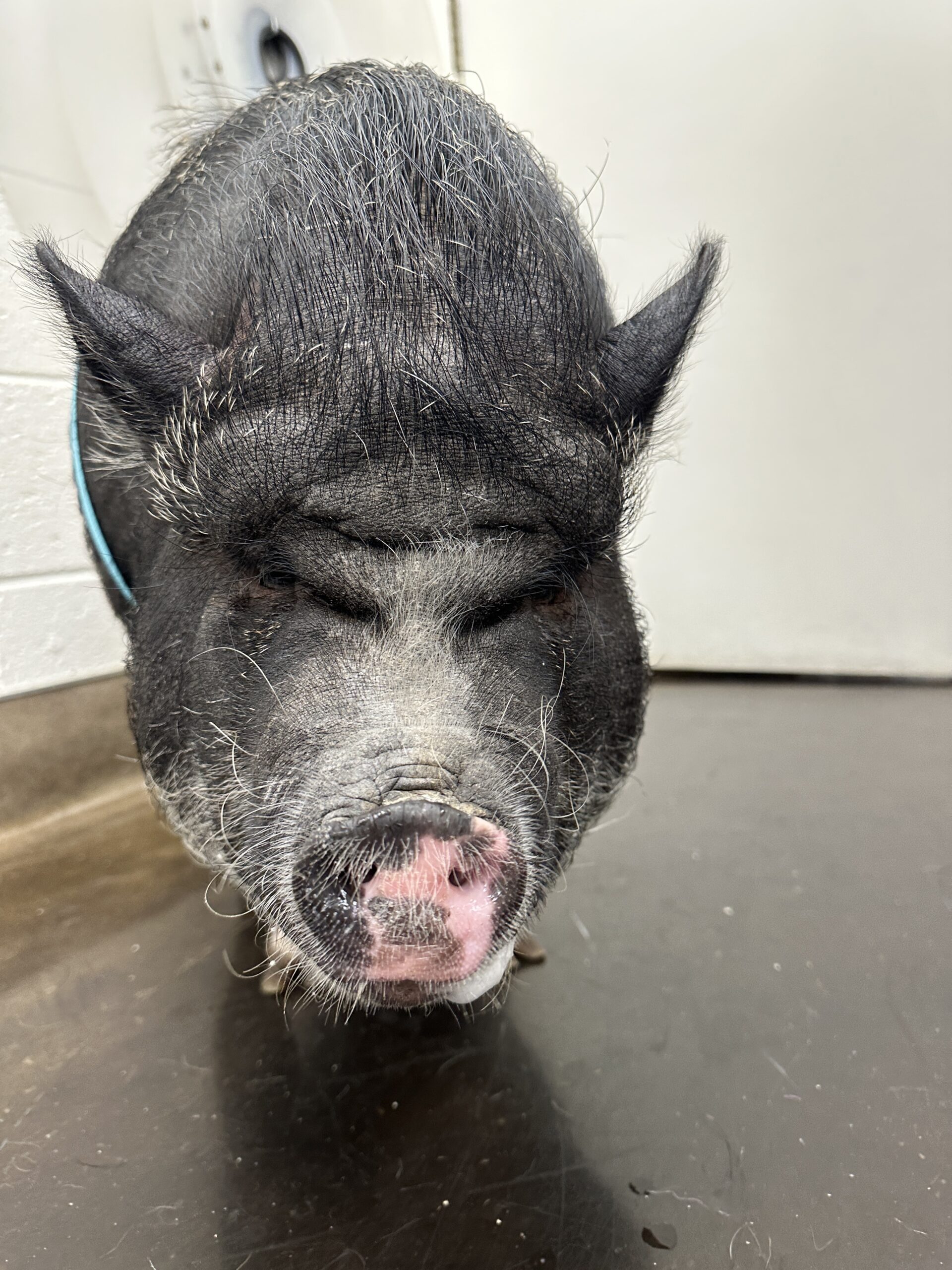
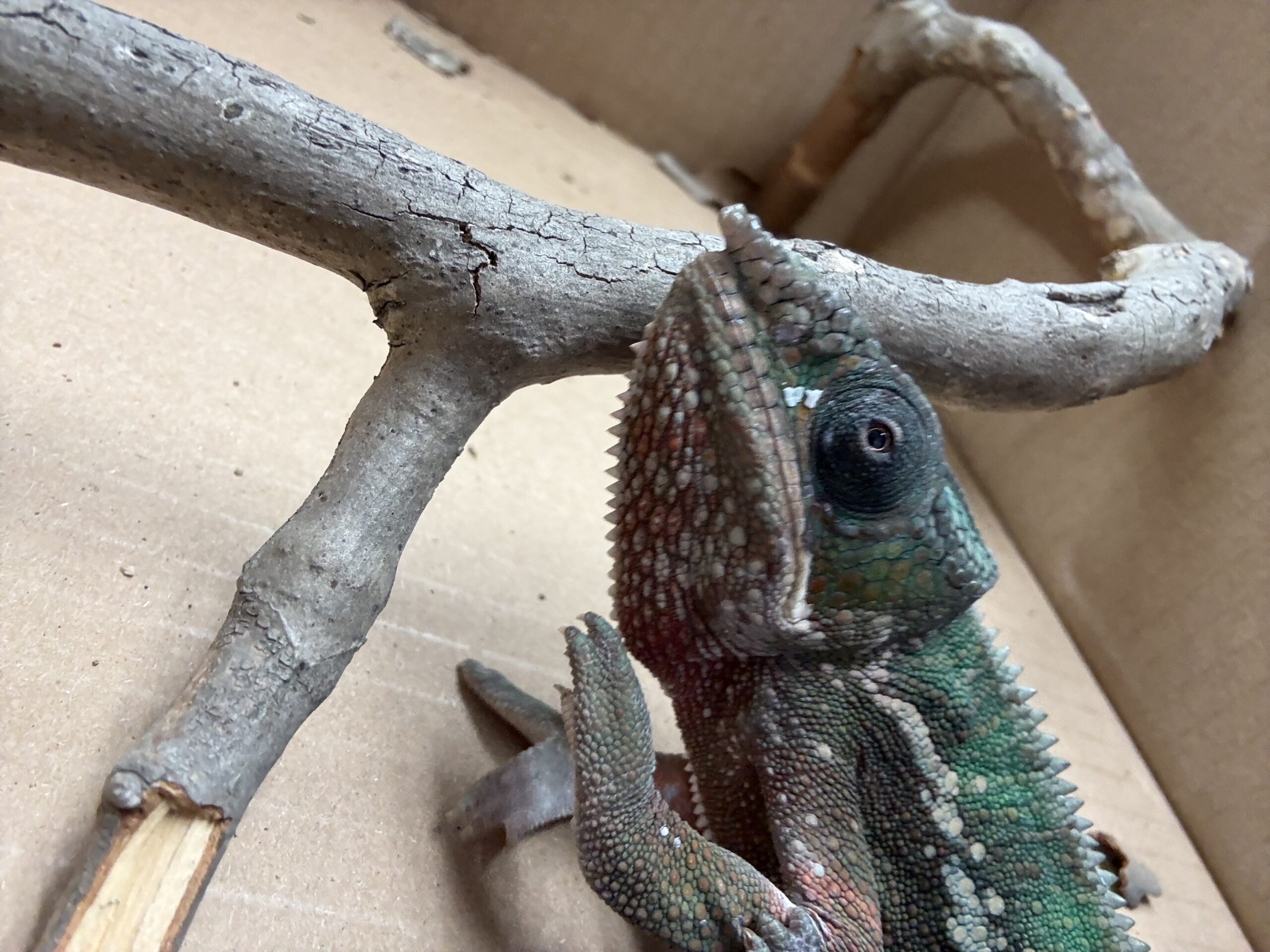
These photographs come from Aliso Beach Animal Clinic’s own WordPress media library. They show real patients, veterinary team interactions, and species represented in our clinical photography.
Species eligibility, appointment availability, and recommended treatment depend on the individual animal and medical concern.
Want to see more of the hospital? Take a photo tour of Aliso Beach Animal Clinic .
Exotic Pet Species We May Treat in Laguna Beach
Our exotic-pet care may include many small mammals, reptiles, tortoises, selected birds, backyard chickens, and other nontraditional companion animals. Not every species or procedure is available at every appointment.
Explore these individual care guides for preventive needs, habitat recommendations, nutrition, illness signs, and when to contact a veterinarian.
See the complete veterinarian-reviewed exotic-pet species guide library for more information.
Routine Wellness Exams for Exotic Pets
Preventive care is particularly important for exotic animals because signs of illness are often subtle. Many species naturally conceal weakness, pain, or reduced activity.
Changes in eating habits, droppings, urine, feather or scale appearance, growth, behavior, weight, or movement may be medically significant.
What an Exotic Pet Wellness Exam May Include
- Species-appropriate physical examination
- Body weight and condition assessment
- Diet and nutritional history
- Housing, enclosure size, and sanitation review
- Temperature, humidity, lighting, and UVB assessment
- Dental, beak, nail, shell, skin, or feather evaluation
- Hydration and digestive health assessment
- Behavior and enrichment discussion
- Fecal or parasite screening when indicated
- Individualized preventive-care planning
The evaluation is adapted to the species, age, reproductive status, current medical condition, and handling tolerance.
For many species, enclosure and feeding information is as clinically relevant as the physical examination itself.
Exotic Pet Nutrition, Housing & Husbandry Counseling
Proper husbandry helps support the health of exotic companion animals. The best habitat for a desert tortoise is very different from the best habitat for a chinchilla, rabbit, tropical reptile, bird, or hermit crab.
Our veterinary team may review nutrition, heat and humidity, lighting, enclosure setup, substrate, water access, sanitation, enrichment, and species-specific behaviors.
Rabbits & Guinea Pigs
Key concerns include adequate grass hay, appropriate pellets, dental wear, hydration, and normal stool production. Guinea pigs require a reliable dietary source of vitamin C.
Reptiles & Tortoises
Important considerations may include safe thermal gradients, UVB lighting, calcium balance, diet, humidity, substrate, and seasonal behavior.
Chinchillas & Hamsters
Housing should account for species-specific temperature needs, bedding, feeding, dental or chewing requirements, and enrichment.
Hermit Crabs & Other Unusual Pets
Environmental parameters can be especially important for these animals. For hermit crabs, humidity, substrate depth, water quality, shells, and molting conditions matter.
Common Medical Concerns in Exotic Companion Animals
Illness in an exotic pet may have medical, nutritional, environmental, infectious, traumatic, or reproductive causes. An examination helps determine which possibilities are most important.
Rabbits, Guinea Pigs, Chinchillas & Hamsters
Concerns may include dental abnormalities, reduced appetite, gastrointestinal slowdown, respiratory illness, skin disease, urinary problems, weight loss, wounds, reproductive issues, and mobility changes.
A rabbit or guinea pig that stops eating or produces significantly fewer droppings needs prompt veterinary guidance. Do not assume the cause is simple stress.
Read our rabbit and guinea pig GI stasis and urgent-care guide .
Lizards, Reptiles & Tortoises
Reptile concerns may include appetite loss, dehydration, retained shed, abnormal shell or bone development, respiratory signs, egg-laying difficulties, injuries, eye problems, or husbandry-related disease.
These species require individualized assessment of enclosure temperatures, lighting, humidity, diet, and behavior.
Backyard Chickens & Selected Birds
Changes in eating, drinking, droppings, respiratory effort, balance, feather condition, egg laying, or normal behavior may warrant veterinary attention.
Birds can decline quickly and may require specialized handling or emergency care. Contact ABAC before scheduling or arriving with a sick bird.
Hermit Crabs
Hermit crab problems may involve unsuitable humidity, temperature, substrate, water, shell availability, molting conditions, injury, or stress. A detailed enclosure history can help guide recommendations.
Exotic Pet Blood Work, X-Rays & Other Diagnostics
Diagnostic testing must be selected carefully for exotic species because body size, anatomy, metabolism, blood volume, restraint requirements, and normal laboratory values differ.
When medically appropriate and available, an exotic-pet evaluation may include:
- Fecal parasite testing
- Selected blood work
- Urinalysis or urine culture
- Skin, ear, or other cytology
- Digital radiographs
- Selected ultrasound studies
- Culture or other laboratory testing
- Specialty diagnostic consultation
Not every diagnostic procedure is available or suitable for every species. We consider the medical question, patient stability, handling safety, and whether referral is appropriate.
When Does an Exotic Pet Need Urgent Veterinary Care?
Exotic animals can become seriously ill while showing relatively few outward signs. Seek veterinary guidance promptly if your pet develops:
- Sudden appetite loss or refusal to eat
- Markedly reduced stool production
- Difficulty breathing
- Severe weakness or collapse
- Trauma, bite wounds, or possible fractures
- Shell injuries or significant skin wounds
- Swollen or painful abdomen
- Abnormal urination or straining
- Seizures, head tilt, or abnormal movement
- Eye swelling or significant discharge
- Prolapse or reproductive complications
- Heat exposure, overheating, or chilling
- Major changes in normal species-specific behavior
Emergency care matters. If an exotic pet has severe breathing difficulty, collapse, major trauma, uncontrolled bleeding, or other life-threatening symptoms, it may require immediate treatment at a 24-hour or specialty emergency hospital that treats the species.
ABAC is not a 24-hour emergency hospital. Call before arriving so we can advise whether our clinic can appropriately evaluate the pet.
Preparing for Your Exotic Pet Veterinary Appointment
The details of your pet’s usual routine can help us recognize illness and recommend appropriate care.
Please bring or photograph:
- Your pet’s enclosure or habitat
- Commercial food, hay, pellet, or insect labels
- Supplements and medications
- Temperature and humidity readings
- UVB lighting, heating equipment, and placement
- Bedding, litter, substrate, or water setup
- Recent stool, urine, skin, or shedding changes
- Weight measurements, if available
- Photographs or videos of unusual behavior
- Previous veterinary records and laboratory reports
Safe Transportation
Use a secure, ventilated, escape-resistant carrier suitable for the species. Keep the animal protected from direct sun, overheating, drafts, cold air conditioning, and avoidable stress.
If your pet is critically ill, call for medical guidance rather than delaying care while preparing paperwork or collecting enclosure information.
Exotic Pet Veterinary Care FAQs
What exotic animals does Aliso Beach Animal Clinic see?
Our exotic-pet care may include rabbits, guinea pigs, chinchillas, hamsters, reptiles, tortoises, hermit crabs, backyard chickens, selected companion birds, and other appropriate nontraditional pets. Call to confirm species availability.
Do exotic pets need regular veterinary exams?
Many exotic pets benefit from periodic preventive examinations. Recommendations depend on the species, age, health, and individual risks. These visits can also help identify husbandry and nutrition concerns.
Do you see rabbits for GI stasis?
We evaluate many rabbit gastrointestinal concerns when available and medically appropriate. A rabbit that stops eating or producing normal droppings needs prompt veterinary attention. Call before arriving.
Can you evaluate my bearded dragon’s diet and UVB setup?
Yes. Reptile husbandry consultations may include lighting, heat gradients, feeding, calcium supplementation, hydration, and enclosure review. Bring photographs and equipment information.
Do you treat backyard chickens?
ABAC may evaluate backyard chickens and selected companion birds depending on species, case needs, staffing, and availability. Please call before scheduling.
Can exotic pets receive X-rays?
Digital radiographs may be appropriate for selected exotic patients with skeletal, digestive, respiratory, reproductive, or other medical concerns. Diagnostic suitability is determined case by case.
Do you provide same-day exotic pet urgent care?
We evaluate many urgent exotic-pet concerns during regular clinic hours when hospital resources and case needs allow. We do not provide 24-hour emergency care. Call first.
Where can I find an exotic pet veterinarian near Dana Point or Monarch Beach?
Aliso Beach Animal Clinic is at 30816 Coast Highway in South Laguna Beach, across from Montage Laguna Beach. We welcome exotic-pet families from Dana Point, Monarch Beach, Emerald Bay, Three Arch Bay, and surrounding communities.
How much does an exotic-pet veterinary visit cost?
Costs vary according to species, examination needs, diagnostics, and recommended treatments. Contact the clinic for current appointment information and an estimate. See our payment options.
Exotic Pet Veterinarian Near Dana Point, Monarch Beach & Emerald Bay
Aliso Beach Animal Clinic is an independently owned veterinary hospital located at 30816 Coast Highway, Laguna Beach, CA 92651 , directly across from Montage Laguna Beach.
Our veterinary team welcomes exotic-pet owners from Laguna Beach, South Laguna, Dana Point, Monarch Beach, Three Arch Bay, Emerald Bay, Laguna Niguel , and nearby coastal Orange County communities.
Whether you need a rabbit veterinarian, a reptile wellness examination, guinea pig nutrition counseling, tortoise husbandry advice, or an evaluation of an unusual exotic-pet medical problem, call our Laguna Beach clinic to confirm appropriate care and appointment availability.
All services are provided or coordinated from our Laguna Beach location. We do not operate separate exotic-pet hospitals in the nearby communities mentioned.
Medical Review — Bryan William Hayter, DVM
Bryan William Hayter, DVM is the Owner and Medical Director of Aliso Beach Animal Clinic in Laguna Beach, California.
Dr. Hayter earned his veterinary degree at Auburn University and completed an internship at the San Diego Zoo. His professional experience includes exotic-animal medicine, small-animal diagnostics, preventive care, and individualized veterinary treatment planning.
Medically reviewed and approved by Bryan William Hayter, DVM, Owner and Medical Director — November 5, 2026.
This guide explains exotic-pet preventive examinations, nutrition and husbandry, diagnostic options, common illness warning signs, and appropriate urgent-care planning.
All Aliso Beach Animal Clinic articles and clinical updates are medically reviewed before publication.
Meet Dr. Hayter and the Aliso Beach Animal Clinic team .
Selected Veterinary References
- MSD Veterinary Manual — Illness of Rabbits
- Merck Veterinary Manual — Management and Husbandry of Reptiles
This article is for general educational purposes. Specific medical and husbandry recommendations differ with species, age, sex, reproductive status, health, habitat, and examination findings. It does not replace individualized veterinary care.