
Services
Medically reviewed by Bryan Hayter, DVM, Owner and Medical Director of Aliso Beach Animal Clinic. Last reviewed: October 2026.
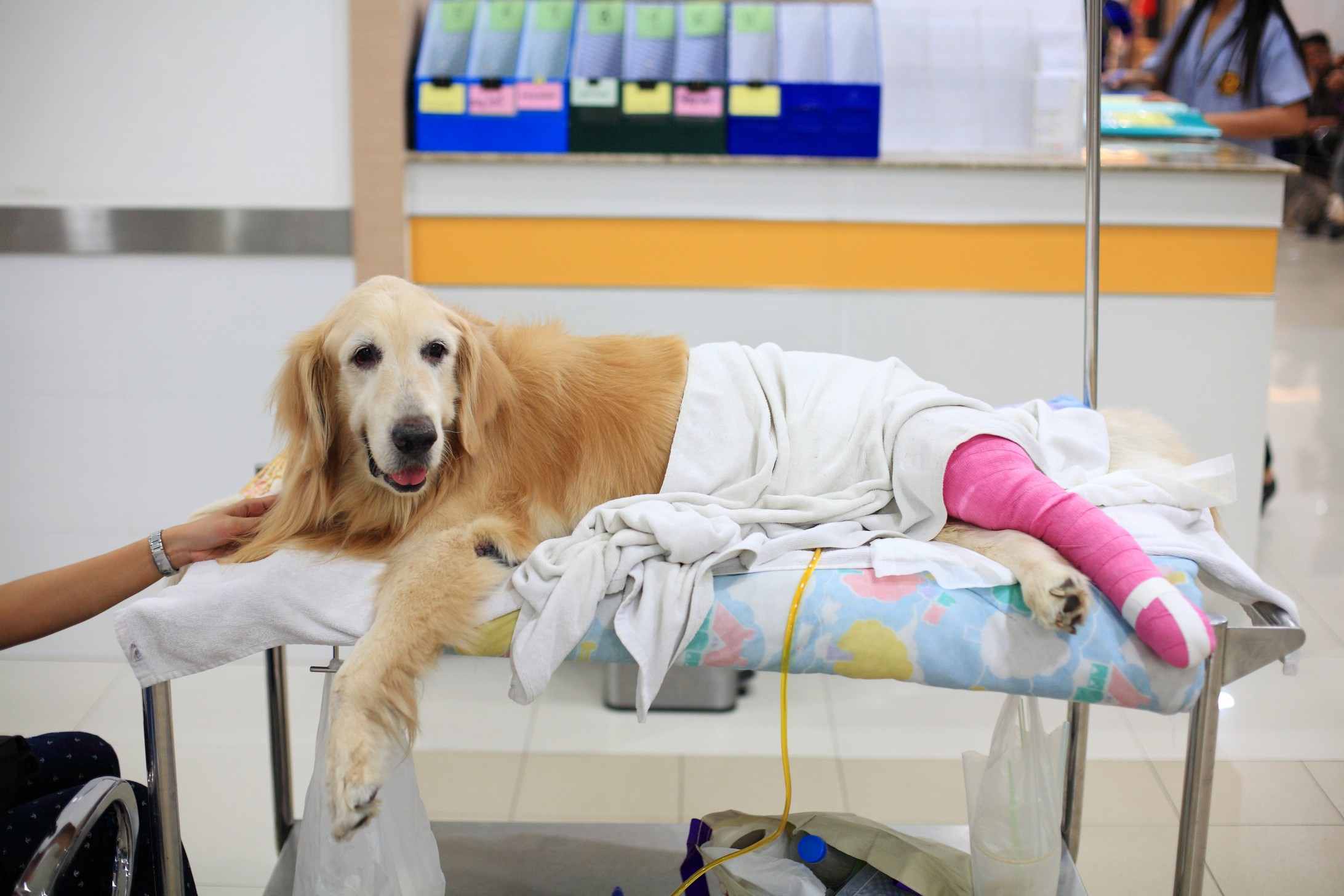
The thought of your pet having surgery can be stressful. At Aliso Beach Animal Clinic, Dr. Bryan Hayter and our veterinary team take time to evaluate each patient carefully, explain the recommended procedure, and create an individualized anesthesia and pain-management plan.
Our surgical safety protocols may include pre-anesthetic evaluation, blood work, IV catheter placement, appropriately tailored fluid therapy, sterile surgical preparation, active warming, and advanced monitoring such as ECG, pulse oximetry, blood-pressure measurement, and capnography.
A dedicated veterinary technician monitors your pet throughout anesthesia and recovery so the veterinarian can concentrate on the procedure.
Veterinary anesthesia is not limited to the time your pet is on the operating table. It is a coordinated process that begins with pre-surgical evaluation and continues through anesthesia, surgery, pain control, and recovery.
Our surgical approach may include:
No anesthetic procedure is entirely without risk. Careful evaluation, individualized medication choices, attentive monitoring, and early intervention help us reduce that risk as much as reasonably possible.
Veterinary surgical procedures generally fall into two categories: planned procedures and medically necessary or urgent procedures.
Planned procedures are scheduled in advance. Although some are described as elective, they may provide important preventive or medical benefits.
Examples may include:
The recommendation to perform surgery is never made lightly. Dr. Hayter considers your pet’s condition, age, expected quality-of-life benefit, and available nonsurgical alternatives before recommending a procedure.
Some conditions require prompt surgical treatment. These may include:
The appropriate level of care depends on your pet’s stability, diagnostic findings, and the complexity of the condition. If your pet develops a sudden illness or injury that may require surgical treatment, call us before arriving. Our same-day urgent veterinary care in Laguna Beach allows us to evaluate many stable patients during regular clinic hours, perform appropriate diagnostics, and determine the safest next step.
If your pet has major trauma, difficulty breathing, collapse, severe uncontrolled bleeding, or needs emergency surgery, overnight intensive care, advanced imaging, or specialty treatment, we may recommend going directly to a 24-hour emergency or specialty hospital.
Some dogs with back-leg lameness may have a cranial cruciate ligament injury, commonly called a CCL tear. Dog owners often compare this to an ACL tear in people, but in dogs CCL disease is often degenerative and may appear suddenly without an obvious traumatic event.
Dogs that are toe-touching, limping on a back leg, struggling to rise, sitting abnormally, or refusing to bear weight should be evaluated promptly. A dog that is not bearing weight is usually experiencing significant pain.
Aliso Beach Animal Clinic can help evaluate suspected knee injuries, discuss conservative care versus surgical options, coordinate care with a board-certified surgeon when appropriate, and support recovery planning.
Learn more in our detailed guide to dog knee surgery in Laguna Beach, including CCL and ACL-type injuries, arthritis progression, aftercare, complications, and recovery planning.
Pre-anesthetic blood work helps us evaluate your pet’s health before administering anesthesia. A pet may appear healthy while still having an early medical condition that is not obvious during a physical examination.
Testing commonly includes a complete blood count and blood chemistry panel.
A complete blood count, or CBC, evaluates:
A CBC may identify anemia, inflammation, infection, platelet abnormalities, or other findings that could affect anesthesia or surgery.
A chemistry panel provides information about:
Depending on your pet’s age, symptoms, medical history, and procedure, additional evaluation may include urinalysis, blood-pressure measurement, diagnostic imaging, an electrocardiogram, or cardiac testing.
An abnormal laboratory result does not automatically mean that your pet cannot receive anesthesia.
Pets with kidney disease, liver changes, diabetes, and other chronic conditions can often undergo necessary procedures with a modified anesthesia, medication, or fluid plan. In other cases, it may be safer to stabilize the patient, perform additional testing, or postpone an elective procedure.
Dr. Hayter evaluates the complete patient rather than making a decision based on one laboratory value.
There is no single age at which a dog or cat automatically becomes too old for anesthesia.
Senior pets are more likely to have changes involving the heart, kidneys, liver, lungs, or endocrine system, which means they may benefit from additional testing and more extensive anesthetic planning.
A healthy 15-year-old pet may sometimes be a better anesthetic candidate than a younger pet with uncontrolled medical problems. The decision should be based on your pet’s overall health, comfort, mobility, quality of life, and expected benefit from the procedure.
Many pets with heart murmurs can undergo anesthesia safely, but the murmur should be evaluated as part of the pre-anesthetic assessment.
Depending on your pet’s examination, symptoms, and medical history, additional testing may include:
The results help us determine how well the heart is functioning and whether the anesthesia and fluid plan should be modified.
Many pets with well-managed medical conditions can receive anesthesia with additional planning and monitoring.
Conditions requiring special consideration include:
These conditions may affect medication timing, fasting instructions, fluid therapy, anesthetic drug selection, monitoring, and recovery planning.
Do not stop or change insulin, steroids, heart medication, seizure medication, or another prescription unless your veterinary team specifically instructs you to do so.
Anesthesia is not a one-size-fits-all process. Medication selection and dosage are adjusted according to your pet’s:
Using a combination of appropriately selected medications can provide sedation, anesthesia, and pain relief without relying too heavily on any single drug.
An IV catheter provides reliable access to your pet’s bloodstream throughout anesthesia.
It allows the team to administer:
Having immediate venous access is an important component of anesthetic preparation and patient support.
Fluid therapy may help maintain IV catheter access and support circulation during anesthesia. The type and rate of fluids are selected for the individual patient rather than using the same plan for every pet.
Pets with kidney disease, heart disease, dehydration, blood loss, or other medical concerns require careful adjustment to avoid giving too little or too much fluid.
During general anesthesia, an endotracheal tube is commonly placed to protect the airway and deliver oxygen and anesthetic gas.
This is especially important for procedures involving the mouth, dental procedures, and patients at increased risk of airway obstruction or aspiration.
Monitoring helps the veterinary team recognize changes early and respond quickly.
Capnography measures the carbon dioxide in your pet’s exhaled breath. It provides real-time information that helps the team identify changes in breathing, airway function, or circulation.
Capnography provides different information from pulse oximetry, so using both creates a more complete monitoring picture.
An electrocardiogram, or ECG, tracks the heart’s electrical rhythm. It helps the team recognize changes in heart rate or rhythm that may require an adjustment in anesthesia or supportive care.
Pulse oximetry estimates the percentage of oxygen carried in the blood. It helps the team evaluate oxygenation during anesthesia and recovery.
Anesthesia can affect blood pressure. Monitoring allows the team to recognize low or high blood pressure and respond by adjusting anesthetic depth, warming, fluid support, or other treatment.
Pets can lose body heat quickly while anesthetized. Low body temperature may slow recovery and affect circulation, metabolism, and comfort.
We monitor body temperature and use appropriate warming devices to help maintain a safe temperature before, during, and after surgery.
A dedicated veterinary technician monitors the patient rather than performing the surgical procedure.
The technician observes:
Monitoring equipment is valuable, but it does not replace direct observation by a trained team member.
For procedures requiring sterile technique, the surgical site is clipped and carefully cleansed with antiseptic solutions.
Our team uses appropriate aseptic practices that may include:
These measures help reduce the risk of contamination and postoperative infection.
Pain control begins before the first surgical incision and continues during recovery and at home.
Depending on the patient and procedure, pain management may include:
Using multiple forms of pain relief can improve comfort while reducing reliance on any single medication.
Sedation helps a pet become relaxed or drowsy but may not produce complete unconsciousness. General anesthesia creates a controlled state of unconsciousness and usually allows the airway to be protected with an endotracheal tube.
Sedation may be appropriate for selected brief or minimally invasive procedures. General anesthesia may be safer or more appropriate when a procedure:
Local anesthetic blocks can improve pain control but usually do not replace sedation or anesthesia when a pet cannot safely remain awake and still.
The least intensive option is not automatically the safest. The correct choice depends on the patient and procedure.
Brachycephalic, or flat-faced, dogs and cats can have an increased risk of airway obstruction and breathing complications.
Examples include:
These patients require careful airway assessment, oxygenation, intubation, and recovery monitoring. Heavy sedation is not always safer because a sedated flat-faced animal may lose some ability to keep its airway open.
We plan the anesthetic approach according to the individual pet’s anatomy, health, and procedure.
Anesthesia-free tooth scaling is not equivalent to a comprehensive veterinary dental procedure.
Removing visible tartar from an awake pet does not allow the veterinary team to:
General anesthesia allows a thorough oral examination, professional cleaning, and necessary treatment without fear, movement, or pain. Learn more on our veterinary dental services page.
Follow the individualized instructions provided by Aliso Beach Animal Clinic. Fasting and medication directions may vary based on your pet’s age, species, size, health conditions, and planned procedure.
Before surgery:
Do not automatically withhold food and water for 12 hours. Young pets, diabetic patients, and medically fragile animals may require different instructions. Unless we tell you otherwise, do not change your pet’s medication or fasting schedule on your own.
Careful recovery monitoring is an important part of anesthesia safety.
A team member will observe your pet’s:
Some sleepiness, mild disorientation, or decreased appetite may occur during the first evening. Your pet’s recovery can vary depending on age, health, the procedure, and medications used.
Home care may include:
Contact the clinic promptly if your pet experiences difficulty breathing, collapse, repeated vomiting, uncontrolled bleeding, extreme weakness, an opening in the incision, severe swelling, worsening pain, or another concerning symptom listed in the discharge instructions.
Yes. Two estimates for the same procedure may include very different levels of preparation, monitoring, staffing, pain management, and recovery care.
When comparing veterinary surgical or dental services, ask whether the estimate includes:
Price is important, but it should not be the only factor considered when choosing where your pet will receive anesthesia or surgery.
Aliso Beach Animal Clinic provides veterinary surgery, pre-anesthetic blood work, advanced anesthesia monitoring, pain management, and recovery planning for dogs and cats in Laguna Beach and surrounding South Orange County communities.
We welcome pet owners from South Laguna, Laguna Beach, Dana Point, Laguna Niguel, Aliso Viejo, and nearby areas.
Aliso Beach Animal Clinic
30816 Coast Highway
Laguna Beach, CA 92651
Directly across from the Montage Laguna Beach
Monday–Friday: 7:30 a.m.–4:30 p.m.
Saturday: 8:00 a.m.–12:00 p.m.
Sunday: Closed
Medical review: Reviewed for medical accuracy by Bryan Hayter, DVM, Owner and Medical Director. Last reviewed October 2026.