
Exotic Pet Veterinary Care in Laguna Beach
Medically reviewed by Bryan Hayter, DVM, Owner and Medical Director of Aliso Beach Animal Clinic. Last reviewed: October 2026.
Aliso Beach Animal Clinic provides veterinary care for many exotic and nontraditional companion animals in Laguna Beach and surrounding South Orange County communities. Exotic pets often hide signs of illness, and their health depends heavily on species-specific housing, nutrition, temperature, lighting, hydration, enrichment, and preventive care.
Our exotic-pet care may include wellness examinations, husbandry review, nutrition counseling, diagnostic testing, treatment of illness or injury, and same-day urgent evaluation during regular clinic hours when the species, medical condition, staffing, and hospital resources allow.
Because exotic-pet needs vary by species, call before scheduling or arriving with an urgent concern so our team can confirm availability and help you prepare for the visit.
If your exotic pet stops eating, becomes weak, has breathing changes, suffers trauma, develops swelling, has diarrhea, cannot pass stool or urine, has eye problems, shows signs of overheating, has a prolapse, is unable to move normally, or suddenly acts abnormal, call promptly.
Aliso Beach Animal Clinic evaluates many urgent exotic-pet concerns during regular clinic hours when medically appropriate and availability allows. We are not a 24-hour emergency hospital. Call before arriving so we can determine whether we can appropriately evaluate your pet or whether immediate referral is safer.
Learn more about urgent exotic pet care in Laguna Beach.
Species availability can vary, but our exotic-pet care may include evaluation and husbandry guidance for many small mammals, reptiles, selected birds, backyard chickens, and other nontraditional companion animals.
For the full care-card hub, visit our exotic pet species care guides.
Explore veterinarian-reviewed care guides for common exotic companion animals seen at Aliso Beach Animal Clinic. Each guide includes housing, nutrition, husbandry, illness warning signs, and when to call a veterinarian.
View the full hub: exotic pet species care guides.
Preventive care is especially important for exotic pets because early illness can be subtle. A rabbit, guinea pig, chinchilla, reptile, tortoise, hamster, hermit crab, or bird may appear outwardly normal while appetite, stool, weight, hydration, temperature, or behavior changes are already developing.
A routine exotic-pet visit may include:
Bring photos of your pet’s enclosure, diet, supplements, lighting, heat source, water setup, bedding, substrate, and any recent stool or urine changes. For many exotic pets, husbandry details are a major part of the medical history.
Many exotic-pet health problems are closely connected to husbandry. Small changes in diet, temperature, humidity, substrate, UVB lighting, hydration, enrichment, bedding, cage size, or sanitation can make a major difference in long-term health.
Our team can help review:
Learn more about exotic pet husbandry and nutritional counseling.
Exotic pets should be evaluated when owners notice changes in appetite, weight, stool, breathing, posture, movement, skin, eyes, shell, feathers, behavior, hydration, or energy level.
Rabbits, guinea pigs, chinchillas, and hamsters may need care for appetite loss, dental disease, GI stasis or digestive problems, respiratory signs, skin disease, wounds, urinary issues, weight loss, reproductive concerns, or mobility changes.
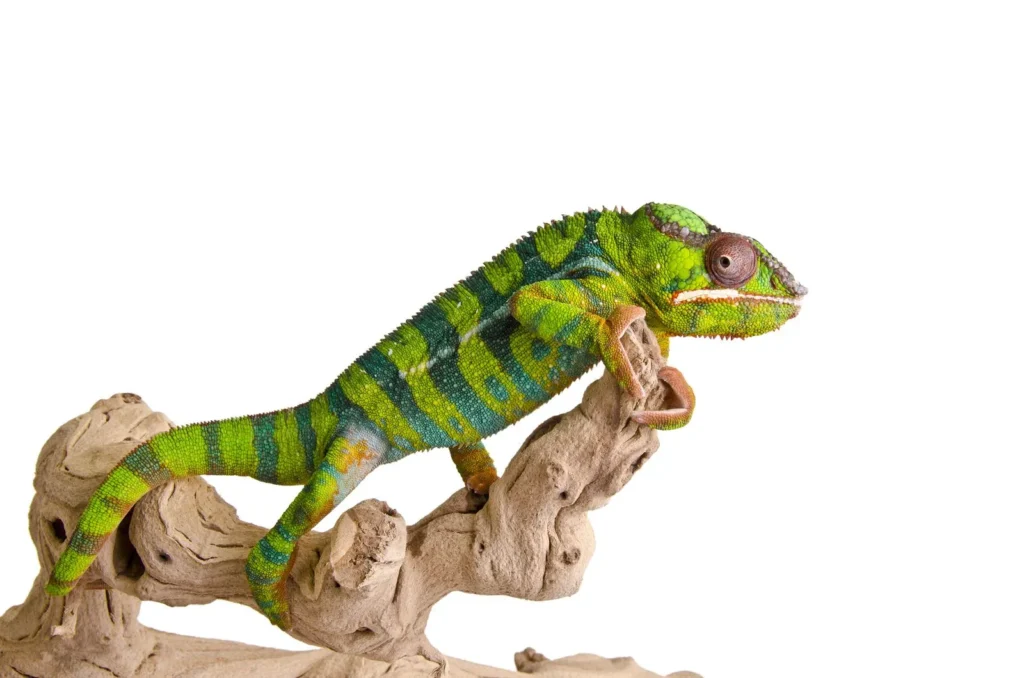
Reptiles and tortoises may need care for poor appetite, abnormal stool, dehydration, metabolic bone disease, shell or skin problems, retained shed, respiratory signs, eye swelling, egg retention, trauma, overheating, or husbandry-related illness.
Hermit crab concerns are often tied to habitat, humidity, salt water, substrate depth, molting, shell availability, injury, or stress. Bring detailed enclosure photos and temperature/humidity readings whenever possible.
Our exotic species guides are designed to help pet owners understand species-specific care, warning signs, and husbandry basics. These guides should not replace an individualized veterinary examination, but they can help you prepare for appointments and identify problems earlier.
View the full hub: exotic pet species care guides.
Depending on the species, size, symptoms, and medical question, diagnostic testing may include fecal testing, cytology, laboratory testing, radiographs, ultrasound, urinalysis, culture, or other selected diagnostics.
Exotic-pet diagnostics often require careful case-by-case planning because patient size, stress level, anesthesia risk, and species-specific anatomy all matter.
Learn more about our veterinary diagnostic and laboratory services and digital veterinary radiology and advanced imaging.
Call promptly if your exotic pet has any of the following:
Call before arriving. Some exotic-pet emergencies require immediate referral to a 24-hour emergency or specialty facility, especially when intensive monitoring, oxygen support, surgery, or overnight care may be needed.
Learn more: urgent exotic pet care in Laguna Beach.
Please bring or photograph:
Transport exotic pets in a secure, escape-proof, temperature-safe carrier. Avoid overheating, cold air-conditioning vents, direct sun, and unnecessary handling.
Aliso Beach Animal Clinic provides veterinary care for many exotic and nontraditional pets in Laguna Beach, including rabbits, guinea pigs, chinchillas, reptiles, tortoises, hamsters, hermit crabs, backyard chickens, and selected companion birds when appropriate and availability allows.
For routine wellness, husbandry guidance, nutrition counseling, diagnostic testing, or same-day urgent evaluation during regular clinic hours, call before arriving so our team can help determine the best next step for your pet.
Aliso Beach Animal Clinic
30816 Coast Highway
Laguna Beach, CA 92651
Directly across from the Montage Laguna Beach
Monday–Friday: 7:30 a.m.–4:30 p.m.
Saturday: 8:00 a.m.–12:00 p.m.
Sunday: Closed
Medical review: Reviewed for medical accuracy by Bryan Hayter, DVM, Owner and Medical Director. Last reviewed October 2026.
This page provides general educational information and does not replace an individualized veterinary examination, diagnosis, or treatment recommendation. Exotic-pet care recommendations may need to be adjusted for species, age, sex, medical condition, reproductive status, enclosure design, and the individual animal.