PERSONALIZED FIRST-YEAR CARE FOR YOUR NEW PET
Puppy & Kitten Care in Laguna Beach
Medically reviewed by Bryan Hayter, DVM, Owner and Medical Director of Aliso Beach Animal Clinic. Last reviewed: August 2026.
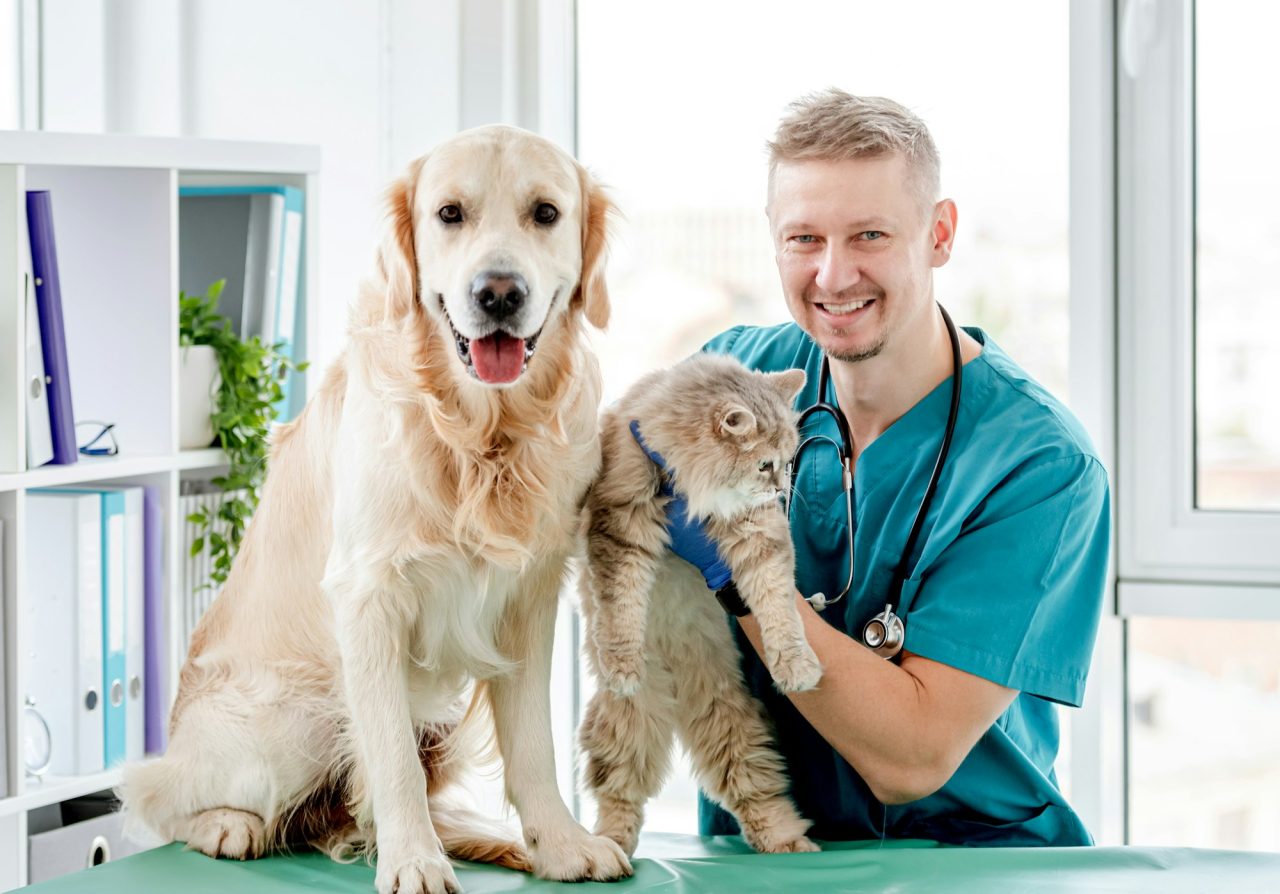
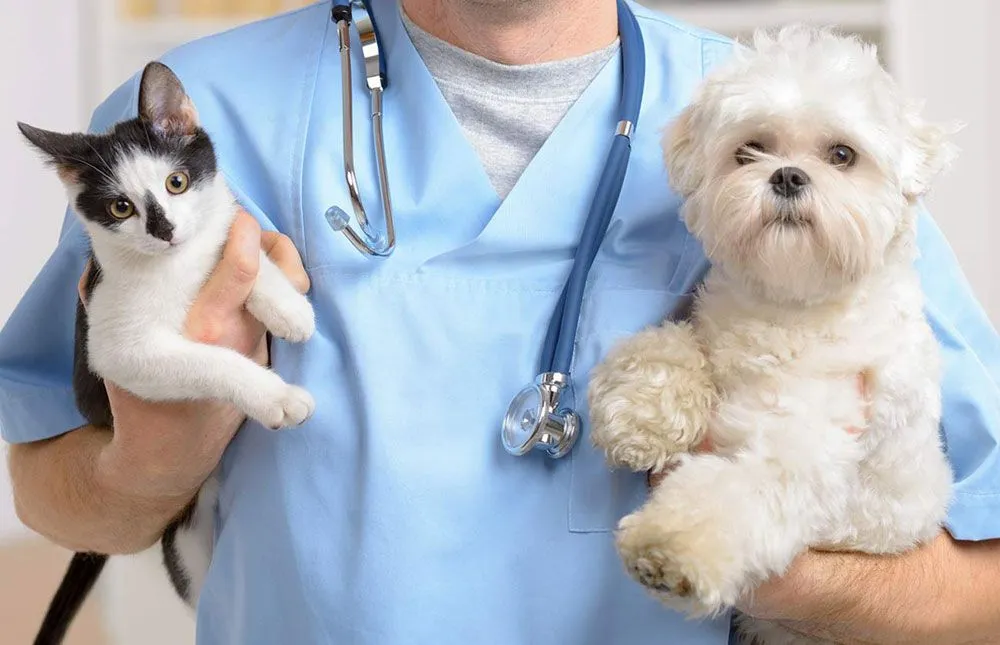
Bringing home a new puppy or kitten is exciting, joyful and sometimes a little overwhelming. Aliso Beach Animal Clinic provides personalized first-year veterinary care to help your new pet grow into a healthy, confident adult.
Every puppy and kitten visit includes a veterinary examination—not simply a vaccine appointment. We evaluate your pet’s growth, development, nutrition, behavior and physical health while creating an individualized plan for
vaccines,
parasite prevention,
testing and future care.
We also make time for your questions about feeding, potty training, socialization, exercise, spaying or neutering and the many changes that happen during the first year of life.
And yes, visits generally include plenty of praise, treats, affection, hugs and gentle squeezes when welcomed by the patient.
REQUEST A PUPPY OR KITTEN APPOINTMENT
CALL (949) 499-4190
More Than a Vaccine Appointment
Puppies and kittens change rapidly. Their heart, eyes, mouth, joints, immune system and behavior are still developing, which is why each visit includes a complete examination and consultation.
Routine appointments allow us to:
- Monitor weight and healthy growth
- Look for congenital or developmental abnormalities
- Examine the heart, lungs, eyes, ears and mouth
- Evaluate the abdomen, joints and skin
- Review vaccine records and create an appropriate schedule
- Test for and treat intestinal parasites
- Begin flea, tick and heartworm prevention when appropriate
- Discuss nutrition and feeding amounts
- Oral examination
- Plan spay or neuter timing
- Answer behavior, socialization and training questions
- Establish a medical baseline for future visits
Even a bright, playful puppy or kitten can have a health concern that is difficult to recognize at home. Early detection gives us the opportunity to investigate, monitor or treat a condition before it causes more significant problems.
Your Puppy or Kitten’s Complete Physical Examination
At each routine visit, our veterinarian examines your new pet from nose to tail.
The examination may include:
- Weight, body condition and growth pattern
- Temperature, heart rate and breathing
- Eyes and vision-related responses
- Ears and ear canals
- Teeth, gums, jaw and palate
- Heart and lung sounds
- Abdominal organs
- Umbilicus and groin for possible hernias
- Skin, coat and evidence of parasites
- Legs, joints, gait and mobility
- Genital development
- Neurologic responses and behavior
We document findings at each appointment so changes can be followed as your puppy or kitten grows.
Screening for Congenital and Developmental Conditions
Congenital conditions are abnormalities that are present at birth, although some may not be obvious until a puppy or kitten is examined or begins to grow.
A normal examination cannot rule out every inherited or developmental disease. However, routine first-year visits allow us to identify many visible or audible concerns and determine whether monitoring or further testing is appropriate.
Heart Murmurs
A heart murmur is an abnormal sound caused by turbulent blood flow. Some young animals have temporary innocent murmurs that disappear as they mature, while others have an underlying congenital heart defect.
If we hear a murmur, recommendations may include monitoring it at future visits, chest imaging, an echocardiogram or consultation with a veterinary cardiologist depending on its intensity and the patient’s condition.
Hernias
Umbilical and inguinal hernias occur when tissue or abdominal contents protrude through an opening in the body wall.
Some small hernias can be monitored and repaired during a future spay or neuter procedure. Larger, painful or non-reducible hernias may need earlier treatment.
Cleft Palate and Oral Abnormalities
A cleft palate is an opening between the mouth and nasal cavity caused by incomplete development before birth. It can interfere with nursing and increase the risk of food or liquid entering the respiratory tract.
We also examine for jaw alignment, retained baby teeth, abnormal tooth development and other oral concerns.
Eye Abnormalities and Cataracts
Some puppies and kittens are born with eye abnormalities or develop them early in life. These can include congenital cataracts, eyelid abnormalities, abnormal tear production or conditions affecting the retina or lens.
Cloudiness, squinting, discharge, redness or difficulty seeing should be evaluated promptly.
Joint and Limb Development
We assess limb alignment, kneecaps, joints and gait as your pet grows. Early findings may help us recognize patellar luxation, angular limb changes or other orthopedic concerns.
Undescended Testicles
Male puppies and kittens are examined for proper testicular descent. A retained testicle has an increased risk of future disease and generally should be surgically removed.
Personalized Puppy and Kitten Vaccination Plans
Vaccines help protect young pets while immunity received from their mothers gradually declines. Because the timing of that decline varies, puppies and kittens generally receive a series rather than a single vaccine.
We design the schedule according to:
- Your pet’s current age
- Previous vaccine records
- Health at the time of vaccination
- Indoor or outdoor lifestyle
- Travel and boarding plans
- Contact with other animals
- Wildlife and environmental exposure
- Local disease risk
- Previous reactions
Typical Puppy Vaccines
A puppy plan may include:
- Distemper, adenovirus and parvovirus combination vaccination
- Rabies vaccination at the legally appropriate age
- Leptospirosis vaccination
- Bordetella or canine influenza vaccination when lifestyle exposure warrants it
Core puppy combination vaccines generally begin around six to eight weeks of age and are repeated at appropriate intervals until the puppy is older than sixteen weeks. The exact schedule depends on age at the first visit and previous records.
Typical Kitten Vaccines
A kitten plan may include:
- Feline viral rhinotracheitis, calicivirus and panleukopenia combination vaccination
- Rabies vaccination at the appropriate age
- Feline leukemia vaccination according to age and exposure risk
Kitten core vaccines are generally repeated at appropriate intervals through at least sixteen to eighteen weeks of age because maternal antibodies may interfere with earlier doses.
Not every pet needs every optional vaccine. We explain what each vaccine protects against and why it is or is not being recommended.
LEARN ABOUT PERSONALIZED PET VACCINATIONS
Intestinal Parasite Testing, Deworming and Treatment
Roundworms, hookworms, whipworms, Giardia, coccidia and other intestinal parasites are common in young animals. A puppy or kitten can look healthy and still carry parasites.
Some parasites can also infect people, making early testing and treatment important for the entire household.
Routine Deworming
Puppies and kittens commonly begin deworming at a very young age. Treatment is repeated because a single dose may not eliminate larvae that mature later.
If your new pet’s early deworming history is incomplete or uncertain, we will create an appropriate schedule based on age, weight, symptoms and test results.
Fecal Testing
Bring a fresh stool sample to the appointment whenever possible. Fecal testing can detect parasite eggs, organisms or antigens that may not be visible in the stool.
Young pets may need several fecal examinations during the first year because:
- Parasites may be shed intermittently
- Early infections may not appear on the first test
- Reinfection can occur
- Different organisms require different treatments
- Some infections do not respond to routine deworming medication
Treatment Based on the Parasite Identified
“Deworming” is not one universal treatment. Medication is selected according to the suspected or confirmed parasite.
A puppy or kitten with diarrhea, vomiting, poor growth, a pot-bellied appearance, blood in the stool or visible worms should be examined promptly.
LEARN ABOUT PARASITE PREVENTION
Flea, Tick and Heartworm Prevention
Young pets can be exposed to external and internal parasites shortly after entering a new home. We recommend products according to the patient’s age, weight, species and exposure risk.
Flea Prevention
Fleas can cause itching, skin infection, anemia and tapeworm infection. An infestation can also spread rapidly throughout a home.
Products intended for dogs should never automatically be used on cats. Some canine flea and tick ingredients are dangerous to cats.
Tick Prevention
Ticks can transmit infectious diseases and may be encountered in yards, parks, trails and areas with wildlife.
We can help select a product appropriate for your puppy or kitten’s age and lifestyle.
Heartworm Prevention
Heartworm disease is transmitted by mosquitoes. Puppies can generally begin preventive medication once they meet the selected product’s age and weight requirements.
Cats can also develop heartworm-associated disease, although prevention options and risk discussions differ from those for dogs.
Many monthly preventive products also help control certain intestinal parasites, allowing us to create a practical plan that provides broader protection.
Nutrition and Healthy Growth
Nutrition during the first year supports bone development, muscle growth, immune health and healthy body condition.
During your nutritional consultation, we may discuss:
- Choosing a complete and balanced puppy or kitten diet
- Large-breed puppy nutrition
- Meal frequency
- Daily calorie and portion recommendations
- Safe treats and chews
- Food transitions
- Managing vomiting or diarrhea
- Preventing excessive weight gain
- Supplements and whether they are necessary
Large-Breed Puppy Nutrition
Large- and giant-breed puppies require controlled energy and mineral intake to support steady skeletal growth. Rapid growth and overfeeding can place unnecessary stress on developing bones and joints.
A large-breed puppy should receive a diet formulated specifically for growth of large-size dogs rather than additional calcium or unbalanced supplements.
Kitten Nutrition
Kittens require energy-dense food formulated for growth. We will help determine an appropriate feeding amount and monitor weight and body condition as your kitten matures.
Bring the food label or a photograph of the package to the appointment if you would like us to review the diet.
LEARN ABOUT PET NUTRITION
Planning the Right Time to Spay or Neuter
There is no single ideal spay or neuter age for every pet.
Timing may be influenced by:
- Species
- Breed and expected adult size
- Sex
- Growth and orthopedic considerations
- Behavior and household management
- Risk of accidental breeding
- Medical history
- Presence of a hernia or retained testicle
- Whether other procedures could safely be coordinated
Small dogs, large dogs and cats may receive different recommendations. We discuss the benefits and possible tradeoffs so the timing can be selected thoughtfully for the individual patient and family.
If an umbilical hernia, retained baby tooth or another correctable problem is present, it may sometimes be addressed during the same anesthetic procedure.
LEARN ABOUT SPAY & NEUTER SURGERY
Kitten Retrovirus Testing
Testing for feline leukemia virus and feline immunodeficiency virus may be recommended for a newly adopted kitten, particularly when the mother’s status or previous exposure history is unknown.
Testing recommendations depend on age, previous results, health and risk of exposure. Very recent infection may not be detected immediately, so repeat testing is sometimes appropriate.
Knowing a kitten’s status helps guide preventive care, vaccination recommendations and introductions to other household cats.
Socialization, Behavior and Training
Veterinary care during the first year also includes helping your new pet develop healthy behavior and positive experiences.
We can discuss:
- Safe puppy and kitten socialization
- Potty and litter-box training
- Crate and carrier training
- Biting, scratching and chewing
- Introducing children and other pets
- Handling paws, ears and the mouth
- Nail trimming
- Separation-related concerns
- Exercise and play
- Creating positive veterinary visits
Socialization should be balanced with infectious-disease protection. We can help you identify lower-risk ways to expose a puppy or kitten to new people, sounds, surfaces and experiences while the vaccine series is still being completed.
Microchipping and Permanent Identification
A
microchip provides permanent identification if a pet becomes lost and loses a collar or tag.
Microchipping can be performed during a routine visit or coordinated with a
spay or neuter procedure. The chip must also be registered and the owner’s contact information kept current.
LEARN ABOUT PET MICROCHIPPING
When a Puppy or Kitten Needs Urgent Care
Young animals can become dehydrated or seriously ill more quickly than healthy adults.
Call us promptly for:
- Repeated vomiting or diarrhea
- Blood in vomit or stool
- Refusal to eat
- Marked lethargy or weakness
- Coughing or breathing difficulty
- A swollen or painful abdomen
- Possible toxin or foreign-object ingestion
- Trauma or a fall
- Seizures or collapse
- Sudden eye pain or cloudiness
- Difficulty urinating
Do not wait for the next scheduled vaccine appointment if your puppy or kitten appears ill.
LEARN ABOUT SAME-DAY URGENT CARE
What to Bring to the First Appointment
When available, bring:
- Adoption, breeder or rescue records
- Previous vaccination records
- Deworming and medication history
- A fresh stool sample
- The name or photograph of the current food
- A list of supplements
- Information about coughing, vomiting or diarrhea
- Photos or videos of intermittent symptoms
- Your questions about training, feeding and care
Transport kittens in a secure carrier and puppies on a secure leash or in a carrier.
Frequently Asked Questions
Does every puppy or kitten visit include an examination?
Yes. Each routine appointment includes a veterinary examination and consultation. Young pets grow and change too quickly for the visit to be treated as vaccine administration alone.
How often will my puppy or kitten need to visit?
Visits are generally scheduled every few weeks during the initial vaccine and preventive-care series. The exact schedule depends on age, previous care and individual health needs.
Why does my pet need repeated vaccines?
Maternal antibodies can interfere with early vaccination. Repeating vaccines through the appropriate age increases the likelihood that protection develops after those antibodies decline.
Why does my pet need deworming if the stool looks normal?
Many intestinal parasites are microscopic or shed intermittently. A normal-looking stool does not rule out infection.
Does one negative fecal test rule out all parasites?
No. Parasites may not be shedding detectable eggs or organisms on the day the sample is collected. Young animals may need repeated testing based on age, exposure and symptoms.
When should my puppy or kitten be spayed or neutered?
Timing is individualized according to species, breed, expected size, sex, health and household circumstances. We will discuss the recommendation during routine visits rather than automatically assigning the same age to every patient.
Can I bring my new puppy around other dogs?
Socialization is important, but exposure should be managed while the vaccine series is incomplete. Avoid unknown or ill dogs and high-risk environments. We can help create a safer socialization plan.
Why is my kitten tested for feline leukemia and FIV?
Testing can identify infections that affect long-term health, household introductions and vaccine planning. The need for initial or repeat testing depends on age and exposure history.
Will my puppy or kitten get hugs?
Absolutely—when your pet is comfortable with them. Our team uses gentle handling, praise, treats, cuddles and plenty of positive attention to help early veterinary visits feel safe.
Schedule Puppy or Kitten Care in Laguna Beach
Give your new family member a healthy start with individualized examinations, vaccines, parasite testing, deworming, nutrition guidance and first-year planning.
At Aliso Beach Animal Clinic, every puppy and kitten receives thoughtful medical care—plus plenty of affection, encouragement, hugs and gentle squeezes along the way.
Medically reviewed by Dr. Bryan Hayter July 2026
CALL (949) 499-4190
REQUEST AN APPOINTMENT
Aliso Beach Animal Clinic
30816 Coast Highway
Laguna Beach, CA 92651
Directly across from the Montage Laguna Beach
Monday–Friday: 7:30 a.m.–4:30 p.m.
Saturday: 8 a.m.–12 p.m.
Sunday: Closedi