IN-HOUSE TESTING, SPECIALTY LABORATORIES & ADVANCED DIAGNOSTIC IMAGING
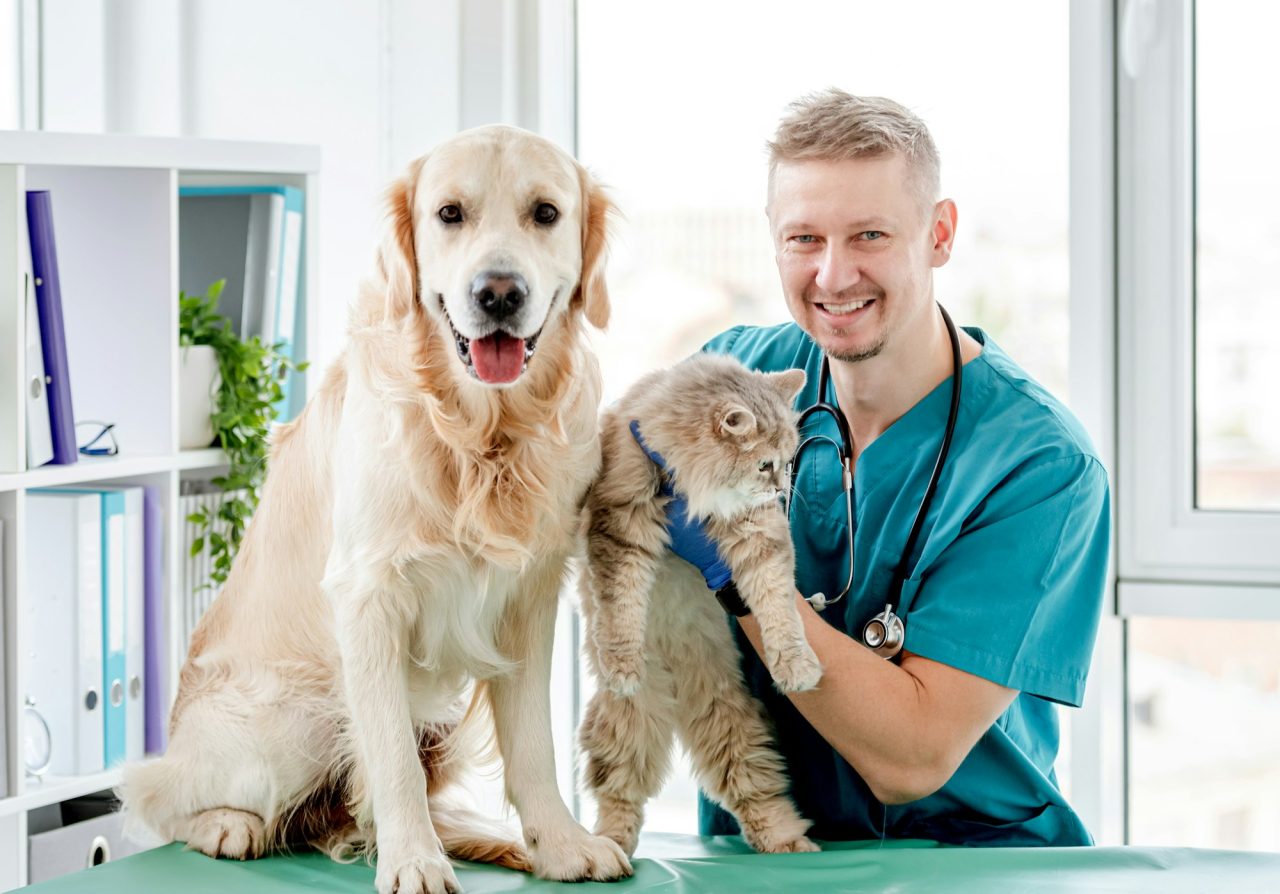
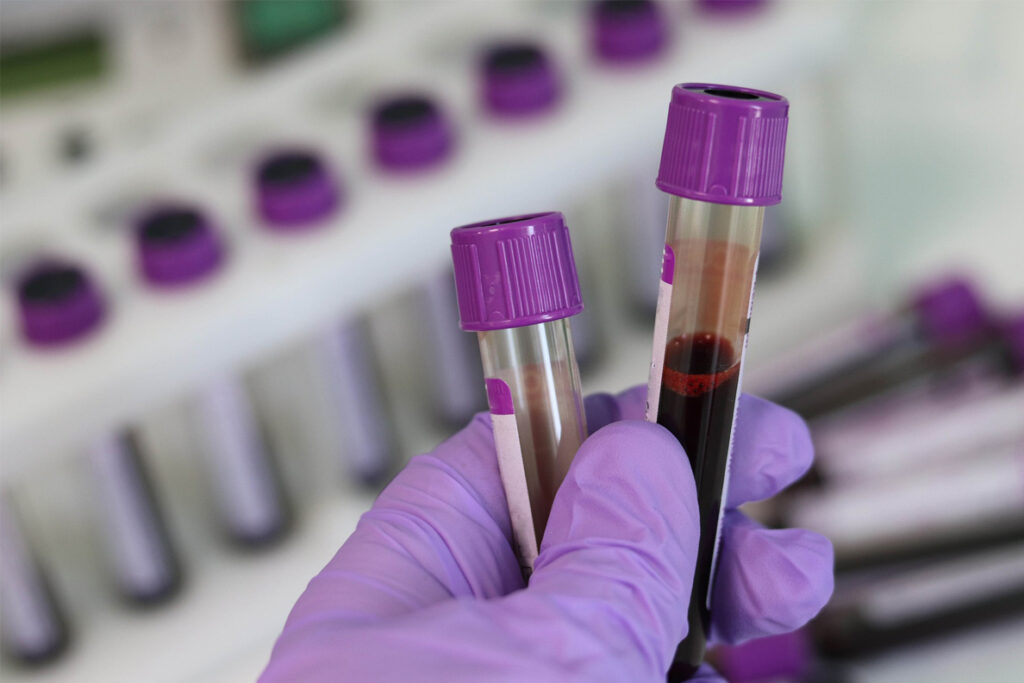
When a dog, cat or exotic pet is sick, a physical examination tells us only part of the story. Blood work, urinalysis, fecal testing, microscopic evaluation and diagnostic imaging can help us look beneath the surface, identify meaningful patterns and determine the most appropriate next step.
Aliso Beach Animal Clinic provides in-house pet blood work and veterinary diagnostic testing in Laguna Beach. Many routine tests can be performed at our hospital, allowing our veterinarians to evaluate urgent patients, establish wellness baselines, monitor chronic conditions and assess pets before anesthesia.
When a patient needs more specialized testing, we work with established veterinary reference laboratories, including the Texas A&M Gastrointestinal Laboratory and the Michigan State University Veterinary Diagnostic Laboratory.
Testing is never selected from a one-size-fits-all package. Dr. Bryan Hayter and our veterinary team consider your pet’s symptoms, species, age, medical history, medications, previous results and physical examination before recommending a diagnostic plan.
REQUEST A DIAGNOSTIC APPOINTMENT
Dogs, cats and exotic pets cannot tell us precisely where they hurt or how their symptoms began. Many illnesses also produce similar signs. Vomiting, for example, may be associated with a dietary problem, intestinal disease, pancreatitis, kidney dysfunction, liver disease, an endocrine disorder, a foreign object or another condition.
Diagnostic testing helps us move from a broad list of possibilities toward a more informed medical plan.
Depending on the patient, testing may help us:
A laboratory result is not interpreted in isolation. We compare each result with the physical examination, symptoms, medications, hydration, diet, previous laboratory trends and other available medical information.
Our in-house laboratory allows us to process many commonly needed tests at Aliso Beach Animal Clinic. This can be especially valuable when a pet is acutely ill, needs a same-day medical decision or is being evaluated before anesthesia.
Depending on the test, sample quality and current clinical circumstances, in-house results may be available during the same visit or later that day. More specialized tests are submitted to an appropriate veterinary reference laboratory and require additional processing time.
Our in-house testing capabilities may include:
Not every meaningful veterinary test can or should be completed inside a general-practice hospital. Specialty laboratories provide advanced assays, carefully controlled testing methods and veterinary pathologists or endocrinologists with focused expertise.
When medically appropriate, we may submit samples to laboratories such as:
Turnaround time varies according to the test, shipping requirements and laboratory schedule. We will explain whether a test is performed in-house or sent out and when results are reasonably expected.
A complete blood count, commonly called a CBC, evaluates red blood cells, white blood cells and platelets.
A CBC may help identify or investigate:
Automated results are interpreted with the patient’s history and examination. When indicated, a blood smear may be reviewed because cell appearance and distribution can provide information that is not fully represented by automated numbers.
Owners interested in learning more about how veterinary blood cells are evaluated can review the Cornell University eClinPath hematology resource.
A blood-chemistry profile evaluates substances associated with organ function, metabolism, hydration and electrolyte balance.
Depending on the panel, measurements may include:
An abnormal value does not automatically identify one disease. For example, a liver-enzyme elevation can occur for several reasons and must be interpreted with the degree and pattern of elevation, medications, symptoms and other test results.
The Cornell University eClinPath clinical-chemistry resource provides detailed information about veterinary chemistry testing and interpretation.
Sodium, potassium, chloride and other electrolytes help regulate hydration, nerve function, muscle function and acid-base balance.
Electrolyte changes may occur with:
Significant electrolyte abnormalities may require prompt treatment and careful monitoring.
Blood glucose measurement is useful when evaluating increased thirst and urination, weakness, weight loss, appetite changes, collapse or possible diabetes mellitus.
A single glucose result must be interpreted in context. Stress can temporarily increase blood glucose, particularly in cats. Urinalysis, repeat measurements or additional testing such as fructosamine may be considered when the diagnosis remains uncertain.
Urinalysis is one of the most useful and sometimes underappreciated diagnostic tests in veterinary medicine. Blood work and urine testing frequently provide different but complementary information.
A complete urinalysis may evaluate:
Urine specific gravity, often abbreviated USG, measures how concentrated or dilute a urine sample is compared with water. It helps us evaluate whether the kidneys are conserving or excreting water appropriately for the patient’s current condition.
USG is particularly important when a pet has polyuria and polydipsia—meaning increased urination and increased thirst. It is also interpreted alongside kidney values, hydration, glucose, urine protein and medications.
A dilute urine sample is not automatically abnormal. A healthy pet may produce dilute urine after drinking a large amount of water. Intravenous fluids, certain diets and medications can also affect urine concentration.
However, persistently dilute or inappropriately dilute urine may lead us to investigate conditions such as:
Diabetes mellitus requires an important distinction: it is a common cause of increased thirst and urination, but glucose in the urine can raise urine specific gravity. We therefore evaluate diabetes using blood glucose, urine glucose, ketones and other findings rather than assuming that diabetes will produce a low USG.
USG can also help us interpret kidney values. A dehydrated patient with healthy concentrating ability should generally conserve water and produce concentrated urine. A patient that is dehydrated or azotemic but cannot concentrate urine appropriately may require further kidney evaluation.
For more information, see Cornell University’s veterinary urine-concentrating ability guide and the International Renal Interest Society USG resource.
A routine urinalysis can suggest inflammation or infection, but it cannot always determine whether bacteria are truly present or which antibiotic would be effective.
When a urinary infection is suspected—especially in a pet with recurring symptoms, kidney disease, diabetes, Cushing’s disease or previous antibiotic exposure—we may recommend a urine culture and susceptibility test.
For the most reliable result, the sample may need to be collected directly from the bladder using a sterile procedure called cystocentesis.
Basic blood work is an important starting point for vomiting, diarrhea and weight loss, but routine panels do not identify every gastrointestinal or pancreatic disorder.
For dogs and cats with chronic or recurring vomiting, persistent diarrhea, unexplained weight loss, poor appetite, ravenous appetite with weight loss or suspected malabsorption, we may recommend specialized testing through the Texas A&M Gastrointestinal Laboratory.
Trypsin-like immunoreactivity, or TLI, is a species-specific test used primarily to evaluate exocrine pancreatic function and diagnose exocrine pancreatic insufficiency.
Exocrine pancreatic insufficiency may cause:
Pancreatic lipase immunoreactivity, or PLI, is a species-specific test used as part of the evaluation for pancreatitis in dogs and cats.
Pancreatitis may cause vomiting, reduced appetite, abdominal pain, lethargy, dehydration or nonspecific illness. No single test should be interpreted without considering the examination and other findings.
Cobalamin, also called vitamin B12, and folate can provide information about small-intestinal function and absorption.
Low cobalamin may occur with chronic intestinal disease, exocrine pancreatic insufficiency or other gastrointestinal disorders. Some patients require cobalamin supplementation in addition to treatment of the underlying disease.
A Texas A&M GI panel may be considered when a dog or cat has:
The Texas A&M Gastrointestinal Laboratory describes TLI, PLI, cobalamin and folate in its official assay guide.
Laboratory testing may be combined with fecal evaluation, dietary trials, abdominal ultrasound, biopsies or other diagnostics according to the individual patient.
Hormonal disorders can cause vague signs that resemble many other illnesses. Endocrine testing should be selected and interpreted according to the species, symptoms, medications and results of the initial examination and laboratory profile.
Dogs are most commonly tested for hypothyroidism, a condition in which thyroid-hormone activity is too low.
Possible signs may include:
A low total T4 alone does not always prove hypothyroidism. Other illnesses and some medications can suppress thyroid-hormone measurements. Depending on the situation, we may recommend a more complete thyroid profile that includes additional hormone measurements and antibody testing.
The Michigan State University canine thyroid guide explains available diagnostic profiles and factors that may affect interpretation.
Cats are more commonly tested for hyperthyroidism, in which excessive thyroid hormone accelerates metabolism.
Possible signs include:
Many hyperthyroid cats have an elevated total T4. Some cats with early disease or concurrent illness may require repeat or additional thyroid testing.
See the Michigan State University feline thyroid guide for additional information.
Cortisol and adrenal-function tests may be recommended when a pet’s symptoms, examination and initial laboratory findings raise concern for Cushing’s disease or Addison’s disease.
Cushing’s disease, also called hyperadrenocorticism, involves excessive effects of cortisol. Dogs may develop increased thirst and urination, increased appetite, panting, muscle weakness, a pot-bellied appearance, thin skin or recurring infections.
Addison’s disease, also called hypoadrenocorticism, involves inadequate adrenal-hormone production. Signs may include vomiting, diarrhea, weakness, reduced appetite, weight loss, shaking, dehydration, abnormal electrolytes or collapse. Some patients have intermittent symptoms that improve and return.
Tests may include:
No adrenal test is perfect for every patient. The test is chosen according to whether we are investigating Cushing’s disease, Addison’s disease, medication effects or treatment monitoring.
Michigan State University describes the strengths and limitations of common tests in its veterinary adrenal-testing guide.
A routine chemistry panel generally measures total calcium. Total calcium can be influenced by blood-protein levels and does not always reflect the amount of biologically active calcium in the body.
When total calcium is repeatedly abnormal, or when a pet has symptoms or a condition that raises concern about calcium regulation, we may recommend ionized-calcium testing.
Ionized calcium represents the biologically active portion of calcium and can help confirm whether true hypercalcemia or hypocalcemia is present.
Possible reasons for investigating calcium include:
When appropriate, we submit samples to the Michigan State University Veterinary Diagnostic Laboratory for specialized evaluation such as ionized calcium and parathyroid hormone testing.
Ionized calcium and parathyroid hormone must be interpreted together. For example, an elevated ionized calcium with a parathyroid hormone concentration that is not appropriately suppressed may support primary hyperparathyroidism, while suppressed PTH may lead the veterinarian to investigate non-parathyroid causes.
Sample collection, handling and tube selection matter for these tests. The Michigan State University calcium-disorders guide explains how ionized calcium and parathyroid results are evaluated together.
Fecal testing may be recommended for puppies, kittens, newly adopted pets, animals with diarrhea and pets with environmental or travel exposure.
Depending on the situation, testing may look for:
A negative single fecal test does not exclude every parasite because organisms and eggs may be shed intermittently. Repeat testing, antigen testing, PCR or empirical treatment may sometimes be appropriate.
LEARN ABOUT PET PARASITE PREVENTION
When a pet has itching, hair loss, recurrent ear infections, sores or skin odor, microscopic testing can help distinguish among bacteria, yeast, parasites, inflammatory cells and other abnormalities.
Testing may include:
LEARN ABOUT VETERINARY DERMATOLOGY
Blood and urine tests evaluate cells, chemicals and organ-function indicators. Imaging evaluates the size, shape, position and internal appearance of structures within the body.
These methods answer different questions and are frequently most useful when combined.
Radiographs, commonly called X-rays, can help evaluate the chest, abdomen, bones and joints. They may reveal fractures, arthritis, changes in heart or lung appearance, urinary stones, some foreign objects and changes in organ size.
LEARN ABOUT DIGITAL VETERINARY RADIOLOGY
Ultrasound provides real-time images of abdominal organs and soft tissues. It may be recommended for chronic vomiting, diarrhea, weight loss, appetite changes, abdominal pain, urinary concerns, abnormal laboratory results or a suspected internal mass.
At Aliso Beach Animal Clinic, abdominal ultrasounds are performed at our hospital by a visiting veterinary ultrasound specialist and can often be arranged within one to three days, depending on availability and medical urgency.
LEARN ABOUT PET ABDOMINAL ULTRASOUND
Screening establishes a reference point for future comparison and may reveal changes before symptoms become obvious. Testing is selected according to age, species, health history and risk rather than automatically added to every wellness visit.
LEARN ABOUT PET WELLNESS EXAMS
Older pets are more likely to develop kidney disease, thyroid disease, diabetes, cancer and other chronic conditions. Periodic blood work and urinalysis may help identify trends and guide additional evaluation.
Urgent blood work may help assess anemia, infection, dehydration, kidney function, liver indicators, glucose, electrolytes and other concerns in a sick or injured pet.
Call before arriving for a sudden medical concern. Aliso Beach Animal Clinic provides same-day urgent veterinary care during regular clinic hours when availability and the patient’s needs allow. We are not a 24-hour emergency hospital.
LEARN ABOUT SAME-DAY URGENT CARE
Pre-anesthetic testing may identify abnormalities that affect medication choices, fluid therapy, monitoring or whether a procedure should proceed as planned.
The appropriate testing depends on the patient’s age, health, procedure and previous results.
LEARN ABOUT PET SURGERY AND ANESTHESIA
Some medications require periodic blood-cell, liver, kidney, electrolyte, thyroid, glucose or drug-level monitoring. The schedule depends on the medication and the condition being treated.
Contact us when your pet has:
Aliso Beach Animal Clinic also cares for many birds, rabbits, reptiles and small mammals. Diagnostic plans for exotic species must reflect species-specific anatomy, normal laboratory ranges, sample-volume limitations and husbandry.
Testing may include blood work, fecal evaluation, cytology, radiographs or specialized reference-laboratory testing. Call before scheduling so our team can confirm that we treat your pet’s species and determine what preparation may be needed.
LEARN ABOUT EXOTIC PET VETERINARY CARE
Laboratory reports frequently mark values as high or low, but a flagged result does not automatically mean that a pet has a serious disease. Reference intervals describe most healthy patients, not every healthy individual.
Results can also be affected by:
Our veterinarian considers:
We will explain what the results mean, what remains uncertain and which next steps are most likely to provide useful information.
Preparation depends on the test. When scheduling, ask whether your pet should fast or continue normal meals and medications.
General preparation may include:
Some specialty tests require precise timing, fasting, medication withdrawal or special sample handling. Following the instructions carefully helps improve the reliability of the result.
No. Blood work provides important information, but many conditions require urinalysis, imaging, cytology, culture, biopsy or other testing. Results are interpreted together with the examination and symptoms.
Many routine in-house results may be available during the same visit or later that day. Specialty tests submitted to reference laboratories take longer. We will explain the expected turnaround time when recommending the test.
Not every healthy pet needs the same testing schedule. Baseline screening may be valuable before anesthesia, during senior care, when monitoring medication or when age, species or medical history increases risk.
The tests provide complementary information. Blood work evaluates circulating cells and biochemical indicators, while urinalysis evaluates concentration, urinary sediment, glucose, protein and other substances being excreted.
Polyuria and polydipsia can occur with kidney disease, diabetes mellitus, Cushing’s disease, Addison’s disease, hypercalcemia, liver disease, diabetes insipidus, medications and other conditions. Blood work and urinalysis help narrow the possibilities.
Not necessarily. USG is affected by water intake, hydration, fluids, medications and several diseases. A single dilute sample must be interpreted with the patient’s condition, kidney values and repeat results when appropriate.
Dogs are more commonly evaluated for low thyroid function, while older cats are more commonly evaluated for excessive thyroid hormone. The appropriate panel and interpretation differ by species.
It refers to specialized testing offered through the Texas A&M Gastrointestinal Laboratory. Depending on the patient, testing may include TLI, PLI, cobalamin and folate to evaluate pancreatic and intestinal function.
Ionized calcium measures biologically active calcium. It may be recommended when total calcium is repeatedly abnormal or when symptoms suggest a disorder affecting calcium regulation.
Yes. Pre-anesthetic testing can help identify abnormalities that may affect anesthesia, fluid therapy, monitoring or procedure timing.
Yes, for many species. Available tests and sample requirements vary. Call before scheduling so we can confirm that we treat your pet’s species.
Cost depends on the number and type of tests, whether they are performed in-house or sent to a specialty laboratory and whether imaging or other procedures are needed. We can provide an estimate after evaluating the recommended diagnostic plan.
REVIEW VETERINARY PAYMENT OPTIONS
Diagnostic testing should answer a meaningful medical question—not simply generate more numbers.
Aliso Beach Animal Clinic provides individualized blood work, urinalysis, gastrointestinal panels, endocrine testing and diagnostic imaging for dogs, cats and many exotic pets in Laguna Beach.
REQUEST A DIAGNOSTIC APPOINTMENT
Aliso Beach Animal Clinic
30816 Coast Highway
Laguna Beach, CA 92651
Directly across from the Montage Laguna Beach
Monday–Friday: 7:30 a.m.–4:30 p.m.
Saturday: 8:00 a.m.–12:00 p.m.
Sunday: Closed
Medical review: Reviewed for medical accuracy by Bryan Hayter, DVM, Owner and Medical Director. Last reviewed July 2026.