
Exotic animal surgery in Laguna Beach
Pig Spay & Neuter Surgery in Laguna Beach
Spaying or neutering your pet pig helps prevent unplanned litters, reduces many hormone-driven behaviors, and protects against serious reproductive disease.
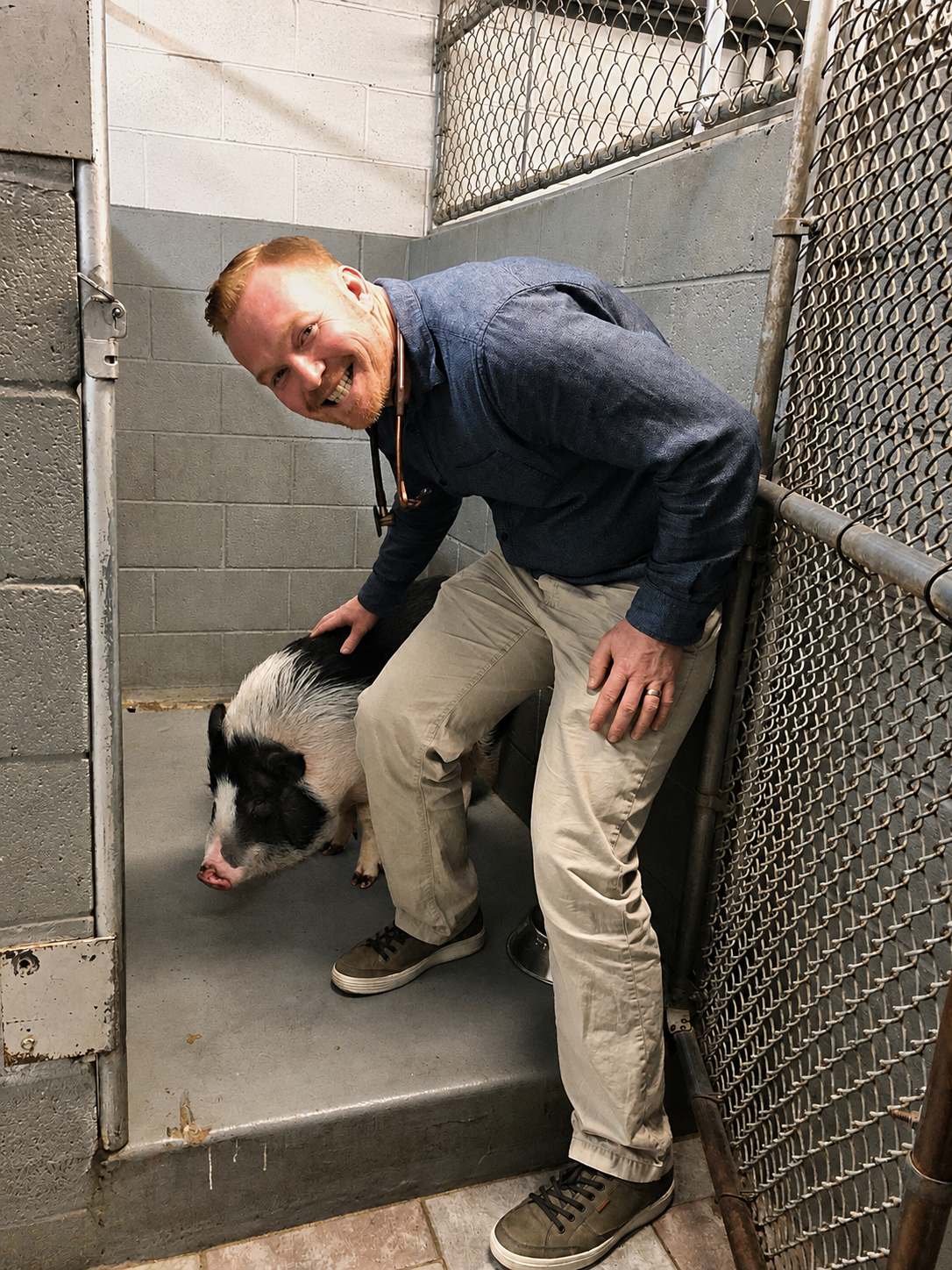
At Aliso Beach Animal Clinic, Dr. Bryan Hayter and our veterinary team provide individualized surgical care for mini pigs, potbellied pigs, and other companion pigs. Every patient is evaluated according to age, weight, health, anatomy, temperament, and home environment.
Why Spay or Neuter a Pet Pig?
Pet pigs can reach reproductive maturity earlier than many families expect. Intact males and females—including littermates—may breed when housed together.
Benefits for Male Pigs
- Prevents reproduction
- Eliminates the risk of testicular disease
- Often reduces mounting, urine marking, odor, and hormone-driven agitation
- May make household management and socialization easier
Benefits for Female Pigs
- Prevents pregnancy and future heat cycles
- Prevents uterine infection
- Reduces the risk of ovarian and uterine disease
- Avoids many heat-related behavioral changes
Behavior is also influenced by training, environment, fear, and social structure. Surgery can reduce hormone-driven behavior, but it is not a substitute for appropriate handling and enrichment.
When Should a Pig Be Spayed or Neutered?
The safest timing is individualized. Dr. Hayter will consider your pig’s age, current weight, body condition, development, health history, and reproductive status before recommending surgery.
Neutering a Male Pig
Many male miniature pigs are neutered at approximately 8 to 12 weeks of age. During the examination, we check that both testicles have descended and look for concerns such as an inguinal hernia.
If one or both testicles are retained in the abdomen or groin, the pig is cryptorchid. A retained testicle still produces hormones and requires a more involved surgical procedure to locate and remove it.
Spaying a Female Pig
Female miniature pigs are often spayed at approximately 4 to 6 months of age. Because some pigs become fertile at a young age, intact males and females should be separated well before reproductive maturity.
Intact females may cycle about every three weeks and can become restless, vocal, irritable, destructive, or unusually interested in other pigs. Spaying removes the ovaries and uterus, preventing pregnancy, heat cycles, uterine infection, and many age-related reproductive disorders.
Can an Older Pig Be Spayed or Neutered?
Possibly. Age alone does not automatically rule out surgery, but mature or overweight pigs need careful evaluation. In an older female, the uterus and associated blood vessels may be larger, and obesity can make anesthesia, positioning, surgery, and incision healing more challenging.
Before recommending surgery, we may assess:
- Current weight and body condition
- Heart and lung health
- Mobility, arthritis, and ability to recover safely
- Previous heat cycles, pregnancies, or reproductive symptoms
- Current medications and supplements
- Pre-anesthetic laboratory results
Signs of Reproductive Disease in an Intact Female Pig
Schedule a veterinary examination if you notice vaginal bleeding or discharge, abdominal enlargement, reduced appetite, weight loss, weakness, repeated straining, or sudden behavioral changes. Pigs do not have a normal menstrual period like humans, so unexplained bleeding should be evaluated.
Pig-Specific Anesthesia and Surgical Care
Pigs require thoughtful anesthetic planning because of their airway anatomy, body shape, sensitivity to temperature changes, and tendency to become stressed during restraint.
Depending on the individual patient and procedure, surgical care may include:
- A pre-anesthetic physical examination and recommended laboratory testing
- An IV catheter and fluids when appropriate
- Airway and breathing support
- Monitoring of heart rate, oxygen level, blood pressure, respiration, carbon dioxide, and temperature as appropriate
- Active warming and careful positioning
- Pain medication before, during, and after surgery
- Close observation through anesthetic recovery
Our goal is to provide safe, compassionate care while minimizing fear, pain, and preventable anesthetic risk.
Preparing Your Pig for Surgery
Please tell us about all medications and supplements, previous illnesses or surgeries, coughing, vomiting, diarrhea, appetite changes, possible pregnancy, recent heat cycles, and any prior problem with sedation or anesthesia.
Food and Water Instructions
Do not automatically use dog or cat fasting instructions for your pig. Our team will provide individualized directions for food and water before surgery. Following those instructions closely helps reduce anesthetic complications without causing unnecessary stress or gastrointestinal problems.
Transporting Your Pig
Use a secure crate or enclosed vehicle area whenever possible. Provide good traction with a non-slip mat or washable towels, and do not transport a frightened pig loose in the passenger area.
Recovery After Pig Spay or Neuter Surgery
Your pig may be quiet, sleepy, or mildly unsteady during the first part of recovery. We provide written discharge instructions based on the procedure and your pig’s individual needs.
During the healing period:
- Provide a clean, quiet, dry recovery area
- Restrict running, jumping, climbing, and rough play
- Prevent rooting in dirt, mud, sand, or soiled bedding
- Check the incision at least once daily
- Give all prescribed medication exactly as directed
- Do not give human pain medication
- Prevent licking, scratching, chewing, or rubbing at the incision
- Attend the recommended recheck appointment
Call Promptly After Surgery If You Notice:
Persistent bleeding, increasing redness or swelling, discharge, an unpleasant odor, missing sutures, an opening in the incision, severe pain, collapse, difficulty breathing, repeated vomiting, abdominal swelling, trouble urinating, or refusal to eat beyond the expected recovery period.
For severe symptoms outside our regular business hours, contact a 24-hour veterinary emergency hospital.
Pig Spay and Neuter FAQs
Do you spay and neuter potbellied pigs?
We evaluate mini pigs, potbellied pigs, and other companion pigs for surgery. A preoperative examination allows us to assess your pig’s health, anatomy, size, temperament, and specific surgical needs.
Will neutering stop aggressive behavior?
Neutering often reduces hormone-driven behaviors, especially when performed before sexual maturity. However, behavior is also affected by fear, training, environment, resource guarding, and previous experiences.
Will my pig gain weight after surgery?
Weight gain is not inevitable, but calorie needs and activity may change. Portion control, an appropriate miniature-pig diet, regular activity, enrichment, and weight monitoring remain important. Do not place a pig on a crash diet.
Can hoof or tusk care be performed at the same time?
Sometimes a brief additional procedure can be considered during the same anesthetic event. This depends on your pig’s health, the expected anesthesia time, and the amount of work required. Mention hoof, tusk, skin, ear, or dental concerns when scheduling.
How much does pig spay or neuter surgery cost?
Cost depends on your pig’s sex, age, weight, health, anatomy, and whether the procedure is routine or more complex. A cryptorchid neuter or mature-pig spay may require additional surgical time and care. Call our office for an examination and individualized estimate.
Schedule a Pig Spay or Neuter Examination
Aliso Beach Animal Clinic serves companion pigs from Laguna Beach and surrounding South Orange County communities. Call our team to discuss your pig’s age, weight, medical history, and surgical needs.
Aliso Beach Animal Clinic
30816 Pacific Coast Highway
Laguna Beach, CA 92651