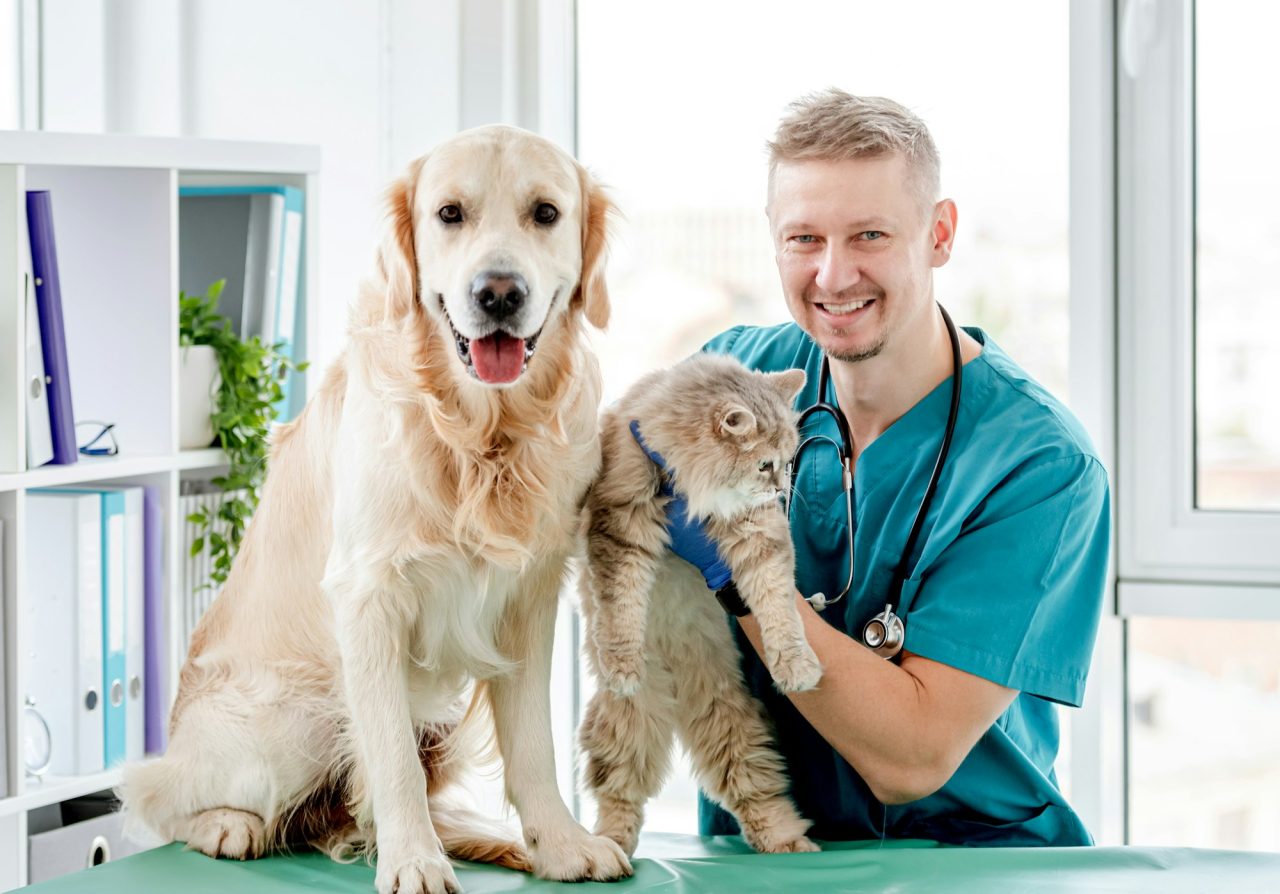
COMPASSIONATE, INDIVIDUALIZED CARE FOR AGING PETS
Senior Pet Care in Laguna Beach
Medically reviewed by Bryan Hayter, DVM, Owner and Medical Director of Aliso Beach Animal Clinic. Last reviewed: August 2026.
There is something especially meaningful about caring for a pet who has shared years of life with a family. At Aliso Beach Animal Clinic, we are passionate about helping these older pets feel their best, remain connected to the activities they enjoy and age as comfortably and gracefully as possible.
Slowing down is not always an unavoidable part of aging. Stiffness, reduced activity, weight loss, confusion, bad breath, difficulty rising and changes in appetite may indicate conditions that can be treated or managed.
Our senior pet-care plans are individualized for each dog or cat. Depending on your pet’s needs, care may include laboratory screening, nutrition, dentistry, arthritis treatment, medication, physical rehabilitation, acupuncture, therapeutic laser treatment and adjustments to the home environment.
Our goal is not simply to add years to your pet’s life. We want those years to remain comfortable, engaged and worth enjoying.
REQUEST A SENIOR PET APPOINTMENT
CALL (949) 499-4190
When Is a Pet Considered Senior?
There is no single age when every dog or cat becomes senior. Aging depends on species, breed, size, genetics, health history and lifestyle.
Large and giant-breed dogs generally enter their senior years earlier than small dogs. Cats and small dogs may remain active and healthy well into their teens.
Rather than relying only on a birthday, we consider:
- Expected lifespan for the breed and size
- Changes in activity and mobility
- Weight and muscle condition
- Medical history
- Dental health
- Laboratory trends
- Vision and hearing
- Behavior and cognitive changes
- Overall comfort and quality of life
Beginning senior-focused care before a pet becomes visibly frail allows us to establish useful baselines and address developing problems earlier.
Every Senior Pet Needs an Individual Plan
Aging pets are not interchangeable. One senior dog may be overweight and arthritic, while another is losing weight and muscle. One older cat may need kidney support, while another needs treatment for hyperthyroidism, dental pain or osteoarthritis.
At Aliso Beach Animal Clinic, we do not place every older pet on the same food, supplement or testing package.
A personalized senior plan may consider:
- Age, breed and species
- Body and muscle condition
- Mobility and pain
- Kidney, liver, thyroid and heart health
- Dental disease
- Appetite and digestion
- Current medications and supplements
- Behavior and cognitive function
- The pet’s daily routines and favorite activities
- The owner’s goals and practical concerns
Some senior pets need substantial medical support. Others need only careful monitoring, weight management and small lifestyle adjustments. We explain what is most important now, what may be monitored and which changes should prompt an earlier visit.
How Often Should a Senior Pet See the Veterinarian?
Many senior dogs and cats benefit from a complete veterinary examination every six months. Pets with chronic disease, medication monitoring needs or rapidly changing health may need more frequent evaluations.
Six months represents a larger portion of an older pet’s remaining lifespan than it does for a young adult. Meaningful changes can develop between yearly visits.
A senior examination gives us an opportunity to monitor:
- Weight and muscle loss
- Mobility and joint comfort
- Teeth and gums
- Heart and lung sounds
- Eyes and vision
- Skin, coat and new growths
- Abdominal organs
- Hydration
- Appetite, thirst and bathroom habits
- Sleep and behavior
- Response to medication
- Overall quality of life
Signs Your Senior Pet Should Be Examined
Contact us when you notice:
- Unexplained weight loss or gain
- Loss of muscle along the back or hind legs
- Difficulty rising
- Limping or stiffness
- Reluctance to climb stairs or jump
- Reduced interest in walks or play
- Increased thirst or urination
- Changes in appetite
- Vomiting or diarrhea
- Coughing or breathing changes
- Bad breath, drooling or difficulty eating
- New lumps or sores
- Restlessness or pacing at night
- Confusion or staring
- House-soiling accidents
- Changes in sociability or tolerance of handling
- Reduced grooming in cats
Do not assume these changes are simply normal aging. Many have medical causes that can be treated or managed.
When a Senior Pet Needs Same-Day Care
Some changes in an older pet should be evaluated sooner than a routine wellness appointment. If your senior dog or cat develops sudden vomiting or diarrhea, stops eating, becomes markedly weak or lethargic, develops new pain or difficulty walking, has a sudden urinary problem, or experiences another significant change in health, call us promptly.
Aliso Beach Animal Clinic provides
same-day urgent veterinary care in Laguna Beach
for many stable illnesses and injuries during regular clinic hours when availability allows. Please call
(949) 499-4190
before arriving so our team can assess your pet’s symptoms and determine the safest next step.
Difficulty breathing, collapse, severe weakness, uncontrolled bleeding, repeated seizures, unresponsiveness, or another life-threatening condition may require immediate treatment at a 24-hour emergency hospital.
Senior Pet Laboratory Screening
A physical examination cannot identify every early internal change.
Blood and urine testing may reveal abnormalities before a pet becomes visibly ill.
Depending on the individual patient, senior screening may include:
- Complete blood count
- Blood-chemistry profile
- Urinalysis
- Thyroid testing
- Blood-pressure measurement
- Heartworm or parasite testing
- Kidney screening
- Monitoring related to long-term medications
- Additional testing based on breed, symptoms or examination findings
Testing is selected according to the pet rather than automatically adding every available panel. We explain what each recommended test evaluates and how the result may affect treatment.
LEARN ABOUT VETERINARY DIAGNOSTICS
Osteoarthritis in Senior Dogs and Cats
Osteoarthritis, commonly called OA or arthritis, is a progressive joint condition that can cause pain, stiffness and reduced mobility.
Signs are not always dramatic. Many pets do not cry or limp consistently.
Signs of Osteoarthritis in Dogs
- Stiffness after sleeping
- Difficulty standing
- Slower walking
- Reluctance to use stairs
- Difficulty entering the car
- Reduced interest in play
- Limping that comes and goes
- Loss of hind-leg muscle
- Restlessness at night
- Increased irritability
Signs of Osteoarthritis in Cats
- Jumping to lower surfaces
- Hesitating before jumping
- Using furniture as intermediate steps
- Sleeping more
- Reduced grooming
- Matting over the back or hindquarters
- Difficulty entering a high-sided litter box
- House-soiling
- Reduced interaction
- Dislike of being picked up or touched
Cats with arthritis may not limp. Changes in normal behavior and movement are often the most useful clues.
Multimodal Osteoarthritis Treatment
Osteoarthritis is generally managed most effectively with a multimodal plan. This means combining several appropriate treatments rather than relying on one medication or supplement to do everything.
A multimodal arthritis plan may include:
- Maintaining a lean body condition
- Appropriate pain and anti-inflammatory medication
- Monoclonal-antibody treatment
- Joint-support medication or supplements
- Controlled age-appropriate exercise
- Physical rehabilitation
- Acupuncture
- Therapeutic laser treatment
- Home and flooring modifications
- Heat or cold therapy when appropriate
- Regular reassessment and adjustment
Not every patient needs every option. The plan depends on species, pain severity, organ function, concurrent medication, mobility and response to previous treatment.
Weight and Muscle Management
Excess weight places additional stress on painful joints. Maintaining a lean body condition is one of the most important components of long-term arthritis management.
However, weight loss and muscle loss are also common concerns in older pets. A senior animal may maintain the same number on the scale while losing muscle and gaining body fat.
We assess both body condition and muscle condition and may recommend:
- A measured daily calorie target
- Reducing treat calories
- A complete diet with appropriate protein
- Controlled exercise to preserve muscle
- Regular weight checks
- Investigation of unexplained weight or muscle loss
Joint Supplements
Supplements can be considered as one part of an arthritis plan, but they should not replace effective pain control when a pet is uncomfortable.
Fish Oil and Omega-3 Fatty Acids
Marine omega-3 fatty acids—particularly EPA and DHA—may help support dogs and cats with osteoarthritis through anti-inflammatory effects.
For arthritis, the amount of EPA and DHA matters more than the total number of milligrams listed as “fish oil.” Therapeutic doses may be considerably higher than the amount included in a general skin-and-coat supplement.
High-dose fish oil should be given under veterinary direction because excessive amounts can cause digestive upset, add substantial calories and potentially affect platelet function or interact with other treatments.
Glucosamine and Chondroitin
Glucosamine and chondroitin are widely used joint supplements. Some patients appear to benefit, but research results are inconsistent and the expected effect is generally modest.
Product quality and ingredient concentration vary. We can help evaluate whether a supplement is reasonable as an adjunct for your pet.
Turmeric and Curcumin
Turmeric and its active components are promoted for possible anti-inflammatory effects. Veterinary evidence remains limited, and products vary substantially in absorption and concentration.
Turmeric is not automatically harmless because it is botanical. It may cause gastrointestinal upset or interact with medications. Tell us about every botanical or nutritional product your pet receives.
Other Joint-Support Products
Depending on the patient, we may discuss other products such as green-lipped mussel, undenatured type II collagen or veterinary-formulated combinations.
Supplements should be selected according to safety, ingredient quality and realistic evidence—not marketing claims alone.
Medications for Senior Pet Arthritis
Medication is often an important component of restoring comfort and function. The best choice depends on species, kidney and liver health, gastrointestinal history, pain type and other medications.
Veterinary NSAIDs
Nonsteroidal anti-inflammatory drugs, or NSAIDs, are among the most effective medications for osteoarthritis pain and inflammation in appropriate patients.
Before and during treatment, we may recommend examination and laboratory monitoring. Contact us if a pet taking an NSAID develops vomiting, diarrhea, reduced appetite, black stool, increased thirst, marked lethargy or another concerning change.
Never give ibuprofen, naproxen or another human pain medication to a dog or cat unless a veterinarian has specifically prescribed it.
Monoclonal-Antibody Treatment
Monthly monoclonal-antibody injections are available for osteoarthritis pain in dogs and cats.
- Librela is approved for controlling osteoarthritis pain in dogs.
- Solensia is approved for controlling osteoarthritis pain in cats.
These medications target nerve growth factor, which participates in pain signaling. They do not rebuild cartilage or cure arthritis.
Monoclonal-antibody treatment is not right for every patient. We review the pet’s health, neurologic and mobility status, treatment goals and current prescribing information and discuss potential risks and benefits before use.
Gabapentin
Gabapentin may be used as an adjunct when neuropathic or maladaptive pain is suspected or when additional pain relief is needed.
Possible effects include sleepiness and poor coordination, particularly when treatment begins or the dose changes. Dosing may need adjustment in pets with kidney disease.
Tramadol
Tramadol may occasionally be considered as part of a broader pain plan. Its effectiveness for chronic osteoarthritis pain in dogs is variable, and it is not generally relied upon as the primary treatment when better-supported options are available.
It may also interact with other medications that influence serotonin, so the full medication and supplement list must be reviewed.
Adequan and Injectable Joint Support
Polysulfated glycosaminoglycan, commonly known by the brand name Adequan, is an injectable medication that may be included in selected canine arthritis plans.
It is not an immediate substitute for pain medication, and response varies among patients. The veterinarian will determine whether it is appropriate based on the diagnosis and medical history.
Additional Medication Options
Other medications may be used depending on the type and severity of pain. A patient with spinal or nerve pain may require a different plan from a pet with primarily inflammatory joint pain.
Chronic-pain treatment should be reassessed regularly so ineffective medication can be changed and unnecessary medication can be reduced.
Physical Therapy and Age-Appropriate Exercise
Complete inactivity can contribute to muscle loss, weakness and further loss of mobility. Most arthritic pets benefit from controlled, consistent movement that stays within a comfortable range.
Possible activities include:
- Short, frequent leash walks
- Gradual strengthening exercises
- Controlled sit-to-stand exercises
- Gentle range-of-motion work
- Balance and weight-shifting exercises
- Underwater-treadmill rehabilitation
- Swimming for appropriate patients
Swimming and other water-based exercise can reduce weight-bearing impact while encouraging movement. It is not appropriate for every senior pet, particularly those with heart, respiratory, neurologic, skin or severe mobility problems.
Exercise should be adjusted when a pet is painful. A long strenuous outing on the weekend does not compensate for inactivity during the week and may trigger an arthritis flare.
Heat and Cold Therapy
Heat and cold may provide temporary comfort when used correctly.
Cold Therapy
A wrapped cold pack may be helpful after an acute flare, injury or period of increased joint inflammation. Cold should never be placed directly against the skin.
Heat Therapy
Gentle warmth may help relax tight muscles and reduce chronic stiffness before controlled activity.
Heating pads can burn older pets, particularly animals with reduced sensation or limited ability to move away. Use only mild warmth, create a barrier between the heat source and skin, supervise continuously and follow veterinary instructions.
Acupuncture and Therapeutic Laser Treatment
Aliso Beach Animal Clinic offers
integrative options that may be incorporated into a multimodal senior-pet plan.
Veterinary Acupuncture
Acupuncture may be used as an adjunct for selected pets with arthritis, spinal discomfort, muscle tension or other chronic-pain conditions.
Some pets become relaxed during treatment. Response varies, and acupuncture is most useful when integrated with an appropriate medical, exercise and home-care plan.
Therapeutic Laser Treatment
Therapeutic
laser treatment delivers light energy to targeted tissues. It may be used as a noninvasive adjunct for selected painful or inflammatory conditions.
The treatment schedule depends on the condition, severity and individual response.
LEARN ABOUT HOLISTIC & INTEGRATIVE CARE
Botanical and Integrative Supplements
Botanical supplements may have a place in an individualized senior-pet plan, but “natural” does not automatically mean safe, pure or effective.
Potential concerns include:
- Medication interactions
- Variable ingredient concentration
- Contamination
- Gastrointestinal irritation
- Effects on bleeding or anesthesia
- Duplicate ingredients across several products
Bring photographs of all labels or the actual containers to the appointment. We need to know about every powder, chew, oil, tincture and botanical product when evaluating medication safety.
Senior Pet Nutrition Is Not One Size Fits All
The term “senior” on a pet-food package does not refer to one standardized nutritional formula.
AAFCO establishes nutritional profiles for growth, reproduction and adult maintenance, but it does not establish a separate senior or geriatric nutrient profile. As a result, foods marketed for senior pets can differ substantially in:
- Calories
- Protein
- Fat
- Fiber
- Phosphorus
- Sodium
- Added supplements
Some older pets need fewer calories. Others are losing weight and need more calorie-dense nutrition. Some benefit from additional high-quality protein to preserve muscle, while pets with certain medical conditions may require a therapeutic diet with a different nutrient profile.
Age alone is not a reason to change a food that is working well.
We select nutrition based on:
- Body and muscle condition
- Appetite
- Kidney and liver health
- Heart disease
- Dental comfort
- Digestive disease
- Mobility
- Laboratory results
- The pet’s ability to maintain an ideal weight
LEARN ABOUT PET NUTRITION
Dentistry Is Especially Important for Senior and Geriatric Pets
Dental disease can cause chronic pain, infection, reduced appetite and major quality-of-life problems. Because pets often continue eating despite oral pain, severe disease may remain hidden for years.
We strongly encourage owners to address dental disease proactively as a pet enters the senior and geriatric years rather than waiting until the animal is extremely old, frail and struggling to eat.
Untreated dental disease may lead to:
- Loose and painful teeth
- Tooth-root abscesses
- Bone loss
- Oronasal fistulas
- Difficulty chewing
- Reduced enjoyment of food
- Chronic inflammation and infection
- Severe quality-of-life impairment in very old pets
Removing painful or infected teeth can make an older pet substantially more comfortable. Many owners report improved appetite, activity and sociability after significant dental disease is treated.
Is My Pet Too Old for Anesthesia?
Advanced age alone does not automatically make a pet unsuitable for anesthesia.
Anesthetic planning is based on the individual patient’s examination, laboratory results, heart and lung health, kidney and liver function, medications and the expected benefit of the procedure.
At Aliso Beach Animal Clinic, senior dental patients receive individualized anesthetic planning, multimodal pain control, airway protection, active warming and careful physiologic monitoring.
There are situations in which the risks of anesthesia outweigh the expected benefit. There are also situations in which leaving severe dental pain and infection untreated presents the greater quality-of-life concern. We discuss that balance honestly with each owner.
LEARN ABOUT PET DENTAL CARE
Cognitive Changes in Senior Pets
Older pets may develop changes involving memory, awareness, sleep and learned behavior.
Possible signs include:
- Pacing or restlessness at night
- Staring at walls
- Appearing lost in familiar rooms
- Becoming trapped behind furniture
- Changes in interaction with family members
- House-soiling
- Altered sleep cycles
- New anxiety
- Reduced response to familiar cues
Pain, vision loss, hearing loss, kidney disease, urinary disease, endocrine disease and other medical conditions can cause similar changes. A medical evaluation should come before assuming cognitive decline is responsible.
Management may include environmental changes, predictable routines, pain control, nutrition, mental enrichment and medication when appropriate.
Making the Home Safer and More Comfortable
Small environmental changes can help a senior pet remain independent.
Consider:
- Non-slip rugs or runners
- Ramps or shallow steps
- An orthopedic bed
- Raised or repositioned food bowls when appropriate
- More frequent bathroom access
- A low-entry litter box
- Nightlights
- Blocking access to unsafe stairs
- Keeping food, water and bedding on one level
- Using a supportive harness
- Trimming nails regularly
- Protecting the pet from temperature extremes
The goal is to help the pet continue normal routines with less pain, fear and physical effort.
Quality-of-Life Care
Quality of life involves more than appetite alone.
We consider whether your pet can:
- Rest comfortably
- Rise and walk without severe distress
- Eat and drink comfortably
- Use the bathroom with dignity
- Interact with family
- Enjoy favorite activities
- Breathe comfortably
- Experience more good days than difficult days
Quality-of-life discussions are not limited to the final days of life. They help us identify pain, mobility problems, dental disease and other issues that may still be improved.
Frequently Asked Questions About Senior Pet Care
How often should my senior dog or cat have a checkup?
Many senior pets benefit from an examination every six months. Pets with chronic disease or changing symptoms may need more frequent monitoring.
Is slowing down a normal part of aging?
Some change in stamina may occur with age, but limping, stiffness, difficulty rising and reduced activity commonly indicate pain, arthritis or another medical condition. These changes deserve evaluation.
What is the best treatment for arthritis in an older pet?
There is no single best treatment for every patient. Osteoarthritis is generally managed with a combination of weight control, medication, exercise, rehabilitation, environmental support and selected integrative therapies.
Does my senior pet need an NSAID?
NSAIDs can be highly effective for arthritis pain in appropriate dogs and selected cats, but they are not suitable for every patient. Examination, medical history and laboratory testing help determine whether an NSAID is appropriate.
What are Librela and Solensia?
They are monthly monoclonal-antibody injections approved for osteoarthritis pain. Librela is for dogs, and Solensia is for cats. They control pain but do not cure arthritis or rebuild damaged cartilage.
Does glucosamine work for senior pets?
Some pets appear to benefit, but research results are inconsistent and effects are usually modest. Glucosamine should be considered an adjunct rather than a replacement for effective pain management.
Can I give my pet high-dose fish oil?
Only under veterinary guidance. Therapeutic EPA and DHA may help some arthritic pets, but excessive fish oil can cause side effects, add calories and potentially interact with other treatments.
Is turmeric safe for an older dog or cat?
Not automatically. Veterinary evidence is limited, and turmeric may cause digestive upset or interact with medication. Discuss the specific product and dose before use.
Should my senior pet swim for exercise?
Swimming or underwater-treadmill exercise can provide low-impact movement for appropriate patients. It may not be safe for pets with certain heart, respiratory, neurologic, skin or mobility conditions.
Does my pet automatically need senior food?
No. There is no standardized AAFCO senior-pet nutrient profile. The right diet depends on weight, muscle condition, organ health, appetite and existing medical conditions.
Is my pet too old for a dental cleaning?
Age alone does not determine anesthetic suitability. Senior pets often experience meaningful improvement in comfort after painful dental disease is treated. The decision is based on individual health, anesthetic risk and expected quality-of-life benefit.
Why is my older cat no longer jumping?
Arthritis is a common possibility, but vision loss, weakness, neurologic disease and other conditions can also reduce jumping. Cats often show pain through behavior changes rather than obvious limping.
Can acupuncture or laser therapy replace arthritis medication?
They may reduce reliance on medication for some patients but do not automatically replace appropriate medical pain control. They are generally most effective as components of a multimodal plan.
When should we begin discussing quality of life?
Quality of life can be discussed whenever chronic disease, pain or loss of function begins affecting daily activities. Early discussions help us identify treatments and home changes that may preserve comfort and independence.
Schedule Senior Pet Care in Laguna Beach
Older pets deserve more than having their symptoms dismissed as normal aging.
Aliso Beach Animal Clinic is passionate about helping senior dogs and cats remain comfortable, active and connected to their families. We provide individualized geriatric examinations, diagnostics, dentistry, nutrition, arthritis treatment, pain management, acupuncture and therapeutic laser care.
Let us help your beloved companion feel their best and age as gracefully as possible.
CALL (949) 499-4190
REQUEST AN APPOINTMENT
Aliso Beach Animal Clinic
30816 Coast Highway
Laguna Beach, CA 92651
Directly across from the Montage Laguna Beach
Monday–Friday: 7:30 a.m.–4:30 p.m.
Saturday: 8:00 a.m.–12:00 p.m.
Sunday: Closed
Medical review: Reviewed for medical accuracy by Bryan Hayter, DVM. Last reviewed July 2026.