
Laguna Beach Pet Safety
Rattlesnake Bites & Antivenom for Dogs in Laguna Beach
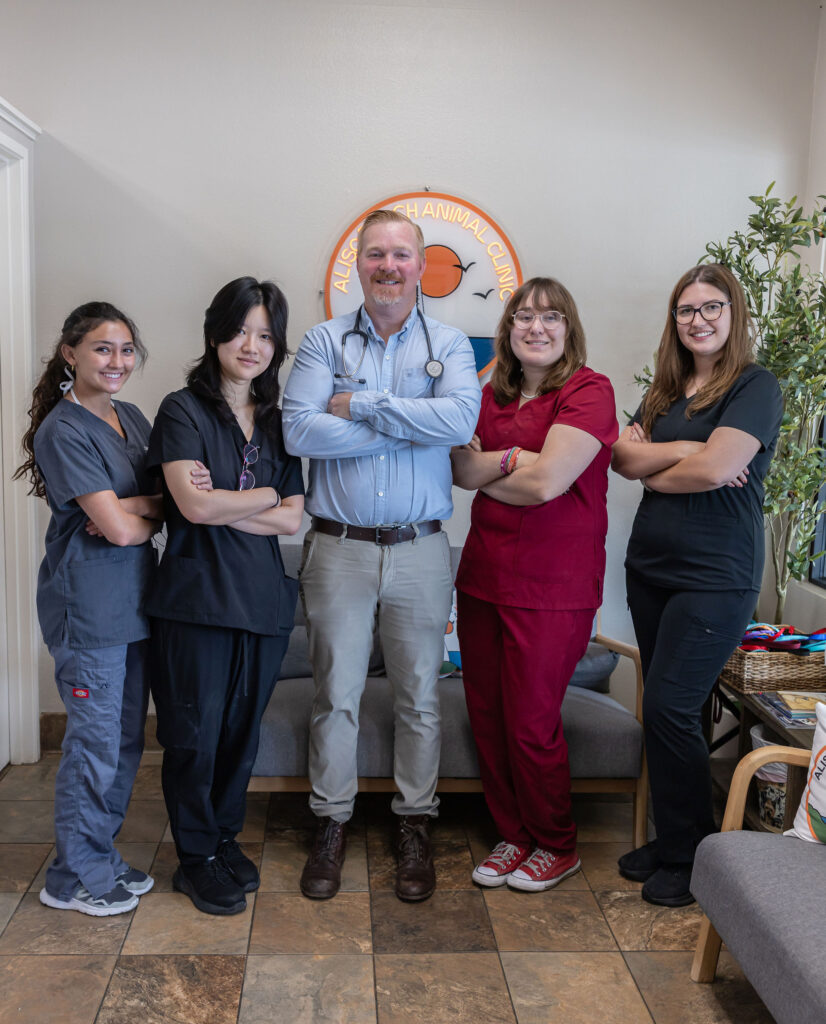
Medically reviewed by Bryan Hayter, DVM, Owner and Medical Director of Aliso Beach Animal Clinic. Last reviewed: August 2026.
If you think your dog, cat, or pet may have been bitten by a rattlesnake, treat it as urgent. Rattlesnake bites can cause pain, swelling, bruising, bleeding problems, tissue injury, weakness, shock, and in severe cases, life-threatening complications.
Aliso Beach Animal Clinic sees suspected rattlesnake bite cases during business hours, and we do carry rattlesnake antivenom, sometimes called anti-venom. Because snakebite cases are time-sensitive, please call before arriving so our team can prepare and advise you on the safest next step.
For after-hours snakebites, collapse, severe breathing trouble, major trauma, or pets likely to need overnight intensive care, call the nearest 24-hour veterinary emergency hospital immediately.
Suspected Rattlesnake Bite? Do This Now
- Move your pet away from the snake. Do not try to catch, kill, or handle the snake.
- Keep your pet calm and limit movement. Carry your dog if safely possible.
- Remove collars or constricting items if swelling is near the neck or face.
- Call Aliso Beach Animal Clinic immediately during business hours.
- Go directly to a 24-hour ER if we are closed, your pet is collapsing, or your pet needs overnight intensive care.
Why Rattlesnake Bites Are an Urgent Veterinary Problem
Laguna Beach pets may encounter rattlesnakes near canyon trails, brushy areas, open space, warm pavement edges, rocky landscaping, yards, and hiking areas. Dogs are especially at risk because they sniff, investigate, and may get close to a snake before the owner realizes what is happening.
California is home to several rattlesnake species, and the California Department of Fish and Wildlife advises that all rattlesnake bites should be treated as venomous until appropriate medical care is provided. Rattlesnakes are often most active in warmer months and may be active around dawn, dusk, and night during spring and summer.
The important point for pet owners is simple: do not wait to see if symptoms get worse. Call a veterinarian right away.
Signs of a Rattlesnake Bite in Dogs
Not every bite looks the same. Sometimes owners see or hear the snake. Other times, the first clue is sudden pain, swelling, or behavior change after a walk, hike, backyard outing, or trail visit.
- Sudden yelp, cry, or jump backward
- Rapid swelling, especially on the face, muzzle, neck, legs, or paws
- Puncture marks, though they may be hard to see
- Pain, sensitivity, or reluctance to be touched
- Bruising, bleeding, or oozing from the bite area
- Weakness, wobbliness, trembling, or collapse
- Vomiting, drooling, or diarrhea
- Heavy panting or signs of shock
- Dark discoloration, tissue damage, or worsening swelling over time
Dogs are commonly bitten on the face, muzzle, head, neck, or front legs because they investigate with their nose and mouth. Even if your dog seems stable at first, swelling and systemic effects can progress.
Can Cats Be Bitten by Rattlesnakes?
Yes. Cats can be bitten by venomous snakes, although owners may not witness the bite. Cats may hide after an injury, which can delay treatment. Snakebites in cats may involve the front legs or paws because cats may bat at snakes.
Call a veterinarian immediately if your cat comes home with sudden swelling, pain, limping, weakness, puncture wounds, bleeding, hiding, or abnormal behavior after being outdoors.
We Carry Rattlesnake Antivenom at Aliso Beach Animal Clinic
Aliso Beach Animal Clinic carries rattlesnake antivenom for appropriate snakebite cases during business hours. Antivenom is one of the most important treatments veterinarians may use because it is designed to help neutralize venom effects.
Not every suspected bite requires the same treatment. Some pets may need antivenom, pain control, IV fluids, blood work, clotting evaluation, wound monitoring, hospitalization, or referral to a 24-hour emergency hospital. Some severe cases may require more than one vial of antivenom or overnight monitoring.
Because snakebite care depends on your pet’s size, bite location, symptoms, time since bite, and severity of envenomation, please call first so our team can prepare and guide you.
Call Aliso Beach Animal Clinic: (949) 499-4190
What Not to Do After a Rattlesnake Bite
Old snakebite first-aid myths can make things worse or delay proper care. If your pet may have been bitten by a rattlesnake:
- Do not apply a tourniquet.
- Do not pack the bite area in ice.
- Do not cut the wound.
- Do not try to suck out venom.
- Do not give human pain medications.
- Do not let your dog continue walking or hiking.
- Do not wait at home to see if swelling improves.
- Do not try to handle or photograph the snake if doing so puts anyone at risk.
If you can take a safe photo from a distance, that may be helpful, but treatment should not be delayed to identify the snake.
When to Come to Us vs. When to Go to a 24-Hour ER
During business hours, call Aliso Beach Animal Clinic immediately for suspected rattlesnake bites. We can advise whether your pet should come directly to us or go to a 24-hour emergency hospital.
| Situation | Best Next Step |
|---|---|
| Suspected rattlesnake bite during ABAC business hours | Call Aliso Beach Animal Clinic immediately. We carry rattlesnake antivenom and can prepare for your pet. |
| Swelling, pain, limping, bruising, or puncture wounds after a trail, canyon, yard, or brush exposure | Call Aliso Beach Animal Clinic right away for urgent guidance. |
| Your pet is stable but you are unsure whether it was a snakebite | Call us. We can help determine whether your pet should be examined urgently. |
| After-hours suspected snakebite | Call the nearest 24-hour veterinary emergency hospital immediately. |
| Collapse, severe weakness, trouble breathing, severe bleeding, or rapidly worsening symptoms | Go directly to a 24-hour veterinary emergency hospital. |
| Hit-by-car injury, major trauma, or injuries likely to need overnight intensive care | Go directly to a 24-hour veterinary emergency hospital. |
What Happens at the Vet After a Suspected Rattlesnake Bite?
Snakebite care begins with triage. The veterinary team will assess your pet’s breathing, circulation, pain level, gum color, swelling, bite location, hydration, heart rate, and overall stability.
Depending on the case, recommended care may include:
- Physical exam and bite-site evaluation
- Pain control
- Blood work
- Clotting or bleeding assessment
- IV catheter and fluids
- Rattlesnake antivenom when indicated
- Monitoring for swelling, bruising, shock, and tissue injury
- Referral or transfer if overnight care or specialty monitoring is needed
The earlier your pet is assessed, the better the veterinary team can respond to worsening swelling, pain, clotting changes, or systemic effects.
Does the Rattlesnake Vaccine Replace Antivenom?
No. The rattlesnake vaccine does not replace urgent veterinary care, and it does not mean a pet can safely skip evaluation after a bite.
Some pet owners may choose to discuss rattlesnake vaccination as part of a prevention plan, especially for dogs with high exposure risk. However, if a vaccinated dog is bitten, the dog should still be treated as an urgent veterinary patient.
If your dog hikes, explores brushy areas, lives near open space, or has a high prey drive, ask us whether rattlesnake vaccination or snake-avoidance training should be part of your pet’s broader safety plan.
Laguna Beach Areas Where Pet Owners Should Be Extra Alert
Rattlesnakes can occur in coastal Southern California habitats, including areas near trails, brush, rock, open space, and yards that border natural areas. In Laguna Beach and nearby communities, be especially cautious around:
- Canyon trails and trailheads
- Brushy paths and overgrown edges
- Rocky landscaping and retaining walls
- Warm pavement or sunning areas near open space
- Backyards near slopes, brush, or rodent activity
- Early morning, dusk, and nighttime walks in warmer months
Keep dogs leashed, stay on clear trails, avoid tall grass and heavy brush, and do not allow pets to investigate holes, rocks, logs, or suspicious movement.
How to Reduce Your Pet’s Rattlesnake Risk
- Keep dogs on leash near trails, canyons, and brush.
- Avoid letting dogs put their face into bushes, holes, or rock piles.
- Use extra caution at dawn, dusk, and night in warm weather.
- Keep yards trimmed and reduce rodent attractants.
- Remove wood piles, clutter, and hiding places where safe and practical.
- Teach a strong recall and “leave it” cue.
- Consider professional rattlesnake-avoidance training for high-risk dogs.
- Ask your veterinarian whether rattlesnake vaccination makes sense for your dog’s lifestyle.
Quick Takeaways
- Suspected rattlesnake bites should be treated as urgent.
- Aliso Beach Animal Clinic carries rattlesnake antivenom.
- Call first during business hours so our team can prepare.
- Do not use a tourniquet, ice, cutting, suction, or human pain medicine.
- After-hours or severe cases should go directly to a 24-hour ER.
- The rattlesnake vaccine does not replace urgent veterinary care or antivenom when needed.
Rattlesnake Bite Care in Laguna Beach
Aliso Beach Animal Clinic is an independently owned veterinary clinic serving Laguna Beach, South Laguna, Aliso Beach, Three Arch Bay, Monarch Beach, Dana Point, Laguna Niguel, and nearby coastal communities.
If your pet may have been bitten by a rattlesnake, call us immediately during business hours. We see suspected snakebite cases, provide urgent veterinary assessment, and carry rattlesnake antivenom.
Suspect a Rattlesnake Bite?
Call Aliso Beach Animal Clinic now during business hours so we can help you decide the safest next step.
Aliso Beach Animal Clinic
30816 Coast Hwy
Laguna Beach, CA 92651
For after-hours emergencies, collapse, severe breathing trouble, major trauma, or pets needing overnight intensive care, call the nearest 24-hour veterinary emergency hospital before driving.
Related Aliso Beach Animal Clinic Resources
Trusted External Resources
Frequently Asked Questions
Does Aliso Beach Animal Clinic carry rattlesnake antivenom?
Yes. Aliso Beach Animal Clinic carries rattlesnake antivenom. If your pet may have been bitten by a rattlesnake, call us immediately during business hours so we can prepare and advise you.
Should I wait to see if my dog gets worse after a possible rattlesnake bite?
No. Call a veterinarian right away. Rattlesnake bites can worsen over time, and early evaluation helps determine whether your dog needs antivenom, pain control, blood work, fluids, monitoring, or emergency transfer.
What are the most common signs of a rattlesnake bite in dogs?
Common signs include sudden pain, swelling, puncture wounds, bruising, bleeding, weakness, vomiting, trembling, limping, or collapse. Dogs are often bitten on the face, muzzle, neck, or front legs.
Can cats be bitten by rattlesnakes?
Yes. Cats can be bitten by rattlesnakes and may hide after injury, which can delay treatment. Sudden swelling, pain, limping, weakness, or abnormal behavior after outdoor exposure should be treated urgently.
Does the rattlesnake vaccine mean my dog does not need treatment?
No. A rattlesnake vaccine does not replace urgent veterinary care. A vaccinated dog should still be evaluated immediately after any suspected rattlesnake bite.
Should I put ice on a rattlesnake bite?
No. Do not apply ice, use a tourniquet, cut the wound, or try to suck out venom. Keep your pet calm, limit movement, and call a veterinarian immediately.
When should I go directly to a 24-hour emergency hospital?
Go directly to a 24-hour emergency hospital if the bite occurs after hours, your pet collapses, has severe breathing trouble, severe uncontrolled bleeding, major trauma, or appears likely to need overnight intensive care.