
Guinea Pig Wellness, Nutrition, Dental Care & Urgent Medical Evaluation
Guinea Pig Veterinarian & Care Guide in Laguna Beach
Medically reviewed by Bryan Hayter, DVM, Owner and Medical Director of Aliso Beach Animal Clinic. Last reviewed: October 2026.
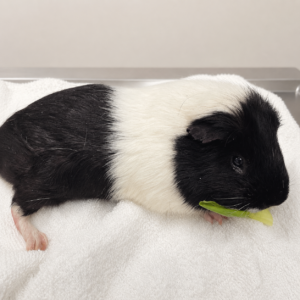
- Routine guinea pig wellness examinations
- Vitamin C and nutritional counseling
- Hay, pellet and vegetable recommendations
- Dental examinations and skull imaging
- Evaluation of appetite loss and gastrointestinal stasis
- Respiratory-infection and pneumonia evaluation
- Foot and skin examinations
- Blood work and urinalysis
- Digital radiographs
- Fecal and parasite testing when indicated
- Evaluation of urinary and reproductive disorders
- Same-day evaluation of many urgent guinea pig problems during regular clinic hours
Guinea Pig Warning Signs: Call Early
If your guinea pig suddenly stops eating, produces fewer stools, seems weak, breathes differently, has drooling, difficulty chewing, abdominal swelling, blood in the urine, head tilt, trauma, or another concerning change, visit our urgent exotic pet care in Laguna Beach guide for warning signs and when to call a veterinarian.On This Page
- Routine guinea pig veterinary care
- Vitamin C requirements
- Hay and guinea pig nutrition
- The cecum and fiber digestion
- Constipation, reduced droppings and GI stasis
- Dental health
- Housing and cage cleanliness
- Foot infections and bumblefoot
- Respiratory infections and pneumonia
- Social needs and handling
- Common health problems
- Diagnostic testing
- Urgent warning signs
- Frequently asked questions
Routine Guinea Pig Veterinary Care
Routine examinations help establish your guinea pig’s normal weight, body condition, dental appearance, breathing pattern and digestive habits before an obvious illness develops. A guinea pig wellness examination may include evaluation of:- Body weight and body condition
- Hay and pellet consumption
- Vitamin C intake
- Fecal quantity, size and consistency
- Incisors, cheek teeth and jaw alignment
- Eyes, ears and nose
- Heart and respiratory sounds
- Abdominal comfort and gastrointestinal contents
- Skin, coat and feet
- Hydration
- Mobility and joint health
- Urinary and reproductive health
- Housing, bedding and cage sanitation
- Social compatibility with other guinea pigs
Weigh Your Guinea Pig at Home
We recommend weighing your guinea pig at least weekly using a digital gram scale. Record each measurement. A consistent downward trend may identify illness before weight loss becomes visibly obvious beneath the coat. Contact us when:- Weight decreases over several consecutive measurements
- Weight loss occurs with reduced appetite
- Your guinea pig becomes less active
- Droppings become smaller or less frequent
Vitamin C Requirements for Guinea Pigs
Guinea pigs cannot synthesize vitamin C within their bodies. They must receive it every day through vitamin C–rich vegetables, fresh fortified guinea pig pellets and, when appropriate, a direct oral supplement. Vitamin C is necessary for:- Normal collagen formation
- Healthy skin and gums
- Strong blood vessels
- Joint and bone health
- Normal wound healing
- Immune-system function
How Much Vitamin C Does a Guinea Pig Need?
A commonly cited maintenance requirement for a healthy adult guinea pig is approximately 10 milligrams per kilogram of body weight each day. Growing, pregnant, nursing, ill, recovering or vitamin C–deficient guinea pigs may require more, sometimes approximately 20–30 milligrams per kilogram daily or another veterinarian-directed dose. The appropriate amount depends on:- Body weight
- Age
- Pregnancy or nursing
- Current diet
- Pellet freshness
- Medical condition
- Evidence of deficiency
Direct Oral Vitamin C Supplements
A chewable tablet or measured liquid formulated for guinea pigs or small mammals is often the most dependable form of supplementation. Direct oral administration allows owners to know that the complete dose was consumed. Check the label carefully. Some chewable products contain more vitamin C than a single guinea pig needs, so the tablet may need to be divided according to veterinary instructions.Do Not Rely on Vitamin C in Drinking Water
Adding vitamin C to a water bottle is generally not recommended because:- Vitamin C degrades rapidly in water and light
- The concentration becomes unreliable
- It may change the taste of the water
- The guinea pig may drink less
- More than one guinea pig may consume unequal amounts
- It is impossible to confirm the individual dose
Vitamin C in Pellets
Guinea pig pellets are fortified with vitamin C, but the vitamin breaks down during storage. To preserve nutritional quality:- Buy guinea pig–specific pellets rather than rabbit pellets.
- Choose a package with a clear manufacturing or expiration date.
- Purchase an amount your household will use promptly.
- Store pellets in a cool, dry, dark location.
- Do not rely on an old or long-opened bag as the sole vitamin C source.
Vegetables Rich in Vitamin C
Appropriate choices may include:- Red, green or yellow bell pepper
- Small amounts of parsley
- Broccoli
- Cauliflower leaves
- Selected leafy greens
Signs of Vitamin C Deficiency
Vitamin C deficiency, also called scurvy, may cause:- Reduced appetite
- Weight loss
- Weakness
- Reluctance to walk
- Painful or swollen joints
- Swollen feet
- Rough hair coat
- Bleeding beneath the skin or from the gums
- Poor wound healing
- Dental problems
- Increased susceptibility to illness
What Should a Guinea Pig Eat?
Fresh grass hay should be continuously available and should form most of a healthy adult guinea pig’s diet.Unlimited Grass Hay
Appropriate hay choices include:- Timothy hay
- Orchard grass
- Meadow hay
- Oat hay
- Another appropriate long-strand grass hay
- Normal gastrointestinal movement
- Healthy microbial fermentation
- Appropriate dental wear
- Normal chewing behavior
- Weight management
- Foraging and enrichment
Measured Guinea Pig Pellets
Offer a measured amount of plain, uniform, timothy-based guinea pig pellets. Avoid mixed foods containing:- Seeds
- Nuts
- Dried fruit
- Colored pieces
- Corn
- Sugary cereal ingredients
Leafy Greens and Vegetables
A varied selection of appropriate vegetables provides moisture, enrichment and vitamin C. Introduce new foods slowly and monitor:- Appetite
- Fecal consistency
- Urine
- Body weight
Fresh Water
Fresh water must always be available. Check water bottles daily for:- Blocked valves
- Leaks
- Contamination
- Algae or residue
The Cecum: A Natural Fermenting Vat
Guinea pigs are hindgut-fermenting herbivores. They have a particularly large cecum, which can be understood as a specialized biological fermenting vat. Inside the cecum, a carefully balanced community of bacteria and other microorganisms breaks down plant fiber that the guinea pig could not digest on its own. This fermentation process produces:- Volatile fatty acids used as an energy source
- Selected vitamins
- Microbial protein
- Other nutrients
- Low-fiber diets
- Sudden food changes
- Excessive carbohydrates or sugar
- Dehydration
- Stress
- Pain
- Illness
- Certain antibiotics
Constipation, Reduced Droppings and GI Stasis
Guinea pigs should eat and produce fecal pellets throughout the day. What an owner describes as constipation may include:- Fewer fecal pellets
- Smaller pellets
- Dry or unusually hard pellets
- Misshapen pellets
- Straining
- No visible fecal production
- Dental pain
- Inadequate hay or fiber
- Dehydration
- Sudden dietary change
- Respiratory infection
- Urinary disease
- Heat stress
- Injury or another source of pain
- Unsafe antibiotic use
- Foreign material or gastrointestinal obstruction
- Another systemic illness
Emergency Warning Signs
Call immediately when your guinea pig:- Stops eating
- Eats substantially less than normal
- Produces few or no droppings
- Has a swollen or firm abdomen
- Sits hunched
- Grinds its teeth in pain
- Becomes weak or unusually quiet
- Loses weight
- Strains repeatedly
- Oral and dental examination
- Abdominal examination
- Digital radiographs
- Blood work
- Hydration and temperature assessment
- Urinalysis
- Additional imaging when indicated
Guinea Pig Dental Health
Guinea pig incisors and cheek teeth grow continuously. Long-strand hay provides prolonged chewing that supports normal dental wear. Hay cannot prevent every dental condition. Some guinea pigs develop abnormal jaw alignment, cheek-tooth overgrowth, tooth-root disease or infection.Signs of Dental Disease
Contact us when you notice:- Eating pellets or soft food while refusing hay
- Dropping food
- Slow or unusual chewing
- Drooling
- A wet chin or chest
- Weight loss
- Smaller or fewer fecal pellets
- Eye or nasal discharge
- Facial or jaw swelling
- Visible overgrown incisors
- Difficulty closing the mouth
- Oral examination under sedation or anesthesia
- Digital skull radiographs
- CT imaging in selected cases
- Correction of abnormal cheek teeth
- Extraction of severely diseased teeth
- Pain management
- Nutritional support
Guinea Pig Housing and Cage Cleanliness
Guinea pigs need substantially more floor space than many commercial starter cages provide. A suitable enclosure should include:- A solid floor
- Dry, absorbent bedding
- Good ventilation
- Unlimited clean hay
- Separate feeding and elimination areas when possible
- At least one hiding place per guinea pig
- Room to walk, run and explore
- Multiple food and water locations in group housing
Daily Cleaning
Check the enclosure every day and remove:- Wet bedding
- Fecal accumulation
- Soiled hay
- Uneaten fresh produce
- Leaking water
Safe Bedding
Appropriate choices may include:- Paper-based bedding
- Properly maintained fleece systems
- Selected kiln-dried, guinea-pig-safe wood bedding
- Cedar
- Highly dusty bedding
- Scented litter
- Clumping cat litter
- Fluffy cotton nesting material
- Wet, moldy or heavily soiled material
Temperature
Guinea pigs generally do well in a comfortable indoor environment around 65–75°F. Temperatures around or above 80°F can increase the risk of heat stress, particularly in overweight, pregnant, elderly or long-haired guinea pigs. Keep the enclosure away from direct sunlight, heaters, fireplaces and poorly ventilated garages.Foot Infections, Bumblefoot and Dirty Cages
Pododermatitis—commonly called bumblefoot—is inflammation and infection involving the skin and deeper tissues of the feet. It may begin as redness or a small pressure sore and progress to:- Open ulcers
- Swelling
- Abscess formation
- Deep tissue infection
- Bone or joint infection
- Severe pain and difficulty walking
Contributing Factors
Foot infections are more likely when guinea pigs are exposed to:- Wet or urine-soaked bedding
- Dirty cage conditions
- Wire flooring
- Abrasive surfaces
- Obesity
- Inadequate exercise
- Arthritis or abnormal weight bearing
- Vitamin C deficiency
- Overgrown nails
Check the Feet Regularly
Examine the bottoms of all four feet for:- Redness
- Calluses
- Crusting
- Swelling
- Open sores
- Discharge
- Pain
Respiratory Infections and Pneumonia
Respiratory infections are common in guinea pigs and may progress rapidly to pneumonia. Some guinea pigs carry respiratory bacteria without obvious symptoms. Stress, crowding, poor ventilation, vitamin C deficiency or another illness may allow infection to become more severe.Warning Signs
Contact a veterinarian promptly when your guinea pig develops:- Sneezing
- Nasal discharge
- Eye discharge or redness
- Noisy breathing
- Rapid breathing
- Increased abdominal effort while breathing
- Open-mouth breathing
- Reduced appetite
- Weight loss
- Weakness or lethargy
Diagnosis and Treatment
Evaluation may include:- Physical examination
- Accurate body weight
- Digital chest radiographs
- Blood testing
- Culture or PCR testing in selected cases
- Assessment of hydration and gastrointestinal activity
- Guinea-pig-appropriate antibiotics
- Oxygen
- Fluid therapy
- Nutritional support
- Vitamin C support
- Nebulization or other respiratory treatment when indicated
- Hospitalization
Social Needs, Exercise and Handling
Guinea pigs are social animals and often benefit from living with a compatible companion. Prevent accidental pregnancy by housing:- Compatible animals of the same sex
- Females with an appropriately neutered male
- Another veterinarian-approved combination
Reduce Competition
Group housing should include:- More than one hide
- Multiple hay piles
- More than one food location
- Enough floor space for animals to move apart
- Close observation for bullying or blocked access to food
Safe Handling
When lifting a guinea pig:- Support the chest
- Support the hindquarters
- Hold the guinea pig securely against your body
- Remain close to the floor
- Avoid squeezing the abdomen or rib cage
Common Guinea Pig Health Problems
Vitamin C Deficiency
Signs may include weakness, painful joints, swollen feet, poor wound healing, bleeding and appetite loss.Dental Disease
Reduced hay intake, drooling, weight loss and changes in fecal output may indicate painful cheek-tooth disease.Gastrointestinal Stasis
Reduced or absent fecal production and appetite loss require urgent evaluation.Respiratory Infection and Pneumonia
Sneezing, discharge, breathing difficulty and appetite loss can progress rapidly.Pododermatitis
Dirty or wet bedding, wire floors, obesity and abnormal weight bearing can contribute to painful foot infections.Urinary Stones and Sludge
Signs may include:- Straining to urinate
- Frequent urination
- Blood in the urine
- Vocalizing during urination
- Wet fur around the hindquarters
- Reduced appetite
Ovarian Cysts
Female guinea pigs may develop ovarian cysts, particularly as they age. Possible signs include:- Hair loss along the sides of the body
- Crusty or enlarged nipples
- Abdominal enlargement
- Behavioral changes
- Reduced appetite
- Discomfort
Skin Parasites and Fungal Disease
Hair loss, itching, scaling, crusting or seizures triggered by severe itching may indicate mites, lice or fungal disease. Some fungal infections can spread to people and other animals.Diagnostic Testing for Guinea Pigs
Diagnostic recommendations depend on the symptoms and medical question. Testing may include:- Fecal examination
- Skin scraping or fungal testing
- Blood-cell and chemistry testing
- Urinalysis
- Urine culture
- Digital radiographs
- Skull and dental radiographs
- Chest radiographs
- Abdominal ultrasound
- CT imaging in selected dental cases
- Cytology, bacterial culture or biopsy
- Dental roots and jawbone
- Pneumonia
- Urinary stones
- Gastrointestinal gas or obstruction
- Ovarian or uterine disease
- Fractures
When Does a Guinea Pig Need Urgent Veterinary Care?
Call promptly when your guinea pig:- Stops eating
- Produces few or no droppings
- Appears constipated or repeatedly strains
- Has a swollen or painful abdomen
- Has difficulty breathing
- Breathes with the mouth open
- Develops respiratory discharge with lethargy
- Becomes weak, cold or unresponsive
- Has severe diarrhea
- Shows signs of heat stress
- Strains without passing urine
- Has significant bleeding
- Experiences a fall or predator attack
- Develops a painful swollen foot
- Has rapidly progressing facial or jaw swelling
Transporting a Guinea Pig to the Veterinarian
Use a secure, well-ventilated carrier with a solid floor and clean absorbent material. Place inside:- Familiar hay
- A small quantity of normal food
- A nonslip towel or pad
- A compatible bonded companion when safe and practical
- Direct sunlight
- A hot parked vehicle
- Cold air blowing directly from a vent
- Loose dogs or cats
- Sudden movement or falls
- A recent weight history
- Photographs of the enclosure
- Pellet and vitamin C supplement labels
- A list of vegetables and treats
- A fresh fecal sample when requested
- Previous medical records and imaging
Frequently Asked Questions About Guinea Pig Care
How often should my guinea pig see a veterinarian?
Many healthy guinea pigs benefit from at least an annual examination. Senior guinea pigs and those with chronic dental, respiratory or urinary conditions may require more frequent care.Do all guinea pigs need vitamin C?
Yes. Guinea pigs cannot produce vitamin C and must receive it every day through diet and, when appropriate, direct oral supplementation.How much vitamin C should I give?
A healthy adult commonly requires approximately 10 milligrams per kilogram daily. Growing, pregnant, nursing, ill or deficient guinea pigs may need more under veterinary direction.Can I put vitamin C drops in the water?
Direct oral supplementation is more reliable. Vitamin C degrades quickly in water and may change its taste enough to reduce drinking.Can guinea pigs eat rabbit pellets?
No. Rabbit pellets are not formulated to provide a guinea pig’s vitamin C requirement.What should make up most of a guinea pig’s diet?
Fresh long-strand grass hay should form most of the diet, supplemented with measured guinea pig pellets and appropriate vitamin C–rich vegetables.What does the cecum do?
The cecum functions like a large fermentation vat. Microorganisms break down plant fiber and produce energy and nutrients that the guinea pig uses.Is constipation an emergency in a guinea pig?
Yes. Fewer, smaller, dry or absent droppings may indicate gastrointestinal stasis or obstruction, especially when accompanied by appetite loss, pain or abdominal swelling.Why is my guinea pig eating pellets but not hay?
Refusing coarse hay while continuing to eat easier foods can be an early sign of cheek-tooth pain.What causes bumblefoot?
Contributing factors include wet or dirty bedding, wire flooring, abrasive surfaces, obesity, arthritis, overgrown nails and vitamin C deficiency.Can a dirty cage cause foot infections?
Yes. Prolonged contact with urine, feces and wet bedding damages the skin barrier and increases the risk of bacterial infection.Can I give my guinea pig leftover antibiotics?
No. Several antibiotics that are safe for dogs, cats or people can cause life-threatening gastrointestinal disease in guinea pigs.Can you take dental X-rays of a guinea pig?
Yes. Skull radiographs and, in selected cases, CT imaging can help evaluate cheek teeth, tooth roots, jawbone and surrounding structures.Should guinea pigs live alone?
Many guinea pigs benefit from a compatible companion. Pairing must prevent accidental breeding and provide enough space and resources for both animals.How much does a guinea pig appointment cost?
Cost depends on the examination, medical concern and whether diagnostic testing or treatment is needed. Our team can provide current examination information when scheduling. Review veterinary payment options.Schedule a Guinea Pig Veterinarian in Laguna Beach
Guinea pig health depends on unlimited grass hay, dependable daily vitamin C, clean dry housing, careful dental monitoring and prompt attention to appetite or fecal changes. Aliso Beach Animal Clinic provides species-specific guinea pig veterinary care in Laguna Beach, including wellness examinations, nutrition counseling, dental imaging and treatment of urgent digestive and respiratory concerns. Call before scheduling so our team can confirm availability and help you prepare for the visit. Aliso Beach Animal Clinic 30816 Coast Highway Laguna Beach, CA 92651 Directly across from the Montage Laguna Beach Monday–Friday: 7:30 a.m.–4:30 p.m. Saturday: 8:00 a.m.–12:00 p.m. Sunday: ClosedMedical review: Reviewed for medical accuracy by Bryan Hayter, DVM, Owner and Medical Director. Last reviewed October 2026.