





Urgent Pet Care
What Happens During an Urgent Vet Visit in Laguna Beach?
Medically reviewed by Bryan Hayter, DVM | Aliso Beach Animal Clinic | Last reviewed: August 2026
When your pet is suddenly vomiting, limping, painful, swollen, burned, bitten, or just “not acting right,” it is stressful to decide what to do next. Many pet owners wonder whether they should schedule a regular appointment, call for same-day urgent care, or go directly to a 24-hour emergency hospital.
At Aliso Beach Animal Clinic, we see urgent veterinary cases during business hours for dogs, cats, and many exotic pets. Our goal is to help you understand what may be happening, stabilize your pet when needed, and guide you toward the safest next step.
If your pet was hit by a car, has major trauma, severe uncontrolled bleeding, trouble breathing, collapse, or may need overnight intensive care, call a 24-hour emergency hospital right away.
First: Call Before You Come In
If your pet has an urgent problem during business hours, please call us before arriving. A quick phone call helps our team understand the situation, prepare for your pet, and advise whether your pet should come to Aliso Beach Animal Clinic or go directly to a 24-hour emergency hospital.
Common urgent concerns we see include vomiting, diarrhea, limping, wounds, ear pain, eye problems, allergic reactions, foxtails, burned paw pads, toxin concerns, urinary problems, and suspected rattlesnake bites. We also carry rattlesnake antivenom.
For a broader decision guide, visit our Laguna Beach Pet Emergency & Urgent-Care Guide.
Step 1: Triage
When you call or arrive, our team begins with triage. Triage means we quickly assess how serious the situation may be and what level of care your pet needs first.
We may ask about your pet’s breathing, gum color, energy level, pain level, ability to walk, vomiting or diarrhea, toxin exposure, bleeding, swelling, urination, or possible injury.
Some pets are stable enough for an urgent exam at our clinic. Others may need immediate stabilization, emergency transfer, or 24-hour care. We will be honest about what level of care is safest.
Step 2: History and Physical Exam
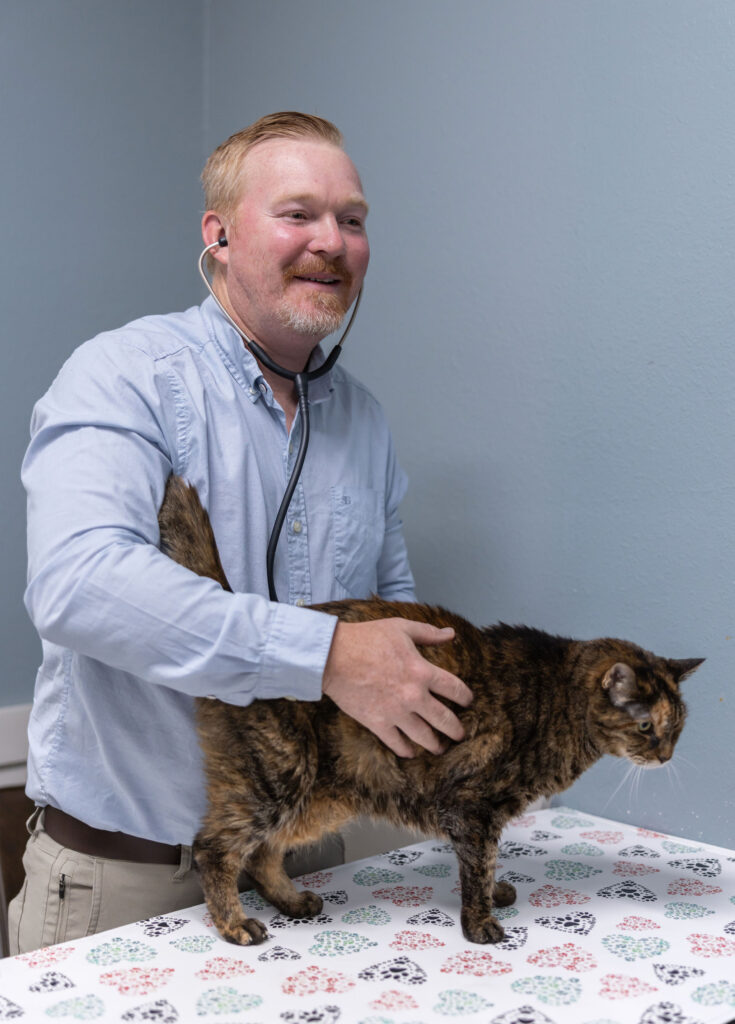
Next, the veterinarian gathers a focused medical history and performs a physical exam. This may include checking your pet’s temperature, heart rate, breathing, hydration, gum color, abdomen, joints, skin, ears, eyes, and pain response.
Helpful details include when symptoms started, what your pet ate, any medications or supplements your pet receives, recent travel, beach or trail exposure, possible toxin access, and whether the problem is getting better or worse.
If your pet may have eaten something toxic, bring the packaging or a photo of the label. Do not induce vomiting unless a veterinarian or poison-control professional specifically tells you to do so.
Step 3: Diagnostic Recommendations
Depending on your pet’s symptoms, urgent care may involve diagnostic testing. The purpose is to move quickly from “something is wrong” to a clearer plan.
Common urgent-care diagnostics may include blood work, fecal testing, urinalysis, ear cytology, skin cytology, X-rays, ultrasound referral or coordination, blood pressure evaluation, or other tests based on your pet’s signs.
For pets with vomiting, diarrhea, abdominal pain, weight loss, or suspected internal disease, learn more about our pet abdominal ultrasound services.
Step 4: Treatment and Stabilization
Treatment depends on the problem. Some pets need medication, wound care, fluids, pain control, anti-nausea treatment, antibiotics, allergy treatment, ear treatment, eye medication, or supportive care.
If your dog has burned paw pads from hot pavement, sidewalks, patios, or beach-area surfaces, we may evaluate the depth of the burns, clean and protect the paws, manage pain, and discuss bandaging or activity restriction.
If your pet may have been bitten by a rattlesnake, call us immediately during business hours. We carry rattlesnake antivenom and can help determine whether your pet should be seen at our clinic or go directly to a 24-hour emergency hospital depending on severity, timing, and whether overnight monitoring may be needed.
Urgent Vet Visits for Dogs
Dogs often need urgent veterinary care for vomiting, diarrhea, limping, ear pain, eye irritation, allergic reactions, wounds, foxtails, heat stress, burned paws, toxin exposure, and snakebite concerns.
Laguna Beach dogs may also face local risks from beach outings, canyon trails, coyotes, foxtails, hot pavement, saltwater, swallowed sand, and rattlesnakes. If your dog is painful, weak, swollen, vomiting repeatedly, or not acting like themselves, call us for guidance.
Urgent Vet Visits for Cats
Cats often hide illness until they are very uncomfortable. Urgent signs in cats may include not eating, hiding, vomiting, diarrhea, breathing changes, eye problems, wounds, sudden limping, weakness, or straining in the litter box.
A male cat straining to urinate can be a life-threatening emergency. Call immediately if your cat is going in and out of the litter box, crying, producing little or no urine, vomiting, or acting painful.
Urgent Vet Visits for Exotic Pets
Many exotic pets need prompt care because illness can progress quickly. Rabbits, guinea pigs, reptiles, birds, and other exotic pets may show subtle signs at first, such as not eating, abnormal droppings, hiding, weakness, swelling, breathing changes, or injury.
For rabbits and guinea pigs, not eating or not producing normal stool should be treated as urgent. For reptiles, weakness, swelling, trauma, burns, retained shed, abnormal breathing, or sudden behavior changes should be checked promptly.
Learn more about our exotic pet care in Laguna Beach.
When We May Recommend a 24-Hour Emergency Hospital
Aliso Beach Animal Clinic sees urgent cases during business hours, but we are not a 24-hour emergency hospital. Some pets need emergency surgery, advanced monitoring, oxygen support, blood transfusion, intensive care, or overnight hospitalization.
Go directly to a 24-hour emergency hospital for hit-by-car injuries, major trauma, severe uncontrolled bleeding, collapse, severe breathing trouble, major crushing injuries, or any condition likely to need overnight intensive care.
When transfer is safest, we will tell you. Choosing the right level of care early can make an important difference.
What to Bring to an Urgent Vet Visit
- Your pet’s current medications and supplements
- Packaging or photos of anything your pet may have eaten
- Recent medical records, if your pet is new to us
- Photos or videos of symptoms, such as coughing, limping, seizures, stool, vomit, or unusual behavior
- A carrier, leash, towel, or blanket to keep your pet safe and contained
- Any information about recent beach, trail, wildlife, toxin, or injury exposure
How to Help Your Pet Before You Arrive
Keep your pet calm, contained, and comfortable. Avoid giving human medications unless a veterinarian specifically instructs you to do so. If your pet is injured, handle them carefully because pain and fear can make even gentle pets react unpredictably.
For suspected heat stress, move your pet to shade or air conditioning and use cool, not ice-cold, water while calling for veterinary guidance. For suspected rattlesnake bites, keep your pet calm, limit movement, and do not cut the wound, apply ice, use a tourniquet, or try to remove venom.
For suspected poisoning, call a veterinarian, emergency hospital, ASPCA Animal Poison Control, or Pet Poison Helpline right away. Do not wait for symptoms.
Urgent Care at Aliso Beach Animal Clinic
Aliso Beach Animal Clinic is an independently owned veterinary clinic serving Laguna Beach, South Laguna, Aliso Beach, Three Arch Bay, Monarch Beach, Dana Point, Laguna Niguel, and nearby coastal communities.
We provide urgent veterinary care during business hours for dogs, cats, and many exotic pets. Whether your pet is vomiting, limping, painful, injured, burned, swollen, itchy, dealing with a foxtail, or possibly exposed to a toxin, call us so we can help you decide the safest next step.
You can also explore our Laguna Beach Pet Health Guides for more local safety topics.
Need an Urgent Vet Visit in Laguna Beach?
Call Aliso Beach Animal Clinic during business hours before arriving so our team can prepare and advise you.
Aliso Beach Animal Clinic
30816 Coast Hwy
Laguna Beach, CA 92651
For hit-by-car injuries, major trauma, after-hours emergencies, or pets needing overnight intensive care, call the nearest 24-hour veterinary emergency hospital before driving.