
Is holistic veterinary medicine better than conventional treatment? Can acupuncture help a dog with arthritis? Which joint supplements have scientific evidence? And can natural therapies safely reduce the need for prescription medication?
These are common questions among dog and cat owners in Laguna Beach and throughout South Orange County. Unfortunately, the answers are often obscured by marketing claims that present holistic and conventional medicine as opposing philosophies.
At Aliso Beach Animal Clinic, we believe the most useful approach begins with a simple principle: choose treatments according to the individual patient's diagnosis, the available evidence, safety, and measurable benefit.
Our independently owned Laguna Beach veterinary practice combines conventional medical care with carefully selected integrative treatments, including veterinary acupuncture, K-Laser therapy, individualized nutrition and veterinary nutraceutical consultations.
This guide explains what holistic medicine actually means, where complementary therapies may help, where the evidence is limited, and how an integrative veterinarian develops a realistic treatment plan.
What Is Holistic Veterinary Medicine?
Holistic veterinary medicine is an approach to animal healthcare that considers the entire patient rather than focusing exclusively on a single symptom.
A comprehensive evaluation may consider the animal's underlying medical conditions, pain, mobility, nutrition, behavior, environment, daily activity and quality of life.
For example, a senior dog that struggles to rise from the floor may have arthritis, muscle loss, excess body weight, spinal disease, an unstable knee or several problems simultaneously.
Simply prescribing a joint supplement without determining why the dog is uncomfortable would not be comprehensive veterinary care.
A better plan begins with an examination, appropriate diagnostic testing, identification of the underlying problems and a discussion of realistic treatment options.
The central principle: Holistic care should expand our understanding of the patient, not replace accurate diagnosis, essential medication, preventive care, surgery or emergency treatment.
Learn more about our approach to holistic and integrative veterinary care in Laguna Beach .
Holistic vs. Conventional vs. Integrative Veterinary Medicine
The term allopathic medicine is sometimes used to describe conventional Western medicine. However, comparing conventional medicine with holistic care as though one treats only symptoms while the other emphasizes prevention is inaccurate.
Modern conventional veterinary medicine already includes preventive examinations, nutrition, dentistry, pain management, behavior, vaccination, chronic disease monitoring and quality-of-life care.
The more meaningful question is how complementary treatments can be evaluated and incorporated into a medically appropriate plan.
| Approach | Primary emphasis | Examples |
|---|---|---|
| Conventional Veterinary Medicine | Evidence-based prevention, diagnosis and treatment | Examinations, vaccines, diagnostics, nutrition, medication, dentistry, surgery and rehabilitation |
| Holistic Veterinary Medicine | Whole-patient assessment of medical, behavioral, nutritional and environmental factors | Individualized care plans, lifestyle changes, nutrition and selected complementary options |
| Integrative Veterinary Medicine | Combining established medical care with appropriate complementary therapies based on evidence and risk | Diagnostic testing, medications, acupuncture, laser therapy, nutrition, selected nutraceuticals and rehabilitation |
Preventive Dentistry Is Not Exclusive to Holistic Care
Dental disease illustrates why the distinction matters. Conventional veterinarians do not normally recommend waiting until a dog stops eating before evaluating painful periodontal disease.
Dogs and cats frequently continue eating despite substantial oral pain. Appropriate examinations, professional dental treatment when indicated, and home dental care are important components of modern veterinary prevention.
Aliso Beach Animal Clinic offers veterinary dental care as part of our complete approach to animal health.
Integrative care is not a choice between science and compassion. It is a way to combine treatments thoughtfully while maintaining sound medical standards.
Veterinary Acupuncture for Dogs and Cats
Veterinary acupuncture involves the insertion of fine sterile needles at carefully selected points on the body.
Although acupuncture originated in traditional Chinese medicine, modern research also examines its potential effects on nerves, spinal pain processing, central nervous system pathways and the body's own pain-modulating mechanisms.
Acupuncture Training at ABAC
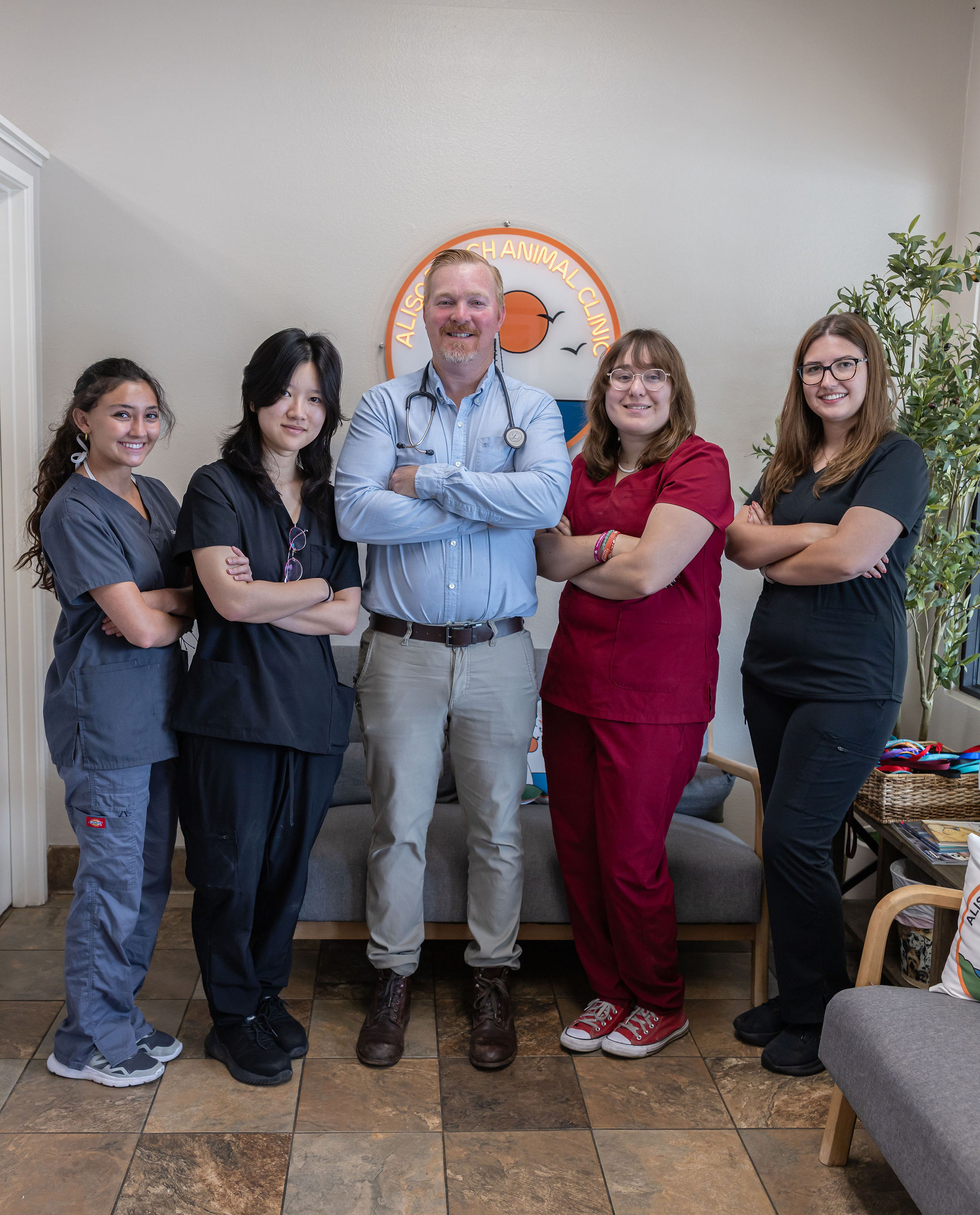
Bryan Hayter, DVM, owner and medical director of Aliso Beach Animal Clinic, completed veterinary acupuncture training through the International Veterinary Acupuncture Society (IVAS).
Dr. Hayter evaluates each patient's diagnosis, comfort, medical history and treatment goals before recommending acupuncture.
What Conditions May Be Considered?
Acupuncture may be considered as a supportive treatment for selected pets experiencing:
- Chronic musculoskeletal discomfort
- Arthritis-related mobility problems
- Muscle tension or soreness
- Selected back or neck conditions
- Selected neurologic or rehabilitation concerns
- Comfort-management needs in older pets
This does not mean that acupuncture is proven effective for every condition listed. Treatment recommendations depend on the diagnosis and the individual animal.
What Does the Scientific Evidence Show?
Clinical research in veterinary acupuncture remains limited, and results vary substantially by condition.
The AAHA Pain Management Guidelines discuss acupuncture as a potential adjunctive option while emphasizing that evidence for canine osteoarthritis pain has been inconsistent.
Consequently, acupuncture should not be promised to regenerate damaged tissue, repair an unstable joint, cure arthritis, or replace effective pain medication.
What Happens During an Acupuncture Visit?
The appointment begins with a review of the patient's symptoms, previous testing, current medications and examination findings.
Fine needles are placed in selected areas while the animal is positioned comfortably. Tolerance varies, and not every pet is a suitable candidate.
Follow-up recommendations depend on the condition and whether measurable improvement occurs. Continuing treatments without meaningful benefit should be reconsidered.
Interested in acupuncture for your dog or cat in Laguna Beach? Visit our Veterinary Acupuncture service page for treatment details and appointment information.
K-Laser Therapy and Photobiomodulation for Pets
Aliso Beach Animal Clinic offers veterinary therapeutic laser treatment using K-Laser equipment.
Also called photobiomodulation, this treatment delivers selected wavelengths of red and near-infrared light to targeted tissues.
Depending on treatment settings and the condition involved, light exposure may influence cellular signaling and processes associated with pain and inflammation.
When Might Laser Therapy Be Used?
- Selected chronic pain and arthritis cases
- Muscle soreness and soft-tissue discomfort
- Selected orthopedic rehabilitation plans
- Postoperative comfort support
- Selected inflammatory or wound-related conditions
Laser therapy is not a substitute for evaluating an unexplained limp, serious wound, suspected fracture, torn ligament, tumor, or neurologic problem.
Does Veterinary Laser Therapy Work?
Studies report variable results. Differences in laser wavelength, power, treatment dose, disease severity and outcome measurement make it difficult to generalize results to every patient.
The AAHA pain guidelines identify laser therapy as a physical modality that may be considered within a multimodal plan, while noting limitations in the available clinical evidence.
No laser protocol should be advertised as guaranteed to regenerate cartilage, heal a torn ligament, eliminate arthritis or replace necessary medication.
Our approach is to define a specific treatment goal, monitor the animal's response and adjust the plan when the expected improvement is not occurring.
Explore veterinary K-Laser and therapeutic laser treatment in Laguna Beach .
Veterinary Nutraceuticals: Which Pet Supplements Have Evidence?
Nutraceuticals are food-derived ingredients or products marketed for potential health benefits beyond basic nutrition.
Pet owners commonly encounter these products as joint chews, fish oils, digestive supplements, powders, capsules, herbal preparations and functional treats.
Some may provide useful benefits. Others have limited supporting research, inconsistent formulations or marketing claims that exceed the available evidence.
At Aliso Beach Animal Clinic, our veterinary supplement and nutraceutical consultations help pet owners review products using the animal's diagnosis, medical history, diet, current medications and specific treatment goals.
1. Omega-3 Fatty Acids: Among the Better-Supported Options
Marine-derived omega-3 fatty acids, particularly EPA and DHA, have anti-inflammatory properties.
Diets enriched with omega-3 fatty acids have demonstrated beneficial effects in some studies of canine osteoarthritis.
AAHA's pain-management guidance identifies omega-3 fatty acids as having stronger supportive evidence for osteoarthritis than most other commonly marketed nutraceutical ingredients.
However, the appropriate dose and product depend on the patient's weight, diet, medical conditions and medications.
Supplements can add calories, cause gastrointestinal effects and create safety concerns in certain patients.
Fish oil should not be given in arbitrarily large amounts simply because omega-3 fatty acids have potential benefits.
2. Glucosamine and Chondroitin
Glucosamine and chondroitin are among the most common ingredients in canine joint supplements.
Although their biological roles are frequently discussed, controlled clinical research has not consistently demonstrated meaningful analgesic benefits for dogs with osteoarthritis.
They should not be described as proven methods of rebuilding damaged cartilage, reversing arthritis or preventing the need for pain medication.
Any trial should have realistic goals and should not delay established pain-management treatment.
3. Green-Lipped Mussel, MSM and Hyaluronic Acid
Green-lipped mussel extracts, methylsulfonylmethane (MSM) and hyaluronic acid are found in many marketed joint products.
The available research varies by ingredient, formulation and study methodology. At present, evidence is not sufficient to promise reliable cartilage preservation, joint regeneration or substantial pain relief from these ingredients alone.
4. Probiotics and Digestive Supplements
Probiotics are live microorganisms that may provide health benefits when used in an appropriate amount.
Their effects are strain-specific and condition-specific. Evidence for one probiotic formulation should not be applied automatically to unrelated products.
Some products may be useful as part of a veterinary treatment plan for selected gastrointestinal conditions.
However, persistent vomiting, diarrhea, poor appetite, weight loss or abdominal discomfort should be investigated rather than managed indefinitely with over-the-counter products.
5. Herbal and Botanical Products
Natural products can contain substances with meaningful pharmacologic effects.
Potential concerns include:
- Medication interactions
- Variable active-ingredient concentrations
- Contamination or manufacturing problems
- Gastrointestinal adverse effects
- Effects on bleeding or anesthesia
- Species-specific toxicity
- Duplicate ingredients across multiple supplements
A product marketed as natural, veterinarian recommended or pharmaceutical grade is not automatically proven safe or effective.
The U.S. Food and Drug Administration's pet food guidance provides background on the regulation of animal foods, ingredients and product-labeling requirements.
How We Evaluate Pet Supplements
Our Nutraceutical Review Checklist
- Diagnosis: What medical problem are we trying to address?
- Evidence: Are benefits demonstrated in dogs or cats, or only proposed from laboratory studies?
- Formulation: What exact ingredients and concentrations are present?
- Quality: Are there meaningful manufacturing and testing assurances?
- Safety: Could the supplement interact with medication or worsen an existing disease?
- Monitoring: What measurable improvement would justify continuing it?
More supplements do not necessarily mean better care. Sometimes the most useful recommendation is to avoid a product that adds cost without a credible expected benefit.
Integrative Treatment for Dogs and Cats With Arthritis
Osteoarthritis is an important example of why multimodal veterinary medicine can be more useful than relying on a single treatment.
Arthritis may involve pain, inflammation, muscle loss, reduced mobility, altered movement patterns and decreased quality of life.
Effective treatment may require several coordinated interventions.
Step 1: Establish the Correct Diagnosis
A limping dog does not necessarily have uncomplicated arthritis.
Conditions such as a cranial cruciate ligament tear, fracture, soft-tissue injury, spinal disease, infection or neurologic disorder can create overlapping symptoms.
Appropriate examination and diagnostic imaging may be necessary before treatment begins.
Learn more about dog knee injuries, CCL tears and orthopedic treatment options .
Step 2: Optimize Body Weight and Nutrition
For overweight dogs with arthritis, weight reduction can lessen mechanical stress on joints and may improve mobility.
The nutritional plan should also support muscle maintenance and avoid excessive calorie restriction.
Step 3: Provide Effective Pain Management
Medically appropriate prescription pain treatment is often an important part of arthritis management.
Veterinary nonsteroidal anti-inflammatory drugs (NSAIDs) are established options for appropriately selected dogs.
These medications require veterinary oversight because adverse effects can involve the gastrointestinal tract, kidneys and liver.
The FDA's veterinary NSAID safety information explains why proper selection and monitoring are important.
Drug selection and approved indications differ between dogs and cats. Never give your pet a human pain medication without veterinary direction.
Step 4: Maintain Appropriate Movement
Controlled exercise, rehabilitation and muscle preservation may improve function and comfort.
However, the correct activity plan depends on the underlying diagnosis.
A dog with an unstable knee or a recent orthopedic procedure may require substantially different exercise restrictions than a dog with stable chronic osteoarthritis.
Step 5: Consider Complementary Treatments
Depending on the patient, acupuncture, therapeutic laser treatment or selected nutraceuticals may be considered alongside conventional care.
These treatments should have defined goals, with changes in mobility or comfort monitored over time.
Step 6: Improve the Home Environment
Supportive changes may include:
- Nonslip flooring and secure traction
- Ramps or assistance with stairs
- Accessible bedding and resting areas
- Supportive harnesses
- Controlled walks on appropriate surfaces
- Reducing repeated jumping
- Keeping food, water and litter accessible
In coastal communities such as South Laguna, Monarch Beach and Dana Point, hilly streets, steep driveways, stairs and long beach walks can be particularly demanding for aging dogs.
How Do We Know Whether Treatment Helps?
We encourage pet owners to monitor specific daily activities rather than relying only on a general impression that the pet seems better.
Useful questions include whether the dog rises more comfortably, walks a familiar route with less difficulty, sleeps more peacefully, or shows greater willingness to participate in normal activities.
Short home videos and a basic mobility diary may help assess meaningful changes.
Platelet-Rich Plasma (PRP) and Regenerative Veterinary Medicine
Platelet-rich plasma, or PRP, is prepared from a patient's blood to produce a platelet-enriched preparation containing biologically active signaling factors.
PRP has been investigated for various orthopedic conditions, including osteoarthritis in dogs.
Some studies report promising clinical outcomes, but the research remains limited by differences in product preparation, dosing, study design and outcome measurement.
PRP is not a guaranteed method of replacing lost cartilage, restoring a damaged ligament or curing degenerative joint disease.
Stem-cell-based therapies involve additional scientific, manufacturing and regulatory considerations.
AAHA classifies intra-articular biologic treatments among lower-evidence treatment options within its chronic pain framework.
If regenerative treatment is being considered, the patient should first receive an accurate diagnosis and a review of established medical and surgical options.
For pets with significant joint instability or persistent lameness: An orthopedic evaluation may be more important than adding complementary treatments. ABAC can help determine whether medical management, surgery or specialty consultation is appropriate.
Is Holistic Veterinary Care Safe for Senior Dogs and Cats?
Senior pets often live with multiple medical problems simultaneously.
An older dog may have arthritis, muscle loss and kidney disease. A senior cat may experience joint pain, dental disease and thyroid abnormalities.
An individualized treatment plan must consider the combined effects of these conditions.
Are Natural Treatments Safer Than Prescription Medication?
Not automatically.
Older animals may be especially sensitive to medication interactions, inappropriate supplements, altered drug metabolism and underlying organ disease.
But avoiding effective pain treatment can also reduce mobility, appetite, sleep and quality of life.
The safest plan is one that balances benefits and risks, uses appropriate monitoring and is adjusted to the individual pet.
Learn more about senior dog and cat veterinary care in Laguna Beach .
Holistic and Integrative Considerations for Exotic Pets
Rabbits, guinea pigs, birds, reptiles and other exotic pets have very different physiological, nutritional and environmental requirements from dogs and cats.
Supplements or medications that may be tolerated by a dog can be inappropriate or dangerous for another species.
In addition, clinical research supporting complementary therapies is often more limited in exotic animal medicine.
At Aliso Beach Animal Clinic, exotic-pet care emphasizes species-specific diagnosis, nutrition, housing, environmental management and medically appropriate treatment.
Learn about our exotic pet veterinary services .
When Your Pet Needs Veterinary Treatment Before Holistic Therapy
Some medical problems require timely diagnosis and conventional treatment regardless of whether complementary care is being considered.
Contact a veterinarian promptly when your pet develops:
- Persistent vomiting or diarrhea
- Sudden loss of appetite or marked lethargy
- New or worsening lameness
- Significant pain
- Unexplained weight loss
- Rapidly changing behavior or weakness
- Concerning urinary symptoms
- Wounds, swelling or possible infection
Emergency warning: Difficulty breathing, collapse, major trauma, uncontrolled bleeding, repeated seizures, suspected urinary obstruction or other life-threatening problems may require immediate emergency veterinary treatment.
Aliso Beach Animal Clinic is not a 24-hour emergency hospital.
ABAC provides same-day urgent veterinary care in Laguna Beach for many stable illnesses and injuries during regular clinic hours, when availability allows.
Call (949) 499-4190 before arriving so our team can assess the symptoms, confirm availability and determine whether our clinic is appropriate.
Holistic & Integrative Veterinary Care in Laguna Beach
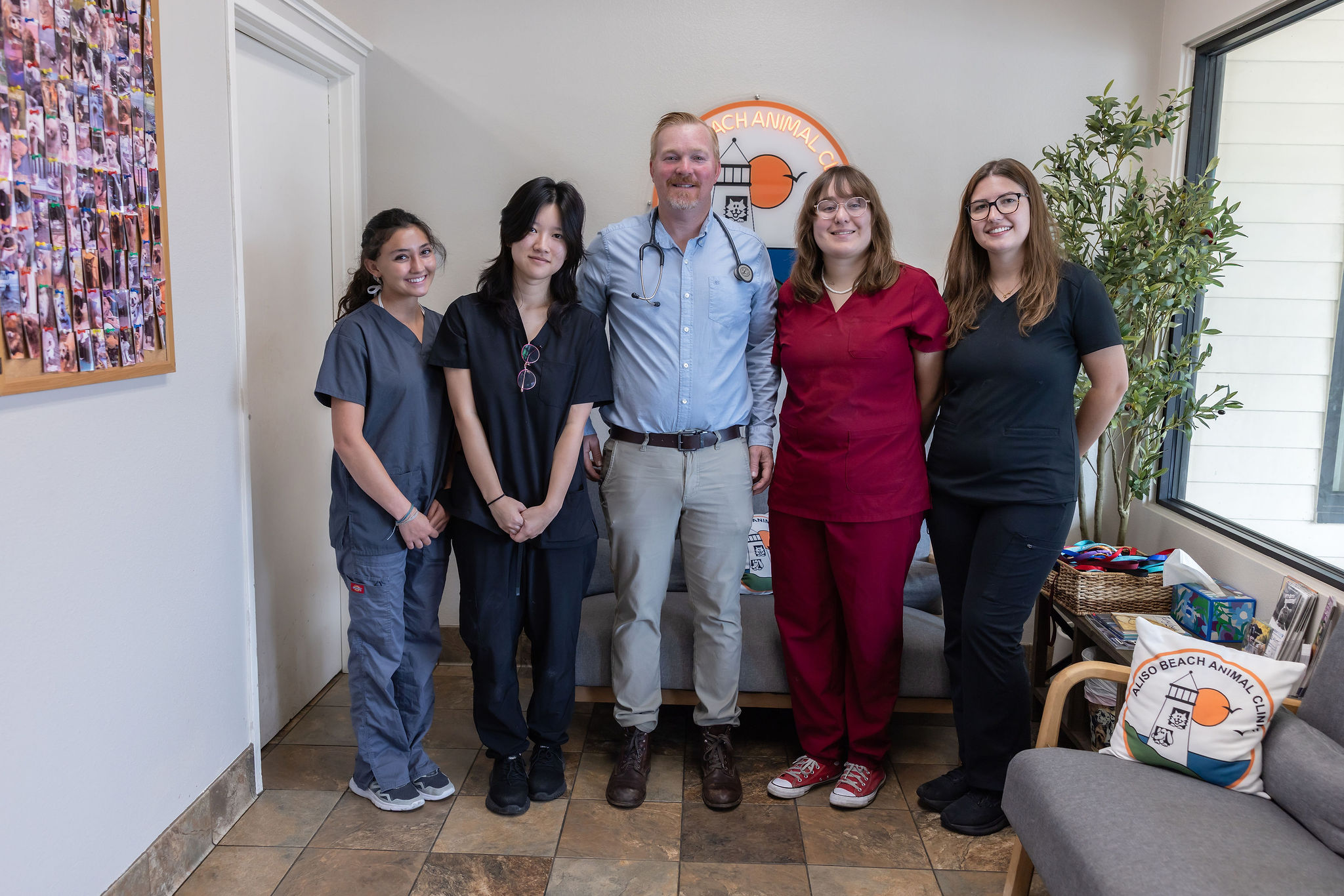
Aliso Beach Animal Clinic is an independently owned veterinary practice located at 30816 Coast Highway in South Laguna, directly across from the Montage Laguna Beach.
We serve pet owners throughout Laguna Beach, South Laguna, Three Arch Bay, Monarch Beach, Dana Point, Laguna Niguel, Aliso Viejo, Newport Coast and nearby South Orange County communities.
Our integrative approach begins with the patient's medical needs. Treatment may involve:
Accurate Diagnosis
Examination, appropriate laboratory testing, diagnostic imaging and medical history review.
Medical Pain Management
Evidence-based medication, monitoring and personalized treatment planning.
Veterinary Acupuncture
Needle-based supportive treatment for carefully selected patients.
K-Laser Therapy
Photobiomodulation as an adjunctive option when medically appropriate.
Nutraceutical Review
Individual assessment of supplements, nutrition, evidence and safety.
Orthopedic & Specialty Care
Evaluation of structural problems and referral or surgical coordination when needed.
Our goal is not to maximize the number of treatments. It is to identify the combination most likely to improve the patient's comfort, function and quality of life.
Frequently Asked Questions About Holistic Veterinary Medicine
Is holistic veterinary medicine scientifically supported?
Whole-patient evaluation, preventive care, nutrition, and multimodal pain management are established veterinary principles. Individual complementary treatments have different levels of supporting scientific evidence and should be evaluated separately.
Can acupuncture help my dog with arthritis?
Acupuncture may be considered as an adjunctive option in selected cases, but evidence for canine osteoarthritis remains limited and inconsistent. It should not automatically replace effective pain medication, weight management or rehabilitation.
Does Aliso Beach Animal Clinic offer acupuncture?
Yes. Bryan Hayter, DVM, completed veterinary acupuncture training through the International Veterinary Acupuncture Society and evaluates patients before recommending treatment.
What is the best joint supplement for dogs?
There is no single product appropriate for every dog. Omega-3 fatty acids have stronger supporting evidence for canine osteoarthritis than most commonly marketed joint supplements. Product selection should consider the dog's diagnosis, diet, medications and medical history.
Do glucosamine and chondroitin rebuild cartilage?
No reliable clinical evidence establishes that these supplements regenerate damaged cartilage or reverse osteoarthritis in dogs.
Can laser therapy eliminate arthritis pain?
Therapeutic laser treatment may be considered as part of a broader pain-management plan, but results are variable. It is not a guaranteed cure and does not replace indicated medical or surgical treatment.
Can my pet continue prescription medication during holistic care?
Often, yes. Integrative treatments may be combined with conventional medication when appropriate. Never stop or change a prescribed medication without discussing the change with the veterinarian managing that treatment.
Are natural treatments safer for senior dogs and cats?
Not necessarily. Natural products can cause adverse effects and interact with medication. An individualized evaluation helps determine the safest combination of treatments.
What should I bring to a holistic veterinary consultation?
Bring your pet's medical records, medication list, supplement labels, current diet information and recent diagnostic results. Videos of mobility problems or unusual behaviors may also be useful.
Where can I find an integrative veterinarian near Laguna Beach?
Aliso Beach Animal Clinic is located in South Laguna Beach and provides conventional veterinary medicine, acupuncture, laser therapy and nutraceutical consultations. Call (949) 499-4190 to discuss your pet's medical needs.
Veterinary Medical References & Further Reading
The following professional resources support the evidence-based approach presented in this article.
- American Animal Hospital Association: 2022 Pain Management Guidelines for Dogs and Cats . General principles of multimodal pain treatment.
- AAHA: Nonpharmacologic Modalities for Pain Management . Exercise, nutrition, environmental changes, acupuncture and physical modalities.
- AAHA: Full 2022 Pain Management Guidelines (PDF) . Treatment recommendations and levels of evidence.
- U.S. Food and Drug Administration: Veterinary NSAID Safety . Prescription medication benefits, risks and monitoring.
- U.S. Food and Drug Administration: Pet Food Regulation . Ingredient, safety and labeling considerations.
Bryan Hayter, DVM
Owner & Medical Director
Aliso Beach Animal Clinic
Dr. Bryan Hayter earned his Doctor of Veterinary Medicine from Auburn University. His veterinary training includes an internship at the San Diego Zoo and acupuncture training through the International Veterinary Acupuncture Society (IVAS).
At Aliso Beach Animal Clinic, Dr. Hayter combines conventional veterinary diagnostics and treatment with carefully selected integrative therapies when appropriate for the individual patient.
His approach emphasizes accurate diagnosis, preventive medicine, individualized care, realistic treatment goals and ongoing assessment of patient response.
Medical review: Reviewed for medical accuracy by Bryan Hayter, DVM, Owner and Medical Director of Aliso Beach Animal Clinic.
Last medically reviewed: October 16, 2026.
Editorial standards: This educational article distinguishes established veterinary treatments from complementary therapies with limited or emerging evidence. Treatment recommendations are not intended to replace individualized examination or diagnosis.
Schedule an Integrative Veterinary Consultation in Laguna Beach
If your dog or cat is experiencing chronic pain, arthritis, reduced mobility or another ongoing medical concern, our veterinary team can help you evaluate appropriate treatment options.
We combine conventional veterinary medicine with selected therapies such as acupuncture, K-Laser treatment and nutraceutical guidance.
You do not have to choose between conventional medicine and holistic care. Our goal is to develop a safe, individualized plan for your pet.
Aliso Beach Animal Clinic
30816 Coast Highway
Laguna Beach, CA 92651
Directly across from the Montage Laguna Beach
Monday–Friday: 7:30 a.m.–4:30 p.m.
Saturday: 8:00 a.m.–12:00 p.m.
Sunday: Closed
Veterinary educational content only. Treatment decisions require individualized veterinary assessment. Complementary therapies do not replace essential diagnostic testing, medication, surgery or emergency care.