Preventive Veterinary Care in Laguna Beach
Preventive veterinary care is more than vaccinations. It is a thoughtful, individualized plan for your pet’s health, comfort, and changing needs—from the first puppy or kitten visit through the senior years.
At Aliso Beach Animal Clinic, we consider your pet’s species, age, breed, daily activity, diet, body condition, oral health, medical history, medications, and possible disease exposures before recommending care. A dog that hikes coastal trails has different risks from an indoor cat; a rabbit or reptile requires an entirely different preventive-care approach.
As an independently owned veterinary hospital in South Laguna, we explain which examinations, vaccines, tests, and preventive treatments are medically important now—and which can reasonably be monitored rather than automatically bundled into a one-size-fits-all package.
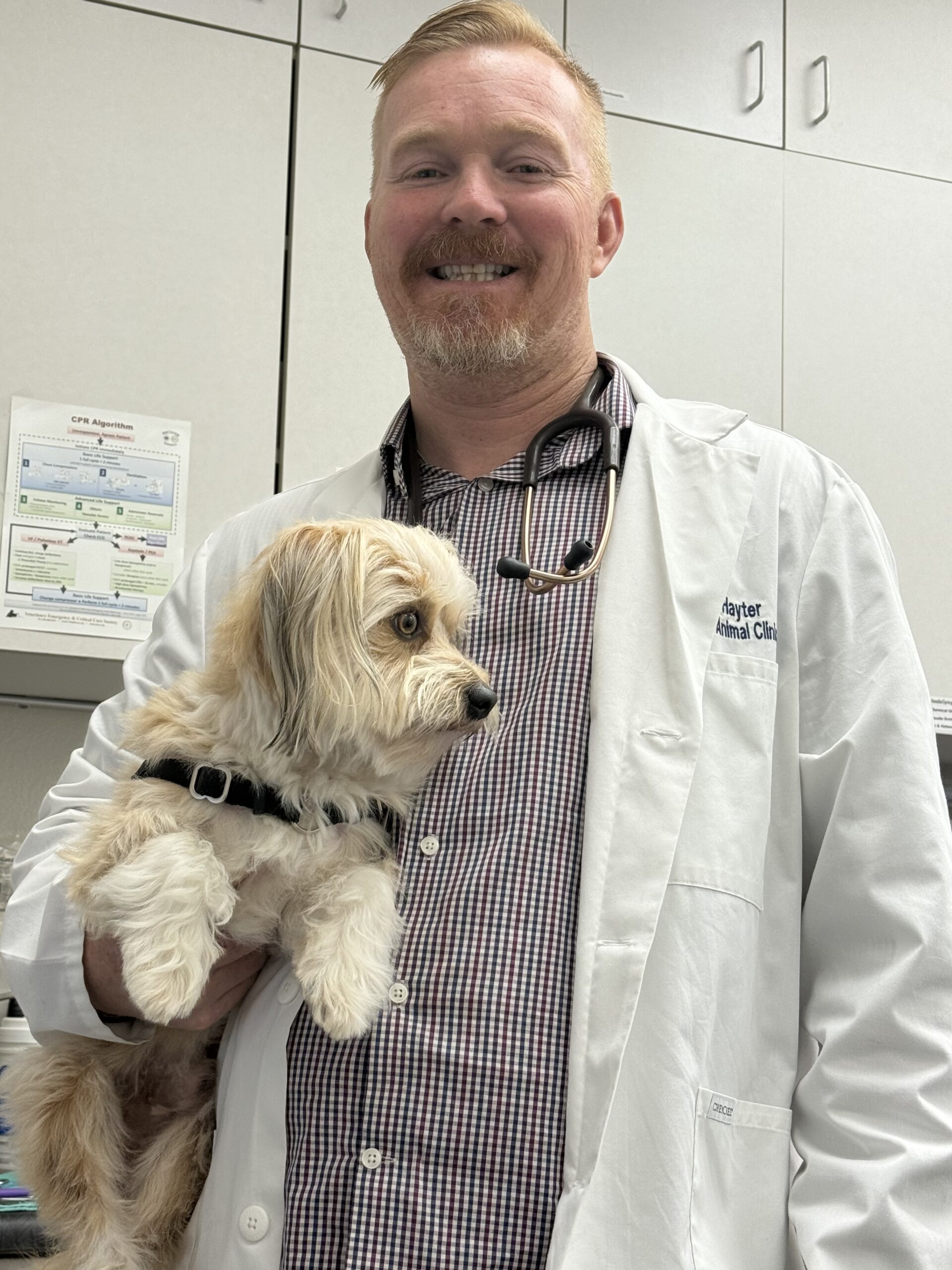
Care shaped by the actual patient rather than a standard wellness package.
Attention to dental disease, nutrition, parasites, pain, behavior, and health changes.
Understand what matters today, what may wait, and when to call sooner.
What Is Included in Preventive Veterinary Care?
Regular visits establish what is normal for your pet and create opportunities to recognize meaningful changes—sometimes before an animal appears obviously ill. Early recognition does not guarantee prevention or a cure, but it can help us choose appropriate diagnostic and treatment options sooner.
Depending on the individual patient, preventive care may include:
- Comprehensive physical examinations and monitoring of weight, body and muscle condition
- Oral examinations, home dental-care recommendations, and professional dental treatment when indicated
- Complete and balanced nutrition review, portion guidance, and weight management
- Life-stage and lifestyle-appropriate activity and enrichment
- Core vaccinations and additional vaccines selected for genuine exposure risk
- Flea, tick, heartworm and intestinal parasite control
- Blood, urine or stool testing when the results could inform care
- Microchipping, identification and travel planning
- Behavior, stress, and household or environmental safety discussions
- Species-specific examinations and husbandry advice for exotic pets
We also discuss the expected benefit, potential downsides, and timing of recommendations. Not every pet needs every service at every visit.
What Happens During a Routine Pet Wellness Examination?
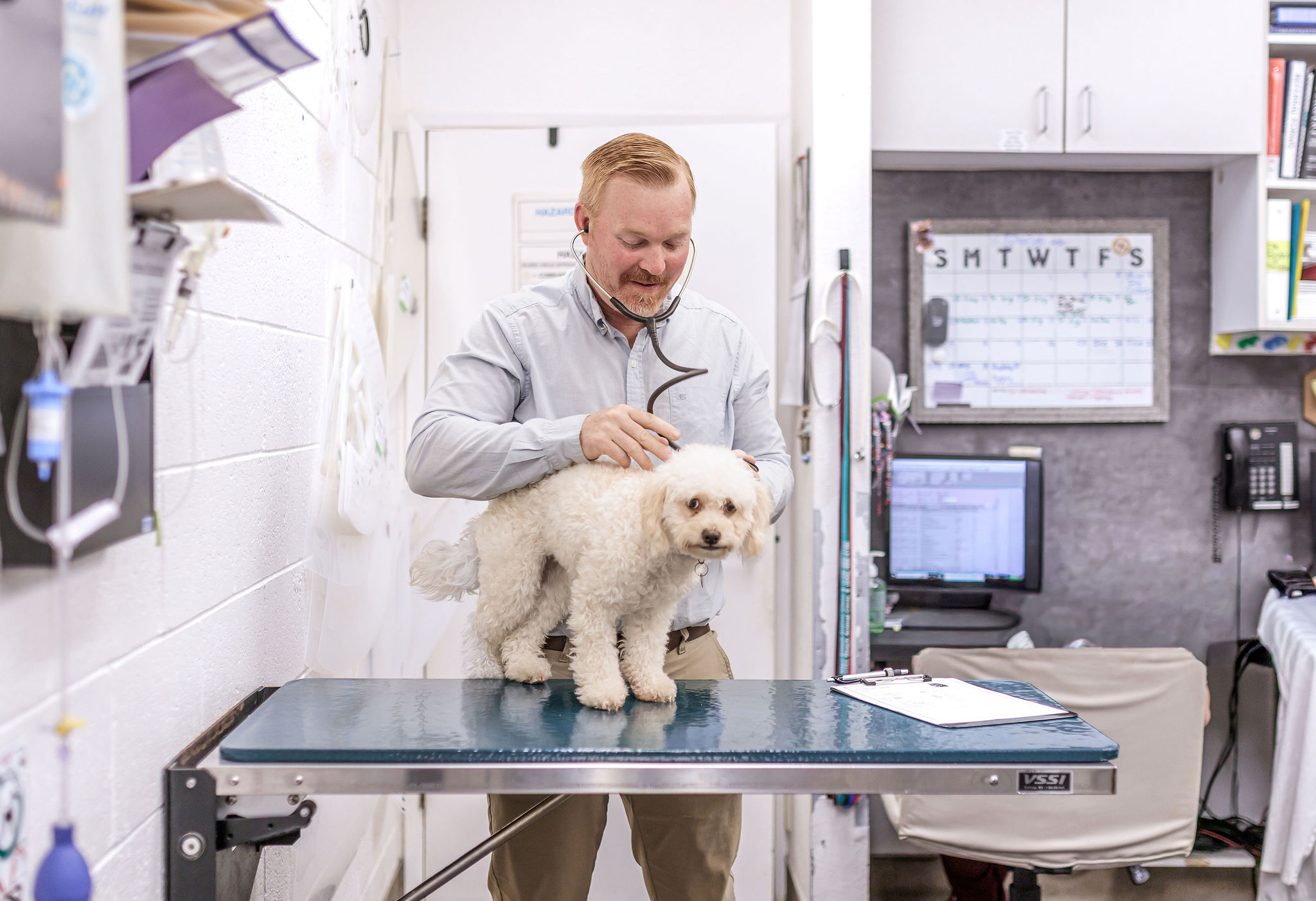
A physical examination is the foundation of preventive care. Dogs, cats and exotic pets can conceal pain or early signs of illness. We look beyond the complaint that brought you in to assess the patient’s overall health.
Depending on species and circumstances, the veterinarian may assess:
- Current weight, body condition and muscle mass
- Eyes, ears, nasal passages, teeth, gums and mouth
- Heart and lung sounds
- Skin, coat, feathers or scales
- Lymph nodes, abdomen and hydration
- Gait, joint movement, muscle comfort and mobility
- Behavior, alertness, pain signals and age-related changes
We also ask about appetite, thirst, bathroom habits, activity, sleep, medications, supplements, new lumps, coughing, itching and anything else you have noticed. A change you observe at home may be as important as a finding during the exam.
How Often Should Dogs and Cats See a Veterinarian?
Most healthy adult dogs and cats benefit from at least one complete wellness examination each year. Young animals, senior pets, and animals with medical conditions often need more frequent visits. The right interval depends on age, disease risk, medication monitoring, and how quickly the patient’s condition could change.
| Life stage | Usual preventive-care approach | What we monitor |
|---|---|---|
| Puppies and kittens | Multiple visits through the first months, with schedules individualized to vaccine history and development | Growth, vaccine series, parasite prevention, behavior, nutrition, congenital concerns |
| Healthy adult dogs and cats | At least annually; some patients benefit from visits every six months | Weight trends, dental health, vaccines, parasite risk, lifestyle, early illness |
| Senior dogs and cats | Often every six months, with more frequent visits when clinically indicated | Muscle loss, mobility, appetite, thirst, organ health, cognition and quality of life |
| Chronic disease or long-term medication | Individualized follow-up and testing intervals | Response to treatment, adverse effects, laboratory results, disease progression |
| Birds, reptiles and other exotic pets | Species- and health-specific examinations | Weight, husbandry, temperature/UVB, nutrition, teeth/beak, skin and organ health |
These are general starting points, not rigid appointment rules. The AAHA/AAFP feline life-stage recommendations support at least annual cat examinations and examinations at least twice a year for senior cats.
A change should not wait for the annual checkup. New limping, persistent vomiting or diarrhea, reduced appetite, marked thirst, difficulty urinating, pain, new lumps or meaningful behavior changes deserve veterinary advice. Our same-day urgent-care service evaluates many stable pets during clinic hours when availability allows. Severe breathing difficulty, collapse, or other life-threatening conditions require immediate emergency care.
Why Dental Care Is a Vital Part of Preventive Medicine
Dental disease is more than bad breath or visible tartar. Gingivitis, painful periodontal disease, fractures, tooth resorption and infection beneath the gumline may affect a pet’s comfort and ability to eat. Many animals continue eating despite significant oral pain.
Every routine examination should include an oral assessment where the patient’s condition permits. We look for redness, fractured or loose teeth, oral masses, abnormal bite patterns and other evidence of disease.
Does Every Dog or Cat Need a Dental Cleaning Every Year?
Not automatically. Many pets benefit from professional dental care annually, particularly small breeds, cats or animals with established periodontal disease. Others may need a different interval based on oral findings, home care and prior history. We recommend cleaning and treatment according to the individual patient rather than age or a calendar alone.
Why Is General Anesthesia Important for a Complete Dental Procedure?
Proper veterinary dental treatment allows examination and cleaning beneath the gumline, dental probing and appropriate dental X-rays when indicated. General anesthesia with airway protection and physiologic monitoring permits this care while limiting pain and movement. Scraping the visible surfaces of awake teeth cannot replace comprehensive veterinary dentistry.
What Can Owners Do at Home?
- Introduce regular toothbrushing gradually with pet-safe toothpaste
- Consider appropriately selected Veterinary Oral Health Council-accepted products
- Ask about dental diets or chews suitable for your pet’s size and health
- Watch for bad breath, red gums, broken teeth, dropped food or one-sided chewing
Do not use human toothpaste or attempt painful dental treatment at home. Explore pet dental examinations, cleanings and oral health care →
Personalized Nutrition and Healthy Body Condition
Nutrition affects growth, digestion, skin and coat health, muscle preservation, mobility and management of chronic disease. No one food is right for every pet, and marketing words such as “natural,” “holistic” or “premium” do not establish nutritional completeness.
At a wellness visit we may review the food’s nutritional adequacy, daily portion sizes, treats, supplements, activity, medical conditions, and whether your pet is gaining or losing weight. We assess body condition and muscle condition in addition to weight: a pet can maintain the same weight yet lose muscle, especially with age.
What About Home-Prepared Diets and Supplements?
Home-prepared diets may be considered, but recipes must be complete and balanced for the patient’s species and life stage. Randomly adding vitamins, oils, powders or “natural” products may create unnecessary risks or interactions with medication. Tell us everything your pet receives—including chews and table foods.
Our goal is a realistic feeding plan, not a fashionable ingredient list. Learn about veterinary nutrition and weight counseling →
For questions about product safety and evidence, see our veterinary supplement and nutraceutical consultation service .
Exercise, Mobility and Mental Enrichment Across Life Stages
Activity supports fitness, muscle condition, mobility and mental well-being. The appropriate exercise plan depends on species, age, weight, joint health, heart and lung function, heat tolerance and current fitness.
For Dogs
Daily walks, controlled play, sniffing games, training and gradually increased activity may be helpful. A previously sedentary dog may not be ready for an intense weekend hike or long beach outing. Introduce new exercise progressively and provide rest and water.
For Cats
Indoor cats benefit from interactive toys, safe climbing structures, scratching surfaces, hiding places, brief play sessions and food puzzles. Increase activity gradually in an overweight cat or one with suspected arthritis.
For Senior or Painful Pets
Stiffness, limping and difficulty rising are not always inevitable aging. Appropriate treatment may include body-weight management, pain medicine, controlled activity, safer flooring, ramps, physical rehabilitation or selected integrative treatments as part of a veterinary plan.
Learn more about integrative pain and mobility care and senior pet care .
Safe Activity Around Laguna Beach
Coastal walks, warm pavement, rocky areas and hills can create different hazards at different times of year. Check paw comfort, avoid overheating and stop if a pet becomes weak, disoriented, painful or excessively distressed. For additional tips, see our Laguna Beach ocean and beach-hazards guide .
Pet Vaccinations Based on Age, History and Risk
Vaccination helps prevent serious infectious diseases, but the right plan depends on species, medical history, previous vaccine records, travel, contact with other animals and applicable legal requirements.
Core vaccines are foundational protection, not optional simply because a pet stays indoors. Current AAHA canine guidance includes distemper, adenovirus, parvovirus, leptospirosis and rabies as core vaccines for dogs unless an individual medical reason alters the plan. Vaccines such as Bordetella or canine influenza may be added based on exposure. Cats have their own core vaccine schedules and feline leukemia considerations, especially in young or at-risk cats.
We discuss dose timing, prior vaccine reactions, the circumstances in which antibody titers may be informative, and when vaccines can be spread across visits. Titers do not automatically replace rabies vaccination or override California legal requirements.
View personalized pet vaccinations and vaccine-titer guidance →
Flea, Tick, Heartworm and Intestinal-Parasite Prevention
Fleas, ticks, mosquitoes and intestinal parasites remain relevant to pets living along the coast. Exposure can arise through yards, walks, travel, wildlife, shared outdoor areas or household environments—even when a pet spends most of the day inside.
We assess the individual animal’s species, weight, age, health, seizure history, travel and exposure before selecting a product and appropriate screening plan. Leading veterinary parasite organizations recommend ongoing protection; the appropriate formulation and coverage must be selected for the patient.
Safety reminder: Never use a dog-only flea or tick product on a cat. Some canine products contain ingredients that can cause severe toxicity in cats. Seek veterinary advice immediately if a cat exposed to a dog product develops tremors, drooling, poor coordination or seizures.
Preventive Bloodwork, Urine Testing and Health Screening
A normal-appearing pet may still have a developing condition that an examination alone cannot detect. Depending on age, health history, medications and clinical findings, screening may include a complete blood count, chemistry panel, urinalysis, stool testing, thyroid evaluation or selected infectious-disease tests.
Screening should have a clear purpose. A healthy young adult, a senior cat losing weight, and a dog taking a long-term medication will not necessarily need the same tests or intervals. We explain what a test is intended to detect and how an abnormal result may change the plan.
Preventive Care for Puppies, Kittens, Senior Pets and Exotic Animals
Puppies and Kittens: Building a Healthy Start
Early visits address developmental changes, a correctly timed vaccine series, parasite screening, feeding, socialization, behavior, teeth, microchipping and spay/neuter planning. We also discuss what symptoms need prompt attention: young pets can become dehydrated or ill rapidly.
Puppy and kitten veterinary care · Pet microchipping
Senior Dogs and Cats: Preserving Comfort and Independence
Older pets may benefit from twice-yearly evaluations and individualized monitoring for dental disease, arthritis, muscle loss, organ dysfunction, appetite changes, sensory loss and changes in cognition. New stiffness, weight loss or house-soiling should not simply be attributed to age.
Senior pet examinations, pain management and screening
Birds, Rabbits, Reptiles and Small Mammals
Exotic-pet care depends on species-specific diet, housing, temperature, humidity, lighting, UVB exposure where relevant and normal stool and feeding behavior. Bring enclosure pictures, diet labels and information on lighting equipment. An exotic animal that stops eating or changes its usual behavior may need prompt care rather than waiting for a routine visit.
Exotic-pet veterinary services · Husbandry and nutritional guidance
What Should You Bring to a Wellness Appointment?
A little preparation makes the consultation more useful. Bring or be ready to provide:
- Previous veterinary records and vaccination history, if this is a new patient
- Names, doses or photos of prescription medications and supplements
- Food labels, approximate daily portions and treat information
- Notes about appetite, thirst, stool, urination, activity, sleep or behavior changes
- Photos or videos of intermittent symptoms such as limping or coughing
- For exotic pets, current enclosure, light and temperature information
- Your questions, preferences and any constraints affecting treatment choices
Our commitment: We explain which concerns deserve attention now, which may be watched, and why we recommend a particular next step. The goal is a preventive plan you understand and can maintain.
Wellness and Preventive Pet Care Near Monarch Beach and Emerald Bay
Aliso Beach Animal Clinic is located on Coast Highway in South Laguna, directly across from Montage Laguna Beach. We welcome pets from Laguna Beach, South Laguna, Three Arch Bay, Monarch Beach, Dana Point, Emerald Bay and neighboring coastal communities.
Whether you are establishing care for a new puppy, checking a senior cat’s weight and mobility, discussing vaccine exposure for an active dog, or reviewing reptile husbandry, we tailor the visit to the patient—not to a neighborhood or a generic wellness package.
Frequently Asked Questions About Preventive Veterinary Care
How often should a healthy dog or cat have a checkup?
At least annually for most healthy adults. Puppies, kittens, many seniors and pets with medical conditions may need more frequent examinations. Your veterinarian will recommend an interval based on risk and health history.
Does an indoor cat still need preventive veterinary care?
Yes. Indoor cats may develop dental disease, obesity, arthritis, kidney or thyroid problems and other conditions. They can also have certain infectious or parasite exposures. Vaccines and prevention are individualized.
Does every dog or cat need a dental cleaning each year?
Not automatically. Many pets benefit from annual care, but timing should follow oral examination findings, previous dental disease, breed, home care and overall health. Professional dental procedures require appropriate anesthesia and monitoring.
Can we discuss vaccine titers and a conservative vaccination plan?
Yes. We can explain when titers may provide useful information, as well as vaccine requirements and limitations. Titers are not a blanket replacement for core vaccination or legally required rabies protection.
Why do blood tests when my pet appears healthy?
In selected patients, screening may identify changes that are not apparent on examination, establish a baseline or help monitor medications. Testing is selected based on the likelihood that the result will inform care.
Is a wellness visit the right appointment for a vomiting or limping pet?
Not necessarily. Sudden illness, pain, urinary changes or injury may need triage and prompt evaluation. Call our team; life-threatening symptoms require immediate emergency treatment.
Can I bring my rabbit, reptile or other exotic pet for a preventive visit?
We provide care for many exotic species. Call first to confirm species availability and let us know about husbandry, feeding and behavior concerns.
Where is Aliso Beach Animal Clinic located?
30816 Coast Highway, Laguna Beach, CA 92651, across from Montage Laguna Beach. We serve Laguna Beach and nearby coastal Orange County communities.
Veterinary Guidelines and Resources
Our recommendations are informed by clinical assessment and published veterinary guidance. These resources explain the foundations of life-stage care, vaccination, dentistry and nutrition.
Schedule Preventive Veterinary Care in Laguna Beach
Give your pet an individualized preventive-care plan covering wellness examinations, oral health, nutrition, activity, vaccinations, parasite protection and screening based on real medical need.
Aliso Beach Animal Clinic
30816 Coast Highway
Laguna Beach, CA 92651
Across from Montage Laguna Beach
Monday–Friday: 7:30 a.m.–4:30 p.m.
Saturday: 8 a.m.–12 p.m.
Sunday: Closed
For urgent illness or injury, please call rather than using the routine appointment form. Life-threatening conditions require immediate emergency care.