
Same-Day Urgent Care • Diagnostic Chest X-Rays • Laguna Beach
Heart Failure in Dogs & Cats: Coughing, Breathing Changes & Treatment
A coughing dog, a rapidly breathing cat, or a pet that tires unusually quickly may need a veterinary examination. Congestive heart failure is one possible cause, but respiratory and airway diseases can look similar.
At Aliso Beach Animal Clinic, our independently owned South Laguna hospital evaluates stable pets with coughing, exercise intolerance, and possible heart or lung disease. We offer clinical examinations, digital chest X-rays, laboratory testing, and referral coordination when advanced cardiac imaging or emergency care is needed.
Serving Laguna Beach, South Laguna, Dana Point, Monarch Beach, Emerald Bay and neighboring coastal communities.
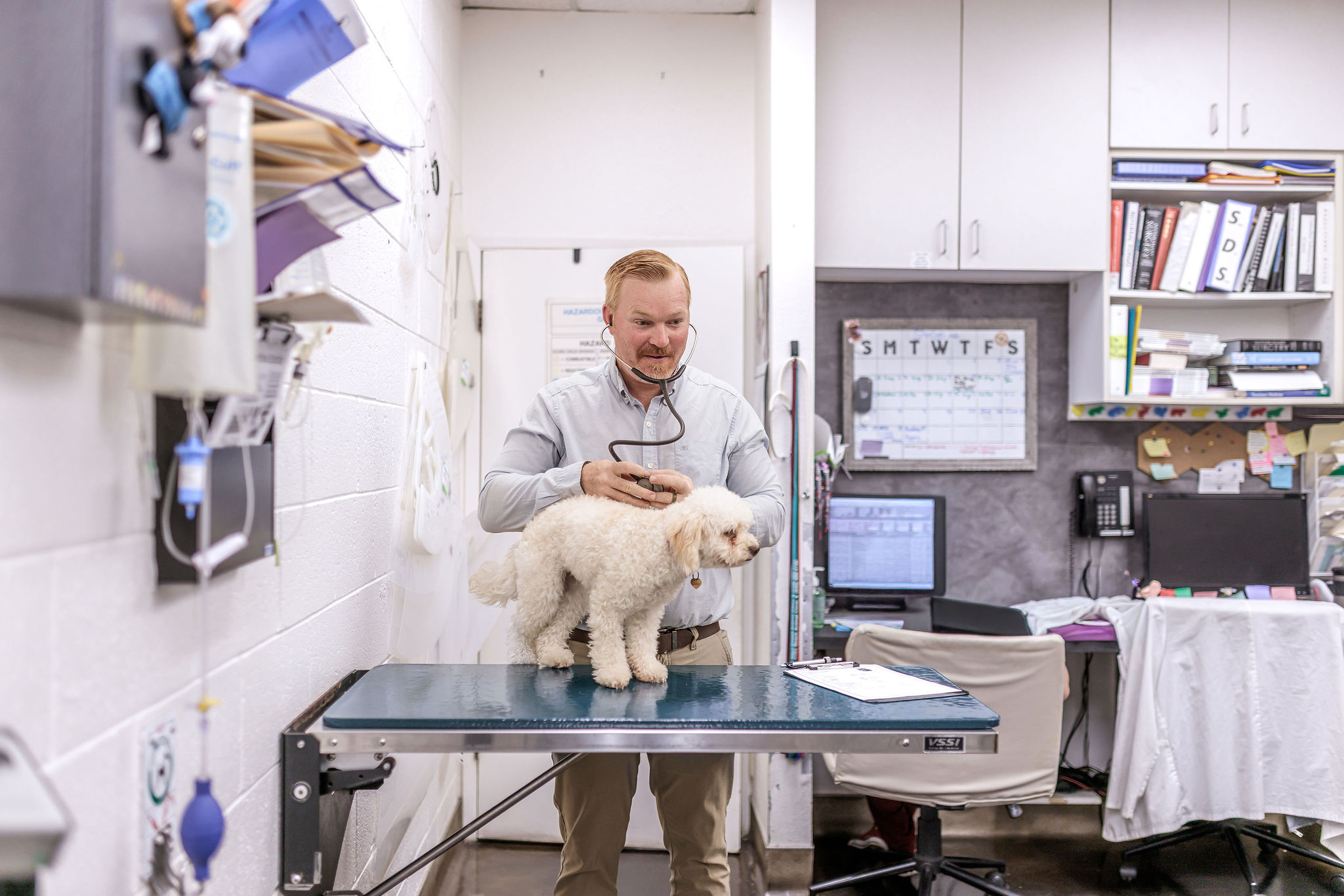
Heart Failure in Pets: What Owners Should Know
Tracheal collapse, bronchitis, infection and other causes may look similar, particularly in dogs.
Radiographs can detect fluid patterns and heart enlargement; echocardiograms evaluate heart structure and function.
Diuretics and selected cardiac drugs often improve breathing and quality of life. Surgery is uncommon.
What is congestive heart failure (CHF)? CHF develops when cardiac disease causes circulation pressures to rise and fluid to collect in or around the lungs, or sometimes in the abdomen. In left-sided CHF, fluid inside the lungs is called cardiogenic pulmonary edema. A heart murmur or enlarged heart alone does not establish that a pet is in heart failure.
Signs of Heart Failure in Dogs: Coughing, Fatigue & Exercise Intolerance
Some dogs with heart disease develop coughing, especially while resting or at night. Others first show that they can no longer comfortably complete their usual walk or play session. Important signs include:
- Persistent coughing or coughing that is getting worse
- Rapid sleeping or resting respiratory rate
- Difficulty breathing (dyspnea) or visible effort with each breath
- Exercise intolerance, fatigue, or reluctance to walk
- Restlessness, particularly when trying to lie down and sleep
- Weakness, fainting, or collapse
- Abdominal swelling in some forms of advanced heart disease
Common canine heart conditions include myxomatous mitral valve disease and dilated cardiomyopathy. However, a coughing dog may instead have tracheal collapse, chronic bronchitis, pneumonia, or another respiratory problem. Enlarged left atrial structures may sometimes contribute to coughing through airway compression without pulmonary edema.
Bottom line: a cough cannot be diagnosed as heart failure from its sound or timing alone. Evaluation may require a physical examination and chest radiographs.
Heart Failure in Cats: Watch for Fast or Labored Breathing
Unlike dogs, cats with CHF often do not cough. A coughing cat is more commonly evaluated for asthma, bronchitis, or other airway disease. Heart disease in cats—often a cardiomyopathy—may instead cause subtle or sudden changes in respiration.
- Breathing faster than normal during sleep or quiet rest
- Using the abdomen to help breathe
- Hiding, decreased appetite, or unusual lethargy
- Difficulty settling comfortably
- Open-mouth breathing or collapse in severe cases
Open-mouth breathing in a cat is an emergency. Sudden painful hind-leg weakness or paralysis can also indicate a dangerous blood clot associated with heart disease and requires immediate emergency care.
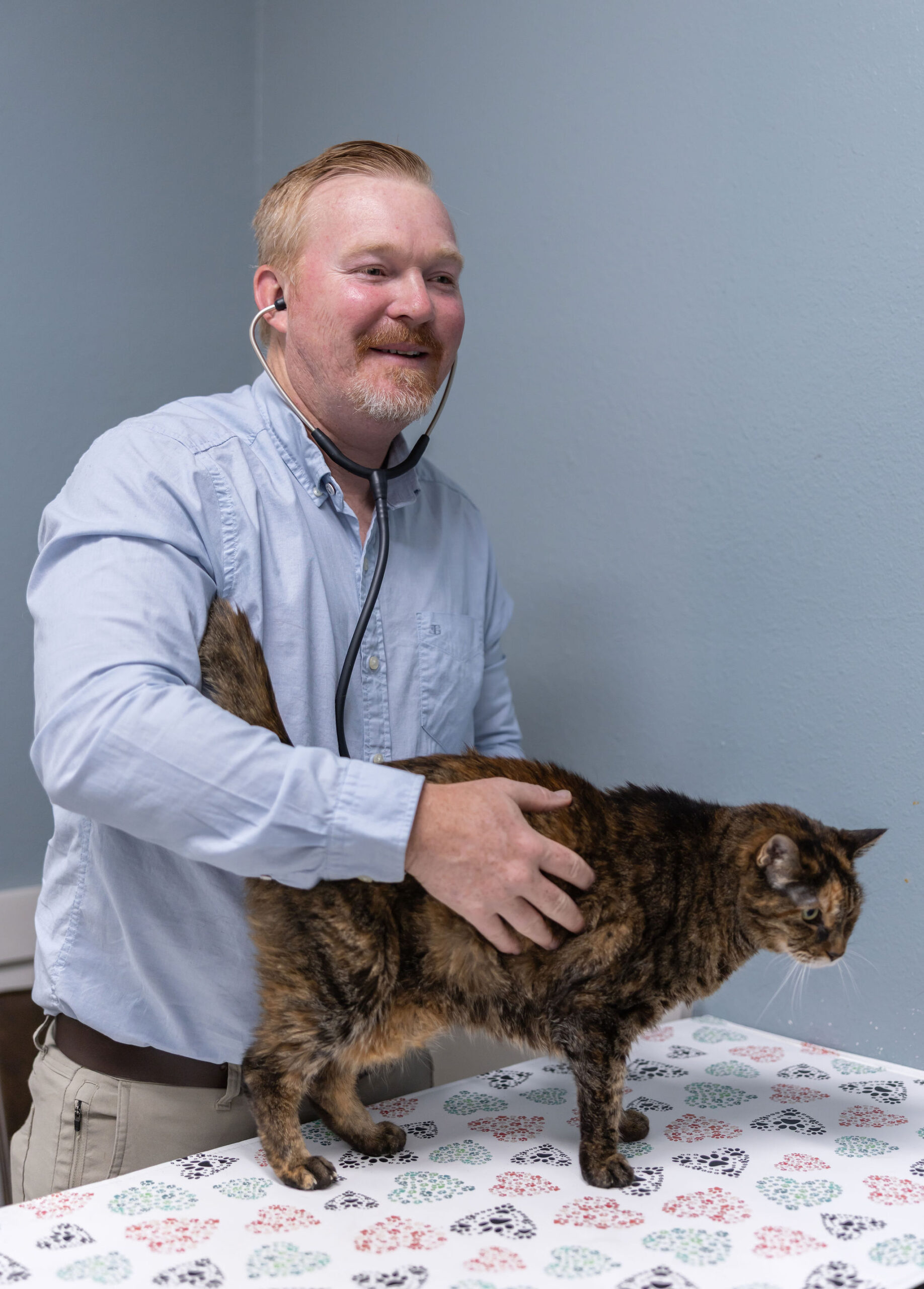
Call First: Our Reception Team Helps Triage Urgent Concerns
When you call about a coughing dog, a rapidly breathing cat, or reduced exercise tolerance, our trained reception staff screen for warning signs and communicate with the veterinary team as appropriate. Depending on your pet’s symptoms, we may recommend a same-day evaluation, a scheduled examination, or immediate transfer directly to a 24-hour emergency hospital.
Receptionists do not diagnose CHF over the telephone. They help recognize concerning symptoms and direct you to appropriate care without unnecessary delay.
Call for guidance promptly when your pet:
- Develops a new or persistent cough but is breathing comfortably
- Gets tired more quickly than usual
- Has a known murmur and new respiratory symptoms
- Shows a sustained increase in resting respiratory rate without distress
Go to an emergency hospital immediately when your pet:
- Has labored or gasping breathing
- Cannot lie down or rest because of breathing difficulty
- Has blue, gray or markedly pale gums with distress
- Collapses or develops profound weakness
- Is a cat breathing with an open mouth
How We Investigate Coughing and Suspected Heart Failure
For a patient who is stable enough for testing, the diagnostic plan depends on the physical examination, symptoms, age, prior history, and examination findings. An unstable pet may need oxygen and immediate emergency stabilization before imaging or a full workup.
1. Physical Examination and Heart & Lung Auscultation
The veterinarian evaluates breathing rate and effort, heart rhythm, murmurs, lung sounds, circulation, hydration, and other findings. A murmur does not necessarily mean CHF, and some cats with heart disease have no recognizable murmur.
Learn about our veterinary physical and wellness examinations.
2. Chest X-Rays: Pulmonary Edema, Left Atrial Enlargement and Other Causes of Cough
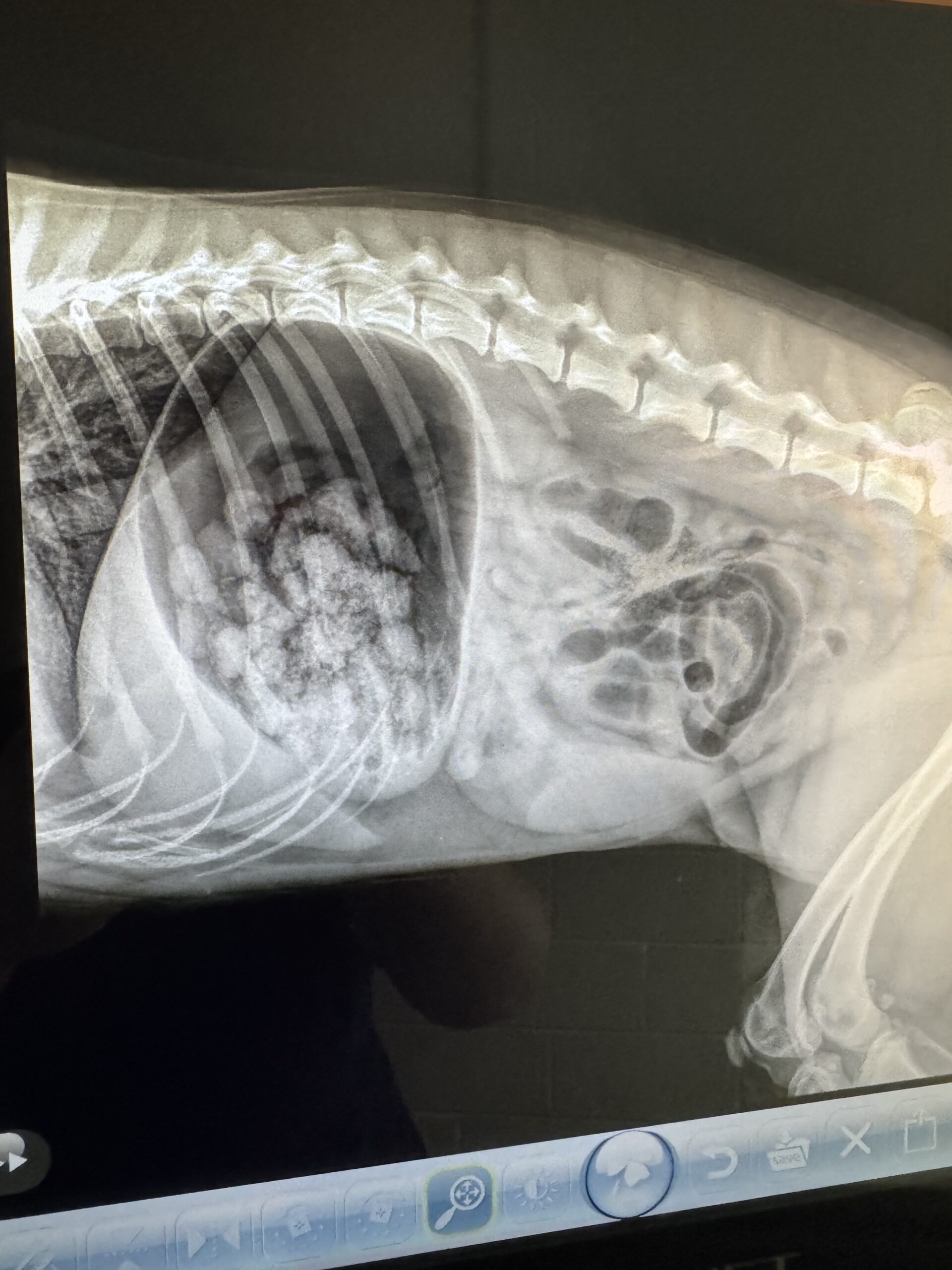
Digital thoracic radiography is especially helpful when a stable dog presents with coughing, rapid breathing, or a possible cardiac problem. Chest X-rays may show:
- Perihilar pulmonary edema: increased lung opacity near the central airways and vessels, sometimes extending into other lung fields. This can be compatible with cardiogenic fluid accumulation in the right clinical setting.
- Left atrial enlargement: enlargement associated with conditions such as mitral valve disease, sometimes contributing to overall cardiomegaly or airway compression.
- Pulmonary venous distention: enlarged pulmonary veins that can accompany elevated left-sided filling pressures.
- Alternative diagnoses: pneumonia, bronchial or airway disease, masses, pleural fluid, and other chest abnormalities.
The radiographic appearance of feline CHF can be variable. Not all fluid in the lungs is cardiac, and a chest X-ray cannot independently identify the underlying valve or heart-muscle disorder.
3. Echocardiography: Heart Ultrasound
An echocardiogram evaluates the heart’s chambers, valves, wall thickness, pumping function, and blood flow. It can help identify degenerative mitral valve disease, dilated cardiomyopathy, hypertrophic cardiomyopathy in cats, and other structural disorders.
Chest X-rays and echocardiography complement one another: X-rays can help identify pulmonary edema; an echocardiogram helps identify the underlying heart condition. When a formal cardiac ultrasound or cardiology consultation is needed, our veterinary team can help coordinate the appropriate referral or specialist service. Availability must be confirmed for the individual patient.
4. Laboratory Testing, Blood Pressure and Other Cardiac Tests
Depending on clinical findings, we may recommend blood chemistry, kidney function and electrolytes, a CBC, blood pressure measurement, electrocardiography, thyroid testing in selected cats, or a cardiac biomarker such as NT-proBNP. Follow-up testing can help assess medication effects and whether fluid accumulation has improved.
Treatment for Congestive Heart Failure: Usually Medication, Not Surgery
Most dogs and cats with CHF are treated medically. For a patient with acute cardiogenic pulmonary edema, the immediate priorities are breathing support, reducing fluid congestion, and appropriate monitoring. Critically ill pets may need emergency oxygen, injectable diuretics, and hospitalization in a facility equipped for intensive care.
Ongoing medications depend on the species, cause and stage of heart disease, blood pressure, kidney function, electrolytes, and response to treatment.
Furosemide (Lasix): First-Line Loop Diuretic
Furosemide increases urine output to reduce excess fluid. It is commonly administered promptly by a veterinarian when acute cardiogenic pulmonary edema is diagnosed or strongly suspected, and many patients continue oral furosemide long term. Potential adverse effects include dehydration, electrolyte loss, low blood pressure, and worsening kidney values. Rechecks are important.
Torsemide (Torasemide): Longer-Acting Loop Diuretic
Torsemide is more potent and longer-acting than furosemide. It may be appropriate for selected dogs with recurrent or refractory congestion or increasing diuretic needs. It is not interchangeable milligram-for-milligram with furosemide. Renal values, hydration and electrolytes require close monitoring.
Spironolactone: Potassium-Sparing Aldosterone Antagonist
Spironolactone can be added in selected canine CHF cases to counter aldosterone-related fluid retention and neurohormonal effects. Its weak diuretic action does not replace the loop diuretic required to treat significant pulmonary edema. Potassium and kidney monitoring are important, especially with ACE inhibitors or other drugs affecting the renin-angiotensin-aldosterone system.
Pimobendan (Vetmedin): Positive Inotrope and Vasodilator
Pimobendan is an inodilator that improves heart-muscle contractility while reducing vascular resistance. It is used in appropriate dogs with congestive heart failure due to mitral valve disease or dilated cardiomyopathy, and can delay CHF onset in certain dogs with advanced preclinical mitral valve disease. It is not suitable for every murmur or cardiac diagnosis; feline use requires individualized specialist judgment.
ACE Inhibitors: Enalapril and Benazepril
ACE inhibitors help suppress a hormone system that increases vascular resistance and fluid retention. They may be part of a long-term treatment plan for selected dogs with CHF, and can be used for certain blood pressure or proteinuria indications. They are not the immediate treatment for pulmonary edema. Renal function, blood pressure, and potassium need reassessment after starting or changing therapy.
Amlodipine: For Systemic Hypertension
Amlodipine is commonly used to treat documented high blood pressure, particularly in cats. It does not directly clear pulmonary edema and should not be presented as standard CHF therapy. The presence of hypertension and the pet’s cardiac status determine whether it is appropriate.
Entresto (Sacubitril/Valsartan): Selected Specialist-Guided Use
Entresto combines a neprilysin inhibitor with an angiotensin receptor blocker. Interest in this medication is growing in canine cardiology, but veterinary evidence is more limited than for conventional heart-failure medications. It is not routine first-line CHF care and should only be considered under veterinary cardiology guidance with kidney, electrolyte and blood pressure monitoring. Do not combine Entresto with an ACE inhibitor such as enalapril or benazepril. A veterinarian must direct any medication transition and washout.
Additional Diuretics in Refractory Cases
For selected difficult-to-control cases, a veterinary cardiologist may prescribe combination diuretic therapy, sometimes including hydrochlorothiazide. These strategies can markedly increase the risk of dehydration, kidney dysfunction and electrolyte disturbances, and require close supervision.
Is Heart Surgery Necessary?
Usually not. Most pets are managed with medication, follow-up examinations and imaging. Specialized repairs or interventions exist for a limited number of congenital or acquired heart conditions, but they are not routine for all dogs or cats with congestive heart failure.
Home Monitoring After a Heart Failure Diagnosis
For a pet who has been diagnosed and stabilized, your veterinarian may ask you to monitor sleeping respiratory rate:
- Wait until your pet is quietly asleep and not panting, dreaming or purring.
- Count one rise-and-fall of the chest as one breath.
- Count for 30 seconds and multiply by two.
- Track the result and tell your veterinarian if it rises above your pet’s usual baseline.
A persistently elevated sleeping rate—often above approximately 30 breaths per minute—can prompt veterinary reassessment in a patient with heart disease. The trend and breathing effort are just as important as a single number.
Give medications exactly as prescribed, monitor appetite and activity, and keep recommended kidney, electrolyte and blood-pressure checks. Do not restrict drinking water unless specifically directed by the treating veterinarian.
Do not spend time counting breaths if your pet is struggling to breathe. Seek emergency care.
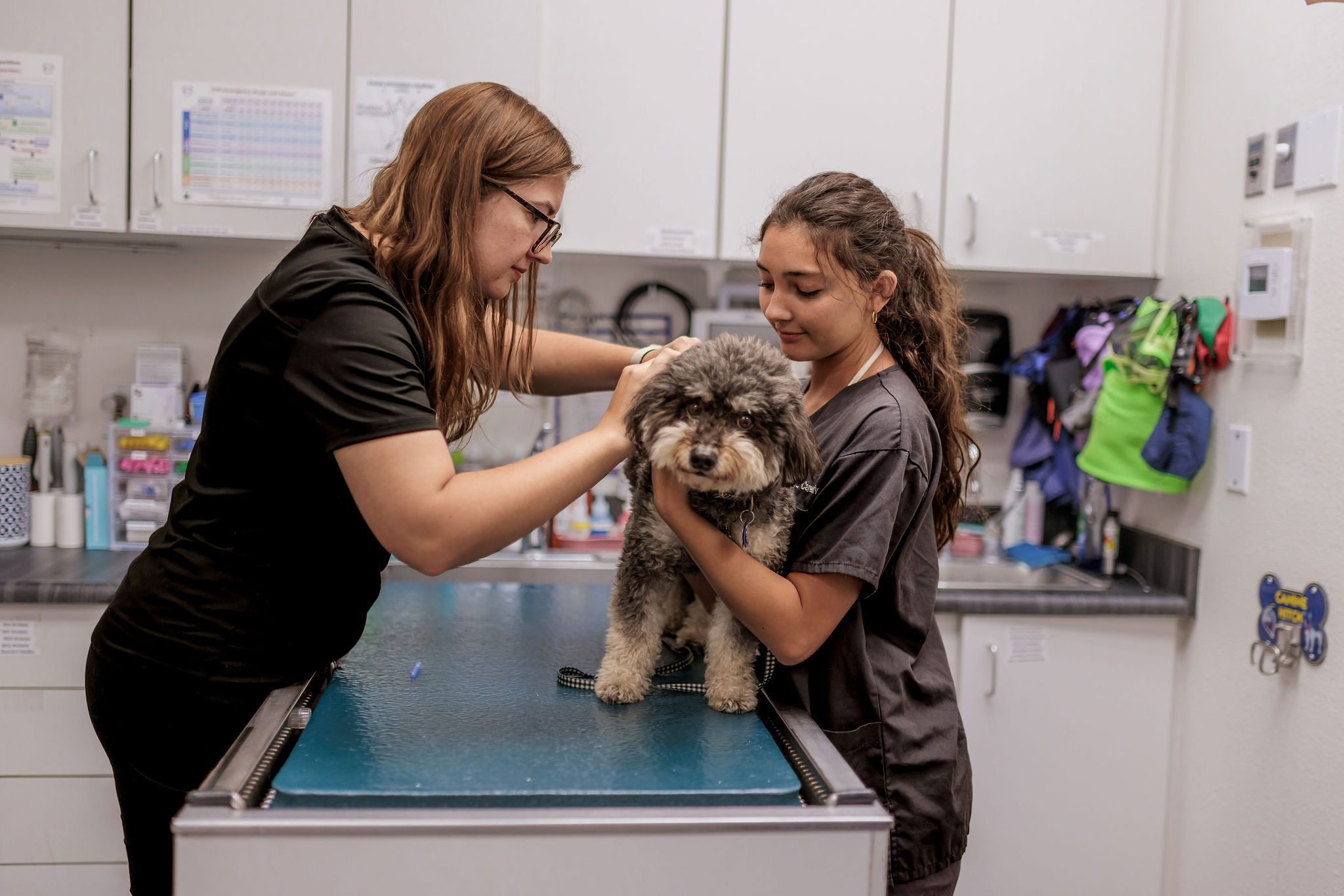
Coughing Dog and Cat Evaluations Near Dana Point, Monarch Beach & Emerald Bay
Aliso Beach Animal Clinic is located at 30816 Coast Highway, Laguna Beach, CA 92651, directly across from Montage Laguna Beach. Our South Laguna location serves pet owners from:
- Laguna Beach: examinations for coughing, heart murmurs, reduced stamina and suspected heart disease.
- South Laguna and Three Arch Bay: convenient access to physical exams, laboratory work and digital radiology.
- Dana Point: veterinary assessment for persistent coughing, fast breathing at rest or exercise intolerance.
- Monarch Beach: urgent-care inquiries for stable pets with new respiratory symptoms.
- Emerald Bay: diagnostic chest X-rays and individualized follow-up plans when appropriate.
Our clinic offers personalized care as an independently owned hospital, access to in-house diagnostics, digital X-rays and specialty radiology consultation. When echocardiography, intensive oxygen therapy or 24-hour hospitalization is needed, we help direct families to the appropriate specialist or emergency setting.
Heart Failure, Coughing & Chest X-Ray FAQs
Why is my dog coughing at night?
Nighttime coughing can be caused by airway disease, infection, tracheal collapse or cardiac disease. Some dogs with CHF cough, but only an examination and appropriate tests can help identify the cause.
Can a dog have an enlarged heart without being in heart failure?
Yes. An enlarged cardiac silhouette or left atrium does not automatically mean pulmonary edema is present. Some patients have advanced structural disease before clinical CHF develops.
Is coughing a common sign of heart failure in cats?
No. Cats with CHF more often develop rapid or labored breathing. Coughing cats frequently need evaluation for asthma, bronchitis and other pulmonary or airway disorders.
What is perihilar pulmonary edema on a dog chest X-ray?
It is a central lung pattern of increased opacity that can reflect fluid accumulation. With supporting findings such as left atrial enlargement, pulmonary venous changes, and appropriate clinical signs, it may support cardiogenic CHF. It is not diagnostic by itself.
Does my pet need both a chest X-ray and an echocardiogram?
They provide different information. Chest radiographs help identify lung fluid and alternate respiratory conditions. Echocardiography examines heart anatomy and function. The veterinarian determines which are useful and when each is safe to perform.
How is heart failure treated in dogs?
Dogs with acute CHF often require prompt diuresis, stabilization and close monitoring. Ongoing therapy may involve furosemide or torsemide, pimobendan, and other selected medications based on the diagnosis and laboratory findings.
Can congestive heart failure in pets be treated without surgery?
Yes. Most dogs and cats with CHF receive medical management rather than surgery. Interventional or surgical procedures are considered only for selected cardiac conditions and patients.
When should I go to an emergency vet instead of ABAC?
Go directly to a 24-hour emergency hospital for labored or gasping breathing, collapse, blue or gray gums, or open-mouth breathing in a cat. Call ABAC during business hours for guidance about stable coughing or exercise-intolerance concerns.
Veterinary Medical Oversight & Trusted References
Clinical reviewer: Bryan Hayter, DVM, Owner and Medical Director, Aliso Beach Animal Clinic. Dr. Hayter earned his veterinary degree at Auburn University and completed an internship at the San Diego Zoo. Clinical review of this newly drafted page is pending; a final reviewed date should be added only after his approval.
This page provides general education, not a diagnosis or individualized medical prescription. Treatment recommendations vary with the individual dog or cat.
Coughing Dog? Fast-Breathing Cat? Call Our Laguna Beach Veterinary Team.
For stable pets with coughing, reduced stamina or suspected cardiac symptoms, contact Aliso Beach Animal Clinic about an examination. Our trained reception team helps assess urgency and whether same-day urgent care or direct emergency referral is the most appropriate next step.
Aliso Beach Animal Clinic
30816 Coast Highway, Laguna Beach, CA 92651
Across from Montage Laguna Beach
Monday–Friday 7:30 AM–4:30 PM • Saturday 8 AM–12 PM • Sunday closed
Not a 24-hour emergency hospital. Severe breathing difficulty, collapse or an open-mouth-breathing cat requires immediate emergency veterinary care.