

How families and neighbors can work together to reduce coyote activity and protect dogs, cats, and small pets throughout Laguna Beach and coastal South Orange County.
Owner and Medical Director, Aliso Beach Animal Clinic
Medical Review Date: November 6, 2026
Last Updated: November 6, 2026
For families in Laguna Beach, Emerald Bay, Monarch Beach, Dana Point, and Laguna Woods, a coyote in the neighborhood can be unsettling, especially when a small dog or outdoor cat is part of the family.
Coyotes are native to Southern California. Eliminating every coyote from a neighborhood is neither realistic nor a dependable long-term safety plan. However, residents can make homes and shared spaces less attractive to coyotes while significantly reducing avoidable risks to pets.
The most effective approach to coyote pet protection in Laguna Beach is neighborhood-wide prevention: removing food and water attractants, securing yards, supervising pets, using leashes, and reporting concerning behavior.
A single resident can improve one property; coordinated neighbors can address the attractions and access points that span an entire street.
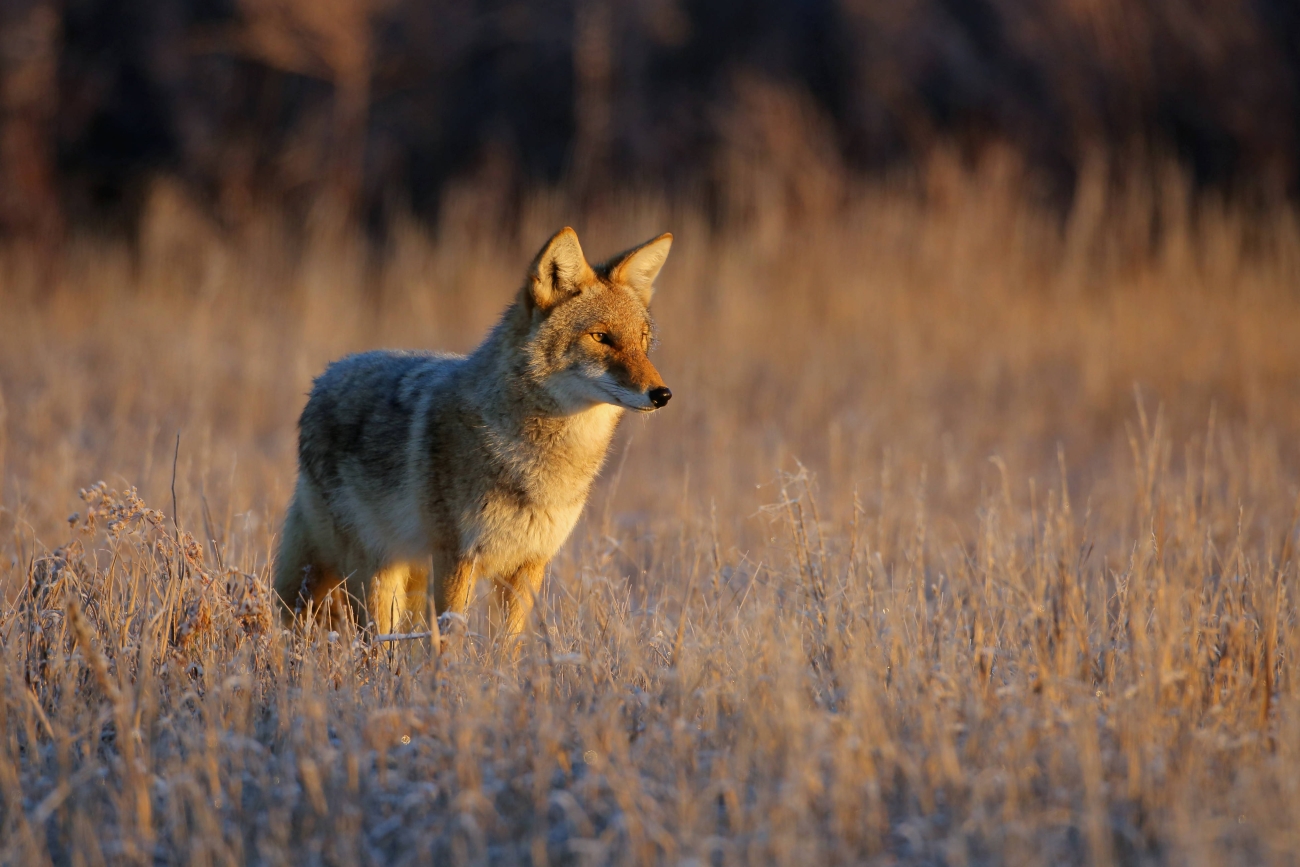
For additional advice focused on individual dogs and cats, read our Coyote Safety for Dogs, Cats & Small Pets in Laguna Beach guide.
Why Neighborhood Cooperation Matters More Than Any Single Deterrent
Coyotes take advantage of opportunities. Unsecured garbage on one property, spilled birdseed on another, an outdoor pet-food bowl, fallen fruit, or easy access through a gate may bring animals repeatedly through the same block.
Coyotes can also move along canyon edges, greenbelts, golf courses, and landscaped corridors found throughout coastal and inland Orange County.
The California Department of Fish and Wildlife recommends removing attractants and keeping small pets supervised. The City of Laguna Beach’s coyote guidance also emphasizes pet protection, closed trash containers, and eliminating outside food and water.
One unsecured food source can attract wildlife to an entire street. The most useful prevention efforts involve neighbors, landlords, landscaping crews, and HOAs working together.
1. Remove the Things That Invite Coyotes Into Residential Areas
Start with a consistent, block-by-block effort:
- Feed pets indoors. Bring food and water bowls inside instead of leaving them on patios or porches overnight.
- Secure garbage and compost. Use tightly closing lids, clean outdoor grills, and avoid exposed meat or fish scraps in compost.
- Pick up fallen fruit. Harvest ripe fruit, remove food scraps, and clean beneath backyard fruit trees.
- Manage birdseed and rodents. Remove spilled seed and address rodent attractants without creating new poisoning risks for pets and wildlife.
- Reduce shelter opportunities. Maintain landscaping and safely close accessible spaces beneath sheds or decks after checking that no wildlife is inside.
- Never feed coyotes. Deliberate feeding can teach coyotes to associate people and yards with food.
These are often more useful neighborhood investments than buying a repellent. Residents can share the same checklist with landscaping crews, property managers, and HOA boards so it becomes a routine rather than a one-time reaction to a sighting.
2. Make Backyards Harder for Coyotes to Enter
A standard residential fence is not automatically coyote-proof. Coyotes may find gaps at gates, dig beneath weak sections, or climb where crossbars, planters, walls, or slopes provide a foothold.
The University of California Integrated Pest Management program provides guidance on exclusion measures that may include appropriate fencing, ground-level protection, overhangs, and barriers.
Inspect Fence Gaps
Check gates, corners, drainage openings, damaged panels, and places where the fence meets uneven ground.
Remove Climbing Aids
Move planters, stacked furniture, and other objects that could provide a foothold near perimeter fences.
Protect the Bottom Edge
Consider appropriate ground-level barriers or a securely installed wire-mesh apron to reduce opportunities for digging.
Consider Fence Rollers
Ask a qualified installer whether outward overhangs or coyote rollers are appropriate for the fence and terrain.
Motion-activated sprinklers or lighting may be useful as supplementary deterrents, but they should not replace physical protection.
Before modifying walls or fences, check city, county, coastal, and HOA requirements, particularly in communities such as Emerald Bay and Monarch Beach.
3. Keep Small Dogs Close During Walks and Potty Breaks
Small dogs can be particularly vulnerable, but no dog should be allowed to investigate or chase a coyote.
- Use a short, non-retractable leash and keep your dog close.
- Choose well-traveled, visible routes when possible, particularly at dawn, dusk, and after dark.
- Watch for coyotes at trailheads, canyon edges, hillside streets, greenbelts, and brush-lined paths.
- Carry a whistle or other noisemaker, and know how to use it without putting yourself in danger.
- Accompany your dog outside for quick bathroom breaks, even in a familiar fenced yard.
- If you see a coyote, do not let your dog approach or pull toward it.
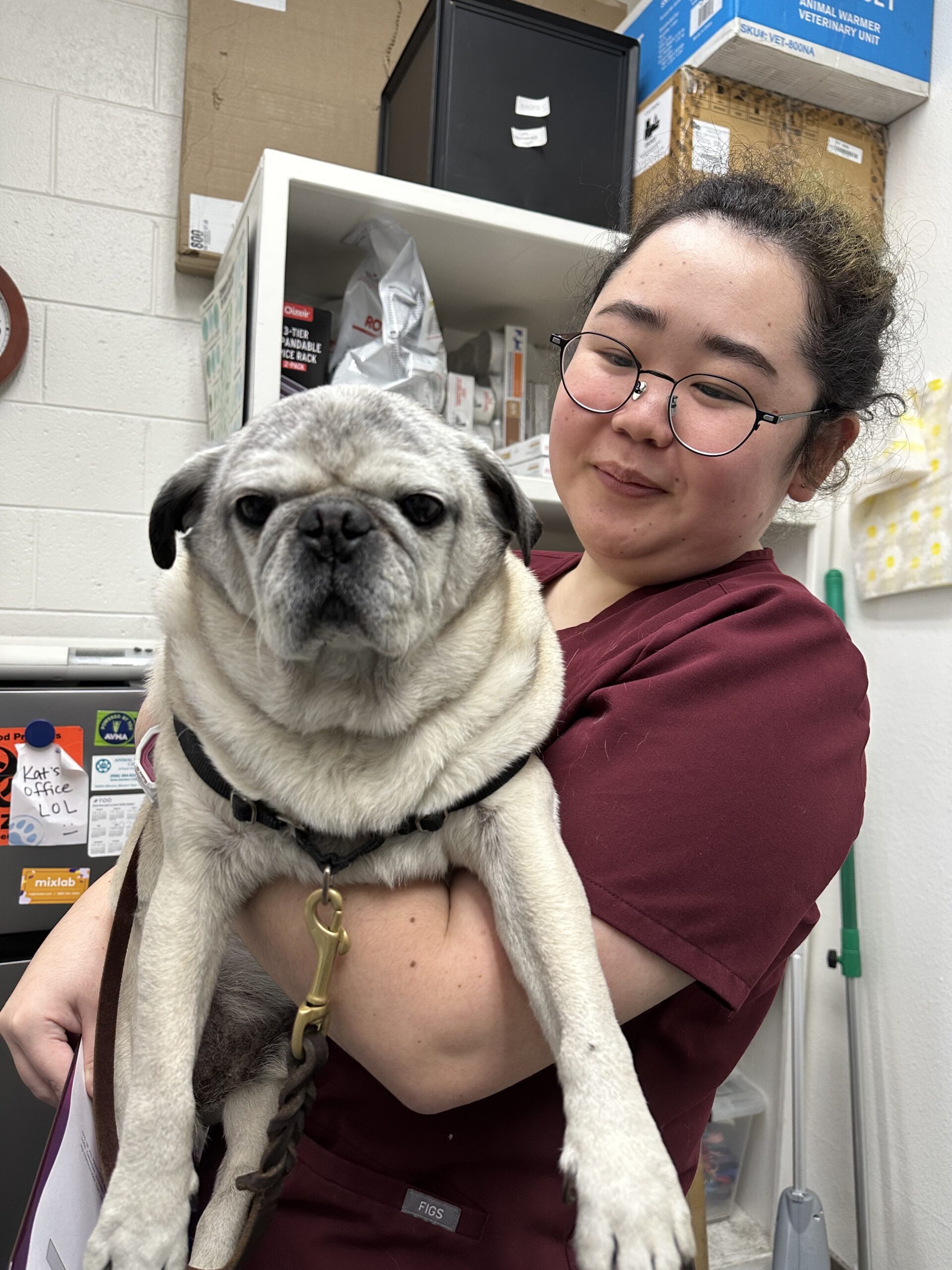
4. Protect Cats, Rabbits, Guinea Pigs, and Other Small Pets
Indoor housing offers the strongest protection for cats. A cat that ordinarily avoids dogs or climbs trees is not reliably protected from coyotes.
For safe outdoor enrichment, consider a fully enclosed catio or carefully supervised harness time rather than free roaming.
Rabbits, guinea pigs, chickens, and other small animals should be housed in genuinely predator-resistant enclosures with secure tops, sides, doors, and protection against digging.
Lightweight hutches and open exercise pens may not be sufficient, especially overnight.
For husbandry questions, see our exotic pet veterinary care resources.
Make sure dogs and cats have current identification and appropriate vaccinations. Identification helps reunite a lost pet with an owner, but it does not prevent a wildlife attack.
A fully enclosed catio allows many cats to enjoy fresh air and outdoor enrichment without the risks associated with unrestricted roaming. Make sure the enclosure has a secure roof, floor or protected perimeter, and doors that cannot easily open.
5. What Should You Do if a Coyote Approaches?
- Keep your pet close and under control. Pick up a small dog only if it is safe to do so.
- Do not run or allow your dog to chase the coyote.
- Face the coyote and increase distance. Back away calmly while keeping the animal in view.
- If a coyote continues approaching, stand tall, make yourself look large, and use a firm voice or noisemaker if you can do so safely.
- Do not corner, touch, trap, or pursue a coyote. If it appears sick, injured, or unusually aggressive, disengage and contact animal services rather than attempting to haze it.
- Report attacks and threatening or unusual encounters. If a person is in immediate danger, call 911.
Guidance should be adapted to the situation. When a child or pet is with you, getting everyone to safety takes priority over approaching an animal to haze it.
See the California Department of Fish and Wildlife’s coyote recommendations for additional safety information.
Do Coyote Rollers, Ultrasonic Devices, or Predator Urine Really Work?
Some products may discourage an individual animal temporarily, but no scent, sound, light, or wearable device should be treated as dependable protection for an unattended pet.
Predator-urine products in particular are not a substitute for removing food sources, keeping pets indoors or supervised, and closing fence gaps.
Fence rollers and outward overhangs can be useful components of an exclusion strategy when correctly installed. Motion-activated sprinklers may also help discourage repeated visits, but coyotes can adapt.
Prioritize multiple layers of prevention rather than relying on a single gadget: secure fencing, fewer attractants, supervised pets, and consistent neighborhood practices.
6. A Simple Coyote-Prevention Plan for HOAs and Neighbors
For shared streets, gated communities, and HOA-managed landscapes in Laguna Beach, Emerald Bay, Monarch Beach, Dana Point, and Laguna Woods, consider a practical plan.
- Share one consistent message: no wildlife feeding, no outdoor pet food, and no unattended small pets.
- Audit shared attractants: dumpsters, grills, fruit trees, bird-feeding areas, and accessible waste near walking paths.
- Review physical gaps: gates, fencing, access below decks, and brushy edges near commonly used pet areas.
- Offer a pet-walking reminder: leashes, supervision, extra vigilance at low-light hours, and safe encounter responses.
- Report concerning encounters: share verified information with the responsible agency rather than rumors or unconfirmed sightings.
Residents can support humane coexistence without attempting to trap, poison, relocate, or harm wildlife. Local agencies and wildlife professionals should handle situations that require intervention.
Where to Report Coyotes in Laguna Beach, Dana Point, Emerald Bay, and Laguna Woods
Laguna Beach & Laguna Woods
Contact Laguna Beach Animal Services. The agency also serves Laguna Woods.
Dana Point & Monarch Beach
Use the Wildlife Sighting Report or contact the Coastal Animal Services Authority.
Emerald Bay
As an unincorporated Orange County community, residents can contact OC Animal Care Field Services.
General:
(714) 935-6848
Overnight:
(714) 259-1122
What to Include in a Report
Provide the date, approximate location, observed behavior, whether the animal approached a person or pet, and whether anyone was injured.
What to Do if Your Dog or Cat Is Bitten or Grabbed by a Coyote
Even when a pet appears stable, a small puncture wound may conceal deeper tissue damage. Coyote encounters can involve bleeding, crush injuries, infection, pain, or injury to the chest or abdomen.
- Move your pet to safety without placing yourself in danger.
- Keep your pet calm and restrict unnecessary movement.
- Apply gentle, steady pressure with a clean cloth if there is active bleeding.
- Seek veterinary assessment promptly for any known bite or puncture. Notify local animal services about the wildlife exposure and follow their rabies-related guidance.
- For heavy bleeding, collapse, difficulty breathing, severe trauma, or an after-hours emergency, go directly to an appropriate 24-hour emergency veterinary hospital.
Aliso Beach Animal Clinic offers same-day urgent veterinary care during regular clinic hours when capacity and the pet’s condition allow.
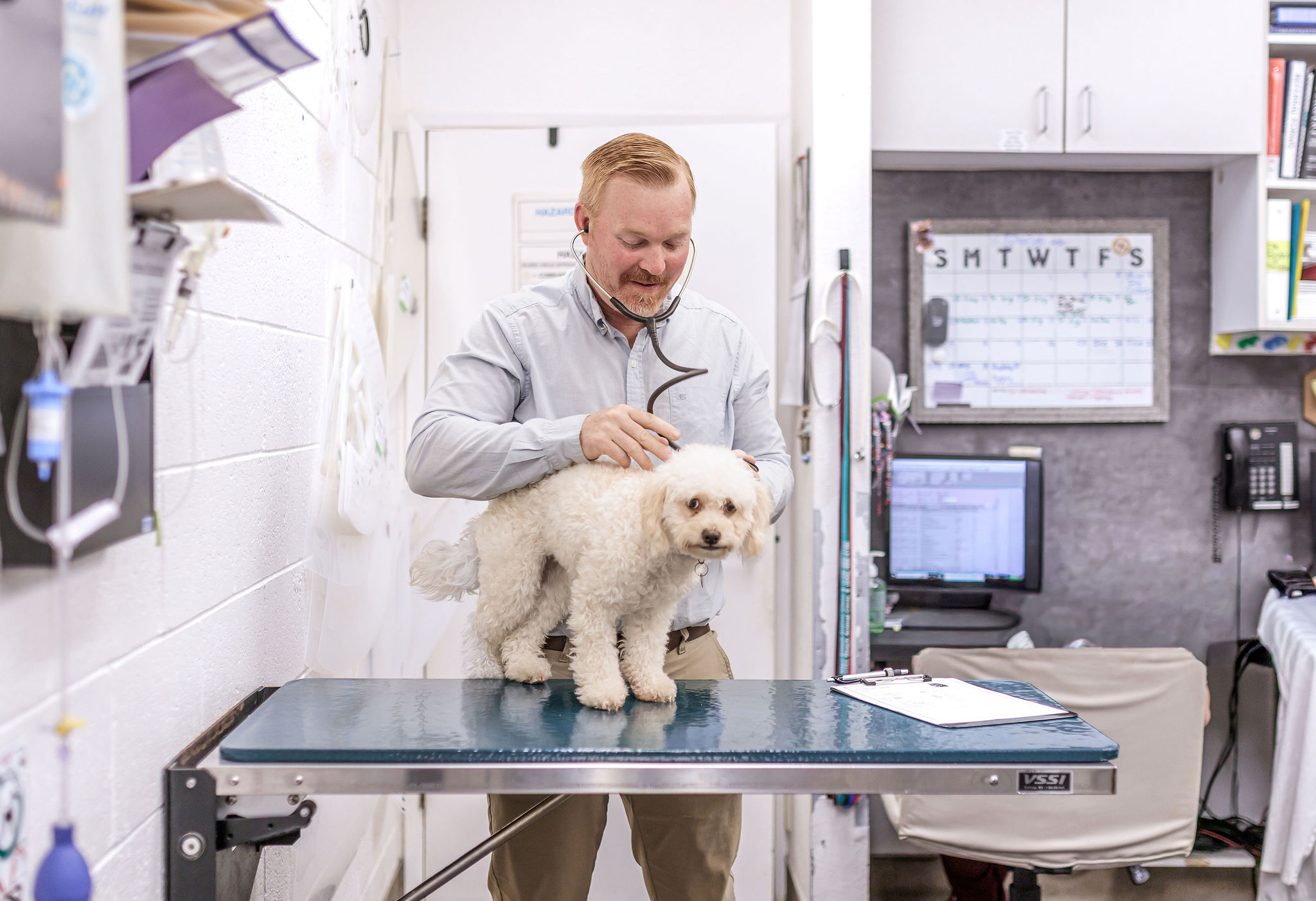
Pet Injured in a Wildlife Encounter?
Aliso Beach Animal Clinic
Independently owned veterinary care in Laguna Beach.
We evaluate appropriate urgent injuries, puncture wounds, pain, limping, and other pet health concerns during regular clinic hours. Please call first so our team can assess availability and help direct you to the appropriate level of care.
Call (949) 499-4190 Urgent Care Information
Monday–Friday: 7:30 a.m.–4:30 p.m.
Saturday: 8 a.m.–12 p.m.
Sunday: Closed
We are not a 24-hour emergency hospital.
Frequently Asked Questions About Coyote Protection
Can a coyote get over a six-foot fence?
Yes. Coyotes may jump, climb, or take advantage of nearby objects and terrain. Fence height alone does not eliminate the need for a secure base, gates, and pet supervision.
Are coyotes only dangerous to pets at night?
No. Coyotes may be seen in daylight. Dawn, dusk, and nighttime deserve extra caution, but pet supervision matters throughout the day.
Will removing one coyote solve a neighborhood problem?
Not necessarily. If food, water, shelter, and easy access remain, other coyotes may continue using the area. Long-term neighborhood prevention focuses on those conditions, with animal-services assistance for threatening behavior.
Should I let my small dog use the backyard alone?
No. A fenced yard does not guarantee protection. Accompany small dogs outdoors and check the area before opening the door, particularly when recent coyote activity has been reported.
Protecting Pets Across Coastal South Orange County
Living alongside local wildlife is part of life in Southern California. The best prevention is consistent: make food less available, make access harder, and never leave vulnerable pets exposed.
These practical measures can help residents protect dogs and cats while respecting wildlife.
For individualized advice after a wildlife encounter, contact Aliso Beach Animal Clinic, an independently owned veterinary hospital at 30816 Coast Highway, Laguna Beach, CA 92651, directly across from Montage Laguna Beach.
Call (949) 499-4190 during clinic hours for urgent-care guidance, or read our Laguna Beach Pet Emergency and Urgent-Care Guide.
For severe or after-hours emergencies, contact a 24-hour veterinary emergency hospital immediately.
Related Pet-Safety Guides
Wildlife Safety References
- California Department of Fish and Wildlife — Human-Wildlife Conflicts: Coyotes
- University of California IPM — Coyote Exclusion and Pet Management
- City of Laguna Beach — Coyote Information
- City of Laguna Woods — Animal Services and Coyote Awareness
- San Clemente / Dana Point — Wildlife Sighting Report
- OC Animal Care — Field Operations