French Bulldog & Pug Veterinary Care in Laguna Beach: Safer Handling, Sedation & Anesthesia
French Bulldogs, Pugs, English Bulldogs, Boston Terriers and other flat-faced dogs have wonderful personalities—but their unique anatomy can make routine veterinary care, restraint, sedation and anesthesia more complicated than many owners realize.
At Aliso Beach Animal Clinic, we recognize that brachycephalic (short-nosed) breeds often require additional airway precautions, gentler restraint, careful medication selection and attentive recovery monitoring.
Our independently owned Laguna Beach veterinary clinic approaches each patient individually, considering breathing history, body condition, temperament, heat tolerance, previous anesthetic experiences and the reason for the visit.
For procedures requiring general anesthesia, our planning may include pre-oxygenation before induction, appropriate airway equipment, short-acting anesthetic agents, dedicated monitoring and a cautious recovery process.
We welcome French Bulldogs, Pugs and other brachycephalic dogs from Laguna Beach, Monarch Beach, Emerald Bay, Dana Point, Three Arch Bay and surrounding South Orange County communities.
Prepared: October 24, 2026
Clinical oversight:
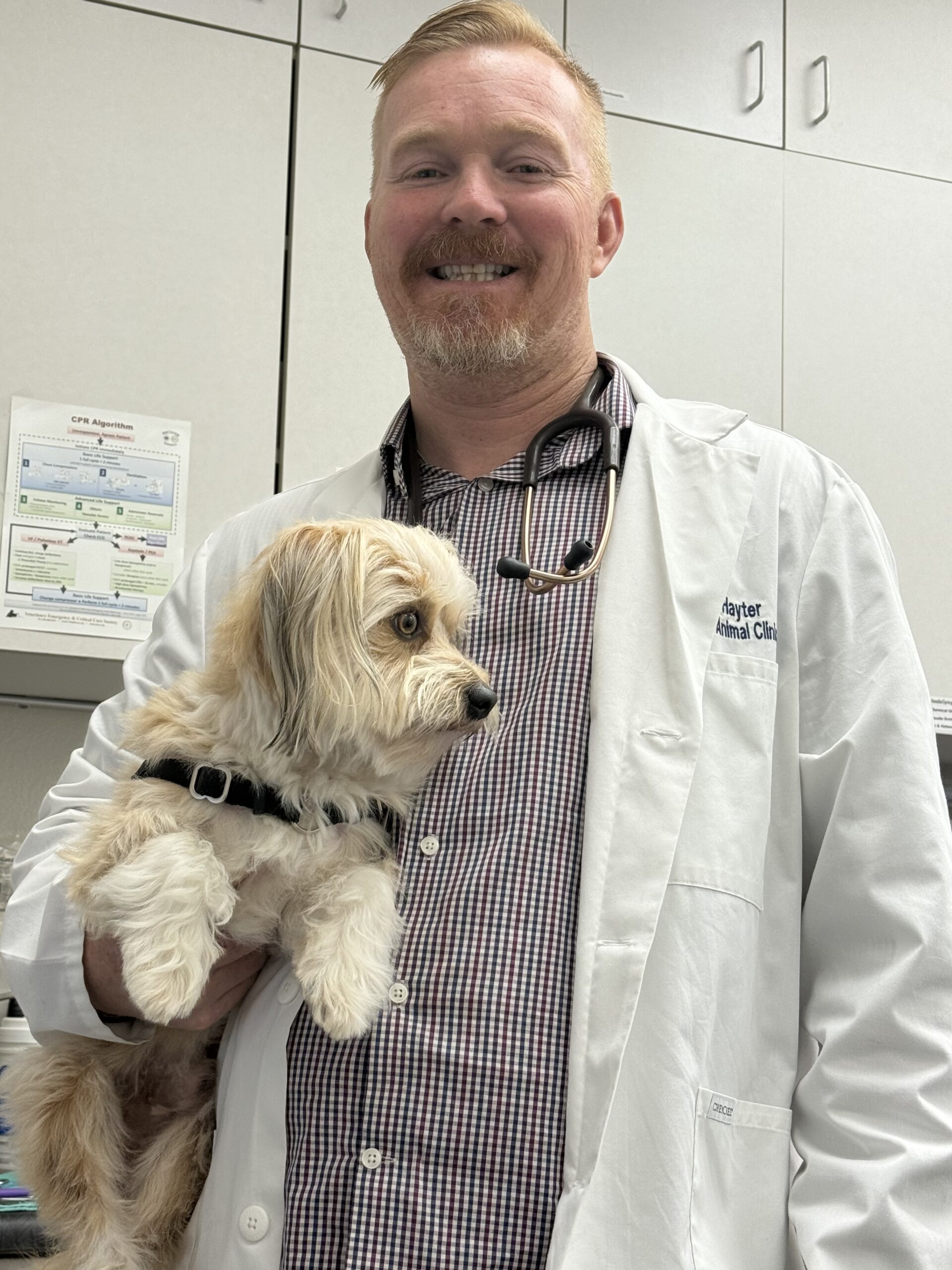
Bryan Hayter, DVM,
Owner and Medical Director
Medical-review status:
New educational article pending
final veterinarian approval
Quick answer: Flat-faced dogs can be more susceptible to airway obstruction, overheating, regurgitation and anesthesia-related breathing complications. A thoughtful veterinary plan begins with low-stress handling and airway assessment, then adds pre-oxygenation, appropriately selected sedation, equipment preparation and close recovery monitoring when needed.
No protocol eliminates all risk, and not every brachycephalic dog has the same degree of airway disease. Individual examination and planning are essential.
Why Do French Bulldogs and Pugs Need Special Veterinary Precautions?
The word brachycephalic describes animals with shortened skulls and muzzles. Although these dogs may look compact, their airway tissues are not always proportionally smaller.
Depending on the dog, airway abnormalities can include:
- Stenotic nares: Nostrils that are too narrow, increasing resistance to airflow.
- Elongated or thickened soft palate: Tissue that may partially obstruct the entrance to the airway.
- Hypoplastic trachea: An unusually narrow windpipe.
- Everted laryngeal saccules or laryngeal collapse: Changes that may develop with chronic upper-airway obstruction.
- Excess pharyngeal tissue: Soft tissue that can narrow the breathing passage, especially during excitement or sedation.
Together, these abnormalities may contribute to brachycephalic obstructive airway syndrome (BOAS).
The degree of disease varies. Some dogs breathe comfortably at rest and remain active. Others have substantial airway obstruction requiring medical management or specialist surgical evaluation.
For a veterinary overview, see the American College of Veterinary Surgeons’ guide to brachycephalic syndrome .
Recognizing Breathing Problems in a French Bulldog, Pug or Bulldog
Owners sometimes assume that loud snoring, snorting or difficult breathing is simply normal for a short-nosed breed. While these sounds are common, persistent or excessive noise can indicate clinically important airway obstruction.
Signs Worth Discussing With Your Veterinarian
- Loud breathing while awake or at rest
- Heavy snoring or disturbed sleep
- Open-mouth breathing without exercise
- Rapid fatigue during walks
- Difficulty tolerating excitement
- Excessive panting after mild activity
- Overheating more easily than other dogs
- Repeated gagging, retching or regurgitation
- Restlessness or unusual sleeping positions
- Difficulty recovering after exercise
Severely affected dogs may develop weakness, blue or gray gums, collapse or extreme respiratory effort. These signs require immediate emergency assessment.
The UC Davis School of Veterinary Medicine emphasizes that noisy breathing, exercise intolerance and overheating should not automatically be dismissed as harmless breed characteristics.
Gentle, Low-Stress Restraint for Flat-Faced Dogs
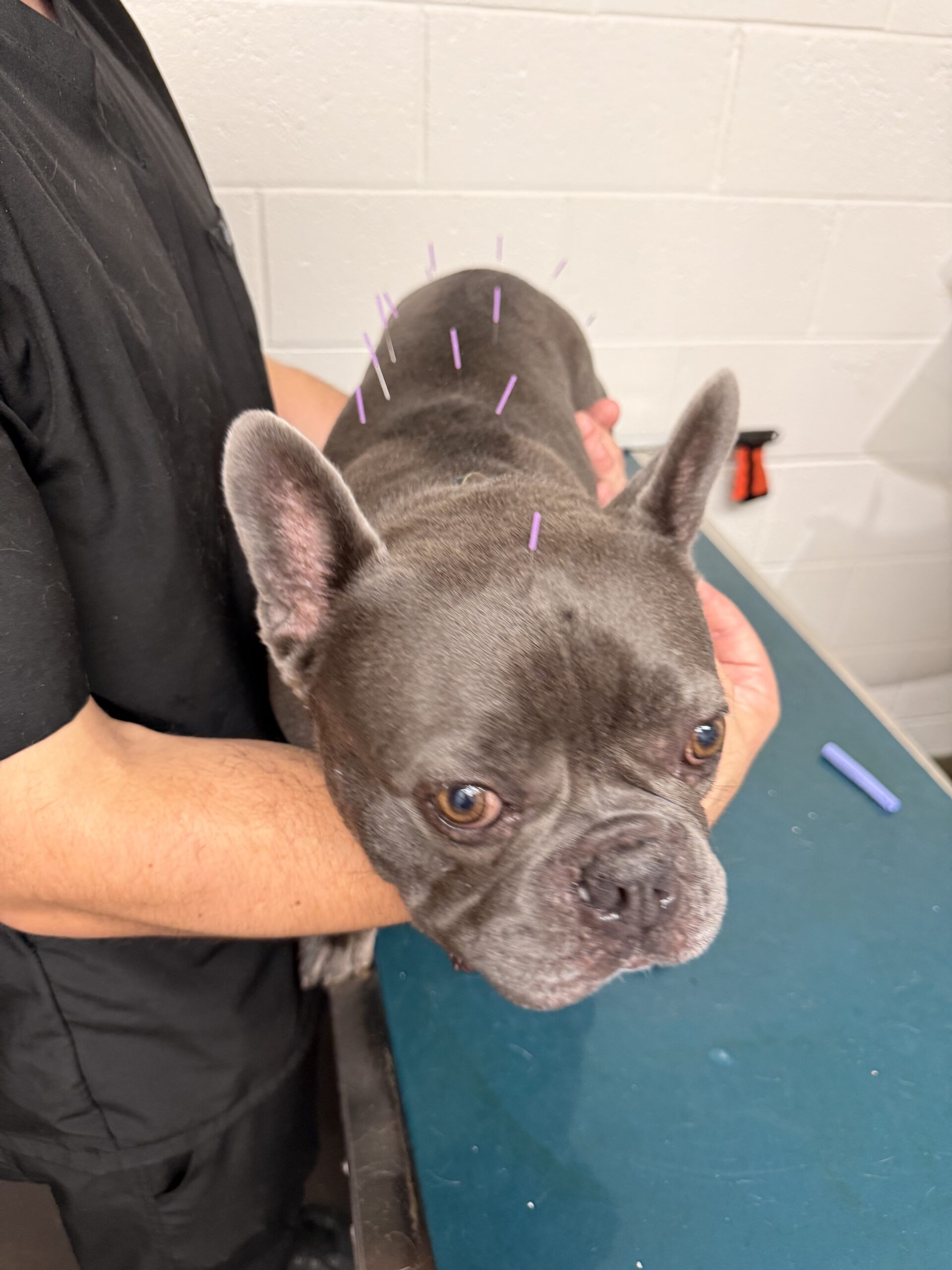
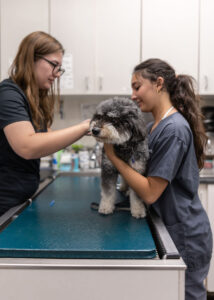
At ABAC, gentle restraint is an important part of veterinary care for Frenchies, Pugs and other short-nosed patients.
Struggling, excitement and fear can increase oxygen demand and breathing effort. For a dog with significant airway narrowing, forceful restraint may worsen respiratory distress.
Our Handling Priorities
- Allow calm handling whenever possible
- Minimize unnecessary pressure on the neck and chest
- Avoid excessive neck flexion or uncomfortable positioning
- Use a stable, comfortable position that supports breathing
- Reduce unnecessary handling and prolonged restraint
- Monitor breathing sounds, effort and patient stress
- Pause when a patient becomes distressed
- Consider appropriately supervised calming medication when clinically indicated
Many brachycephalic dogs breathe more comfortably when allowed to remain upright or in sternal recumbency—resting on the chest—rather than being forced into an uncomfortable position.
The goal is not simply to hold a dog still. It is to perform the necessary examination or procedure while protecting its ability to breathe.
Our individualized veterinary wellness examinations provide an opportunity to discuss your dog’s breathing history and handling needs before a procedure becomes necessary.
Special Muzzles That Preserve Airflow: Only When Necessary
Most friendly French Bulldogs and Pugs do not need a muzzle for routine veterinary handling. However, even a gentle dog may attempt to bite when frightened or painful.
If a muzzle is needed for a specific safety reason, the design matters enormously for a brachycephalic patient.
What Makes a Muzzle More Appropriate?
A properly selected short-snout, ventilated basket-style muzzle may be preferable to a tight cloth or nylon muzzle when the dog’s anatomy allows an appropriate fit.
The design should permit adequate mouth opening, panting and airflow, without pressing against the nose or constricting the airway.
It should also allow rapid removal and must not interfere with necessary oxygen administration or airway intervention.
A ventilated muzzle is not an oxygen-delivery device. If supplemental oxygen is needed, our team uses appropriate veterinary oxygen equipment and a delivery method suited to the patient’s condition.
Tight fabric muzzles that hold the mouth closed can prevent normal panting and make heat regulation more difficult. They are especially concerning in dogs already struggling to breathe.
Airway safety comes first: A brachycephalic dog in respiratory distress should not be muzzled in a way that restricts panting or delays oxygen and airway care. Alternative methods of safe handling may be required.
Cornell University’s guide to muzzle choices explains why properly fitted basket muzzles better preserve panting compared with restrictive sleeve muzzles.
Why We Pre-Oxygenate Brachycephalic Dogs Before General Anesthesia
One of the most important anesthesia precautions for short-nosed dogs is pre-oxygenation.
Pre-oxygenation means allowing the patient to breathe supplemental oxygen before administering medication that induces general anesthesia.
During anesthetic induction, a dog may briefly stop breathing or experience increased airway obstruction before an endotracheal tube is placed.
Pre-oxygenation increases the body’s available oxygen reserve and can provide the veterinary team additional time to secure the airway before dangerous oxygen desaturation occurs.
How Long Is Pre-Oxygenation Performed?
Veterinary anesthesia guidance commonly discusses approximately three minutes of pre-oxygenation as an effective preparation for induction, although the exact plan depends on the patient’s clinical condition and tolerance.
Oxygen can be administered through an appropriately fitting face mask if the dog tolerates it calmly.
For a stressed dog, other methods such as flow-by oxygen may be more appropriate, because forcing a tight mask onto a struggling brachycephalic patient could worsen breathing.
The veterinary team chooses the safest practical approach for that dog.
Why this matters: Pre-oxygenation does not guarantee that an anesthetic complication will not occur. It helps provide an additional margin of time during a period when airway control can be particularly challenging.
This approach is discussed in the AAHA Anesthesia and Monitoring Guidelines .
Customized Sedation and Anesthetic Drugs That Support a More Predictable Recovery
One important misconception is that sedation is automatically safer than general anesthesia for a flat-faced dog.
Sedation can reduce fear and struggling, which may be beneficial, but it can also relax the muscles supporting the upper airway and reduce protective responses.
For a dog with significant airway obstruction, deep sedation without a protected airway may carry substantial risk.
Medication Choice Depends on the Individual Patient
ABAC’s anesthetic planning considers:
- Severity of airway signs
- Age and body condition
- Cardiac and respiratory health
- Previous anesthetic experiences
- Temperament and anxiety level
- Procedure type and expected duration
- Potential pain and analgesic needs
- Risk of nausea, regurgitation and aspiration
- Whether airway protection is required
When appropriate, veterinarians may select short-acting or reversible sedative medications to support more predictable adjustment of anesthetic depth and recovery.
For general anesthesia, commonly used intravenous induction agents such as propofol or alfaxalone can permit relatively rapid induction and endotracheal intubation.
Both drugs can also cause respiratory depression or apnea, so their use requires appropriate airway preparation and monitoring.
Some sedative medications have reversal agents, but not every medication is reversible, and reversal is not always clinically appropriate. Adequate pain relief must also be maintained.
Why We Favor Predictable Recovery
A short-nosed dog may struggle to maintain an open airway while heavily sedated.
Using carefully selected medications, avoiding unnecessary anesthetic depth and maintaining appropriate monitoring can help the veterinary team guide the patient toward a more controlled recovery.
The objective is not to wake a dog prematurely. It is to minimize unnecessary prolonged sedation while ensuring the patient is ready to maintain its airway.
Medication decisions are made by the attending veterinarian, not from a standardized breed-wide drug recipe.
Specialized Airway Preparation, Oxygen Equipment and Monitoring
With brachycephalic anesthesia, preparation should occur before induction, not after a breathing problem develops.
The veterinary team plans for the possibility that a patient may be more difficult to intubate or may have a narrower windpipe than expected.
Airway and Anesthesia Preparation
Equipment and precautions may include:
- Supplemental oxygen delivery equipment
- Appropriate oxygen masks and flow-by oxygen options
- A laryngoscope for airway visualization
- Endotracheal tubes in several sizes
- Equipment for securing and protecting the airway
- Intravenous access when appropriate
- Emergency medications and airway contingency planning
- Careful patient positioning
- Temperature-management equipment
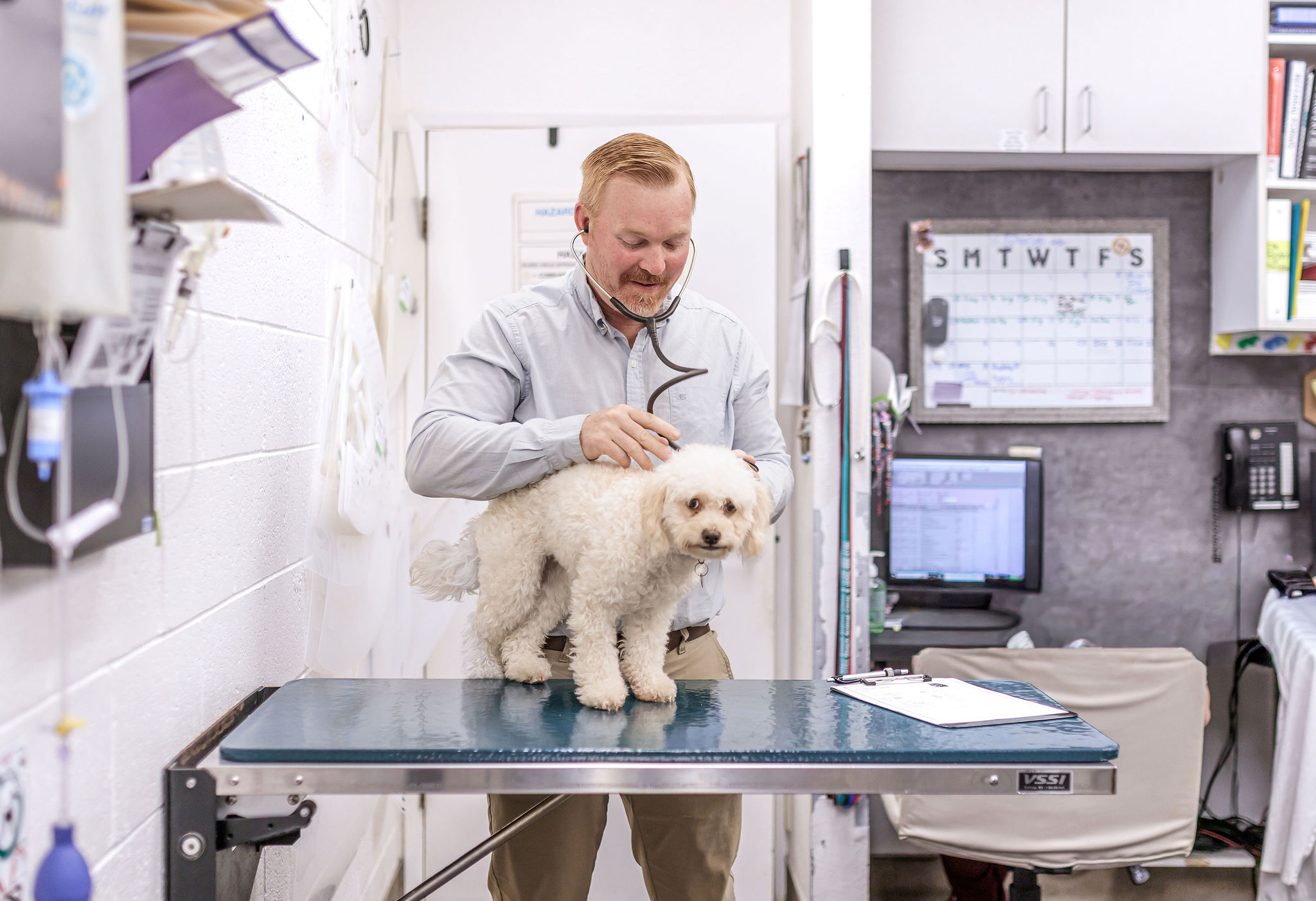
ABAC’s broader surgical monitoring capabilities include pulse oximetry, capnography, ECG, blood-pressure measurement and temperature monitoring. A dedicated veterinary team member monitors the patient during general anesthesia.
Why More Than One Monitor Matters
Pulse oximetry estimates oxygen saturation in the blood.
Capnography measures carbon dioxide in exhaled gas, providing information about ventilation.
Blood-pressure and ECG monitoring help assess circulation and cardiac rhythm.
Temperature monitoring is especially relevant because short-nosed dogs may have difficulty cooling themselves through panting.
These measurements complement, rather than replace, direct observation by trained personnel.
Read more about ABAC’s veterinary surgery and anesthesia protocols .
Why Anesthesia Recovery Is Especially Important for French Bulldogs and Pugs
Anesthesia safety does not end when surgery or a dental procedure is finished.
For brachycephalic dogs, recovery can be one of the highest-risk phases because airway-supporting muscles and protective reflexes may still be affected by medication.
The veterinary team must determine when the dog can breathe adequately and protect its own airway.
What Careful Recovery Involves
- Continued airway and breathing observation
- Monitoring oxygen saturation and respiratory effort
- Supporting an appropriate recovery position
- Managing temperature and avoiding overheating
- Assessing comfort, pain and anxiety
- Watching for regurgitation or aspiration concerns
- Removing the breathing tube only when airway protection is adequate
- Maintaining access to airway equipment if complications develop
For a brachycephalic patient, extubation may be intentionally delayed until the dog is sufficiently awake, breathing effectively and demonstrating appropriate protective airway reflexes.
Close observation continues after the breathing tube is removed.
Some dogs may require more intensive support or a specialty facility, depending on their airway disease and the procedure performed.
The AAHA discussion of brachycephalic anesthesia emphasizes prolonged airway vigilance throughout recovery.
Dental Cleaning and Anesthesia for French Bulldogs and Pugs
Small and short-nosed dogs are not exempt from periodontal disease. Many develop crowded teeth, plaque, tartar and painful dental problems.
Owners sometimes ask whether a French Bulldog or Pug should avoid anesthesia for dentistry.
The answer is not a simple yes or no. Untreated dental disease can cause significant pain, while anesthesia also requires careful planning.
A veterinary assessment can help determine:
- Whether dental treatment is medically necessary
- How severe the dental disease appears
- Whether the dog has signs of BOAS
- Whether additional testing or referral is needed
- What anesthesia and monitoring approach is appropriate
- What recovery precautions are necessary
When dental treatment requires general anesthesia, protecting the airway with an appropriately placed endotracheal tube is particularly important.
Choosing anesthesia solely to avoid a general anesthetic may not be safer if the procedure requires a protected airway.
Learn more about our pet dentistry services in Laguna Beach and pre-anesthetic diagnostic testing and bloodwork .
Daily Health and Heat-Safety Tips for Brachycephalic Dogs
Careful sedation protocols are only one part of supporting a Frenchie or Pug’s health.
Everyday choices can affect breathing, comfort and quality of life.
Maintain a Healthy Body Condition
Excess body weight can worsen breathing difficulties and reduce exercise tolerance. A veterinarian can help determine an appropriate weight and nutritional plan.
Use a Harness Instead of Neck Pressure
A well-fitted body harness is often preferable to equipment that places pressure on the neck or airway.
Plan Exercise Around Heat and Humidity
Short-nosed dogs may have difficulty cooling themselves during warm or humid conditions.
Schedule exercise during cooler periods, allow frequent breaks and do not push a dog that is struggling to breathe or recover after activity.
Pay Attention to Sleep and Snoring
Persistent sleep disturbance, unusual sleeping positions or excessive breathing noise deserve evaluation.
Ask About BOAS Assessment
Some dogs benefit from further airway evaluation and, when indicated, specialist consultation regarding corrective airway surgery.
The goal is to identify clinically important obstruction before it causes more serious problems.
When Is a French Bulldog’s Breathing an Emergency?
Brachycephalic dogs can deteriorate rapidly when airway obstruction is combined with stress, heat or exertion.
Seek immediate emergency veterinary care if your dog has:
- Severe or rapidly worsening breathing difficulty
- Blue, gray or very pale gums
- Collapse or loss of consciousness
- Extreme weakness associated with breathing distress
- Uncontrolled overheating with respiratory difficulty
- Sudden choking or suspected airway obstruction
Avoid forcing a distressed dog onto its back or using tight restraint. Keep the animal as calm as possible while arranging appropriate emergency care.
Aliso Beach Animal Clinic provides same-day urgent veterinary evaluations during regular clinic hours when availability and patient condition allow. We are not a 24-hour emergency hospital.
A patient requiring continuous oxygen support, emergency airway surgery or intensive overnight monitoring may need an appropriate emergency or specialty facility.
Visit our same-day urgent veterinary care page for guidance.
French Bulldog or Pug Owner Near Monarch Beach?
If your dog develops unusual panting, sudden illness, heat-related symptoms or another urgent concern after time outdoors, it is important to consider the severity of the symptoms rather than assuming they are normal for the breed.
Our Monarch Beach Pet Urgent-Care Guide covers common local concerns and explains when same-day veterinary care or an emergency hospital may be needed.
French Bulldog and Pug Veterinarian Near Monarch Beach, Emerald Bay and Dana Point
Aliso Beach Animal Clinic is conveniently located at 30816 Coast Highway, Laguna Beach, CA 92651, directly across from Montage Laguna Beach.
Our independently owned veterinary hospital welcomes dogs from Laguna Beach, South Laguna, Emerald Bay, Three Arch Bay, Monarch Beach, Monarch Bay, Dana Point and Laguna Niguel.
For families searching for a French Bulldog vet near me in Laguna Beach or a Pug veterinarian near Monarch Beach, our goal is to provide thoughtful medical care that recognizes the special considerations of short-nosed breeds.
Local lifestyle matters, too. A walk along Salt Creek, a sunny afternoon near Strands Beach or climbing neighborhood stairs can be more physically demanding for a dog with limited breathing capacity.
Coastal temperatures may feel comfortable to people while exercise, humidity or excitement still create respiratory stress for a brachycephalic dog.
From routine preventive visits to dental care, anesthesia planning and selected urgent concerns, we aim to combine individualized medical attention with the continuity of a familiar local team.
Learn more about ABAC’s independent veterinary ownership .
Frequently Asked Questions: French Bulldog and Pug Veterinary Care
Are French Bulldogs at higher risk under anesthesia?
They can be, particularly when they have significant upper-airway obstruction. The risk depends on the individual dog’s airway anatomy, medical condition, procedure and anesthetic management.
Is sedation safer than general anesthesia for a Pug?
Not automatically. Deep sedation can reduce upper-airway muscle tone without protecting the airway. For some procedures, controlled general anesthesia with a secured airway may be more appropriate.
Why is pre-oxygenation important before anesthesia?
It increases available oxygen reserves and may delay desaturation during induction, especially if breathing briefly stops or intubation is difficult.
What anesthetic drugs are commonly considered for brachycephalic dogs?
Veterinarians may choose short-acting induction agents such as propofol or alfaxalone, along with carefully tailored analgesic and sedative medications. Drug selection depends on the individual patient; these agents also have potential risks.
Do you use special muzzles for French Bulldogs?
A muzzle is not routinely necessary. When one is required for safety, an appropriately fitted, ventilated short-snout design may be considered if it permits adequate breathing and panting. Airway safety takes priority.
Why does my Frenchie snore so loudly?
Noisy breathing may reflect narrowed upper airway structures. Although common in short-nosed breeds, persistent snoring or respiratory noise should not automatically be considered harmless.
Can a French Bulldog have a dental cleaning?
Many can undergo necessary dental treatment with individualized planning and monitoring. The decision depends on the severity of dental disease, airway findings, medical history and anticipated anesthesia risk.
Should my Pug be awake before the breathing tube is removed?
The veterinary team generally aims to maintain airway protection until the dog is sufficiently awake, breathing effectively and able to protect its airway. Recovery monitoring continues after extubation.
Can brachycephalic airway problems be corrected?
Selected dogs benefit from corrective surgery for conditions such as stenotic nares or elongated soft palate. An orthopedic or soft-tissue surgical referral may be needed depending on the problem. The appropriate approach requires individual veterinary evaluation.
Where can I find a French Bulldog veterinarian near Monarch Beach?
Aliso Beach Animal Clinic is located at 30816 Coast Highway in South Laguna, across from Montage Laguna Beach. We provide individualized veterinary care for French Bulldogs, Pugs and other short-nosed dogs.
Veterinary References and Further Reading
This article draws upon published veterinary guidance concerning brachycephalic airway anatomy, anesthetic risk, patient handling and muzzle safety. The recommendations must be adapted to each individual patient.
- AAHA — Anesthesia and Monitoring Guidelines for Dogs and Cats
- AAHA — Anesthetic Considerations for Brachycephalic Dog Breeds
- American College of Veterinary Surgeons — Brachycephalic Syndrome
- UC Davis — Brachycephalic (Short-Nosed) Dogs
- Cornell University — Muzzle Choices and Safety
- North Downs Specialist Referrals — Minimizing Anesthesia Risk in Brachycephalic Dogs
Schedule Veterinary Care for Your French Bulldog, Pug or Bulldog
If your flat-faced dog needs a wellness examination, dental care, evaluation of breathing concerns or a discussion about anesthesia safety, Aliso Beach Animal Clinic can help determine the appropriate next step.
Our independent Laguna Beach veterinary team understands the importance of gentle handling, airway preparation, individualized treatment and attentive recovery.
Aliso Beach Animal Clinic
30816 Coast Highway
Laguna Beach, CA 92651
Across from Montage Laguna Beach
Monday–Friday:
7:30 a.m.–4:30 p.m.
Saturday: 8 a.m.–12 p.m.
Sunday: Closed
For severe breathing distress, collapse or suspected heatstroke, seek immediate emergency veterinary care. Do not rely on an online appointment form for emergencies.