
EXOTIC PET URGENT CARE · LAGUNA BEACH
Quick answer: If your rabbit or guinea pig suddenly stops eating, eats substantially less hay, or produces fewer or no droppings, seek veterinary advice immediately.
Gastrointestinal (GI) stasis can become dangerous quickly, and similar symptoms may indicate an intestinal obstruction or another serious illness. Do not wait overnight to see whether your pet improves.
Need an exotic-pet veterinarian near Laguna Beach?
Call Aliso Beach Animal Clinic at (949) 499-4190.
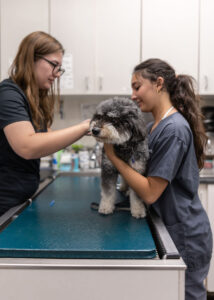
Our veterinary team evaluates many urgent rabbit and guinea pig cases during regular business hours and can provide daytime hospitalization and supportive treatment when medically appropriate and resources allow.
Please call before arriving. We are not a 24-hour emergency hospital.
What Is GI Stasis in Rabbits and Guinea Pigs?
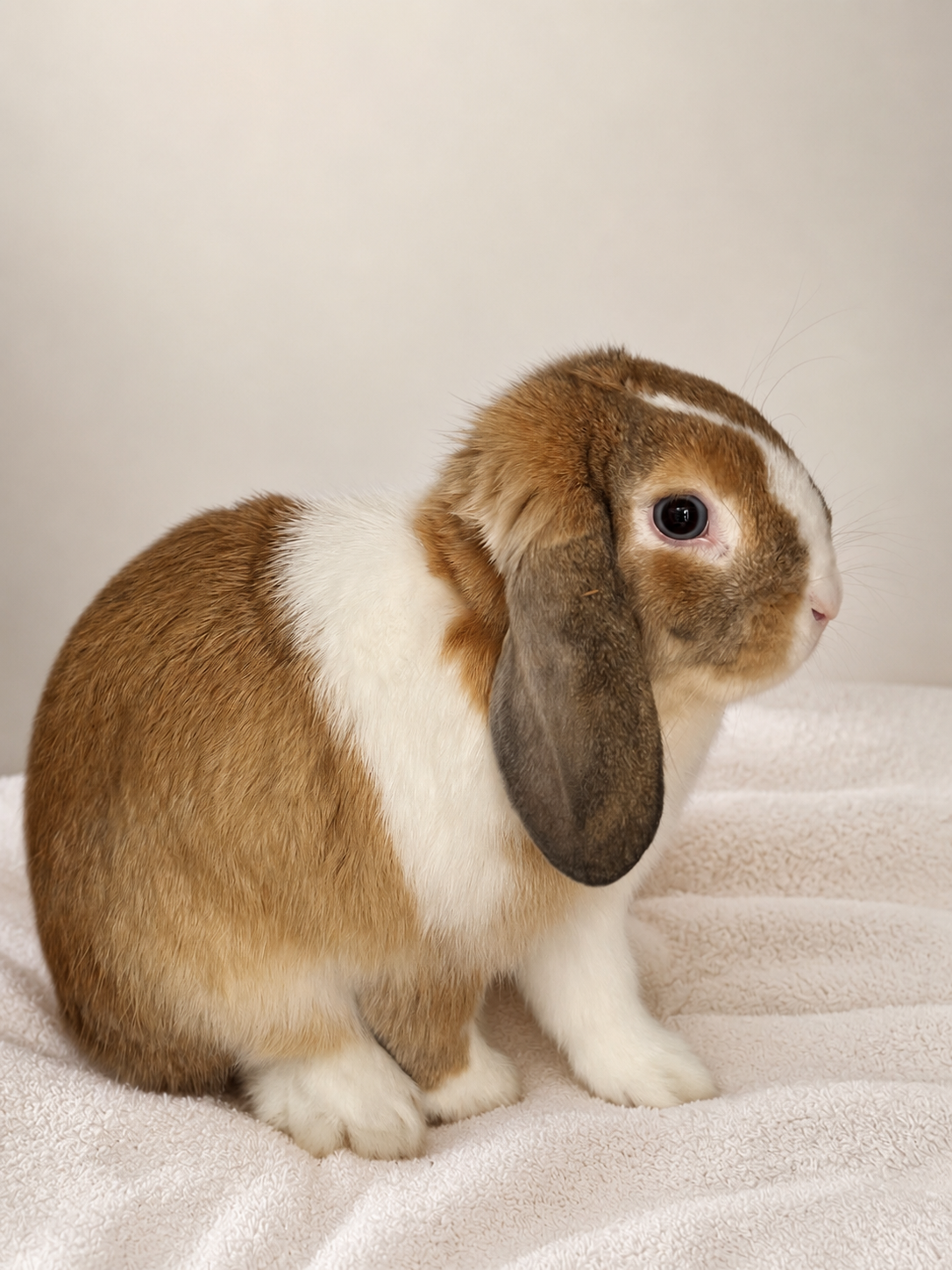
Rabbits and guinea pigs are hindgut fermenters. Their digestive systems depend on steady consumption of fibrous plants and normal movement through the stomach, intestines, and the large fermentation chamber called the cecum.
When food intake or intestinal movement slows, the contents may become dehydrated, gas can accumulate, and the pet may experience significant pain.
GI stasis (gastrointestinal hypomotility) describes this slowdown. It is often a consequence of an underlying problem—such as dental disease, dehydration, pain, infection, stress, urinary disease, or inappropriate diet—rather than a complete diagnosis by itself.
Mechanical obstruction can cause similar signs but may require very different, sometimes surgical, treatment. This distinction is why an examination matters before starting home remedies.
Rabbits and guinea pigs may appear relatively quiet even when ill. Owners often notice subtle changes before dramatic symptoms appear: a favorite food left untouched, hay consumption dropping, or fewer droppings than usual.
For species-specific information, see our rabbit veterinary care guide and guinea pig veterinary care guide.
Signs of GI Stasis: When to Call a Veterinarian
Seek prompt veterinary evaluation if your rabbit or guinea pig shows one or more of the following changes:
- Stops eating, refuses hay, or eats substantially less than normal.
- Produces smaller, fewer, misshapen, or no fecal pellets.
- Sits hunched, hides, becomes unusually quiet, or resists movement.
- Grinds teeth in apparent pain or seems uncomfortable when handled.
- Develops abdominal swelling, bloating, or a firm or painful belly.
- Drools, drops food, struggles to chew, or prefers soft foods to hay.
- Becomes lethargic, weak, cold, or less responsive than usual.
Emergency warning: A severely bloated abdomen, collapse, marked weakness, cold body temperature, difficulty breathing, or profound unresponsiveness requires immediate emergency veterinary attention.
If ABAC is closed or cannot safely accommodate your pet, go to an emergency or exotic-animal facility that confirms it treats your pet’s species. Do not delay care while arranging a routine appointment.
My Rabbit or Guinea Pig Isn’t Eating—What Should I Do Right Now?
- Call a veterinarian immediately. Report your pet’s species, age, when it last ate normally, whether droppings have decreased, and whether the abdomen looks swollen.
- Keep the pet calm and safely transported. Use a secure, ventilated carrier with familiar bedding or hay. Avoid overheating, chilling, and unnecessary handling.
- Offer normal hay and water if your pet is alert and willing. Do not delay veterinary care while trying to encourage eating.
- Do not force-feed or give gut-motility drugs without veterinary direction. Syringe feeding, abdominal manipulation, and certain medications can be unsafe when obstruction, severe bloating, or aspiration risk is present.
- Avoid unproven remedies. Do not give laxatives, mineral oil, human pain relievers, pineapple juice, or leftover antibiotics to treat suspected GI stasis.
There is no reliable, universal number of hours it is “safe” for a rabbit or guinea pig to go without eating. A major sudden decline in appetite or droppings deserves a call now, not after a predetermined waiting period.
What Causes GI Stasis in Rabbits and Guinea Pigs?
Dental Pain and Difficulty Chewing
Both rabbits and guinea pigs have continuously growing teeth. Painful cheek-tooth disease can make an animal avoid coarse hay while still taking softer foods.
A pet that seems “picky” may actually be unable to chew comfortably. Dental evaluation is therefore an important part of many appetite-loss investigations.
Too Little Fiber, Dehydration, or Sudden Diet Changes
For most healthy adult rabbits and guinea pigs, suitable grass hay should be available continuously.
Diets dominated by sugary treats or inappropriate pellets can interfere with normal digestive function. Inadequate water intake and sudden food changes may worsen the problem.
See our exotic-pet nutrition and husbandry counseling and rabbit hay and feeding guide.
Pain, Stress, Temperature, and Other Illness
Urinary problems, arthritis, infection, injuries, heat stress, stressful environmental changes, and other systemic conditions can reduce appetite and intestinal movement.
Some medications also affect gut function.
Guinea pigs have the additional requirement for an adequate daily dietary vitamin C supply. Vitamin C deficiency can contribute to pain and other illness, although it is not the only explanation for reduced appetite.
Our rabbit heat-safety guide explains why heat stress deserves particular attention.
A True Obstruction Must Be Considered
A physical blockage can look like uncomplicated GI slowdown but may cause severe stomach enlargement and rapid deterioration.
Rabbits cannot vomit to relieve a distended stomach. Severe pain, a swollen abdomen, and sudden refusal to eat make prompt veterinary assessment especially important.
Do not assume the problem is merely a “hairball.”
How a Veterinarian Diagnoses GI Stasis
At Aliso Beach Animal Clinic in South Laguna Beach, an urgent examination begins with assessment of your pet’s stability, temperature, hydration, weight, abdominal comfort, breathing, and oral or dental health.
We ask about hay intake, droppings, recent diet changes, medications, and the duration of symptoms.
Depending on your pet’s condition and size, the veterinarian may recommend digital X-rays to assess the stomach and intestinal contents and help distinguish generalized slowdown from possible obstruction.
Laboratory testing, urinalysis, dental imaging, or other diagnostics may be useful when clinically indicated.
Not every patient needs every test; diagnostics are chosen based on the examination and the risks involved.
The most important question is not simply “How do we make the gut move?” but “Why did this pet stop eating or passing normal stool?”
Treatment should address the underlying cause as well as dehydration, pain, and nutritional risk.
GI Stasis Treatment and Daytime Hospitalization at Aliso Beach Animal Clinic
Some rabbits and guinea pigs need more than an office examination.
Depending on the diagnosis and the patient’s stability, Aliso Beach Animal Clinic can provide same-day urgent veterinary evaluation and daytime hospitalization for eligible rabbit and guinea pig patients during regular hospital hours.
Call first so our team can assess availability and prepare.
An individualized treatment plan may include:
- Fluid therapy: To address dehydration, using an appropriate route determined by the veterinarian.
- Species-appropriate pain management: Abdominal pain can discourage eating and worsen GI slowdown.
- Warmth, nursing care, and reassessment: Monitoring comfort, temperature, hydration, appetite, and fecal production.
- Nutritional support: Provided when medically safe. Assisted feeding is not automatically appropriate before obstruction has been considered or excluded.
- Additional medications or treatment: Targeted to the underlying cause, sometimes including carefully selected motility-supporting medications after appropriate assessment.
- Further diagnostics or referral: If the patient is unstable, a blockage or other surgical condition is suspected, or advanced or overnight care is needed.
Important limitation: ABAC is not a 24-hour emergency hospital. Patients requiring continuous overnight monitoring, intensive critical care, or advanced emergency surgery may need referral to a hospital that can treat their species.
We will help determine an appropriate next step based on the individual case.
For more about our clinic’s availability and triage approach, see same-day urgent care for exotic pets and general veterinary urgent care.
Can a Rabbit or Guinea Pig Recover From GI Stasis?
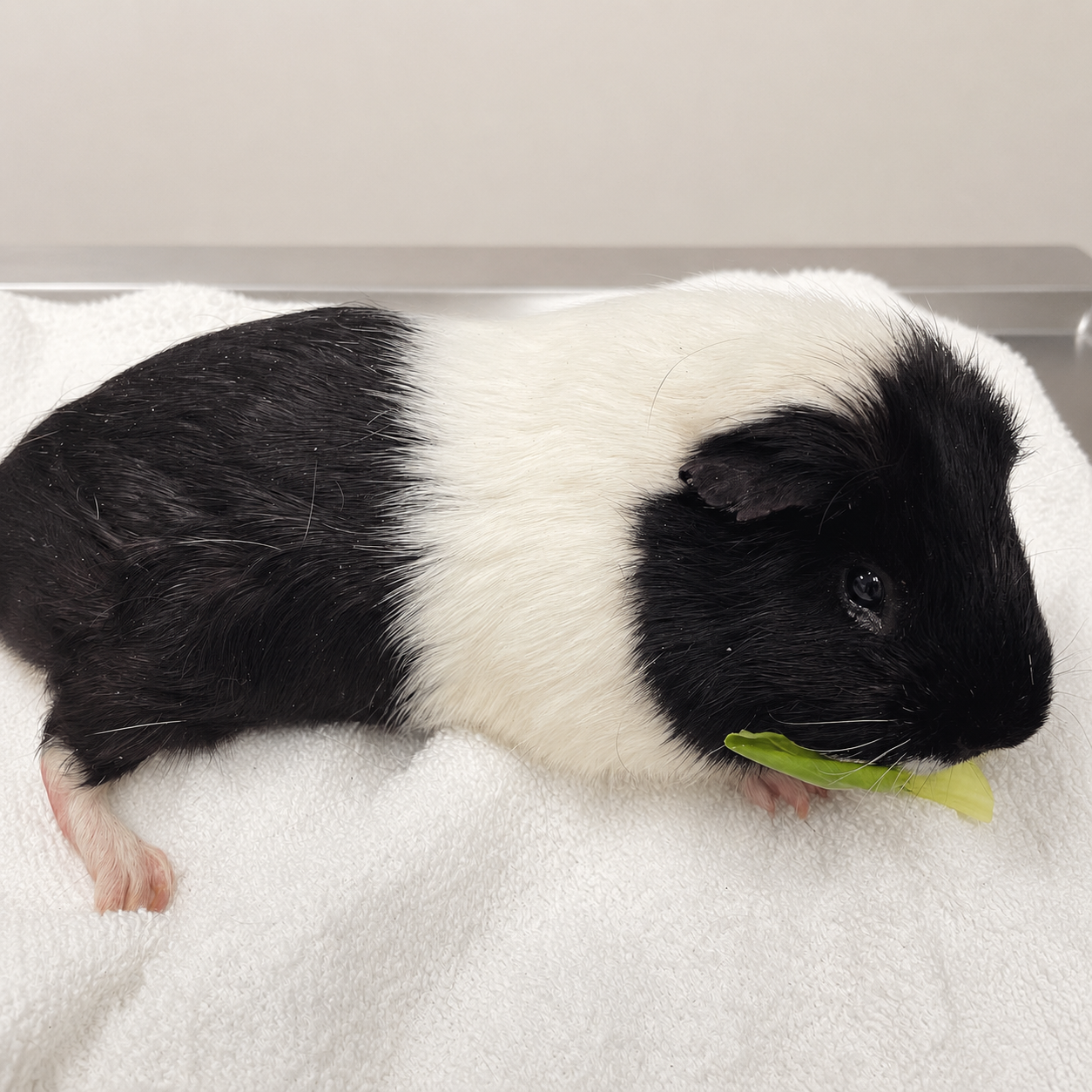
Many animals improve with timely, appropriate treatment, particularly when the underlying cause is identified and addressed.
Recovery depends on severity, hydration, pain, whether an obstruction or other illness is present, and how quickly eating and normal droppings resume.
Some patients need repeated examinations or further hospitalization.
A temporary appetite improvement is not a substitute for follow-up if fecal output or behavior remains abnormal.
How to Lower the Risk of Another Episode
- Keep suitable grass hay available at all times for most healthy adult rabbits and guinea pigs.
- Provide reliable fresh water, a suitable species-specific diet, and appropriate exercise and enrichment.
- Ensure guinea pigs receive an appropriate daily dietary source of vitamin C.
- Monitor daily food intake, body weight trends, and droppings.
- Schedule dental and wellness examinations, especially when a pet avoids hay or repeatedly has digestive concerns.
- Avoid abrupt diet changes and reduce overheating, prolonged stress, and unsafe chewing hazards.
- Ask the veterinarian about a prevention plan after any GI-stasis episode.
Frequently Asked Questions About GI Stasis
Is GI stasis in rabbits an emergency?
Yes. A rabbit that suddenly stops eating or producing normal droppings may deteriorate rapidly. GI stasis and obstruction can look alike, so seek immediate veterinary guidance rather than waiting overnight.
Is GI stasis in guinea pigs serious?
Yes. Guinea pigs with reduced appetite and fewer droppings need urgent evaluation. Dental problems, dehydration, infection, painful urinary conditions, and other illnesses may trigger digestive slowdown.
My rabbit or guinea pig still eats treats but refuses hay. Can I wait?
No. A change from normal hay consumption can be an early sign of dental pain or another health problem, even when the pet accepts treats or softer foods. Contact a veterinarian promptly.
Should I give Critical Care or syringe-feed at home?
Only under veterinarian-specific direction. Assisted feeding may be helpful for selected patients, but can be dangerous when obstruction, marked bloating, or an inability to swallow safely is present.
Can a vet near me hospitalize a rabbit or guinea pig with GI stasis?
Some veterinary hospitals that treat exotic pets can provide hospitalization.
In Laguna Beach, Aliso Beach Animal Clinic offers daytime hospitalization and urgent assessment for appropriate rabbit and guinea pig patients, subject to staffing, capacity, and the animal’s medical condition.
Call (949) 499-4190 to discuss your pet’s symptoms. Overnight or intensive-care needs may require referral.
Do rabbits get GI stasis from hairballs?
Hair may accumulate when digestive movement slows, but simply treating a presumed “hairball” may miss the more important underlying cause. Dental pain, dehydration, dietary problems, and true obstruction should be considered.
Urgent Rabbit and Guinea Pig Veterinary Care in Laguna Beach
If you are searching for an exotic-pet vet near me because your rabbit stopped eating or your guinea pig has stopped passing normal droppings, contact our team promptly.
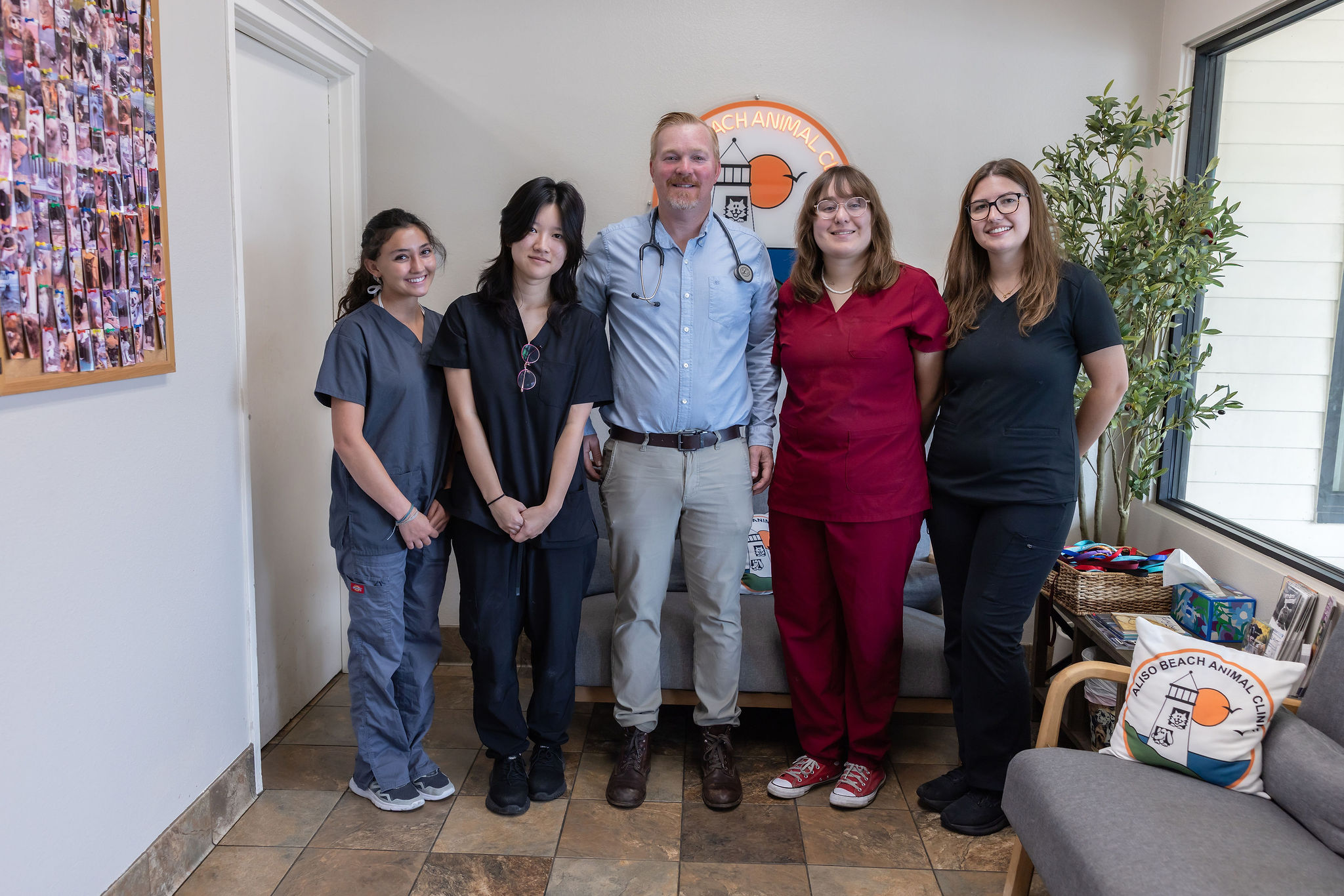
Aliso Beach Animal Clinic is an independently owned veterinary hospital at 30816 Coast Highway, Laguna Beach, CA 92651, directly across from Montage Laguna Beach.
We serve pet owners in South Laguna, Laguna Beach, Dana Point, Monarch Beach, Laguna Niguel, and surrounding South Orange County communities.
Clinic hours: Monday–Friday, 7:30 a.m.–4:30 p.m.; Saturday, 8 a.m.–12 p.m.; Sunday closed.
Urgent-patient capacity varies. Call before arriving.
Call (949) 499-4190 about an urgent rabbit or guinea pig examination or view directions and contact details.
If your pet is critically ill, or if our hospital is closed, seek immediate care from a facility able to treat rabbits or guinea pigs.
Veterinary References and Further Reading
- Merck Veterinary Manual: Noninfectious Diseases of Rabbits — GI slowdown, obstruction concerns, and treatment principles.
- University of Illinois College of Veterinary Medicine: Rabbit Gastrointestinal Stasis Syndrome — veterinary diagnosis and supportive care.
- Merck Veterinary Manual: Noninfectious Diseases of Guinea Pigs — underlying medical concerns.
- VCA Animal Hospitals: Health Problems in Guinea Pigs — warning signs and digestive disease.
Educational information from Aliso Beach Animal Clinic. This article is not a diagnosis or a substitute for veterinary examination. Treatment and hospitalization decisions are based on an individual patient’s condition.