


Pet Breathing Trouble: When Rapid, Labored or Open-Mouth Breathing Is an Emergency
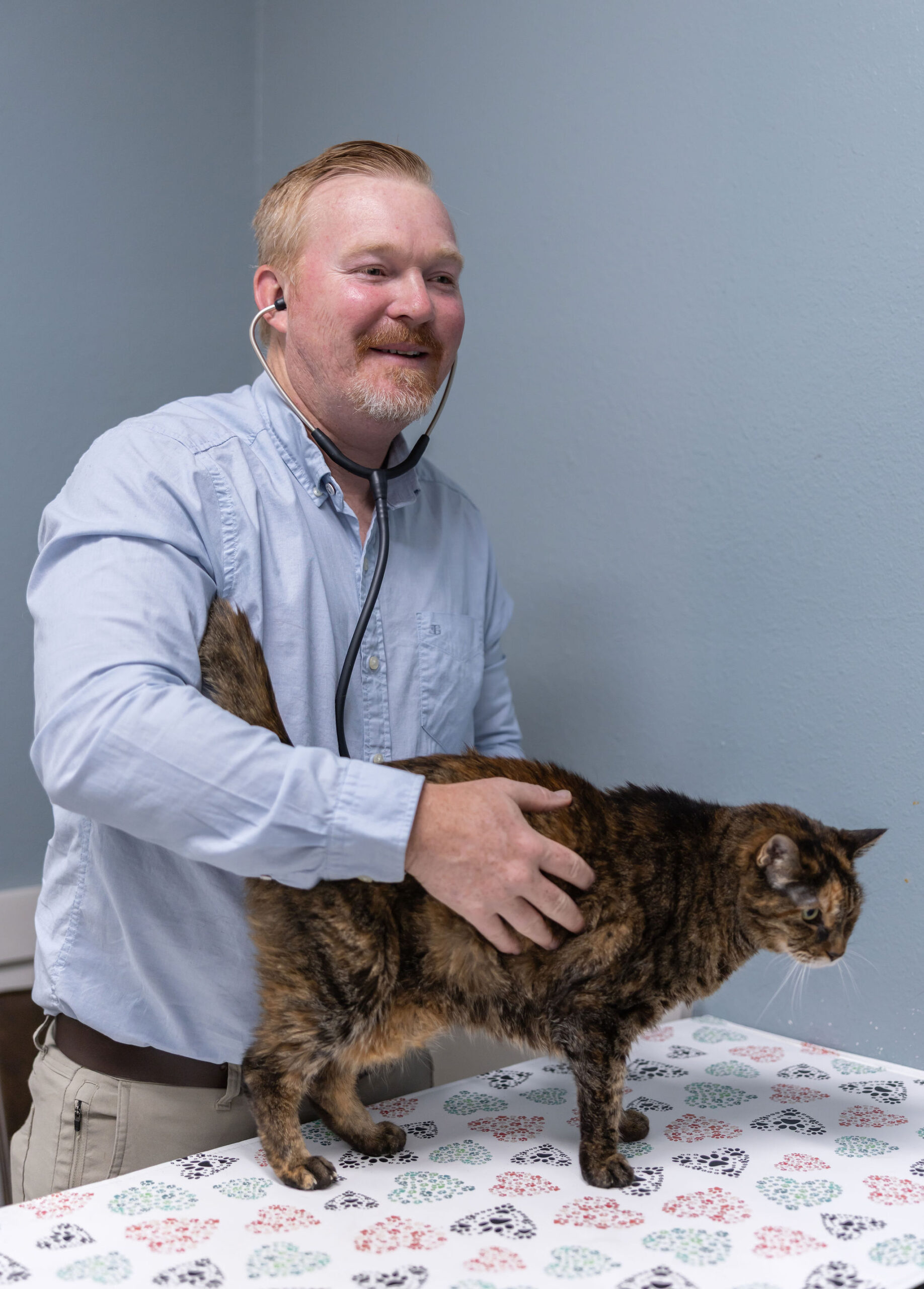
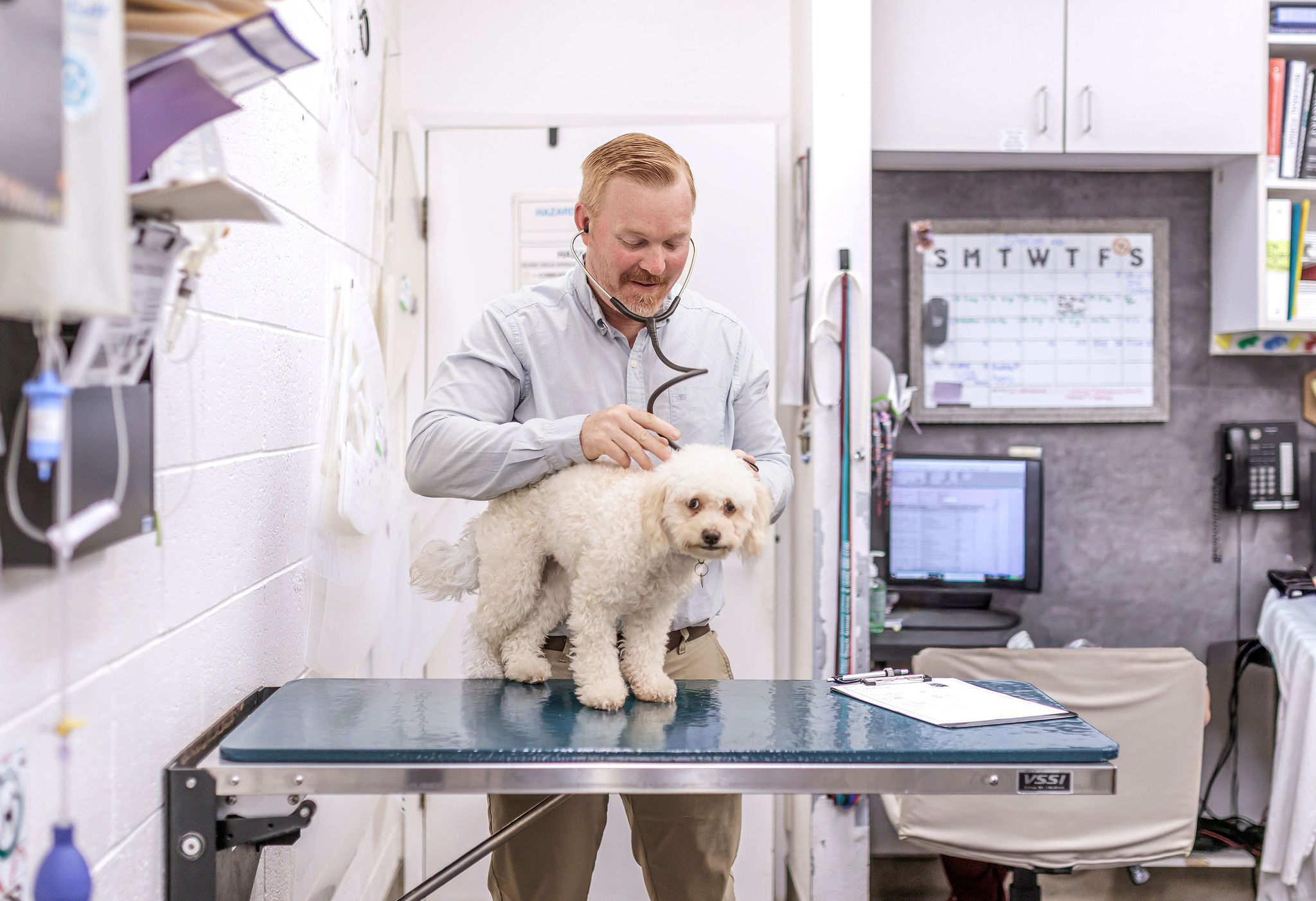
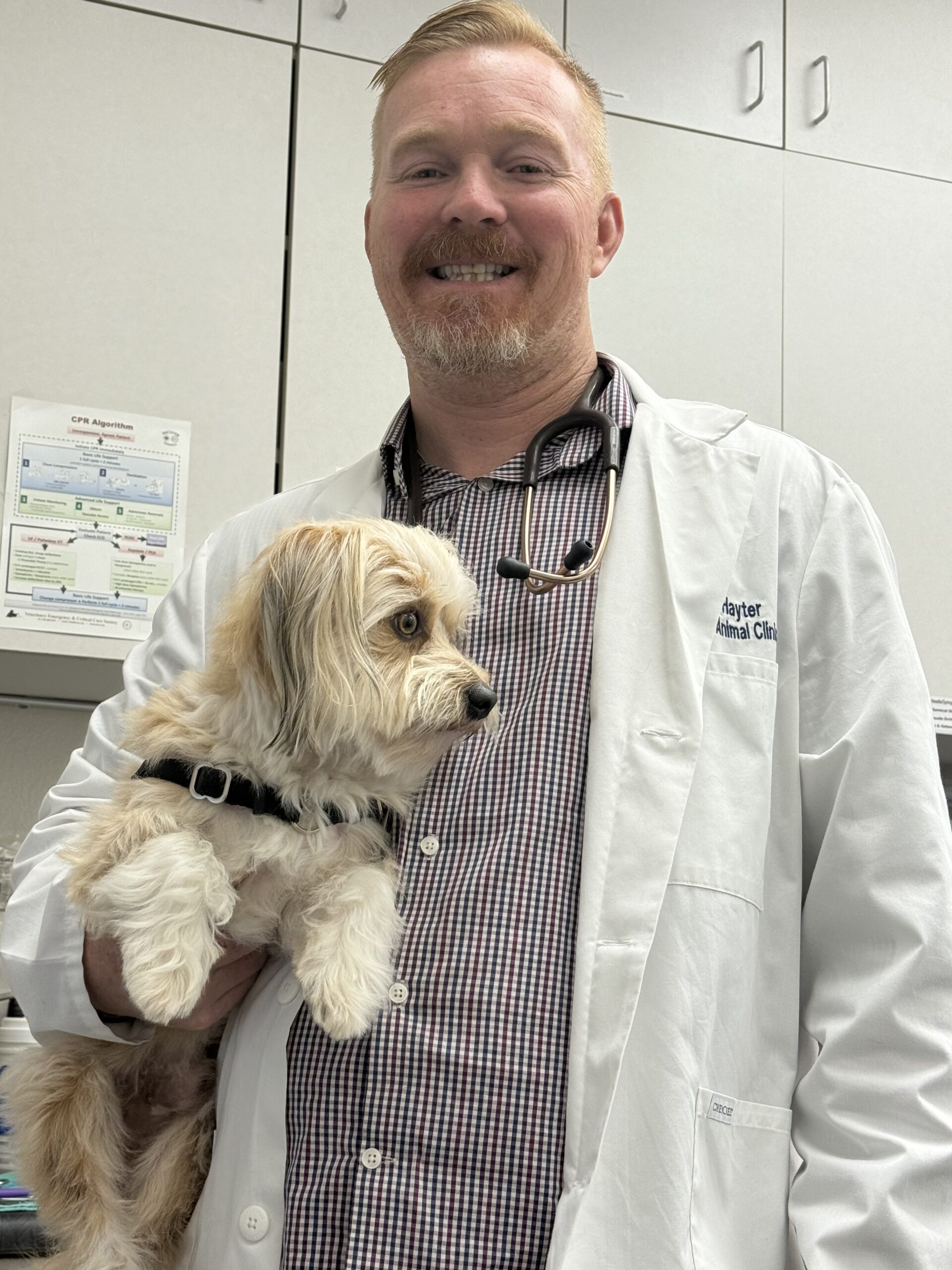
Medically reviewed by Bryan Hayter, DVM, Owner and Medical Director of Aliso Beach Animal Clinic. Last reviewed: .
If your dog is breathing unusually fast while resting, your cat suddenly starts breathing with an open mouth, or your rabbit, guinea pig, bird, reptile, or other exotic pet appears to be struggling for air, it is important to take the change seriously. Pet breathing difficulty can become life-threatening quickly, and respiratory distress is not a symptom to simply watch overnight.
At Aliso Beach Animal Clinic, our independently owned veterinary clinic and animal hospital in Laguna Beach evaluates dogs, cats, and many exotic pets with coughing, rapid breathing, abnormal respiratory effort, sudden weakness, and other urgent medical concerns during regular business hours when the patient’s condition and hospital availability allow.
Our Coast Highway location serves pet owners throughout Laguna Beach, South Laguna, Aliso Beach, Three Arch Bay, Monarch Beach, Dana Point, Laguna Niguel, Aliso Viejo, and surrounding coastal Orange County communities.
Breathing emergencies should not wait. If your pet has severe difficulty breathing, blue, gray or very pale gums, is gasping, collapsing, choking, unable to remain standing, or appears to be rapidly deteriorating, seek immediate emergency veterinary care. If Aliso Beach Animal Clinic is closed or your pet needs 24-hour intensive monitoring or emergency-level treatment, go directly to an appropriate 24-hour veterinary emergency hospital.
CALL (949) 499-4190 | SAME-DAY URGENT VETERINARY CARE | EMERGENCY & URGENT-CARE GUIDE
Emergency Signs: When Breathing Trouble Cannot Wait
Breathing is one of the body’s most essential functions. When an animal can no longer move air effectively or deliver enough oxygen to its tissues, deterioration can occur rapidly.
According to the American Animal Hospital Association , difficulty breathing is among the clinical signs that may represent a veterinary emergency.
Seek emergency veterinary care immediately if your pet has:
- Obvious struggling, gasping, or markedly labored breathing
- Blue, gray, purple, or unusually pale gums or tongue
- Open-mouth breathing that is abnormal for the species
- Pronounced movement of the abdomen with each breath
- An extended head and neck while trying to breathe
- Inability or unwillingness to lie down comfortably
- Sudden collapse, fainting, profound weakness, or inability to stand
- Choking or suspected airway obstruction
- Severe swelling of the face, throat, or tongue
- Breathing difficulty following trauma, toxin exposure, smoke exposure, or a severe allergic reaction
- Breathing trouble that is worsening over minutes or hours
The MSD Veterinary Manual describes increased breathing rate and effort, altered posture, open-mouth breathing, and abnormal mucous-membrane color as important signs of respiratory compromise.
If your pet also collapses or faints, read our veterinarian’s guide to fainting, collapse, and sudden weakness in dogs and cats.
Is My Pet Panting — or Actually Having Trouble Breathing?
One of the most difficult questions for pet owners is deciding whether a change in breathing is normal or dangerous.
Normal panting in dogs
Dogs may pant after exercise, during excitement, or when they are warm. Normal panting should begin to improve after the dog rests in a comfortable environment.
Breathing becomes more concerning when:
- The pet is breathing rapidly despite being completely at rest
- The breathing appears harder rather than simply faster
- The abdomen is visibly helping push each breath
- The nostrils flare repeatedly
- The neck remains stretched forward
- The elbows are held away from the body
- The pet cannot comfortably settle or sleep
- Breathing sounds unusually loud, harsh, wheezy, raspy, or wet
- The pet appears anxious, weak, disoriented, or exhausted
- The gums or tongue change color
A pet’s breathing effort, posture, gum color, behavior, and ability to rest comfortably can be as important as the respiratory rate itself.
How to count your pet’s breathing rate
If your pet is calm and comfortable — and is not currently struggling to breathe — you can observe the chest while the pet is sleeping or quietly resting.
- Watch the chest rise and fall.
- One complete rise and fall counts as one breath.
- Count for 30 seconds.
- Multiply by two to calculate breaths per minute.
The number should always be interpreted in context. Exercise, heat, excitement, pain, fear, fever, medications, and disease can all alter respiratory rate. A persistent change from your pet’s normal resting pattern deserves veterinary attention.
What Can Cause Rapid or Labored Breathing in a Pet?
Respiratory distress is a clinical sign, not a diagnosis. The underlying problem may originate in the nose, throat, trachea, lungs, airways, heart, chest cavity, blood, or elsewhere in the body.
The MSD Veterinary Manual groups important causes of respiratory disease into categories that include inflammatory or infectious disease, cardiac disease, congenital conditions, and pleural-space disease.
Potential causes include:
- Pneumonia
- Bronchitis or lower-airway inflammation
- Asthma in cats
- Heart disease or congestive heart failure
- Fluid surrounding the lungs
- Fluid within the lungs
- Pneumothorax, or air around the lungs
- Upper-airway obstruction
- Foreign material in an airway
- Laryngeal disease
- Tracheal collapse
- Brachycephalic obstructive airway disease
- Severe allergic reactions
- Heatstroke
- Smoke or irritant inhalation
- Trauma to the chest
- Anemia or significant blood loss
- Some toxins
- Cancer affecting the lungs, heart, chest, or airway
- Infectious disease
- Species-specific husbandry or nutritional problems in exotic pets
Because very different diseases can produce similar outward signs, trying to diagnose respiratory difficulty at home is risky.
Breathing Problems in Dogs: When Panting Becomes an Emergency
Dogs normally breathe with their mouths open when panting, so respiratory distress can sometimes be less obvious in a dog than in a cat.
Pay particular attention to how hard your dog is working to breathe.
Warning signs in dogs include:
- Rapid breathing while resting
- Heavy panting that does not improve with rest
- Abdominal effort with each breath
- Standing with the elbows held away from the chest
- Stretching the head and neck forward to breathe
- Noisy inhalation or exhalation
- Wheezing
- Repeated coughing
- Weakness or collapse
- Blue, gray, purple, or unusually pale gums
- Inability to lie down comfortably
Brachycephalic dogs deserve extra caution
Short-nosed breeds such as French Bulldogs, English Bulldogs, Pugs, Boston Terriers, and similar breeds may have anatomically restricted upper airways. Heat, excitement, inflammation, obesity, and exertion can make breathing problems significantly worse.
The MSD Veterinary Manual lists brachycephalic obstructive airway syndrome, laryngeal problems, tracheal obstruction, foreign bodies, and swelling among potential causes of significant upper-airway compromise.
Cat Breathing Difficulty: Open-Mouth Breathing Is Especially Concerning
A cat breathing with its mouth open should be treated very differently from a dog that is casually panting.
Cats generally breathe quietly through their noses. Open-mouth breathing, pronounced abdominal effort, a crouched posture, neck extension, or an inability to become comfortable can indicate significant respiratory distress.
The Cornell Feline Health Center notes that common causes of feline respiratory distress include asthma, congestive heart failure, and pleural effusion — fluid accumulating around the lungs.
Signs of breathing trouble in cats can include:
- Open-mouth breathing or panting
- Rapid breathing while resting
- Strong movement of the chest or abdomen
- Crouching with the neck extended
- Wheezing
- Coughing or hacking
- Suddenly hiding or becoming unusually quiet
- Weakness or collapse
- Pale, gray, or blue gums
A coughing cat may look like a cat trying to vomit
Some cats with asthma or airway disease crouch low, extend the neck, cough repeatedly, and then gag. Owners sometimes assume the cat is trying to produce a hairball.
If this behavior is recurring, particularly if breathing appears abnormal between episodes, veterinary evaluation is warranted.
For a broader discussion of feline medicine, preventive care, urgent symptoms, diagnostics, and hospital care, see our Cat Care in Laguna Beach guide.
Breathing Problems in Exotic Pets
Breathing difficulty can be especially challenging in exotic-animal medicine because rabbits, guinea pigs, birds, reptiles, and other small species often conceal illness until disease is more advanced.
A seemingly subtle change in respiratory noise, posture, activity, appetite, or behavior may therefore matter.
Aliso Beach Animal Clinic provides veterinary care for many exotic and nontraditional companion animals, including rabbits, guinea pigs, chinchillas, hamsters, reptiles, tortoises, backyard chickens, and selected companion birds. Please call before arriving so we can confirm that we can appropriately accommodate your pet’s species and medical condition.
Rabbit Breathing Difficulty
Rabbits are obligate or near-obligate nasal breathers under normal circumstances, so obvious respiratory effort deserves prompt attention.
According to the MSD Veterinary Manual’s rabbit health guidance , trouble breathing is a sign for which owners should contact a veterinarian promptly.
Watch for:
- Nasal discharge
- Repeated sneezing associated with illness
- Noisy or labored breathing
- Reduced appetite
- Reduced activity
- Abnormal posture
- Weakness
- Obvious breathing difficulty
Loss of appetite accompanying respiratory disease is particularly important in rabbits because reduced food intake can create additional gastrointestinal complications.
Guinea Pig Breathing Difficulty
Respiratory disease can progress rapidly in guinea pigs. Bacterial pneumonia is an important disease in this species, and affected guinea pigs may develop nasal discharge, increased respiratory noise, reduced appetite, lethargy, or difficulty breathing.
The MSD Veterinary Manual recommends immediate veterinary attention when a guinea pig is experiencing breathing difficulty.
Open-mouth breathing in a guinea pig should be treated as an urgent medical sign.
Do not give a guinea pig leftover antibiotics from another pet. Guinea pigs are unusually sensitive to several medications that may be routinely used in dogs or cats, and inappropriate antibiotics can cause serious gastrointestinal disease.
Bird Breathing Difficulty: Watch for Tail Bobbing
Birds have a highly specialized respiratory system involving lungs and air sacs. Because sick birds instinctively conceal weakness, significant disease may already be present before obvious respiratory signs develop.
Concerning respiratory signs in birds include:
- Open-mouth breathing
- Tail bobbing with each breath
- Wheezing, clicking, or unusual respiratory sounds
- Change in voice
- Nasal discharge
- Reduced ability to perch
- Sitting on the cage floor
- Fluffed feathers with reduced activity
- Weakness
The MSD Veterinary Manual recommends assessing birds with respiratory distress from a distance before restraint because handling itself may worsen respiratory compromise.
For that reason, minimize unnecessary handling of a bird that is visibly struggling to breathe and call before transporting the bird so the veterinary team can provide appropriate instructions.
Reptile & Tortoise Breathing Problems
Respiratory disease in reptiles may be associated with infection, parasites, nutritional problems, inappropriate temperature or humidity, poor ventilation, or other underlying disease.
The MSD Veterinary Manual lists open-mouth breathing, nasal discharge, and difficulty breathing among common signs of reptile respiratory disease.
Possible warning signs include:
- Open-mouth breathing when not thermoregulating normally
- Wheezing or clicking
- Mucus around the nose or mouth
- Bubbles from the nose
- Repeated extension of the neck to breathe
- Loss of appetite
- Lethargy
- Abnormal buoyancy in aquatic turtles
For reptiles, a medical evaluation should include a careful review of husbandry because enclosure temperature, humidity, ventilation, lighting, diet, and sanitation can directly affect respiratory health.
Explore our exotic-pet veterinary services and species-specific care guides for additional husbandry information.
What Should I Do if My Pet Is Struggling to Breathe?
If your pet appears to be experiencing respiratory distress, the goal is to get professional veterinary care while minimizing anything that increases oxygen demand or stress.
- Keep your pet as calm as possible. Excitement and struggling increase oxygen demand.
- Limit unnecessary handling. Allow the pet to remain in the position in which breathing seems easiest.
- Keep the environment comfortably cool. This is particularly important if heat or heavy panting may be contributing.
- Do not force food or water. A struggling animal can aspirate material into the airway.
- Do not give human medication. Cough medicine, antihistamines, inhalers, sedatives, and other medications should not be given unless specifically directed by a veterinarian for that patient.
- Do not place a tight muzzle on an animal struggling to breathe.
- Seek veterinary care promptly. Severe respiratory distress warrants direct emergency evaluation.
For birds and fragile exotic pets, unnecessary restraint can be particularly stressful. Call ahead when possible so the veterinary team can advise you on safe transport.
How Does a Veterinarian Diagnose Breathing Difficulty?
With a patient in respiratory distress, stabilization may need to come before a complete diagnostic workup. Excessive restraint or immediately performing multiple tests can worsen respiratory compromise in an unstable animal.
A veterinarian may initially observe:
- Breathing rate and effort
- Breathing pattern
- Posture
- Gum or mucous-membrane color
- Mental alertness
- Heart rate and pulse quality
- Chest and airway sounds
- Temperature
Once the patient is stable enough, diagnostics may include:
- Physical examination
- Pulse oximetry
- Blood work
- Digital chest X-rays
- Neck X-rays when upper-airway disease is suspected
- Ultrasound
- Heart evaluation
- Infectious-disease testing
- Airway sampling in selected cases
- Thoracocentesis when fluid or air around the lungs is suspected and drainage is medically indicated
Aliso Beach Animal Clinic offers in-house veterinary laboratory testing and diagnostics and digital veterinary radiology in Laguna Beach.
Diagnostic tests are chosen according to the patient’s stability, species, medical history, examination findings, and the veterinarian’s assessment of the most likely causes.
How Is Respiratory Distress Treated?
There is no single treatment for breathing difficulty because respiratory distress can result from many different diseases.
Initial treatment may focus on improving oxygen delivery and reducing stress while the underlying cause is identified.
Depending on the diagnosis and severity, treatment may involve:
- Supplemental oxygen
- Careful temperature control
- Medications to open constricted airways when appropriate
- Anti-inflammatory treatment when medically indicated
- Treatment of pneumonia or other infection
- Medications for heart failure
- Drainage of fluid or air from the chest cavity
- Treatment of an allergic reaction
- Removal of an airway foreign body
- IV medications or supportive care
- Hospital monitoring
- Referral or transfer for specialty or 24-hour critical care
For example, Cornell notes that feline respiratory distress caused by asthma may require airway-opening medication, while pleural effusion may require drainage of fluid surrounding the lungs.
The correct treatment depends entirely on why the animal cannot breathe normally.
Same-Day Urgent Veterinary Care for Breathing Concerns in Laguna Beach
Aliso Beach Animal Clinic provides same-day urgent veterinary care in Laguna Beach during regular business hours when availability and the patient’s condition allow.
Our hospital is located at:
Aliso Beach Animal Clinic
30816 Coast Highway
Laguna Beach, CA 92651
Directly across from Montage Laguna Beach
We regularly serve families from Laguna Beach, South Laguna, Three Arch Bay, Monarch Beach, Dana Point, Laguna Niguel, Aliso Viejo, Newport Coast, and surrounding South Orange County communities.
Current clinic hours
- Monday–Friday: 7:30 a.m.–4:30 p.m.
- Saturday: 8:00 a.m.–12:00 p.m.
- Sunday: Closed
Aliso Beach Animal Clinic is not a 24-hour emergency hospital.
If your pet is severely struggling to breathe, appears blue or gray, is collapsing, choking, or otherwise appears critically ill, the safest choice may be to go directly to a 24-hour veterinary emergency hospital rather than delaying treatment.
For help deciding between same-day urgent care and a 24-hour ER, review our Laguna Beach Pet Emergency & Urgent-Care Guide.
Pet Breathing Difficulty FAQ
Why is my dog breathing fast while resting?
Rapid breathing at rest can occur with pain, heat, stress, fever, lung disease, airway disease, heart disease, anemia, metabolic illness, toxins, or other medical problems. If the breathing is persistent, unusually fast for your dog, or accompanied by increased effort, weakness, coughing, pale or blue gums, or inability to rest comfortably, seek veterinary care promptly.
How can I tell if my dog is panting normally or struggling to breathe?
Normal panting usually improves after exercise or excitement stops and the dog cools down. Respiratory distress is more likely when breathing remains rapid at rest, the abdomen is working hard with each breath, the dog stretches its neck, holds its elbows outward, cannot lie comfortably, becomes weak, or develops abnormal gum color.
Is open-mouth breathing in a cat an emergency?
It can be. Cats do not normally pant the way dogs do. Persistent open-mouth breathing or panting in a resting cat should be treated as a potentially serious respiratory sign and evaluated promptly.
Can a cat coughing look like a hairball?
Yes. Cats with asthma or other airway disease may crouch low, extend the neck, cough repeatedly, and gag afterward. Owners sometimes mistake this posture for an attempt to vomit or produce a hairball.
Why is my rabbit breathing hard?
Respiratory infection, heat stress, cardiac disease, pain, airway disease, and other illnesses can cause abnormal breathing in rabbits. Because rabbits often conceal illness and can deteriorate rapidly, obvious breathing difficulty warrants prompt veterinary attention.
Is open-mouth breathing normal in a guinea pig?
No. Open-mouth breathing in a guinea pig can indicate serious respiratory compromise and warrants immediate veterinary evaluation.
What does tail bobbing mean in a bird?
A bird whose tail moves noticeably up and down with each breath may be recruiting additional body movement to breathe. Persistent tail bobbing, especially with open-mouth breathing, weakness, reduced perching, or abnormal respiratory sounds, can indicate respiratory distress.
Why is my tortoise or reptile breathing with its mouth open?
Some reptiles may temporarily open their mouths during normal thermoregulation or species-specific behavior, but repeated open-mouth breathing accompanied by mucus, nasal discharge, wheezing, lethargy, appetite loss, or neck extension can indicate respiratory disease and should be evaluated by an exotic veterinarian.
Should I give my pet an inhaler or medication at home?
Only if that medication has already been prescribed specifically for that pet and your veterinarian has instructed you when and how to use it. Do not give human respiratory medications or another animal’s medication without veterinary guidance.
Should I drive to Aliso Beach Animal Clinic or a 24-hour emergency hospital?
During business hours, call Aliso Beach Animal Clinic if your pet has a respiratory concern so our team can assess availability and advise you on the safest next step. Severe respiratory distress, blue or gray gums, collapse, choking, major trauma, rapidly worsening breathing, or a patient likely to require ICU-level or overnight care may require direct transport to a 24-hour emergency hospital.
Veterinary Sources & Further Reading
This article was developed using current veterinary emergency, internal-medicine, feline, and exotic-animal references. Individual diagnosis and treatment require examination of the patient.
- American Animal Hospital Association — Help! Is This a Pet Emergency?
- MSD Veterinary Manual — Initial Triage and Resuscitation of Small Animal Emergency Patients
- MSD Veterinary Manual — Clinical Signs of Respiratory Disease in Animals
- Cornell Feline Health Center — Dyspnea (Difficulty Breathing)
- MSD Veterinary Manual — Illness of Rabbits
- MSD Veterinary Manual — Common Health Problems of Guinea Pigs
- MSD Veterinary Manual — Management of Pet Birds
- MSD Veterinary Manual — Disorders and Diseases of Reptiles
This article is for educational purposes and is not a substitute for examination, diagnosis, or treatment by a veterinarian. Breathing difficulty can become life-threatening quickly. If your pet appears to be in severe respiratory distress, seek immediate veterinary care.