

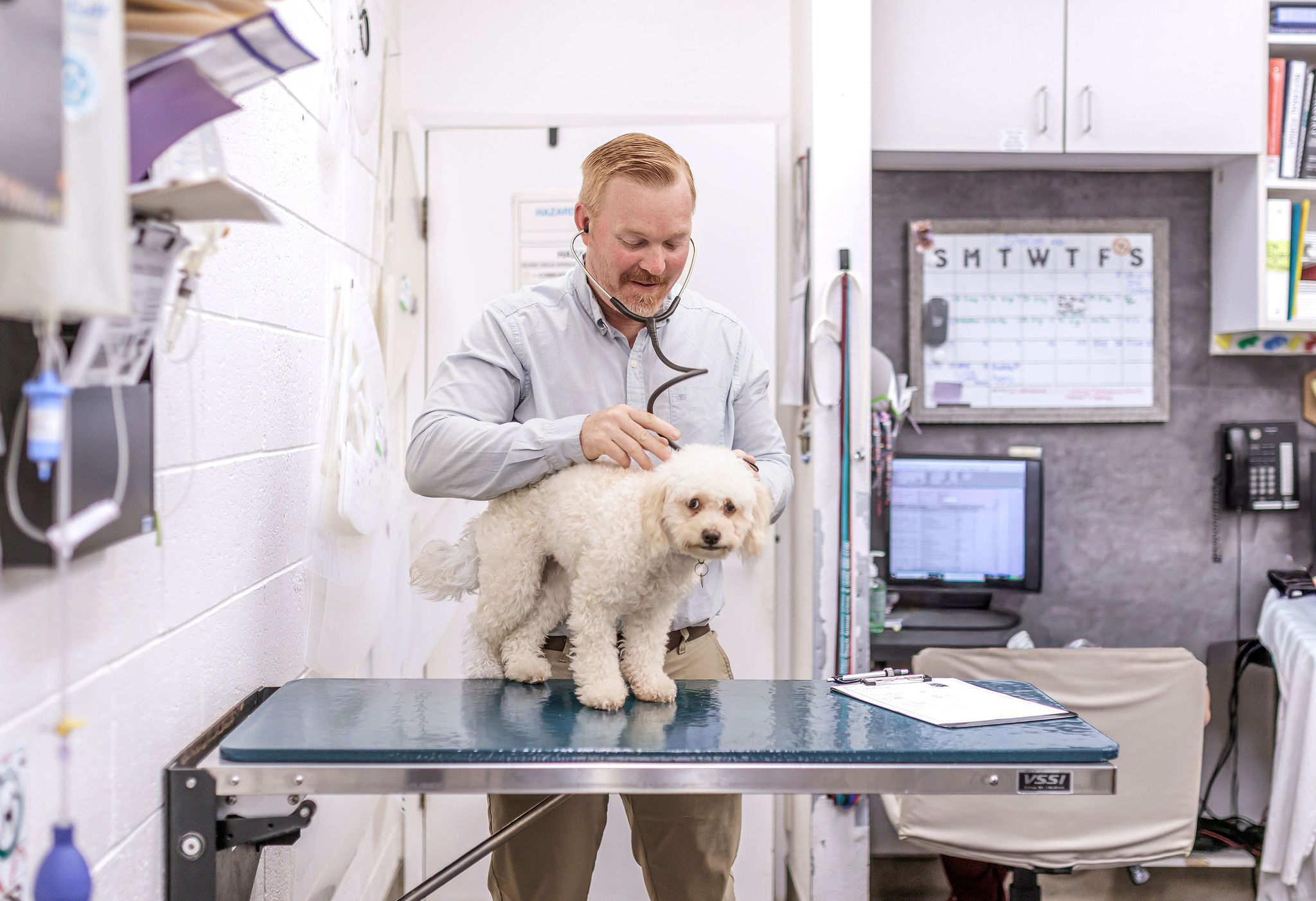
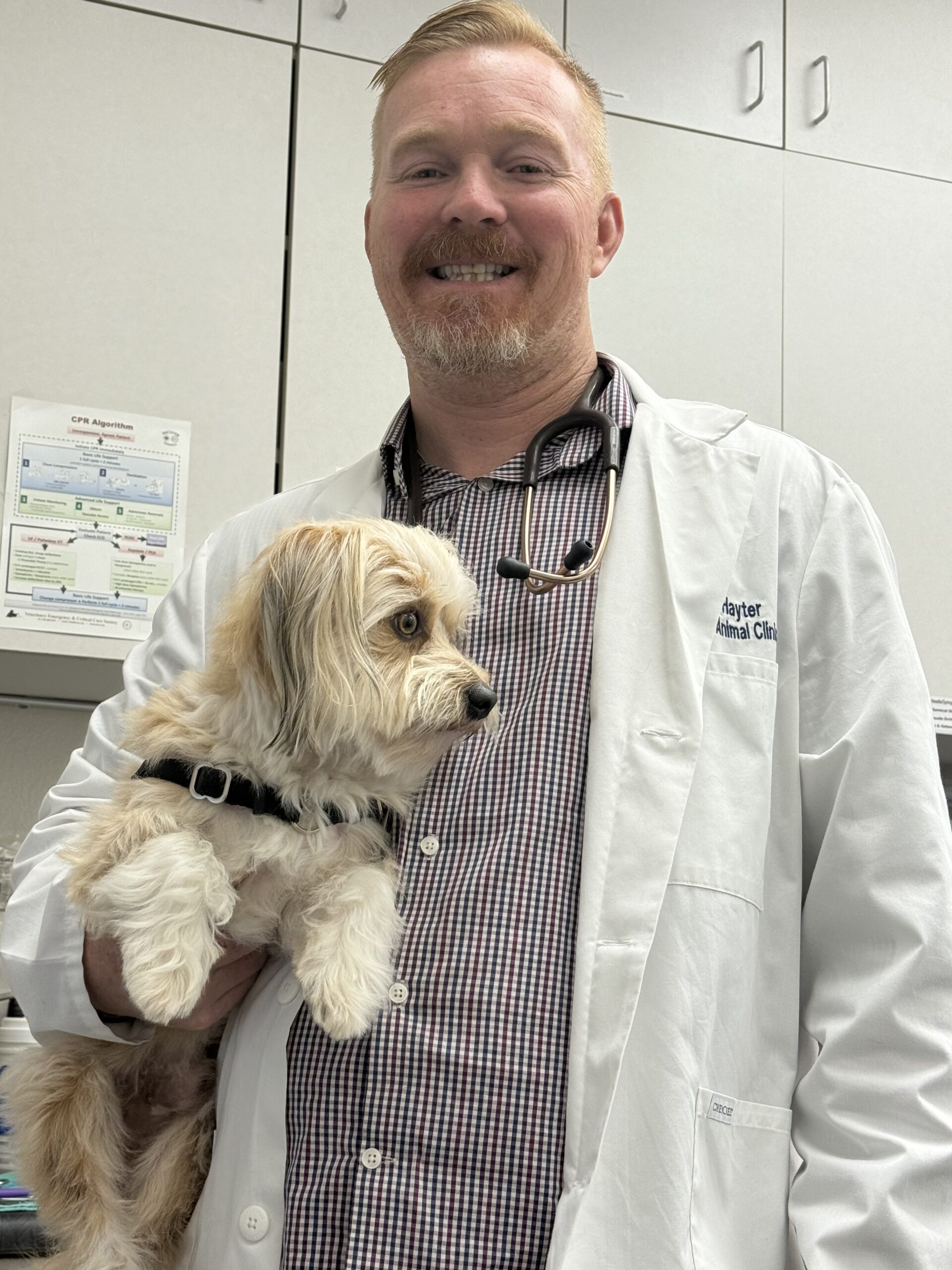
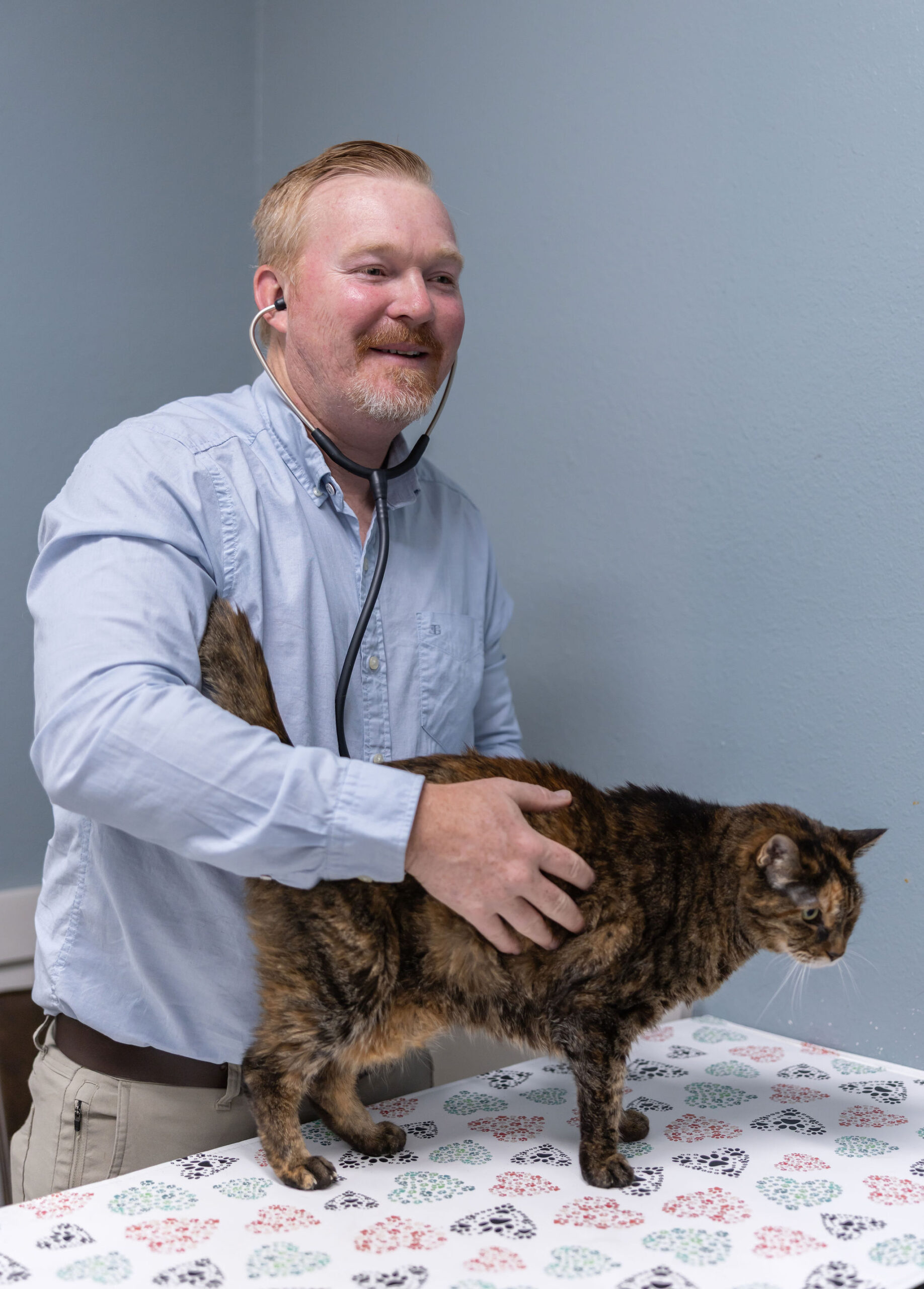

Medically reviewed by Bryan Hayter, DVM, Owner and Medical Director of Aliso Beach Animal Clinic.
Last reviewed: August 2026
Why Is My Dog Itchy After the Beach? Saltwater, Sand, Allergies & Hot Spots in Laguna Beach
A day at the beach is one of the best parts of living in Laguna Beach—especially when your dog gets to come along. But sometimes the fun ends with a dog who spends the evening scratching, licking their paws, shaking their head, or chewing at irritated skin.
If your dog is itchy after the beach, the ocean itself may not be the only factor. Sand, salt residue, trapped moisture, underlying environmental allergies, ear irritation, parasites, and secondary skin infections can all contribute.
At Aliso Beach Animal Clinic, we evaluate dogs with itchy skin, recurrent ear problems, paw licking, hot spots, and other dermatologic concerns. Knowing what to watch for after a beach outing can help you decide what can reasonably be monitored at home—and when your dog should be examined by a veterinarian.
Why Is My Dog Itchy After Going to the Beach?
There is not always one single cause. Several factors can occur at the same time, particularly in dogs that already have sensitive skin or environmental allergies.
1. Sand Can Irritate Your Dog’s Skin and Paws
Fine sand can work its way between the toes, around paw pads, underneath collars and harnesses, and into areas where skin rubs against skin. In a dog with sensitive or already-inflamed skin, that additional friction and debris may contribute to irritation.
After a beach visit, check:
- Between the toes
- Paw pads
- Armpits
- Groin and belly
- Skin folds
- Under collars and harnesses
- Around and underneath the ears
A gentle fresh-water rinse after leaving the beach can help remove sand, salt, and other debris from the coat and skin.
2. Trapped Moisture Can Contribute to Hot Spots and Skin Problems
Sometimes the bigger issue after swimming is not simply the seawater—it is moisture remaining against the skin beneath the coat.
Warm, moist conditions can contribute to bacterial overgrowth, particularly when the normal skin barrier is already compromised by inflammation, scratching, or allergies. The Merck Veterinary Manual’s discussion of pyoderma in dogs and cats includes acute moist dermatitis, commonly called a hot spot, among surface bacterial skin disorders.
Dogs that may need extra attention after swimming include those with:
- Thick or double coats
- Long hair
- Skin folds
- Environmental or food allergies
- A history of hot spots
- Recurrent bacterial or yeast infections
- Frequent swimming habits
A hot spot can become red, painful, moist, irritated, or oozy, and persistent licking and scratching may make the area worsen rapidly.
If your dog frequently develops these problems, our veterinary dermatology services in Laguna Beach can help determine whether an underlying skin condition is contributing.
3. A Beach Trip May Reveal an Underlying Allergy Problem
A dog that becomes dramatically itchy after outdoor activity may already have an underlying allergic skin condition.
Dogs can experience environmental allergies, flea allergy, food-related allergy, and combinations of different triggers. The American Animal Hospital Association’s guidelines for allergic skin disease emphasize that allergic patients benefit from a systematic, individualized approach rather than one treatment for every itchy pet.
Signs that your dog’s itching may represent more than temporary irritation include:
- Frequent paw licking or chewing
- Recurring ear infections
- Face rubbing
- Redness on the belly or under the legs
- Repeated hot spots
- Hair loss
- Chronic scratching
- Skin odor or recurring infections
- Symptoms that return during particular seasons
If you are seeing a recurring pattern, treating each individual flare may not address the underlying cause. Learn more about our pet allergy treatment in Laguna Beach, including individualized evaluation and management of itchy dogs and cats.
4. Don’t Forget Your Dog’s Ears After Swimming
Dogs that swim frequently can also develop ear problems, especially dogs already predisposed to allergies or ear inflammation.
Watch for:
- Repeated head shaking
- Scratching at one or both ears
- Redness
- Unusual odor
- Ear discharge
- Pain when the ear is touched
- Holding the head or one ear differently
The Merck Veterinary Manual’s information on canine ear infections and otitis externa identifies head shaking, scratching, redness, swelling, odor, discharge, pain, and itching among common signs of external-ear disease.
Avoid repeatedly putting homemade preparations or leftover ear medications into a painful or inflamed ear without knowing what is causing the problem. A veterinary examination can determine whether inflammation, infection, parasites, a foreign body, allergies, or another condition may be involved.
5. Paw Licking After the Beach Deserves a Closer Look
If your dog suddenly begins licking one paw intensely after running on the beach, examine the foot carefully.
Look for:
- Sand or debris packed between the toes
- Cuts or abrasions
- Redness or swelling
- Torn or damaged nails
- Something embedded in the paw
- Tenderness involving one particular toe or pad
Persistent licking involving several paws may also occur in dogs with allergic skin disease. If paw licking is becoming a regular behavior rather than an occasional response to a beach outing, a pet allergy evaluation may be worthwhile.
A Simple Post-Beach Routine for Laguna Beach Dogs
You do not necessarily need to stop taking your dog to the beach. A few simple habits can help reduce common skin and coat problems.
Rinse With Fresh Water
Rinse sand and salt residue from your dog’s coat, paws, belly, and skin folds after swimming or playing in wet sand.
Dry the Coat Thoroughly
Do not assume a dog is dry because the surface of the coat feels dry. Moisture can remain close to the skin, particularly in thick-coated dogs.
Check the Paws
Look between the toes and inspect the pads and nails for redness, abrasions, or foreign material.
Pay Attention to the Ears
Watch for new head shaking, scratching, odor, redness, or discomfort after swimming.
Remove Wet Collars and Harnesses
Give both the equipment and the skin underneath time to dry rather than leaving a wet collar or harness against the skin.
Watch Your Dog That Evening and the Following Day
Occasional scratching is different from relentless scratching, chewing, repeated head shaking, or a rapidly enlarging area of red or moist skin.
When Should My Dog See a Veterinarian?
Contact a veterinarian if your dog develops:
- Intense or persistent itching
- Raw, bleeding, or oozing skin
- A rapidly enlarging hot spot
- Significant redness or swelling
- Recurring skin infections
- Ear pain, odor, or discharge
- Persistent head shaking
- Facial swelling or hives
- Significant paw pain
- Sudden limping
- Lethargy or other signs of illness
Aliso Beach Animal Clinic provides same-day urgent veterinary care in Laguna Beach during regular clinic hours for many sudden, non-life-threatening medical concerns. Please call before arriving so our team can discuss your pet’s symptoms and availability.
For severe breathing difficulty, collapse, major trauma, uncontrolled bleeding, or another potentially life-threatening emergency, seek care from an appropriate 24-hour veterinary emergency hospital.
What If My Dog Is Itchy Even Without Going to the Beach?
If scratching, paw licking, ear infections, or skin inflammation occur throughout the year—or repeatedly during the same season—the beach may simply be making an existing problem more noticeable.
A veterinary dermatology evaluation may include examination of the skin and ears and, when appropriate, diagnostic tests intended to look for infection, parasites, and other causes of itching before an allergy-management plan is developed.
Aliso Beach Animal Clinic offers both veterinary dermatology and pet allergy care, allowing treatment to be individualized according to each pet’s symptoms, history, lifestyle, and examination findings.
Can Regular Wellness Visits Help With Skin and Ear Problems?
Yes. A routine examination is a good opportunity to discuss recurring itching, paw licking, ear problems, parasite prevention, nutrition, and changes you have noticed at home.
Our pet wellness exams in Laguna Beach are individualized according to each pet’s age, breed, lifestyle, medical history, and health risks.
Helping Laguna Beach Dogs Enjoy the Coast Comfortably
Beach life is part of what makes Laguna Beach special, and many dogs love nothing more than running through the surf and sand.
The goal is not necessarily to keep your dog away from the ocean. It is to recognize when routine post-beach cleanup is enough and when persistent itching may signal something that deserves veterinary attention.
If your dog repeatedly comes home itchy, develops recurring ear problems, constantly licks their paws, or experiences frequent hot spots, an underlying dermatologic or allergic condition may be contributing.
Aliso Beach Animal Clinic provides veterinary dermatology, pet allergy care, preventive medicine, and same-day urgent veterinary care for pets in Laguna Beach and surrounding South Orange County communities.
Aliso Beach Animal Clinic
30816 Coast Highway
Laguna Beach, CA 92651
(949) 499-4190
Contact Aliso Beach Animal Clinic to schedule an appointment.
Frequently Asked Questions About Dogs and Beach-Related Itching
Should I rinse my dog after swimming in the ocean?
A fresh-water rinse is a practical way to remove sand, salt residue, and debris from your dog’s coat and paws. Dry your dog thoroughly afterward, particularly if your dog has a thick coat, skin folds, allergies, or a history of skin problems.
Why is my dog licking their paws after the beach?
Check for sand, cuts, abrasions, nail injuries, swelling, or material lodged between the toes. Recurrent licking of several paws may also be associated with underlying skin allergies and deserves veterinary evaluation if it persists.
Can swimming cause a hot spot on a dog?
Moisture, existing skin inflammation, scratching, and self-trauma can contribute to conditions in which acute moist dermatitis develops. Dogs with allergies or previous hot spots may be particularly prone to recurrent episodes.
Why does my dog shake their head after swimming?
A small amount of temporary head shaking may occur after water enters the ears, but persistent shaking—especially with redness, odor, discharge, scratching, or pain—can indicate an ear problem that should be examined.
When is itching after the beach an urgent problem?
Seek prompt veterinary advice for intense itching, rapidly worsening skin lesions, significant swelling, painful ears, sudden limping, severe paw injuries, facial swelling, or other concerning symptoms. Difficulty breathing, collapse, or another life-threatening emergency requires emergency veterinary care.
Medical disclaimer: This article is intended for general educational purposes and is not a substitute for an examination, diagnosis, or individualized treatment plan from your veterinarian.