

Monarch Beach Pet Urgent Care Guide
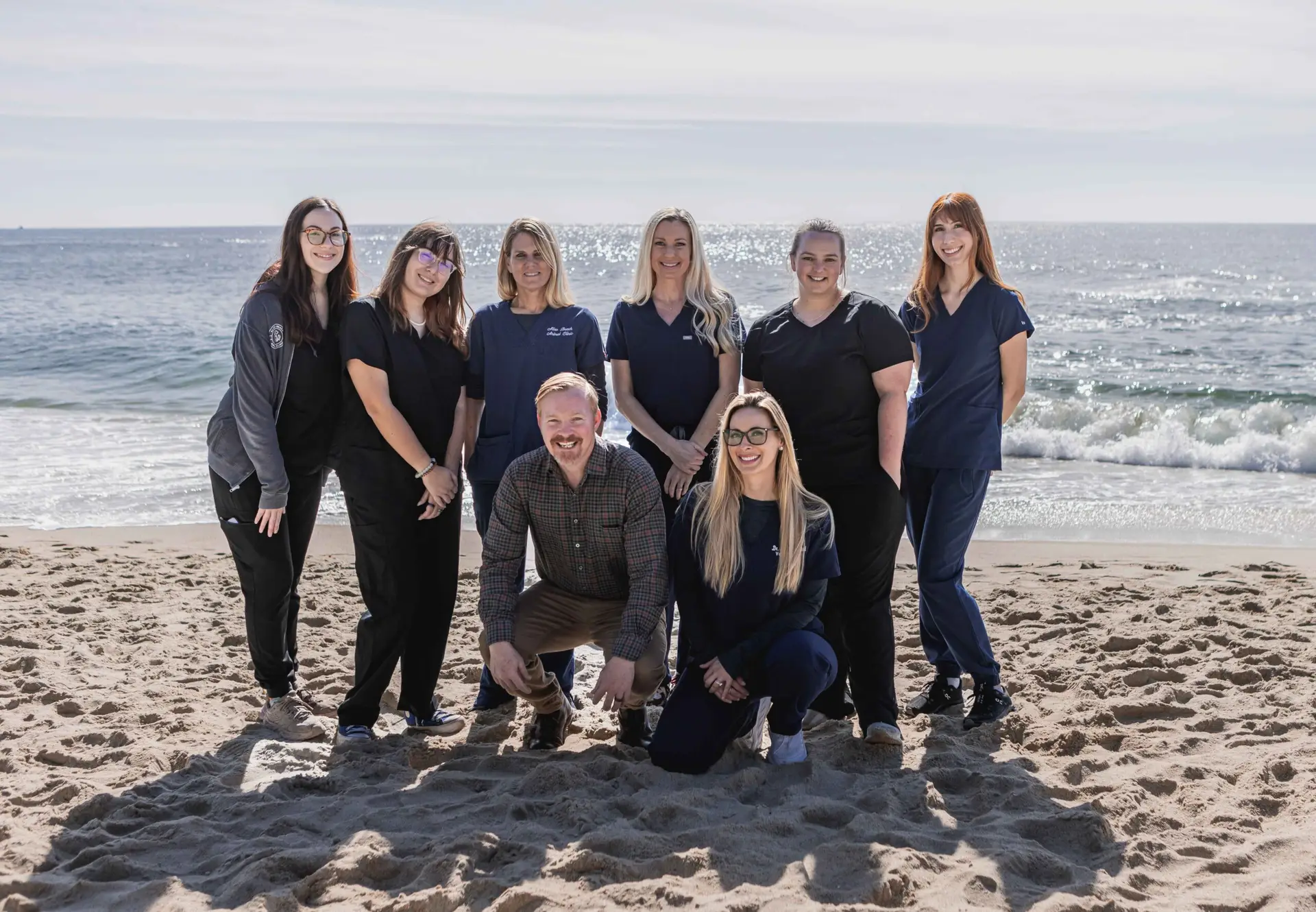
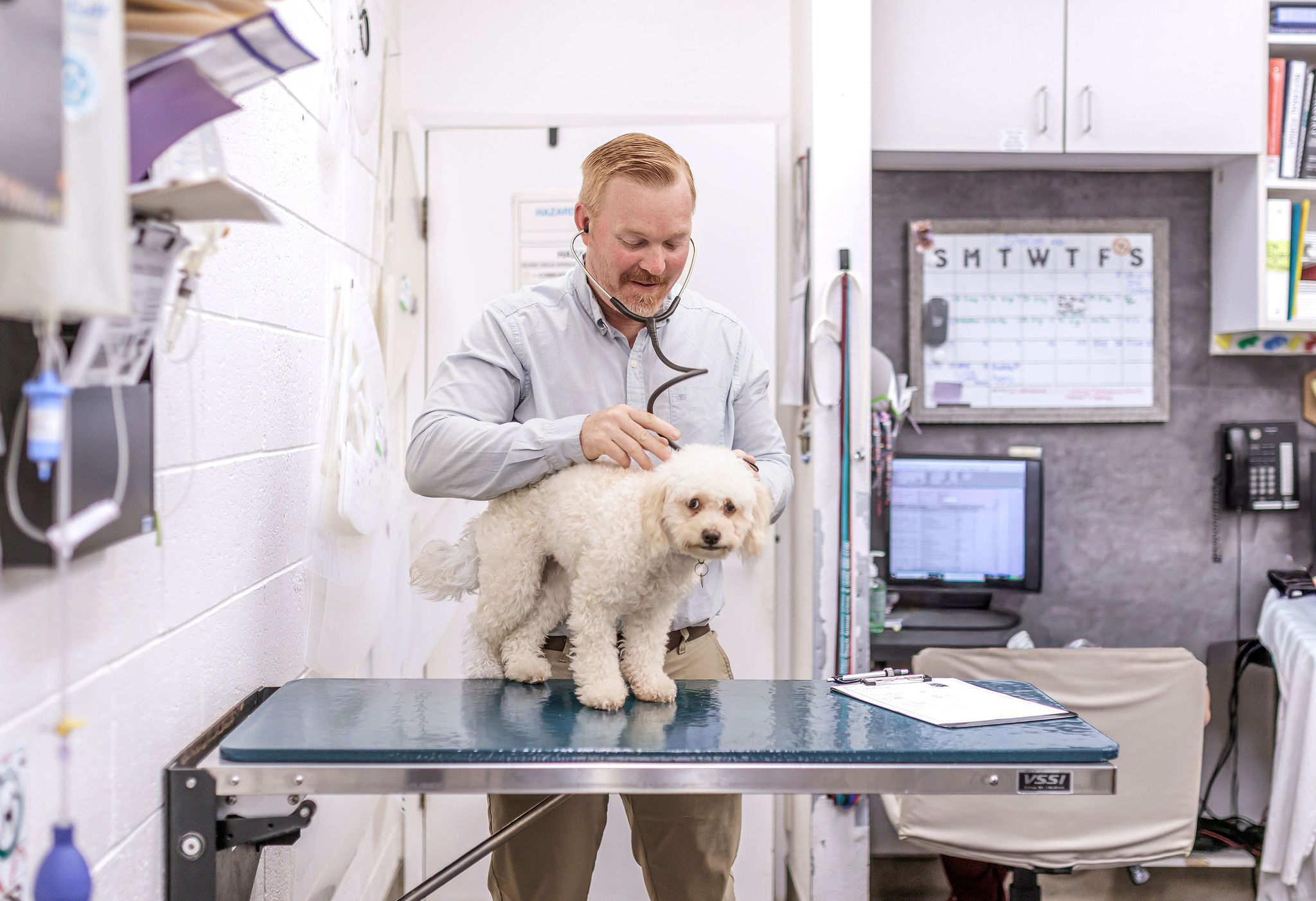
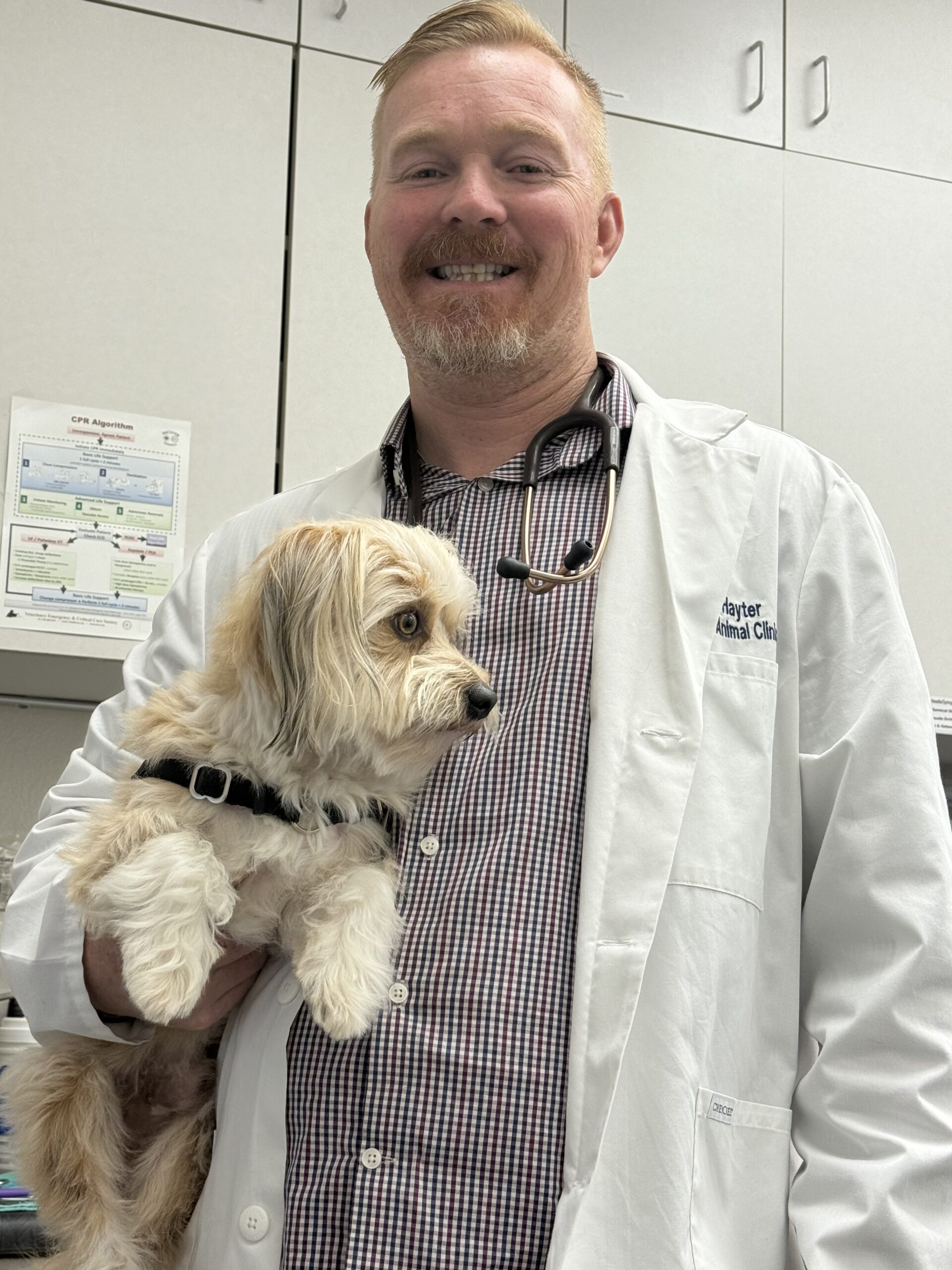
Medically reviewed by Bryan Hayter, DVM, Owner and Medical Director of Aliso Beach Animal Clinic. Last reviewed: October 2026.
Monarch Beach is a beautiful place to live with pets, especially for families who spend time near Salt Creek, Strands-area paths, coastal bluff walkways, resort-adjacent sidewalks, landscaped neighborhoods, and South Orange County open-space edges. But that same coastal setting can also lead to sudden pet health concerns that should not always wait for a routine appointment.
If your dog, cat, or exotic pet suddenly becomes painful, weak, sick, itchy, injured, or “not like themselves,” Aliso Beach Animal Clinic may be able to help with same-day urgent veterinary care during regular clinic hours when availability allows.
We are located nearby on Coast Highway in South Laguna, directly across from Montage Laguna Beach. Please call before arriving so our team can help determine whether your pet may be appropriate for a same-day urgent visit or should go directly to a 24-hour emergency hospital.
Call (949) 499-4190Get Directions
Call First for Same-Day Sick Pet Care Near Monarch Beach
Call Aliso Beach Animal Clinic if your pet develops sudden vomiting, diarrhea, limping, paw pain, head shaking, ear odor, squinting, eye redness, coughing, urinary symptoms, lethargy, skin irritation, a wound, a suspected foxtail, possible toxin exposure, or a major change in behavior.
Same-day availability changes throughout the day. Calling first helps our team confirm whether we can appropriately evaluate your pet, prepare for arrival, and advise whether a 24-hour emergency hospital would be safer.
Aliso Beach Animal Clinic is not a 24-hour emergency hospital. If your pet is having severe breathing difficulty, collapse, major trauma, uncontrolled bleeding, repeated seizures, complete inability to urinate, suspected heatstroke, or another life-threatening emergency, seek immediate emergency veterinary care.
Why Monarch Beach Pets Have Unique Local Risks
Monarch Beach pets may spend time near Salt Creek Beach, Bluff Park, Strands-area walking routes, coastal stairs, paved paths, dry grass edges, resort landscaping, HOA-maintained slopes, and neighborhood streets close to the ocean. These environments are beautiful, but they can expose pets to problems that look minor at first and then worsen.
Common local concerns include foxtails, paw-pad irritation, torn nails, stomach upset after ocean-water or sand ingestion, ear and skin irritation from moisture or allergies, wounds from dog interactions, wildlife encounters, and possible exposure to landscaping products or toxic plants.
This guide is designed to help Monarch Beach and nearby Dana Point pet owners recognize when a coastal pet problem may need veterinary attention.
Monarch Beach Pet Concerns: Beach Walks, Bluff Paths, Foxtails and Coastal Hazards
After beach walks, bluff paths, or neighborhood outings, call a veterinarian if your pet develops sudden limping, paw licking, head shaking, squinting, vomiting, diarrhea, lethargy, skin irritation, ear discomfort, coughing, weakness, or a major change in behavior.
- Foxtails and dry grass: Foxtails can lodge in paws, ears, noses, eyes, or skin after walks near dry brush, trail edges, landscaped slopes, or open-space areas.
- Beach and ocean exposure: Ocean-water ingestion, sand ingestion, seaweed, and beach debris may cause vomiting, diarrhea, stomach upset, or possible foreign-body concerns.
- Paw and leg injuries: Stairs, slopes, rocks, hot pavement, long walks, and uneven sand can contribute to paw-pad irritation, torn nails, limping, sprains, or arthritis flare-ups.
- Skin and ear problems: Coastal moisture, allergies, swimming, grooming, and irrigated landscaping may contribute to itchy skin, hot spots, paw chewing, ear odor, or head shaking.
- Wildlife and open-space risks: Coyote encounters, bite wounds, rattlesnake concerns, and injuries near dry brush or open-space edges should be taken seriously.
- Landscaping exposures: Fertilizer, mulch, mushrooms, rodent bait, snail bait, pesticides, and unknown plants can be harmful if eaten.
If you live in Monarch Beach or nearby coastal Dana Point and your pet suddenly seems painful, sick, weak, itchy, injured, or “not like themselves,” call Aliso Beach Animal Clinic before driving in. Our team can help determine whether same-day urgent care is appropriate or whether your pet should go directly to a 24-hour emergency hospital.
Foxtails After Walks Near Dry Grass, Slopes or Bluff Paths
Foxtails are one of the most important local pet concerns in coastal Southern California. The barbed seed heads can attach to fur and work their way into paws, ears, noses, eyes, mouths, armpits, groin areas, or skin.
Call a veterinarian if your pet has been near dry grass, brush, trail edges, landscaped slopes, or open-space areas and then develops:
- Sudden head shaking
- Persistent sneezing or nasal discharge
- Paw licking or limping
- Squinting, blinking, eye redness, or eye swelling
- A draining sore or swelling
- Gagging, coughing, or sudden discomfort
- Lethargy, fever, reduced appetite, or signs of infection
UC Davis notes that foxtails can enter through the nose, mouth, ears, eyes, and skin, and that embedded foxtails may migrate deeper into tissue. Veterinary removal may be needed when a foxtail is embedded or symptoms persist.
Learn more from our local guide to foxtails in Laguna Beach dogs and from the UC Davis School of Veterinary Medicine’s resource on foxtails and dogs.
Vomiting or Diarrhea After the Beach
Monarch Beach and Salt Creek outings can sometimes lead to stomach upset. Dogs may drink ocean water, eat sand, chew seaweed, swallow beach debris, get into discarded food, or overdo activity on a warm day.
Call Aliso Beach Animal Clinic if your dog vomits repeatedly, has diarrhea that does not quickly improve, cannot keep water down, seems painful, becomes weak or lethargic, has blood in vomit or stool, or appears bloated or restless.
A single mild stomach upset in an otherwise bright adult dog may not always be an emergency, but repeated vomiting, dehydration, weakness, abdominal pain, toxin exposure, or suspected foreign-body ingestion should be taken seriously.
Read more about vomiting and diarrhea in dogs in Laguna Beach.
Limping, Torn Nails and Paw Injuries After Salt Creek or Strands-Area Walks
Coastal walks can involve stairs, ramps, rocks, curbs, hot pavement, uneven sand, wet surfaces, and long downhill or uphill stretches. Dogs may come home limping after a long beach day, a sudden twist, a paw-pad scrape, a torn nail, or an arthritis flare-up.
Call if your dog is suddenly limping, refusing to bear weight, licking a paw repeatedly, crying out, holding a leg up, bleeding from a nail or paw pad, or showing swelling or significant pain.
Older dogs, dogs with arthritis, and pets recovering from prior injuries may be more sensitive to long coastal walks, stairs, and slippery surfaces.
Learn more about dog limping and when to see a veterinarian.
Hot Pavement, Sand and Paw-Pad Burns
Coastal weather can feel mild to people while pavement, parking lots, stone walkways, artificial turf, and sand become uncomfortable for pets. Dogs may develop paw pain after walking on warm hardscape, resort-adjacent sidewalks, parking areas, or exposed coastal paths.
Call a veterinarian if your dog is limping, licking the pads, refusing to walk, holding up a paw, or developing redness, peeling, blisters, bleeding, or sensitivity after a walk.
UC Davis advises that sidewalks, asphalt, sand, and artificial turf can become dangerously hot, and that a surface that feels warm to your hand may burn a pet’s paw pads. For more prevention advice, see UC Davis’ summer pet hazards resource.
Ear Pain, Head Shaking and Skin Irritation in Coastal Dogs
Dogs that spend time near the beach, in marine-layer weather, around irrigated landscaping, or after bathing and grooming may develop ear discomfort or skin irritation. Allergies, moisture, foreign material, parasites, infection, and inflammation can all contribute.
Call if your dog is shaking their head, scratching at the ears, crying when the ear is touched, developing odor or discharge, chewing the paws, licking the belly, developing hot spots, or suddenly becoming very itchy.
Same-day care may be appropriate when discomfort is significant, symptoms are worsening, your pet seems painful, or you suspect a foxtail or other foreign object.
Learn more about veterinary dermatology and allergy care.
Eye Irritation, Squinting and Wind or Sand Exposure
Wind, sand, plant material, foxtails, scratches, and trauma can cause sudden eye irritation. Eye problems should be taken seriously because some conditions can worsen quickly.
Call if your pet is squinting, keeping an eye closed, pawing at the face, blinking excessively, developing redness or swelling, showing cloudy vision, or having sudden eye discharge.
A visibly ruptured eye, severe eye trauma, or an eye that appears displaced from the socket requires immediate emergency care.
Landscaping, Fertilizer, Mulch, Mushrooms and Possible Toxin Exposure
Monarch Beach and nearby neighborhoods include resort grounds, HOA landscaping, golf-course-adjacent areas, irrigated slopes, decorative plants, mulch, fertilizers, pesticides, herbicides, rodent bait, snail bait, and mushrooms after damp weather.
Call a veterinarian or animal poison-control service immediately if your pet may have eaten medication, fertilizer, mulch, mushrooms, unknown plants, snail bait, rodent bait, pesticide, herbicide, chocolate, grapes, raisins, xylitol, cannabis products, or another potentially harmful substance.
Do not wait for symptoms to appear, and do not induce vomiting unless a veterinarian or poison-control professional specifically instructs you to do so.
- ASPCA Animal Poison Control: (888) 426-4435 — ASPCA Poison Control
- Pet Poison Helpline: (855) 764-7661 — Pet Poison Helpline
Consultation fees may apply.
Wildlife, Dog Bites, Coyote Encounters and Rattlesnake Concerns
Coastal neighborhoods near open-space edges, bluff corridors, landscaped slopes, and golf-course-adjacent areas may expose pets to wildlife and animal encounters. Small dogs and cats can be especially vulnerable.
Call promptly if your pet has a bite wound, puncture wound, unexplained bleeding, sudden pain, limping, shaking, weakness, collapse, or shock-like behavior after an encounter.
Pets walking near dry brush, slopes, trail edges, or open-space areas may occasionally encounter rattlesnakes. If you suspect a rattlesnake bite, call immediately, keep your pet as calm and still as possible, and do not apply ice, cut the bite, attempt to suction venom, or place a tourniquet.
Learn more about rattlesnake bites and antivenom and coyote safety for Laguna Beach pets.
Urgent Care for Cats Near Monarch Beach
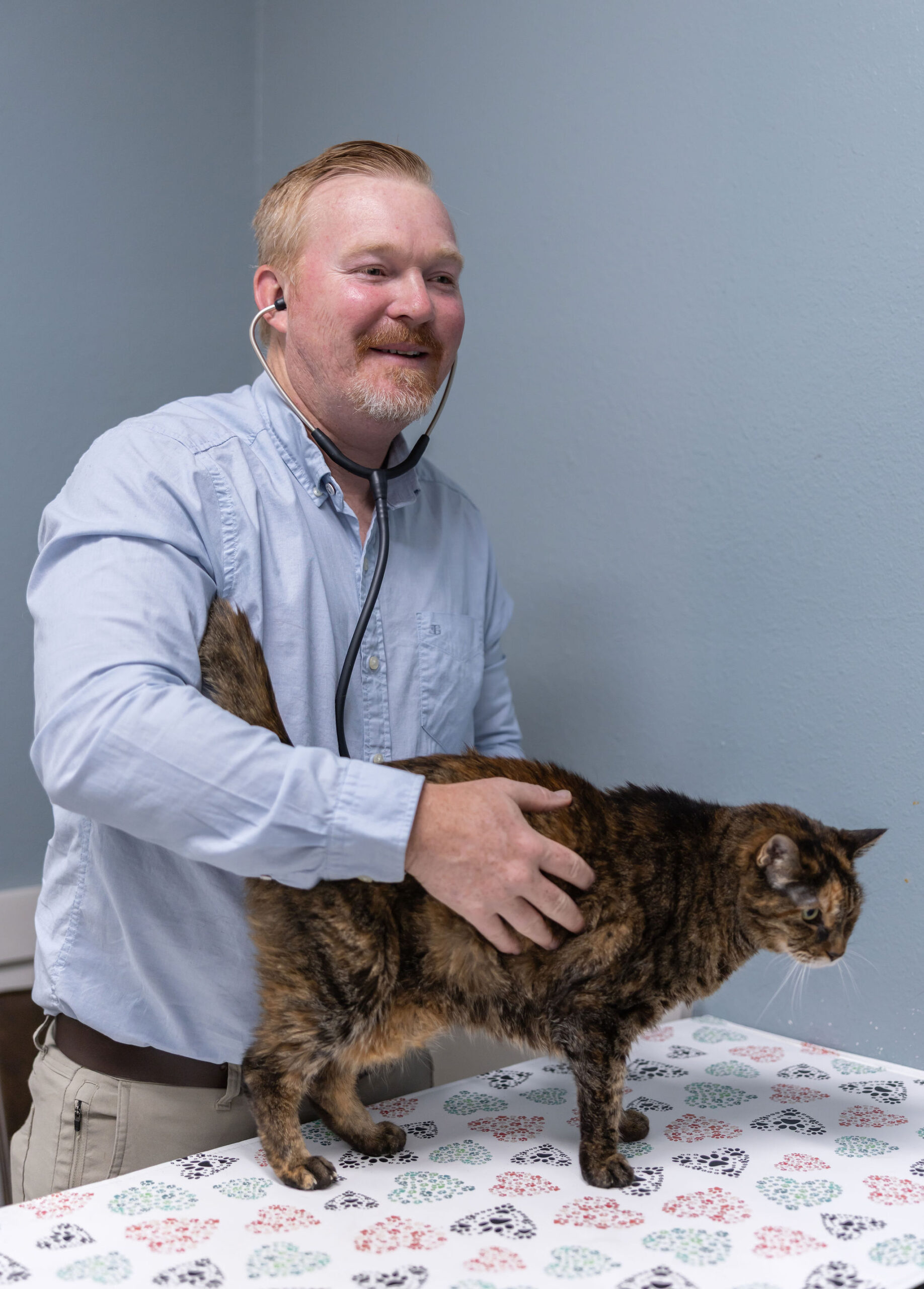
Cats often hide signs of illness until they are significantly uncomfortable or sick. A cat that suddenly stops eating, hides, vomits repeatedly, changes litter-box habits, breathes abnormally, or seems painful should not simply be watched for several days.
Call promptly if your cat has:
- Reduced appetite or refusal to eat
- Repeated vomiting or diarrhea
- Sudden hiding, weakness, or lethargy
- Straining in the litter box
- Blood in the urine
- Frequent trips to the litter box with little or no urine
- Eye pain, squinting, or discharge
- Sudden limping or pain
- Possible toxin exposure
- Breathing changes
A male cat that cannot urinate may have a life-threatening urinary obstruction. A cat with open-mouth breathing, collapse, blue or gray gums, or severe respiratory distress should go directly to an appropriate emergency hospital.
Urgent Care for Exotic Pets Near Monarch Beach
Rabbits, guinea pigs, chinchillas, hamsters, reptiles, tortoises, backyard chickens, and selected companion birds may show only subtle signs when they are seriously ill.
Call before arriving with an exotic pet. Our team can help determine whether Aliso Beach Animal Clinic can appropriately evaluate your pet during regular clinic hours or whether a specialty or emergency facility that treats the species would be a safer destination.
Urgent signs in exotic pets may include:
- Not eating or eating much less than normal
- Reduced or absent stool production
- Difficulty breathing
- Abnormal posture, weakness, collapse, or hiding
- Bleeding, trauma, wounds, bites, or falls
- Eye swelling, discharge, or injury
- Difficulty urinating or passing stool
- Egg-laying or reproductive problems
- Neurologic signs such as head tilt, tremors, paralysis, or loss of balance
- Rapid change from normal behavior
Learn more about our exotic-pet veterinary care in Laguna Beach.
Same-Day Urgent Care or 24-Hour Emergency Hospital?
Some Monarch Beach pet concerns can be evaluated during a same-day urgent-care visit, while others require the advanced monitoring, intensive care, emergency surgery, or overnight hospitalization available at a 24-hour emergency hospital.
| Call Aliso Beach Animal Clinic for Same-Day Guidance | Go Directly to a 24-Hour Emergency Hospital |
|---|---|
| Vomiting or diarrhea in an otherwise stable pet | Severe breathing difficulty or respiratory distress |
| Limping, torn nails, paw irritation, or suspected sprain | Major trauma, including being hit by a car or falling from height |
| Head shaking, ear pain, skin irritation, or sudden itching | Collapse, unconsciousness, or inability to stand |
| Possible foxtail exposure when your pet is stable | Repeated or prolonged seizures |
| Minor wounds, bite marks, or painful swelling when your pet is stable | Uncontrolled bleeding or severe blood loss |
| Urinary symptoms when the pet is still passing urine | Complete inability to urinate, especially in a male cat |
| Reduced appetite, lethargy, or sudden behavior changes | Severe abdominal distension with repeated unproductive retching |
| Possible toxin exposure while you are seeking poison-control guidance | Known ingestion of a highly dangerous toxin with severe symptoms |
For additional guidance, visit our Laguna Beach pet emergency and urgent-care guide.
What to Do Before You Drive From Monarch Beach
1. Call First
Call Aliso Beach Animal Clinic at (949) 499-4190. Tell us what happened, when symptoms began, whether your pet is alert, whether breathing appears normal, whether your pet can stand or walk, and whether there may have been toxin exposure, trauma, beach debris ingestion, or foxtail exposure.
2. Bring Useful Information
When possible, bring your pet’s current medications, relevant medical records, photos or videos of intermittent symptoms, packaging from anything your pet may have eaten, and a stool, urine, or vomit sample if our team requests one.
3. Avoid Home Medication Unless Directed
Do not give human pain relievers, leftover prescriptions, supplements, or home remedies unless a veterinarian specifically instructs you to do so. Some medications that are safe for people can be dangerous or fatal to pets.
4. Transport Carefully
Use a secure carrier for cats, rabbits, small mammals, and many exotic pets. Keep dogs leashed. Avoid unnecessary movement if you suspect a fracture, spinal injury, severe weakness, or major trauma.
Why Monarch Beach Pet Owners Call Aliso Beach Animal Clinic
Nearby South Laguna Location
Aliso Beach Animal Clinic is located on Coast Highway in South Laguna, directly across from Montage Laguna Beach and convenient to Monarch Beach, Salt Creek, Three Arch Bay, Dana Point, South Laguna, Laguna Niguel, and nearby coastal Orange County communities.
Same-Day Sick Pet and Urgent-Care Guidance
We help pet owners decide whether a sudden illness or injury can be evaluated during regular clinic hours or whether a 24-hour emergency hospital is the safer choice.
Care for Dogs, Cats and Many Exotic Pets
Our team evaluates many urgent concerns involving dogs, cats, rabbits, guinea pigs, chinchillas, hamsters, reptiles, tortoises, backyard chickens, and selected companion birds when availability, species, patient condition, and hospital resources allow.
Animal Hospital Capabilities
Depending on your pet’s condition, evaluation may include a physical examination, in-house laboratory testing, digital X-rays, wound care, pain relief, anti-nausea medication, fluid therapy, supportive care, selected urgent procedures, or referral to an appropriate emergency or specialty hospital.
Local Coastal Pet Experience
Coastal pet problems are not always generic. A dog limping after Salt Creek stairs, a foxtail after a bluff walk, vomiting after beach debris exposure, paw-pad pain after warm pavement, and ear irritation after ocean-adjacent outings all require practical, local guidance.
Helpful Local and Veterinary Resources
These external resources may be useful for Monarch Beach and Dana Point pet owners:
- City of Dana Point Beach Information
- OC Parks: Salt Creek Beach Park
- UC Davis School of Veterinary Medicine: Foxtails and Dogs
- UC Davis School of Veterinary Medicine: Summer Pet Hazards
- ASPCA Animal Poison Control
- Pet Poison Helpline
Frequently Asked Questions About Pet Urgent Care Near Monarch Beach
Is Aliso Beach Animal Clinic near Monarch Beach?
Yes. Aliso Beach Animal Clinic is located nearby on Coast Highway in South Laguna, directly across from Montage Laguna Beach and convenient to Monarch Beach, Salt Creek, Three Arch Bay, Dana Point, Laguna Niguel, and surrounding coastal Orange County communities.
Do you offer same-day urgent care for Monarch Beach pets?
We provide same-day urgent veterinary care during regular clinic hours when availability, patient condition, and hospital resources allow. Please call before arriving so our team can confirm whether your pet can be appropriately evaluated at our clinic.
What symptoms should Monarch Beach pet owners call about?
Call if your pet develops sudden vomiting, diarrhea, limping, paw pain, head shaking, ear pain, squinting, eye redness, urinary symptoms, lethargy, wounds, suspected foxtail exposure, possible toxin exposure, or a major change in behavior.
Can beach walks cause urgent pet problems?
Yes. Beach and bluff outings can sometimes lead to paw irritation, torn nails, limping, sand or ocean-water ingestion, stomach upset, eye irritation, foxtail exposure, overheating, or injuries from stairs, rocks, curbs, or uneven surfaces.
What should I do if my dog may have a foxtail?
Call a veterinarian if your dog is shaking their head, sneezing persistently, limping, licking a paw, squinting, or developing swelling or drainage after being near dry grass or brush. Embedded foxtails can migrate and may need veterinary removal.
What should I do if my pet ate something toxic?
Call a veterinarian or animal poison-control service immediately. Do not wait for symptoms to develop, and do not induce vomiting unless a veterinarian or poison-control professional specifically instructs you to do so.
Do you see cats from Monarch Beach for urgent concerns?
Yes. We evaluate many same-day feline concerns including vomiting, reduced appetite, urinary symptoms, wounds, eye problems, sudden pain, lethargy, and behavior changes. A male cat unable to urinate or a cat with severe breathing difficulty needs emergency care immediately.
Do you see exotic pets from Monarch Beach?
We evaluate many urgent concerns involving rabbits, guinea pigs, chinchillas, hamsters, reptiles, tortoises, backyard chickens, selected companion birds, and other appropriate exotic pets during regular clinic hours when availability, species, patient condition, and hospital resources allow. Please call before arriving with an exotic pet.
Are you a 24-hour emergency hospital?
No. Aliso Beach Animal Clinic provides urgent veterinary care during regular clinic hours. Pets needing overnight monitoring, continuous intensive care, emergency surgery, or life-saving treatment should go to an appropriate 24-hour emergency hospital.
Should I use an online appointment form for urgent symptoms?
No. For urgent or emergency symptoms, call during clinic hours. If your pet appears to have a life-threatening emergency, go directly to an appropriate 24-hour emergency veterinary hospital.
Need Same-Day Veterinary Guidance Near Monarch Beach?
If your pet suddenly seems sick, painful, injured, itchy, weak, or “not like themselves,” call Aliso Beach Animal Clinic before arriving.
Our team can help determine whether your pet may be seen through our same-day urgent-care service or should go directly to a 24-hour emergency hospital.
Aliso Beach Animal Clinic
30816 Coast Highway
Laguna Beach, CA 92651
Directly across from Montage Laguna Beach
Regular clinic hours:
Monday–Friday: 7:30 a.m.–4:30 p.m.
Saturday: 8 a.m.–12 p.m.
Sunday: Closed
Call (949) 499-4190Get Directions
Do not use an online appointment form for urgent or emergency concerns. Call during clinic hours. If your pet appears to have a life-threatening emergency, seek appropriate emergency veterinary care immediately.