


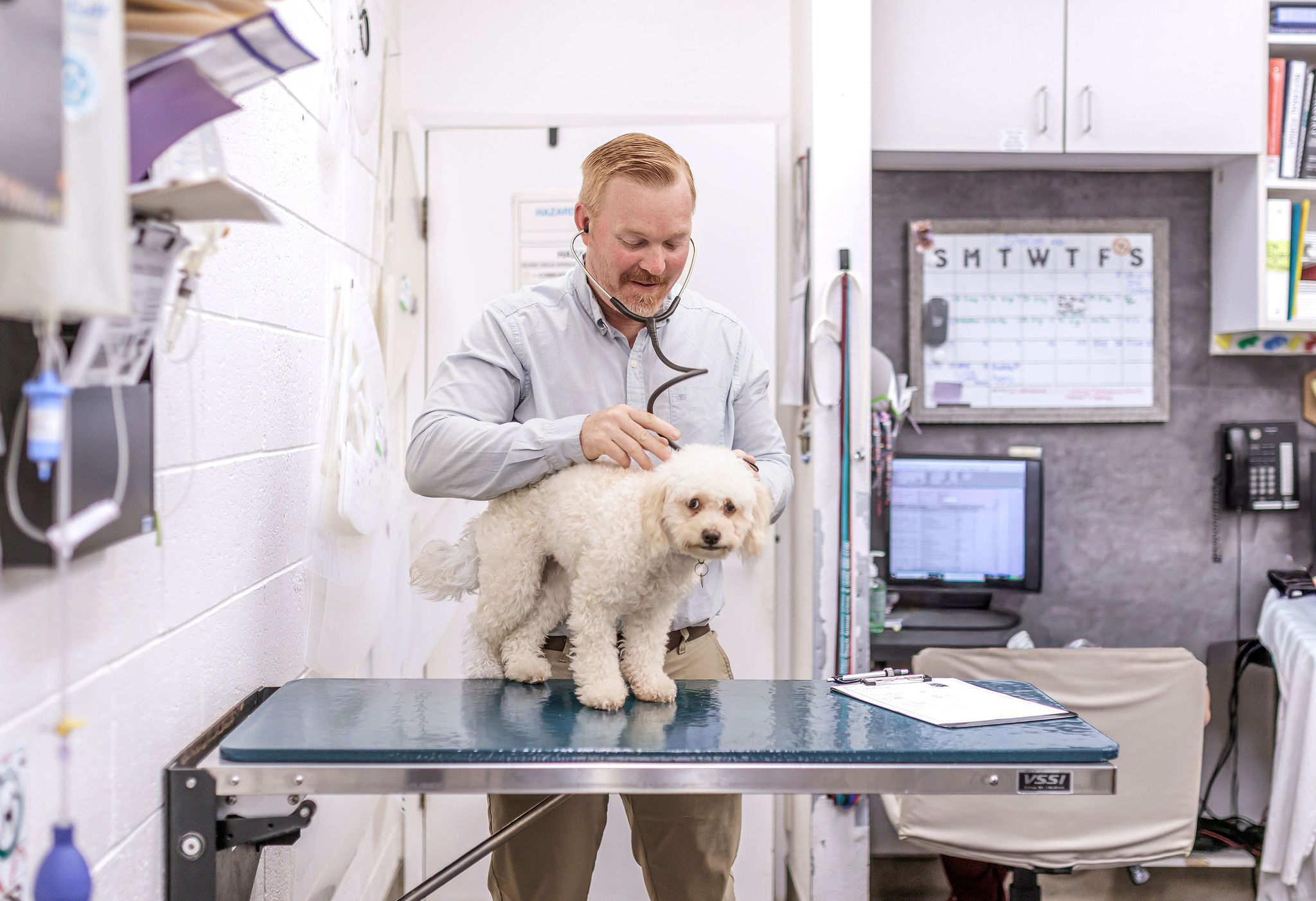
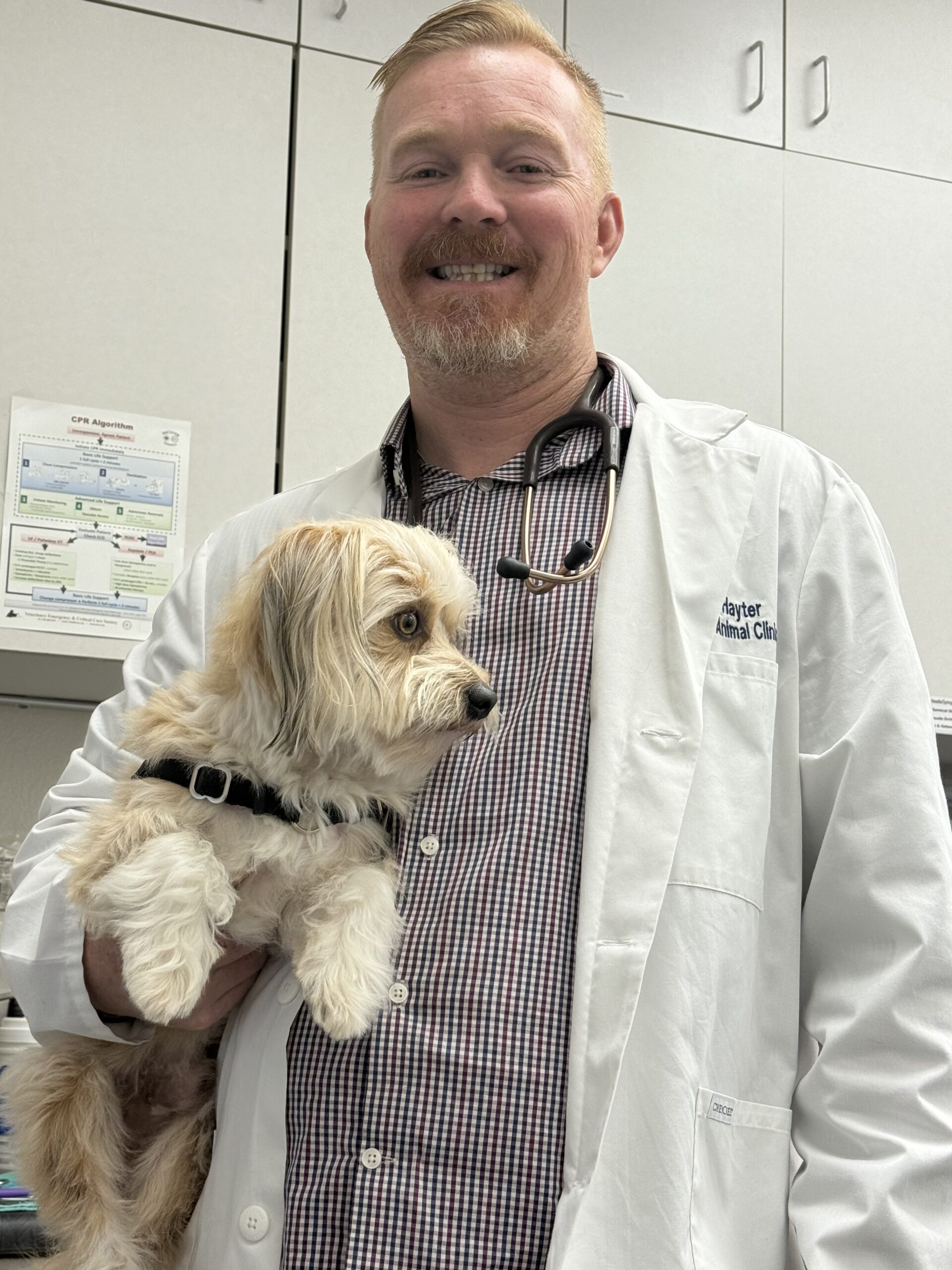
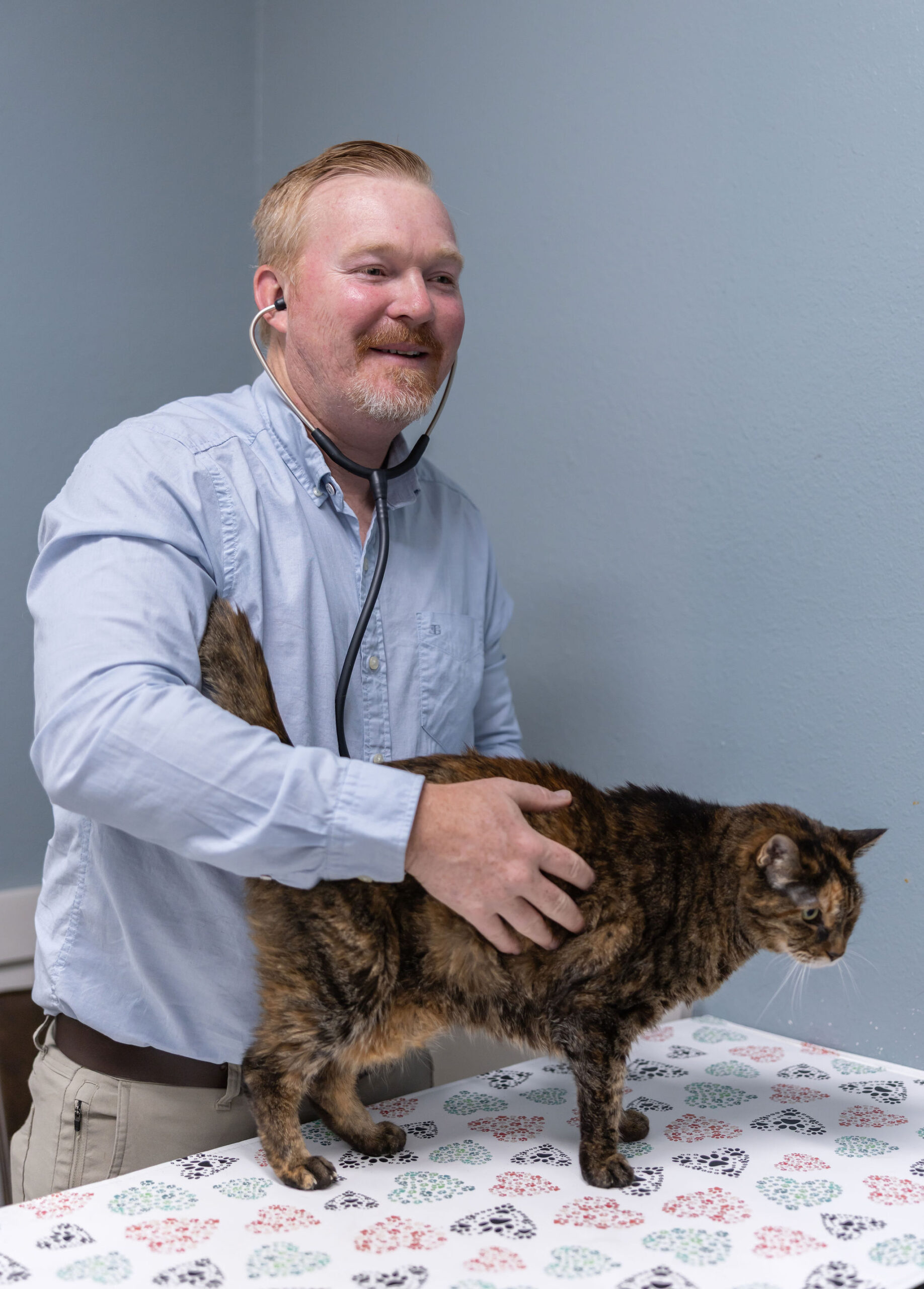
Medically reviewed by Bryan Hayter, DVM, Owner and Medical Director of Aliso Beach Animal Clinic
Last reviewed: September 2026
There are times in life when the relationship we have with an animal becomes especially meaningful.
A dog resting beside you on a difficult afternoon. A cat curling up in the familiar place at the end of the bed. A rabbit waiting for breakfast. A bird greeting you in the morning. Even the small routines of feeding, walking, grooming, or simply sitting together can provide a reassuring sense that, despite everything else that may be changing, something familiar remains.
At Aliso Beach Animal Clinic in Laguna Beach, we spend our days caring for animals, but we also see the other side of veterinary medicine every day: how deeply animals matter to the people who love them.
For a person facing cancer, chemotherapy, radiation, surgery, or another serious illness, that bond can become particularly important.
Pets cannot treat cancer, and animal companionship should never be presented as a replacement for medical or mental-health care. Research does suggest, however, that interactions with animals may provide meaningful emotional and quality-of-life benefits for some people undergoing cancer treatment.
Just as importantly, certain cancer treatments can weaken a person’s immune system. When that happens, keeping the pet healthy and reducing preventable exposure to infectious organisms can become part of caring for the entire household.
This guide explains both sides of that relationship: how pets may support people through cancer treatment and how families can continue loving and caring for their animals as safely as possible.
Important: This article provides general veterinary information and is not a substitute for advice from a physician, oncologist, or other human healthcare professional. A person’s cancer-care team should determine what precautions are appropriate during treatment. Veterinary recommendations should also be individualized to the animal, species, health status, and household.
Why Pets Can Matter So Much During Cancer Treatment
A cancer diagnosis can suddenly change the rhythm of everyday life.
Appointments may replace familiar routines. People may experience fatigue, discomfort, anxiety, uncertainty, or long periods at home. Treatment can affect appetite, sleep, energy, mood, and the ability to participate in normal activities.
Animals do not understand laboratory results, treatment schedules, or prognoses.
They understand something much simpler: you are their person.
For many families, that uncomplicated relationship is precisely what makes an animal so comforting.
A pet may provide companionship during long periods at home, a familiar daily routine, physical affection, motivation to continue normal activities when medically appropriate, social connection, moments of humor, and the comfort of simply having another living being nearby.
A published systematic review of animal-assisted interventions in oncology and palliative-care patients found promising effects in areas including mood, perceived pain, and quality of life. The authors also emphasized that the available studies were relatively small and methodologically varied, so these potential benefits should not be overstated.
That distinction matters.
We do not need to claim that an animal can cure disease or reliably change someone’s physical health to recognize something pet owners already understand: the presence of an animal can matter enormously during a hard day.
Pets, Emotional Support Animals, Therapy Animals, and Service Animals Are Not the Same Thing
These terms are often used interchangeably, but they have different meanings.
Companion Pets
Most animals providing comfort during cancer treatment are simply beloved pets.
They do not need a special title or certification to be important.
A family dog who stays close during chemotherapy recovery or a cat who sleeps nearby during a difficult week may provide tremendous emotional comfort while remaining, legally and practically, a companion animal.
Emotional Support Animals
An emotional support animal provides comfort through its presence. The American Cancer Society discusses companion animals, emotional support animals, therapy animals, and service animals as different types of support that may be relevant for people coping with cancer.
Emotional support animals are not the same as service animals under the Americans with Disabilities Act.
Service Animals
Under the ADA, a service animal is generally a dog that has been individually trained to perform work or a specific task directly related to a person’s disability.
The animal’s presence providing comfort by itself does not make the animal a service animal under the ADA. You can read the federal definition directly from ADA.gov’s service-animal guidance.
Therapy Animals
Therapy animals typically participate with trained handlers in structured visits to hospitals, rehabilitation centers, schools, nursing facilities, or other settings. They are different from both household pets and individually trained service animals.
Can You Keep Your Pet While Going Through Cancer Treatment?
In many situations, yes.
A cancer diagnosis does not automatically mean someone needs to give up a beloved animal.
The important question is whether a person’s particular disease or treatment is affecting immune function and, if so, what precautions the person’s medical team recommends.
The American Cancer Society’s guidance on caring for pets during cancer treatment explains that most people can safely continue caring for their pets while emphasizing additional precautions for people whose immune systems are weakened.
This is also an area where thoughtful veterinary care can help.
At Aliso Beach Animal Clinic, our goal is not to separate people from the animals they love unnecessarily. Instead, we can help families identify practical ways to reduce preventable risks while maintaining an important relationship.
If someone in your household is receiving cancer treatment, mention it during your pet’s next veterinary visit. That information may influence recommendations regarding parasite prevention, diet, infectious-disease screening, husbandry, and how quickly certain symptoms should be evaluated.
Learn more about our approach to preventive veterinary care in Laguna Beach.
When Someone in the Home Is Immunocompromised, Pet Health Matters Even More
Humans and animals can occasionally share infectious organisms. Diseases that can pass between animals and people are known as zoonotic diseases.
For most healthy adults, ordinary interaction with a healthy household pet carries relatively low risk. The situation can be different for someone whose immune system is significantly suppressed by cancer or its treatment.
That does not mean a beloved pet has suddenly become dangerous.
It means preventive veterinary medicine becomes especially valuable.
Keep Veterinary Examinations Current
Routine examinations can help identify skin disease, gastrointestinal illness, respiratory problems, dental disease, parasites, wounds, and other health concerns before they become more significant.
If someone in the home is undergoing chemotherapy, radiation, immune-suppressing therapy, or another treatment that affects immune function, let your veterinarian know.
Our preventive-care services are individualized according to each animal’s age, species, lifestyle, medical history, and household environment.
Maintain Appropriate Parasite Prevention
Fleas, ticks, mosquitoes, and intestinal parasites can affect animal health, and some parasites or vector-borne organisms also have implications for people.
Rather than assuming every pet needs the same product, our veterinarians consider lifestyle, travel, wildlife exposure, species, age, and health history when developing a prevention plan.
Learn more about flea, tick, heartworm, and intestinal parasite prevention at Aliso Beach Animal Clinic.
Take Persistent Vomiting or Diarrhea Seriously
Persistent or unexplained gastrointestinal illness deserves veterinary attention, particularly when someone in the household has a significantly weakened immune system.
Depending on the animal and clinical history, testing may include a fecal examination, parasite testing, blood work, urinalysis, imaging, or additional infectious-disease testing when medically indicated.
At our Laguna Beach veterinary hospital, in-house veterinary diagnostics and blood work can help us investigate many illnesses efficiently.
Address Skin Disease, Wounds, and Infections Promptly
Open or draining wounds, infected skin lesions, abscesses, persistent ear infections, respiratory symptoms, or other possible infectious conditions should be evaluated rather than ignored.
The goal is not fear. It is simply good preventive medicine for both the pet and the household.
Simple Ways to Reduce Infection Risk Around Dogs and Cats
If someone’s immune system has been weakened by cancer treatment, their medical team may recommend additional precautions.
Depending on the person’s degree of immunosuppression, those precautions may include:
- Washing hands after feeding, petting, or cleaning up after animals
- Having another household member clean litter boxes when possible
- Having someone else pick up dog feces when possible
- Using disposable gloves when contact with urine, feces, or vomit cannot be avoided
- Preventing pets from licking open wounds, medical dressings, or the face
- Avoiding bites and scratches
- Cleaning bites or scratches promptly and contacting the person’s healthcare team when appropriate
- Keeping veterinary preventive care current
- Having animals evaluated promptly when they develop vomiting, diarrhea, respiratory symptoms, weight loss, or other signs of illness
The appropriate precautions vary significantly between people. Someone with normal immune function during treatment may receive different recommendations than someone experiencing severe neutropenia or profound immunosuppression.
The person’s oncology team should make that determination.
What About Raw Pet Food During Cancer Treatment?
Families sometimes choose raw diets because they perceive them as natural or minimally processed.
However, raw animal proteins can carry organisms capable of causing disease in animals and people. The CDC does not recommend feeding raw pet food to dogs or cats because raw products can contain pathogens such as Salmonella and Listeria.
This deserves particular consideration when someone in the household is immunocompromised.
If a family member is undergoing cancer treatment, talk with the person’s medical team and your veterinarian about the pet’s diet. In some households, moving away from raw animal products can eliminate an avoidable source of infectious exposure.
Nutrition recommendations should still be individualized. What is appropriate for a healthy adult dog may be very different from what is appropriate for a growing puppy, senior cat, rabbit, reptile, or pet with chronic disease.
Cancer Treatment and Exotic Pets: Additional Precautions May Be Important
This subject is particularly important to us because Aliso Beach Animal Clinic provides veterinary care for many exotic pets in Laguna Beach, including rabbits, guinea pigs, chinchillas, hamsters, reptiles, tortoises, backyard poultry, and selected companion birds.
The bonds people form with these animals can be every bit as meaningful as the bonds people form with dogs and cats.
However, different species have different infectious-disease and husbandry considerations.
Reptiles and Amphibians
Healthy reptiles and amphibians can carry Salmonella without appearing sick.
The CDC’s reptile and amphibian guidance specifically identifies people with weakened immune systems as being at greater risk from organisms that these animals may carry.
Important precautions may include careful handwashing, keeping habitat equipment away from kitchens and food-preparation areas, appropriate enclosure sanitation, and avoiding cross-contamination between animal equipment and human household items.
Good husbandry also matters to the animal’s health. Our exotic-pet species care guides provide veterinarian-reviewed information about nutrition, housing, environmental conditions, and common health concerns.
Feeder Rodents
Frozen feeder rodents are not sterile and can carry organisms including Salmonella.
The CDC advises people with weakened immune systems not to handle feeder rodents. If a snake, lizard, or other pet requires rodent prey, another household member may be able to assume that portion of husbandry during periods of immunosuppression.
Rabbits, Guinea Pigs, Hamsters, and Other Small Mammals
Small mammals have different health and zoonotic considerations from reptiles, but good husbandry and prompt evaluation of illness remain important.
Persistent diarrhea, respiratory symptoms, skin disease, parasites, wounds, reduced appetite, or unexplained changes in behavior should be evaluated rather than watched indefinitely.
Rabbit owners can also review our dedicated rabbit veterinary care guide for Laguna Beach.
If you are caring for an exotic animal while undergoing chemotherapy or another immunosuppressive treatment, tell both your physician and veterinarian what species you have. We can help evaluate diet, enclosure sanitation, parasite exposure, handling practices, and species-specific health concerns rather than giving every household the same recommendation.
Keep Human Cancer Medications Away From Pets
Sometimes the health risk works in the opposite direction: the person’s medication can endanger the animal.
Oral chemotherapy drugs and other prescription medications should always be securely stored where pets cannot reach them.
Do not leave pills on a nightstand, bathroom counter, kitchen counter, bedside table, or in an open bag where a curious dog, cat, bird, or other animal may ingest them.
The American Cancer Society also advises people receiving certain cancer treatments to follow their medical team’s instructions regarding exposure to urine, stool, vomit, and other body fluids after treatment. You can review its detailed pet-safety recommendations during cancer treatment.
If your pet accidentally ingests a human cancer medication or another potentially toxic medication, contact a veterinarian immediately.
During our regular clinic hours, call Aliso Beach Animal Clinic at (949) 499-4190. Depending on the substance, dose, patient, symptoms, and timing, emergency treatment or consultation with an animal poison-control service may be necessary.
When You’re Tired, Let Other People Help Care for Your Pet
One of the hardest parts of serious illness can be accepting that normal tasks suddenly require more energy.
Pet care does not have to be all or nothing.
If treatment makes certain activities difficult, consider arranging help with dog walking, litter-box cleaning, enclosure cleaning, food pickup, transportation to veterinary appointments, medication administration, grooming, feeding, or heavier husbandry tasks.
This is not failing your pet.
It is adapting your pet’s care to a difficult period while preserving the relationship that matters to both of you.
And animals often adapt beautifully.
Sometimes the most important thing you can continue providing is simply your presence.
Keep Your Pet’s Medical Care as Simple and Predictable as Possible
When a family is already navigating cancer treatment, an unexpected veterinary emergency can feel particularly overwhelming.
We cannot prevent every illness, but proactive veterinary care can sometimes identify or manage problems before they become crises.
Depending on your pet’s age, species, lifestyle, and health history, that may include:
- Routine physical examinations
- Vaccination planning
- Parasite prevention
- Dental evaluation
- Senior blood work
- Urinalysis
- Monitoring chronic disease
- Weight and nutrition management
- Medication refills before prescriptions run out
- Mobility and pain management
- Species-appropriate exotic-pet husbandry reviews
You can explore our full range of veterinary services in Laguna Beach or browse our veterinarian-reviewed Pet Health Guides for additional information about common health concerns.
When an Older Pet Is Also Going Through a Difficult Time
Sometimes life presents families with an especially painful overlap: a person is undergoing treatment for a serious illness while an aging animal is experiencing arthritis, kidney disease, heart disease, cancer, cognitive changes, or another chronic condition.
There is no perfect way to navigate this.
Our job as veterinarians is to help make the animal’s medical situation clearer and more manageable, not to make an already overwhelmed family feel guilty.
For an older pet, we may talk about appetite, hydration, pain, mobility, sleep, bathroom habits, breathing, behavior, medication schedules, and overall quality of life.
We also try to distinguish between treatments that are likely to provide meaningful comfort and treatments that may create more burden than benefit for that particular pet and family.
Our senior pet care program in Laguna Beach focuses on individualized medical monitoring, chronic-disease management, mobility, pain control, and quality of life.
Integrative Options for Comfort and Mobility
Sometimes conventional medication is the best treatment.
Sometimes supportive therapies can be incorporated into a larger medical plan.
At Aliso Beach Animal Clinic, integrative pain and mobility care may combine appropriate diagnostics and medication with weight management, nutrition, environmental changes, rehabilitation strategies, laser therapy, or acupuncture.
Our approach to holistic and integrative veterinary medicine does not ask families to choose between conventional medicine and natural approaches. We start with an accurate diagnosis and then consider which combination of treatments makes sense for the individual patient.
Veterinary acupuncture may also be incorporated into a multimodal treatment plan for selected pets experiencing arthritis, chronic pain, reduced mobility, muscle tension, or other appropriate conditions.
And sometimes the most compassionate medical plan is simply to prioritize comfort, dignity, and meaningful time together.
When Your Pet Suddenly Becomes Sick During Cancer Treatment
If you are undergoing medical treatment yourself, it can be tempting to postpone a veterinary visit because you already have more appointments than you can manage.
Some symptoms should not wait.
Contact a veterinarian promptly if your pet develops:
- Repeated vomiting or diarrhea
- Refusal to eat
- Significant lethargy or weakness
- Difficulty urinating
- New breathing problems
- Sudden collapse
- Significant pain
- An infected or draining wound
- Unexplained bleeding
- Major trauma
- Sudden neurologic symptoms
- A meaningful change in an exotic pet’s eating, stool production, breathing, posture, or behavior
Aliso Beach Animal Clinic provides same-day urgent veterinary care in Laguna Beach for dogs, cats, and many exotic pets during regular clinic hours when availability and the patient’s condition allow.
Aliso Beach Animal Clinic is not a 24-hour emergency hospital. Pets with life-threatening emergencies may need immediate care at a 24-hour emergency veterinary facility.
If you are unsure where your pet should be seen, call us during regular clinic hours at (949) 499-4190 so our team can help guide you.
The Human-Animal Bond Doesn’t Require a Special Label
One of the most beautiful things about animals is that they do not need to know they are providing “emotional support.”
A Labrador does not know that lying beside someone during chemotherapy might be described as companionship or emotional support.
A cat does not know that quietly purring nearby during a sleepless night may make someone feel less alone.
A rabbit does not know that breakfast at 7:00 every morning has become an important piece of someone’s daily routine.
They simply know the relationship.
At Aliso Beach Animal Clinic, we believe that relationship deserves to be protected from both directions.
We care for animals because their lives matter. And we understand that caring for them often means caring for something profoundly important in a person’s life as well.
A Helpful Cancer-Support Resource for Pet Owners
For families interested in learning more about the role animals may play during cancer treatment, Mesothelioma Hope has published a guide about support animals and cancer.
The resource discusses companionship, emotional well-being, support animals, and some of the ways people navigating a cancer diagnosis may experience the human-animal bond.
We appreciate organizations that recognize how meaningful animals can be to people during some of life’s most difficult moments.
As with any cancer-related health information, decisions involving a person’s treatment, immune function, or infection risk should always be discussed with that person’s oncology team.
Caring for Pets in Laguna Beach, South Laguna, Monarch Beach & Coastal Orange County
Aliso Beach Animal Clinic is an independently owned veterinary clinic and animal hospital in Laguna Beach, California, providing personalized veterinary care for dogs, cats, and many exotic pets.
We care for families from Laguna Beach, South Laguna, Aliso Beach, Three Arch Bay, Monarch Beach, Dana Point, Laguna Niguel, and surrounding coastal Orange County communities.
Our veterinary services include preventive medicine, senior-pet care, in-house diagnostics, digital radiology, surgery, dentistry, same-day urgent care, exotic-animal medicine, veterinary acupuncture, therapeutic laser treatment, and integrative veterinary care.
Our goal is to combine careful diagnosis and modern veterinary medicine with supportive integrative options when those options make sense for the individual patient.
But above all, we try to listen.
If someone in your family is undergoing cancer treatment and you have questions about keeping your pet healthy, reducing preventable infection risks, or planning veterinary care around an already difficult season of life, please tell us.
You do not need to explain everything.
Just let us know what’s happening.
We’ll do our best to make your pet’s care one less thing you have to worry about.
Learn more about Dr. Bryan Hayter and the Aliso Beach Animal Clinic veterinary team.
Aliso Beach Animal Clinic
30816 Coast Highway
Laguna Beach, CA 92651
Directly across from the Montage Laguna Beach
(949) 499-4190
Frequently Asked Questions About Pets and Cancer Treatment
Can cancer patients safely have pets?
Many people undergoing cancer treatment can continue living with and enjoying their pets. The appropriate precautions depend on the person’s immune function, treatment, and the animal involved. People receiving chemotherapy or other immune-suppressing treatments should discuss their pets with their oncology team and tell their veterinarian when someone in the household is immunocompromised.
Can I sleep with my dog or cat during chemotherapy?
There is no single rule that applies to every person receiving cancer treatment. The American Cancer Society advises people with weakened immune systems to take additional precautions around close animal contact, including avoiding kissing pets, face licking, and sleeping in the same bed. Ask your oncology team what is appropriate for your specific treatment and immune status.
Should someone undergoing chemotherapy clean a litter box?
When a person’s immune system is weakened, the American Cancer Society recommends having another person clean litter boxes and animal waste when possible. If no one else can perform the task, the person’s healthcare team can advise on precautions such as gloves and careful handwashing.
Do I need to give away my reptile if I have cancer?
Do not make a permanent decision about a beloved pet based on general online advice. Reptiles can carry Salmonella even when healthy, and the CDC considers people with weakened immune systems at increased risk. Speak with your oncology team and a veterinarian familiar with your reptile species about the safest plan for your individual circumstances.
Are feeder rodents safe to handle during chemotherapy?
The CDC advises people with weakened immune systems not to handle feeder rodents because both live and frozen rodents can carry harmful organisms. Another household member may be able to handle feeding during periods of immunosuppression.
Should I stop feeding my pet raw food if someone in the house is receiving chemotherapy?
Raw animal proteins can contain harmful bacteria, and the CDC does not recommend feeding raw pet food to dogs and cats. This issue deserves particular consideration in a household with an immunocompromised person. Discuss the pet’s diet with both the person’s medical team and the veterinarian.
Can chemotherapy medication hurt a pet?
Yes. Human medications, including many cancer drugs, can be dangerous if accidentally ingested by animals. Keep all medications securely stored and contact a veterinarian immediately if accidental exposure occurs.
Can a pet really help someone going through cancer?
Research into animal-assisted interventions in oncology has found possible benefits involving mood, perceived pain, quality of life, and patient well-being, although studies have generally been small and the evidence should not be overstated. Beyond formal research, many people find companionship, routine, affection, and connection meaningful while living with serious illness.
What should I tell my veterinarian if someone in my household has cancer?
Tell your veterinarian if the person’s immune system is weakened or if the medical team has recommended specific precautions. It may also be helpful to mention the pet’s diet, outdoor exposure, parasite prevention, recent diarrhea or illness, and—for exotic animals—species, diet, enclosure sanitation, and feeder-animal use.
Where can I find a veterinarian for my pet while I’m undergoing cancer treatment?
Aliso Beach Animal Clinic provides veterinary care for dogs, cats, and many exotic pets in Laguna Beach and surrounding coastal Orange County communities, including South Laguna, Monarch Beach, Dana Point, and Laguna Niguel. If someone in your household is immunocompromised, let our team know so we can consider that information when developing your pet’s veterinary-care plan.
Trusted Resources
- American Cancer Society: Caring for Pets During Your Cancer Treatment
- American Cancer Society: Pets, Support, Facility, and Service Animals
- CDC: People at Increased Risk for Illness From Animals
- CDC: Pet Food Safety
- CDC: Reptiles and Amphibians
- ADA.gov: Service Animals
- PubMed: Animal-Assisted Intervention for Oncology and Palliative Care Patients — Systematic Review
- Mesothelioma Hope: Support Animals and Cancer
Medical Review
This article was reviewed for veterinary accuracy by Bryan Hayter, DVM, Owner and Medical Director of Aliso Beach Animal Clinic.
Dr. Hayter earned his Doctor of Veterinary Medicine from Auburn University, where he developed interests in internal medicine, dentistry, and exotic-animal care. He completed an internship at the San Diego Zoo and later completed veterinary acupuncture training through the International Veterinary Acupuncture Society.
Last medically reviewed: September 2026.
This article is intended for general veterinary education and does not provide human m