

Liposomal Vitamin C for Pets: Uses, Potential Benefits & Safety
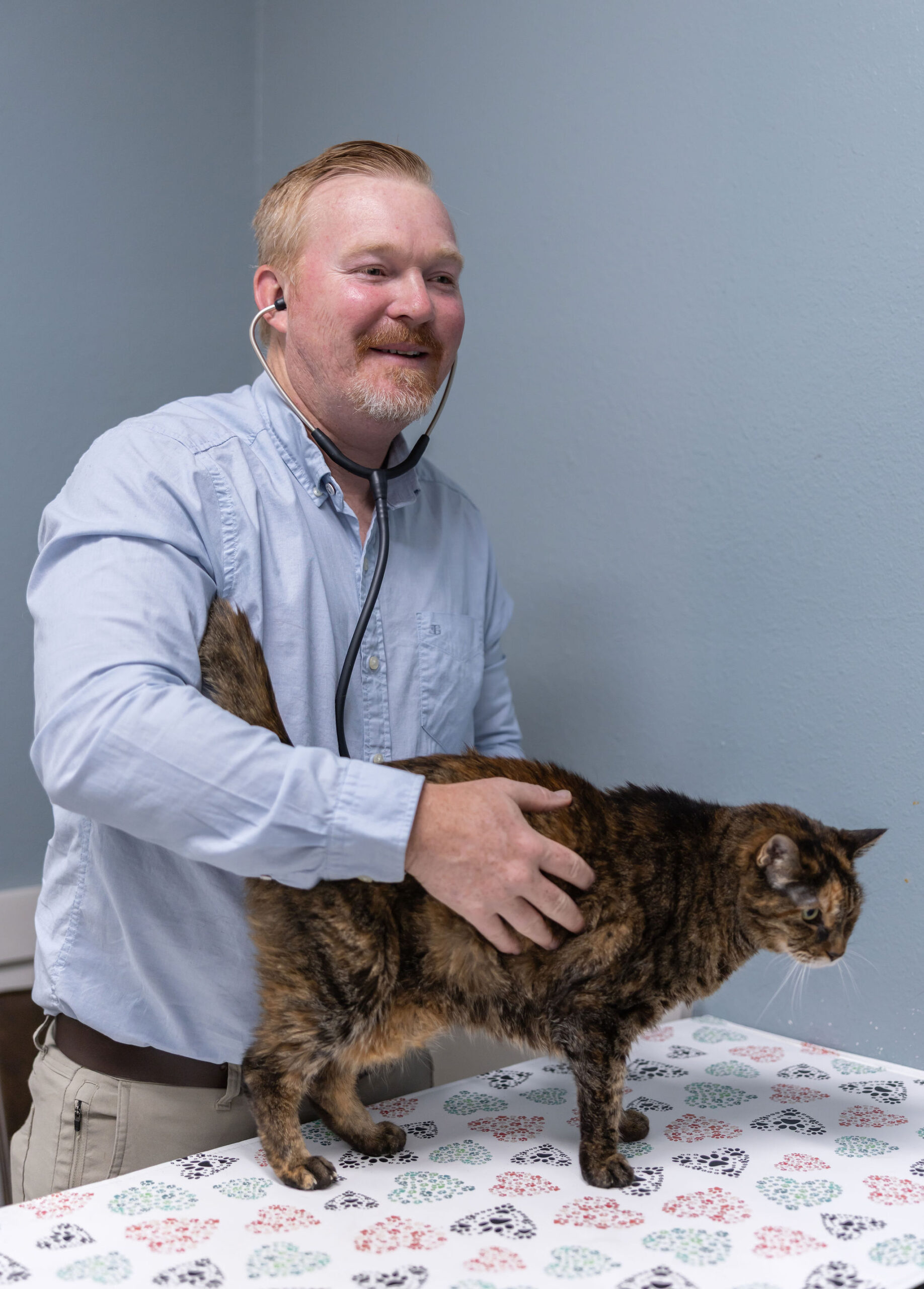
Medically reviewed by Bryan Hayter, DVM, Owner and Medical Director of Aliso Beach Animal Clinic | Laguna Beach, California | Last reviewed: August 2026
Vitamin C is one of the best-known nutrients in human health, but its role in veterinary medicine is more nuanced.
Unlike people and guinea pigs, most healthy dogs and cats can produce vitamin C within their own bodies. That means every dog or cat does not automatically benefit from taking a vitamin C supplement. However, vitamin C also participates in important biological processes involving antioxidant defense, collagen production and tissue health, and veterinarians may consider supplemental vitamin C for selected patients when there is a specific medical or nutritional reason.
One increasingly available form is liposomal vitamin C. Liposomal formulations surround vitamin C with microscopic phospholipid structures called liposomes. The goal is to protect the nutrient during digestion and potentially improve its absorption and delivery compared with some conventional oral preparations.
At Aliso Beach Animal Clinic, our approach to supplements is the same approach we take to other forms of holistic and integrative veterinary care: determine what the individual animal actually needs, understand the evidence and potential risks, and use supportive therapies alongside appropriate conventional veterinary medicine rather than in place of it.
What Is Liposomal Vitamin C?
Vitamin C, or ascorbic acid, is a water-soluble nutrient that acts as an antioxidant and is involved in several normal physiological processes.
A traditional oral vitamin C supplement dissolves within the gastrointestinal tract before being absorbed. In a liposomal preparation, vitamin C is incorporated into tiny lipid-based structures. Liposomes have been studied as delivery systems because they may protect certain compounds and alter how they are absorbed.
Human research has demonstrated increased bioavailability with some liposomal vitamin C preparations compared with conventional oral vitamin C. However, direct clinical research evaluating liposomal vitamin C specifically in dogs, cats and most exotic pets remains much more limited.
That distinction matters.
The biology of vitamin C is well established. Liposomal delivery is scientifically plausible and has supporting research in other settings. But that does not mean every proposed veterinary use of liposomal vitamin C has been proven in controlled clinical trials.
Good integrative medicine should acknowledge both what we know and what we do not yet know.
Why Might a Veterinarian Consider Vitamin C for a Pet?
Vitamin C should not be thought of as a treatment for one specific disease. Instead, when supplementation is appropriate, it is generally considered part of a larger treatment plan.
1. Antioxidant Support
Normal metabolism produces unstable molecules commonly called free radicals. The body has multiple antioxidant systems that help control them.
Oxidative stress occurs when the production of reactive molecules exceeds the body’s antioxidant defenses. Vitamin C participates in antioxidant activity, and research in dogs and cats has examined vitamin C alongside other dietary antioxidants.
This does not mean vitamin C prevents or cures diseases associated with oxidative stress. It means antioxidant status can be one consideration within nutrition and medical management.
For selected animals experiencing illness, physiologic stress or recovery, a veterinarian may consider whether nutritional antioxidant support makes sense as part of the overall plan.
2. Collagen Formation and Tissue Health
Vitamin C is involved in collagen synthesis.
Collagen is an important structural component of:
- Skin
- Blood vessels
- Tendons
- Ligaments
- Cartilage
- Bone
- Connective tissue
- Healing tissues
This is one reason severe vitamin C deficiency produces dramatic problems in species that cannot manufacture adequate vitamin C themselves.
The biological importance of vitamin C to collagen does not mean that giving additional vitamin C automatically speeds healing in an otherwise adequately nourished pet. When supplementation is considered during recovery from injury, illness or surgery, it should be based on the individual patient’s nutritional and medical needs.
3. Support During Recovery
Nutrition can become particularly important when an animal is recovering from significant illness, injury or surgery.
Depending upon the patient, a recovery plan could involve:
- Adequate calories and protein
- Hydration
- Pain management
- Treatment of infection or inflammation when present
- Physical rehabilitation
- Appropriate vitamins, minerals or nutraceuticals
- Follow-up examination and laboratory monitoring
Vitamin C may occasionally be one component of that larger supportive strategy.
At Aliso Beach Animal Clinic, we prefer this multimodal approach rather than expecting a single supplement to perform the work of an entire medical treatment plan.
Learn more about our veterinary supplement and nutraceutical consultations.
4. Selected Medical Conditions
Veterinary references describe ascorbic acid being used in several specific circumstances, including correction of vitamin C deficiency and as an antioxidant in the management of certain toxicities.
The important word is specific.
Vitamin C is not a universal treatment for infection, cancer, inflammation, immune disease, toxin exposure or chronic illness. Depending on the condition, a pet may instead need diagnostic testing, intravenous fluids, prescription medication, an antidote, surgery, oxygen therapy or hospitalization.
A supplement should never delay treatment that could materially affect the outcome.
If your dog, cat or exotic pet becomes suddenly ill, weak, painful, repeatedly vomits, has difficulty breathing or may have been exposed to a toxin, contact a veterinarian rather than attempting to treat the problem with vitamin C at home. Aliso Beach Animal Clinic offers same-day urgent veterinary care in Laguna Beach during regular clinic hours when availability and the patient’s condition allow.
What Makes Liposomal Vitamin C Different From Regular Vitamin C?
The potential advantage is primarily delivery.
Liposomes consist of phospholipids arranged around an internal compartment. Because biological cell membranes are also largely composed of lipids, liposomal delivery systems have been investigated as a way to improve the stability or bioavailability of a variety of nutrients and medications.
For vitamin C, some research in humans indicates that liposomal formulations can produce greater circulating vitamin C levels than conventional oral formulations.
However, pet owners should understand an important limitation:
Improved absorption does not automatically equal improved clinical outcome.
A product can deliver more vitamin C into the bloodstream without necessarily treating a particular disease more successfully.
There is currently far more evidence regarding vitamin C’s general physiology than there is high-quality veterinary evidence demonstrating that liposomal vitamin C improves specific diseases in dogs and cats.
For that reason, we consider the patient, indication, formulation, dose and complete treatment plan rather than choosing a supplement solely because its delivery system sounds advanced.
Do Healthy Dogs Need Vitamin C Supplements?
Usually, no.
Dogs normally synthesize vitamin C themselves. A healthy dog eating a complete and balanced diet therefore does not generally require routine vitamin C supplementation simply to prevent deficiency.
That does not mean veterinarians can never recommend it.
A veterinarian may consider supplemental vitamin C in a particular patient because of the animal’s health condition, diet, medications, nutritional status or therapeutic goals.
This is similar to many other nutraceuticals: the question should not simply be, “Is vitamin C good?”
The better question is:
“Is additional vitamin C appropriate for this particular pet?”
Do Cats Need Supplemental Vitamin C?
Healthy cats also generally synthesize vitamin C and do not have the same routine dietary requirement that humans or guinea pigs have.
Because cats have unique metabolism, urinary physiology and nutritional requirements, we recommend particular caution with giving human supplements to cats without veterinary guidance.
More is not necessarily better.
Guinea Pigs Are Different: Vitamin C Is Essential
This is where vitamin C becomes especially important in exotic-pet medicine.
Guinea pigs cannot manufacture their own vitamin C.
They require a reliable dietary source. Inadequate vitamin C can lead to hypovitaminosis C, commonly called scurvy, which can cause significant disease.
Signs may include:
- Poor appetite
- Weight loss
- Weakness
- Pain or reluctance to move
- Swollen or painful joints
- Abnormal coat quality
- Dental problems
- Bleeding
- Delayed wound healing
Growing, pregnant, lactating and ill guinea pigs may have increased vitamin C requirements. Current veterinary guidance emphasizes a species-appropriate diet, fresh vitamin-C-containing foods and supplementation when medically indicated.
A liposomal product is not automatically necessary or superior for every guinea pig. The correct product and amount depend on the animal’s diet, health and reason for supplementation.
Owners of guinea pigs and other nontraditional pets can learn more through our Laguna Beach Exotic Pet Care Guides or schedule an exotic-pet veterinary examination.
Can Other Exotic Pets Receive Vitamin C?
Possibly, but supplementation should be species-specific.
“Exotic pet” includes animals with remarkably different digestive systems, nutritional requirements and metabolisms. A supplement appropriate for a guinea pig may be unnecessary—or inappropriate—for a rabbit, reptile, bird or another small mammal.
This is particularly important because husbandry and nutrition are central components of exotic-animal medicine.
Never assume that a human vitamin product or a supplement designed for dogs can be safely transferred to another species.
Is Liposomal Vitamin C Safe for Dogs and Cats?
Vitamin C is generally well tolerated when appropriately used, but it is not risk-free.
Potential concerns can include:
- Diarrhea or gastrointestinal upset
- Excessive dosing
- Medication or supplement interactions
- Changes in urinary chemistry
- Increased concern for urinary stone formation in susceptible animals
- Problems associated with certain underlying diseases
Veterinary references specifically recommend caution in animals with a history of kidney or bladder stones, and vitamin C supplementation is generally avoided in dogs prone to calcium oxalate urinary stones. Ascorbic acid also should not be used indiscriminately in dogs with certain copper-storage disorders.
A veterinarian should know if your pet has a history of:
- Calcium oxalate bladder or kidney stones
- Chronic kidney disease
- Liver disease
- Copper storage disease
- Diabetes
- Recurrent urinary problems
- Prescription medication use
- Multiple supplements or nutraceuticals
These considerations are one reason we recommend bringing every medication and supplement your pet receives to veterinary appointments—or bringing clear photographs of the product labels.
Be Careful With Human Liposomal Vitamin C Products
A human supplement is not automatically safe for an animal simply because vitamin C itself can be used in veterinary medicine.
Products can contain:
- Sweeteners
- Flavorings
- Herbal ingredients
- Preservatives
- Multiple vitamins or minerals
- Oils or phospholipid sources
- Ingredients that may not be appropriate for a particular species
Concentrations can also vary substantially among products.
Before giving a human liposomal vitamin C preparation to your pet, show your veterinarian the complete ingredient panel.
Supplement Quality Matters
Nutraceuticals do not undergo the same premarket approval process used for prescription veterinary medications.
That means two bottles labeled “liposomal vitamin C” are not necessarily equivalent.
When evaluating a supplement, we consider factors such as:
- Exact active ingredient
- Amount per serving
- Complete inactive ingredient list
- Manufacturing quality
- Lot identification
- Storage requirements
- Independent quality testing when available
- Whether the formulation is appropriate for the species
- Whether the manufacturer provides meaningful quality-control information
A supplement only has value if we can be reasonably confident about what is actually inside it.
What Is the Right Dose of Liposomal Vitamin C for a Pet?
There is no single appropriate liposomal vitamin C dose for every pet.
The amount a veterinarian might recommend depends upon variables including:
- Species
- Body weight
- Age
- Diet
- Medical condition
- Reason for supplementation
- Kidney and urinary health
- Concurrent medications
- Other supplements
- Vitamin C concentration
- Formulation and delivery system
A guinea pig requiring vitamin C as an essential nutrient is fundamentally different from a healthy dog whose liver already produces vitamin C.
For that reason, we do not recommend extrapolating a human dose or using a dosing chart found online without considering the individual patient.
Is Liposomal Vitamin C a Holistic Treatment?
It can fit within an integrative veterinary plan, but the term holistic should not mean abandoning conventional medicine.
At Aliso Beach Animal Clinic, holistic care means looking at the complete patient.
Depending on the condition, a treatment plan might combine:
- Conventional veterinary diagnosis
- Laboratory testing or imaging
- Prescription medication
- Nutrition
- Carefully selected nutraceuticals
- Veterinary acupuncture
- Therapeutic laser treatment
- Weight and mobility management
- Environmental or lifestyle changes
Sometimes a supplement is appropriate.
Sometimes conventional medication is the most effective treatment.
Frequently, the best plan incorporates elements of both.
Learn more about our holistic and integrative veterinary care in Laguna Beach.
When Vitamin C Is NOT a Substitute for Veterinary Treatment
One of the risks surrounding supplements is assuming that something described as “natural” is inherently safer than conventional treatment.
That can become dangerous when an animal is acutely ill.
Do not rely on vitamin C, liposomal vitamin C or another supplement at home if your pet develops symptoms such as:
- Difficulty breathing
- Collapse
- Severe weakness
- Repeated vomiting
- Significant bleeding
- Severe pain
- Inability to urinate
- Sudden neurologic symptoms
- Suspected poisoning
- Serious trauma
- Rapid deterioration
During regular clinic hours, call Aliso Beach Animal Clinic at (949) 499-4190 for guidance. We provide same-day urgent veterinary care for many illnesses and injuries when the patient’s condition and clinic availability allow.
Life-threatening conditions, major trauma and pets requiring overnight intensive care may need immediate evaluation at a 24-hour emergency hospital.
Frequently Asked Questions About Liposomal Vitamin C for Pets
Is liposomal vitamin C better than ordinary vitamin C?
Liposomal technology may improve the oral bioavailability of vitamin C, and research outside veterinary clinical practice supports that possibility. However, there is currently limited evidence demonstrating that liposomal vitamin C produces superior clinical outcomes for specific diseases in dogs and cats. The appropriate formulation depends on why vitamin C is being considered in the first place.
Can I give my dog my liposomal vitamin C?
Not without checking the complete product with your veterinarian. Human products can contain different concentrations, sweeteners, flavorings and additional ingredients that may not be appropriate for dogs.
Can cats take liposomal vitamin C?
A veterinarian may recommend vitamin C in selected circumstances, but healthy cats ordinarily manufacture their own vitamin C. Routine supplementation is therefore not automatically necessary and may be inappropriate for some cats.
Does vitamin C boost a dog’s immune system?
Vitamin C participates in normal antioxidant and physiologic processes related to immune function, but describing it simply as an “immune booster” can be misleading. There is not good evidence that giving every healthy dog extra vitamin C prevents infectious disease or replaces vaccination, nutrition or appropriate veterinary treatment.
Can vitamin C treat cancer in pets?
Vitamin C should not be presented as a proven cure for cancer in dogs, cats or exotic pets. Veterinary oncology treatment should be based on the type of cancer, stage, diagnostic findings and goals of care. Any supplement considered for a pet undergoing cancer treatment should be discussed with the treating veterinarian or veterinary oncologist because supplements can potentially interact with treatment.
Is vitamin C good for dogs recovering from surgery?
Vitamin C is involved in collagen formation and normal tissue biology, but supplemental vitamin C has not been proven necessary for every dog recovering from surgery. Recovery support should be individualized based on nutrition, medical condition, procedure, medications and healing progress.
Do guinea pigs need vitamin C?
Yes. Unlike dogs and cats, guinea pigs cannot manufacture vitamin C and must receive it through their diet. Deficiency can cause serious disease. Owners should discuss an appropriate diet and supplementation strategy with a veterinarian experienced in exotic-animal care.
A Thoughtful Approach to Vitamin C and Veterinary Supplements
Liposomal vitamin C is an interesting nutritional tool, particularly because liposomal technology may enhance oral delivery. But its greatest potential value comes from using it thoughtfully rather than indiscriminately.
At Aliso Beach Animal Clinic, we believe supplements should have a reason, a goal and a place within the patient’s complete medical plan.
That may mean recommending a nutraceutical in one patient and deciding it offers little meaningful benefit in another.
Our independently owned Laguna Beach veterinary clinic provides conventional medical care alongside carefully selected holistic and integrative options for dogs, cats and many exotic pets.
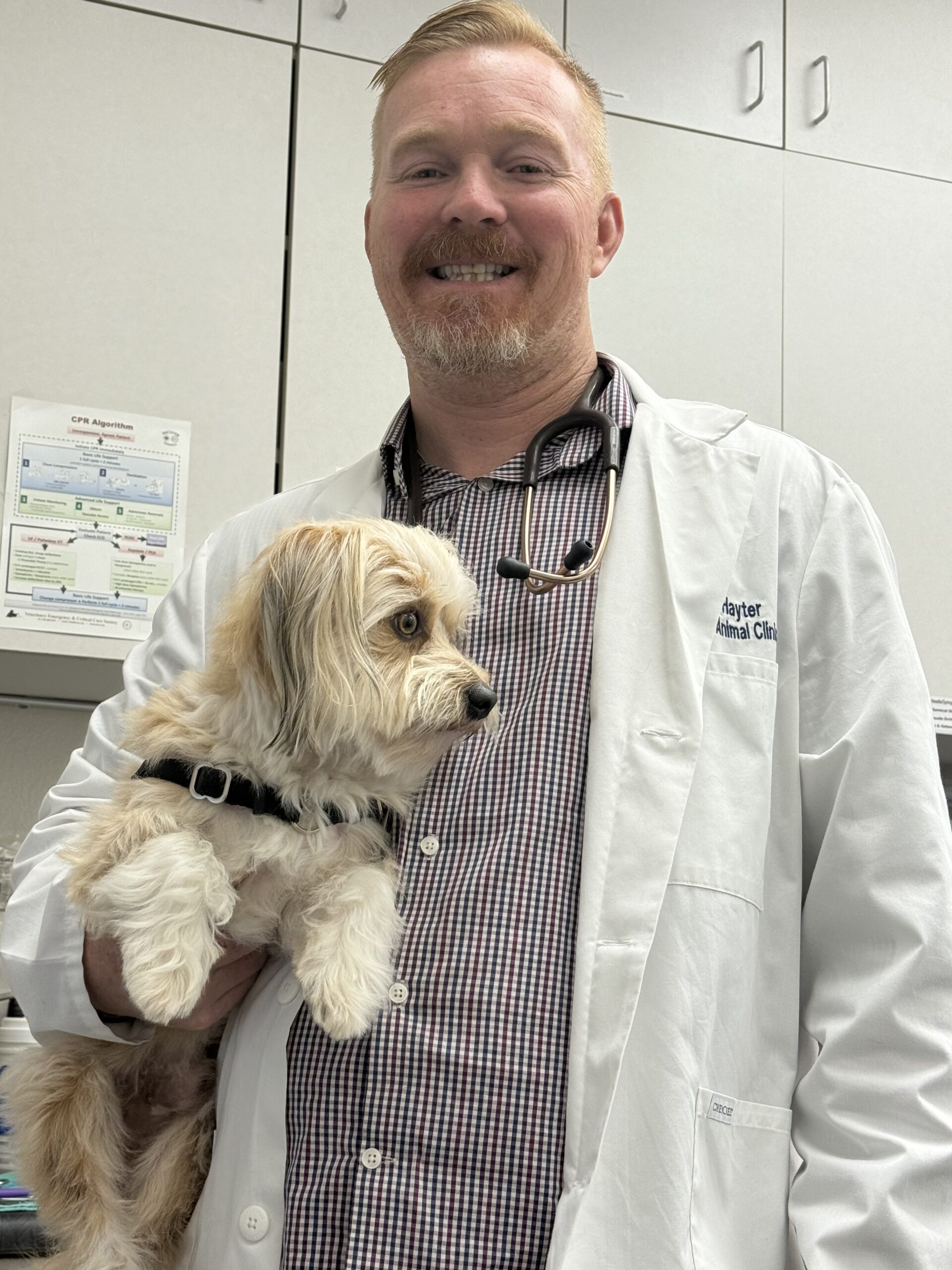
About Bryan Hayter, DVM
Dr. Bryan Hayter, owner and Medical Director of Aliso Beach Animal Clinic, earned his Doctor of Veterinary Medicine degree from Auburn University. His professional interests include internal medicine, dentistry, surgery, exotic-animal medicine and integrative care. His veterinary experience includes work with a wide variety of species during an internship at the San Diego Zoo, and he later completed veterinary acupuncture training through the International Veterinary Acupuncture Society.
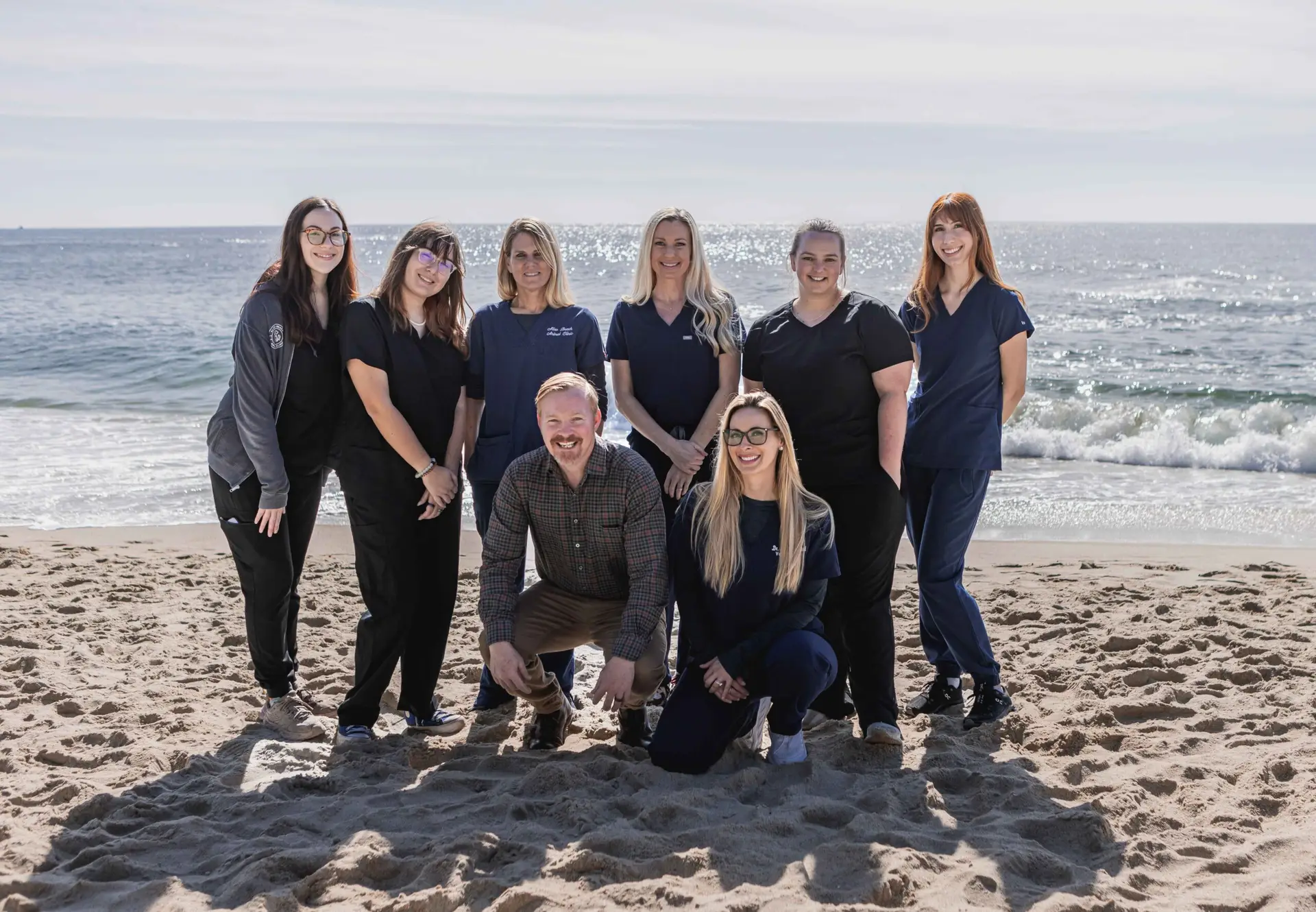
Meet Dr. Bryan Hayter and the Aliso Beach Animal Clinic veterinary team.
Questions About Supplements for Your Pet?
If you are considering liposomal vitamin C, herbs, nutraceuticals or another supplement for your dog, cat or exotic pet, bring the product or a photograph of its complete label to your appointment.
We can review it in the context of your pet’s diet, medications, laboratory results, medical history and treatment goals.
Aliso Beach Animal Clinic
30816 Coast Highway
Laguna Beach, CA 92651
Call: (949) 499-4190
Serving Laguna Beach, South Laguna, Aliso Beach, Three Arch Bay, Monarch Beach, Dana Point, Laguna Niguel and surrounding South Orange County communities.