


Why Is My Dog Panting? When Panting Is Normal, When It’s an Emergency & What It Can Mean
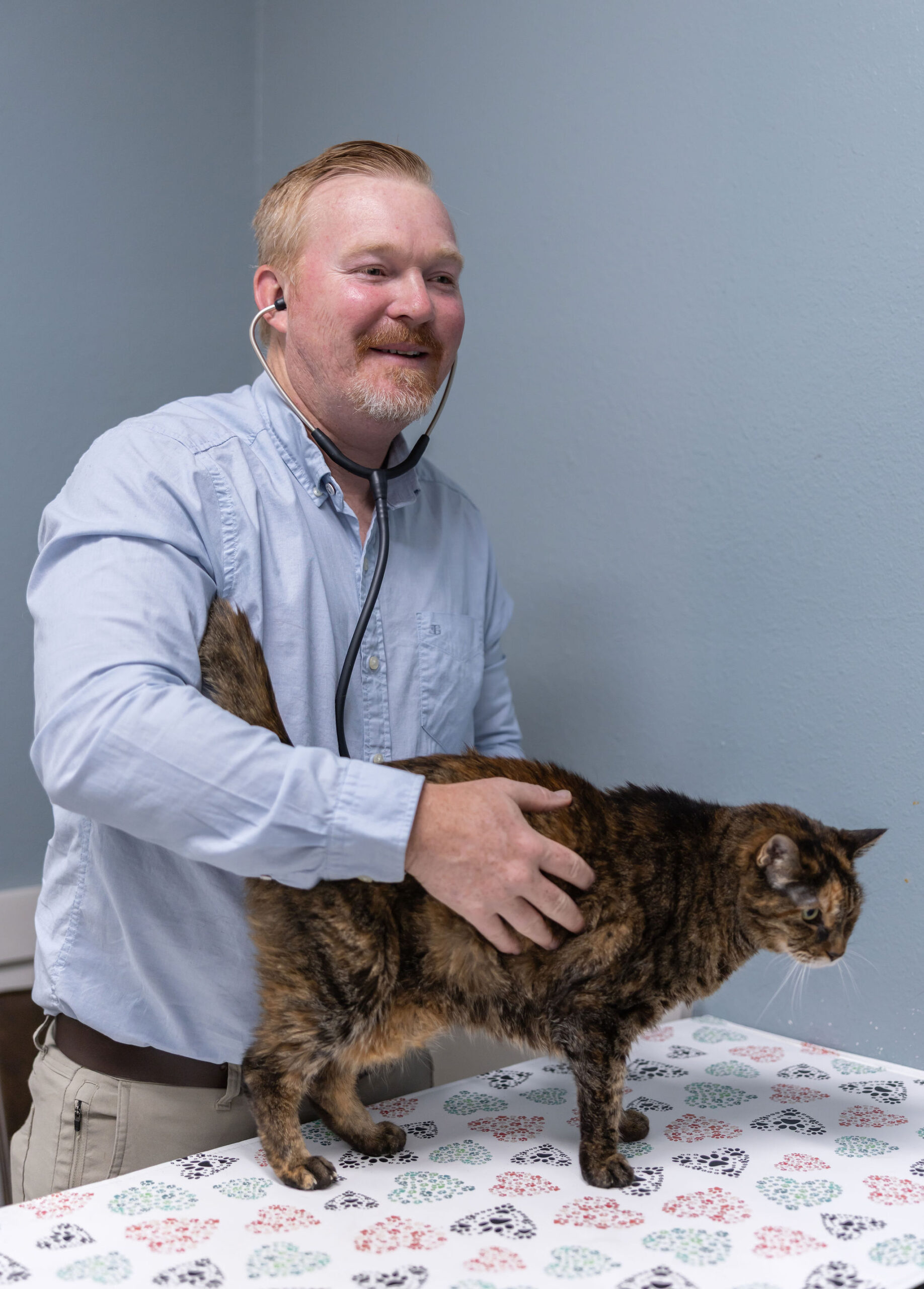
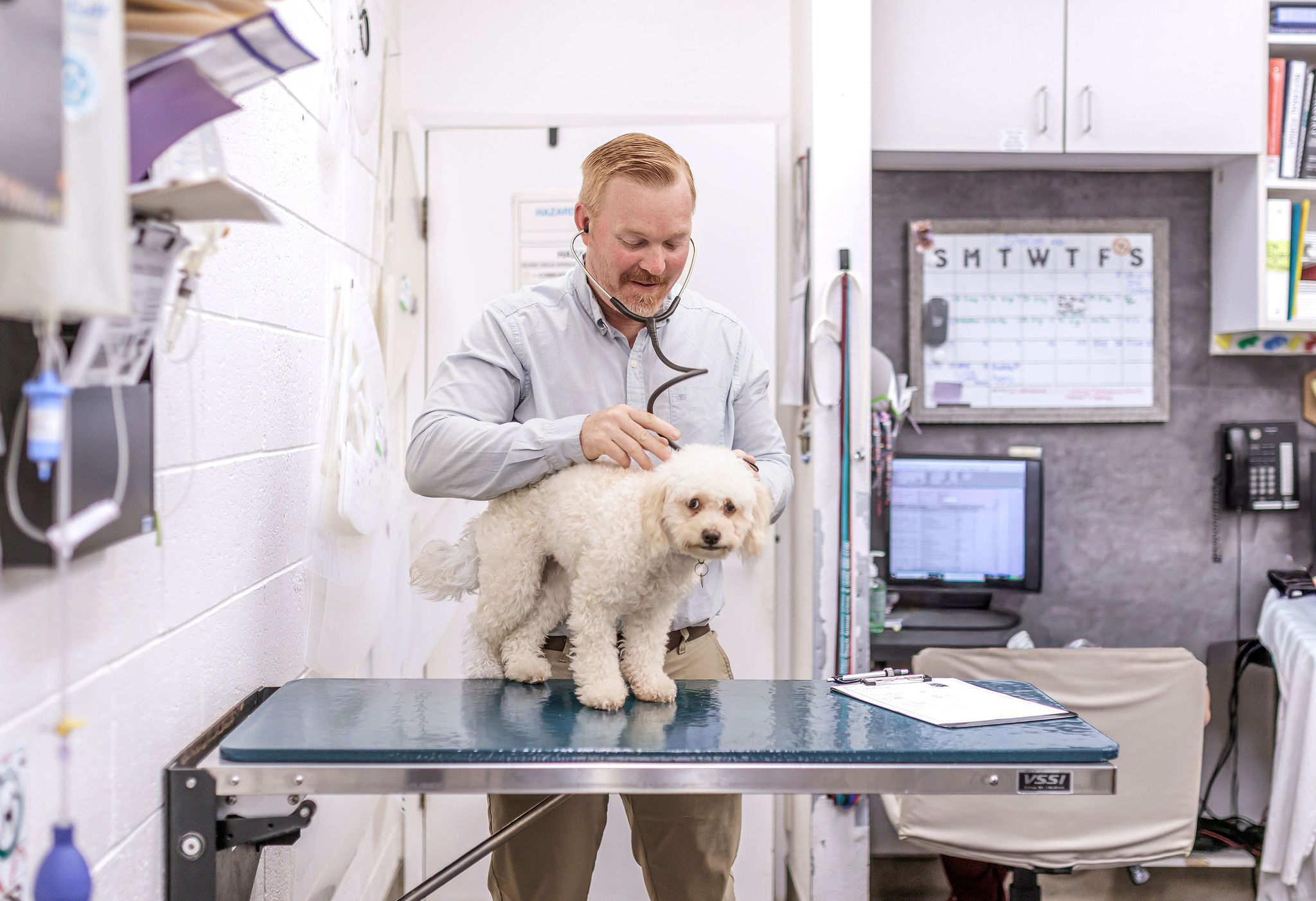
Medically reviewed by Bryan Hayter, DVM, Owner and Medical Director of Aliso Beach Animal Clinic
Last medically reviewed: August 2026
Dogs pant. Sometimes the explanation is completely normal: they have been exercising, the weather is warm, they are excited, or they are temporarily stressed.
But persistent or unexplained panting can also be one of the earliest signs that something is medically wrong.
Heart disease and congestive heart failure, Cushing’s disease, pain, overheating, airway disease, bronchitis, pneumonia, and other conditions can all change the way a dog breathes. In cats, panting and especially open-mouth breathing deserve even more attention because cats normally breathe quietly through their noses.
At Aliso Beach Animal Clinic in Laguna Beach, heart disease or heart failure and Cushing’s disease are among the more common underlying medical problems we identify in dogs evaluated for persistent or unexplained panting. We also see respiratory causes including bronchitis in dogs, feline asthma, infectious respiratory disease such as kennel cough, and fluid accumulating around the lungs, known as pleural effusion.
The important question is therefore not simply:
“Is my pet panting?”
It is:
“Why is my pet panting, and is the breathing pattern telling us that something more serious is happening?”
This guide explains how to tell normal panting from concerning breathing, when a dog or cat needs urgent veterinary care, and how veterinarians investigate the underlying cause.
Quick Answer: When Should I Worry About My Dog Panting?
Panting is more concerning when it:
- occurs while your dog is resting in a cool environment
- is new or noticeably different from your dog’s normal behavior
- continues after your dog should have recovered from exercise or excitement
- repeatedly wakes your dog or occurs throughout the night
- accompanies coughing
- accompanies weakness or exercise intolerance
- occurs with an enlarged or distended abdomen
- occurs with excessive thirst and urination
- occurs with weight or muscle loss
- accompanies wheezing or noisy breathing
- occurs with pale, gray, blue, or unusually dark-red gums
- is associated with collapse, fainting, disorientation, or severe weakness
- appears labored, with obvious movement of the abdomen or chest
If your pet is struggling to breathe, collapsing, unable to settle because of respiratory distress, or has blue or gray gums, treat the situation as an emergency.
During business hours, call Aliso Beach Animal Clinic for guidance about whether your pet can be evaluated through our same-day urgent veterinary care service or should go directly to a 24-hour emergency hospital.
Panting vs. Rapid Breathing vs. Difficulty Breathing
These terms are often used interchangeably by pet owners, but medically they describe different things.
Panting
Panting usually involves:
- an open mouth
- relatively shallow breaths
- movement of air over the tongue and upper airway
- an increased breathing frequency
Dogs primarily use panting to regulate body temperature, although excitement, anxiety, discomfort, medications, and illness can also trigger it.
Tachypnea
Tachypnea means the animal is breathing faster than normal.
A dog can have tachypnea without dramatically panting.
This distinction matters because a dog with fluid accumulating in the lungs from heart failure may initially develop an increased respiratory rate that is easy to miss.
The Merck Veterinary Manual notes that rapid breathing caused by pulmonary edema or pleural effusion can actually be masked by panting in dogs.
Dyspnea
Dyspnea means breathing is difficult or requires abnormal effort.
Warning signs can include:
- exaggerated movement of the chest or abdomen
- nostrils flaring
- neck extended forward
- elbows or front legs held away from the body
- inability to lie comfortably
- open-mouth breathing in a cat
- blue or gray gums
- marked restlessness because the animal cannot breathe comfortably
Dyspnea is not something to monitor casually at home.
The Two Medical Causes We Commonly Find: Heart Disease and Cushing’s Disease
Owners frequently assume unexplained panting is caused by heat or anxiety.
Sometimes it is.
But in our Laguna Beach patients, heart disease/heart failure and Cushing’s disease are two particularly important causes of persistent panting that we investigate, especially in middle-aged and senior dogs.
They can sometimes look surprisingly similar from across the room.
A dog with either condition may:
- pant while resting
- pant more at night
- tire more easily
- seem less willing to exercise
- have a changing body shape
- appear restless
- drink more
- seem uncomfortable in warm weather
The accompanying signs and diagnostic testing help distinguish them.
1. Heart Disease and Congestive Heart Failure
Heart disease does not automatically mean heart failure.
Many dogs live for years with a heart murmur or structural heart disease without developing congestive heart failure.
When heart disease progresses to heart failure, however, abnormal pressure can allow fluid to accumulate where it should not.
With left-sided congestive heart failure, fluid may accumulate within the lungs. This is called pulmonary edema.
Dogs may then develop:
- increased sleeping or resting respiratory rate
- panting while resting
- difficulty breathing
- exercise intolerance
- weakness
- coughing in some cases
- inability to get comfortable
- restlessness at night
- fainting or collapse in some patients
The Merck Veterinary Manual explains that dogs with left-sided congestive heart failure often breathe faster than healthy dogs because fluid accumulates within the lungs.
A Cough Does Not Automatically Mean Heart Failure
This is an important distinction.
A coughing senior dog with a heart murmur does not automatically have congestive heart failure.
Chronic airway disease can also cause coughing, particularly in smaller older dogs.
That is one reason chest imaging is so valuable.
Aliso Beach Animal Clinic offers digital veterinary X-rays and advanced diagnostic imaging, including stat board-certified radiology consultations when appropriate. Chest radiographs can help veterinarians evaluate:
- heart size
- pulmonary edema
- pneumonia
- bronchial changes
- lung abnormalities
- pleural effusion
- tracheal disease
- masses or nodules
Depending on the findings, additional testing may include an ECG, cardiac biomarkers, blood pressure measurement, or echocardiography.
The American College of Veterinary Internal Medicine also recommends home monitoring of resting respiratory rate for dogs with certain forms of heart disease because increasing respiratory rate can be a useful warning of clinical deterioration.
How to Count Your Dog’s Sleeping Respiratory Rate
This is one of the most useful things pet owners can learn to do at home.
Do it when your dog is:
- fully asleep
- not dreaming heavily
- not panting
- in a comfortable, cool environment
- not immediately recovering from exercise
Watch the chest.
One rise and fall of the chest = one breath.
Count breaths for 30 seconds and multiply by two.
For example:
14 breaths in 30 seconds × 2 = 28 breaths per minute.
The Merck Veterinary Manual describes a normal sleeping respiratory rate for dogs as less than 30 breaths per minute.
What if It Is Above 30?
One isolated reading does not diagnose heart failure.
A dog may breathe faster because of:
- dreaming
- heat
- anxiety
- pain
- fever
- respiratory disease
- recent activity
But a sleeping respiratory rate that is consistently above your dog’s normal baseline, particularly if repeatedly above approximately 30 breaths per minute, deserves veterinary discussion—especially in a dog with known heart disease.
A rapidly rising respiratory rate combined with increased breathing effort is more urgent.
Record a Video
If the breathing pattern is intermittent, take a 20- to 30-second video before leaving for the veterinary hospital if doing so does not delay care.
Videos of:
- sleeping breathing
- panting episodes
- coughing
- unusual chest movement
- wheezing
can provide useful diagnostic information.
2. Cushing’s Disease: A Common Cause of Persistent Panting
Cushing’s syndrome, also called hyperadrenocorticism or hypercortisolism, occurs when the body is exposed to excessive amounts of cortisol.
The American Animal Hospital Association’s Cushing’s syndrome guidelines identify excessive panting as one of the characteristic clinical signs of canine Cushing’s disease.
Other signs commonly include:
- increased thirst
- increased urination
- increased appetite
- a pot-bellied appearance
- muscle weakness or muscle loss
- thinning hair
- thin skin
- recurrent skin infections
- heat intolerance
- lethargy
Merck similarly lists panting, increased thirst and urination, increased appetite, abdominal enlargement and muscle wasting among common findings.
Why Do Dogs With Cushing’s Pant?
Cushing’s changes multiple body systems.
Excess cortisol can contribute to:
- altered respiratory drive
- muscle weakness
- abdominal enlargement
- heat intolerance
- redistribution of body fat
- reduced physical conditioning
Some Cushingoid dogs pant dramatically despite sitting in a cool room and doing very little.
Owners sometimes report that the panting is particularly noticeable in the evening or at night.
How Is Cushing’s Diagnosed?
Panting alone cannot diagnose Cushing’s.
A veterinarian looks for the overall clinical pattern and may recommend:
- physical examination
- CBC
- chemistry profile
- urinalysis
- urine culture when indicated
- blood pressure measurement
- endocrine testing
- abdominal imaging
AAHA emphasizes that Cushing’s testing is most useful when the patient’s clinical signs and laboratory findings create reasonable suspicion for the disease. False-positive endocrine test results can occur in dogs that are stressed or suffering from unrelated illness.
At Aliso Beach Animal Clinic, laboratory testing can be coordinated with our pet diagnostic and blood-work services and, when appropriate, specialist abdominal ultrasound.
Abdominal ultrasound can help evaluate the adrenal glands and other abdominal organs, although imaging findings must be interpreted together with endocrine testing and the overall clinical picture.
3. Chronic Bronchitis in Dogs
Not every coughing or panting dog has heart disease.
Dogs can develop chronic inflammatory disease of the lower airways.
Chronic bronchitis is particularly important in middle-aged and older dogs and may produce:
- chronic coughing
- gagging after coughing
- exercise intolerance
- increased respiratory effort
- wheezing
- increased respiratory rate
- panting after relatively mild activity
The Merck Veterinary Manual describes bronchitis as inflammation involving the trachea and bronchial airways and notes that chronic bronchitis commonly affects middle-aged and older dogs.
Because heart disease and bronchial disease may occur in the same older dog, diagnosis cannot reliably be made by listening to the cough alone.
Chest X-rays are often an important first step.
4. Kennel Cough and Canine Infectious Respiratory Disease
“Kennel cough” is a broad term commonly used for canine infectious respiratory disease or infectious tracheobronchitis.
Dogs may be exposed anywhere dogs gather, including:
- boarding facilities
- daycare
- grooming facilities
- shelters
- training classes
- dog parks
- veterinary hospitals
- communal water areas
The classic symptom is a sudden harsh cough, sometimes described as a “goose honk,” which may be followed by gagging or retching.
Many uncomplicated cases remain relatively mild.
However, call your veterinarian if coughing is accompanied by:
- substantial panting at rest
- fever
- lethargy
- poor appetite
- productive or moist-sounding cough
- rapid breathing
- increased respiratory effort
These findings can raise concern for more significant lower-airway involvement or pneumonia.
Merck notes that canine infectious tracheobronchitis is often mild but can progress to bronchopneumonia, particularly in more vulnerable patients.
5. Feline Asthma: Panting in a Cat Is Different
Cats are not small dogs when it comes to breathing.
A healthy cat normally breathes quietly through the nose.
A cat that is repeatedly panting or breathing with its mouth open, particularly while at rest, should be taken seriously.
One important cause is feline asthma.
Asthma causes inflammation and narrowing of the lower airways.
Possible signs include:
- coughing
- wheezing
- rapid breathing
- increased effort
- crouching low with the neck extended
- open-mouth breathing
Cornell University’s Feline Health Center explains that feline asthma can range from chronic low-grade coughing to acute respiratory distress and open-mouth breathing.
You can review Cornell’s detailed feline asthma resource.
Is Cat Panting Ever Normal?
A cat may briefly pant after extreme exertion, intense stress, or overheating.
But persistent panting, recurrent panting, or open-mouth breathing at rest should not simply be attributed to anxiety.
Cats with respiratory distress can deteriorate quickly, and excessive handling can increase their oxygen needs.
If your cat is struggling to breathe, minimize stress and seek veterinary care promptly.
6. Pleural Effusion: Fluid Around the Lungs
Pleural effusion means fluid has accumulated in the space between the lungs and the chest wall.
That fluid physically restricts the lungs from expanding normally.
Both dogs and cats can develop pleural effusion.
Possible underlying causes include:
- congestive heart failure
- cancer
- infection
- bleeding into the chest
- trauma
- chylothorax
- other inflammatory or systemic diseases
Signs may include:
- rapid breathing
- shallow breathing
- increased abdominal effort
- reluctance to move
- weakness
- open-mouth breathing
- inability to become comfortable
Cornell identifies pleural effusion as one of the major causes of respiratory distress in cats, along with heart failure and asthma.
Why Pleural Effusion Is Different From Fluid Inside the Lungs
With pulmonary edema, fluid is accumulating within lung tissue.
With pleural effusion, fluid accumulates around the lungs.
Both can make breathing difficult, but the treatment may differ significantly.
Large-volume pleural effusion may require thoracocentesis, a procedure in which fluid is removed from the chest to allow the lungs to expand more effectively.
This is one reason a pet with obvious respiratory distress should not simply be treated at home based on an assumed diagnosis.
7. Heat Stress and Heatstroke
Panting is one of a dog’s primary mechanisms for eliminating excess heat.
Therefore, heavy panting after activity on a hot day may initially be appropriate.
The concern is when the dog cannot cool effectively.
Heat illness can cause:
- extreme or persistent panting
- excessive drooling
- weakness
- vomiting
- diarrhea
- wobbliness
- confusion
- bright-red or abnormal gums
- collapse
- seizures
Brachycephalic breeds such as Bulldogs, French Bulldogs, Pugs and Boston Terriers may be particularly vulnerable because restricted upper airways can make heat dissipation less efficient.
In Laguna Beach, dogs can become overheated during:
- beach walks
- canyon hikes
- long neighborhood walks
- outdoor dining
- car rides
- time on patios
- activity on hot pavement
Our Laguna Beach hot-pavement and heat-safety guide explains additional warning signs and first steps.
Even pleasant coastal weather does not guarantee that asphalt, concrete, artificial turf or exposed walking surfaces are safe.
8. Pain
Pain is an often-overlooked cause of panting.
A painful dog may pant because of:
- arthritis
- neck or back pain
- abdominal pain
- pancreatitis
- injury
- post-surgical discomfort
- dental pain
- urinary pain
- cancer
- orthopedic disease
This is particularly important in senior dogs.
A dog that suddenly begins pacing and panting at night may have a breathing problem—but pain can produce a very similar pattern.
Watch for:
- difficulty lying down
- repeated repositioning
- trembling
- reluctance to climb stairs
- stiffness
- limping
- hunched posture
- sensitivity when touched
- reduced appetite
9. Anxiety, Stress and Excitement
Behavioral panting is real.
Dogs may pant during:
- car rides
- thunderstorms
- fireworks
- veterinary visits
- separation
- unfamiliar environments
- excitement
- fear
The pattern matters.
A dog who pants during a thunderstorm but returns to completely normal breathing afterward is very different from a dog who begins panting every night while resting.
New anxiety-like behavior in a senior pet also deserves medical evaluation before it is assumed to be purely behavioral.
10. Medications
Some medications can increase panting.
One of the best-known examples is corticosteroid medication such as prednisone.
Because glucocorticoids can reproduce some of the physiological effects associated with naturally occurring excess cortisol, medication-associated panting can sometimes resemble Cushing’s disease.
Never stop prednisone or another prescription medication abruptly unless your veterinarian specifically tells you to do so.
11. Fever, Infection and Pneumonia
A dog with a fever may pant as the body attempts to regulate temperature.
Respiratory infection or pneumonia may also cause:
- coughing
- rapid breathing
- lethargy
- reduced appetite
- fever
- nasal discharge
- increased respiratory effort
A dog initially diagnosed with uncomplicated kennel cough that becomes lethargic, begins breathing rapidly, or stops eating should be reassessed.
12. Anemia and Other Systemic Diseases
Panting and rapid breathing do not always originate in the lungs.
If the blood cannot carry oxygen normally, the body may attempt to compensate by increasing respiratory and heart rates.
Severe anemia can be associated with:
- pale gums
- weakness
- exercise intolerance
- rapid heart rate
- rapid breathing
- collapse
Other metabolic or systemic disorders can also change respiration.
This is why bloodwork is often part of the evaluation of unexplained persistent panting.
13. Upper-Airway Problems
Problems involving the upper airway can make breathing considerably more difficult.
Examples include:
- brachycephalic obstructive airway disease
- laryngeal paralysis
- tracheal collapse
- airway swelling
- foreign material
- masses
- severe inflammation
Dogs with airway obstruction may make unusual noises when breathing and can deteriorate rapidly when they become hot, excited, or stressed.
Why Is My Dog Panting at Night?
“Why is my dog panting at night?” is one of the most important variations of this question because nighttime removes many of the obvious explanations.
The dog is usually:
- indoors
- not exercising
- less excited
- often in a cooler environment
Persistent nighttime panting therefore deserves attention.
Common possibilities include:
- Cushing’s disease
- heart disease or heart failure
- chronic respiratory disease
- pain
- anxiety
- medication effects
- abdominal discomfort
- cognitive changes in senior dogs
- an overly warm sleeping environment
If the dog is actually asleep, count the sleeping respiratory rate.
If the dog cannot sleep because it continually has to sit up, change positions, pace, or pant, contact a veterinarian.
Why Is My Dog Panting While Resting?
Panting at rest is generally more diagnostically meaningful than panting after exercise.
Ask yourself:
- Is the room cool?
- Has my dog exercised recently?
- Is my dog frightened or excited?
- Is the panting new?
- Is there coughing?
- Is the dog drinking or urinating more?
- Is there abdominal enlargement?
- Is my dog losing muscle?
- Is breathing faster even when the mouth is closed?
- Does the chest or abdomen appear to be working harder to breathe?
New persistent panting at rest deserves veterinary evaluation.
When Heavy Panting Is an Emergency
Seek immediate veterinary care when panting or rapid breathing occurs with:
- obvious difficulty breathing
- blue or gray gums
- collapse
- inability to stand
- severe weakness
- repeated fainting
- severe heat exposure
- significant chest trauma
- suspected toxin exposure with respiratory signs
- inability to lie down because breathing becomes worse
- open-mouth breathing in a cat
- rapidly worsening respiratory effort
Do not rely exclusively on gum color. A pet may have serious heart or lung disease while the gums still appear pink.
Our Laguna Beach Pet Emergency & Urgent-Care Guide can help local pet owners distinguish problems appropriate for same-day urgent care from situations that may require a 24-hour emergency hospital.
How Veterinarians Diagnose Unexplained Panting
There is no single “panting test.”
The veterinarian first determines whether the problem appears to originate primarily from:
- heart
- lungs
- airways
- endocrine system
- pain
- temperature regulation
- blood
- metabolism
- medication
- behavior
Physical Examination
Your veterinarian may evaluate:
- respiratory rate and effort
- heart rate and rhythm
- heart sounds and murmurs
- lung sounds
- gum color
- temperature
- hydration
- abdominal shape
- muscle condition
- lymph nodes
- airway sounds
- signs of pain
Chest X-Rays
Thoracic radiographs can be extremely useful for differentiating:
- heart enlargement
- pulmonary edema
- bronchial disease
- pneumonia
- pleural effusion
- lung masses
- tracheal abnormalities
Aliso Beach Animal Clinic’s digital radiology service includes high-quality digital imaging and access to stat specialist interpretation when needed.
Laboratory Testing
Bloodwork may help identify:
- anemia
- infection
- liver abnormalities
- kidney abnormalities
- electrolyte changes
- endocrine patterns
- systemic inflammation
Additional tests are selected according to the suspected disease.
Cardiac Evaluation
Depending on the patient, heart evaluation may include:
- chest radiographs
- blood pressure
- ECG
- cardiac biomarkers
- echocardiography
- cardiology consultation
Cushing’s Testing
When Cushing’s is suspected, endocrine testing may include a low-dose dexamethasone suppression test, ACTH stimulation testing in selected situations, or other diagnostic testing based on the clinical picture.
AAHA’s current endocrinology guidelines emphasize evaluating the whole patient rather than using a single abnormal laboratory value to diagnose Cushing’s.
Ultrasound
Abdominal ultrasound may be useful when investigating adrenal disease or other systemic conditions.
Aliso Beach Animal Clinic offers specialist abdominal ultrasound for dogs and cats performed at our hospital by a board-certified veterinary emergency and critical-care specialist.
What You Can Safely Do at Home While Calling Your Veterinarian
If your pet is breathing abnormally:
- keep the environment cool
- stop exercise
- minimize excitement and handling
- allow the pet to choose a comfortable position
- count the respiratory rate if this can be done without stressing the pet
- record a short video if it does not delay care
- call your veterinarian
Do not:
- give human cough medication
- give someone else’s heart medication
- change your pet’s diuretic dose unless you already have specific veterinary instructions
- force food or water into a pet struggling to breathe
- restrain a distressed cat unnecessarily
- assume panting is “just anxiety” if it is new or persistent
A Laguna Beach Perspective: Heat Is Only One Possible Explanation
Living in coastal Orange County can make it tempting to attribute panting to a warm day or beach walk.
Sometimes that is correct.
But Laguna Beach pets also live active lives involving beaches, trails, hills, outdoor patios, neighborhood walks and travel.
A dog that regularly tolerates those activities and suddenly begins panting differently deserves attention.
At Aliso Beach Animal Clinic, we use the entire clinical picture—not the symptom alone—to determine whether panting is related to temperature, pain, respiratory disease, endocrine disease, heart disease, or another medical problem.
For additional local safety information, visit our Laguna Beach Pet Health Guides and our guide to beach and ocean hazards for dogs.
Frequently Asked Questions About Panting
Why is my dog panting for no reason?
There is usually a reason, even when it is not obvious.
Possibilities include heat, excitement, anxiety, pain, Cushing’s disease, heart disease, respiratory disease, medication effects, fever, anemia, obesity, or another medical condition.
Persistent unexplained panting deserves veterinary evaluation.
Why is my senior dog suddenly panting?
New panting in an older dog is worth investigating.
Important considerations include heart disease, Cushing’s disease, pain, respiratory disease, medication effects and other age-related medical conditions.
Can heart failure cause panting?
Yes.
Dogs with congestive heart failure may develop rapid breathing and panting as fluid accumulates in or around the lungs. Sleeping respiratory-rate monitoring can be especially useful in dogs with known heart disease.
Does Cushing’s disease cause panting?
Yes.
Excessive panting is a recognized clinical sign of canine Cushing’s syndrome and is included in AAHA’s diagnostic guidelines.
Does kennel cough cause panting?
Uncomplicated kennel cough primarily causes coughing.
A dog with kennel cough that also develops substantial panting at rest, fever, lethargy, poor appetite, rapid breathing or difficulty breathing should be reevaluated because more significant respiratory disease may be present.
Can bronchitis make a dog pant?
Yes, particularly when airway inflammation causes increased respiratory effort or exercise intolerance.
Chronic coughing in an older dog should not automatically be attributed to heart disease simply because the dog also has a heart murmur.
Is it normal for cats to pant?
Brief panting may occasionally occur after extreme exertion, heat, or significant stress.
Repeated panting or open-mouth breathing at rest is not something to dismiss in a cat and may indicate asthma, heart disease, pleural effusion or another serious respiratory problem.
Cornell provides an excellent overview of difficulty breathing in cats.
What respiratory rate is too high for a sleeping dog?
Merck describes a normal sleeping respiratory rate as fewer than 30 breaths per minute in dogs.
The trend is especially important. A persistently increasing sleeping respiratory rate or increased breathing effort warrants veterinary attention.
Should I take a video of my dog panting?
Yes, if your pet is stable enough that doing so does not delay necessary care.
A video can help your veterinarian see an intermittent breathing pattern that may disappear when your pet arrives at the hospital.
When to Call Aliso Beach Animal Clinic
Call us if your dog or cat develops:
- new or unexplained panting
- panting while resting
- increased sleeping respiratory rate
- persistent nighttime panting
- coughing with abnormal breathing
- reduced exercise tolerance
- unusual respiratory sounds
- increased thirst combined with panting
- abdominal enlargement or muscle loss
- a significant change from your pet’s normal breathing
Aliso Beach Animal Clinic provides veterinary care for dogs, cats and exotic pets in Laguna Beach and surrounding coastal Orange County communities.
We offer:
- same-day urgent veterinary evaluation when availability allows
- in-house laboratory testing
- digital chest radiographs
- stat board-certified radiology consultations
- advanced imaging
- specialist abdominal ultrasound
- coordination of cardiac and specialty evaluation when indicated
Severe breathing difficulty is an emergency.
If your pet is struggling to breathe, collapsing, has blue or gray gums, or appears critically ill, call immediately. Depending on your pet’s condition and the time of day, our team may direct you to a 24-hour emergency hospital capable of providing continuous oxygen therapy, ICU monitoring and overnight care.
Aliso Beach Animal Clinic
30816 Coast Highway
Laguna Beach, California 92651
Call: (949) 499-4190
Veterinary Sources & Further Reading
This guide incorporates current veterinary guidance and clinical information from:
- American Animal Hospital Association — 2023 Selected Endocrinopathies Guidelines: Canine Cushing’s Syndrome
- Merck Veterinary Manual — Heart Failure in Dogs and Cats
- American College of Veterinary Internal Medicine — Consensus Guidelines for Myxomatous Mitral Valve Disease
- Cornell Feline Health Center — Feline Asthma
- Cornell Feline Health Center — Difficulty Breathing in Cats
- Merck Veterinary Manual — Bronchitis in Dogs
- Merck Veterinary Manual — Kennel Cough / Canine Infectious Tracheobronchitis
Medical disclaimer: This resource is intended for pet-owner education and does not replace an examination, diagnosis, or individualized treatment plan from a veterinarian. Respiratory distress can become life-threatening quickly. When in doubt, seek veterinary care.