

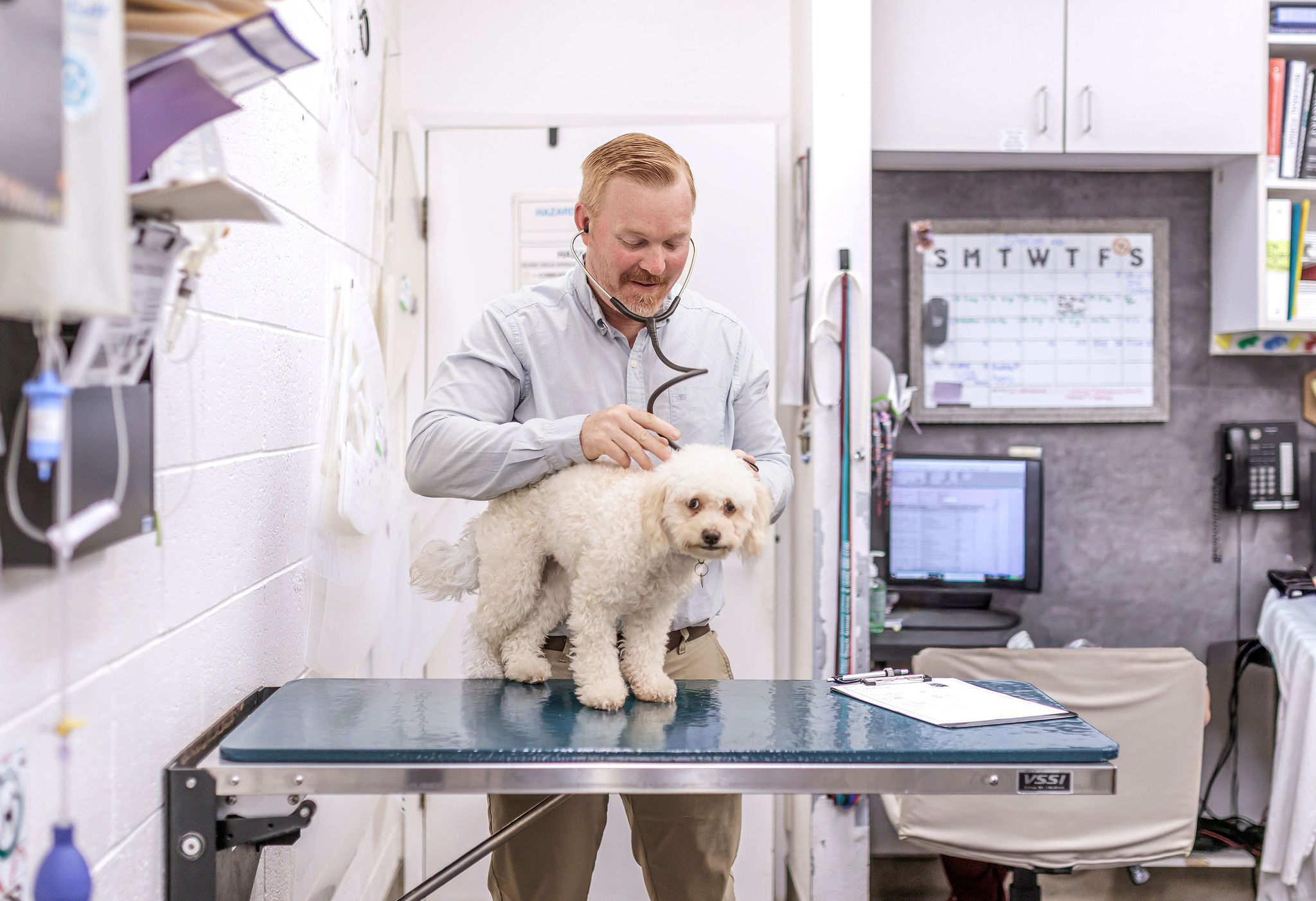
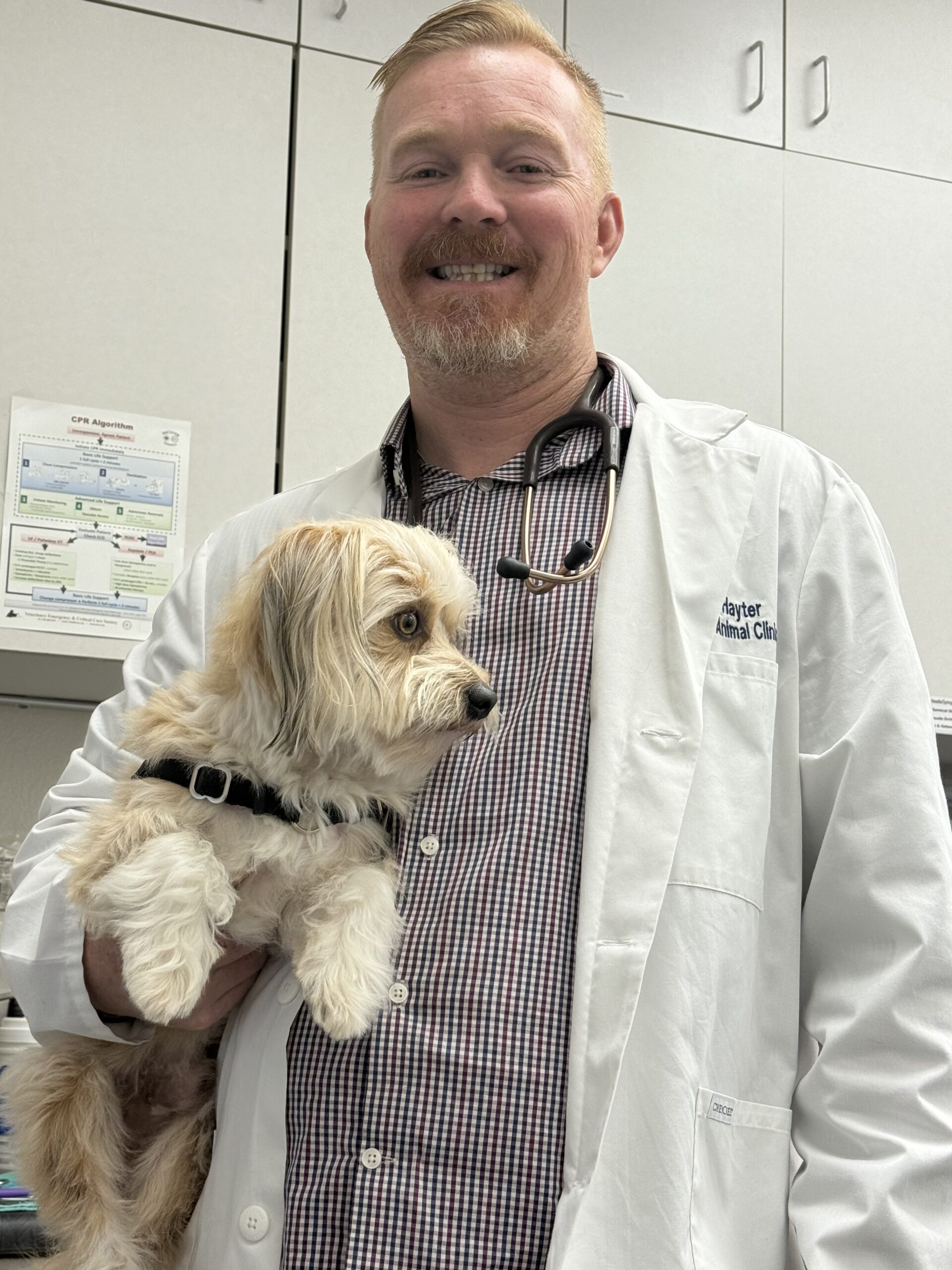
Medical review: Bryan Hayter, DVM | Aliso Beach Animal Clinic, Laguna Beach, California
Dog Diarrhea & Vomiting in Laguna Beach: When to See a Veterinarian
Almost every dog has an occasional episode of loose stool or vomiting. Sometimes the cause is relatively minor—a new treat, an abrupt food change, or something questionable picked up on a walk. Other times, vomiting or diarrhea is the first sign of dehydration, pancreatitis, intestinal parasites, a foreign-body obstruction, toxin exposure, gastrointestinal bleeding, or another condition that requires veterinary treatment.
For dog owners, the difficult question is often not “Does my dog have diarrhea?” but rather:
“Can I safely monitor this at home, or does my dog need to see a veterinarian?”
At Aliso Beach Animal Clinic in Laguna Beach, we evaluate dogs with vomiting, diarrhea and other sudden gastrointestinal problems regularly. We also see some distinctly coastal causes of stomach upset, including dogs that drink ocean water, swallow sand, eat discarded food or bait, or find things on the beach that were never intended to become dog treats.
This guide explains what different gastrointestinal symptoms may mean, what you can monitor at home, what deserves a same-day veterinary call, and which symptoms should be treated as an emergency.
When Is One Episode of Diarrhea Usually Less Concerning?
A single soft stool in an otherwise happy, energetic adult dog does not necessarily mean that something serious is wrong.
Home monitoring may be reasonable when your dog:
- Has had only one or two loose stools
- Is behaving normally
- Is eating normally or nearly normally
- Is drinking and keeping water down
- Has no vomiting
- Has no significant blood in the stool
- Does not appear painful
- Has not swallowed a foreign object or toxin
- Is not a very young puppy, frail senior, or medically fragile dog
Keep in mind that how your dog feels is often more important than how unpleasant the stool looks. A dog who has one very loose stool and immediately wants to play may be less concerning than a dog with only mild diarrhea who is weak, painful, refusing food, or behaving abnormally.
When Should I Call the Veterinarian for Dog Diarrhea?
Contact a veterinarian when diarrhea is frequent, persistent, accompanied by other symptoms, or occurring in a dog who is more vulnerable to dehydration or serious disease.
We recommend calling Aliso Beach Animal Clinic’s same-day urgent care team promptly if your dog has:
- Repeated or very frequent diarrhea
- Watery diarrhea that continues through the day
- Diarrhea accompanied by vomiting
- Blood in the stool
- Reduced appetite or refusal to eat
- Marked lethargy or weakness
- Abdominal pain
- Signs of dehydration
- A fever or significant change in behavior
- Possible exposure to a toxin
- A possible intestinal foreign body
- Recent access to garbage, compost, bones, toys, socks, corn cobs, food wrappers or other objects
- Known or suspected parasite exposure
- Recurring diarrhea that keeps returning
- Unexplained weight loss
Puppies, very small dogs, senior dogs and dogs with chronic medical conditions deserve particular caution because they may become dehydrated or metabolically unstable more quickly.
Diarrhea Plus Vomiting Deserves More Attention
When vomiting and diarrhea occur together, fluid losses can become significant more quickly.
A dog who vomits once but remains bright and comfortable may sometimes be monitored. A dog who repeatedly vomits, develops diarrhea and cannot keep water down should be evaluated much sooner.
Veterinary attention is especially important when a dog:
- Vomits repeatedly over several hours
- Vomits every time water is offered
- Has both frequent vomiting and diarrhea
- Appears weak or unusually quiet
- Has a painful or distended abdomen
- Has blood in the vomit or stool
- Has a history of swallowing inappropriate objects
Persistent vomiting can occur with relatively straightforward gastroenteritis, but it can also accompany pancreatitis, kidney or liver disease, toxins and gastrointestinal obstruction. Imaging such as radiographs or, in selected cases, an abdominal ultrasound may be recommended when a veterinarian is concerned about an internal abdominal problem.
What Does Blood in Dog Diarrhea Mean?
Blood does not always mean the same thing.
Bright Red Blood
Small streaks of fresh, bright-red blood can occur when the colon becomes inflamed or irritated. Dogs with colitis may also have mucus, frequent small bowel movements, urgency and straining.
Even when the amount appears small, call your veterinarian if bloody diarrhea is repeated, worsening or accompanied by vomiting, weakness, poor appetite or pain.
Large Amounts of Bloody Diarrhea
Sudden, profuse bloody diarrhea can result in substantial fluid loss. Some dogs develop a condition commonly called acute hemorrhagic diarrhea syndrome (AHDS), which can produce dramatic bloody diarrhea and rapid dehydration.
A dog with profuse bloody diarrhea should not simply be watched at home to see what happens.
Black or Tarry Stool
Black, sticky or tar-like stool can represent digested blood from higher in the gastrointestinal tract and deserves prompt veterinary attention.
Signs of Dehydration in a Dog With Diarrhea
Vomiting and diarrhea cause loss of water and electrolytes. Significant dehydration may require veterinary fluid therapy.
Possible signs include:
- Dry or tacky gums
- Weakness
- Unusual tiredness
- Reduced interest in food
- Sunken-looking eyes
- Reduced urination
- Rapid heart rate
- Poor skin elasticity
Home tests for dehydration are imperfect, particularly in older or overweight animals. If a dog is repeatedly losing fluids and seems unwell, veterinary evaluation is more reliable than trying to determine the exact percentage of dehydration at home.
Common Causes of Diarrhea in Dogs
“Diarrhea” is a symptom rather than a diagnosis. Causes range from minor dietary indiscretion to serious systemic illness.
1. Eating Something They Shouldn’t
Veterinarians often use the term dietary indiscretion for dogs eating things outside their normal diet.
This can include:
- Garbage
- Rich table food
- Fatty meat
- New treats
- Food dropped outdoors
- Compost
- Dead animals
- Food found at the beach
Some dogs develop mild gastrointestinal upset. Others develop significant gastroenteritis or pancreatitis.
2. Sudden Diet Changes
Changing foods abruptly can cause loose stool in some dogs. When possible, routine diet changes are generally easier on the gastrointestinal tract when made gradually.
Dogs with persistent digestive problems may also benefit from individualized veterinary nutrition guidance rather than repeated trial-and-error food changes.
3. Intestinal Parasites
Roundworms, hookworms, whipworms and protozoal organisms such as Giardia can cause diarrhea.
Parasites are particularly important considerations in puppies, newly adopted dogs, dogs that visit high-traffic pet areas, and dogs exposed to contaminated soil, feces or water.
A routine dewormer does not eliminate every gastrointestinal parasite. The appropriate treatment depends on what organism is suspected or identified, which is why stool testing can be useful.
Learn more about parasite prevention and testing.
4. Giardia
Giardia is a microscopic intestinal parasite that can cause soft, watery or intermittent diarrhea. Some infected dogs have obvious gastrointestinal symptoms while others appear relatively normal.
Dogs may encounter Giardia where fecal contamination reaches soil or water. Reinfection can also occur, which is one reason environmental hygiene and preventing access to contaminated feces matter alongside appropriate veterinary treatment.
5. Pancreatitis
Pancreatitis is inflammation of the pancreas and may cause:
- Vomiting
- Diarrhea
- Loss of appetite
- Abdominal pain
- Lethargy
Some cases are mild, while others can be severe. High-fat meals can be a trigger in susceptible dogs, although pancreatitis can develop without an obvious dietary cause.
6. Foreign-Body Obstruction
Dogs swallow an astonishing variety of objects.
Common foreign bodies include:
- Socks and underwear
- Toys and pieces of toys
- Balls
- Corn cobs
- Fruit pits
- Bones
- Food wrappers
- Fishing tackle or line
- Rocks
An intestinal obstruction does not always mean that a dog immediately stops producing stool. A dog can initially have diarrhea or even pass stool while an obstruction is developing.
Repeated vomiting, abdominal pain, poor appetite and a known or possible foreign-object ingestion warrant prompt veterinary evaluation.
7. Viral or Bacterial Disease
Infectious gastrointestinal disease can produce vomiting and diarrhea, particularly in puppies or dogs with incomplete vaccination histories.
Canine parvovirus is especially dangerous in puppies and unvaccinated dogs. Severe diarrhea, vomiting, profound lethargy and loss of appetite in a puppy should never be dismissed as a simple upset stomach.
Our puppy and kitten care program includes individualized vaccination, parasite testing and early preventive care.
8. Medication or Toxin Exposure
Some medications and toxins cause gastrointestinal irritation, ulceration, vomiting or diarrhea.
Never assume that a medication designed for people is safe for a dog. Human pain medications such as ibuprofen and naproxen can cause serious toxicity in pets.
If you know or suspect your dog swallowed a toxin, medication, chemical or poisonous plant, contact a veterinarian or veterinary poison-control service promptly rather than waiting for diarrhea to appear.
9. Chronic Gastrointestinal Disease
Diarrhea that repeatedly returns or persists is different from a single short episode.
Potential causes can include:
- Food-responsive gastrointestinal disease
- Chronic enteropathy
- Parasites
- Pancreatic disease
- Liver disease
- Kidney disease
- Endocrine disease
- Protein-losing intestinal disease
- Gastrointestinal cancer
Recurring symptoms often require more than switching foods repeatedly. A veterinarian may recommend fecal testing, bloodwork, urinalysis, specialized gastrointestinal testing or diagnostic imaging.
For selected patients with persistent vomiting, diarrhea, weight loss, appetite changes or abnormal laboratory results, Aliso Beach Animal Clinic can arrange a specialist abdominal ultrasound at our Laguna Beach hospital.
Laguna Beach Dogs Have Some Unique GI Risks
Living in Laguna Beach means many dogs enjoy beaches, trails, parks and outdoor dining with their families. It also creates several opportunities for gastrointestinal trouble.
Dog Drank Ocean Water
Small incidental amounts of seawater may cause mild stomach upset in some dogs. Drinking a large amount can cause vomiting and diarrhea and potentially disturb the body’s sodium balance.
Call a veterinarian promptly if a dog that has been drinking ocean water develops:
- Repeated vomiting
- Profuse diarrhea
- Marked weakness
- Unusual behavior or confusion
- Tremors
- Loss of coordination
- Seizures
Dogs playing fetch in the surf may inadvertently swallow substantial amounts of water while repeatedly grabbing toys.
Dog Ate Sand at the Beach
Dogs can swallow sand while digging, licking sandy toys or balls, eating food off the beach, or repeatedly retrieving objects from the surf.
Large quantities of sand can accumulate in the gastrointestinal tract and potentially cause an impaction or obstruction.
Contact a veterinarian if your dog develops vomiting, abdominal pain, loss of appetite, lethargy, straining or persistent diarrhea after substantial sand exposure.
Beach Trash, Fish, Bait and Food
Beach outings also give curious dogs access to things such as:
- Discarded food
- Fatty leftovers
- Bait
- Dead fish or marine animals
- Bones
- Fishing hooks and line
- Plastic wrappers
- Other debris
If fishing line is hanging from your dog’s mouth, do not pull it. A hook or other object may be attached farther inside the mouth, esophagus or gastrointestinal tract.
Call a veterinarian for guidance.
What Can I Do at Home for Mild Dog Diarrhea?
If your healthy adult dog has one or two loose stools but is otherwise acting completely normal, close observation may be appropriate.
Keep Fresh Water Available
Preventing dehydration is important. Your dog should have access to fresh water unless a veterinarian has specifically given you different instructions.
If drinking water immediately causes vomiting, call your veterinarian.
Use Smaller, Easy-to-Digest Meals
Older advice frequently recommended withholding food from every dog with gastrointestinal upset. Current veterinary management does not automatically require prolonged fasting, and early appropriate nutrition can be beneficial for many gastrointestinal patients.
For a dog with mild diarrhea who is not vomiting, smaller portions of an easily digestible diet may be appropriate.
Ask your veterinarian if you are uncertain what diet is safest for your particular dog.
Avoid Rich Foods and Treats
Until your dog’s gastrointestinal tract has recovered, avoid:
- Fatty meat
- Greasy foods
- Rich table scraps
- Large numbers of treats
- Sudden diet experimentation
Do Not Automatically Give Human Anti-Diarrheal Medication
Do not give medications such as loperamide (Imodium), bismuth products, pain medications or other human drugs without veterinary guidance.
The safety of these medications depends on the dog’s breed, health history, other medications and the underlying cause of the diarrhea. Some drugs may be inappropriate or dangerous for particular patients.
Save a Stool Sample
If you think your dog may need an examination, bring a fresh stool sample when possible.
Place a small amount in a clean sealed container or bag and keep it refrigerated until the visit if you cannot leave immediately. Do not freeze it unless instructed to do so.
A photograph of unusual stool or vomit can also be surprisingly useful to your veterinarian.
Should I Give My Dog Chicken and Rice?
Plain chicken and rice has long been used as a temporary bland diet, but it is not a complete and balanced diet and it is not the best choice for every gastrointestinal condition.
For example, a diet that is too high in fat may be inappropriate for a dog with pancreatitis, and a dog with a suspected food reaction may need a carefully selected novel-protein or hydrolyzed diet rather than chicken.
A short-term veterinary gastrointestinal diet may be more appropriate for some dogs.
Dogs with recurring digestive problems should be evaluated rather than kept indefinitely on chicken and rice.
Does Pumpkin Stop Dog Diarrhea?
Plain pumpkin contains soluble fiber and may improve stool quality in some dogs with mild gastrointestinal upset. It is not a treatment for dehydration, parasites, intestinal obstruction, pancreatitis, hemorrhagic diarrhea or other serious causes of diarrhea.
If your dog is ill enough that you are trying several home remedies to control the diarrhea, it is generally time to call your veterinarian.
Do Dogs With Diarrhea Need Antibiotics?
Usually not.
Modern evidence-based veterinary guidelines recommend against routinely using antibiotics for most dogs with mild or moderate acute diarrhea when they do not have signs indicating severe systemic disease.
Unnecessary antibiotics can disrupt the intestinal microbiome and contribute to antimicrobial resistance.
Antibiotics remain important when there is a specific medical indication. Your veterinarian will decide whether they are appropriate based on your dog’s examination, hydration, laboratory findings and suspected diagnosis.
How Does a Veterinarian Diagnose Diarrhea?
The appropriate diagnostic plan depends on the dog’s age, symptoms, medical history and examination findings.
Your veterinarian may ask:
- When did the diarrhea begin?
- How frequently is your dog defecating?
- Is there blood or mucus?
- Has your dog vomited?
- Is your dog eating and drinking?
- Could your dog have gotten into garbage or human food?
- Could your dog have swallowed a toy or other object?
- Has your dog been to the beach, dog park, boarding facility or daycare?
- Has the diet recently changed?
- Is your dog taking medication?
- Has your dog lost weight?
Fecal Testing
A stool test may help identify intestinal parasites. Giardia testing or other specialized testing may be recommended depending on the history and symptoms.
Bloodwork
Blood testing can help evaluate hydration and look for abnormalities involving the kidneys, liver, pancreas, blood cells, electrolytes, glucose and other systems.
Radiographs
Abdominal X-rays may be particularly important when a veterinarian is concerned about a foreign body, obstruction or another structural problem.
Abdominal Ultrasound
An ultrasound can provide detailed information about soft tissues and abdominal organs that cannot always be evaluated adequately with ordinary radiographs.
Aliso Beach Animal Clinic offers abdominal ultrasound examinations performed by a visiting veterinary ultrasound specialist. These can typically be arranged within one to three days depending on specialist availability and the medical urgency of the case.
How Is Dog Diarrhea Treated?
Treatment depends on the cause and severity rather than simply attempting to stop every bowel movement.
A treatment plan may include:
- Fluid and electrolyte replacement
- Anti-nausea medication
- An appropriate gastrointestinal diet
- Parasite treatment when indicated
- Selected probiotics or gastrointestinal support
- Pain management when appropriate
- Treatment of an underlying medical disorder
- Hospitalization for severe dehydration or systemic illness
- Surgery or endoscopic treatment for certain foreign bodies
A dog who is mildly affected may need only supportive care. A dehydrated dog with significant vomiting or hemorrhagic diarrhea may need intravenous fluids and much closer monitoring.
Puppies With Diarrhea Should Be Taken Seriously
Puppies can become dehydrated and hypoglycemic much more rapidly than healthy adult dogs. They are also more vulnerable to parasites and serious infectious diseases.
Call promptly if a puppy has:
- Repeated diarrhea
- Vomiting and diarrhea together
- Blood in the stool
- Loss of appetite
- Marked lethargy
- A swollen or painful abdomen
- Incomplete vaccinations
Do not wait for the next scheduled vaccine appointment if your puppy is sick.
Learn more about puppy care, vaccination and parasite testing in Laguna Beach.
Senior Dogs With New Diarrhea May Need Earlier Evaluation
A brief gastrointestinal upset can happen at any age, but persistent or recurring diarrhea in an older dog deserves attention.
Senior dogs are more likely to have concurrent conditions involving the kidneys, liver, pancreas, endocrine system or gastrointestinal tract, and they may tolerate dehydration less well than a healthy young adult.
If your older dog has diarrhea along with weight loss, reduced appetite, increased thirst, vomiting or a change in energy, schedule an examination.
Read more about our approach to senior pet care in Laguna Beach.
When Is Dog Vomiting or Diarrhea an Emergency?
Go directly to a 24-hour veterinary emergency hospital when your dog appears critically ill or has signs such as:
- Collapse or inability to stand
- Extreme weakness or unresponsiveness
- Very pale, white, blue or gray gums
- A severely swollen or painful abdomen
- Repeated unproductive retching with abdominal distention
- Severe or uncontrolled bleeding
- Profuse bloody diarrhea accompanied by weakness or collapse
- Repeated vomiting with inability to keep water down and rapidly worsening condition
- Seizures, tremors or severe disorientation
- Known serious toxin exposure
- Suspected heatstroke
- Major trauma
Aliso Beach Animal Clinic is not a 24-hour emergency hospital. We provide same-day urgent veterinary care during our regular clinic hours. Dogs requiring overnight hospitalization, intensive monitoring or immediate life-saving treatment may need to go directly to a 24-hour emergency facility.
Our Laguna Beach Pet Emergency & Urgent Care Guide provides additional information about deciding where to take your pet.
Frequently Asked Questions About Dog Diarrhea
How long is too long for a dog to have diarrhea?
There is no single safe number of hours that applies to every dog. A healthy adult dog with one or two soft stools but normal appetite and behavior may be monitored. Frequent watery diarrhea, worsening symptoms or diarrhea accompanied by vomiting, blood, pain, weakness or poor appetite deserves earlier evaluation. Puppies, seniors and medically fragile dogs should generally be evaluated sooner.
Can stress cause diarrhea in dogs?
Yes. Stress and excitement can contribute to large-bowel diarrhea or colitis in some dogs. However, diarrhea should not automatically be blamed on stress, particularly when it is severe, persistent or accompanied by other symptoms.
Can switching dog food cause diarrhea?
Yes. An abrupt food change can cause gastrointestinal upset in some dogs. When changing a routine diet, gradual transition is generally better tolerated. Persistent diarrhea should not simply be treated with repeated food changes without veterinary evaluation.
Can drinking ocean water give my dog diarrhea?
Yes. Seawater can cause vomiting and diarrhea, and excessive consumption may cause dangerous sodium abnormalities. Weakness, confusion, tremors, loss of coordination or seizures after significant saltwater ingestion require urgent veterinary attention.
Can eating sand make my dog sick?
Yes. Dogs may swallow sand when playing with toys, digging or eating food on the beach. Large amounts can potentially accumulate in the gastrointestinal tract and cause an impaction or obstruction. Vomiting, abdominal pain, lethargy or loss of appetite after significant sand ingestion should prompt a veterinary call.
Should I withhold food when my dog has diarrhea?
Prolonged fasting is not automatically recommended for every dog with gastrointestinal disease. Many dogs benefit from appropriate early nutrition. Puppies and very small dogs should not be fasted without veterinary advice. Ask your veterinarian what feeding plan is appropriate for your dog’s specific situation.
Should I give my dog Imodium or Pepto-Bismol?
Do not give human anti-diarrheal medication unless your veterinarian recommends it for your particular dog. Some products can be inappropriate because of breed-related drug sensitivity, other medications, underlying disease or the cause of the diarrhea.
Should I bring a stool sample to the vet?
Yes, if possible. A fresh stool sample may allow your veterinarian to test for intestinal parasites and other potential causes. Keep it in a sealed container and refrigerate it briefly if necessary until your appointment.
Same-Day Care for Dog Vomiting and Diarrhea in Laguna Beach
If your dog develops vomiting, diarrhea, loss of appetite or another sudden gastrointestinal problem, you do not have to decide by yourself whether the symptoms are serious enough to be seen.
Call Aliso Beach Animal Clinic at (949) 499-4190. Tell our team your dog’s age, symptoms, how long the problem has been occurring and whether your dog is eating, drinking and acting normally.
We provide same-day urgent veterinary care in Laguna Beach for many dogs with vomiting, diarrhea and other sudden illnesses during regular clinic hours. Walk-ins are welcome when availability allows, but calling before arriving allows our team to assess the situation, confirm availability and prepare for your pet.
If your dog’s symptoms suggest a life-threatening emergency, we will recommend that you proceed directly to an appropriate 24-hour emergency facility.
Aliso Beach Animal Clinic
30816 Coast Highway
Laguna Beach, CA 92651
Directly across from the Montage Laguna Beach
Hours:
Monday–Friday: 7:30 a.m.–4:30 p.m.
Saturday: 8:00 a.m.–12:00 p.m.
Sunday: Closed
Call: (949) 499-4190