

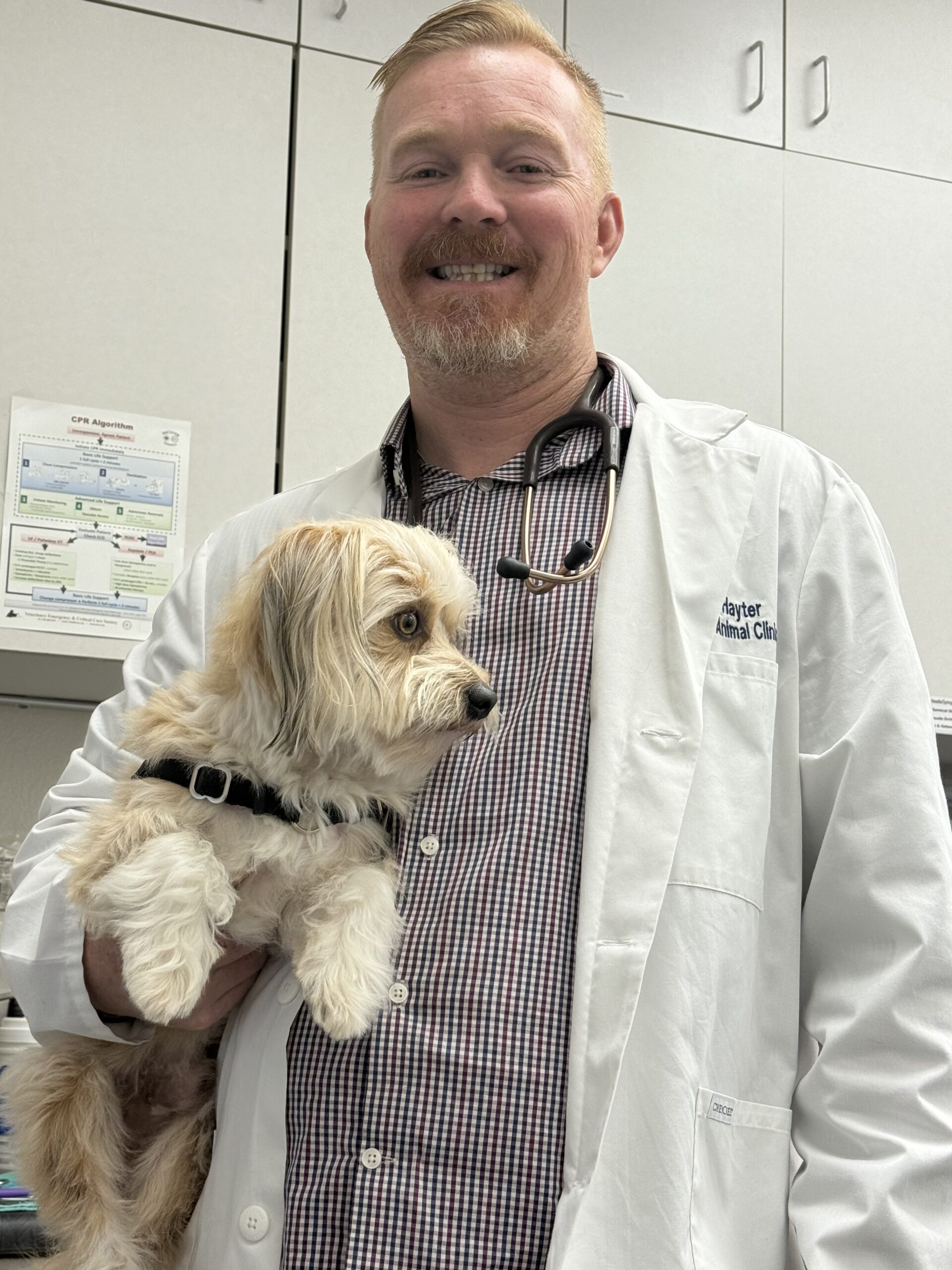

Medically reviewed by Bryan Hayter, DVM, Owner and Medical Director of Aliso Beach Animal Clinic.
Last medically reviewed: September 2026
Dog Limping in Laguna Beach: Causes, When It’s Urgent & What to Do
A dog that suddenly starts limping can leave you with an immediate question: Should I watch this, schedule a regular veterinary appointment, ask for same-day urgent care, or go directly to an emergency hospital?
Limping—also called lameness—is not a diagnosis. It is a sign that pain, weakness, instability, altered sensation, or another problem is changing the way your dog uses a limb.
The cause may be something relatively simple, such as a torn nail or irritated paw after a long Laguna Beach walk. But limping can also result from a foxtail, tendon or muscle injury, cranial cruciate ligament disease, patellar luxation, arthritis, fracture, joint infection, spinal disease, nerve injury, or another orthopedic or neurologic problem.
At Aliso Beach Animal Clinic, we evaluate both sudden and chronic limping in dogs. Depending on the examination and suspected cause, evaluation or treatment may include digital X-rays, medication, activity modification, orthopedic care, veterinary acupuncture, K-Laser therapy, carefully selected supplements, surgical consultation, or referral for advanced imaging or specialty treatment.
If your dog is suddenly limping or painful, same-day urgent veterinary care in Laguna Beach may be available during regular clinic hours.
Call before arriving: (949) 499-4190.
Quick Guide: How Urgent Is My Dog’s Limp?
| What You Are Seeing | What to Do |
|---|---|
| Mild limp, still bearing weight, comfortable at rest, no major trauma | Restrict strenuous activity and contact your veterinarian if it persists, recurs, or you are concerned. |
| New persistent limp, obvious pain, swelling, paw injury, torn nail, or unwillingness to exercise normally | Call for prompt or same-day veterinary evaluation. |
| Suddenly will not put weight on a leg | Prompt veterinary evaluation is recommended, particularly if the change is severe or unexplained. |
| Possible fracture, dislocation, severe swelling, deep wound, or significant trauma | Seek urgent veterinary attention immediately. |
| Cannot stand, drags a limb, has profound weakness, severe uncontrolled pain, collapse, pale gums, or major trauma | Seek emergency veterinary care immediately. |
If you are unsure which category your pet fits into, call us. A veterinary professional can often help determine the safest next step from the history and symptoms you describe.
What Does Limping Actually Mean?
A normal gait requires bones, joints, muscles, tendons, ligaments, nerves, spinal pathways, paws and balance systems to work together.
A problem anywhere along that chain can alter the way a pet walks.
Lameness may look like:
- Holding one leg completely off the ground
- Taking shorter steps with one limb
- “Bobbing” the head while walking
- Skipping for several steps and then walking normally
- Stiffness after lying down
- Difficulty getting up
- Slowing down on walks
- Reluctance to climb stairs
- Refusing to jump into the car or onto furniture
- Dragging or scuffing the nails
- Shifting weight away from a painful limb
- Standing differently even when an obvious limp is not present
Some dogs cry when they hurt. Many do not.
Dogs with chronic orthopedic pain may continue eating, greeting the family and going on walks while quietly shortening their stride, sleeping more, avoiding stairs or gradually losing muscle.
That is why absence of crying does not mean absence of pain.
When Is Limping an Emergency?
Not every limping dog needs an emergency hospital, but some combinations of symptoms should not wait.
Seek immediate veterinary care if your dog:
- Cannot stand or walk
- Is dragging one or more limbs
- Has an obviously deformed limb
- May have a fracture or dislocation
- Has bone visible through a wound
- Was hit by a vehicle
- Fell from a significant height or experienced major trauma
- Has severe or rapidly escalating pain
- Has sudden weakness affecting multiple limbs
- Has severe neck or back pain with weakness
- Has lost bladder or bowel control along with neurologic changes
- Has uncontrolled bleeding
- Has pale gums, collapse, breathing difficulty or profound weakness
- May have suffered a serious rattlesnake bite
The American College of Veterinary Surgeons notes that major trauma can cause injuries beyond the visibly fractured limb, including chest and abdominal injuries. That is one reason a severely injured pet needs evaluation of the whole patient rather than simply an X-ray of the leg.
Aliso Beach Animal Clinic is not a 24-hour intensive-care hospital. If your dog has major trauma, an unstable fracture, paralysis, respiratory distress, shock, or needs overnight intensive monitoring, we may recommend going directly to an appropriate 24-hour emergency hospital.
Our Laguna Beach Pet Emergency & Urgent-Care Guide explains the difference in greater detail.
When Is Limping Appropriate for Same-Day Urgent Veterinary Care?
Many stable limping dogs fall into the space between a routine wellness visit and a life-threatening emergency.
Examples include:
- Sudden limping without major trauma
- A painful paw
- Torn or broken toenail
- Possible foxtail
- Minor cut or wound
- Sudden reluctance to bear full weight
- New swelling around a joint or limb
- Pain after running, jumping or hiking
- Sudden worsening of chronic arthritis
- Intermittent skipping or kneecap problems
Aliso Beach Animal Clinic offers same-day urgent care for sick and injured pets in Laguna Beach during regular clinic hours when availability and the patient’s condition allow.
Please call before you come so our team can assess the symptoms and confirm availability.
Common Causes of Limping in Dogs
The location, severity and pattern of lameness provide clues, but they do not reliably establish the diagnosis without an examination.
1. Paw and Toenail Injuries
Before assuming a limp comes from the hip, knee or shoulder, remember the paw.
Common paw-related causes include:
- Torn or broken nails
- Cut paw pads
- Thorns or splinters
- Glass or other debris
- Foxtails between the toes
- Bee or insect stings
- Burned paw pads
- Interdigital cysts or inflammation
- Skin infection
- Foreign bodies embedded in the foot
This is especially relevant in Laguna Beach, where dogs move between sidewalks, beaches, canyon trails, dry grass, parking areas and coastal neighborhoods.
Read our detailed guides to foxtails in Laguna Beach dogs and hot pavement and burned paw pads.
2. Muscle, Tendon and Other Soft-Tissue Injuries
Running, slipping, jumping, rough play or an unusually strenuous hike can cause muscle or tendon injury.
A mild strain may improve with appropriate rest, but persistent lameness should not automatically be diagnosed at home as a “pulled muscle.”
Ligament, tendon, joint and even neurologic problems can initially look very similar.
3. Cranial Cruciate Ligament Disease
The cranial cruciate ligament, or CrCL, is one of the major stabilizing structures in a dog’s knee. In people, the comparable structure is generally called the ACL.
Cranial cruciate ligament disease is one of the most important causes of hind-limb lameness in dogs. It can cause:
- Sudden or progressive rear-leg limping
- Difficulty rising
- Reluctance to sit normally
- Reduced activity
- Knee swelling
- Muscle loss in the affected leg
- Arthritis over time
Importantly, many canine cruciate injuries are not simply the result of one dramatic athletic accident. The American College of Veterinary Surgeons explains that degenerative changes often weaken the ligament over time and that partial tearing may progress.
The diagnosis may be supported by orthopedic tests such as cranial drawer or tibial thrust. Sedation is sometimes useful because painful or tense muscles can make instability difficult to assess.
X-rays do not directly show the cruciate ligament itself, but they can reveal joint swelling, arthritis and other changes and are important in evaluating the knee and planning surgery.
When clinically indicated, surgical stabilization such as a TPLO may be recommended.
Aliso Beach Animal Clinic provides orthopedic evaluation and advanced orthopedic surgery in Laguna Beach and works with board-certified veterinary surgeon Zachery “Zack” Smith, DVM, DACVS, for selected orthopedic procedures by appointment.
4. Patellar Luxation: The Dog That “Skips”
A luxating patella occurs when the kneecap moves out of its normal groove.
One classic pattern is a dog who suddenly lifts a hind leg, skips for several steps, extends or shakes the leg and then begins walking normally again.
Mild patellar luxation may require monitoring rather than surgery, while more significant or symptomatic cases can cause pain, progressive cartilage damage and arthritis and may benefit from surgical correction.
The American College of Veterinary Surgeons’ guide to patellar luxation provides additional information.
5. Osteoarthritis and Degenerative Joint Disease
Arthritis is common, particularly in older dogs, but it does not always look like dramatic limping.
Signs may include:
- Stiffness after sleeping
- Difficulty rising
- Slowing during walks
- Difficulty with stairs
- Reluctance to jump
- Loss of muscle
- Changes in posture
- Reduced enthusiasm for activities the dog previously enjoyed
Chronic arthritis management is usually strongest when it is multimodal rather than dependent on one medication, supplement or treatment.
The AAHA Pain Management Guidelines emphasize individualized pain assessment and combinations of pharmacologic and nonpharmacologic treatment when appropriate.
Our own approach is described in our integrative pain and mobility care for dogs and cats in Laguna Beach.
6. Fractures and Dislocations
A fracture may follow a fall, vehicle accident, collision, bite, athletic injury or other trauma.
Possible signs include:
- Severe lameness
- Complete refusal to bear weight
- Swelling
- Pain
- Abnormal limb position
- Unusual movement or instability
Some dogs with fractures can still put limited weight on the limb, so weight-bearing alone does not rule out a fracture.
Fractures generally require prompt examination and diagnostic imaging. Selected fractures require surgical stabilization by a veterinary surgeon.
7. Hip Disease
Hip dysplasia, osteoarthritis, traumatic injury and other hip disorders can cause hind-limb lameness, stiffness, difficulty rising, reduced jumping and exercise intolerance.
Some hip problems can be managed medically. Others require surgical consideration.
For selected hip conditions, procedures such as a femoral head and neck ostectomy may be appropriate. The decision depends on the diagnosis, patient size, function, pain, age and other individual factors.
8. Back, Neck or Neurologic Disease
Not every abnormal gait originates in a leg.
Spinal or neurologic problems may produce:
- Weakness
- Dragging of the paws
- Scuffed toenails
- Knuckling
- Uncoordinated movement
- Back or neck pain
- Difficulty rising
- Changes involving more than one limb
Sudden paralysis, rapidly worsening weakness, severe spinal pain or loss of bladder control requires urgent evaluation.
9. Infection and Inflammatory Disease
Joint infection, bone infection, wounds, abscesses and some immune-mediated conditions can produce lameness.
A dog who is limping and also has fever, lethargy, marked swelling, loss of appetite or illness affecting more than one joint may need diagnostic testing beyond routine orthopedic X-rays.
10. Bone Tumors and Other Serious Conditions
Persistent or progressive lameness should not automatically be attributed to aging or arthritis.
Bone tumors and other serious disorders can cause pain, swelling and lameness. This is another reason unexplained persistent limping deserves examination and, when indicated, imaging.
Laguna Beach-Specific Causes of Sudden Limping
Where a dog lives and exercises can influence the list of likely causes.
Laguna Beach dogs frequently move between beach sand, sidewalks, trails, canyon edges, dry grasses, parking lots and neighborhood streets.
Local considerations include:
- Foxtails: especially sudden licking, swelling or pain between the toes
- Beach and trail injuries: cuts, sharp objects, rocks and torn nails
- Hot surfaces: burned paw pads can cause dramatic limping
- Strenuous hills and trails: increased orthopedic load in dogs that are not conditioned for the activity
- Rattlesnake encounters: sudden pain and swelling after a possible bite require immediate attention
If a rattlesnake bite is possible, do not assume the dog simply “hurt a leg.” Read our Laguna Beach rattlesnake bite and antivenom guide and call immediately.
How Does a Veterinarian Figure Out Why a Dog Is Limping?
The diagnostic process begins before an X-ray is taken.
A complete evaluation may include:
- When the limp began
- Whether it was sudden or gradual
- Whether there was known trauma
- Whether the dog bears weight on the limb
- Whether exercise makes the problem better or worse
- Observation of gait and posture
- Examination of paws and nails
- Palpation of bones and muscles
- Assessment of joints and range of motion
- Orthopedic stability testing
- Comparison of muscle mass between limbs
- Neurologic examination when appropriate
- Assessment for swelling, wounds or foreign material
A phone video can be extremely useful. If your dog’s limp comes and goes, take a short video of your dog walking naturally at home, preferably from the front, back and side when it is safe to do so.
Adrenaline, excitement, fear and unfamiliar flooring can sometimes make a dog move differently in the hospital than at home.
Digital X-Rays for Limping Dogs in Laguna Beach
Radiographs are one of the most useful diagnostic tools in veterinary orthopedics, but they should be used to answer a clinical question rather than automatically taken for every minor limp.
X-rays may help identify or evaluate:
- Fractures
- Joint alignment
- Arthritis
- Bone remodeling
- Patellar or hip abnormalities
- Some spinal abnormalities
- Bone tumors
- Changes associated with chronic joint instability
Aliso Beach Animal Clinic provides high-quality digital veterinary X-rays in Laguna Beach.
Digital imaging allows our veterinarians to review images promptly, magnify areas of interest, compare studies over time and securely transmit images when specialist interpretation is useful.
Stat Consultation With a Board-Certified Veterinary Radiologist
Some radiographs are straightforward. Others benefit from another level of expertise.
When appropriate, Aliso Beach Animal Clinic can submit digital images for consultation with a board-certified veterinary radiologist. Stat specialist reviews are available for selected cases, often with a complete written report in under two hours.
This can be particularly useful when:
- A finding is subtle
- Several abnormalities overlap
- A bone lesion is concerning
- The spine is involved
- The clinical examination and X-rays do not seem to tell the same story
- Specialist interpretation may change the treatment plan
A second interpretation is not necessary for every case. We use specialist consultation when it is likely to add meaningful diagnostic value.
Can a Dog Have a Serious Orthopedic Problem Even if the X-Ray Looks Normal?
Yes.
Radiographs are excellent for bone and useful for assessing joint relationships and secondary changes, but many important structures are soft tissue.
A ligament, tendon, muscle, meniscus, nerve or spinal structure may not be directly visible on a routine X-ray.
For example, a cranial cruciate ligament tear is often diagnosed largely from the orthopedic examination and joint instability. Radiographs can support the diagnosis and evaluate arthritis, effusion and bone structure, but they do not simply display the torn ligament like a broken bone.
When the diagnosis remains unclear, additional testing may include repeat radiographs, ultrasound, CT, MRI, joint sampling or referral depending on the suspected condition.
Treatment: Why the Diagnosis Matters More Than the Limp
There is no single treatment for lameness because there is no single disease called “limping.”
Treatment should address the underlying cause whenever possible.
Activity Modification
Many acute orthopedic injuries require temporary restriction of running, jumping and rough play.
However, “rest” should not become a substitute for diagnosis when a dog has severe, recurrent or persistent lameness.
Long-term management of chronic arthritis is also different from treatment of an acute injury. Appropriate controlled activity can be an important part of maintaining muscle and mobility in dogs with chronic joint disease.
Veterinary Pain Medication
Prescription anti-inflammatory and pain medications can be extremely useful for many orthopedic conditions.
Medication choice depends on the patient’s diagnosis, age, kidney and liver function, gastrointestinal history, hydration, concurrent medications and other health conditions.
Do not give your limping dog ibuprofen, naproxen, acetaminophen or another human pain medication unless a veterinarian specifically directs you to do so.
The FDA’s guidance on pain relievers for pets explains why medications intended for people can cause serious toxicity in dogs and cats.
Weight and Body Condition
Weight matters because excess body weight increases mechanical load on painful joints and can complicate long-term mobility.
For an overweight dog with arthritis, appropriate weight reduction may be one of the most meaningful parts of the treatment plan.
Rehabilitation and Controlled Exercise
Veterinary rehabilitation may include therapeutic exercise, controlled strengthening, range-of-motion work and other techniques designed around a specific diagnosis.
AAHA’s pain-management guidance includes rehabilitation and therapeutic exercise as important components of multimodal care for many patients with acute or chronic musculoskeletal pain.
When Does a Limping Dog Need Orthopedic Surgery?
Most dogs that limp do not automatically need surgery.
Surgery becomes important when a structural problem cannot be adequately addressed by pain control and supportive care alone.
Examples may include selected cases involving:
- Cranial cruciate ligament disease
- Medial patellar luxation
- Unstable fractures
- Some hip disorders
- Joint instability
- Other structural orthopedic abnormalities
At Aliso Beach Animal Clinic, we provide orthopedic evaluation and veterinary orthopedic surgery in Laguna Beach.
For complex procedures, we work with Zachery “Zack” Smith, DVM, DACVS, a board-certified veterinary surgeon specializing in orthopedic and soft-tissue surgery.
Dr. Smith performs selected procedures at Aliso Beach Animal Clinic by appointment, which may include:
- TPLO surgery
- Medial patellar luxation correction
- Femoral head and neck ostectomy
- Other advanced orthopedic procedures based on diagnosis and surgical consultation
Board certification through the American College of Veterinary Surgeons requires advanced postgraduate specialty training and successful completion of specialty certification requirements.
What Does Holistic Treatment Mean for a Limping Dog?
Laguna Beach pet owners frequently ask about holistic approaches to pain, arthritis and mobility.
At Aliso Beach Animal Clinic, holistic veterinary medicine in Laguna Beach does not mean choosing natural therapies instead of diagnosing the problem.
It means looking at the complete patient:
- The orthopedic diagnosis
- Pain level
- Joint stability
- Body weight
- Muscle condition
- Activity and lifestyle
- Nutrition
- Prescription medications
- Supplements
- Home environment
- Concurrent medical disease
- Quality-of-life goals
Then we select therapies according to what is scientifically and medically appropriate for that individual pet.
A truly integrative approach may therefore recommend acupuncture for one dog, surgery for another, medication and weight loss for a third, or several therapies together.
“Holistic” should never mean ignoring a torn ligament, fracture, infection, cancer or neurologic emergency.
Veterinary Acupuncture for Limping, Arthritis and Mobility
Veterinary acupuncture may be considered as an adjunctive treatment for selected dogs with chronic pain, muscle tension, arthritis, neurologic disease or mobility limitations.
Bryan Hayter, DVM, owner and veterinarian at Aliso Beach Animal Clinic, completed veterinary acupuncture training through the International Veterinary Acupuncture Society.
We use acupuncture within conventional diagnostic medicine—not instead of it.
The evidence is not equally strong for every orthopedic condition. AAHA’s current pain-management guidance describes acupuncture as a possible nonpharmacologic adjunct while also acknowledging limitations in the veterinary evidence.
For that reason, acupuncture should have a specific clinical goal, such as improving comfort or mobility, and treatment should be reassessed based on whether the pet experiences a meaningful benefit.
Acupuncture cannot:
- Repair a fracture
- Permanently stabilize a torn cruciate ligament
- Remove a foxtail
- Correct significant joint instability
- Replace emergency evaluation of paralysis or major trauma
K-Laser Therapy and Photobiomodulation
Aliso Beach Animal Clinic offers K-Laser therapy for pets in Laguna Beach.
Therapeutic laser treatment is also called photobiomodulation. It delivers selected wavelengths of light to targeted tissues and may be incorporated into care for selected patients with:
- Osteoarthritis
- Muscle soreness
- Orthopedic injuries
- Postoperative discomfort
- Reduced mobility
- Selected inflammatory conditions
Laser therapy is best viewed as an adjunct, not an explanation for why a pet is limping.
The fact that a dog feels better after laser treatment does not eliminate the need to diagnose a torn ligament, fracture, joint instability or another structural problem.
AAHA includes photobiomodulation among physical modalities that may be incorporated into multimodal pain management while noting that more controlled veterinary research is still needed.
Joint Supplements and Nutraceuticals: What Actually Makes Sense?
The supplement aisle is one of the most confusing areas of pet health.
Products marketed for mobility may contain:
- Omega-3 fatty acids
- Glucosamine
- Chondroitin
- Green-lipped mussel products
- UC-II or other collagen products
- Botanical ingredients
- Multiple combination ingredients
Evidence is not equally strong for every ingredient, and a product labeled “natural” is not automatically effective, pure or safe.
AAHA’s pain-management framework gives omega-3 nutritional strategies stronger support than many other nutraceutical products and notes limited evidence for an analgesic effect from non-omega-3 supplements.
That does not mean every other supplement is useless. It means claims should match the quality of the evidence.
At Aliso Beach Animal Clinic, our veterinary supplement and nutraceutical consultations consider:
- The actual diagnosis
- Prescription medications
- Kidney and liver health
- Diet
- Ingredient quality
- Potential interactions
- Whether the supplement is likely to add meaningful value
Supplements should support good orthopedic care—not postpone a needed diagnosis, effective pain control or surgery.
What About PRP for Dog Arthritis or Orthopedic Injuries?
Platelet-rich plasma, or PRP, is an orthobiologic treatment made from a patient’s own blood. The sample is processed to concentrate platelets and associated growth factors before being injected into a selected joint or injured tissue.
PRP has generated significant interest for canine osteoarthritis and selected tendon or ligament conditions.
The AAHA review of veterinary orthobiologics notes that the body of canine research supporting PRP is larger than for several other orthobiologic approaches, including multiple prospective randomized studies, although outcomes and protocols vary.
PRP therefore may be reasonable to discuss for selected orthopedic patients—but it is not the universal answer to lameness.
It cannot mechanically stabilize a severely unstable knee, reset a fracture, remove a foreign body or replace treatment of infection.
What About Stem-Cell Therapy?
Stem-cell-based therapies are another form of regenerative or orthobiologic medicine being investigated and used for selected veterinary orthopedic conditions.
Some canine studies have reported improvement in pain or function in dogs with osteoarthritis, but protocols, cell preparation, study quality and long-term evidence vary.
AAHA’s pain-management guidelines currently place intra-articular biologic therapies such as PRP and stem-cell treatments below first-line treatments in the evidence hierarchy.
For that reason, we do not recommend choosing a regenerative therapy simply because it sounds more advanced or more natural.
The useful question is:
For this specific diagnosis, in this specific pet, is there enough evidence that this treatment is likely to add meaningful benefit compared with established options?
PRP or stem-cell-based treatment may be discussed or referred for selected patients when medically appropriate. These therapies should complement—not bypass—accurate diagnosis, weight management, effective pain control, rehabilitation or surgery when mechanical stabilization is needed.
Can Integrative Therapy Prevent Surgery?
Sometimes nonsurgical care is completely appropriate.
Sometimes it can improve comfort enough that surgery is not necessary.
But the answer depends on why the pet is limping.
Acupuncture, K-Laser, medication, supplements, weight management and rehabilitation can all be useful parts of care for selected patients.
None can reliably restore mechanical stability to every severely unstable joint.
For example, pain control may make a dog with significant cranial cruciate disease feel better, but reducing pain does not necessarily correct the abnormal movement within the knee.
That is why our goal is not to choose between “holistic” and “conventional” care.
Our goal is to determine what combination gives the individual patient the best chance for comfort, function and quality of life.
What Should I Do at Home When My Dog Suddenly Starts Limping?
Until you know what happened, err on the side of reducing activity.
- Stop strenuous exercise. Avoid running, jumping, fetch and rough play.
- Use a leash for bathroom trips. This reduces the chance of making an unstable injury worse.
- Look at the paw if your dog safely allows it. Check for a torn nail, obvious cut, swelling or superficial object.
- Do not dig deeply into a painful paw. Foxtails and foreign bodies can migrate or break.
- Take a video of the limp. This may help your veterinarian see an intermittent problem.
- Call if pain is significant, the dog will not bear weight, or the problem persists.
What Should I NOT Do for a Limping Dog?
- Do not give ibuprofen.
- Do not give naproxen.
- Do not give acetaminophen unless specifically prescribed by a veterinarian.
- Do not give another pet’s prescription medication.
- Do not force a painful joint through stretches.
- Do not aggressively massage an unexplained acute injury.
- Do not attempt to straighten a deformed limb.
- Do not apply a homemade splint unless a veterinary professional directs you.
- Do not force your dog to “walk it off.”
- Do not assume that temporary improvement means the underlying problem has resolved.
What If My Dog Only Limps After Exercise?
Exercise-related lameness can occur with arthritis, tendon injuries, muscle strain, partial cruciate disease, joint instability and other orthopedic conditions.
A dog that appears normal at the beginning of a walk but repeatedly limps afterward deserves evaluation if the pattern continues.
What If My Dog Is Stiff Only After Sleeping?
Stiffness when first rising can occur with arthritis and other musculoskeletal conditions.
Some dogs appear to “warm out” of the stiffness after several minutes of movement. That pattern does not mean pain should be ignored.
What If My Dog Skips and Then Walks Normally?
Intermittent skipping can occur with patellar luxation and other orthopedic disorders.
Because the dog resumes normal walking, owners sometimes wait months or years before mentioning it. Repeated episodes are worth discussing with your veterinarian.
What If My Senior Dog Has Been Limping for Months?
Chronic lameness deserves evaluation even when it seems like “just old age.”
Aging itself is not a diagnosis.
Arthritis, spinal disease, muscle loss, ligament disease and other painful conditions become more common with age, but many can be managed more effectively once they are identified.
Our integrative pain and mobility program is designed specifically around improving function and comfort rather than simply waiting until a senior pet can no longer move normally.
What About Limping Cats?
Cats can develop many of the same orthopedic problems as dogs, including fractures, arthritis, bite injuries, paw injuries and joint disease.
However, cats often express pain more subtly.
Instead of an obvious limp, an uncomfortable cat may:
- Stop jumping onto a favorite surface
- Use stairs differently
- Sleep in easier-to-reach places
- Groom less effectively
- Resist being picked up
- Have difficulty entering the litter box
- Become less interactive
If your cat suddenly will not use a limb, has experienced trauma, or is hiding and painful, call for veterinary guidance.
Why Aliso Beach Animal Clinic for a Limping Pet?
A limping patient may ultimately need something very simple—or may need access to several levels of veterinary care.
Our goal is to make those decisions based on the diagnosis rather than forcing every patient into the same treatment pathway.
Resources available through Aliso Beach Animal Clinic include:
- Same-day urgent veterinary evaluation when available
- Orthopedic and neurologic examinations
- High-quality digital X-rays
- Stat consultation with a board-certified veterinary radiologist when indicated
- Advanced orthopedic surgery with access to board-certified veterinary surgeon Zachery Smith, DVM, DACVS
- Individualized medication and pain management
- Veterinary acupuncture with Bryan Hayter, DVM
- K-Laser photobiomodulation therapy
- Integrative pain and mobility care
- Evidence-aligned supplement and nutraceutical guidance
- Discussion or referral for additional orthopedic therapies or advanced imaging when appropriate
This is what we mean by a whole-pet approach: use modern diagnostics to understand the problem first, then select conventional, surgical and integrative treatments according to what the individual animal actually needs.
Frequently Asked Questions About Dog Limping
How long should I wait before seeing a veterinarian for a limp?
Severe pain, inability to bear weight, swelling, trauma, neurologic abnormalities or worsening symptoms should be evaluated promptly. Even mild lameness should be examined when it persists, repeatedly returns or changes your dog’s normal activity. We generally recommend evaluation when unexplained limping continues for approximately a week even if it is intermittent, and sooner when symptoms are significant.
Can a dog have a fracture and still walk?
Yes. Some dogs can place limited weight on certain fractures. A dog’s ability to walk does not by itself rule out a broken bone.
Does every limping dog need an X-ray?
No. A veterinarian first uses the history and examination to determine whether imaging is likely to provide useful information. Paw injuries and some mild soft-tissue problems may not require immediate radiographs, while suspected fractures, persistent orthopedic pain, joint instability and other conditions often do.
Can an X-ray diagnose a torn ACL in a dog?
The canine equivalent is the cranial cruciate ligament. A tear is often diagnosed primarily through orthopedic examination and assessment of knee instability. Radiographs are valuable for evaluating joint swelling, arthritis, bone structure and surgical planning, but they do not directly display the ligament itself like they display a fracture.
Can acupuncture help a limping dog?
It may improve comfort or function in selected patients, especially as one part of multimodal management. It does not repair fractures or permanently stabilize mechanically unstable joints. Dr. Bryan Hayter evaluates the underlying diagnosis before recommending acupuncture.
Can K-Laser therapy help arthritis?
Photobiomodulation may be considered as an adjunct for selected dogs with arthritis, inflammation, orthopedic discomfort or postoperative recovery needs. Response varies. It should complement appropriate diagnosis and treatment rather than replace them.
Do joint supplements actually work?
Evidence varies considerably by ingredient and product. Omega-3 fatty acids have stronger evidence within multimodal arthritis care than many other nutritional supplements. We recommend choosing supplements according to the individual pet, product quality, medications and available evidence rather than assuming every product marketed for joints provides the same benefit.
Does PRP work for dogs with arthritis?
There is encouraging evidence for PRP in selected canine orthopedic conditions, particularly osteoarthritis, but protocols and outcomes vary. PRP is not a universal treatment and cannot correct every structural problem. Whether it makes sense depends on the diagnosis and the individual dog.
Do stem cells cure arthritis in dogs?
No treatment should be described as curing established osteoarthritis. Stem-cell-based therapies are being studied and used in selected orthopedic cases, but evidence, preparation methods and outcomes vary. They are best considered within a broader evidence-based treatment plan rather than as replacements for established care.
When does a dog need a board-certified veterinary surgeon?
A surgical specialist may be helpful when a patient has a complex fracture, significant joint instability, cranial cruciate disease requiring advanced stabilization, patellar luxation, certain hip disorders or another condition requiring advanced orthopedic expertise. Aliso Beach Animal Clinic works with board-certified veterinary surgeon Dr. Zack Smith for selected procedures performed at our hospital by appointment.
Should I exercise a dog with arthritis?
Complete inactivity is usually not the long-term goal for a stable arthritic patient. Appropriate controlled exercise can help preserve muscle and function. The type and amount of activity should be individualized according to the dog’s joints, pain, fitness and other medical conditions.
Why does my dog limp after the beach?
Possible causes range from a torn nail, paw abrasion, foxtail, soft-tissue strain or overexertion to an unrelated orthopedic condition that became noticeable during exercise. Check the paws and reduce strenuous activity, but seek veterinary evaluation when limping is significant or persistent.
Dog Limping in Laguna Beach? Call Aliso Beach Animal Clinic
If your dog suddenly starts limping, refuses to use a leg, develops a painful paw, becomes stiff after exercise or is having increasing difficulty with normal activities, call us.
Aliso Beach Animal Clinic provides same-day urgent veterinary care in Laguna Beach during regular clinic hours when availability allows.
Aliso Beach Animal Clinic
30816 Coast Highway
Laguna Beach, CA 92651
Directly across from the Montage Laguna Beach
Call: (949) 499-4190
Monday–Friday: 7:30 a.m.–4:30 p.m.
Saturday: 8:00 a.m.–12:00 p.m.
Sunday: Closed
For major trauma, severe uncontrolled pain, paralysis, collapse or another potentially life-threatening emergency, do not delay care while waiting for an online response.
Medical Review & Trusted Sources
Reviewed for medical accuracy by Bryan Hayter, DVM, Owner and Medical Director of Aliso Beach Animal Clinic.
Dr. Hayter earned his Doctor of Veterinary Medicine degree from Auburn University, completed an internship at the San Diego Zoo and completed veterinary acupuncture training through the International Veterinary Acupuncture Society.
Last medically reviewed: September 2026.
Evidence and patient-education resources consulted for this guide include:
- American Animal Hospital Association — Pain Management Guidelines for Dogs and Cats
- AAHA — Nonpharmacologic Modalities for Pain Management
- AAHA — Veterinary Orthobiologics, PRP and Stem-Cell Therapies
- American College of Veterinary Surgeons — Cranial Cruciate Ligament Disease
- American College of Veterinary Surgeons — Patellar Luxation
- American College of Veterinary Surgeons — Fractured Limbs
- U.S. Food and Drug Administration — Pain Relievers for Pets
This article provides general educational information and cannot determine the cause or severity of an individual animal’s lameness. It is not a substitute for veterinary examination, diagnosis or individualized treatment. Seek immediate veterinary care for major trauma, severe pain, inability to stand, paralysis, collapse or other potentially life-threatening symptoms.