

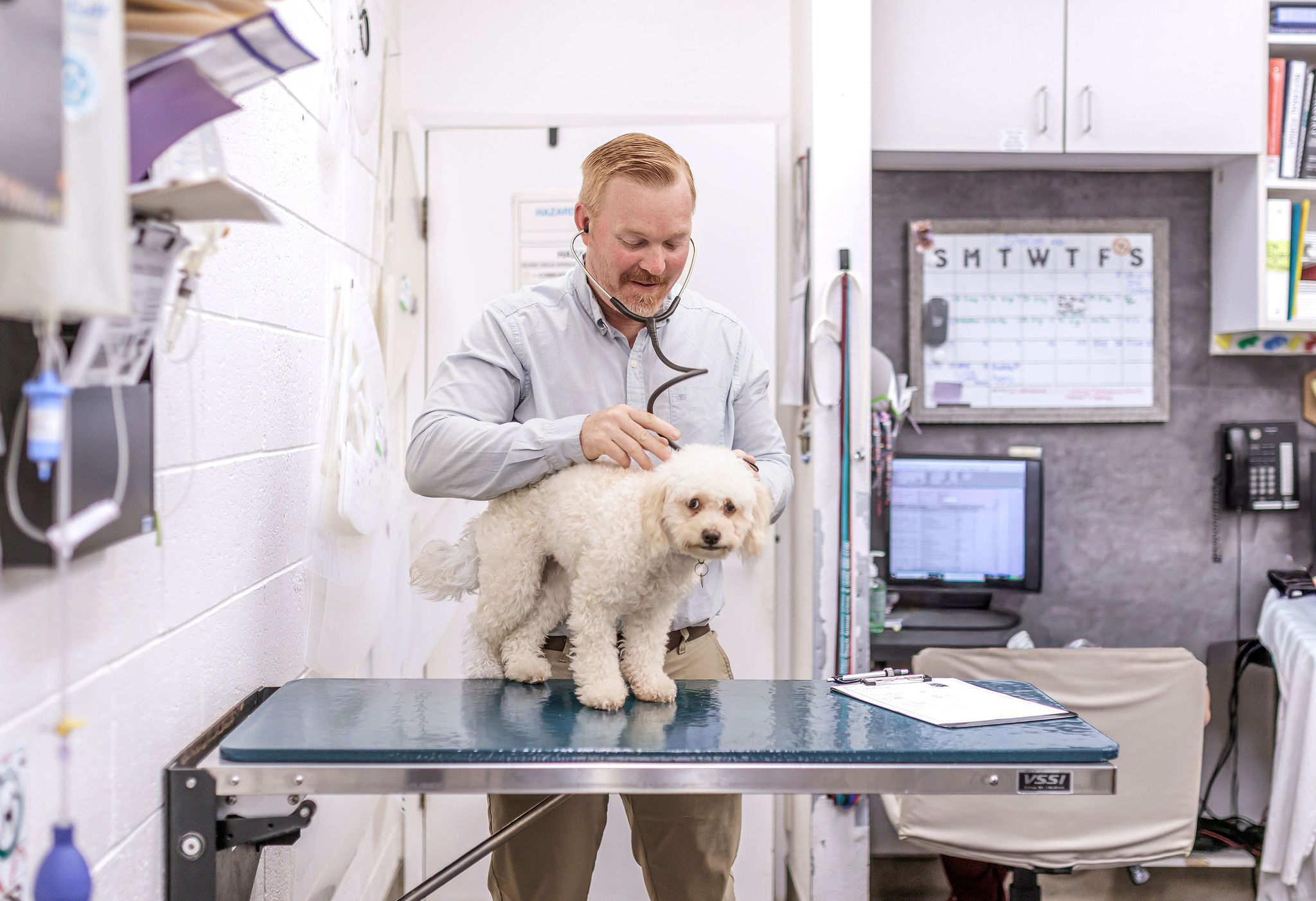
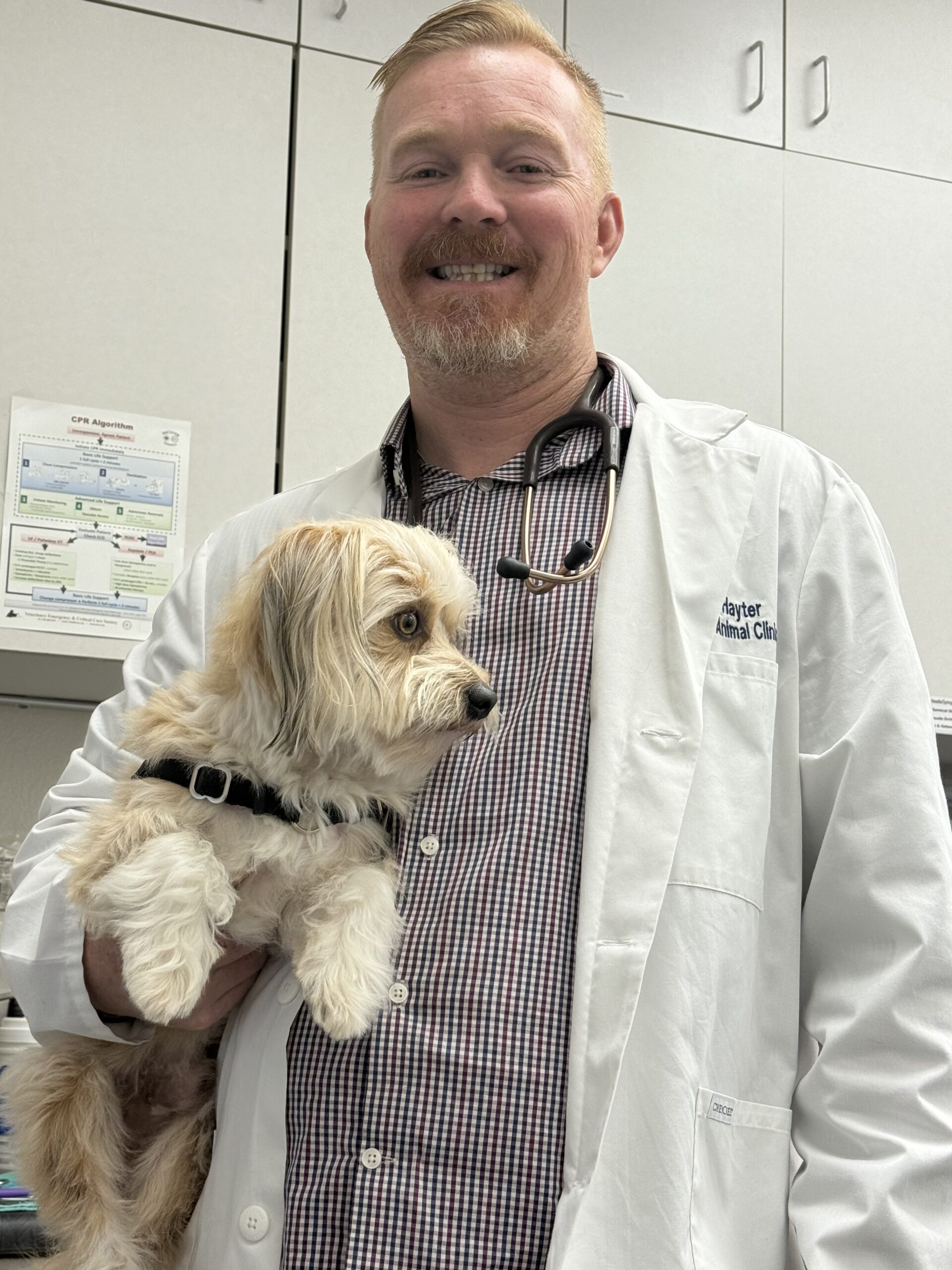
Medically reviewed by Bryan Hayter, DVM, Owner and Medical Director of Aliso Beach Animal Clinic.
Last medically reviewed: September 2026
Your dog used to race to the door when the leash appeared.
Now the same walk takes longer.
Maybe your dog pauses halfway up the hill, lags behind on the way home, hesitates before getting into the car, stops jumping onto the couch, pants earlier during exercise, or simply seems less enthusiastic about activities that used to be easy.
It is tempting—especially with an older dog—to say, “He’s just slowing down.”
Sometimes aging really does change stamina and athletic ability. But “slowing down” is not a diagnosis.
Reduced activity can be an early sign of arthritis, orthopedic pain, heart disease, respiratory disease, anemia, endocrine disease, neurologic problems, muscle loss, obesity, chronic illness, pain elsewhere in the body, or several problems occurring at the same time.
The most useful question is not simply:
“Why is my dog getting older?”
It is:
“What has changed about my dog’s ability or willingness to move, and why?”
At Aliso Beach Animal Clinic in Laguna Beach, we evaluate dogs with changes in stamina, mobility, strength and exercise tolerance by looking at the entire patient—not assuming every older dog has arthritis and not assuming every tired dog simply needs more exercise.
If your dog’s change is sudden, severe, painful or accompanied by other concerning symptoms, same-day urgent veterinary care in Laguna Beach may be available during regular clinic hours.
Call before arriving: (949) 499-4190.
Quick Answer: When Should I Worry About My Dog Slowing Down?
Schedule a veterinary examination when your dog has a persistent or noticeable change from their previous normal activity, particularly if you also notice:
- Difficulty getting up after lying down
- Stiffness after rest
- Limping
- Reluctance to climb stairs
- Hesitation before jumping into the car or onto furniture
- Stopping or lagging behind during walks
- Heavy panting with activity that used to be easy
- Coughing during or after exercise
- Weakness
- Muscle loss
- Weight gain or unexplained weight loss
- Increased thirst or urination
- Changes in appetite
- Difficulty navigating slippery floors
- Dragging or scuffing the paws
- Changes in sleep, behavior or interaction
- A significant decrease in enthusiasm for normal activities
Seek immediate veterinary care if reduced activity is accompanied by:
- Difficulty breathing
- Blue, gray or very pale gums
- Collapse or fainting
- Sudden inability to stand
- Paralysis or dragging multiple limbs
- Severe uncontrolled pain
- Major trauma
- Repeated seizures
- A swollen abdomen with repeated unproductive retching
- Profound weakness
- Rapid deterioration
First: What Does “Slowing Down” Actually Look Like?
This is one of the most important distinctions in the entire discussion.
Pet owners use phrases such as “slowing down,” “getting tired,” “not himself,” and “getting old” to describe very different medical problems.
Before considering a diagnosis, try to identify what your dog is actually unable or unwilling to do.
Reluctance to Move
A dog may still have normal cardiovascular stamina but choose not to move because movement hurts.
This is common with:
- Osteoarthritis
- Back or neck pain
- Hip disease
- Knee problems
- Paw pain
- Muscle or tendon injury
The dog is not necessarily “tired.” Moving has become uncomfortable.
True Exercise Intolerance
Exercise intolerance means a dog cannot sustain a level of activity that should normally be possible for that individual.
You might notice:
- Stopping much earlier during a walk
- Heavy breathing with mild exertion
- Needing unusually long recovery after activity
- Weakness during exercise
- Coughing
- Fainting or near-collapse
Heart, lung, airway, blood and metabolic disorders can all contribute.
Weakness
Weakness is different from pain.
A weak dog may want to keep moving but physically struggle to generate normal strength.
Examples include:
- Difficulty rising
- Trembling or buckling
- Rear legs giving way
- Loss of muscle
- Difficulty maintaining posture
- Progressively shorter walking distance
Weakness can occur with neurologic disease, anemia, endocrine disease, systemic illness, muscle disease and severe deconditioning.
Lameness
Lameness means a dog is altering gait or weight bearing because of pain or musculoskeletal dysfunction.
A dog may limp, shorten a stride, hold up a paw or shift weight away from one limb.
If limping is the primary symptom, see our comprehensive guide to dog limping, orthopedic pain and when to see a veterinarian.
Collapse or Fainting
Collapse is not ordinary fatigue.
A dog that suddenly loses the ability to stand, faints during exercise or becomes profoundly weak needs prompt veterinary assessment.
Possible causes include cardiovascular disease, severe respiratory disease, internal bleeding, anemia, neurologic disease, metabolic abnormalities, heat illness and other serious conditions.
Is My Dog Just Getting Older?
Aging changes the body, but age itself should not automatically be used to explain a loss of function.
The American Animal Hospital Association emphasizes that owners frequently interpret chronic pain and mobility changes as normal aging when those changes may represent treatable disease.
This is particularly important because chronic pain is often quiet.
An older dog with arthritis may not cry or visibly limp.
Instead, you may notice that your dog:
- takes longer to stand
- lies down sooner
- chooses shorter walks
- stops following the family upstairs
- waits for help getting into the car
- sleeps more
- avoids slippery surfaces
- moves carefully after waking
- no longer initiates play
Our senior pet care program in Laguna Beach is designed to identify these changes before a pet becomes visibly frail.
12 Important Reasons a Dog May Be Slowing Down
1. Osteoarthritis and Chronic Joint Pain
Osteoarthritis is one of the most common explanations for gradual slowing, especially in middle-aged and senior dogs.
Arthritis does not always produce a dramatic limp.
Signs can include:
- Stiffness after rest
- Difficulty standing
- Slowing on walks
- Difficulty with stairs
- Reluctance to jump
- Shortened stride
- Muscle loss
- Reduced activity
Cornell University’s College of Veterinary Medicine notes that osteoarthritis can result from or be worsened by conditions including hip dysplasia, elbow dysplasia, patellar luxation, cruciate-ligament disease, previous fractures and repetitive joint injury.
Body weight matters too. Excess weight increases mechanical load on joints and may worsen inflammatory processes associated with osteoarthritis.
For dogs with established pain or mobility problems, visit our integrative pain and mobility care resource.
2. A Specific Orthopedic Injury or Joint Problem
Not every slow dog simply has generalized arthritis.
Other orthopedic causes include:
- Cranial cruciate ligament disease
- Patellar luxation
- Hip dysplasia
- Elbow disease
- Tendon injuries
- Muscle strains
- Fractures
- Previous orthopedic injuries
- Spinal pain
A dog with cruciate disease may gradually become less willing to run, sit differently, have difficulty rising or lose muscle from the affected limb before the owner recognizes an obvious problem.
Orthopedic disease is particularly important when the change is asymmetric—one limb appears weaker, the dog repeatedly shifts weight, a skip develops, or the gait changes.
Aliso Beach Animal Clinic provides orthopedic evaluation and has access to advanced orthopedic surgery with a board-certified veterinary surgeon for selected cases.
3. Paw, Nail or Foot Pain
Sometimes the problem is much farther down the leg.
A dog may slow dramatically because of:
- Torn nails
- Cut paw pads
- Foxtails
- Foreign bodies
- Interdigital inflammation
- Burned pads
- Skin infection
- Arthritis in the toes
A paw problem can be especially relevant for dogs living an active Laguna Beach lifestyle involving sidewalks, beaches, trails and dry vegetation.
4. Loss of Muscle and Deconditioning
Muscle loss can become both a cause and a consequence of reduced activity.
A dog develops pain and moves less.
Moving less leads to muscle loss.
Less muscle makes standing, climbing and walking harder.
Activity decreases even more.
This cycle can become particularly important in older dogs.
The objective is usually not simply to “exercise more.” If pain or underlying disease is present, forcing additional activity may worsen the problem.
Instead, the cause of reduced activity should be identified and then an appropriate conditioning or rehabilitation program developed.
5. Excess Body Weight
Carrying excess weight increases the energy required for movement and places additional load on joints.
A dog may therefore have both reduced stamina and more orthopedic discomfort.
Weight management should be medically thoughtful rather than simply feeding less food.
We consider:
- Current calorie intake
- Treats
- Body-condition score
- Muscle-condition score
- Current activity
- Underlying disease
- Medications
- Appropriate rate of weight loss
Maintaining muscle while reducing excess body fat is particularly important for senior dogs.
6. Heart Disease
A dog who begins tiring during activity may have cardiovascular disease rather than—or in addition to—orthopedic disease.
Possible signs include:
- Reduced exercise tolerance
- Weakness
- Coughing
- Rapid breathing
- Difficulty breathing
- Fainting
- Abdominal enlargement
- Loss of appetite or weight in advanced disease
Heart disease does not always mean heart failure.
Many dogs have a heart murmur or structural heart disease for a period of time before developing clinical heart failure.
When cardiac disease is suspected, evaluation may involve examination, chest X-rays, blood pressure, ECG, cardiac biomarkers, echocardiography or cardiology consultation depending on the individual patient.
The Merck Veterinary Manual’s heart-failure guide discusses exercise intolerance, coughing, breathing changes, weakness and fainting as important potential signs of heart disease and heart failure.
7. Lung or Airway Disease
Sometimes a dog stops because breathing—not the legs—is limiting activity.
Respiratory disease can reduce the body’s ability to exchange oxygen effectively during exertion.
Possible causes include:
- Chronic bronchitis
- Pneumonia
- Airway collapse
- Laryngeal paralysis
- Pulmonary disease
- Fluid around the lungs
- Airway obstruction
- Other chest disease
A respiratory-limited dog may:
- pant excessively
- breathe harder than expected
- cough
- make unusual airway sounds
- recover slowly after exercise
- stop because breathing becomes difficult
The Merck Veterinary Manual identifies exercise intolerance as an important clinical sign of respiratory disease because oxygen delivery becomes less efficient during increased physical demand.
For a deeper discussion of abnormal panting and breathing, read our guide: Why Is My Dog Panting?
8. Anemia
Red blood cells carry oxygen throughout the body.
When a dog becomes anemic, the blood’s oxygen-carrying capacity decreases.
Depending on severity and how quickly anemia develops, signs may include:
- Loss of energy
- Weakness
- Reduced exercise tolerance
- Pale gums
- Rapid heart rate
- Reduced appetite
- Collapse in severe cases
Anemia is not itself a final diagnosis.
Possible causes include:
- Blood loss
- Immune-mediated destruction of red blood cells
- Chronic disease
- Kidney disease
- Bone-marrow disorders
- Certain toxins
- Parasites
- Some cancers
A complete blood count can identify anemia and help the veterinarian determine what additional testing is needed.
Read more from the Merck Veterinary Manual’s guide to anemia in dogs.
9. Hypothyroidism and Other Endocrine Disease
An underactive thyroid gland can cause a dog to appear increasingly inactive.
Canine hypothyroidism may cause:
- Lethargy
- Reduced exercise tolerance
- Weight gain
- Mental dullness
- Skin and coat changes
- Cold intolerance
However, thyroid disease should not be diagnosed from lethargy or one low thyroid measurement alone.
Illness and some medications can affect thyroid hormone concentrations, so test results must be interpreted in the context of the complete patient.
The Merck Veterinary Manual’s review of hypothyroidism describes lethargy, exercise intolerance and weight gain among the common metabolic effects.
10. Cushing’s Disease
Cushing’s disease, or hyperadrenocorticism, can also change a dog’s activity level.
Possible clues include:
- Increased drinking
- Increased urination
- Increased appetite
- Panting
- Heat intolerance
- Abdominal enlargement
- Muscle weakness or wasting
- Skin or coat changes
- Reduced activity
Muscle weakness can be particularly important. A dog may appear to be “getting old” when progressive endocrine disease is contributing to loss of strength.
Cushing’s testing requires thoughtful interpretation because false-positive results can occur, particularly in dogs affected by other illnesses.
11. Neurologic or Spinal Disease
A change in mobility is not always orthopedic.
Neurologic disease may cause:
- Weakness
- Dragging toes
- Scuffed nails
- Knuckling
- Unsteady movement
- Crossing the limbs
- Difficulty rising
- Reduced endurance
- Changes involving several limbs
One particularly relevant condition in older large-breed dogs is geriatric-onset laryngeal paralysis polyneuropathy, sometimes called GOLPP.
This disorder can involve both the nerves controlling the larynx and nerves to the hind limbs. Affected dogs may develop noisy breathing, exercise intolerance, muscle loss and progressive rear-limb weakness.
AAHA’s senior-care guidelines specifically identify exercise intolerance, upper-airway noise, weakness and sarcopenia as important features of this condition.
Sudden paralysis, rapidly progressive weakness or loss of bladder function should be treated as urgent or emergency concerns.
12. Systemic Illness, Organ Disease or Cancer
Reduced activity may be one of the earliest nonspecific signs that a dog simply does not feel well.
Possible systemic causes include:
- Kidney disease
- Liver disease
- Infection
- Inflammatory disease
- Gastrointestinal disease
- Chronic blood loss
- Electrolyte abnormalities
- Cancer
- Medication effects
- Other chronic illnesses
A dog does not need to have dramatic symptoms for systemic disease to affect energy.
This is one reason veterinary evaluation of an older dog who has changed noticeably may include laboratory screening even when the primary complaint appears to be mobility.
What About Dental Pain?
Dental disease deserves special mention because pain does not have to originate in the legs to change behavior.
A dog with significant periodontal disease, a fractured tooth or a tooth-root infection may:
- sleep more
- play less
- become less interactive
- eat differently
- avoid hard toys
- seem generally “older”
Pets frequently continue eating despite substantial oral pain.
A complete evaluation of a slowing senior pet therefore should not end at the hips and knees.
A Laguna Beach Question: Is Your Dog Slowing Down—or Has the Activity Become Harder?
Laguna Beach gives dogs extraordinary opportunities to be active.
Our patients walk neighborhood hills, beaches, parks and trails and often accompany their families through a highly active coastal lifestyle.
That means changes in function may become noticeable relatively early.
A dog who once handled a long hill without hesitation may begin lagging behind.
A dog accustomed to beach walks may fatigue much sooner in soft sand.
A senior dog who once jumped into an SUV after a hike may suddenly wait to be lifted.
These changes are useful information.
At the same time, the environment itself can affect exercise:
- Hills increase cardiovascular and orthopedic demand.
- Soft sand requires substantially different muscular effort from level pavement.
- Warm weather can reduce exercise tolerance.
- Hot ground can create paw pain.
- Foxtails can make a dog suddenly reluctant to use a foot.
- A strenuous activity after a relatively sedentary week can expose deconditioning or orthopedic disease.
The useful comparison is not necessarily your dog versus another dog.
It is your dog now versus your dog’s own previous normal.
Why “He Still Wants to Go for a Walk” Does Not Rule Out Pain
Many dogs with significant arthritis still become excited when the leash appears.
Motivation can temporarily overcome discomfort.
The better questions are:
- How does your dog move during the walk?
- Does your dog lag behind?
- Does the gait change as the walk continues?
- How long does recovery take?
- Is your dog stiff afterward?
- Does your dog hesitate before the next walk?
- Is your dog sore later that evening?
- Is getting up harder the following morning?
A dog can enjoy an activity and still experience pain from it.
Why Videos From Home Can Be So Valuable
Your veterinarian sees your dog for a limited period of time in an unfamiliar environment.
Adrenaline, excitement, fear and unfamiliar flooring can temporarily change how a pet moves.
AAHA specifically recommends client videos as a useful tool for evaluating mobility and chronic pain in senior pets.
If it is safe, record short videos of your dog:
- Getting up after sleeping
- Walking toward and away from the camera
- Walking from the side
- Climbing familiar stairs
- Getting into the car
- Beginning a walk
- Walking near the point when fatigue starts
Do not deliberately push your dog to exhaustion or reproduce an activity that appears painful merely to obtain a video.
What Will a Veterinarian Look for?
The goal is to determine whether the limiting problem is primarily:
- Orthopedic
- Neurologic
- Cardiovascular
- Respiratory
- Metabolic
- Systemic
- Weight or conditioning related
- Or a combination of several problems
History
Important questions may include:
- When did the change begin?
- Was it sudden or gradual?
- What activity brings it out?
- Does your dog stop because of pain, panting or weakness?
- How quickly does your dog recover?
- Is coughing present?
- Has thirst or urination changed?
- Has weight changed?
- Has appetite changed?
- Are there medications or supplements?
- Has the dog fainted?
- Is there stiffness after rest?
- Does the dog have difficulty rising?
- Has behavior changed?
Physical Examination
A complete examination may assess:
- Heart rate and rhythm
- Heart sounds and murmurs
- Respiratory rate and effort
- Lung sounds
- Gum color
- Pulse quality
- Body condition
- Muscle condition
- Joint mobility
- Spinal comfort
- Orthopedic stability
- Neurologic function
- Paws and nails
- Abdominal organs
- Oral health
That whole-patient examination is important because a dog can simultaneously have arthritis, a heart murmur and significant dental disease.
Which Diagnostic Tests Might Be Recommended?
Not every dog needs every test.
Testing should be chosen according to what the history and examination suggest.
Bloodwork
A complete blood count and chemistry panel may help identify:
- Anemia
- Inflammation or infection
- Kidney abnormalities
- Liver abnormalities
- Protein changes
- Electrolyte abnormalities
- Blood-glucose abnormalities
- Other systemic clues
Urinalysis
Urine testing can add important information about kidney function, urinary disease, hydration and endocrine patterns.
Thyroid and Endocrine Testing
When the history and examination support it, specific testing may investigate hypothyroidism, Cushing’s disease or another endocrine condition.
Digital X-Rays
Digital veterinary X-rays at Aliso Beach Animal Clinic may help assess:
- Arthritis
- Hip or knee disease
- Fractures
- Spinal changes
- Bone tumors
- Heart size
- Lung abnormalities
- Airway disease
- Fluid within or around the lungs
When a study is complex, subtle or medically urgent, our digital images can be submitted for consultation with a board-certified veterinary radiologist.
For medically urgent cases, stat specialist interpretation is available, with a complete written radiology report often available in under two hours. Actual turnaround depends on specialist availability, image quality and case complexity.
This is particularly useful when deciding whether apparent “exercise intolerance” is connected to orthopedic, chest or systemic disease.
Ultrasound
When systemic illness is suspected, specialist abdominal ultrasound may help evaluate organs such as the liver, spleen, kidneys, adrenal glands, pancreas and gastrointestinal tract.
At Aliso Beach Animal Clinic, abdominal ultrasound examinations are available through a board-certified veterinary emergency and critical-care specialist when medically appropriate.
Cardiac Testing
Depending on the findings, further cardiac evaluation might include:
- Blood pressure
- ECG
- Cardiac biomarkers
- Echocardiography
- Cardiology consultation
Advanced Imaging
When ordinary radiographs cannot answer the clinical question, CT or MRI may sometimes be appropriate.
The correct imaging study depends on the structure being investigated. More advanced imaging is not automatically better imaging; it should answer a specific diagnostic question.
What Does Treatment Look Like?
Treatment depends entirely on the cause.
That sounds obvious, but it is important when discussing a symptom as broad as “slowing down.”
A dog with anemia does not need an arthritis supplement.
A dog with heart failure does not simply need more conditioning.
A dog with a torn cruciate ligament should not be treated indefinitely with laser therapy without addressing joint instability.
A dog with hypothyroidism does not need to be pushed through longer walks.
The diagnosis determines the plan.
A Whole-Pet and Integrative Approach to a Dog Who Is Slowing Down
For families looking for a holistic veterinarian in Laguna Beach, this is an excellent example of what we mean by holistic medicine.
Holistic care does not mean immediately giving an older dog supplements or acupuncture because the dog is slowing down.
A truly whole-pet approach asks:
- Is there pain?
- Is there joint instability?
- Is there heart or lung disease?
- Is the dog anemic?
- Has muscle been lost?
- Is weight contributing?
- Is endocrine disease present?
- Are medications contributing?
- Does the home environment make movement harder?
- What activity matters most to this particular dog and family?
Then conventional and integrative therapies can be selected according to the diagnosis.
Veterinary Acupuncture
Veterinary acupuncture may be considered as an adjunct for selected dogs with chronic musculoskeletal pain, arthritis, muscle tension, some neurologic problems or mobility limitations.
Bryan Hayter, DVM completed veterinary acupuncture training through the International Veterinary Acupuncture Society.
Acupuncture should have a defined clinical purpose and should be reassessed according to whether it is producing meaningful improvement.
It does not replace treatment of a fracture, unstable joint, heart disease, anemia or another underlying medical disorder.
K-Laser and Photobiomodulation
Aliso Beach Animal Clinic offers K-Laser photobiomodulation therapy for selected pets experiencing arthritis, musculoskeletal discomfort, postoperative pain and reduced mobility.
AAHA includes photobiomodulation among physical modalities that may be incorporated into multimodal pain-management plans, while acknowledging that the strength of veterinary evidence varies among specific conditions.
Laser treatment can therefore be a useful supportive tool for an appropriately selected patient.
It should not become a substitute for determining why a dog is slowing down.
Supplements and Nutraceuticals
Joint supplements are frequently the first thing owners try when a dog begins moving less.
That may be reasonable for some patients, but the first question should still be:
What problem are we treating?
Depending on the patient, veterinarians may discuss:
- Omega-3 fatty acids
- Selected joint-support nutraceuticals
- Diet and calorie intake
- Other evidence-aligned supportive products
AAHA’s pain-management hierarchy gives stronger support to omega-3 nutritional strategies than to many other supplements marketed specifically for pain.
Not every supplement marketed as “natural” has convincing evidence, consistent manufacturing quality or an appropriate dose for every dog.
Our veterinary supplement and nutraceutical consultations are designed to evaluate the actual product, diagnosis, medications, diet and treatment goals rather than simply recommending a standard supplement package.
Weight Management
For an overweight dog with osteoarthritis, reaching a healthier body condition may meaningfully improve mobility and reduce mechanical load on painful joints.
But weight loss should preserve muscle.
This becomes especially important in older dogs already experiencing sarcopenia, weakness or reduced activity.
Rehabilitation and Therapeutic Exercise
Appropriate movement is often part of treatment.
AAHA’s pain-management guidance supports rehabilitation and therapeutic exercise as components of comprehensive management for many animals with acute or chronic pain.
Depending on the diagnosis, rehabilitation may focus on:
- Maintaining range of motion
- Preserving muscle
- Restoring strength after surgery
- Improving balance
- Supporting neurologic recovery
- Increasing activity safely
The important word is therapeutic.
Forcing an undiagnosed painful dog through increasingly long walks is not rehabilitation.
Home Changes Can Matter More Than Owners Expect
A dog may be medically stable yet struggle with the environment.
Simple changes can make a major difference for some mobility-limited pets:
- Non-slip rugs or runners
- Ramps
- Shorter stair access
- Supportive bedding
- A well-fitted support harness
- Raised or repositioned resources when appropriate
- Keeping nails appropriately trimmed
- Avoiding repeated jumping
- More frequent, shorter walks instead of occasional exhausting outings
AAHA specifically recommends environmental modification as part of senior mobility and quality-of-life care.
How Much Exercise Should an Older Dog Get?
There is no single number of minutes or miles that applies to every senior dog.
The right amount depends on:
- Breed
- Age
- Body condition
- Muscle condition
- Joint health
- Heart and lung health
- Temperature
- Terrain
- Previous conditioning
- Medical conditions
In many stable arthritic dogs, regular controlled exercise is preferable to long periods of inactivity followed by occasional intense activity.
A dog who comfortably handles several short walks may not tolerate a long weekend hike simply because that dog used to do it years ago.
Should I Push My Dog to Keep Walking?
Not when your dog is clearly struggling.
Stop or reduce activity if your dog:
- Develops obvious pain
- Begins limping significantly
- Breathes with unusual effort
- Stops repeatedly
- Becomes weak
- Looks disoriented
- Cannot keep pace
- Needs dramatically longer than normal to recover
The objective of exercise is to support health—not prove that the dog can finish a particular route.
Keep a One-Week Mobility and Stamina Diary
If the change is gradual and your dog is otherwise stable, a short diary can provide excellent information for your veterinarian.
Record:
- How long your dog walks comfortably
- When slowing begins
- Whether hills or stairs are harder
- Whether panting is disproportionate
- Any coughing
- Any limping
- How easily your dog rises after sleeping
- Whether jumping has changed
- Appetite
- Water intake
- Urination
- Body weight if known
- Any new medications or supplements
- How quickly your dog recovers after activity
Bring the diary and videos to the appointment.
Why Early Evaluation Matters
Waiting until a dog can barely walk can make some problems harder to manage.
Earlier evaluation may allow us to:
- Control pain before severe deconditioning develops
- Preserve muscle
- Identify a partially injured joint before further deterioration
- Recognize heart or respiratory disease earlier
- Identify anemia
- Recognize endocrine disease
- Address obesity before mobility becomes severely limited
- Modify the home before falls become common
- Establish baseline laboratory and imaging information
AAHA’s senior-care guidance specifically recommends addressing pain and mobility problems early because doing so can improve patient outcomes.
Frequently Asked Questions
Why is my dog suddenly walking more slowly?
Possible causes include paw pain, soft-tissue injury, arthritis, cruciate-ligament disease, spinal pain, weakness, anemia, heart or respiratory disease, endocrine disease, systemic illness and other conditions. A sudden significant change deserves veterinary assessment, particularly when accompanied by pain, breathing changes or weakness.
Why is my dog slowing down on walks but acting normal at home?
Exercise may reveal problems that are not obvious at rest. Early arthritis, orthopedic disease, airway disease, heart disease, deconditioning, obesity and other disorders may become apparent only when physical demand increases.
Is slowing down just normal aging?
Not necessarily. Age changes performance, but persistent stiffness, pain, weakness, reduced exercise tolerance and major behavioral changes should not automatically be dismissed as old age. Many underlying problems can be treated or managed.
Why does my dog stop halfway through a walk?
Try to observe what appears to make your dog stop. Is there limping? Heavy panting? Coughing? Weakness? Paw discomfort? Does the dog immediately lie down? The pattern helps distinguish pain from true exercise intolerance, respiratory limitation and generalized weakness.
Why does my dog seem stiff after sleeping?
Stiffness after rest is commonly associated with osteoarthritis and other musculoskeletal problems. Persistent stiffness should be evaluated rather than assumed to be an unavoidable part of aging.
Why is my dog having trouble getting up?
Difficulty rising may result from arthritis, hip disease, knee disease, spinal pain, muscle loss, neurologic disease, generalized weakness or several conditions occurring together.
Can heart disease make a dog slow down?
Yes. Heart disease can cause exercise intolerance, weakness, coughing, abnormal breathing or fainting. However, many dogs with reduced activity have noncardiac causes, so the whole patient must be evaluated.
Can lung disease make my dog tired on walks?
Yes. Respiratory disease can reduce effective oxygen exchange during exercise, causing a dog to fatigue quickly, breathe harder, cough or require longer recovery.
Can anemia make a dog seem tired?
Yes. Red blood cells carry oxygen. Significant anemia can cause weakness, loss of energy, pale gums, increased heart rate and reduced exercise tolerance.
Can hypothyroidism cause a dog to slow down?
Yes. Hypothyroidism may cause lethargy, reduced exercise tolerance, weight gain and skin or coat changes. Diagnosis requires appropriate thyroid testing interpreted along with the dog’s clinical signs and other health information.
Can Cushing’s disease cause weakness?
Yes. Dogs with Cushing’s disease may develop panting, increased thirst and urination, increased appetite, heat intolerance, abdominal enlargement and muscle weakness or loss.
Should I give my slowing dog a joint supplement?
Not automatically. Supplements can be useful for selected patients, but “slowing down” has many possible causes. A joint product will not treat heart disease, anemia, endocrine disease, significant joint instability or neurologic disease. Establishing the cause first allows supplements to be used more intelligently.
Can acupuncture help a senior dog who is slowing down?
Acupuncture may be a useful adjunct for selected dogs with chronic pain or mobility problems. Whether it makes sense depends on the diagnosis. It is not a substitute for investigating unexplained weakness, respiratory disease, anemia, unstable orthopedic disease or another systemic illness.
Can laser therapy help an older dog move better?
Photobiomodulation may support comfort in selected dogs with arthritis and musculoskeletal pain as part of a broader treatment plan. Response varies, and the cause of reduced mobility should still be established.
When does slowing down become an emergency?
Seek immediate care for difficulty breathing, collapse, fainting, inability to stand, paralysis, severe pain, pale or blue-gray gums, major trauma, rapid deterioration or profound weakness.
Is Your Dog Slowing Down? Start With the Diagnosis
A dog who is moving less is telling us something.
Sometimes the explanation is relatively straightforward: arthritis, extra weight or loss of conditioning.
Sometimes the real issue is less obvious: anemia, heart disease, airway disease, endocrine disease, neurologic dysfunction or another systemic problem.
And often, particularly in older dogs, more than one factor is contributing at the same time.
That is why our approach at Aliso Beach Animal Clinic is not:
“Your dog is old—here is a supplement.”
It is:
“What changed, why did it change, and which combination of treatments gives this particular dog the best opportunity to remain comfortable, active and engaged?”
Once we understand the cause, care may involve conventional medicine, weight management, controlled exercise, orthopedic treatment, acupuncture, K-Laser therapy, carefully selected supplements, home modifications, surgery, specialty consultation—or several approaches together.
That is the foundation of thoughtful, whole-pet veterinary medicine.
Veterinary Evaluation for a Dog Who Is Slowing Down in Laguna Beach
If your dog is walking more slowly, becoming stiff, tiring earlier, struggling with stairs, losing strength or showing another meaningful change in activity, schedule an examination.
Aliso Beach Animal Clinic provides:
- Comprehensive veterinary examinations
- Senior pet evaluations
- Orthopedic and neurologic assessment
- Same-day urgent veterinary care when available
- In-house laboratory testing
- High-quality digital X-rays
- Stat consultation with a board-certified veterinary radiologist when indicated
- Specialist abdominal ultrasound
- Coordination of cardiac and specialty evaluation when appropriate
- Integrative pain and mobility care
- Veterinary acupuncture
- K-Laser photobiomodulation therapy
- Veterinarian-guided supplement consultations
- Advanced orthopedic surgery for selected patients
Aliso Beach Animal Clinic
30816 Coast Highway
Laguna Beach, CA 92651
Directly across from the Montage Laguna Beach
Call: (949) 499-4190
Monday–Friday: 7:30 a.m.–4:30 p.m.
Saturday: 8:00 a.m.–12:00 p.m.
Sunday: Closed
If your pet is having difficulty breathing, collapsing, unable to stand, experiencing severe pain or rapidly deteriorating, do not wait for a routine appointment or online response. Seek immediate veterinary care.
Veterinary Sources & Further Reading
This guide was developed using current veterinary clinical guidance and patient-education resources, including:
- American Animal Hospital Association — 2023 Senior Care Guidelines for Dogs and Cats
- American Animal Hospital Association — 2022 Pain Management Guidelines for Dogs and Cats
- AAHA — Nonpharmacologic Modalities for Pain Management
- Cornell University College of Veterinary Medicine — Canine Osteoarthritis
- Merck Veterinary Manual — Heart Failure in Dogs
- Merck Veterinary Manual — Anemia in Dogs
- Merck Veterinary Manual — Hypothyroidism
- Merck Veterinary Manual — Clinical Signs of Respiratory Disease
Medical Review
Reviewed for medical accuracy by Bryan Hayter, DVM, Owner and Medical Director of Aliso Beach Animal Clinic.
Dr. Hayter earned his Doctor of Veterinary Medicine degree from Auburn University, completed an internship at the San Diego Zoo and completed veterinary acupuncture training through the International Veterinary Acupuncture Society. His clinical interests include internal medicine, dentistry, surgery, exotic-animal medicine and integrative veterinary care.
Last medically reviewed: September 2026.
This article is intended for general pet-owner education. It cannot determine why an individual dog is slowing down and is not a substitute for veterinary examination, diagnosis or individualized treatment. Seek immediate veterinary care for breathing difficulty, collapse, severe weakness, paralysis, major trauma or another potentially life-threatening condition.