Pet Health Guide | Anesthesia, Dentistry & Surgery
Is Anesthesia Safe for Dogs and Cats? What Laguna Beach Pet Owners Should Know
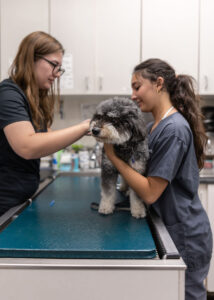
“Will my pet be okay under anesthesia?” It is one of the most understandable questions a veterinarian hears before a dental cleaning, surgery or other procedure. No anesthetic is completely risk-free. But thoughtful preparation, a plan tailored to your pet, appropriate equipment and attentive monitoring can help the veterinary team recognize and respond to problems.
At Aliso Beach Animal Clinic, our independently owned veterinary hospital in South Laguna Beach, we talk with families about why a procedure is recommended, what the anesthesia plan involves and how we support their pet through recovery. We care for dogs and cats from Laguna Beach, South Laguna, Dana Point, Monarch Beach and Emerald Bay, as well as nearby coastal communities.
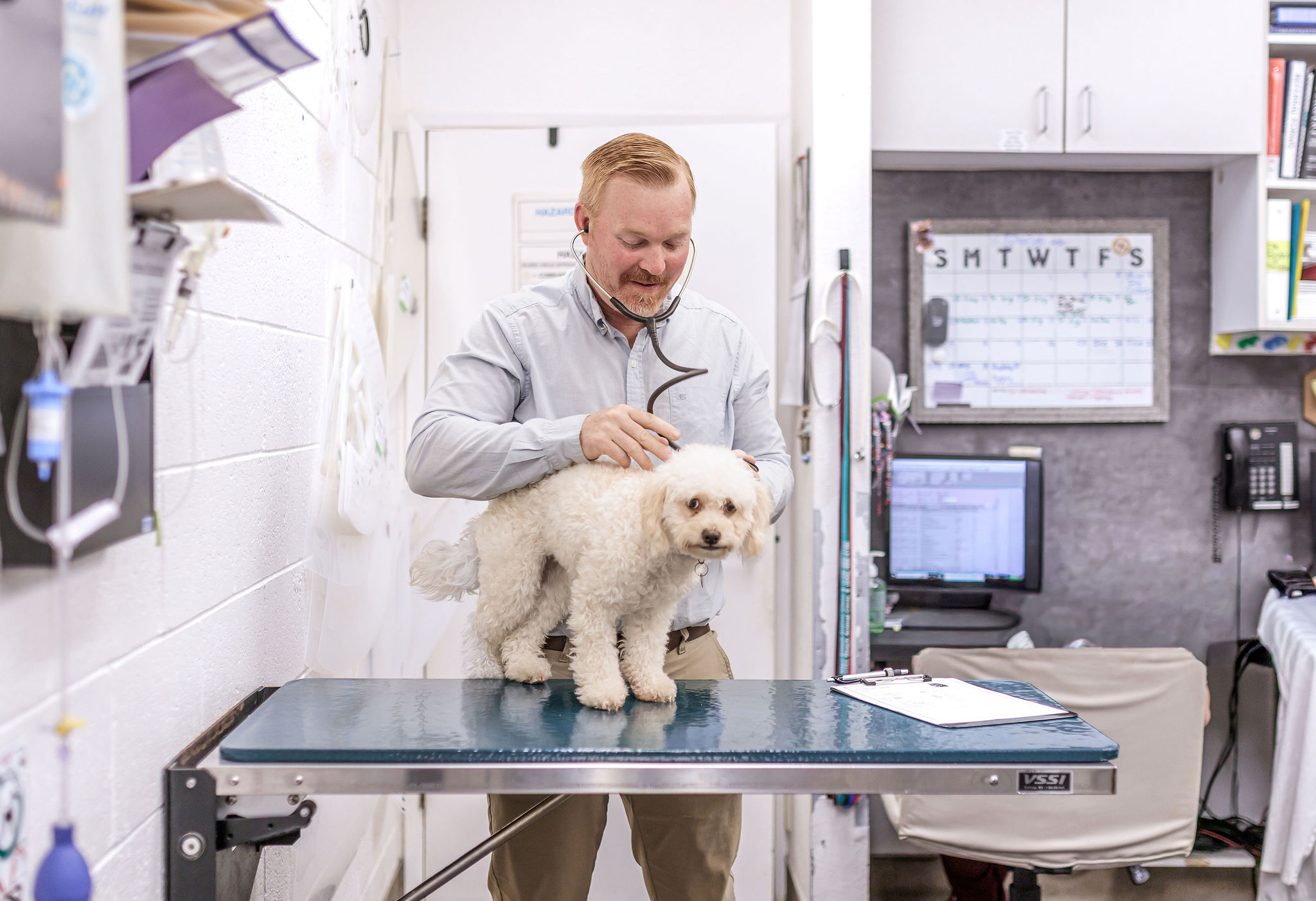
Quick answer: Many dogs and cats—including many older pets—can undergo necessary anesthesia with individualized assessment and careful monitoring. Risk depends on the pet’s health, airway, age-related conditions and the procedure, not simply on a pet being “young” or “old.” We consider the medical benefits alongside the risks and may recommend additional tests, a modified plan, postponement or referral when appropriate.
Why Would My Dog or Cat Need General Anesthesia?
Anesthesia allows a veterinarian to provide treatment without pain, fear or sudden movement that could compromise the procedure. It may be needed for veterinary surgery, professional dental cleaning and dental X-rays, removal of a painful mass, or selected diagnostic procedures. Sedation and general anesthesia are not interchangeable: deep sedation may not provide the same level of airway protection or control as appropriately managed general anesthesia.
For dental procedures, a breathing tube helps maintain an airway while the veterinarian cleans below the gumline, takes X-rays and treats diseased teeth. Avoiding necessary dental treatment because of anesthesia concerns can leave pets living with pain and infection. Our job is to explain both the need for treatment and the anesthesia considerations, not to dismiss your concerns.
What Happens Before My Pet Is Anesthetized?
We review your pet’s medical history, prior anesthetic experiences, medications, breathing, heart health and examination findings.
We consider recommended bloodwork, IV access, fluid needs, medication selection, pain control and whether more testing is warranted.
We plan equipment, monitoring, temperature support and an appropriate recovery strategy before the procedure begins.
Why Is Pre-Anesthetic Bloodwork Recommended?
Pre-anesthetic bloodwork may reveal problems such as anemia, dehydration, blood-sugar abnormalities or kidney and liver concerns that affect medication choice or timing. Normal results cannot eliminate every risk, and test selection depends on the patient; they are one useful part of an overall assessment.
We also ask owners to tell us about coughing, exercise intolerance, fainting, vomiting, appetite changes, current medications and supplements—including products that seem harmless. Follow your own clinic’s fasting and medication directions rather than relying on an internet-wide “no food after midnight” rule. Puppies, tiny pets, diabetic animals and animals with particular illnesses may need different instructions.
What Does Aliso Beach Animal Clinic Monitor During Anesthesia?
Monitoring is more than watching whether a pet looks asleep. Our surgical and anesthesia approach may include a dedicated veterinary technician, oxygen delivery and airway protection, IV catheter placement, tailored fluids, active warming and several complementary measurements:
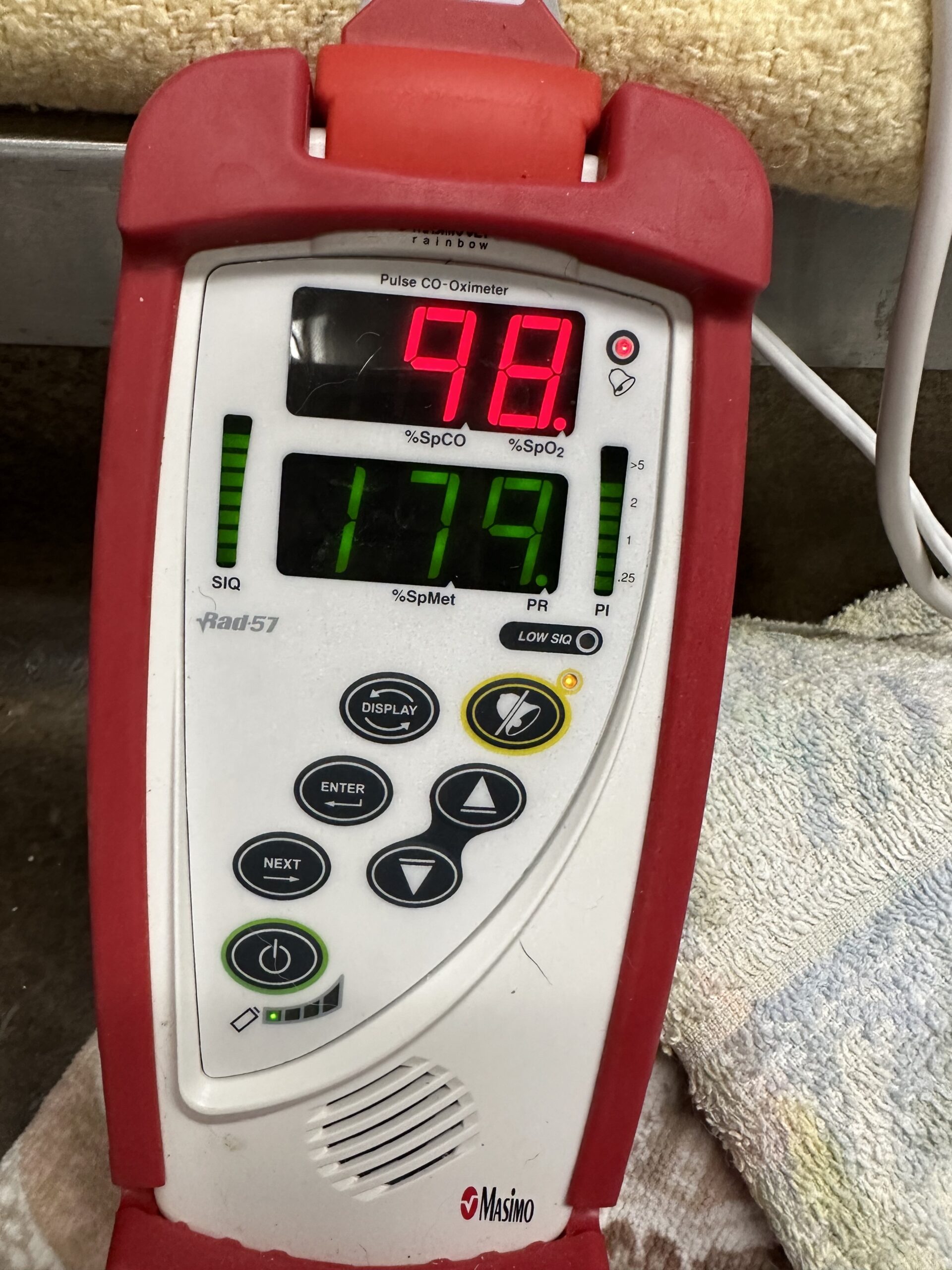
- Pulse oximetry: Estimates oxygen saturation in the blood, helping the team identify concerning oxygenation changes.
- Capnography: Measures carbon dioxide in exhaled gas to provide information about ventilation—the movement of air into and out of the lungs.
- ECG: Tracks the heart’s electrical rhythm.
- Blood pressure: Helps the team evaluate circulation and recognize low pressure.
- Temperature: Guides warming and temperature management, since anesthetized animals can lose body heat.
- Hands-on observation: A trained team member assesses the patient and the equipment; a monitor never replaces clinical judgment.
Why Have Several Monitors?
Oxygen saturation, breathing and circulation tell us different things. A normal oxygen reading alone does not prove that ventilation or blood pressure is adequate. Multiple measurements, interpreted together, provide a more useful picture of how a patient is doing.
The American Animal Hospital Association (AAHA) anesthesia guidelines emphasize patient-specific planning and monitoring throughout anesthesia and recovery.
What About Oxygen, Breathing Tubes and Anesthetic Medications?
For procedures under general anesthesia, an appropriately placed endotracheal tube can help deliver oxygen and anesthetic gases while protecting the airway. In patients with breathing difficulties or a potentially challenging airway, the veterinarian may recommend pre-oxygenation—giving extra oxygen before anesthesia induction to increase the oxygen reserve during the transition to a secured airway.
Anesthetic medications are chosen for the individual animal and procedure. Short-acting or reversible agents may be useful in selected cases, but “fast recovery” is not a guarantee, and waking a patient prematurely is not the goal. Adequate pain control, airway protection and a calm, closely observed recovery matter more than speed alone.
We use gentle, low-stress handling whenever possible. If a frightened or painful pet requires restraint for safety, the team chooses an approach appropriate to its condition. In short-nosed dogs especially, tight muzzles that limit panting can create added risk; a ventilated design would be considered only if truly needed and safe, with breathing taking priority.
Are French Bulldogs, Pugs and Other Flat-Faced Dogs at Greater Risk?
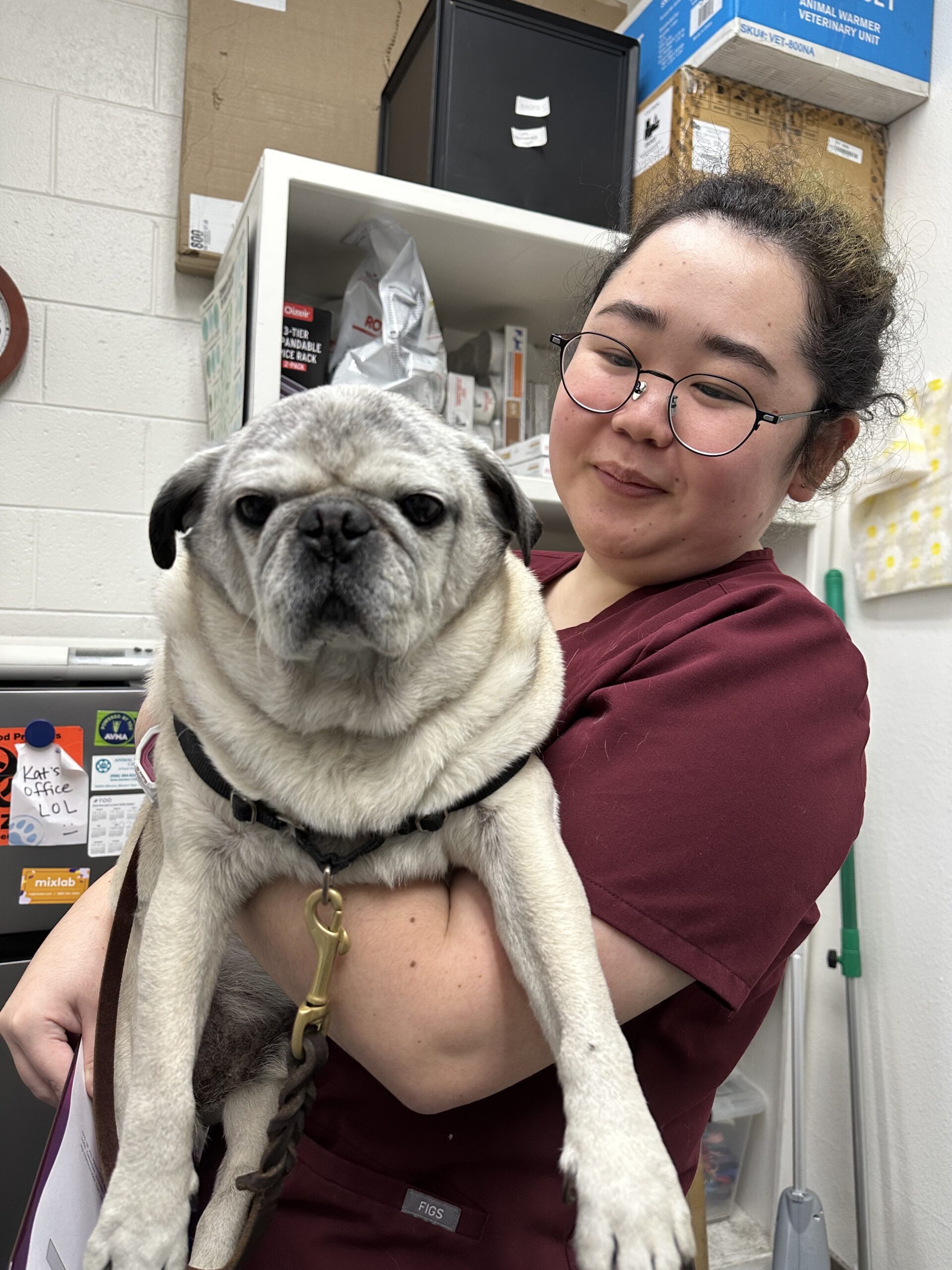
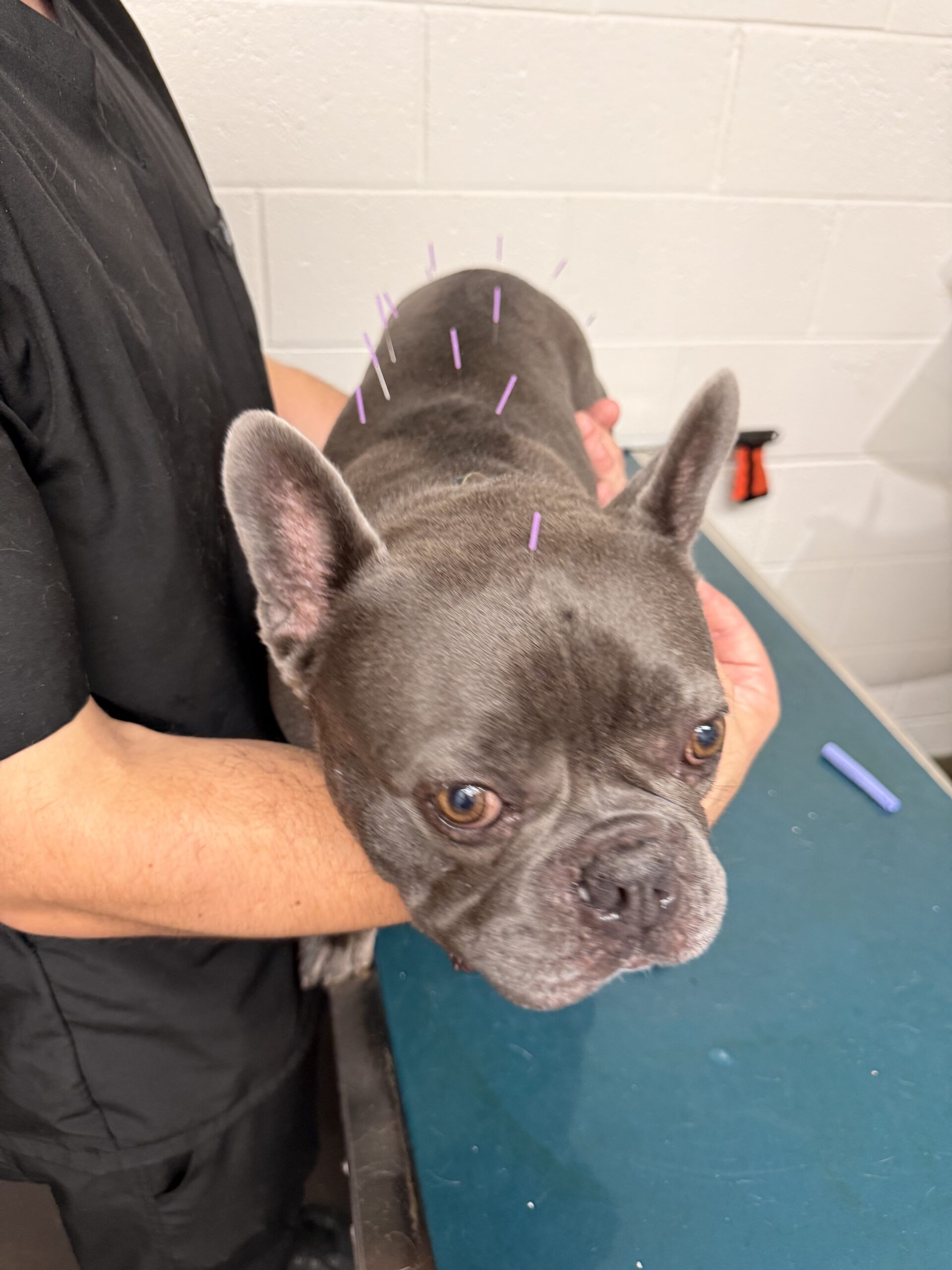
French Bulldogs, Pugs, English Bulldogs, Boston Terriers and other brachycephalic breeds can have narrowed upper airways. They may be more susceptible to obstruction, regurgitation and breathing complications—especially during sedation and recovery.
These pets deserve particular attention to calm handling, airway preparation, pre-oxygenation when indicated, drug selection and monitoring while waking up. We do not assume that every Frenchie or Pug has the same level of airway disease.
For the full breed-specific discussion: Read our French Bulldog and Pug anesthesia and breathing-safety guide. The American College of Veterinary Surgeons also describes brachycephalic airway conditions and their treatment.
Is Anesthesia Safe for My Senior Dog or Older Cat?
Age alone is not a diagnosis. A healthy older animal may be an appropriate candidate for necessary anesthesia, while a younger pet with significant heart or lung disease could require additional planning. We look at the whole patient—physical examination, known illnesses, test results, mobility, medications and the expected benefit of the procedure.
For a senior dog with painful dental disease, for instance, delaying treatment has its own consequences. For a cat with kidney disease, the plan may need changes to fluid therapy, blood-pressure monitoring or medication selection. A pet with a heart murmur, cough or concerning respiratory signs may benefit from further evaluation before an elective procedure.
Learn more about ABAC’s senior pet care and diagnostic testing. In some circumstances, referral to a specialty hospital is the safest option.
How Does Recovery Work—and What Is Normal at Home?
Recovery is a vital stage of anesthesia, not an afterthought. The team monitors breathing, alertness, comfort, temperature and other factors as your pet wakes. Airway support is removed when appropriate for the individual patient, and care continues until your pet is ready for a safe discharge or requires a different level of observation.
At home: Mild sleepiness, temporary wobbliness or a smaller appetite can occur after anesthesia and pain medication. Follow the discharge instructions for feeding, activity and prescribed drugs; give your pet a quiet place to rest and protect them from falls or stairs. The AAHA client guide to anesthesia explains common recovery changes.
Call promptly for repeated vomiting, worsening weakness, unrelieved pain, unusual agitation, persistent refusal to eat when feeding was expected, or recovery that seems abnormal. Severe or labored breathing, collapse, unresponsiveness, or blue/gray gums are emergencies: seek immediate emergency veterinary care. ABAC offers same-day urgent evaluations during clinic hours when medically appropriate and available, but is not a 24-hour emergency hospital.
Six Questions to Ask Before Your Pet’s Anesthetic Procedure
- Why is anesthesia recommended, and what happens if we postpone this procedure?
- What concerns are specific to my pet’s health, age, breed or previous anesthesia experience?
- Which examination findings or blood tests will guide the plan?
- Who monitors breathing, circulation and temperature during the procedure?
- What pain-control and recovery support will my pet receive?
- What warning signs should make me call you or an emergency hospital afterward?
Good veterinary care includes good communication. You should feel comfortable discussing the benefits, limitations, alternatives and costs of a recommended procedure before consenting.
Veterinary Anesthesia Near Laguna Beach, South Laguna and Dana Point
Aliso Beach Animal Clinic is located at 30816 Coast Highway, Laguna Beach, CA 92651, across from Montage Laguna Beach. Our team welcomes pets from South Laguna, central Laguna Beach, Emerald Bay, Monarch Beach, Monarch Bay, Dana Point, Three Arch Bay and Laguna Niguel.
If you have been searching for a vet for dog dental anesthesia near Dana Point, cat anesthesia monitoring in Laguna Beach, or a veterinarian for an older dog needing surgery near Monarch Beach, we are happy to discuss the first step: a consultation and an honest assessment of your pet’s individual needs. We cannot determine anesthetic suitability or promise a procedure based on a web page alone.
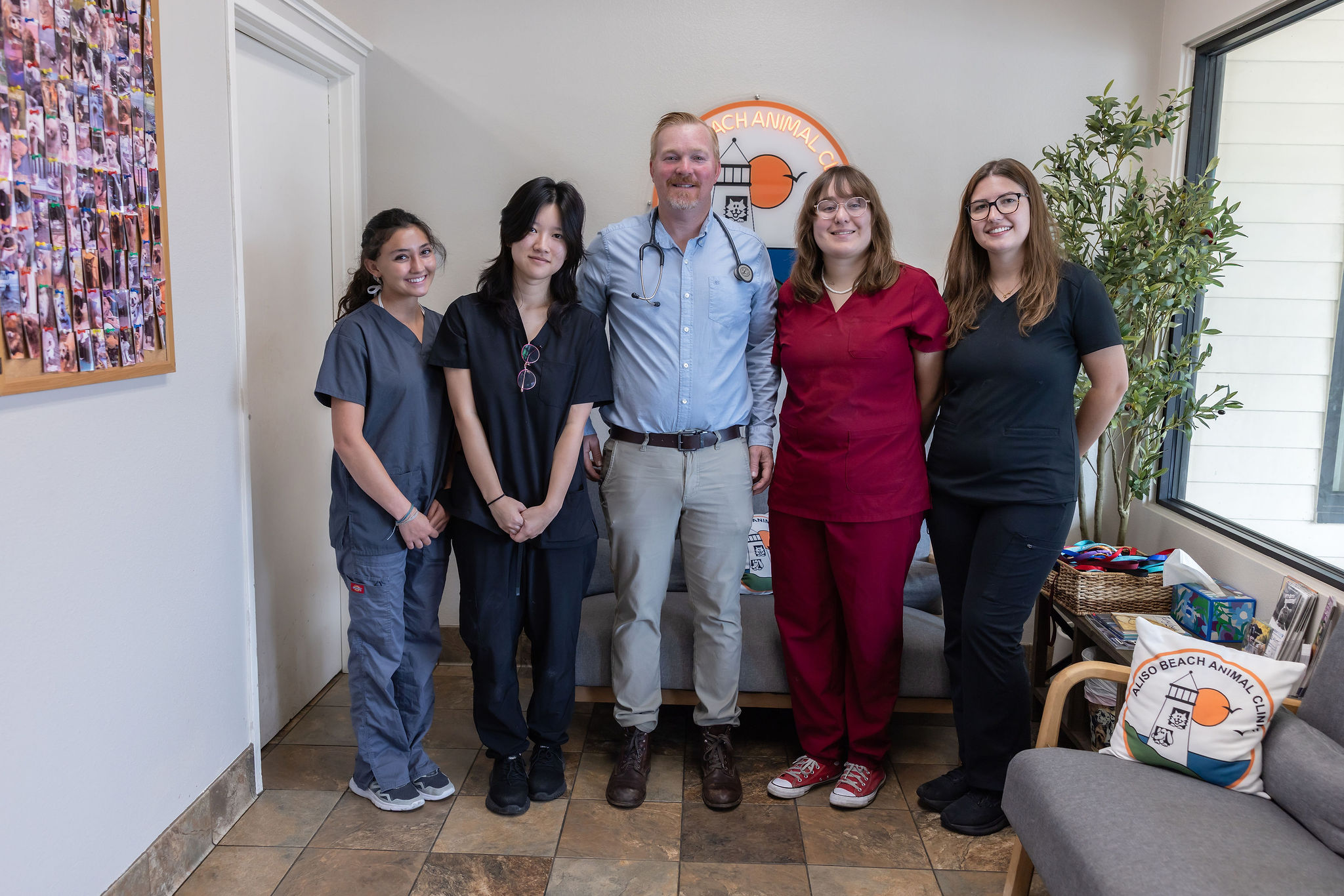
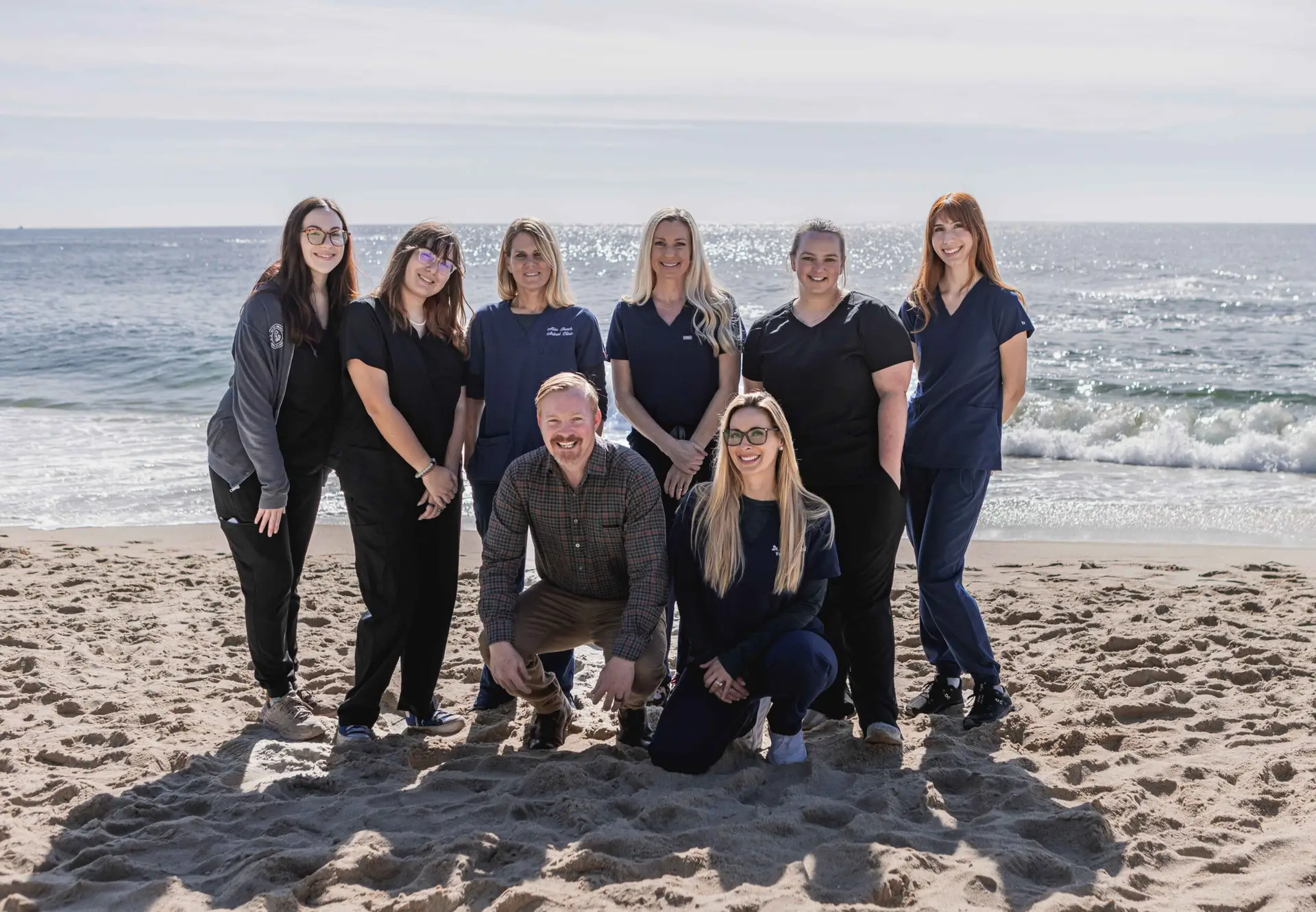
As a locally accountable, independently owned veterinary clinic, we want you to understand the medical reasoning behind our recommendations. Meet our veterinary team or review our surgical services before scheduling.
Frequently Asked Questions About Pet Anesthesia
Is anesthesia safe for an older dog with a heart murmur?
It depends on the cause and significance of the murmur, the dog’s health and the planned procedure. An examination and sometimes cardiac testing or referral may be appropriate before elective anesthesia. Age or a murmur alone cannot answer the question.
Do cats need pre-anesthetic bloodwork?
Bloodwork is often recommended, particularly for cats with known illness, suspected dehydration or age-related concerns. Testing is selected for the individual patient and does not by itself guarantee a complication-free procedure.
Is it safer to skip anesthesia for my dog’s dental cleaning?
Not necessarily. A comprehensive dental procedure typically requires general anesthesia and airway protection to examine and clean below the gumline, obtain dental X-rays and treat painful disease. Surface cleaning while awake is not an equivalent substitute for needed medical dentistry.
What is the difference between sedation and general anesthesia?
Sedation reduces awareness and responsiveness to varying degrees, but does not necessarily protect the airway. General anesthesia creates controlled unconsciousness and, when indicated, allows the team to secure the airway and perform a painful or precision procedure appropriately.
Why is my dog sleepy or shaky after anesthesia?
Medications, temperature changes, stress and the procedure itself can affect recovery. Mild temporary changes may be expected, but increasing weakness, difficulty waking, breathing problems or persistent distress should be evaluated promptly.
Will my French Bulldog need special anesthesia precautions?
Often, yes. Short-nosed dogs may have increased airway risk, and the precautions depend on their examination and breathing history. See our dedicated French Bulldog and Pug anesthesia guide for more detail.
Where can I speak to a veterinarian about pet anesthesia near Monarch Beach or Emerald Bay?
Contact Aliso Beach Animal Clinic in South Laguna Beach for an appointment to discuss a planned dental or surgical procedure. The veterinarian can evaluate your pet and explain reasonable options, precautions and referral needs.
Sources and Veterinary Guidance
These references support the general principles discussed here. They do not certify ABAC or replace a patient-specific examination.
- American Veterinary Medical Association (AVMA): When Your Pet Needs Anesthesia — client-friendly overview of benefits, risks and preparation.
- AAHA: Anesthesia and Monitoring Guidelines for Dogs and Cats — patient-specific planning, support and monitoring.
- AAHA: What Can I Expect When My Pet Needs Anesthesia? — preparation and recovery guidance for families.
- American College of Veterinary Surgeons: Brachycephalic Syndrome — short-nosed breed airway anatomy and clinical issues.