Why Integrative Veterinary Care May Be Best for Your Pet: A Laguna Beach Veterinarian’s Guide
When you search for a “vet near me,” you are looking for more than an address and an available appointment. You want someone who will listen, recognize what is wrong, explain the options and help your pet stay comfortable and healthy through every stage of life.
At Aliso Beach Animal Clinic in Laguna Beach, we believe that great veterinary medicine begins with a complete understanding of the patient. That includes the pet’s symptoms and diagnosis, but also nutrition, weight, pain, mobility, environment, behavior, medications and daily quality of life.
This is the foundation of integrative veterinary medicine: combining sound conventional medical care with carefully selected supportive approaches when they make sense for the individual animal.
The objective is not to provide the greatest number of treatments. It is to choose the right treatments, at the right time, for the right reasons.
Quick answer: Integrative veterinary care may benefit your pet because it combines an accurate medical diagnosis with a broader plan for comfort, nutrition, mobility, prevention and everyday functioning.
For some pets, that means medication, diagnostic testing and a nutrition plan. For others, acupuncture, therapeutic laser or rehabilitation may be appropriate additional options.
Not every pet needs complementary treatment. The best plan is the one supported by the diagnosis, available evidence and the patient’s response.
Searching for a “Vet Near Me”? Look Beyond Convenience
Proximity matters when choosing a veterinarian, especially when your dog suddenly starts limping, your cat stops eating or a chronic medical problem needs frequent reassessment.
But the nearest veterinary clinic is not necessarily the best fit for every medical need. It helps to find a practice that combines sound medical judgment with communication, follow-up and the ability to discuss more than one treatment option.
When choosing a veterinarian in Laguna Beach, consider whether the practice:
- Performs a comprehensive examination before recommending treatment
- Explains the diagnosis and what remains uncertain
- Has access to appropriate bloodwork and diagnostic imaging
- Uses evidence-based pain management and preventive medicine
- Reviews nutrition, medications and supplements
- Provides realistic follow-up and aftercare plans
- Can coordinate specialty surgery or referral when needed
- Offers integrative options without promising unrealistic outcomes
- Communicates clearly about costs, benefits and limitations
An important part of good veterinary care is recognizing that animals with the same symptom may need completely different treatments. Two limping dogs may have very different problems. Two older cats that become less active may have unrelated medical conditions.
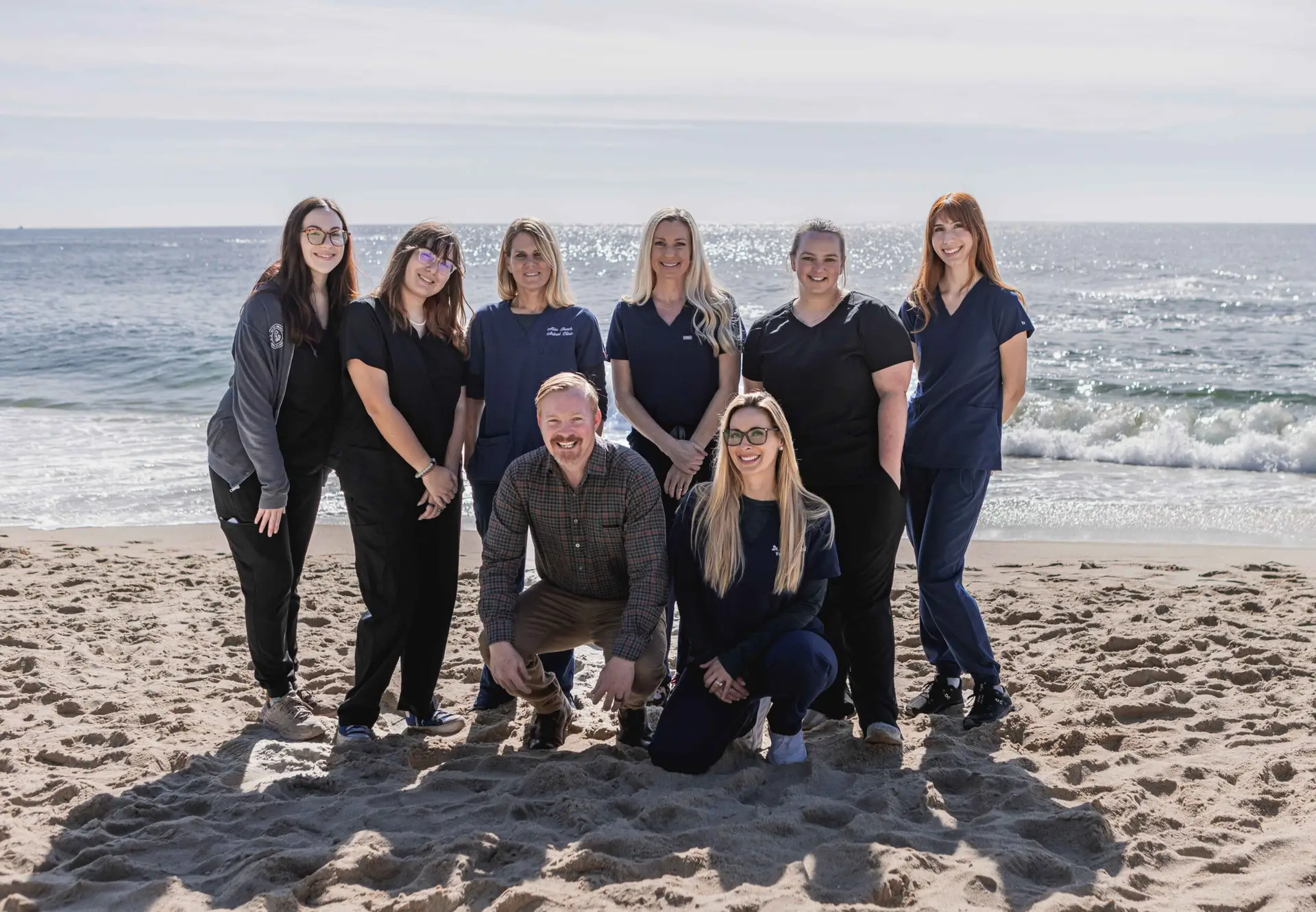
At ABAC, our goal is to provide the continuity and personal communication of an independently owned veterinary hospital while maintaining access to conventional diagnostics, surgery and selected integrative services.
What Does Integrative Veterinary Medicine Actually Mean?
Integrative veterinary medicine combines conventional veterinary diagnosis and treatment with selected complementary approaches, while considering the patient as a whole.
An integrative veterinarian may evaluate medical disease, nutrition, weight, muscle condition, pain, emotional well-being, environment and the pet’s daily routine.
For a dog with arthritis, a treatment plan might include prescription pain medication, weight management, safe exercise, appropriate flooring at home and periodic reassessment. Acupuncture or therapeutic laser may be considered as additional treatment when appropriate.
For a pet with kidney disease, the priorities may instead be laboratory monitoring, appropriate nutrition, hydration, medication and identifying changes in appetite or body condition.
In other words, integrative medicine is not one particular procedure. It is a way of making medical decisions that accounts for the animal’s overall well-being.
Our main Holistic & Integrative Veterinary Care service page describes the specific options offered at Aliso Beach Animal Clinic.
Six Ways a Whole-Pet Approach Can Benefit Your Dog or Cat
1. It Encourages Better Diagnostic Decisions
Symptoms do not always point to an obvious diagnosis. A dog may limp because of arthritis, a torn cruciate ligament, a painful paw, a fracture or neurologic disease. A cat may stop jumping because of joint pain, weakness or an underlying medical illness.
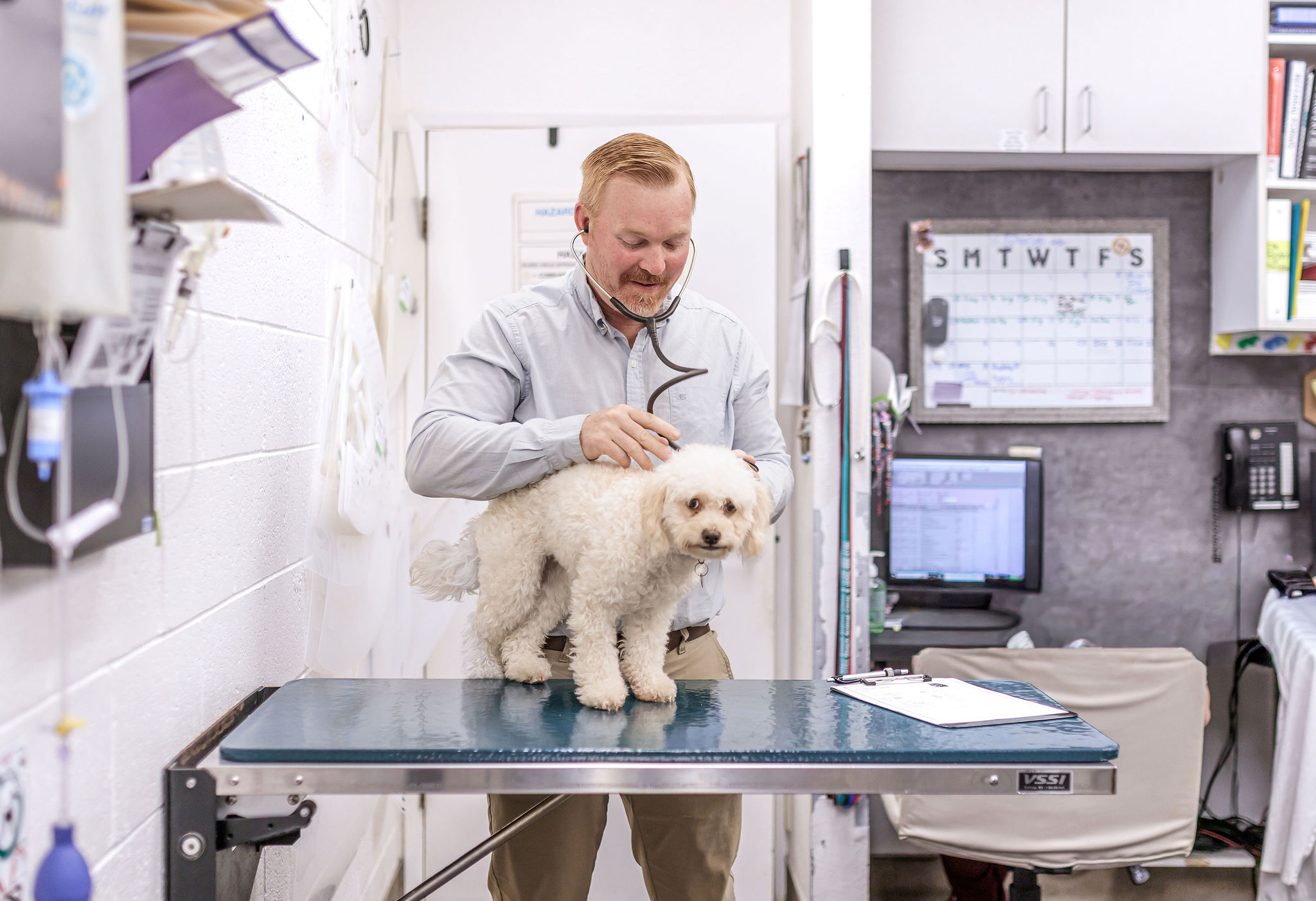
Before choosing acupuncture, laser treatment or medication, a veterinarian may need to perform an examination, laboratory testing or appropriate imaging.
This is one of the greatest advantages of a responsible integrative philosophy: the cause of the problem comes before the preferred treatment.
ABAC provides veterinary bloodwork and diagnostic testing and digital radiography when indicated.
2. It Recognizes That Chronic Pain Is Often Complex
Chronic pain may involve joint disease, muscle weakness, nerve-related discomfort, excess body weight and reduced activity. One treatment may not address every factor.
The American Animal Hospital Association 2022 Pain Management Guidelines support a multimodal approach that combines appropriate medication with nonpharmacologic measures.
Evidence-supported interventions may include weight management, environmental modification, appropriate activity, pain medication and surgery for certain conditions. Other modalities may sometimes be considered as adjuncts.
Learn how we approach these cases in our Integrative Pain & Mobility Care guide.
3. Nutrition Becomes Part of the Medical Plan
A pet’s diet influences weight, muscle condition and management of many medical conditions. But nutrition needs are not the same for every dog or cat.
A growing puppy, senior cat, dog with pancreatitis or pet with kidney disease may each require a different nutritional strategy.
The World Small Animal Veterinary Association Global Nutrition Guidelines emphasize individualized nutritional assessment, including body and muscle condition.
At ABAC, nutrition conversations may include food selection, portion sizes, treats, supplements, safe weight goals, medical diets and whether a home-prepared diet is appropriately formulated.
Explore our veterinary nutrition counseling .
4. Senior Pets Receive More Individualized Care
Senior dogs and cats may develop several conditions at once. For example, an older dog can have arthritis, dental disease and muscle loss. A senior cat can experience reduced mobility, weight changes and kidney disease.
Treating only the most visible symptom may miss other problems affecting comfort and quality of life.
The 2023 AAHA Senior Care Guidelines encourage evidence-guided, individualized plans that consider medical problems, behavior, nutrition and the home environment.
An appropriate senior-pet plan may address pain control, diagnostics, exercise, traction on slippery floors, easier access to resting areas and treatment of underlying disease.
See our Senior Pet Care in Laguna Beach page for more information.
5. It Can Reduce Unnecessary Treatments
Integrative care should not mean giving every pet multiple supplements, herbal products or recurring procedures.
Instead, it asks: What is the intended benefit? What is the quality of the evidence? Could this product interact with medication? How will we determine whether it is working?
Natural products are not automatically safer than prescription medication. Some have limited evidence, inconsistent ingredient concentrations or potential interactions.
Our Veterinary Supplement and Nutraceutical Consultations focus on patient-specific safety, appropriateness and realistic expectations.
6. Care Can Evolve as Your Pet Changes
A young, active dog has different needs from the same dog at age twelve. Likewise, a cat’s mobility, behavior, weight and appetite may change gradually over time.
When a veterinary team knows a pet’s history and follows up consistently, changes can be assessed in context. A medication may need adjustment, an exercise plan may need modification or a new diagnostic test may become appropriate.
The benefit of continuity is not that every problem can be prevented. It is that medical decisions can be revisited thoughtfully as the patient’s needs change.
What Does Integrative Veterinary Care Look Like in Practice?
The following examples illustrate how veterinarians may combine different types of care. They are general clinical scenarios, not testimonials or claims about specific ABAC patients.
Example 1: An Older Dog That Is Having Difficulty Rising
A family notices their senior dog struggles to get up after sleeping and is reluctant to take longer walks.
A veterinarian may examine the hips, knees and spine, assess muscle and body condition and determine whether diagnostic testing is needed. If arthritis is identified, the plan might include appropriate pain medication, weight management, controlled exercise and changes to slippery flooring.
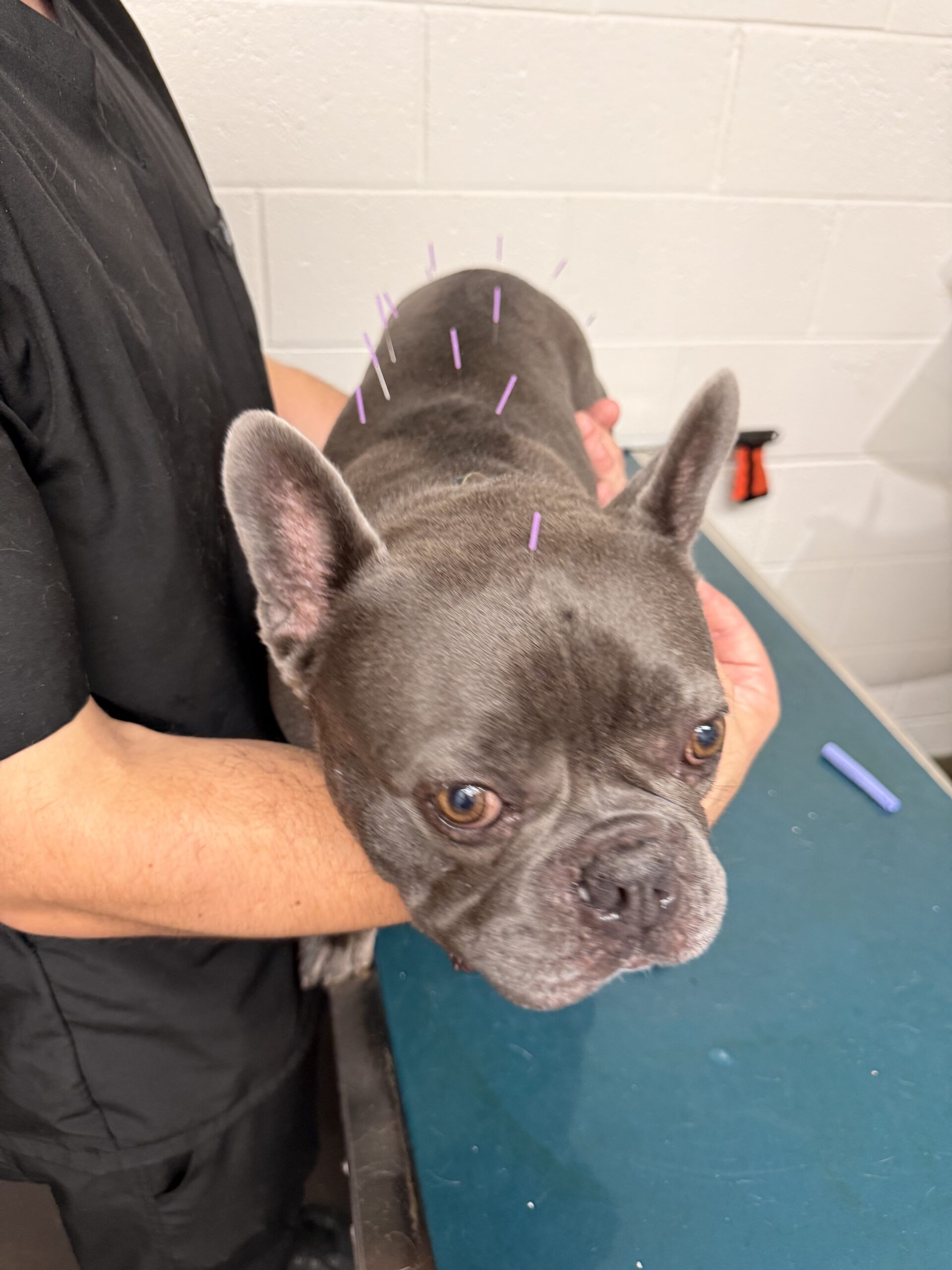
Acupuncture or therapeutic laser may be considered as additional options, depending on the patient, evidence and treatment response. Neither replaces treatment of significant underlying disease.
Example 2: A Cat That Stops Jumping Onto the Bed
An owner assumes the cat is simply getting older. However, reduced jumping can reflect osteoarthritis, muscle loss or another medical condition.
A complete veterinary examination may identify pain, abnormal weight or other concerns. Treatment might involve appropriate medication, lower-sided litter boxes, steps to favorite resting areas and careful monitoring of function.
A good integrative plan also considers the cat’s stress and tolerance for handling before recommending additional procedures.
Example 3: A Dog With Recurring Digestive Problems
A dog experiences repeated episodes of loose stool, gas or vomiting. The owner has tried several diets and supplements without finding a lasting solution.
An integrative approach begins with medical history and examination, then evaluates diet, parasites, medications, supplements and whether diagnostic testing is necessary.
Treatment may include a prescription diet, appropriate medication, follow-up or referral, depending on the diagnosis. Adding more supplements without understanding the cause may make the situation more complicated.
For a closer look, read our guide to recurring digestive problems in dogs .
Example 4: A Dog Recovering From Knee Surgery
A dog recovering from TPLO surgery needs surgical aftercare, pain control and activity restrictions to protect bone healing.
Appropriate nutrition, gradual rehabilitation and veterinarian-directed supportive treatments may become part of the recovery plan. But acupuncture, laser treatment or supplements cannot replace the stability provided by surgery or the required healing period.
Explore ABAC’s orthopedic surgery services and our TPLO recovery guide .
Is Integrative Veterinary Care Evidence-Based?
It can be, when treatment decisions are based on the best available evidence and the patient’s medical needs. However, not every complementary treatment has the same level of scientific support.
Well-Established Foundations
Veterinary examination, appropriate diagnostic testing, indicated medication, vaccination and preventive medicine, complete and balanced nutrition, weight management and surgical treatment are central components of veterinary care.
These are not separate from holistic medicine. They are often the foundation of effective whole-pet care.
Complementary Therapies With Variable Evidence
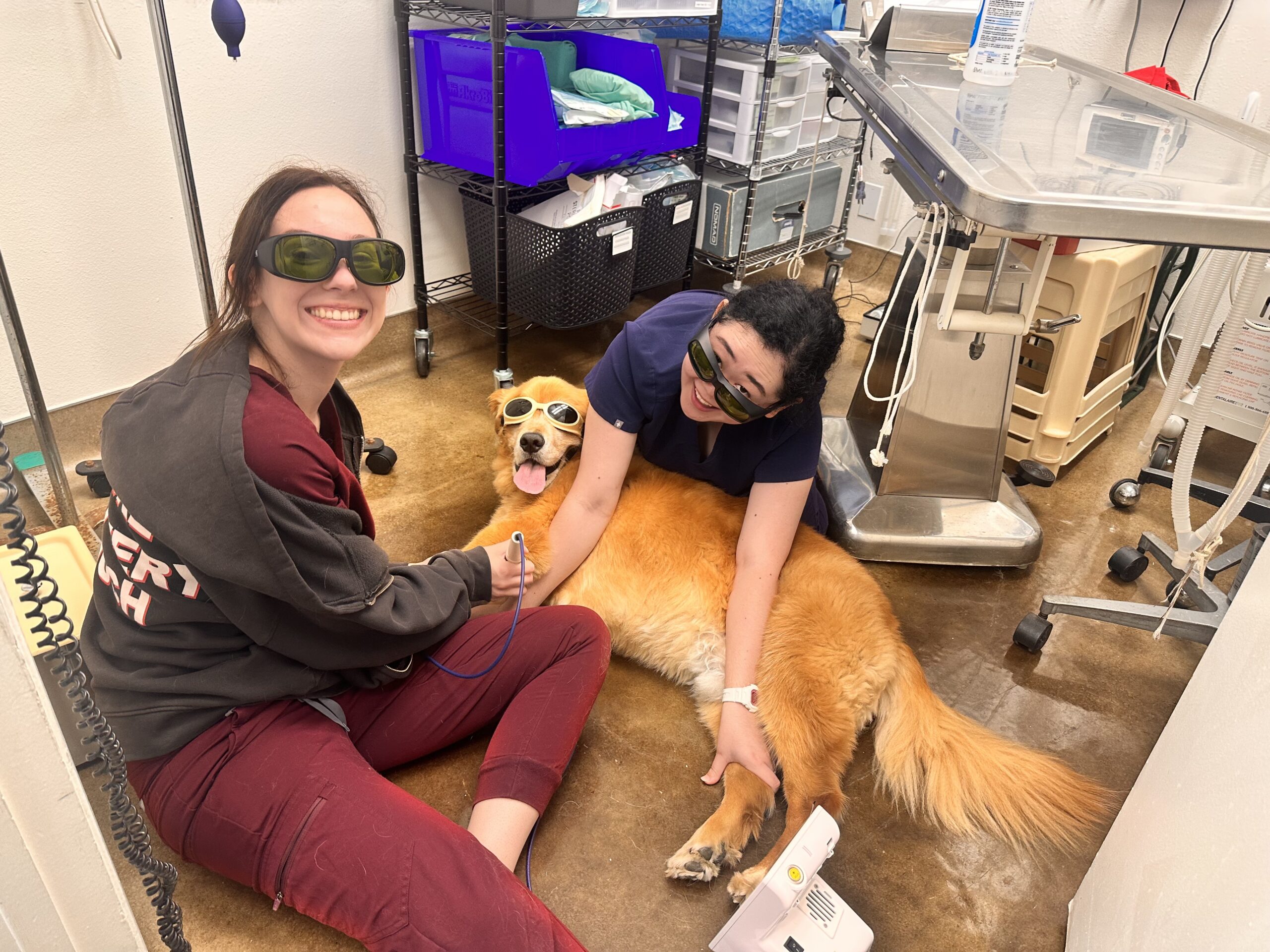
Veterinary acupuncture and therapeutic laser treatment may be considered for selected patients, particularly within multimodal pain-management or recovery plans.
Research is mixed or limited for many specific applications, so these treatments should not be marketed as guaranteed cures.
ABAC offers veterinary acupuncture and therapeutic laser treatment when a veterinarian considers them medically appropriate.
How Should Owners Evaluate Supplements?
Start by identifying the condition the supplement is intended to address. Review the ingredients, dose, quality and possible interactions. Then ask whether there is evidence of meaningful benefit for that specific species and condition.
Many products marketed for joint comfort, inflammation, immunity or longevity lack strong clinical evidence. A supplement is not necessarily beneficial simply because it is widely advertised.
Our principle: Integrative medicine should increase the quality of decision-making, not the number of products or procedures. A treatment deserves a place in the plan because there is a reasonable indication for it, not merely because it is popular.
When Conventional, Urgent or Emergency Care Must Come First
There are times when complementary care is inappropriate as the first step. A pet with severe pain, sudden weakness, uncontrolled vomiting, difficulty breathing, a urinary obstruction, major trauma or rapidly worsening symptoms requires prompt medical evaluation.
Depending on the condition, the best treatment may involve diagnostic imaging, medication, surgery, hospitalization or emergency referral.
Acupuncture, laser therapy, nutritional changes and supplements must never delay necessary medical stabilization.
Aliso Beach Animal Clinic provides same-day urgent veterinary care during regular clinic hours when availability allows. We are not a 24-hour emergency hospital.
For sudden or severe symptoms: Call the clinic before arriving. Potentially life-threatening conditions may require immediate care at a 24-hour emergency facility. Do not rely on an online appointment request for emergencies.
For families in the Monarch Beach area, our Pet Urgent Care Near Monarch Beach article explains common coastal pet hazards, including paw injuries, foxtails and conditions that should be evaluated promptly.
If your dog suddenly starts limping, our Dog Limping in Laguna Beach guide can help you understand when an urgent examination is appropriate.
Seven Questions to Ask When Choosing an Integrative Veterinarian Near You
Whether you live in Laguna Beach, Emerald Bay, Monarch Beach or Dana Point, these questions can help you evaluate a veterinary practice.
- Will you examine my pet and establish a diagnosis before recommending treatment? A therapy should be tied to a medical indication.
- How do you decide between medication, surgery, rehabilitation and complementary treatments? Look for individualized reasoning, not automatic recommendations.
- What evidence supports the specific therapy being proposed? Good veterinarians can explain both potential benefits and uncertainties.
- Will you review all of my pet’s medications and supplements? This is important for preventing unnecessary overlap and adverse interactions.
- How will we measure improvement? Pain, activity, appetite, mobility and quality of life should be reassessed over time.
- What happens if the treatment does not work? A responsible plan includes alternatives, reassessment and referral when necessary.
- Can you provide ongoing medical care if my pet’s condition changes? Continuity matters when an animal develops additional health problems or requires diagnostic testing.
You should feel comfortable asking questions and understanding why a particular treatment is being recommended.
Integrative Veterinary Care Near Monarch Beach, Emerald Bay and Dana Point
Aliso Beach Animal Clinic is located at 30816 Coast Highway, Laguna Beach, CA 92651, directly across from Montage Laguna Beach.
Our independently owned hospital serves dogs, cats and many exotic pets from Laguna Beach, South Laguna, Three Arch Bay, Emerald Bay, Monarch Beach, Monarch Bay, Dana Point and Laguna Niguel.
Coastal pets have particular lifestyle considerations. A dog may spend considerable time on beach walks, trails and neighborhood paths. A senior dog may have trouble navigating stairs in a multilevel home. A cat may need modifications to make favorite resting areas accessible.
These details do not determine the medical diagnosis, but they can influence a practical treatment plan.
For someone searching “vet near me in Laguna Beach” or “holistic veterinarian near Monarch Beach,” the advantage of a comprehensive veterinary clinic is the opportunity to coordinate routine medical care, diagnostics, integrative options and follow-up through a familiar team.
That is the approach ABAC strives to provide: advanced veterinary capabilities, personal communication and treatment plans that reflect each patient’s needs.
Frequently Asked Questions About Integrative Veterinary Care
Is integrative veterinary medicine better than conventional medicine?
It is not inherently better. Integrative care is most helpful when it builds on appropriate conventional veterinary medicine and includes additional strategies that are reasonable for the patient. For many conditions, conventional treatment alone is the most effective option.
What is the difference between a holistic veterinarian and an integrative veterinarian?
Holistic refers to considering the entire patient. Integrative generally refers to combining conventional medicine with selected complementary approaches. The terms often overlap, and the quality of care depends on the clinician’s training, judgment and treatment recommendations.
Can integrative veterinary medicine help an older dog with arthritis?
An individualized plan can address pain, weight, mobility and the home environment. Depending on the dog, medication, appropriate exercise, nutrition changes and other treatments may be recommended. Acupuncture or laser may be considered as adjuncts, but results vary.
Does integrative care mean using fewer medications?
Not necessarily. Some patients need prescription medication for their safety and comfort. The goal is appropriate treatment, not avoiding medication at all costs.
Are natural remedies safer for pets?
Not automatically. Herbal products, supplements and other nonprescription products can cause side effects or interact with medications. A veterinarian should review the ingredients and intended use.
Is veterinary acupuncture or laser therapy necessary for every pet?
No. These are optional complementary modalities for selected cases. Many healthy pets do not need either treatment, and some medical conditions require different interventions.
Can an integrative vet treat sudden illnesses or injuries?
A veterinarian offering integrative care may also provide conventional treatment for sudden problems. At ABAC, same-day urgent evaluations are available during regular clinic hours when scheduling and patient condition permit. Life-threatening emergencies may require a 24-hour hospital.
Why choose an independently owned veterinarian in Laguna Beach?
An independently owned practice may offer continuity with a familiar veterinary team and a locally led approach to medical decision-making. The most important factors, however, remain clinical quality, communication, appropriate capabilities and the fit for your pet’s needs.
Where can I find integrative veterinary care near Monarch Beach?
Aliso Beach Animal Clinic offers conventional and integrative veterinary care at 30816 Coast Highway in South Laguna, across from Montage Laguna Beach. Call (949) 499-4190 to discuss your pet’s specific medical needs.
Professional Veterinary Sources and Further Reading
The following resources inform the discussion of multimodal pain management, nutrition, senior care and animal well-being.
- American Animal Hospital Association — 2022 Pain Management Guidelines for Dogs and Cats
- American Animal Hospital Association — 2023 Senior Care Guidelines
- World Small Animal Veterinary Association — Global Nutrition Guidelines
- WSAVA — Animal Welfare Guidelines
- AAHA — Nonpharmacologic Pain Management Modalities
Looking for a Veterinarian Near You in Laguna Beach?
If you want veterinary care that combines modern medicine with careful consideration of your pet’s nutrition, comfort, mobility and long-term health, Aliso Beach Animal Clinic would be pleased to help.
Whether your concern is arthritis, preventive care, chronic illness, a new symptom or questions about acupuncture and laser therapy, we can help determine an appropriate next step.
Aliso Beach Animal Clinic
30816 Coast Highway
Laguna Beach, CA 92651
Directly across from Montage Laguna Beach
Monday–Friday: 7:30 a.m.–4:30 p.m.
Saturday: 8 a.m.–noon
Sunday: Closed
For urgent concerns, call before arriving. Patients with life-threatening emergencies may require immediate care at a 24-hour veterinary emergency hospital.