

Pancreatitis in Dogs and Cats: Symptoms, Treatment & When to See a Veterinarian
Your dog suddenly starts vomiting and refuses dinner. Your cat hides under the bed and stops eating. Could pancreatitis be the cause?
Pancreatitis is inflammation of the pancreas, an organ that helps digest food and regulate blood sugar. The disease can range from mild inflammation to serious illness requiring hospitalization and intensive veterinary treatment.
In dogs, pancreatitis frequently produces vomiting, abdominal pain, weakness, or reduced appetite. In cats, the symptoms can be much more subtle.
At Aliso Beach Animal Clinic, we evaluate dogs and cats with sudden digestive symptoms using physical examinations, appropriate laboratory testing, imaging when indicated, and individualized treatment.
Our independently owned veterinary hospital is located in South Laguna, serving families throughout Laguna Beach and neighboring coastal Orange County communities.
What Is Pancreatitis in Dogs and Cats?
The pancreas is located in the abdomen, near the stomach and small intestine. It has two important functions.
- Digestive function: Produces enzymes that help break down fats, proteins, and carbohydrates.
- Hormonal function: Produces insulin and other hormones involved in regulating blood sugar.
With pancreatitis, inflammatory processes damage pancreatic tissue and can affect surrounding structures. In more severe cases, inflammation and its complications can affect the entire body.
Some pets recover from a single acute episode. Others experience recurrent episodes or chronic pancreatic disease.
Acute vs. Chronic Pancreatitis
Acute pancreatitis refers to pancreatic inflammation without the permanent tissue changes that define chronic disease. It may appear suddenly, with symptoms ranging from mild to life-threatening.
Chronic pancreatitis involves persistent changes to pancreatic tissue. It may produce subtle, recurring symptoms or become apparent during a more severe flare.
A sudden episode does not necessarily prove the disease is acute rather than chronic. The distinction can be difficult to establish through clinical findings alone.
Important distinction: Pancreatitis is not the same as exocrine pancreatic insufficiency (EPI), although chronic pancreatic damage can sometimes lead to EPI. The diagnostic tests and treatment for these conditions differ.
What Are the Signs of Pancreatitis in Dogs and Cats?
Pancreatitis does not produce one unique symptom. Many signs overlap with intestinal obstruction, kidney disease, liver disease, toxin exposure, infection, and other illnesses.
The pattern can also differ significantly between dogs and cats.
| Clinical Sign | Dogs | Cats |
|---|---|---|
| Vomiting | Often prominent, especially in acute cases. | May occur, but some cats do not vomit. |
| Loss of appetite | Common | Often one of the most noticeable changes. |
| Abdominal pain | May cause guarding, hunched posture, or restlessness. | May be present without obvious signs. |
| Lethargy | Common | Often prominent, sometimes mistaken for ordinary tiredness. |
| Diarrhea | Can occur, but is not required. | Possible, but nonspecific. |
| Weight loss | More likely with persistent or recurrent disease. | Can be an important clue in chronic illness. |
| Hiding or withdrawal | Possible | Can be an early sign of significant illness. |
Signs of Pancreatitis in Dogs
A dog with pancreatitis may suddenly refuse food, vomit repeatedly, become weak, or appear painful when its abdomen is touched.
Some dogs adopt a posture with the front end lowered and hindquarters elevated. Owners sometimes call this the prayer position. It may indicate abdominal discomfort, but it is not specific to pancreatitis.
Other dogs simply become quiet, stop greeting the family, or appear reluctant to move.
If your dog is vomiting repeatedly, appears painful, or becomes unusually weak, call your veterinarian promptly.
Our related guide explains when vomiting, appetite loss, and lethargy require urgent care .
Signs of Pancreatitis in Cats
Cats can be particularly difficult to assess because they often conceal illness and discomfort.
A cat with pancreatitis may not show the dramatic vomiting that owners associate with an upset stomach.
Instead, the first signs may simply be:
- Skipping meals
- Eating smaller amounts
- Hiding more often
- Reduced interaction
- Sleeping more than usual
- Gradual weight loss
- Dehydration
A cat that appears unusually quiet or refuses food deserves attention, even without vomiting.
Learn more in our guide: Cat Not Eating? When to See a Veterinarian in Laguna Beach .
When Is Pancreatitis an Emergency?
Some pets with mild pancreatitis may be suitable for outpatient management after a veterinary examination.
Others become seriously ill and need intravenous fluids, pain medication, hospital monitoring, or transfer to a facility providing continuous critical care.
Repeated vomiting, reduced appetite, abdominal discomfort, new lethargy, or diarrhea accompanied by illness.
Persistent symptoms, apparent dehydration, reluctance to eat, weakness, or symptoms in a medically fragile pet.
Collapse, profound weakness, severe breathing difficulty, unresponsiveness, or rapidly worsening life-threatening symptoms.
Do not assume every painful vomiting episode is pancreatitis.
A swollen abdomen with repeated unproductive retching may indicate gastric dilatation-volvulus (GDV), a potentially fatal emergency requiring immediate treatment.
Intestinal obstruction, poisoning, internal bleeding, and other emergencies can produce overlapping symptoms.
If your pet collapses, is severely weak, has substantial abdominal swelling, or appears critically ill, seek immediate 24-hour emergency veterinary care.
Aliso Beach Animal Clinic provides same-day veterinary urgent care during regular clinic hours when availability and the patient’s condition allow.
We are not a 24-hour emergency hospital. Call before arriving with a sick pet.
What Causes Pancreatitis in Dogs and Cats?
In many cases, veterinarians cannot identify a single definite cause.
Some risk factors are associated with pancreatitis, but their presence does not prove what caused a specific episode.
High-Fat Foods and Dietary Indiscretion
Eating fatty table scraps, unusually rich meals, or inappropriate food is considered a potential risk factor for pancreatitis in dogs.
Examples include fatty meat trimmings, greasy leftovers, and other unusually rich foods.
However, not every dog with pancreatitis has eaten high-fat food. Many cases have no identifiable dietary trigger.
Other Potential Risk Factors
Depending on the species, relevant medical factors may include:
- Abnormally elevated blood triglycerides, particularly in some dogs
- Certain endocrine conditions
- Some medications
- Abdominal trauma
- Concurrent intestinal, liver, or biliary disease
- Individual breed-related or metabolic predispositions
Miniature Schnauzers, for example, may develop elevated blood triglycerides that increase concern about pancreatic disease.
Some cats with pancreatitis also have inflammatory intestinal or hepatobiliary disease.
Pancreatitis is not a diagnosis of owner error. A dog or cat can develop the disease even with attentive feeding, appropriate preventive care, and no known dietary exposure.
How Do Veterinarians Diagnose Pancreatitis in Dogs and Cats?
There is no single test that perfectly diagnoses every case of pancreatitis.
Veterinarians interpret several sources of information together to determine whether pancreatic inflammation is likely and whether another medical condition better explains the symptoms.
Medical History and Examination
The veterinarian reviews appetite, vomiting, diarrhea, abdominal pain, diet, medications, chronic disease, and the timing of symptoms.
Bloodwork and Chemistry
Blood testing helps assess inflammation, hydration, kidney and liver function, electrolytes, blood glucose, and possible complications.
Pancreatic Lipase Testing
Species-appropriate pancreatic lipase tests may support the suspicion of pancreatitis, but results must be interpreted with the clinical picture.
Imaging and Further Evaluation
X-rays may help investigate other causes of vomiting, while ultrasound can assess the pancreas and surrounding abdominal organs.
What Is a cPL or fPL Test?
Canine pancreatic lipase (cPL) and feline pancreatic lipase (fPL) are laboratory measurements used to help evaluate possible pancreatitis.
They are more pancreas-focused than traditional general amylase or lipase measurements.
However, a result should not be interpreted by itself. Other disease processes, the stage of illness, and test performance can affect interpretation.
A veterinarian may recommend quantitative testing, repeat evaluation, or additional imaging depending on the case.
Can Ultrasound Diagnose Pancreatitis?
Abdominal ultrasound may show changes involving the pancreas or tissues surrounding it.
It also helps veterinarians evaluate other possible causes of illness, such as intestinal, liver, gallbladder, or abdominal abnormalities.
However, a normal or inconclusive ultrasound does not always exclude pancreatitis.
Image interpretation depends on the severity and timing of disease, equipment, and the examiner’s experience.
Specialist ultrasound in Laguna Beach: Aliso Beach Animal Clinic can coordinate abdominal ultrasound at our hospital with Leyla Fatourechi, DVM, DACVECC , a board-certified veterinary emergency and critical care specialist.
These appointments are scheduled according to specialist availability, commonly within one to three days. Critically ill pets should not delay emergency treatment to wait for a scheduled ultrasound.
Learn about our specialist abdominal ultrasound service in Laguna Beach .
Our in-house veterinary laboratory and diagnostic services can provide useful information when evaluating sudden illness.
How Is Pancreatitis Treated in Dogs and Cats?
Treatment depends on the severity of inflammation, dehydration, pain, ability to eat, and whether complications or other diseases are present.
The mainstay of treatment is supportive medical care tailored to the individual patient.
1. Fluid Therapy
Dogs and cats with pancreatitis may become dehydrated because of vomiting, reduced intake, or other fluid losses.
Appropriate fluid therapy helps correct dehydration and supports circulation. Intravenous fluids may be needed in more severe cases.
2. Nausea and Vomiting Control
Veterinary anti-nausea medications may reduce vomiting and make eating more comfortable.
A pet can be nauseated even when it is not actively vomiting. This is especially important in cats that simply refuse food.
3. Pain Management
Pancreatitis can cause significant abdominal pain, even when a pet does not cry or show obvious discomfort.
Veterinarians may prescribe pain medication selected according to the patient’s overall condition.
Human pain relievers and leftover pet medications should never be given without veterinary direction.
4. Nutritional Support
Modern pancreatitis management generally emphasizes appropriate nutritional support rather than automatically withholding food for extended periods.
Once nausea and vomiting can be adequately controlled, the veterinarian may recommend carefully selected oral feeding.
Patients that cannot consume enough food may need additional support, including assisted feeding when appropriate.
5. Hospitalization When Needed
More serious cases may require repeated assessments, intravenous medications, fluid management, monitoring of organ function, and nutritional support.
Pets requiring continuous intensive monitoring may need transfer to a 24-hour emergency hospital.
Antibiotics are not routinely required for uncomplicated pancreatitis.
They may be appropriate when a veterinarian identifies a separate bacterial infection or another specific indication.
Supplements, probiotics, herbal remedies, and digestive enzymes should not replace essential treatment for acute pancreatitis.
What Should a Dog or Cat With Pancreatitis Eat?
Nutrition is a central part of recovery, but dogs and cats do not always need the same dietary strategy.
Low-Fat Food for Dogs With Pancreatitis
Dogs recovering from pancreatitis are commonly managed with a veterinarian-recommended low-fat diet.
A suitable diet must supply adequate calories, protein, vitamins, and essential nutrients while controlling fat intake.
The appropriate fat restriction depends on the dog, medical history, and severity or recurrence of pancreatitis.
Some patients benefit from a therapeutic veterinary diet.
Do not assume that an over-the-counter food labeled “light” or “healthy weight” is necessarily sufficiently low in fat for a dog with pancreatitis.
Should Cats With Pancreatitis Also Eat Very Low-Fat Food?
Not necessarily. Dietary management in cats is more individualized.
Unlike dogs, cats with pancreatitis do not automatically require the same degree of dietary fat restriction.
Adequate food intake is particularly important because cats that consume too few calories may develop additional serious complications.
A veterinarian may recommend a highly digestible diet, an appropriate therapeutic food, or a feeding plan that also addresses concurrent disease.
Are Chicken and Rice Appropriate for Pancreatitis?
Plain chicken and rice is sometimes suggested online for an upset stomach.
However, a homemade mixture is not automatically the right pancreatitis diet and is generally not nutritionally complete for long-term feeding.
It is particularly unsuitable to assume that a dog-oriented home diet is appropriate for an ill cat.
Ask your veterinarian about an appropriate feeding plan rather than substituting home remedies for medical evaluation.
What Treats Should Dogs With Recurrent Pancreatitis Avoid?
Dogs with a history of pancreatitis may need to avoid fatty meat scraps, rich treats, greasy leftovers, and other high-fat foods.
Treats should fit the prescribed dietary fat allowance and total daily calories.
Sudden changes in diet or large amounts of unfamiliar food are best avoided.
For individualized guidance, see our pet nutrition counseling in Laguna Beach .
Why Pancreatitis in Cats Requires Special Attention
Cats with pancreatitis may have concurrent inflammation involving the intestines, liver, or bile ducts.
Veterinarians sometimes use the term triaditis when inflammatory disease involves the pancreas, intestines, and hepatobiliary system.
These overlapping conditions can complicate diagnosis and treatment.
Cats also face an additional concern when they eat too little for an extended period: hepatic lipidosis, commonly called fatty liver disease.
This is one reason veterinarians take persistent appetite loss in cats seriously.
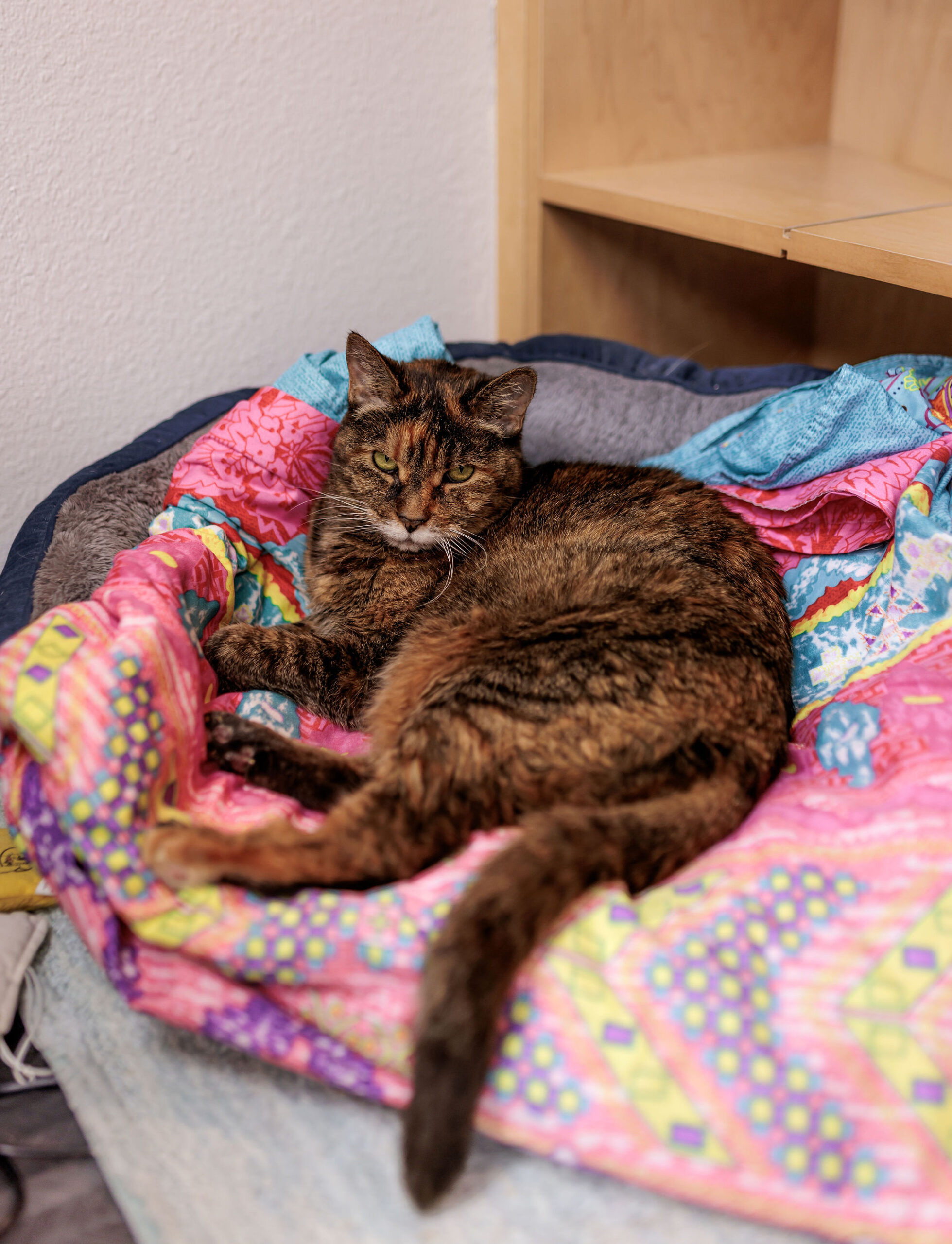
If your cat is not eating, do not assume it is just stress.
A significant or persistent decrease in appetite, especially with hiding, weight loss, vomiting, or lethargy, deserves prompt veterinary guidance.
How Long Does It Take a Pet to Recover From Pancreatitis?
Recovery varies considerably according to the severity of illness and presence of complications.
Dogs and cats with mild disease may begin improving over several days with appropriate treatment.
More severe cases can require prolonged hospitalization, careful feeding support, and ongoing monitoring.
Improvement in vomiting does not automatically mean the pancreas has fully recovered.
Can Pancreatitis Come Back?
Yes. Some animals experience recurrent episodes or have underlying chronic pancreatic disease.
For dogs, long-term management may involve dietary fat restriction, appropriate weight management, and attention to underlying metabolic disorders.
Cats may require monitoring for concurrent digestive, liver, or endocrine conditions.
Can Pancreatitis Cause Diabetes?
Severe or longstanding pancreatic injury can sometimes affect the insulin-producing portion of the pancreas.
Chronic pancreatic disease may be associated with diabetes mellitus or exocrine pancreatic insufficiency in selected patients.
This does not mean every pet with pancreatitis will develop either condition.
What Should You Do at Home if You Suspect Pancreatitis?
Practical Steps Before Your Appointment
- Call your veterinarian. Describe vomiting, appetite changes, energy level, abdominal discomfort, and when symptoms started.
- Record food and treats. Note any new foods, unusually fatty meals, table scraps, or possible toxin exposure.
- List medications. Include prescription medications, supplements, and any recent treatments.
- Keep your pet comfortable. Reduce unnecessary activity and monitor breathing, posture, and alertness.
- Avoid home medication. Do not give human pain relievers, leftover prescriptions, or unapproved remedies.
- Follow veterinary feeding instructions. Do not withhold food for days or force-feed an ill animal unless specifically instructed by your veterinarian.
- Watch for deterioration. Collapse, severe weakness, serious abdominal swelling, or other critical symptoms require emergency care.
If your pet has already been diagnosed with pancreatitis, follow the treatment plan provided by the attending veterinarian.
Contact the clinic if vomiting resumes, appetite declines, pain appears worse, or prescribed medication cannot be administered.
Pancreatitis Evaluation Near Laguna Beach, Emerald Bay & Monarch Beach
When a dog or cat becomes suddenly sick, having a nearby veterinary hospital with diagnostic and treatment capabilities can help families obtain timely guidance.
Aliso Beach Animal Clinic is located at 30816 Coast Highway in South Laguna, across from Montage Laguna Beach.
We welcome pets from Laguna Beach, Emerald Bay, Monarch Beach, Dana Point, Three Arch Bay, and nearby coastal Orange County communities.
Our veterinary team can evaluate many stable dogs and cats with vomiting, appetite loss, lethargy, and abdominal discomfort through same-day urgent appointments when availability allows.
Depending on the patient, care may involve in-house laboratory testing, diagnostic X-rays, fluid therapy, anti-nausea medication, pain control, daytime hospitalization, and further evaluation when medically indicated.
Advanced abdominal ultrasound can also be arranged with a visiting board-certified specialist when appropriate.
A pet needing intensive, continuous monitoring or emergency treatment beyond our hospital’s capabilities may be referred directly to a 24-hour veterinary facility.
For additional nearby pet-safety information, see our Monarch Beach urgent-care guide .
Frequently Asked Questions About Pancreatitis in Pets
Can a dog have pancreatitis without vomiting?
Yes. Vomiting is common but not required. Some dogs show reduced appetite, abdominal discomfort, lethargy, or other nonspecific symptoms.
Can a cat have pancreatitis without vomiting?
Yes. Cats may primarily show decreased appetite, hiding, lethargy, dehydration, or unexplained weight loss. Vomiting may be absent.
Is pancreatitis in dogs and cats contagious?
Pancreatitis itself is not considered a contagious disease. Most cases are inflammatory rather than directly transmissible between pets.
Can a blood test confirm pancreatitis?
Pancreatic lipase tests can strongly support a diagnosis, but results should be interpreted with the medical history, examination findings, and imaging when indicated. No single routine test is perfect in every case.
Can pancreatitis be fatal in dogs?
Severe pancreatitis can produce major complications, including organ dysfunction. Some cases can be fatal. Many dogs with milder disease recover with appropriate veterinary care.
Can cats recover from pancreatitis?
Yes. Many cats recover from mild episodes. The prognosis depends on severity, other illnesses, nutritional intake, and treatment response.
Should I stop feeding my dog with pancreatitis?
Do not withhold food for a prolonged period without veterinary direction. Modern treatment usually emphasizes appropriate nutritional support once vomiting can be controlled.
Does every dog with pancreatitis need a low-fat diet?
Dietary fat restriction is commonly important in canine pancreatitis, but the appropriate diet depends on the individual dog, nutritional needs, and medical condition.
Does every cat with pancreatitis need low-fat food?
No. Feline feeding recommendations are more individualized. Adequate caloric intake and management of concurrent diseases are often central concerns.
Are antibiotics needed for pancreatitis?
Antibiotics are not routinely indicated for uncomplicated pancreatitis. A veterinarian may prescribe them when a separate bacterial infection or another specific indication is identified.
Is abdominal ultrasound necessary for every case?
Not necessarily. The veterinarian selects imaging based on symptoms, examination results, test findings, disease severity, and the possibility of another abdominal condition.
Does Aliso Beach Animal Clinic treat suspected pancreatitis?
Our Laguna Beach veterinary team evaluates dogs and cats with symptoms that may be caused by pancreatitis. We offer medical examinations, diagnostic testing, and selected treatments during regular clinic hours. More severe patients may require referral to a 24-hour emergency hospital. Please call before arriving.
Veterinary Medical References
This article draws on veterinary clinical references concerning pancreatic inflammation, diagnostic limitations, treatment, nutritional support, and species-specific care.
- Merck Veterinary Manual: Pancreatitis in Dogs and Cats — Veterinary professional reference; reviewed September 2025.
- Merck Veterinary Manual: Pancreatitis and Other Pancreatic Disorders in Dogs — Client education on symptoms, diagnostic testing, treatment and prognosis.
- Merck Veterinary Manual: Disorders of the Pancreas in Cats — Feline symptoms, complications, and treatment considerations.
- ACVIM Consensus Statement: Pancreatitis in Cats — Peer-reviewed specialist consensus on feline diagnosis, supportive care, nutrition, and monitoring.
Concerned About Pancreatitis in Your Dog or Cat?
If your pet is vomiting, refusing food, unusually tired, or showing signs of abdominal discomfort, call our Laguna Beach veterinary team.
At Aliso Beach Animal Clinic, we provide same-day evaluation for many sudden illnesses during regular clinic hours when availability allows.
Our team can help determine whether your pet may be appropriate for an urgent visit, additional testing, or immediate treatment at a 24-hour emergency hospital.
Aliso Beach Animal Clinic
30816 Coast Highway
Laguna Beach, CA 92651
Across from Montage Laguna Beach
Monday–Friday:
7:30 a.m.–4:30 p.m.
Saturday:
8 a.m.–12 p.m.
Sunday: Closed
Please call before arriving with an urgent medical concern. For collapse, severe breathing difficulty, profound weakness, or other life-threatening symptoms, seek immediate emergency veterinary care.