Pet Parasite Prevention in Laguna Beach
Medical review: Bryan Hayter, DVM | Owner & Medical Director
Last reviewed: November 12, 2026.
Does your dog need flea and tick medication year-round in Laguna Beach? Does an indoor cat need heartworm prevention? And what does a monthly parasite product actually cover? At Aliso Beach Animal Clinic, we explain these questions and create individualized prevention and testing plans for dogs and cats.
Fleas can persist indoors, mosquitoes can enter homes, and ticks can be encountered in brush or along coastal trails. Intestinal parasites may be present even when a pet’s stool looks normal. Our independently owned veterinary clinic evaluates your pet’s age, species, weight, medical and neurologic history, previous reactions, travel, household and realistic exposure before recommending a product.
New clients welcome. Located on Coast Highway in South Laguna, ABAC serves Laguna Beach, Emerald Bay, Three Arch Bay, Monarch Beach, Dana Point, Laguna Niguel and nearby coastal Orange County communities.
Personalized Flea, Tick and Heartworm Prevention—Not a One-Size-Fits-All Package
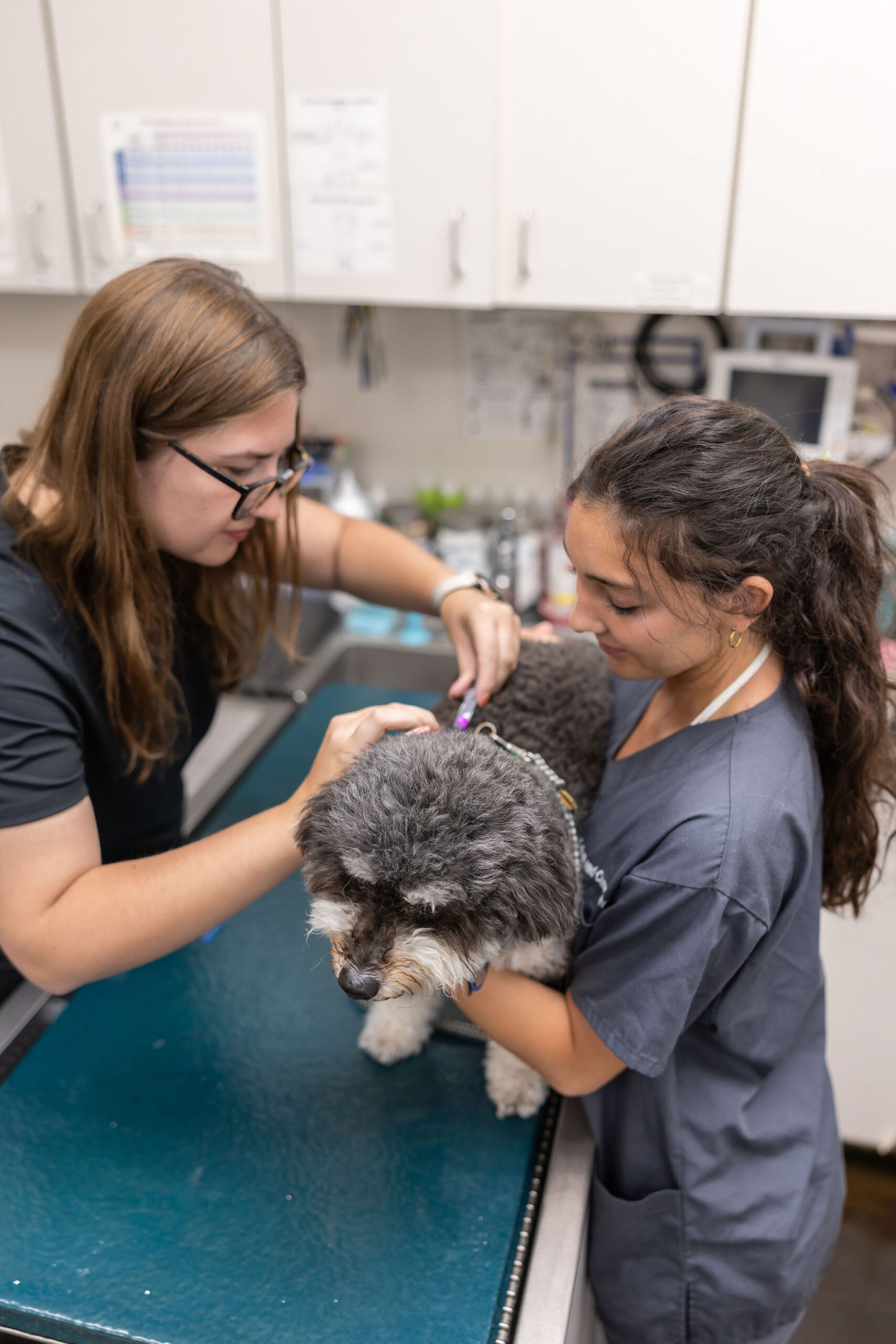
Veterinary parasite organizations recommend consistent, generally year-round prevention because exposure can be unpredictable. Yet products differ: some cover fleas only; others also cover ticks, heartworms or selected intestinal worms. No single medication should be assumed to cover every parasite, species or life stage.
We review the patient
Species, age, current weight, health conditions, pregnancy or nursing, seizure history, current medications, prior product reactions and previous test results.
We review real-world exposure
Indoor/outdoor life, travel, grooming or boarding, hiking, wildlife and rodents, mosquito exposure, other pets in the home and how reliably a medication can be administered.
Our recommendation identifies what a product protects against, what it does not cover, when it is given, what testing is needed, and what signs warrant a call. We also discuss practical options such as oral versus topical products, bathing and swimming, and household safety. This reflects the 2026 AAHA One Health parasitology guidelines, which emphasize parasite diagnosis, responsible medication selection and follow-up monitoring.
| Parasite | Typical exposure | Why prevention or testing matters |
|---|---|---|
| Fleas | Other animals, shared environments, household infestations | Itching, allergic dermatitis, anemia, flea-associated tapeworm |
| Ticks | Brush, canyon trails, wildlife corridors, travel | Can transmit infections; check pets after outdoor activities |
| Heartworms | Mosquito bites—even indoors | Can cause serious heart and lung disease; dogs need routine screening |
| Intestinal parasites | Contaminated feces or soil, fleas, prey, water, mother-to-young transmission | Diarrhea, anemia, weight loss; some can infect people |
Read about our wellness examinations and in-house diagnostic testing for more information about preventive screening.
Parasite Risks for Dogs and Cats in Laguna Beach and Coastal Orange County
Laguna Beach’s mild coastal climate does not make pets parasite-free. A dog walking trails in Laguna Canyon or brushy areas near South Laguna may encounter ticks; pets from Monarch Beach, Dana Point or Emerald Bay may also be exposed through yards, parks, boarding, travel and contact with other animals. Fleas can continue developing in protected indoor environments, and mosquitoes can breed around standing water.
We do not assume that every local disease is common or that every pet has the same exposure. Risk varies by parasite, individual behavior, season, microclimate and travel history. The Orange County Mosquito and Vector Control District provides local public-health information on mosquitoes and other vectors; your veterinarian can interpret this alongside the animal’s medical needs.
Simple Prevention Habits for Coastal Pet Owners
- Keep pets on appropriately selected preventive medication according to the prescribed schedule.
- Check dogs for ticks after hiking or walking through brush; examine ears, collar area, paws and groin.
- Remove standing water around patios and yards to limit mosquito breeding.
- Pick up feces promptly and wash hands after handling litter, stool or contaminated soil.
- Limit hunting, scavenging and contact with wildlife feces; maintain a secure yard.
- Update prevention plans before extended travel, boarding or a move.
Flea Prevention and Flea-Allergy Treatment for Dogs and Cats
Fleas cause more than occasional scratching. In sensitive pets, a small number of bites can trigger severe flea-allergy dermatitis. Heavier infestations can contribute to skin infection or anemia, especially in young or fragile animals. Dogs and cats may also acquire the flea tapeworm by swallowing an infected flea while grooming.
Possible clues include scratching, chewing at the tail base, hair loss, small scabs, irritated skin or dark “flea dirt” in the coat. Not seeing a live flea does not exclude flea allergy, especially in a cat that grooms frequently. If itch persists despite prevention, ABAC can evaluate other causes through our veterinary dermatology and allergy service.
How Do You Get Rid of Fleas in a Multi-Pet Household?
Adult fleas live on animals, but eggs, larvae and pupae can accumulate in bedding, carpeting and sheltered spaces. Successful control often involves treating every suitable dog and cat in the household with species-appropriate products, washing bedding, vacuuming floors and furnishings, and continuing the plan long enough to address emerging immature fleas.
Infestations may take weeks or longer to resolve. Don’t double-dose a pet or add an insecticide without reviewing the product and species; ask the clinic about severe infestations, animal safety and whether professional environmental treatment is appropriate.
Why Can Tapeworms Return After Deworming?
The common flea tapeworm Dipylidium caninum can recur when a pet continues swallowing infected fleas. A tapeworm medication treats an existing infection when appropriate, but flea control and, when relevant, addressing prey exposure help prevent reinfection. Not every monthly dewormer treats established tapeworm infections.
Tick Prevention for Dogs Hiking in Laguna Canyon and Orange County
Ticks wait on vegetation and attach when an animal brushes past. Exposure is possible along trails, canyon edges, grassy areas, landscaped yards and travel routes. Some ticks can transmit organisms that cause fever, lethargy, lameness, anemia or other illness. The relevant pathogens depend on the tick species and location; a tick bite does not automatically mean disease transmission occurred.
Where Should You Check a Dog for Ticks?
- Inside and around the ears, face and neck
- Under the collar and harness
- Between toes and around paw pads
- Armpits, groin and belly
- Under the tail and along the coat
How to Remove an Attached Tick Safely
Using fine-tipped tweezers or an appropriate tick-removal tool, grasp the tick as close to the skin as possible and pull steadily without crushing it. Clean the area afterward and wash your hands. Do not burn the tick, apply petroleum jelly or use essential oils to force removal. Contact your veterinarian if you cannot remove it safely or your pet develops fever, weakness, limping or other concerning signs.
Because some tick-transmitted infections may not be detected immediately, our team selects testing based on symptoms, travel history and exposure rather than running every available test on every patient.
Heartworm Prevention in Laguna Beach: Dogs, Cats and Indoor Pets
Heartworm disease is spread by infected mosquitoes—not direct contact with another dog. In dogs, mature worms can damage the pulmonary arteries, lungs and heart. Coyotes and other wild canids may contribute to regional transmission. Indoor pets can still be bitten by mosquitoes that enter homes, so indoor living does not entirely eliminate risk.
Dog Heartworm Symptoms and Testing
Early infection may produce no obvious signs. As disease progresses, affected dogs may cough, tire easily, lose weight or develop breathing difficulty. Adult dogs are generally screened for heartworm every year, including dogs receiving regular prevention. Current American Heartworm Society guidance recommends annual antigen and microfilaria testing in dogs because the tests identify different aspects of infection.
Dogs older than seven months with no reliable prevention history generally need testing before a preventive is started. Young puppies may begin appropriately labeled prevention before they are old enough for heartworm testing, with follow-up screening scheduled by the veterinarian. If doses were missed, call for product-specific restart and retesting instructions; recent infection may not yet be detectable on an initial test.
See the American Heartworm Society’s current guidelines. Established canine heartworm infection requires veterinary treatment planning and activity restriction; do not try to treat adult infection simply by repeatedly administering a preventive.
Can Indoor Cats Get Heartworms?
Yes. Cats may develop heartworm-associated respiratory disease even with very few adult worms. Signs can resemble asthma or other lung disorders and may include coughing, vomiting or sudden breathing problems. Diagnosis may require a combination of clinical assessment, antibody and antigen tests, and imaging. There is no approved adulticide treatment for feline heartworm comparable to standard canine therapy, making prevention important.
Products differ by species and coverage, so never assume that a canine heartworm medicine is appropriate for a cat. Talk to us about testing and age-appropriate feline prevention.
Roundworms, Hookworms, Whipworms, Tapeworms, Giardia and Coccidia
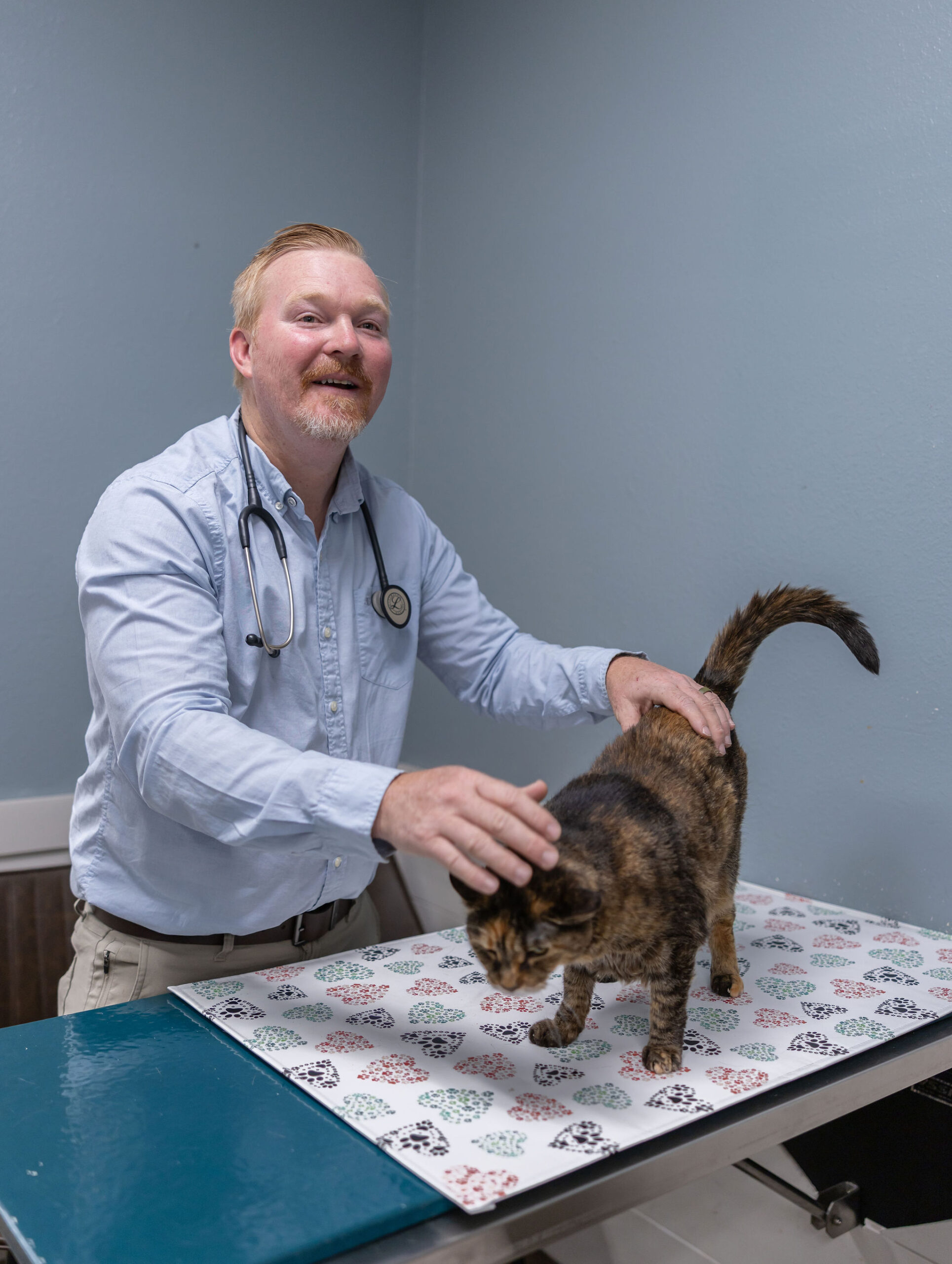
Intestinal parasites can affect dogs and cats of many ages. Exposure may occur through contaminated soil or feces, infected fleas, hunting, contaminated water or transfer from the mother. Some pets have diarrhea or weight loss, while others appear healthy and shed parasite material into the environment.
| Parasite | Signs and exposure clues | Important distinction |
|---|---|---|
| Roundworms | Common in young animals; poor growth, potbelly, diarrhea or visible worms | Some species pose zoonotic risk; repeat deworming may be needed |
| Hookworms | Blood loss, dark stool, anemia, diarrhea or poor growth | Can infect people through skin exposure; resistant infections are increasingly recognized |
| Whipworms | Intermittent diarrhea, mucus, weight loss | Egg shedding can be intermittent; product coverage varies |
| Tapeworms | Rice-like segments near the tail or in bedding | Often linked to flea ingestion or prey; many routine dewormers do not treat all species |
| Giardia | Soft or persistent diarrhea, sometimes no signs | Requires appropriate tests; ordinary broad-spectrum deworming may not address it |
| Coccidia | Diarrhea, especially in young or group-housed animals | Different organism and treatment from roundworms or hookworms |
A positive test does not always require exactly the same treatment in every patient, and a negative test does not rule out infection when shedding is intermittent. We choose diagnostics and treatment based on the organism, symptoms, age, household risks and previous medication exposure.
New in 2026: Drug-Resistant Hookworms and Responsible Deworming
The 2026 AAHA One Health parasitology guidelines highlight multidrug-resistant Ancylostoma caninum in some dogs. Repeated positive fecal results can also reflect reinfection, immature larvae or incomplete dosing rather than drug resistance. Do not repeatedly switch or stack dewormers without veterinary direction. Persistent infections may require confirmation, an assessment of compliance and exposure, and specialized testing or referral.
Fecal Tests and Laboratory Screening for Parasites
Microscopic eggs or parasite antigens may be detectable even when stool looks normal. A fecal test can help identify infection and choose appropriate treatment; specialized testing may be needed for Giardia, resistant parasites or other organisms. Shedding can be intermittent, so a single negative result may not exclude infection.
The Companion Animal Parasite Council (CAPC) recommends at least four fecal examinations during a puppy’s or kitten’s first year and at least twice-yearly testing in adult pets, adjusted for health and lifestyle. Dogs also generally need annual heartworm testing. ABAC tailors diagnostic frequency to age, exposure, prevention history and clinical findings.
How to Bring a Stool Sample to ABAC
Collect a small, fresh stool sample in a clean, sealed container; keep it refrigerated if a short delay is unavoidable and bring it promptly as directed. Do not freeze it. If your dog has intermittent diarrhea, tell us when symptoms began, what medications were used and whether other household pets are affected.
For testing options see our in-house laboratory and bloodwork service.

Puppy and Kitten Deworming, Flea Prevention and First-Year Care
Young animals can acquire intestinal worms before or shortly after birth, and they may appear normal while shedding eggs. Many puppies and kittens begin veterinary-guided deworming early, with repeat doses as immature parasites develop. Prevention then transitions to an age- and weight-appropriate ongoing plan. The exact schedule depends on the product, previous treatment and veterinary examination.
A puppy or kitten plan may include fecal testing, careful weight checks, flea control, heartworm prevention once labeling permits, and risk-based tick prevention. Never use a dog product on a kitten or guess a dose based on an estimated weight. For the full first-year plan, read our puppy and kitten veterinary care page.
Do Indoor-Only Cats Need Parasite Prevention?
Indoor status reduces some risks, but does not eliminate mosquitoes, fleas brought indoors, rodents or accidental escape. The practical plan for a truly indoor-only cat may differ from that for an outdoor hunter or a cat in a multi-pet household. We discuss the actual risk and approved feline products rather than assuming every cat needs identical coverage.
Choosing Flea, Tick and Heartworm Medication Safely
Options include oral tablets, topical treatments, collars and certain longer-acting formulations. The right product depends on the parasite spectrum, age and weight restrictions, species, dosing interval, reproductive status, neurologic history, swimming or bathing habits, household contact and administration reliability. We review label indications rather than judging products by brand popularity.
Isoxazoline Safety: Tremors, Ataxia and Seizures
Common flea and tick drugs in the isoxazoline class include products containing afoxolaner, fluralaner, lotilaner or sarolaner. The U.S. FDA considers appropriately approved products safe and effective for most dogs and cats, but has warned of neurologic adverse reactions, including tremors, poor coordination and seizures in some treated animals. These events have also been reported in patients without a known seizure history. Tell us about any neurologic signs or prior reactions before selecting a medication. See the FDA isoxazoline safety fact sheet.
Dog Flea Products Can Be Dangerous to Cats
Certain canine topical insecticides, including some products containing concentrated permethrin, can cause life-threatening toxicity in cats. Never apply a dog-only product to a cat or divide one dog’s dose between multiple pets. Keep cats separated from recently treated dogs when the label directs. If a cat exposed to a dog product develops drooling, twitching, tremors, difficulty walking or seizures, seek emergency veterinary care immediately and bring the package.
What About Natural Flea or Heartworm Remedies?
Garlic, essential oils, herbal mixtures and dietary supplements have not been shown to reliably prevent heartworm disease; some can be harmful to pets. “Natural” does not automatically mean safe. Non-medication measures such as environmental cleaning, removing standing water and checking for ticks are useful additions, not replacements for effective prevention when exposure is present.
When Symptoms Need Urgent Veterinary Attention
Call promptly for severe itching with skin injury, significant diarrhea, vomiting, weakness, an attached tick followed by illness, or a suspected medication reaction. ABAC welcomes new and established clients for same-day urgent veterinary appointments during clinic hours when openings and the patient’s condition permit. For difficulty breathing, collapse, repeated seizures, severe tremors or other life-threatening signs, go directly to an appropriate 24-hour emergency hospital.
Parasite Prevention Protects Your Household, Too
Some roundworms, hookworms and other parasites can affect people, especially young children and those with increased vulnerability. Keep feces out of play areas, cover sandboxes when not in use, dispose of pet waste promptly, wash hands after gardening or litter cleaning, discourage pets from consuming prey or feces, and keep flea infestations under control.
AAHA’s 2026 One Health framework also emphasizes responsible prescribing: the right patient, right parasite, right drug, right administration, right disposal and right monitoring. We aim to protect pets while avoiding unnecessary or ineffective treatment and recognizing when further diagnostics are needed.
Frequently Asked Questions About Fleas, Ticks, Heartworms and Deworming
Do dogs in Laguna Beach need flea prevention all year?
Year-round protection is commonly recommended because fleas can persist in mild climates and indoor environments. Your veterinarian should choose the actual product and schedule based on the individual dog, exposure and medical history.
Does a dog that only goes to the beach need tick prevention?
Tick risk depends on more than a beach visit. Exposure can also occur in brush, parks, yards, boarding facilities and during travel. We discuss lifestyle and regional risk before making a recommendation.
Can an indoor cat get fleas or heartworms?
Yes. Fleas and mosquitoes can enter a home, and other animals may carry external parasites indoors. The appropriate feline prevention plan depends on individual exposure and health.
Does one monthly preventive cover every worm?
No. Products vary in coverage. Some treat roundworms or hookworms but not Giardia, coccidia or established tapeworm infections. We review the exact label and parasite test results.
Why does my dog need heartworm testing while taking prevention?
Missed or delayed doses, vomiting after a dose or other gaps can occur. Current American Heartworm Society recommendations support annual antigen and microfilaria testing in dogs.
What should I do if I missed a heartworm-prevention dose?
Call with the product name, last known dose and your pet’s age and weight. The correct restart and follow-up testing plan depends on the product and time since potential exposure; do not double the next dose unless the veterinarian directs it.
Should I test my dog’s stool if it looks normal?
Yes, periodic fecal screening is useful because some pets shed microscopic parasites without obvious symptoms. Testing frequency depends on age, preventive coverage, lifestyle and medical history.
Can a dog keep testing positive for hookworms after treatment?
Yes. Reinfection, larval stages, incomplete dosing and drug resistance are among the possibilities. Persistent positives warrant veterinary reassessment and sometimes specialized tests, rather than repeating drugs on your own.
Why did my dog get tapeworms despite flea treatment?
A pet may already have swallowed infected fleas or encountered infected prey. Product coverage differs, and an established tapeworm infection may require specific treatment. Ask about both deworming and flea control.
How long does it take to clear a flea infestation from a house?
Even when adult fleas are killed quickly, eggs, larvae and pupae can keep producing new adults for weeks. Treating suitable pets consistently and cleaning bedding and floors are essential; severe infestations may need environmental treatment.
Are flea and tick chews safe for dogs with seizure histories?
Some widely used chewables belong to the isoxazoline class and carry FDA warnings about neurologic adverse events. Discuss any prior seizures, tremors or medication reactions with your veterinarian before selecting a product.
Can I use my dog’s flea medication on a cat?
No. Some dog-only products contain substances highly toxic to cats. Use only a product labeled for the correct species and recommended for that patient’s age and weight.
Should I bring a tick or stool sample to ABAC?
Bring a fresh stool sample when requested. If a tick has been removed, a clear photograph or secured specimen may help with identification, but identification alone does not diagnose infection.
Can natural oils or garlic prevent heartworms?
No reliable evidence shows that they prevent heartworm infection, and some substances can be toxic. Ask about approved prevention options and mosquito-control measures.
Can new clients schedule flea, tick or heartworm prevention in Laguna Beach?
Yes. Aliso Beach Animal Clinic welcomes new patients for parasite prevention, testing and treatment consultations. Call (949) 499-4190 or use our appointment request page.
Do you see pets from Dana Point, Monarch Beach and Emerald Bay?
Yes. ABAC is located in South Laguna and serves Laguna Beach, Emerald Bay, Three Arch Bay, Monarch Beach, Dana Point and nearby communities. Prevention is individualized to your pet’s travel and exposure, not simply its home ZIP code.
Schedule Flea, Tick, Heartworm or Intestinal Parasite Care in Laguna Beach
Whether you need a safe monthly prevention plan, annual heartworm testing, a fecal examination, treatment for persistent fleas, or help after a suspected medication reaction, our team can review the next step. We serve Laguna Beach, South Laguna, Emerald Bay, Three Arch Bay, Monarch Beach, Dana Point and nearby South Orange County communities.
Aliso Beach Animal Clinic
30816 Coast Highway
Laguna Beach, CA 92651
Directly across from Montage Laguna Beach
Monday–Friday: 7:30 a.m.–4:30 p.m.
Saturday: 8 a.m.–12 p.m.
Sunday: Closed
Medical review: Bryan Hayter, DVM | Owner & Medical Director
Last reviewed: November 12, 2026.