Hormone-Preserving Sterilization | Laguna Beach, CA
Ovary-Sparing Spay for Dogs in Laguna Beach, CA
A surgical alternative to traditional spaying that permanently prevents pregnancy while preserving natural ovarian hormone production.
For decades, conventional spay surgery has been the standard approach to sterilizing female dogs.
Today, some dog owners are exploring another option: an ovary-sparing spay (OSS), also called a hormone-sparing hysterectomy.
This procedure removes the uterus and cervix while preserving the ovaries. The dog is permanently sterilized, but her ovaries continue producing reproductive hormones.
Aliso Beach Animal Clinic offers ovary-sparing spay surgery for appropriately selected female dogs.
At our independently owned veterinary hospital in Laguna Beach, Bryan Hayter, DVM, and our team help families compare hormone-preserving surgery with traditional spaying, considering the dog’s breed, age, health, lifestyle and individual risks.
Request an OSS Consultation Call (949) 499-4190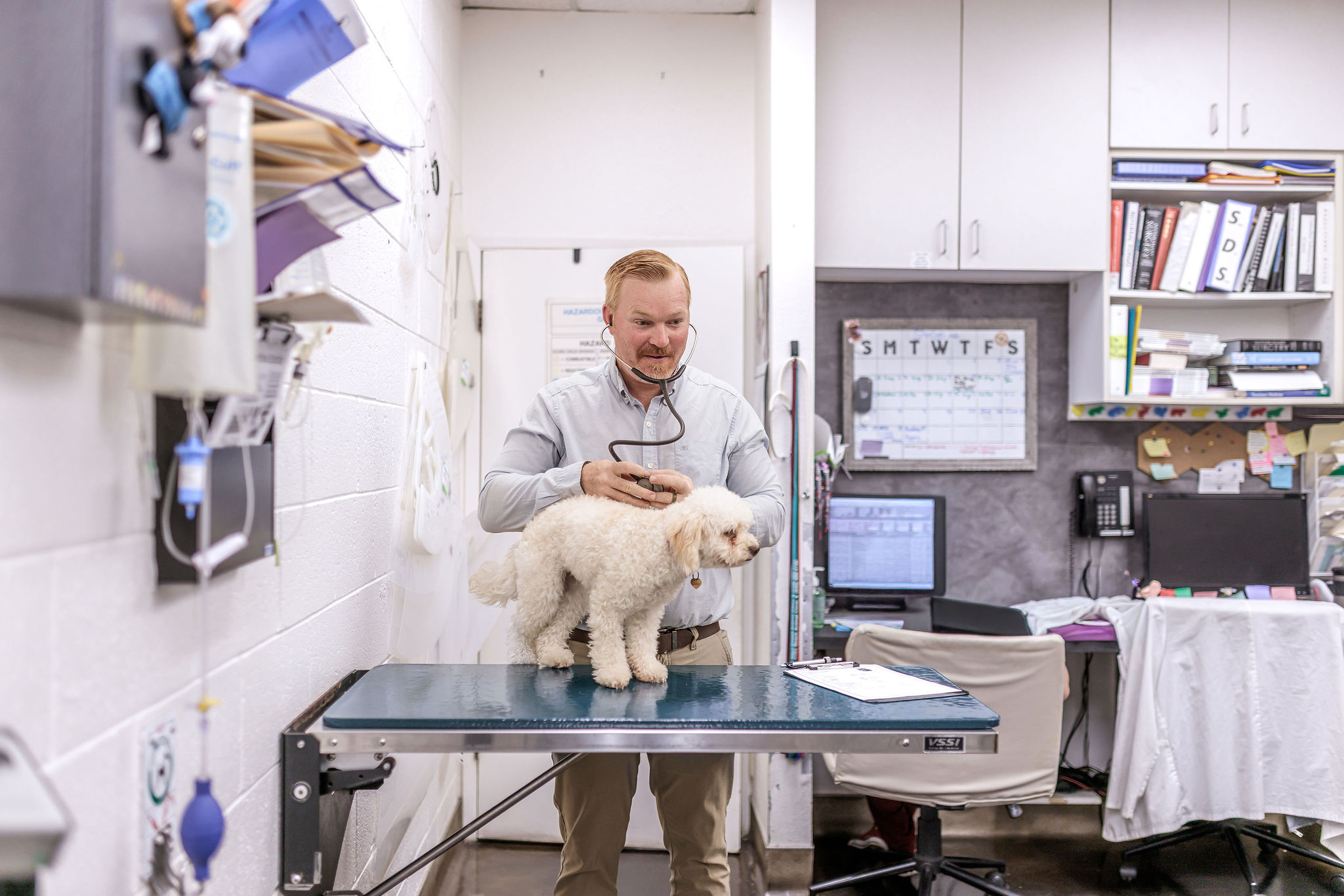
An ovary-sparing spay is a surgical sterilization procedure in which the uterus, including the cervix, is removed while one or both functional ovaries are retained.
The surgery prevents pregnancy while preserving ovarian hormones such as estrogen and progesterone. Unlike traditional spaying, the dog continues experiencing hormonal cycles.
It is an option for selected female dogs—not a universal replacement for conventional spaying.
Why Is Ovary-Sparing Spay Attracting Interest Among Holistic Dog Owners?
Some owners seeking natural, holistic or integrative veterinary care want to understand whether permanent sterilization must also involve removing the ovaries.
These owners may be particularly interested in preserving normal hormonal development while preventing unwanted litters.
Others have become interested after reading recent veterinary research examining the relationship between spay and neuter timing, skeletal development, joint disease, urinary incontinence and certain cancers.
Ovary-sparing spay is increasingly discussed within hormone-preserving sterilization and integrative veterinary care conversations. However, reliable population-level statistics establishing how rapidly its use is increasing are limited.
A Holistic Choice Does Not Mean Rejecting Conventional Medicine
At Aliso Beach Animal Clinic, holistic veterinary care means evaluating the whole patient and considering appropriate medical choices based on available evidence.
Hormone-preserving sterilization is not a nonsurgical, homeopathic or medication-free procedure. It is a genuine abdominal surgery requiring anesthesia, sterile technique and appropriate postoperative pain management.
The decision should be made by comparing the benefits and tradeoffs of each surgical approach.
Ovary-Sparing Spay vs. Traditional Spay: What Is the Difference?
The word “spay” can refer to different reproductive surgeries. Understanding which organs are removed is essential.
| Feature | Traditional Spay | Ovary-Sparing Spay |
|---|---|---|
| Ovaries | Removed | Retained |
| Uterus | Removed with ovariohysterectomy; may remain with ovariectomy | Removed, including cervical tissue |
| Pregnancy | Prevented | Prevented |
| Ovarian hormones | Greatly reduced following ovary removal | Natural cyclic production continues |
| Heat cycles | Generally eliminated | Hormonal and behavioral cycling continues |
| Typical heat bleeding | Absent | Usually absent with complete uterine removal |
| Attraction of male dogs | Generally reduced | Can continue during heat |
| Ovarian disease | Ovarian disease eliminated when ovaries are fully removed | Ovarian cysts and tumors remain possible |
| Pyometra | Risk greatly reduced after complete ovary removal | Ordinary uterine pyometra prevented by complete removal of the uterus and cervix; residual tissue creates risk |
| Mammary tumor risk | Ovary removal may reduce risk, especially with early surgery | Continued hormonal exposure requires consideration and monitoring |
Both approaches can achieve permanent sterility. The major difference is whether the ovaries and their hormonal activity are preserved.
What About Ovariectomy?
An ovariectomy removes the ovaries while leaving the uterus. Without ovarian hormone stimulation, future uterine pyometra risk is very low when the procedure is performed appropriately.
This is fundamentally different from an ovary-sparing hysterectomy, where ovarian hormone production continues but the uterus is removed.
Is Tubal Ligation the Same Thing?
No. Tubal ligation or salpingectomy interrupts the pathway for fertilization but leaves the hormonally responsive uterus in place.
Consequently, it does not eliminate the important risk of uterine pyometra associated with repeated hormonal cycles.
Ovary-sparing hysterectomy is a different operation because the uterus itself is removed.
Compare traditional spay and neuter services at Aliso Beach Animal Clinic
How Does Ovary-Sparing Spay Surgery Work?
Ovary-sparing spay, more precisely termed a hysterectomy, is performed under general anesthesia.
The surgeon removes the uterus, including the cervix, while preserving healthy, functional ovarian tissue and its blood supply.
Complete removal of the uterine tissue is especially important because ovarian hormones continue to stimulate any hormone-responsive uterine tissue that remains.
The 2024 World Small Animal Veterinary Association reproduction guidelines discuss removing the entire uterus, including the cervix, to avoid leaving susceptible tissue.
Is Ovary-Sparing Surgery More Complicated?
It can require different surgical exposure and greater attention to anatomic boundaries than a conventional spay.
Preserving ovarian blood supply while removing all uterine tissue requires deliberate surgical planning.
The surgical approach, estimated duration, cost and suitability vary by patient and surgeon.
Some specialty centers perform laparoscopic-assisted ovary-sparing hysterectomy. A laparoscopic approach should not be assumed unless specifically offered and confirmed.
Can a Dog Still Get Pregnant After Ovary-Sparing Spay?
A correctly performed hysterectomy achieves permanent sterility. Without a uterus, the dog cannot carry a pregnancy.
However, she may continue to show sexual behavior and accept mating during heat.
Sterility does not eliminate the need to supervise interactions with intact male dogs.
Potential Benefits of Preserving Ovarian Hormones
The primary established benefits of ovary-sparing hysterectomy are permanent prevention of pregnancy and preservation of natural ovarian hormone activity.
Additional health benefits are being investigated. Evidence varies by condition, breed and study design.
Hormone Preservation
Estrogen and progesterone continue to participate in normal reproductive physiology and may influence other tissues and body systems.
OSS avoids the abrupt permanent loss of ovarian hormones associated with conventional ovary removal.
Skeletal Development
Sex hormones contribute to growth-plate closure and musculoskeletal development.
Retaining hormones may be relevant for selected large or athletic breeds, although direct evidence proving superior orthopedic outcomes after OSS remains limited.
Pregnancy Prevention
Complete hysterectomy prevents pregnancy without requiring lifelong hormonal suppression medication.
This provides permanent reproductive control while maintaining ovarian function.
Uterine Disease Prevention
Removing the entire uterus and cervix prevents ordinary uterine pyometra and uterine disease involving the removed organs.
This benefit depends on complete removal of the hormonally responsive tissue.
What Does the UC Davis Research Actually Show?
Researchers at the University of California, Davis have published influential studies examining associations among neutering age, breed, sex, joint disorders and certain cancers.
Their updated 2024 findings support the idea that the optimal timing of traditional spaying or neutering differs among breeds.
For selected breeds, earlier gonadectomy was associated with increased incidence of particular joint disorders or cancers.
Importantly, these were observational associations. They do not establish that retaining ovaries necessarily prevents those conditions.
The UC Davis research was not a controlled clinical trial comparing ovary-sparing hysterectomy directly with traditional spaying.
The appropriate conclusion is that breed-specific evidence can help guide individualized reproductive decisions.
UC Davis: Updated breed-specific spay and neuter recommendations
Important Limitations and Risks of Ovary-Sparing Spay
Preserving ovarian function also preserves some of the medical and behavioral effects of reproductive hormones.
These tradeoffs should be understood before choosing OSS.
1. Heat Cycles Continue
Dogs retain hormonal cycling and may show changes in behavior, interest in males, vulvar swelling or other estrus-related signs.
Complete uterine removal usually eliminates the typical bloody vaginal discharge associated with heat, but not the underlying hormonal cycle.
2. Male Dogs May Still Be Attracted
A female dog with retained ovaries may continue attracting intact males during estrus.
She may also accept mating despite being unable to become pregnant.
Preventing unwanted mating remains a management responsibility. Trauma associated with mating is possible even when conception is no longer possible.
3. False Pregnancy May Still Occur
Pseudopregnancy, also called false pregnancy, is a hormone-related condition that can occur after a heat cycle.
Possible signs include nesting, mammary enlargement, milk production, altered behavior or guarding toys.
Retaining the ovaries does not eliminate these hormone-driven changes.
4. Mammary Tumor Risk Remains Relevant
Continued ovarian hormone exposure is an important consideration when discussing lifetime mammary tumor risk.
Ovarian hormone removal through conventional spaying may reduce mammary tumor risk, particularly when performed early in life.
However, older widely quoted numerical risk estimates came from studies with important methodological limitations. Modern reviews have questioned how precisely those numbers apply to individual dogs.
This uncertainty does not establish that continued ovarian hormone exposure is harmless.
Dogs retaining ovarian hormones should continue appropriate mammary examinations and monitoring for new lumps.
5. Ovarian Disease Remains Possible
Because ovarian tissue remains, ovarian cysts, ovarian tumors and other ovarian disorders are still possible.
Ovarian tumors are uncommon in dogs, but the risk is not eliminated by hysterectomy.
6. Residual Uterine Tissue Is a Concern
Properly performed OSS removes the entire uterus, including the cervix.
If hormone-responsive uterine tissue is left behind, that remnant can develop cystic changes or infection, including stump pyometra.
This is one reason OSS requires careful technique and informed surgical consent.
An ovary-sparing hysterectomy with complete uterine-tissue removal prevents ordinary uterine pyometra.
Retained uterine tissue can still develop serious disease because ovarian hormones continue circulating.
Vaginal discharge, abdominal pain, fever, marked lethargy, vomiting or other systemic illness should be evaluated even if a dog previously underwent OSS.
7. Hormone-Related Vaginal Conditions
Because ovarian cycling continues, conditions such as vaginal hyperplasia or vaginal tissue prolapse remain possible in susceptible dogs.
These conditions are not expected in most patients, but they are relevant when discussing long-term reproductive health.
8. Long-Term Evidence Is Still Developing
Ovary-sparing surgery has a smaller published clinical-outcome literature than conventional spaying.
Some studies suggest potentially meaningful health differences among intact, gonadectomized and hormone-sparing dogs.
However, retrospective research and owner surveys cannot establish that OSS prevents orthopedic disease, cancer or other disorders in every breed.
The best decisions acknowledge both the potential advantages and what remains uncertain.
What Does Published Research Say About Ovary-Sparing Surgery?
2024 WSAVA Reproduction Guidelines
The World Small Animal Veterinary Association published comprehensive guidance addressing reproductive management in dogs and cats.
The guidelines recognize hysterectomy as a method of permanent sterilization that preserves gonadal hormones.
They also emphasize careful surgical technique, complete uterine removal, continued hormonal cycling and appropriate monitoring.
2023 Journal of the American Veterinary Medical Association Study
A 2023 retrospective study evaluated 33 dogs that underwent either laparoscopic-assisted ovary-sparing hysterectomy or laparoscopic ovariectomy.
Seventeen dogs received ovary-sparing surgery. No stump pyometra was reported during the study’s follow-up period.
However, five of the seventeen ovary-sparing patients later underwent elective ovariectomy.
The study provides useful early clinical information, but its small sample cannot establish the lifetime risk of rare complications.
2023 Health and Behavior Survey
Another published study surveyed owners of more than 6,000 dogs across different reproductive surgery categories, including 159 female dogs with ovary-sparing spays.
The results add to the discussion about hormone preservation and health, but owner-reported, observational data have limitations.
Differences in breed, lifestyle, owner choices and veterinary care can influence the findings.
These studies support continued research and informed individualized decision-making rather than a single recommendation for every female dog.
What Should Owners Expect During Heat After OSS?
An ovary-sparing spayed dog is sterile but hormonally active.
Her ovaries can continue the hormonal changes associated with proestrus, estrus and subsequent stages of the reproductive cycle.
Signs may include:
- Increased interest from intact male dogs
- Vulvar enlargement
- Restlessness or behavioral changes
- Increased scent marking
- Interest in mating
- Temporary changes in activity or appetite
- False-pregnancy signs after some cycles
The typical bloody discharge is usually absent when the uterus and cervix have been completely removed.
Unexpected vaginal bleeding or purulent discharge should not automatically be dismissed as a normal heat sign.
Can My Dog Visit a Dog Park While in Heat?
Avoid dog parks, off-leash settings and unsupervised contact with intact males during periods of reproductive behavior.
Although pregnancy cannot occur after complete hysterectomy, intact males may still pursue or attempt to mate with the dog.
Responsible management protects her from unwanted interactions and potential injury.
Should I Tell My Groomer, Boarding Facility or Trainer?
Yes. Explain that your dog has undergone an ovary-sparing hysterectomy and remains hormonally active.
Keep the surgery documented in her permanent veterinary medical record.
Policies at boarding, daycare and licensing organizations may differ regarding hormone-sparing sterilization.
Owners should confirm requirements in advance.
Which Dogs May Be Candidates for Ovary-Sparing Spay?
OSS may be considered for selected healthy female dogs when the owner wishes to prevent pregnancy but preserve ovarian hormone production.
Factors Favoring Discussion of OSS
- Owners who value hormone-preserving sterilization and understand the ongoing responsibilities
- Selected large or athletic breeds in which reproductive timing deserves particular consideration
- Dogs whose owners can reliably manage periods of heat behavior
- Households seeking permanent pregnancy prevention without removal of ovarian tissue
- Patients for whom the veterinarian considers hormone preservation a reasonable option
When Traditional Spaying May Be Preferable
Conventional spaying may be a better choice for dogs with certain reproductive disorders, ovarian disease, hormone-responsive disease or other medical conditions.
It may also be preferable when owners cannot safely manage continued heat behavior or exposure to intact males.
A dog with existing pyometra requires appropriate medical and surgical treatment, not an elective OSS plan intended for a healthy patient.
Is OSS Appropriate for Cats?
Hormone-preserving hysterectomy is not generally recommended for routine sterilization of pet cats.
Cats can cycle frequently, and preservation of ovarian function maintains reproductive behaviors and important hormone-related health risks.
Standard feline spaying is generally preferred for most pet cats.
ABAC’s ovary-sparing spay service is intended for selected canine patients.
At What Age Can a Dog Have Ovary-Sparing Spay Surgery?
There is no universally ideal age for OSS.
The timing decision should consider breed, expected adult size, skeletal maturity, medical history, reproductive status and individual circumstances.
Some owners consider hormone-sparing sterilization while their dog is still growing. Others explore it after the first heat cycle or during adulthood.
The ability to preserve ovaries does not automatically establish that surgery should occur earlier or later.
Is Surgery Easier at Six Months?
In some young, healthy dogs, elective abdominal surgery may be technically more straightforward than in an older, heavier or medically complicated patient.
However, ovary-sparing hysterectomy requires complete removal of the uterus and cervix while protecting ovarian blood supply.
Procedure complexity and recovery therefore cannot be predicted from age alone.
The veterinarian evaluates the appropriate timing for the individual dog.
Should OSS Be Performed During an Active Heat?
An active heat cycle may affect blood supply, reproductive tissue and surgical considerations.
Elective surgery is often scheduled outside active heat when practical.
The safest timing depends on examination findings, the dog’s medical needs and the surgeon’s assessment.
Surgical Safety and Anesthesia at ABAC
Ovary-sparing hysterectomy is abdominal surgery requiring careful anesthetic management.
Our surgical approach is individualized to the patient.
Depending on the dog and procedure, preparation may include:
- Complete preoperative examination
- Medical and medication history review
- Pre-anesthetic bloodwork
- Individualized anesthetic medication
- IV catheter placement and appropriate fluids
- Endotracheal airway management and oxygen
- ECG monitoring
- Pulse oximetry
- Blood-pressure monitoring
- Capnography
- Temperature monitoring and active warming
- Dedicated anesthesia monitoring
- Sterile surgical preparation
- Multimodal pain management
- Monitored recovery
Preoperative recommendations may change if a dog has a heart murmur, chronic disease, abnormal laboratory results or another anesthetic concern.
No surgery is completely without risk. Individualized planning, attentive monitoring and appropriate postoperative care help reduce preventable complications.

Ovary-Sparing Spay Recovery: What Owners Should Expect
Recovery after ovary-sparing hysterectomy is generally managed similarly to other abdominal spay procedures.
Many dogs require approximately 10 to 14 days of restricted activity and incision protection. Individual instructions may differ.
Activity Restrictions
- Short, controlled leash walks for toileting
- No running or vigorous play
- No jumping on furniture
- No rough interaction with other dogs
- No swimming or bathing until cleared
- No dog parks during recovery
Why the Recovery Cone Is So Important
Incision licking and chewing can introduce bacteria, damage sutures and potentially open the surgical site.
Dogs may begin licking unexpectedly, including during brief moments when owners are preparing meals, feeding the dog or taking a short break from supervision.
At ABAC, we emphasize consistent protection of the surgical incision throughout recovery.
An appropriately fitted Elizabethan collar or veterinarian-approved alternative should be used according to discharge instructions.
Many dogs can eat and drink with a properly fitted cone. Adjusting bowl height or using a suitable feeding setup may help.
If the dog cannot eat comfortably, contact our team for guidance rather than routinely leaving the incision unprotected.
Postoperative Pain Management
Multimodal pain management may involve a combination of medications and techniques selected for the individual dog.
Options may include:
- Local anesthetic blocks
- Appropriate injectable analgesics
- NSAIDs when medically appropriate
- Gabapentin for selected patients
- Additional medication when clinically indicated
Tramadol is not a universally reliable analgesic in dogs and should not replace an effective individualized pain-control plan.
Medication choices and duration depend on examination findings, kidney and liver function, anesthetic considerations, and the patient’s response.
Are Antibiotics Routine After OSS?
Routine postoperative antibiotics are generally unnecessary after an uncomplicated, clean elective surgery performed using appropriate sterile technique.
Antibiotics may be prescribed when a specific medical indication exists, such as contamination or established infection.
Appropriate surgical antibiotic decisions support responsible antimicrobial use.
Incision Monitoring
Check the incision as directed, usually once or twice daily.
Mild early redness or swelling may occur. Worsening swelling, bleeding, discharge, separation or severe discomfort warrants prompt veterinary contact.
Collapse, difficulty breathing, uncontrolled bleeding, marked abdominal swelling, repeated vomiting, extreme weakness or severe worsening pain requires immediate veterinary assessment.
After-hours or life-threatening concerns may require a 24-hour emergency hospital.
Long-Term Care After Ovary-Sparing Spay
Because ovarian function continues, lifelong preventive care should reflect retained hormonal activity.
Track Hormonal Cycles
Keep a simple record of observed heat behavior, behavioral changes and any unusual vaginal discharge.
Monitor the Mammary Glands
Owners can learn to gently check the mammary chain for new lumps, enlargement or unusual changes.
Monthly home checks may help owners recognize changes between veterinary examinations.
Any new mammary mass warrants veterinary evaluation rather than waiting for a routine appointment.
Continue Routine Veterinary Exams
Regular examinations help assess general health, body condition, mammary tissue, reproductive symptoms and age-related concerns.
Ovarian imaging or additional testing may be appropriate when symptoms or examination findings justify it.
Maintain Accurate Surgical Records
Document that the dog underwent an ovary-sparing hysterectomy, not conventional ovary removal.
This distinction matters when evaluating future reproductive symptoms and communicating with veterinarians, groomers or boarding facilities.
Reassess if Medical Needs Change
If significant ovarian or hormone-related disease develops, removal of the remaining ovarian tissue may later be recommended.
Choosing OSS today does not prevent medically necessary treatment in the future.
How ABAC Helps Owners Make an Informed Choice
Aliso Beach Animal Clinic offers ovary-sparing surgery as part of a broader individualized approach to veterinary care.
During a reproductive surgery consultation, we can discuss:
- Breed and adult size
- Age and skeletal development
- Previous heat cycles
- Reproductive and general medical history
- Orthopedic and cancer-related considerations
- Mammary and ovarian health risks
- Owner ability to manage future cycles
- Potential benefits of traditional spaying
- Whether OSS is medically appropriate
- Anesthesia, surgery and recovery expectations
Neither a traditional spay nor an ovary-sparing spay is automatically best for every dog.
We believe owners deserve a clear discussion of established benefits, potential disadvantages and remaining uncertainties before choosing reproductive surgery.
Learn about individualized puppy development and first-year veterinary planning
Frequently Asked Questions About Ovary-Sparing Spay
Does ovary-sparing spay permanently sterilize a dog?
Yes. Complete removal of the uterus and cervix prevents pregnancy permanently. The ovaries remain functional, so hormonal cycles continue.
Does ovary-sparing spay stop heat cycles?
No. Ovarian hormone activity continues, so behavioral and physiologic signs of heat may still occur. Typical uterine bleeding is usually absent after complete hysterectomy.
Will my dog still attract male dogs?
Yes. A hormonally active female may continue attracting males during estrus. Owners should prevent unwanted mating attempts.
Can my dog develop pyometra after OSS?
Proper removal of the entire uterus and cervix prevents ordinary uterine pyometra. If hormone-responsive uterine tissue remains, stump pyometra is possible.
Does OSS eliminate mammary cancer risk?
No. Mammary tumors remain possible. Hormonal exposure is relevant to risk, although the exact magnitude of risk for an individual OSS patient is not well established. Ongoing monitoring is important.
Is ovary-sparing spay healthier than traditional spaying?
Not necessarily. Preserving ovarian hormones may offer advantages for selected dogs, but also maintains hormone-related risks. Current evidence does not establish that OSS is universally healthier.
Is OSS appropriate for large breeds?
It may be worth discussing for selected large or athletic dogs, particularly when skeletal development and breed-specific research are relevant. The decision still depends on the individual patient.
Does an OSS dog still need to be separated from males?
During heat, separation from intact males is prudent to prevent unwanted mating and possible injury. This is especially important during postoperative healing.
Can a dog have OSS after her first heat?
Potentially. Age and previous cycling do not automatically exclude OSS. Medical history, reproductive health and surgical timing must be assessed.
Is OSS safer than a traditional spay?
Both are abdominal surgeries under general anesthesia. Risks depend on the patient, procedure, surgical technique, anesthetic management and recovery. Neither is automatically safer.
Does OSS require a longer recovery?
Recovery is generally managed similarly to other abdominal spay procedures, often with approximately 10 to 14 days of restrictions. Individual cases may differ.
Is ovary-sparing spay considered a holistic procedure?
OSS is a conventional surgical procedure that may appeal to owners who value hormone preservation and individualized, integrative veterinary care. It is not an alternative to proper anesthesia, sterile technique or pain management.
Can ovaries be removed later if problems develop?
Yes. If medical circumstances warrant it, ovariectomy may be considered later. A subsequent procedure involves additional anesthesia and surgical risk.
Is ovary-sparing spay available at ABAC?
Yes. Aliso Beach Animal Clinic offers ovary-sparing spay surgery for appropriately selected female dogs in Laguna Beach, California. Schedule a consultation to discuss eligibility, timing and surgical planning.
Do you see dogs from Dana Point and Monarch Beach?
Yes. ABAC welcomes patients from Laguna Beach, South Laguna, Three Arch Bay, Emerald Bay, Dana Point, Monarch Beach, The Strand at Headlands, Laguna Niguel and surrounding communities.
Veterinary Research and Authoritative References
This resource is informed by published professional guidelines and peer-reviewed research on canine sterilization, hormone preservation and reproductive disease.
-
World Small Animal Veterinary Association:
Guidelines for the Control of Reproduction
in Dogs and Cats (2024)
Comprehensive guidance covering gonad-preserving hysterectomy, surgical considerations, health consequences and informed consent.
-
Owen et al., Journal of the American
Veterinary Medical Association (2023):
Laparoscopic-Assisted Ovary-Sparing
Hysterectomy
Retrospective clinical outcomes and limitations of a small study comparing different sterilization methods.
-
Zink et al., Journal of the American
Veterinary Medical Association (2023):
Vasectomy and Ovary-Sparing Spay
Health and Behavior Outcomes
Observational owner-reported comparisons across reproductive status and surgery types.
-
University of California, Davis:
Updated Spay and Neuter Timing
Research (2024)
Breed-specific associations involving joint conditions, certain cancers and gonadectomy timing.
-
Merck Veterinary Manual:
Reproductive Management
of the Female Small Animal
Established veterinary reference for reproductive management and surgical choices.
-
American College of Veterinary Surgeons:
Ovariohysterectomy
Surgical techniques, common risks and traditional spay information.
-
American Kennel Club:
Hormone-Preserving Sterilization
Owner-oriented explanation of OSS, benefits and ongoing considerations.
Schedule an Ovary-Sparing Spay Consultation in Laguna Beach
Considering a hormone-preserving approach to sterilization for your female dog?
At Aliso Beach Animal Clinic, we discuss conventional spaying and ovary-sparing hysterectomy based on your dog’s individual health and circumstances.
Our goal is to help you understand the options, make an informed decision and prepare for safe surgery and recovery.
Aliso Beach Animal Clinic
30816 Coast Highway
Laguna Beach, CA 92651
Across from Montage Laguna Beach
Phone: (949) 499-4190
Hours
Monday–Friday: 7:30 a.m.–4:30 p.m.
Saturday: 8:00 a.m.–12:00 p.m.
Sunday: Closed
Surgical candidacy, pricing and scheduling depend on an individual veterinary assessment.