Ear Infection Diagnosis & Treatment • Laguna Beach, CA
Ear Infections in Dogs & Cats in Laguna Beach, CA
Veterinary ear examinations, microscopic ear cytology, targeted treatment and long-term management of recurrent ear disease.
Is your dog repeatedly shaking its head, scratching its ears or developing a strong ear odor? Is your cat producing dark ear debris, holding an ear differently or resisting being touched around its head?
These symptoms may indicate otitis externa, ear mites, allergies, a trapped foxtail, bacterial or yeast overgrowth, or a deeper ear problem.
At Aliso Beach Animal Clinic, we evaluate ear disease in dogs and cats using a thorough examination, otoscopic assessment, microscopic testing and individualized treatment. Our goal is to identify the cause, relieve discomfort and reduce preventable recurrence.
We offer same-day urgent veterinary evaluations for many painful ear problems when staffing and appointment capacity allow.
Book an Ear Examination Call (949) 499-4190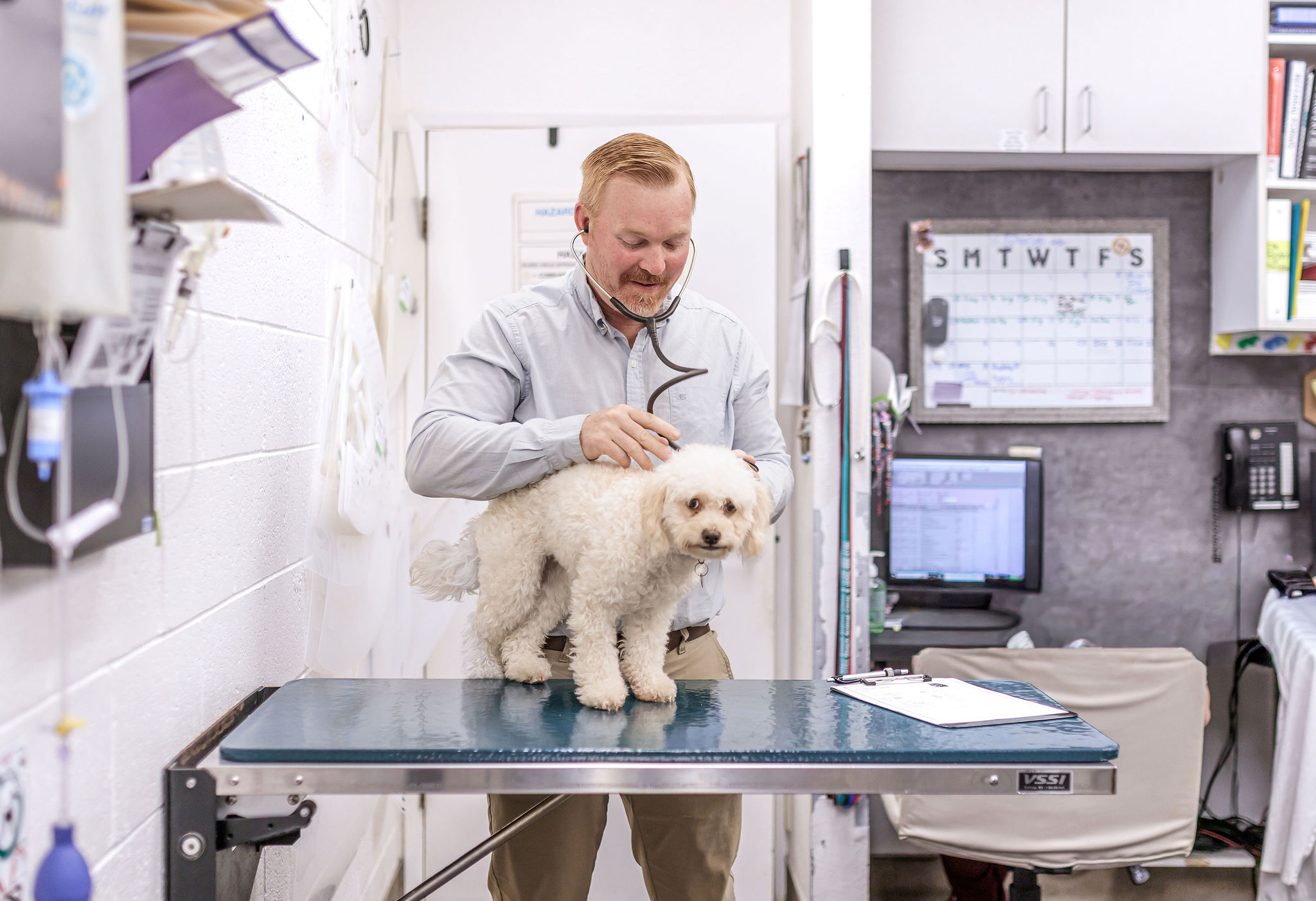
Yes. Persistent head shaking, ear odor, redness, discharge, scratching or pain warrants veterinary assessment. Ear inflammation is not always caused by the same microorganism—or by infection at all. An examination and ear cytology can help identify the problem before treatment.
Severe pain, sudden head tilt, loss of balance, facial weakness or suspected foxtail exposure requires particularly prompt attention.
What Is an Ear Infection?
The medical term otitis describes inflammation of the ear. Although the words ear infection and otitis are frequently used interchangeably, inflammation does not always mean a bacterial or yeast infection is present.
Dogs and cats have an external ear canal that includes vertical and horizontal portions. This anatomy can allow wax, moisture, inflammatory material and debris to accumulate.
Ear disease is classified according to the part of the ear affected.
Otitis Externa
Inflammation of the external ear canal. This is the most common type encountered in dogs and cats.
Signs often include scratching, shaking, redness, odor, discharge and discomfort.
Otitis Media
Inflammation or infection involving the middle ear, behind the eardrum.
It may complicate chronic external ear disease and can require additional imaging, sampling or specialist treatment.
Otitis Interna
Disease involving the inner ear. It can interfere with balance and hearing.
Signs may include a head tilt, falling, abnormal eye movements or difficulty walking.
Ear Flap Disease
Conditions affecting the pinna, or external ear flap, include dermatitis, wounds, hematomas, masses and other disorders.
These problems may occur with or without an underlying ear canal infection.
Accurate localization matters because treatments that are appropriate for the external canal may not be suitable when the eardrum is damaged or deeper ear structures are affected.
Signs of Ear Infections in Dogs and Cats
Symptoms vary with the cause, the amount of inflammation and whether one or both ears are affected.
- Repeated head shaking or ear scratching
- Redness or swelling inside the ear
- Unpleasant or unusual ear odor
- Brown, black, yellow or pus-like discharge
- Pain when the ear or side of the head is touched
- Rubbing the head against furniture or flooring
- Crusting or hair loss around the ears
- Thickened or narrowed ear canals
- Holding one ear differently
- Irritability or withdrawal because of discomfort
Does Ear Discharge Color Identify the Infection?
No. The appearance and smell of discharge may suggest certain conditions but cannot reliably identify the cause.
Dark debris can occur with ear mites, yeast, bacteria or mixed inflammation. Yellow or purulent material may accompany bacterial infection, but examination and microscopy are needed to establish the clinical significance.
Why Is My Dog Shaking Its Head?
Head shaking commonly indicates irritation or discomfort, but the possible causes include inflammation, infection, mites, foreign material, trapped water and other conditions.
Sudden, forceful shaking of one ear after walking through dry grass is particularly concerning for a foxtail or another foreign object within the ear canal.
Repeated scratching or shaking can also damage small blood vessels in the ear flap, resulting in an aural hematoma.
What Causes Ear Infections?
Successful treatment requires distinguishing the condition that initiated inflammation from the secondary infection that may develop.
Veterinary dermatology commonly classifies ear disease using primary causes, predisposing factors, secondary causes and perpetuating factors.
| Factor | Examples | Why It Matters |
|---|---|---|
| Primary cause | Allergic skin disease, ear mites, foreign bodies, inflammatory disorders or other conditions | Initiates the inflammation and must be addressed to reduce recurrence |
| Predisposing factors | Narrow ear canals, moisture, heavy ear hair, obstructive anatomy and altered ventilation | Make disease more likely or complicate treatment, but may not be the root cause |
| Secondary causes | Bacterial overgrowth and Malassezia yeast overgrowth | Develop in the inflamed ear environment and may require targeted antimicrobial therapy |
| Perpetuating factors | Chronic canal thickening, excessive glandular tissue, mineralization, biofilm or middle-ear disease | Can prevent recovery even when the original trigger is controlled |
Environmental and Food Allergies
Allergies are among the most important underlying causes of recurrent ear inflammation in dogs.
Environmental allergens may include pollens, dust mites and other exposures. Food allergy can also contribute to chronic or recurring ear and skin problems.
Some allergic dogs develop ear inflammation before obvious problems appear elsewhere on the skin.
Allergy evaluation may include history, parasite control, skin assessment and, when indicated, a properly supervised elimination-diet trial.
Learn about dog and cat allergy evaluation
Yeast Overgrowth
Malassezia yeast may exist in small numbers in healthy canine ears. Inflammation, altered skin-barrier function and changes in the ear environment can allow excessive yeast proliferation.
Yeast-associated otitis may produce itching, redness, waxy debris and odor. Microscopic examination helps determine whether clinically significant overgrowth is present.
Bacterial Infection
Bacteria such as staphylococci can proliferate in inflamed ear canals. Certain chronic or severe cases may involve organisms such as Pseudomonas aeruginosa.
Some bacteria demonstrate substantial antimicrobial resistance. Repeated empiric treatment without appropriate testing can make difficult cases harder to manage.
Ear Mites and Other Parasites
Otodectes cynotis ear mites are particularly important in cats, especially kittens, newly adopted animals and cats with exposure to other infested pets.
Affected animals may have intense itching, head shaking and dark, crumbly debris. However, discharge appearance alone cannot confirm ear mites.
Foreign Bodies and Foxtails
A foxtail lodged in an ear can cause sudden severe irritation and sometimes infection or damage deeper within the canal.
Medication alone cannot remove a retained foxtail. Veterinary examination and removal are generally necessary.
Read our Laguna Beach foxtail safety guide
Other Medical Causes
Less common underlying problems include obstructing polyps or tumors, immune-mediated disease, endocrine disorders and chronic changes to the ear canal.
These become especially important when symptoms are persistent, unusual, one-sided or poorly responsive to properly selected treatment.
Ear Infections in Dogs
Dogs commonly develop otitis externa. Repeated infections are particularly important because chronic inflammation can eventually produce thickened, narrowed and painful ear canals.
Are Certain Dog Breeds More Prone?
Some breeds have inherited or anatomical characteristics associated with greater risk of ear disease.
Examples may include:
- Cocker Spaniels and Basset Hounds: heavy ear flaps and breed-associated ear disease
- Poodles and some doodle-type dogs: substantial ear-canal hair in some individuals
- Shar-Peis: potentially narrow ear canals and underlying skin disease
- Retrievers and terriers: allergic skin disease in predisposed individuals
- Dogs with recurrent allergic dermatitis: chronic inflammation involving the ears, paws or other skin regions
Breed alone does not diagnose an ear infection. Any dog can develop otitis, including dogs with upright ears and short coats.
Why Does My Dog Get Ear Infections After Swimming?
Moisture can contribute to an ear environment that favors irritation and microbial overgrowth, especially in a dog with existing allergies, narrow canals or previous ear disease.
Swimming does not automatically cause an infection, and saltwater exposure is not the only consideration.
Dogs prone to ear problems may benefit from an individualized drying and cleaning plan recommended by a veterinarian.
Avoid pouring unapproved drying agents into irritated ears. Some products may be inappropriate when the eardrum is damaged or its condition is unknown.
Can Allergies Cause an Ear Infection in Only One Ear?
Yes, although a unilateral presentation also raises concern for foreign material, a mass, anatomical differences or other localized causes.
Recurrent disease affecting only one ear warrants careful investigation rather than assuming every recurrence is an allergy flare.
Ear Infections in Cats
Cats can develop otitis externa, but feline ear disease may have different underlying causes and treatment considerations than canine otitis.
Ear mites are an important cause, particularly in younger cats, but other possibilities include:
- Bacterial or yeast overgrowth
- Allergic or inflammatory skin disease
- Foreign material in the ear canal
- Inflammatory polyps
- Middle-ear disease
- Obstructive masses or tumors
- Less common immune-mediated or other disorders
Why Does My Cat Have Black Ear Debris?
Dark, crumbly debris may suggest ear mites, but it is not diagnostic. Yeast, bacteria, wax accumulation and other inflammatory conditions can produce similar findings.
Appropriate testing helps avoid unnecessary treatment and identifies whether other pets in the household need parasite assessment.
What About Ear Polyps in Cats?
Inflammatory polyps may occur in the middle ear or nasopharyngeal region, particularly in younger cats.
Depending on location, signs can include recurrent unilateral ear discharge, head shaking, respiratory noise, altered balance or other symptoms.
Suspected polyps may require advanced evaluation, imaging, removal or specialist referral.
Why Feline Medication Safety Matters
Cats are not small dogs. Differences in drug metabolism, sensitivity and behavior affect appropriate medication selection.
Never apply leftover dog ear medication to a cat without veterinary direction.
Explore comprehensive feline veterinary care at ABAC
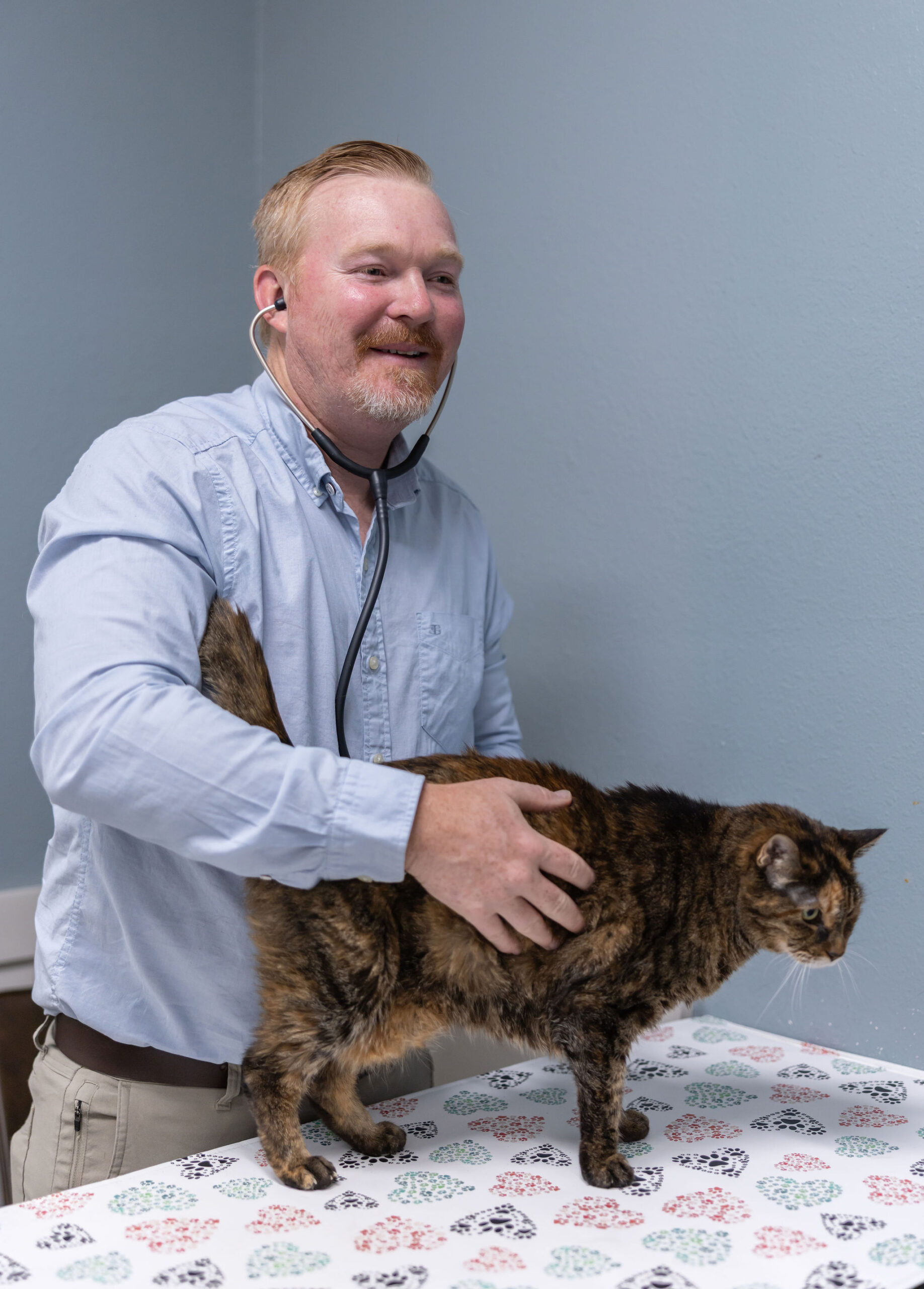
How We Diagnose Ear Infections at Aliso Beach Animal Clinic
Effective treatment begins with understanding what is happening inside the ear canal.
1. Medical History and Complete Examination
We review when symptoms began, previous ear problems, treatments already attempted, swimming, grooming, outdoor exposure, allergies and related skin symptoms.
The veterinarian examines the ear flap, canal entrance and surrounding skin and assesses for pain, swelling, discharge, asymmetry or chronic changes.
Both ears should be considered, even when the owner reports symptoms on only one side.
2. Otoscopic Examination
An otoscope allows the veterinarian to inspect the ear canal for swelling, redness, debris, foreign material, abnormal tissue and the condition of the eardrum when it can be visualized.
Otoscopy is particularly important before selecting medications because some products can damage hearing or balance structures if used with a perforated eardrum.
Severe swelling, debris or discomfort may prevent a complete examination initially. Selected patients may need pain relief, sedation, anesthesia or staged treatment.
3. Ear Cytology: A Key Diagnostic Test
Ear cytology is one of the most useful diagnostic procedures for suspected otitis externa.
A small sample of ear discharge is placed onto a microscope slide, stained and examined.
Cytology can help identify:
- Yeast organisms
- Coccoid bacteria
- Rod-shaped bacteria
- Inflammatory cells
- Patterns suggesting complicated infection
Ear mite evaluation may involve an additional mineral-oil microscopic preparation.
A small number of organisms does not automatically prove infection. The veterinarian interprets the findings alongside pain, inflammation, discharge and other signs.
Two dogs with similar-looking brown ear discharge may have very different problems. One may have yeast overgrowth, another a bacterial infection, and another primarily inflammatory disease.
Choosing treatment from the appearance or smell of the ear alone can lead to unnecessary or ineffective medication.
Learn about ABAC laboratory diagnostics and microscopic testing
4. Bacterial Culture and Susceptibility
Routine ear cytology and bacterial culture answer different questions.
Cytology identifies organism types and inflammation. Culture may identify bacterial species and provide antimicrobial susceptibility information.
Culture is especially useful when infection is persistent, resistant, recurrent, severely ulcerative or unresponsive to appropriate initial treatment.
Suspected middle-ear infection may require specialized sampling because bacteria collected from the external canal may not represent the organisms in the middle ear.
5. Additional Testing for Complicated Cases
Depending on the patient, further evaluation may involve:
- Assessment for allergic skin disease
- Selected parasite testing
- Appropriate endocrine screening
- Biopsy of abnormal tissue or masses
- Advanced imaging when middle-ear disease is suspected
- Referral to a veterinary dermatologist or other specialist
CT or MRI may be useful for selected middle- and inner-ear conditions. These studies are not required for every uncomplicated ear infection.
How Are Dog and Cat Ear Infections Treated?
Treatment is selected according to the examination, ear cytology, suspected underlying cause, eardrum status and severity of inflammation.
There is no single medication that is appropriate for every ear problem.
Prescription Ear Medications
Depending on the findings, treatment may involve:
- Topical antibacterial medication for appropriate bacterial infections
- Topical antifungal medication for clinically significant yeast overgrowth
- Anti-inflammatory medication to reduce swelling and discomfort
- Selected combination otic preparations when medically indicated
- Antiparasitic medication for confirmed or strongly suspected mites
- Analgesia and other supportive treatment in painful cases
Medication choice, formulation and dosing depend on the species and individual patient.
Veterinary Ear Cleaning and Flushing
Thick wax, pus or other debris can interfere with contact between medication and the inflamed ear canal.
Some pets benefit from professional ear cleaning or flushing. Severely painful or obstructed ears may require sedation or anesthesia to allow safe, thorough treatment.
Ear flushing should be planned carefully when eardrum injury or middle-ear involvement is suspected.
Why Eardrum Integrity Changes Treatment
Certain ear-cleaning solutions and medications can be ototoxic, meaning they may damage structures involved in hearing or balance.
This risk becomes particularly important when the tympanic membrane is ruptured or cannot be confirmed intact.
Never reuse old ear drops or apply over-the-counter preparations to a painful ear without veterinary direction.
Are Oral Antibiotics Necessary?
Uncomplicated otitis externa generally responds best to appropriately selected topical treatment when infection is present.
Oral or injectable antibiotics are not routinely required for every external ear infection.
They may be appropriate in selected complicated cases, including deeper infection or disease extending beyond the external canal.
Responsible antibiotic use avoids unnecessary exposure and helps reduce antimicrobial resistance.
Foxtail and Foreign-Body Removal
If a foxtail or another foreign object is present, the priority is safe removal.
Ear drops may not resolve symptoms while the object remains lodged in the canal.
Some patients require sedation or referral when the foreign body is difficult to locate or remove safely.
Pain and Inflammation Management
Ear disease can be painful, especially when the canal is ulcerated, severely swollen or obstructed.
Appropriate pain management and reduction of inflammation can improve comfort and make subsequent examination or treatment possible.
When Advanced Treatment Is Needed
Severe chronic ear disease may require advanced imaging, deep-ear flushing, specialist treatment or surgery.
End-stage, severely damaged ear canals sometimes require surgical treatment such as total ear canal ablation with lateral bulla osteotomy.
These procedures are not routine treatment for simple otitis. Complex cases should be evaluated by appropriately qualified specialists.
Why Does My Dog Keep Getting Ear Infections?
Recurrent otitis should prompt investigation rather than an automatic repeat of the previous medication.
If underlying inflammation is not controlled, bacteria and yeast may repeatedly overgrow even after an individual infection resolves.
Common Reasons Ear Infections Return
- Environmental or food allergy remains uncontrolled
- Medication did not reach the affected canal adequately
- Treatment ended before the infection fully resolved
- The ear contains retained debris or an unrecognized foreign body
- Resistant bacteria are present
- Moisture or other predisposing conditions continue
- Chronic canal thickening prevents effective treatment
- Middle-ear disease has not been identified
Resistant Bacteria and Biofilm
Difficult recurrent infections may involve organisms such as Pseudomonas aeruginosa or resistant staphylococci.
Certain bacteria can form biofilm, a protective microbial community that may interfere with antimicrobial effectiveness.
Treatment may require repeat cytology, culture, careful cleaning, an appropriate antimicrobial plan and investigation for deeper ear disease.
Long-Term Allergy Management
When allergic dermatitis is the primary driver of otitis, the long-term plan should address that inflammation.
Management may involve individualized allergy treatment, parasite prevention, carefully selected topical maintenance therapy or a diagnostic diet trial when indicated.
The goal is not to prescribe the greatest number of medications. It is to identify the factors that matter for the individual pet and establish a plan that is realistic for the owner.
Explore ABAC dermatology and recurrent skin and ear disease care
Why Ear Rechecks Matter
Owners may notice less odor and scratching before microscopic infection or inflammation has completely resolved.
A recheck allows the veterinarian to examine the canal and, when indicated, repeat cytology.
Many acute infections require approximately two to four weeks of treatment and follow-up, but the timing varies by product, severity and underlying disease.
Chronic or complicated cases may take much longer. The recommended recheck interval should be individualized.
The clinical goal is not simply to make the ear smell better. We want to know whether infection and inflammation have resolved, whether the ear canal is recovering, and what should change to prevent another flare.
What Is an Aural Hematoma?
An aural hematoma is a collection of blood within the ear flap. It commonly develops following vigorous head shaking or scratching.
Owners may notice a soft, balloon-like swelling that makes part of the ear look thicker or distorted.
Hematomas can be painful, and untreated swelling may lead to permanent ear-flap deformity.
Treatment depends on size, duration, discomfort and the underlying cause. Options may include drainage with additional treatment, medication, surgery or other veterinarian-directed care.
Addressing the underlying ear irritation is important to reduce continued shaking and recurrence.
A suddenly swollen ear flap warrants prompt veterinary assessment.
When Is an Ear Infection Urgent?
Many uncomplicated ear problems can be evaluated promptly by a primary-care veterinarian. Other signs suggest potentially more serious or deeper disease.
| Symptoms | Recommended Next Step |
|---|---|
| Mild scratching, new odor, waxy discharge or head shaking | Arrange a veterinary examination promptly rather than starting leftover medication |
| Severe ear pain, crying, marked swelling or bloody discharge | Contact ABAC for urgent same-day assessment when available |
| Sudden violent head shaking after walking through dry grass | Call promptly about a possible foxtail or foreign body |
| New balloon-like ear-flap swelling | Prompt examination for a possible aural hematoma |
| New head tilt, abnormal eye movements, falling, loss of balance or facial weakness | Urgent veterinary evaluation; severe or rapidly worsening cases may require an emergency hospital |
| Collapse, repeated seizures, severe neurologic changes or inability to stand | Seek immediate 24-hour emergency veterinary care |
Can an Ear Infection Cause a Head Tilt?
Yes. Middle- or inner-ear disease can affect structures involved in balance.
However, head tilt and loss of coordination can also occur with other neurological conditions. They should not be assumed to represent a simple ear infection.
A pet with sudden severe loss of balance, inability to stand, repeated seizures, collapse or rapidly worsening neurological signs requires immediate emergency veterinary assessment.
Aliso Beach Animal Clinic is not a 24-hour emergency hospital.
How to Clean Your Dog’s Ears Safely
Ear cleaning can be useful in selected dogs, particularly those with a history of recurrent otitis.
However, cleaning frequency and solution choice should depend on the individual pet. Healthy ears do not necessarily need frequent cleaning.
For Ears Cleared for Home Cleaning
- Use the exact ear cleaner recommended by your veterinarian.
- Follow the prescribed volume and application instructions.
- Gently massage the base of the ear if directed.
- Allow your pet to shake its head in a safe area.
- Wipe accessible debris from the outer ear using soft cotton or gauze.
- Follow instructions about how long to wait before administering medication.
What Not to Put in a Pet’s Ear
- Hydrogen peroxide
- Rubbing alcohol
- Undiluted essential oils
- Homemade vinegar mixtures
- Human ear medications
- Old prescription ear drops
- Unapproved powders or harsh disinfectants
Avoid inserting cotton-tipped applicators deeply into the ear canal. They can push material farther inward or injure sensitive tissue.
If an ear is severely painful, bleeding, producing heavy discharge or suspected of containing a foxtail, do not attempt home flushing.
Cats require species-appropriate products and individualized instructions. Do not assume a canine ear-cleaning routine is safe for a cat.
Preventing Ear Problems in Coastal Orange County
Laguna Beach provides wonderful opportunities for dogs to enjoy outdoor exercise, but certain activities can contribute to ear irritation.
After Swimming or Bathing
- Observe your dog for new head shaking or discomfort.
- Gently dry the visible outer ear as appropriate.
- Use a veterinarian-recommended drying product only when indicated.
- Avoid repeated home treatment for new redness or discharge.
After Canyon and Trail Walks
Dry grass and foxtails may be encountered around trail edges, open-space areas and coastal hillsides.
Check the outer ear and surrounding coat for loose plant material. Do not insert instruments into the ear canal.
Sudden unilateral head shaking after grass exposure deserves prompt veterinary attention.
For Dogs With Allergies
Recognize early flare signs such as paw licking, facial rubbing, ear redness or recurrent itching.
Work with your veterinarian to control underlying allergic inflammation rather than relying on repeated courses of antimicrobial medication.
For Cats
Maintain appropriate parasite prevention, monitor changes in ear debris or scratching and seek evaluation when symptoms appear.
Cats with recurring one-sided ear problems may require investigation for structural or inflammatory disease.
What to Expect at Your Pet’s Ear Appointment
Bringing accurate information helps our veterinary team evaluate the problem efficiently.
Before the visit:
- Note when shaking, scratching or discharge began.
- Tell us whether one or both ears are affected.
- List previously prescribed ear medications.
- Explain whether the problem repeatedly returns.
- Mention recent swimming, grooming or dry-grass exposure.
- Describe any concurrent paw licking or skin itching.
- Bring previous cytology or culture results if available.
Unless our team directs you otherwise, avoid cleaning away all the discharge immediately before your appointment. A sample may be useful for diagnostic testing.
Do not discontinue prescribed medication without veterinary direction. Tell us exactly what you have administered and when.
Frequently Asked Questions About Ear Infections in Dogs and Cats
Can a dog ear infection go away on its own?
Some mild irritation may improve, but persistent signs should not be assumed to resolve without treatment. Infection, foreign material and underlying inflammatory disease can become worse or chronic.
Why does my dog’s ear smell yeasty?
Yeast overgrowth is one possibility, but odor alone cannot determine the diagnosis. Bacterial infection, inflammation and accumulated discharge can also cause odor. Ear cytology helps guide treatment.
Is brown ear discharge always yeast?
No. Brown or dark debris may occur with yeast, mites, bacterial infection or other ear conditions. Appearance alone is unreliable.
Are dog ear infections contagious?
Most secondary bacterial or yeast otitis associated with allergic inflammation is not considered directly contagious in the way ear mite infestation can be. Parasites may spread between susceptible household animals.
Can ear mites spread between cats and dogs?
Yes. Otodectes ear mites can affect cats and dogs and spread through close contact. The veterinarian can advise whether other household animals require examination or treatment.
Why does my dog keep getting ear infections?
Recurrent otitis often reflects an underlying problem such as allergy, persistent inflammation, anatomical factors, incomplete resolution or resistant infection. Identifying those factors is essential for long-term management.
Is ear cytology really necessary?
Cytology is strongly recommended when otitis externa is suspected. It helps distinguish yeast, bacteria and inflammation and supports more appropriate treatment selection.
Does every ear infection need a culture?
No. Cytology is often sufficient to guide initial uncomplicated treatment. Culture is more useful in selected recurrent, resistant, severe or poorly responsive cases.
Why won’t my veterinarian prescribe old ear drops again?
The current problem may involve different organisms or a different underlying cause. Some medications are also unsafe if the eardrum is damaged. Reassessment helps avoid ineffective or unsafe treatment.
How long does an ear infection take to heal?
Many uncomplicated cases require approximately two to four weeks for treatment and follow-up, although medication schedules vary. Chronic or complicated cases may take substantially longer.
Can ear infections cause hearing loss?
Yes. Severe or chronic ear disease, middle- or inner-ear involvement, structural damage and certain medication-related injuries can affect hearing. Prompt diagnosis and appropriate treatment matter.
Can an ear infection cause balance problems?
Middle- and inner-ear disease can affect balance and cause head tilt or abnormal eye movements. These symptoms require prompt veterinary assessment because neurological disease may also be responsible.
Can my dog get an ear infection after swimming?
Swimming and moisture can contribute to irritation and overgrowth in susceptible dogs. Allergies, canal anatomy and previous disease may also play important roles.
Do you treat cat ear mites in Laguna Beach?
Aliso Beach Animal Clinic evaluates feline ear disease, including suspected mite infestation. Examination and microscopic testing help determine the appropriate treatment plan.
Can I get a same-day appointment for my dog’s ear infection?
ABAC offers same-day urgent veterinary assessments during regular clinic hours when appointments and medical capacity allow. Call before arriving so our team can assess urgency and availability.
Do you see pets from Dana Point and Monarch Beach?
Yes. Our Laguna Beach hospital welcomes dogs and cats from South Laguna, Three Arch Bay, Emerald Bay, Dana Point, Monarch Beach, The Strand at Headlands, Laguna Niguel and surrounding areas.
Why Choose Aliso Beach Animal Clinic for Veterinary Ear Care?
Independently Owned Veterinary Care
Our local veterinary team develops individualized medical recommendations based on the pet’s symptoms, examination and health history.
Microscopic Diagnostic Testing
In-house ear cytology helps our team assess bacteria, yeast and inflammation when medically indicated.
Attention to Underlying Causes
We evaluate possible allergies, foreign bodies, parasites and chronic changes rather than assuming every recurrence requires the same medication.
Urgent Care and Follow-Up
We provide urgent evaluation for appropriate stable patients and develop follow-up plans to assess treatment response.
Care Led by Bryan Hayter, DVM
Aliso Beach Animal Clinic is led by Bryan Hayter, DVM, Owner and Medical Director.
Dr. Hayter earned his veterinary degree from Auburn University and completed an internship at the San Diego Zoo.
Our team’s approach to veterinary medicine emphasizes appropriate diagnostic testing, individualized treatment decisions and continuity of care.
Veterinary References and Clinical Guidelines
This educational resource draws on established veterinary literature addressing otitis, diagnostic cytology, allergic skin disease and antimicrobial stewardship.
-
Merck Veterinary Manual:
Otitis Externa in Animals
Veterinary diagnosis, cytology, underlying causes, treatment and maintenance care.
-
Merck Veterinary Manual:
Otitis Media and Interna in Animals
Middle- and inner-ear disease, examination, imaging and treatment.
-
American Animal Hospital Association:
2023 Allergic Skin Disease Guidelines
Allergy evaluation, ear cytology and long-term inflammatory disease management.
-
ICADA:
Updated Canine Atopic Dermatitis Guidelines, 2026
Modern management of allergic skin disease, secondary infection and recurrent otitis.
-
American College of Veterinary Surgeons:
Otitis Externa
Chronic ear disease, structural changes, advanced treatment and surgical indications.
-
Cornell Feline Health Center:
Feline Ear Disorders
Feline otitis, mites, ear polyps, hematomas and other ear conditions.
Schedule an Ear Infection Examination in Laguna Beach
Whether your dog has a newly painful ear, repeated yeast or bacterial infections, a possible foxtail or a chronic allergy-related ear problem, our team can help determine the appropriate diagnostic and treatment plan.
We also evaluate cats with ear scratching, dark debris, suspected ear mites and other feline ear concerns.
Aliso Beach Animal Clinic
30816 Coast Highway
Laguna Beach, CA 92651
Across from Montage Laguna Beach
Phone: (949) 499-4190
Hours
Monday–Friday: 7:30 a.m.–4:30 p.m.
Saturday: 8:00 a.m.–12:00 p.m.
Sunday: Closed
Please call before arriving for urgent problems. Same-day availability depends on clinic capacity.
Pets with severe neurological signs, collapse, seizures or other life-threatening symptoms may require immediate treatment at a 24-hour emergency hospital.