Pet Wellness Exams in Laguna Beach
Medical review: Bryan Hayter, DVM | Owner & Medical Director
Last reviewed: November 12, 2026.
A great wellness exam is more than a vaccine appointment. At Aliso Beach Animal Clinic, we evaluate your pet’s whole health—nutrition, body and muscle condition, dental care, vaccines, activity, pain, mental well-being and age-related risks—then build a preventive plan that fits your pet and your family.
Our independently owned veterinary clinic welcomes dogs, cats and many exotic pets for individualized, evidence-informed checkups. Rather than automatically adding the same tests and treatments to every visit, we explain what we recommend now, what can be monitored and what to discuss at the next appointment.
New patients welcome. Conveniently located at 30816 Coast Highway across from Montage Laguna Beach, ABAC serves Laguna Beach, South Laguna, Three Arch Bay, Emerald Bay, Monarch Beach, Dana Point, Laguna Niguel and nearby coastal Orange County communities.
What Happens During a Veterinary Wellness Exam?
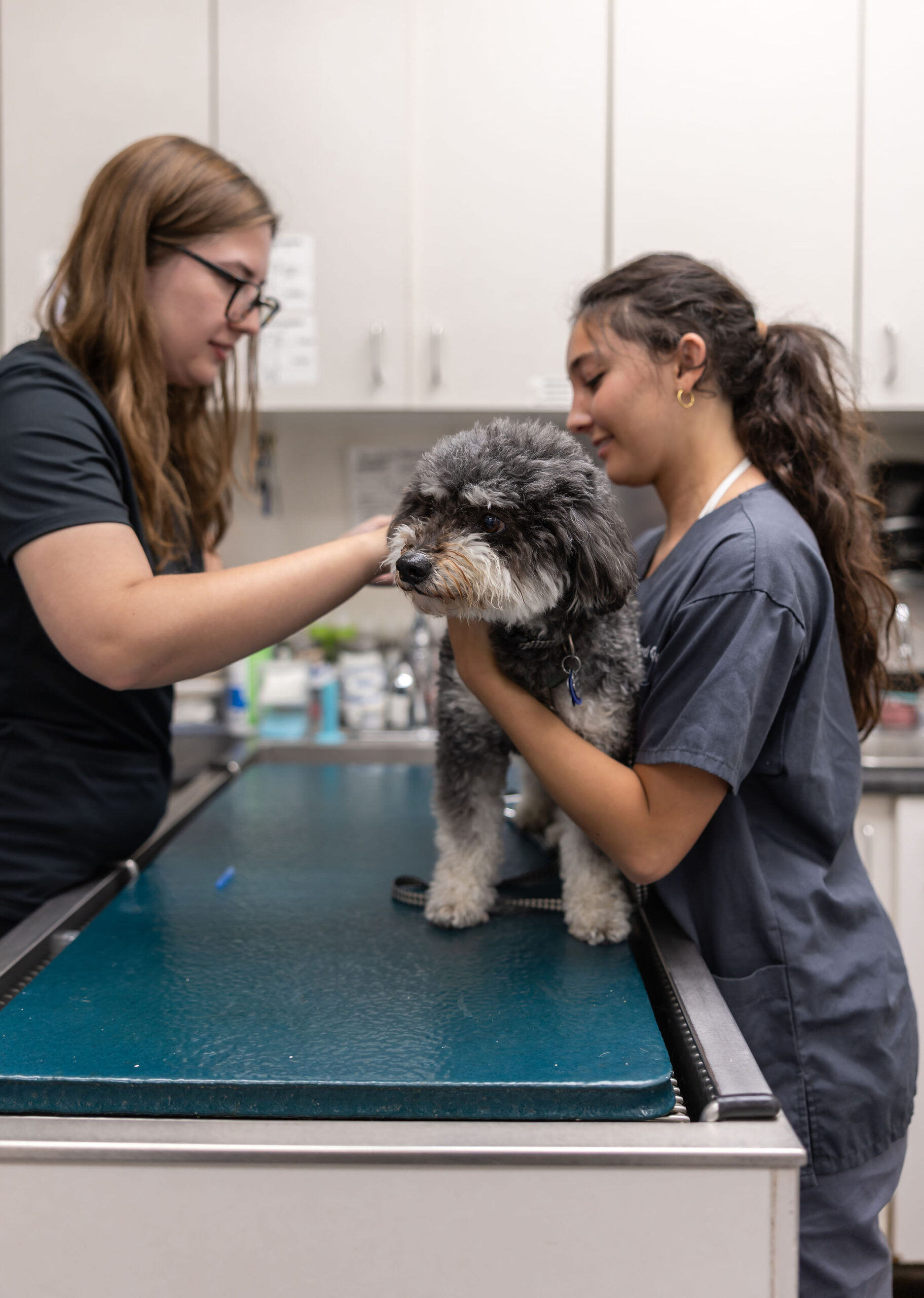
We start with the changes you see at home: appetite, thirst, stool, urination, sleep, play, stamina, cough, itching, temperament and bathroom habits. Those observations help us interpret the physical examination and notice trends that a pet might conceal in the clinic.
Physical examination
- Weight, body-condition and muscle-condition scores
- Eyes, ears, nose and oral tissues
- Heart and lung sounds, lymph nodes and abdomen
- Skin, coat, nails, joints and movement
- Hydration, pain, comfort and behavior
Personalized care conversation
- Diet, calories, treats and supplements
- Core and lifestyle vaccines
- Dental health and home prevention
- Flea, tick, heartworm and intestinal parasite risks
- Exercise, enrichment, anxiety and sleep
- Whether any screening test could change care
What you leave with: a practical plan that distinguishes important recommendations from reasonable options, identifies signs to watch for and makes the next follow-up clear. A wellness exam may reveal an issue that warrants a separate diagnostic or treatment appointment.
How Often Should a Dog or Cat Have a Wellness Exam?
Most healthy adult dogs and cats should have a complete examination at least once a year. Puppies and kittens need several visits during early growth; senior pets often benefit from visits about every six months, and patients with chronic conditions or medication monitoring may need a different schedule. Exact intervals depend on age, species and health. The AAHA/AAFP feline life-stage checklists recommend at least annual exams for cats and six-month visits for seniors.
What Is the Difference Between a Wellness Exam and a Sick Visit?
Wellness appointments focus on prevention, risk assessment, early detection and long-term planning. If your pet is actively vomiting, painful, struggling to urinate, injured or suddenly unwell, tell us when you call so we can determine whether a same-day illness appointment or an emergency hospital is more appropriate.
1. Nutrition, Weight and Muscle Health
Appropriate nutrition supports growth, muscle, skin, digestion and management of medical conditions. “Fresh,” “premium” and “grain-free” are marketing or food-category descriptions—not proof that a product is complete and balanced for a particular pet. We review the nutritional-adequacy statement, actual calorie intake and how the individual responds to the diet.
Bring a picture of the food label and details about portions, treats, chews, toppers and supplements. We monitor both body fat and muscle condition because a pet can maintain the same scale weight while losing muscle, particularly with age. Home-cooked diets require appropriate formulation and supplements; raw animal products carry infectious risks and are not necessary for good health.
For food-label decisions, calorie planning and home-prepared diets, see our pet nutrition counseling service. Our approach reflects the AAHA Nutrition and Weight Management Guidelines.
2. Thoughtfully Selected Vaccines and Risk-Based Prevention
We recommend core protection and evaluate additional vaccines according to species, age, previous records, health, travel, grooming, boarding, daycare, wildlife exposure and local risks. Being selective does not mean leaving pets unprotected. We explain the benefit of each recommended vaccine, timing, previous reactions and applicable legal requirements.
Dog Vaccines: Core Protection and Leptospirosis
Current AAHA canine guidelines list distemper, adenovirus, parvovirus, rabies and leptospirosis among core protections, with parainfluenza commonly included in combination formulations. Leptospirosis was elevated to core status in the 2024 update; risk is not limited to wilderness dogs. Bordetella, canine influenza and other noncore vaccines may matter for some lifestyles. Read AAHA’s updated canine vaccine guidance.
What About Indoor Cats?
Indoor cats still need preventive care and an appropriate vaccination review. Feline panleukopenia, herpesvirus and calicivirus protection (FVRCP) is a routine core component. Rabies recommendations depend on public-health risk and applicable law. Feline leukemia virus (FeLV) vaccination is especially important for kittens and young cats, with adult decisions based on exposure and other risk factors. We review new-cat introductions, escape risk and any previous vaccine reactions.
Can You Space Vaccines or Check Titers?
Sometimes. We can discuss timing and whether antibody titers might inform protection against selected diseases, but titers are not a reliable substitute for every vaccine and do not generally replace legally required rabies vaccination. Delaying a needed vaccine also delays protection. See our Laguna Beach vaccinations and titer guidance.
3. Oral Health: Teeth, Gums and Hidden Dental Pain
Every appropriate wellness exam includes an awake look at the visible teeth, gums and oral tissues. Bad breath, tartar, gum inflammation, fractured teeth and changes in chewing can indicate dental disease. Some pets continue eating despite significant oral pain, and an awake exam cannot reveal all disease below the gumline.
When professional treatment is indicated, an anesthetized dental procedure permits detailed assessment, scaling beneath the gumline and dental radiographs. Awake surface tartar removal cannot replace a complete veterinary dental cleaning. We discuss daily toothbrushing with pet-safe toothpaste and VOHC-accepted products for home care. Learn about dog and cat dentistry, full-mouth X-rays and dental cleaning.
4. Exercise, Pain Prevention and Mobility
Movement plans should fit age, breed, body condition, orthopedic history and heat tolerance. Younger active dogs may need progressive conditioning; older dogs may benefit from shorter consistent walks. Indoor cats need opportunities to climb, chase, jump safely, play and forage for food.
New stiffness, reluctance to jump, shorter walks or changes in gait should not automatically be dismissed as age. After examination, a plan may include weight management, medication, physical rehabilitation, environmental adjustments or selected supportive integrative therapies such as acupuncture. For more detail, see integrative pain and mobility care and senior pet care.
Laguna Beach Walking and Beach Safety
For dogs walking coastal trails, we discuss hot pavement, hydration, steep slopes, saltwater or sand irritation and foxtails in dry vegetation. Exercise during warm weather should be adapted for brachycephalic dogs, senior pets and those with heart or respiratory problems.
5. Mental Well-Being, Behavior, Sleep and Enrichment
Stress, fear, inadequate enrichment and changes in household routines can affect well-being. Just as importantly, a sudden change in behavior may be the first sign of pain, sensory decline or illness. We ask about play, sleep, social interaction, separation-related distress, noise sensitivity, aggression and changes in daily habits.
Dogs may benefit from predictable routines, reward-based training, sniff walks and appropriate social contact. Cats benefit from hiding and climbing areas, scratching surfaces, play and separated resources in multi-cat homes. We favor humane, reward-based strategies and evaluate medical causes before deciding that a change is purely behavioral. See the American Veterinary Society of Animal Behavior’s position statements.
6. Supplements and Nutraceuticals: Do They Help?
Omega-3 supplements, probiotics, joint products, calming aids and herbal blends can have varying evidence, ingredient quality and safety profiles. A supplement may be unnecessary, duplicate nutrients in the diet, add substantial calories or interact with a prescription medicine. “Natural” does not always mean harmless.
We review the exact product, manufacturer, dose, ingredients, other medications and what improvement would be measurable. Supplements do not replace appropriate pain control, diagnostic testing, dentistry or treatment of illness. For a more detailed product review, see our veterinary supplement and nutraceutical consultations.
Parasite Prevention, Laboratory Screening and Early Detection
Fleas, ticks, intestinal worms and mosquito-borne heartworms create different risks for different pets. Mild coastal weather, hiking, wildlife, boarding and household exposure all inform prevention choices. We review species, weight, neurological history, medication interactions and whether products cover the parasites of concern. The 2026 AAHA One Health Parasitology Guidelines emphasize appropriate diagnosis, responsible drug selection, resistance awareness and follow-up.
Bloodwork, urinalysis, fecal testing, thyroid tests, blood pressure or other screening may be useful depending on the pet’s age, health history, examination findings and medications. Testing should answer a question or establish a meaningful baseline, not be an unexplained automatic add-on. We discuss what an abnormal result would change. See parasite-prevention plans and bloodwork and diagnostics.
Cat Wellness Exams in Laguna Beach: Indoor Cats, Mature Cats and Seniors
Indoor cats need veterinary checkups, too. Cats may conceal pain and disease, and changes in drinking, litter-box use, grooming or jumping can be more informative than obvious distress. The AAHA/AAFP Feline Life Stage Guidelines recommend a full exam at least annually and approximately every six months for senior cats.
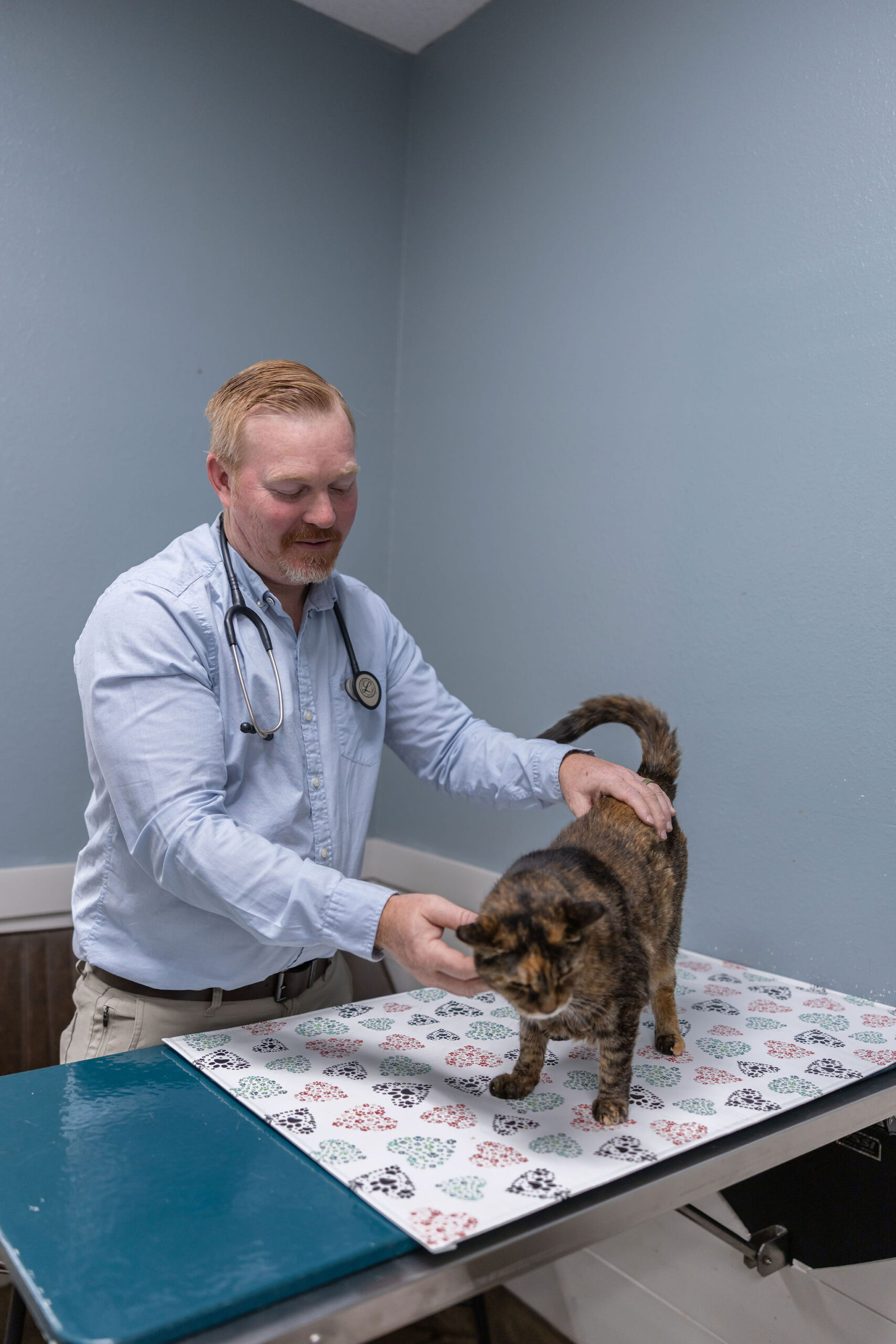
What We Discuss During a Cat Wellness Exam
- Body weight and muscle: subtle losses or gains, food intake and appetite changes.
- Kidneys, thyroid and blood pressure: age- and finding-based screening, particularly for mature and senior cats.
- Oral health: gum inflammation, tooth resorption and signs of hidden mouth pain.
- Movement: reluctance to jump or use stairs, litter-box difficulty and possible arthritis.
- Skin and parasites: overgrooming, itching, flea exposure and coat changes.
- Behavior and environment: stress, play, safe resting areas, scratching and litter-box placement.
- Prevention: FVRCP, rabies, FeLV risk assessment, microchip details and parasite protection.
For worried cats, ask us about quieter appointment times and how to prepare a secure carrier. We aim to use patient-appropriate handling, and we may recommend a different appointment plan for a highly fearful pet. Unexplained weight loss, excess thirst, inappropriate elimination or appetite loss merits assessment before the next routine visit.
Wellness Exams for Rabbits, Birds, Reptiles and Other Exotic Pets
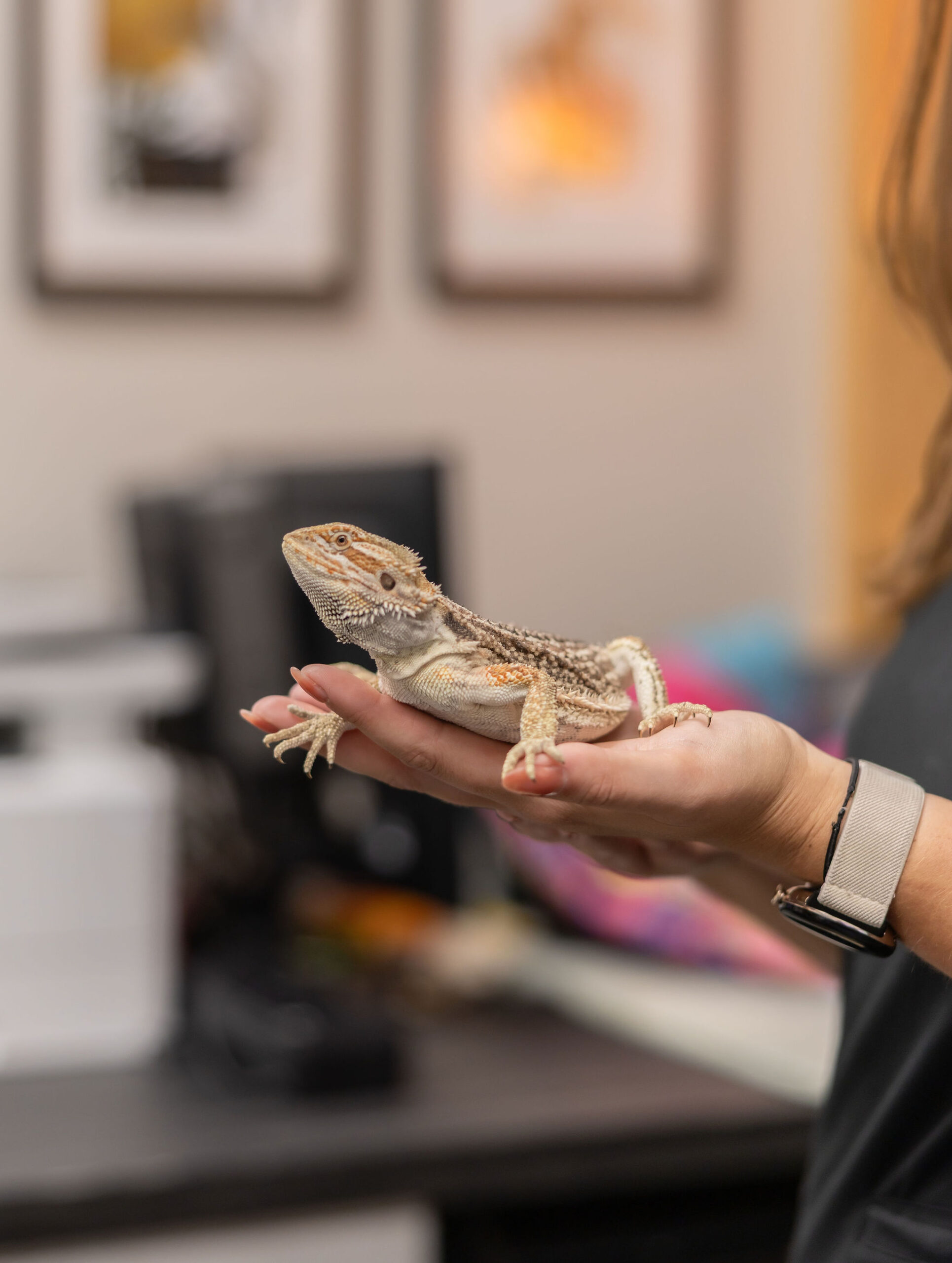
Exotic pets require species-specific examinations, diets and environmental care. Many hide illness until it becomes advanced, and husbandry information can be as important as the physical exam. ABAC evaluates many rabbits, guinea pigs, reptiles, tortoises, selected birds and other nontraditional companions; call to confirm the species and appointment availability.
- Rabbits and guinea pigs: grass hay, teeth, body weight, stool production, mobility and appropriate vitamin C sources for guinea pigs.
- Reptiles: temperature gradient, UVB provision, humidity, calcium balance, diet, substrate and behavior.
- Birds: food variety, weight, feather condition, enclosure safety, respiratory signs and enrichment.
- Small mammals: dental wear, bedding, temperature sensitivity, nutrition and activity.
Bring clear habitat photographs, heat/UVB equipment details, supplement labels and a description of appetite and droppings. A rabbit or guinea pig that stops eating or passing normal droppings needs prompt veterinary guidance rather than waiting for a routine visit. More: ABAC exotic-animal veterinary care.
Pet Wellness at Every Life Stage
| Life stage | What a wellness visit emphasizes | Typical timing |
|---|---|---|
| Puppies and kittens | Growth, vaccine series, parasites, nutrition, socialization, dental development, microchip and reproductive planning | Several early visits, tailored to age and records |
| Healthy adults | Weight and muscle, teeth, behavior, movement, lifestyle vaccines, prevention and changes since last visit | Generally at least once yearly |
| Senior dogs and cats | Mobility, pain, muscle loss, dental health, cognition, kidney/thyroid and other age-related screening when relevant | Often around every six months; individualized |
| Exotic and medically complex pets | Species-specific husbandry, body condition, symptoms and condition- or medication-specific monitoring | According to species and clinical needs |
Learn about puppy and kitten visits, senior wellness and comfort care, and pet microchipping and registration guidance.
How to Prepare for Your Pet’s Wellness Appointment
Bring records and a few details so we can spend less time reconstructing your pet’s history and more time answering useful questions:
- Prior vaccination and medical records, if you are a new client.
- Current medications, parasite preventives, supplements and their doses.
- Exact food name, daily portions, treats, chews and food toppers.
- A list of changes in drinking, appetite, stool, urination, sleep, behavior or exercise.
- Photos or videos of intermittent limping, coughing, scratching or unusual behavior.
- For exotic pets, habitat and lighting photos plus diet and temperature details.
- Your priorities, including comfort, time, cost or difficulty administering medication.
Transport cats in a secure carrier and dogs on a secure leash or in a carrier. Ask us about a quieter visit or any special handling needs before the appointment.
Frequently Asked Questions About Pet Wellness Exams
Does a wellness exam include more than vaccinations?
Yes. We assess overall health and discuss diet, body and muscle condition, oral care, movement, behavior, parasite risk, vaccines and screening that could benefit the individual pet.
How often should a healthy adult dog or cat have a checkup?
Most benefit from a complete veterinary exam at least annually. Kittens, puppies, seniors and animals with chronic conditions may need more frequent appointments.
Should my indoor-only cat see the veterinarian every year?
Yes. Indoor cats can develop kidney disease, hyperthyroidism, dental disease, arthritis, obesity and other conditions unrelated to outdoor exposure. Senior cats often benefit from six-month examinations.
Does my dog need leptospirosis vaccination?
AAHA’s 2024 update recognizes leptospirosis as a core canine vaccine. The veterinarian reviews your dog’s health, vaccination records and any specific contraindications before recommending a schedule.
Can we discuss spacing vaccines or titers?
Yes, when medically appropriate. Titers can sometimes inform decisions about selected viral diseases but do not substitute for every vaccine or generally replace legally required rabies protection.
Does every pet need wellness bloodwork each year?
No single panel fits everyone. Baseline or recurring testing may be valuable based on age, symptoms, medications and prior results. We explain what the test measures and how it might change care.
Will my pet automatically need a dental cleaning?
No. We recommend professional dentistry according to the oral exam, history and risk. A complete professional cleaning uses appropriate anesthesia and often dental radiographs; scraping surface tartar while awake is not equivalent.
Can we review my pet’s supplements and homemade diet?
Yes. Bring ingredients, doses and manufacturer details. We evaluate nutritional completeness, product quality, interactions and whether the supplement provides a worthwhile benefit.
Why is my senior dog slowing down?
Pain, arthritis, muscle loss, cardiopulmonary disease and other conditions may contribute. Slowing down is not automatically normal aging. An exam helps choose appropriate testing and treatment.
Is a cat’s new litter-box behavior part of wellness care?
Yes. Changes in urination or elimination can relate to pain, urinary disease, stress or environmental factors. Straining without producing urine is urgent, especially in male cats.
Does ABAC provide wellness exams for rabbits and reptiles?
Yes, for many species. Call to confirm species availability. We review nutrition, housing and environmental needs alongside an examination.
Can I discuss cost and choose care priorities?
Yes. We explain the purpose of each recommendation and distinguish what matters now from options that can reasonably be scheduled or monitored.
What should I bring to my first pet wellness appointment?
Bring prior records, medication and supplement lists, food packaging details, any symptom photos or videos, and questions. Exotic-pet owners should also photograph the habitat.
Is a microchip included automatically with a wellness exam?
Not automatically. We can discuss microchip scanning or placement and help explain the owner’s responsibility to keep registry contact details current.
Can new clients come from Dana Point, Monarch Beach or Emerald Bay?
Yes. ABAC welcomes new clients from Laguna Beach, South Laguna, Dana Point, Monarch Beach, Emerald Bay, Three Arch Bay and nearby Orange County communities.
Schedule a Pet Wellness Exam in Laguna Beach
Whether you are caring for an active dog, indoor cat, senior companion or exotic pet, our team can help build a practical plan for nutrition, vaccines, teeth, mobility, enrichment and preventive screening. We welcome families from Laguna Beach, South Laguna, Emerald Bay, Three Arch Bay, Monarch Beach, Dana Point and Laguna Niguel.
Aliso Beach Animal Clinic
30816 Coast Highway
Laguna Beach, CA 92651
Across from Montage Laguna Beach
Monday–Friday: 7:30 a.m.–4:30 p.m.
Saturday: 8 a.m.–12 p.m.
Sunday: Closed
Medical review: Bryan Hayter, DVM | Owner & Medical Director
Last reviewed: November 12, 2026.