


Dog Anxiety in Laguna Beach: Calming Supplements, Training & Veterinary Treatment
Your dog shakes when fireworks begin, panics when you leave the house, or refuses to walk near a busy street. Can a natural calming supplement help? Sometimes—but understanding the cause of anxiety is more important than choosing a product.
At Aliso Beach Animal Clinic, we help families understand fear, anxiety, and stress in dogs. We combine appropriate veterinary evaluation, humane behavior modification, environmental changes, and selected medications or supplements when indicated.
Supplements such as Zylkene, valerian root, pheromone products, and CBD-labeled preparations are commonly discussed by pet owners. Their evidence, safety, and potential benefits differ substantially.
This guide explains those differences and offers practical ways to help an anxious dog feel safer.
Originally published August 21, 2025
• Updated October 2026
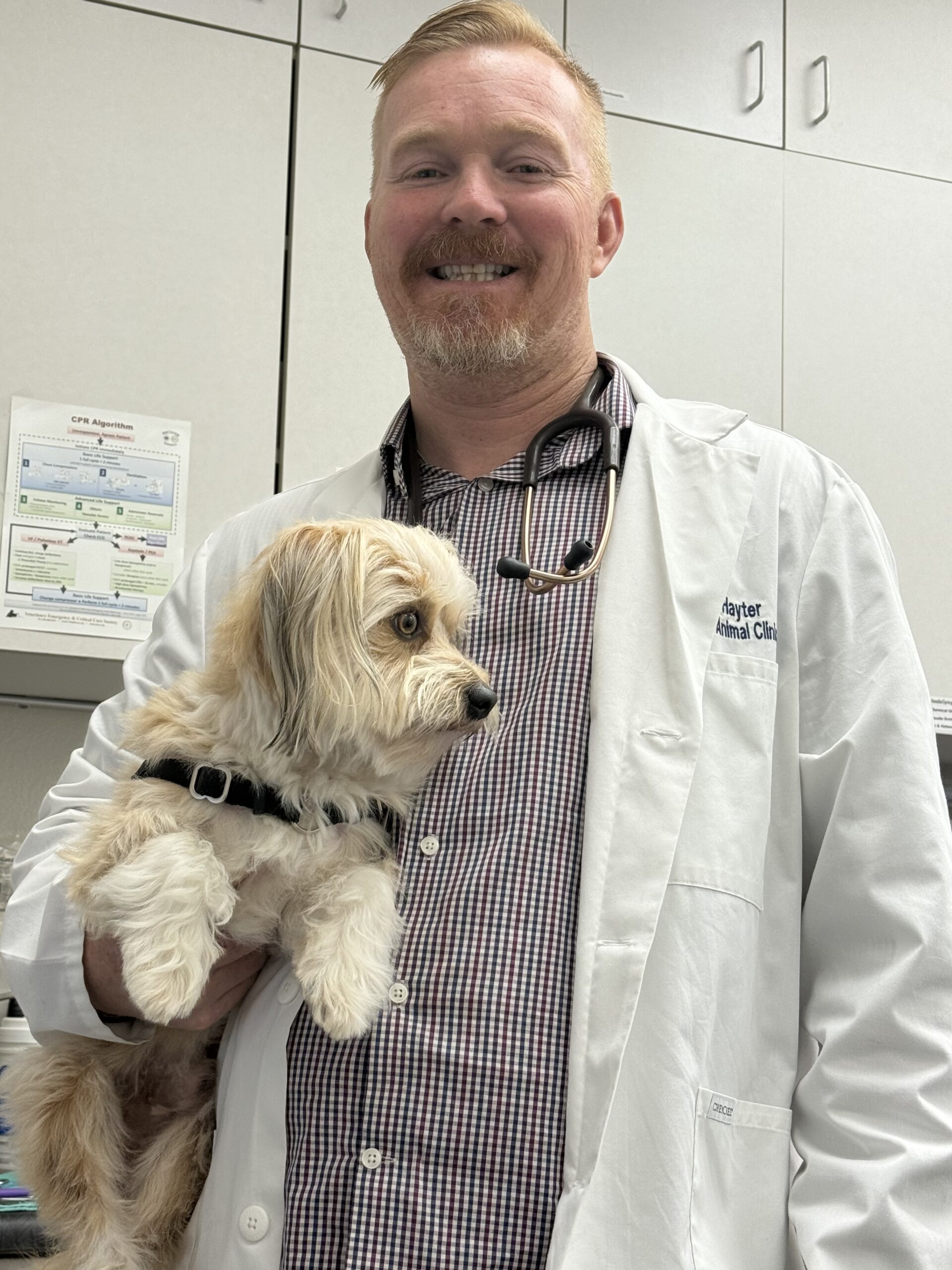
Veterinary medical oversight:
Bryan Hayter, DVM,
Owner and Medical Director,
Aliso Beach Animal Clinic.
Revised content pending final
veterinary medical-review approval.
How Can You Tell if Your Dog Has Anxiety?
Fear and anxiety can look different from one dog to another. Some dogs become visibly distressed, while others freeze, withdraw, or attempt to avoid a situation.
Veterinarians commonly use the phrase fear, anxiety, and stress (FAS) when discussing an animal’s emotional response to an experience.
Trembling, panting, drooling, pacing, dilated pupils, tucked tail, flattened ears, or difficulty settling.
Hiding, barking, whining, escape attempts, avoidance, destructive behavior, or refusing food.
Distress when left alone, during fireworks or storms, at veterinary appointments, or around unfamiliar people.
These signs are not unique to anxiety. For example, panting may also indicate pain, overheating, respiratory disease, or another medical problem. The context and timing matter.
Common Types of Anxiety in Dogs
Separation Anxiety and Separation-Related Distress
Dogs with separation-related distress may panic when a caregiver leaves, when they are alone, or when they are separated from particular people.
Signs can include barking, howling, pacing, drooling, scratching at doors, house soiling, destructive escape attempts, or an inability to settle.
Not all destructive behavior is separation anxiety. Boredom, incomplete housetraining, confinement frustration, and outside noises can cause similar problems.
A short home-camera recording can help your veterinarian distinguish these possibilities.
Noise Anxiety and Firework Phobia
Fireworks, thunderstorms, construction, alarms, and other loud sounds can cause fear ranging from mild uneasiness to panic.
A dog who hides briefly during a loud sound may need a different plan from a dog who trembles for hours, escapes through a fence, or injures itself.
Travel and Veterinary-Visit Anxiety
Some dogs become distressed in cars, carriers, waiting rooms, or during handling. Motion sickness, pain, previous negative experiences, and fear of restraint may contribute.
Careful preparation and veterinary-prescribed medication when appropriate can make necessary medical visits more manageable.
Social Fear and Reactivity
A dog that barks, lunges, freezes, or retreats when another dog approaches may be communicating fear or discomfort rather than disobedience.
These cases benefit from individual assessment and a structured plan that protects both the dog and the people around it.
When Should an Anxious Dog See a Veterinarian?
A behavioral change may be the first visible sign of a medical problem. This is especially important when anxiety develops suddenly, appears without a recognizable trigger, or occurs in an older dog.
Depending on the history, an examination may look for:
- Arthritis, spinal pain, or injury
- Dental pain or ear disease
- Vision or hearing changes
- Neurologic abnormalities
- Endocrine or metabolic disease
- Gastrointestinal discomfort
- Cognitive dysfunction in senior dogs
- Medication or toxin effects
Not every anxious dog needs an extensive diagnostic workup. Testing should be selected according to age, symptoms, examination findings, and medications being considered.
Our individualized veterinary wellness examinations provide an opportunity to discuss behavior alongside physical health.
Senior dogs deserve special attention. A previously calm dog who becomes restless at night, disoriented, irritable, or unusually fearful may need evaluation for pain, sensory decline, cognitive dysfunction, or another medical condition. Learn more about our senior pet care .
Why Behavior Training Is Central to Treating Dog Anxiety
Medications and calming products may reduce distress, but they do not automatically teach a dog that a frightening situation is safe.
For many anxiety disorders, a long-term plan includes desensitization and counterconditioning.
What Is Desensitization?
Desensitization involves introducing a trigger at an intensity low enough that the dog remains relaxed.
For example, a dog frightened by recorded thunder sounds might begin with the recording barely audible. Exposure is adjusted gradually according to the dog’s behavior.
What Is Counterconditioning?
Counterconditioning pairs a previously frightening trigger with something positive, such as desirable food, comfortable distance, or a pleasant activity.
The aim is to change the emotional association, not simply to suppress barking or other outward signs.
Avoid flooding and punishment. Do not force a frightened dog to remain near a trigger until it stops reacting. Excessive exposure may increase fear and create safety risks.
Harsh corrections, electronic punishment, or intimidation are not appropriate treatments for anxiety. We favor reward-based methods consistent with guidance from the American Veterinary Society of Animal Behavior.
Read the AVSAB humane dog training position statements and the Merck Veterinary Manual’s canine behavior guidance .
When to Work With a Veterinary Behaviorist
Severe separation distress, panic, self-injury, escalating aggression, or anxiety that persists despite a thoughtful plan may justify referral to a board-certified veterinary behaviorist.
These specialists are veterinarians with advanced training in behavioral medicine. They can integrate diagnosis, behavior modification, and prescription treatment.
Search the American College of Veterinary Behaviorists directory for specialist resources.
Calming Supplements for Dogs: Which Products May Help?
Many owners prefer to explore a nonprescription option before using medication. That is a reasonable discussion to have with your veterinarian, particularly when symptoms are mild and the dog is otherwise safe.
However, calming supplements have varying levels of evidence, and product claims often exceed what clinical research can establish.
| Product or Ingredient | Potential Role | Important Limitation |
|---|---|---|
| Alpha-casozepine (Zylkene) | May be considered for selected mild or situational stress responses. | Clinical evidence is limited; not a proven stand-alone treatment for severe anxiety. |
| Dog-appeasing pheromones (Adaptil) | May provide environmental support for some dogs in selected situations. | Study results are mixed, and response varies. |
| Valerian root | An herbal ingredient marketed for relaxation and calming. | Limited canine evidence; possible sedation and medication interactions. |
| L-theanine | Sometimes used as a supportive calming ingredient. | Limited controlled evidence for meaningful clinical benefit. |
| CBD products | Under investigation for possible behavioral effects in animals. | No FDA-approved cannabis product for treating animal anxiety; safety and efficacy are not established. |
Zylkene and Alpha-Casozepine
Zylkene contains alpha-casozepine, a compound derived from cow’s milk protein. It is marketed to support calm behavior during stressful events.
Preliminary research suggests potential benefit for selected animals, but evidence is not strong enough to regard it as a reliable treatment for every anxiety disorder.
A veterinarian should review the product, medical history, and expected treatment goals, including any relevant dietary sensitivities.
Adaptil and Dog-Appeasing Pheromones
Adaptil products use synthetic analogues of dog-appeasing pheromones. Pheromones are chemical signals involved in communication between animals; they are not the same as circulating hormones.
Collars, diffusers, and sprays may be considered for particular environments. Research results are inconsistent, and these products are not guaranteed to relieve separation anxiety, panic, or noise phobia.
Valerian Root for Dogs
Valerian is frequently described as a natural sedative, but well-controlled evidence for anxiety relief in dogs remains limited.
Herbal products can differ in concentration and formulation. Valerian may cause drowsiness and may interact with sedatives or other medications.
Do not assume that a human valerian product is appropriate for your dog.
Other Calming Supplements
L-theanine, L-tryptophan, certain specialized diets, and other nutraceutical ingredients are also marketed for behavioral wellness.
Some have preliminary evidence, but strong conclusions about effectiveness and the best dosing protocols are often lacking.
Our supplement philosophy: Choose a product for a specific problem rather than adding multiple calming products without a clear goal.
When a supplement is appropriate, monitor changes in behavior, appetite, energy, gastrointestinal comfort, and any adverse effects. If meaningful improvement does not occur, reassess the diagnosis and the treatment plan.
At Aliso Beach Animal Clinic, our veterinary supplement and nutraceutical consultations address product selection, possible interactions, patient health, and realistic expectations.
Is CBD Safe or Effective for Dog Anxiety?
CBD, or cannabidiol, is a cannabis-derived compound widely marketed for anxiety, pain, and sleep. Interest in CBD has grown faster than the clinical evidence supporting many veterinary uses.
Some studies have investigated its behavioral effects, but results do not establish that over-the-counter CBD reliably treats canine anxiety.
The U.S. Food and Drug Administration has not approved cannabis products for any use in animals.
Important concerns include:
- Inconsistent product concentrations and labeling
- Possible THC contamination
- Sedation and gastrointestinal adverse effects
- Potential liver-enzyme changes
- Medication interactions
- Limited long-term safety data
Do not increase CBD doses on your own to achieve sedation or a stronger calming effect.
If your pet has received a CBD or cannabis product, tell your veterinarian the exact product name, ingredients, concentration, amount, and timing.
Dogs showing marked sedation, tremors, abnormal coordination, vomiting, or other unusual signs after cannabis exposure need prompt veterinary advice.
Read the FDA’s cannabis and CBD guidance for pets and other animals .
When Are Prescription Anxiety Medications Better Than Supplements?
Prescription medications are sometimes the most appropriate, compassionate way to reduce an animal’s suffering.
Dogs experiencing severe separation distress, intense noise phobias, or repeated panic episodes may need medication alongside behavior modification.
Veterinary treatment may include situation-specific medication for predictable triggers or daily medication for more persistent anxiety.
Some medications used in veterinary behavioral medicine include trazodone, gabapentin, dexmedetomidine oromucosal gel, fluoxetine, and clomipramine. These agents have different uses, regulatory approvals, precautions, and monitoring needs.
Fluoxetine and clomipramine have approved canine indications for separation anxiety when used in conjunction with behavior modification. Many other behavioral medication uses are extra-label and require veterinary judgment.
Some medicines act relatively quickly, while long-term medications may take weeks to reach their full benefit.
The goal is not simply to make a dog sleepy. It is to reduce distress and support healthier behavior while maintaining an appropriate quality of life.
Prescription does not mean inherently unsafe, and natural does not mean inherently safe.
Both prescription and nonprescription products should be considered according to expected benefit, known risks, existing medications, and the individual patient.
Learn about our holistic and integrative veterinary approach , which combines conventional medicine with selected supportive treatments.
Helping Anxious Dogs in Laguna Beach and Coastal Orange County
Anxiety can be influenced by a dog’s daily environment. In Laguna Beach, South Laguna, Monarch Beach, and Dana Point, common challenges may include busy streets, unfamiliar dogs, visitors, travel, and changes in household routine.
Some dogs become frightened by fireworks or loud events. Others are uncomfortable around crowds, construction noise, grooming appointments, or unfamiliar walking routes.
When working with a fearful dog near busy coastal roads or popular walking areas, start with quieter environments where the dog can stay below its fear threshold.
Do not require a frightened dog to approach unfamiliar people or animals in order to “get used to them.” Give the dog enough distance to remain comfortable and follow applicable leash and access rules.
Families in Emerald Bay and neighboring communities may also notice changes when guests visit, household members travel, or routines shift. Predictability and gradual training can be particularly helpful during transitions.
A Practical Home Plan for Helping an Anxious Dog
Five Steps to Start With
- Identify the trigger. Write down when the behavior occurs, what happens immediately beforehand, and how long distress lasts.
- Reduce unnecessary exposure. Provide safe distance, quiet resting spaces, visual barriers, or a predictable routine.
- Reward calm behavior. Use short, positive sessions with appropriate food, toys, or other rewards.
- Introduce changes gradually. Increase difficulty only while the dog remains relaxed. If distress occurs, reduce the intensity.
- Review progress. Track how often signs occur, their severity and duration, and how quickly the dog recovers. Consult your veterinarian when improvement is inadequate.
What About Separation Anxiety?
For dogs with true separation distress, training may involve very brief, planned departures that end before the dog becomes panicked.
Severe cases often need professional guidance, environmental management, and sometimes medication. Repeatedly leaving a dog in intense panic is not an effective training strategy.
A camera recording, behavior diary, and follow-up appointments can help distinguish improvement from a dog simply becoming exhausted.
When Is Sudden Anxiety a Veterinary Urgent-Care Concern?
A dog that suddenly becomes restless, confused, aggressive, disoriented, or unusually fearful may be experiencing pain or illness, rather than a primary behavioral problem.
Call for prompt veterinary guidance when behavioral changes are accompanied by:
- New pain or sensitivity to touch
- Persistent panting without a clear cause
- Repeated vomiting or diarrhea
- Marked weakness or lethargy
- New confusion or unusual behavior
- Possible medication or toxin exposure
- Sudden severe behavioral distress
Seek immediate emergency care for seizures, collapse, trouble breathing, severe neurologic signs, suspected serious poisoning, or a rapidly deteriorating patient.
Aliso Beach Animal Clinic provides same-day urgent veterinary care in Laguna Beach during regular clinic hours when availability and the condition allow. Call before arriving.
Our clinic is not a 24-hour emergency hospital. Life-threatening emergencies may require an appropriate 24-hour facility.
Frequently Asked Questions About Dog Anxiety
What is the best calming supplement for dog anxiety?
There is no single best supplement for every dog. The appropriate approach depends on the trigger, severity, medical history, and treatment goals. Severe anxiety often needs more than a supplement.
Does Zylkene work for dogs?
Alpha-casozepine, the ingredient in Zylkene, has preliminary evidence for selected calming applications. Results vary, and it should not be assumed to treat severe separation anxiety or panic by itself.
Does Adaptil calm anxious dogs?
Some dogs may benefit from dog-appeasing pheromone products, but study findings are mixed and reliable improvement is not guaranteed.
Can I give my dog valerian root every day?
Do not begin daily valerian without veterinary guidance. Evidence in dogs is limited, and herbal products may cause sedation or interact with medication.
Is CBD a safe natural treatment for separation anxiety?
CBD is not an FDA-approved veterinary treatment for anxiety. Its effectiveness, product consistency, potential interactions, and long-term safety remain important concerns.
Can calming supplements replace anxiety medication?
Not reliably. Some dogs with mild symptoms may benefit from selected supportive products, but severe anxiety and panic can require prescription treatment and a structured behavior plan.
How can I help a dog afraid of fireworks?
Prepare a comfortable indoor refuge, reduce noise exposure when possible, maintain identification and secure exits, and discuss medication before predictable events if your dog experiences significant fear.
Can anxiety start suddenly in an older dog?
Yes. Sudden behavioral changes may reflect pain, sensory decline, cognitive dysfunction, or other medical problems. A veterinary examination is recommended.
Where can I get veterinary help for dog anxiety near Monarch Beach?
Aliso Beach Animal Clinic is located at 30816 Coast Highway in South Laguna, directly across from Montage Laguna Beach. We can evaluate health concerns, review calming products, and help determine whether behavior modification, medication, or specialist referral is appropriate.
Veterinary References and Further Reading
- American Animal Hospital Association: Canine and Feline Behavior Management Guidelines — medical evaluation, behavioral assessment, training, and medication.
- Merck Veterinary Manual: Behavior Problems of Dogs — separation anxiety, noise fears, medical causes, and behavioral treatment.
- American Veterinary Society of Animal Behavior: Humane Dog Training — reward-based training and avoiding aversive methods.
- U.S. Food and Drug Administration: Cannabis and CBD Regulation — animal-product approvals, safety concerns, and adverse effects.
- American College of Veterinary Behaviorists: Resources for Animal Owners — specialty referral information.
Get Veterinary Help for Your Dog’s Anxiety in Laguna Beach
If your dog struggles with separation anxiety, noise fears, stressful veterinary visits, travel anxiety, or unexplained behavioral changes, Aliso Beach Animal Clinic can help you identify an appropriate next step.
Our approach considers medical causes, humane behavior modification, carefully selected supplements, prescription medication, and specialist referral when indicated.
Aliso Beach Animal Clinic
30816 Coast Highway
Laguna Beach, CA 92651
Across from Montage Laguna Beach
Monday–Friday: 7:30 a.m.–4:30 p.m.
Saturday: 8 a.m.–12 p.m.
Sunday: Closed
For sudden illness or serious behavioral changes, call before arriving. Life-threatening emergencies require immediate evaluation at an appropriate emergency facility.