
Bearded Dragon Veterinarian & Care in Laguna Beach, CA
Bearded dragons need more than a healthy diet to thrive. Appropriate heat, UVB exposure, calcium balance, hydration, safe housing, and veterinary care work together to support their health.
At Aliso Beach Animal Clinic, Bryan Hayter, DVM, and our veterinary team provide bearded dragon wellness examinations, reptile nutrition and enclosure counseling, fecal testing, diagnostic imaging, and medical evaluations.
Our independently owned veterinary clinic is in South Laguna Beach, convenient for reptile owners in Dana Point, Monarch Beach, Emerald Bay, Three Arch Bay, and neighboring communities.
Medically reviewed and approved by Bryan William Hayter, DVM, Owner and Medical Director — November 7, 2026.
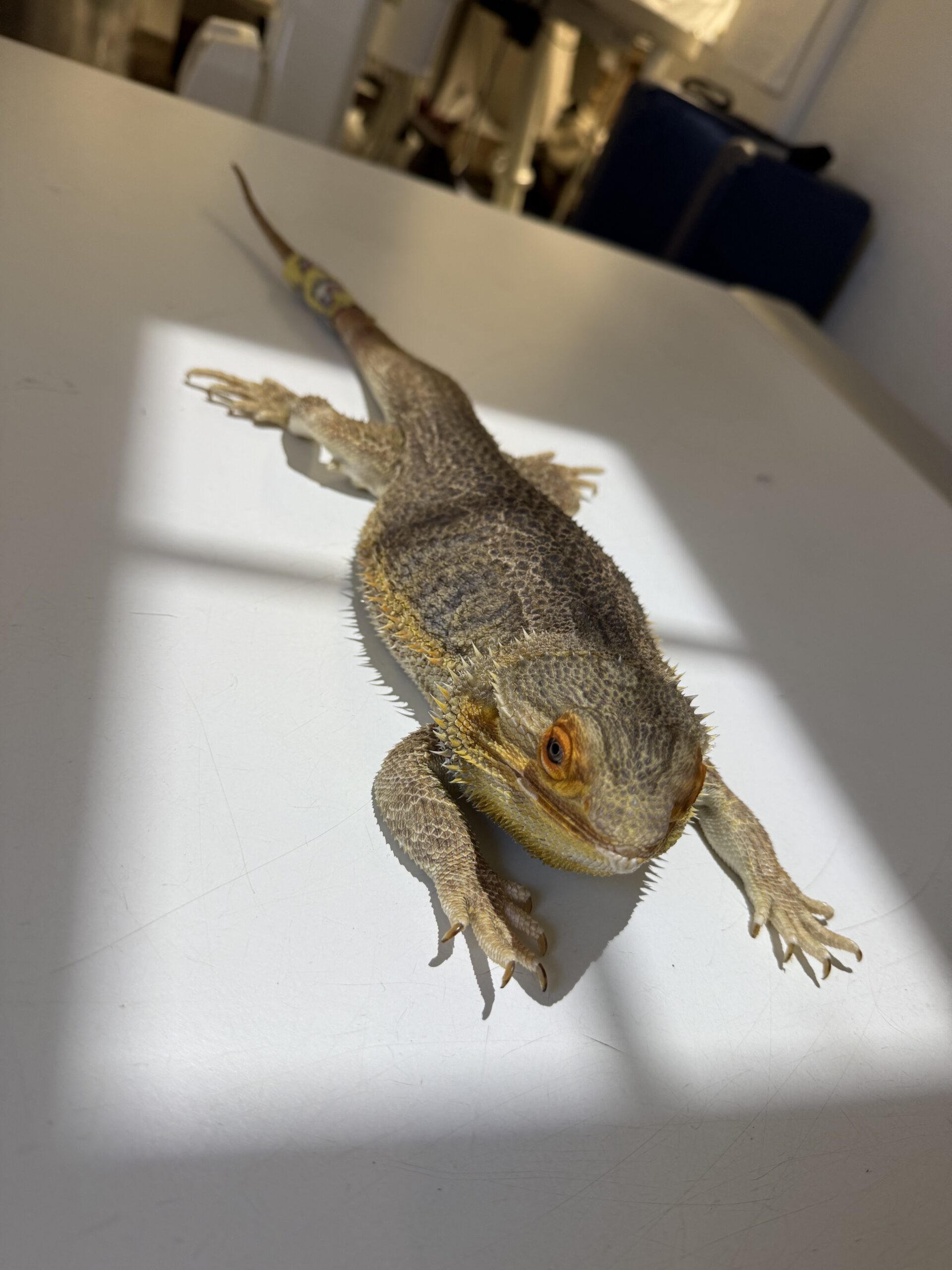
What Happens During a Bearded Dragon Vet Exam?
Bearded dragons often conceal early illness. Appetite, activity, weight, posture, stool, and behavior may change before more obvious signs appear. A wellness examination helps establish a healthy baseline.
At ABAC, a reptile examination may include:
- Body weight, growth, and muscle condition
- Eyes, mouth, jaw firmness, and oral tissues
- Breathing and overall alertness
- Limbs, tail, spine, and movement
- Skin, scales, shedding, and wounds
- Abdominal findings and reproductive concerns
- Hydration, stool, and urate appearance
- Temperature, humidity, lighting, and UVB setup
- Greens, insects, supplements, and feeding frequency
Newly acquired dragons should have an initial veterinary evaluation, especially before exposure to other reptiles. A fecal test may be recommended.
Many healthy adults benefit from at least an annual examination. Juveniles or dragons with medical problems may need more frequent assessments.
Learn about exotic-pet veterinary care at ABAC and our reptile husbandry and nutrition consultations .
Bearded Dragon Enclosure Size, Basking Temperatures, and Humidity
Bearded dragons are ectothermic and depend on their environment to regulate body temperature. A suitable enclosure must provide a warm basking area, a substantially cooler zone, shade, stable climbing surfaces, and hiding places.
How Large Should an Adult Enclosure Be?
A practical minimum for one adult dragon is approximately 48 × 24 × 24 inches. Larger enclosures are beneficial when they maintain appropriate heat and UVB gradients and include safe enrichment.
A long enclosure provides more useful temperature separation than a narrow, tall enclosure with limited floor space.
Temperature and Humidity Reference
| Habitat area | General starting range | Measurement method |
|---|---|---|
| Basking surface | About 100–108°F | Infrared thermometer at the surface the dragon actually uses |
| Cool-end ambient air | About 72–79°F | Digital probe at the animal’s level |
| Nighttime | Generally keep at least approximately 68–72°F, adjusted for the animal | Nighttime temperature monitoring |
| Ambient humidity | Often approximately 30–40% | Hygrometer and ventilation assessment |
These are commonly used starting ranges, not universal treatment targets. Veterinary recommendations and equipment adjustments depend on the individual’s age, health, enclosure, and environmental conditions. Published veterinary sources vary somewhat in recommended temperature ranges.
Preventing Burns and Overheating
Place heating equipment at one end of the enclosure, use appropriate thermostatic controls, and prevent direct contact with heat sources. Avoid electric heat rocks. The basking surface temperature is different from the warm-side air temperature.
Bearded dragons need darkness at night. Avoid colored nighttime bulbs. When nighttime heat is needed, a properly controlled non-light-emitting source may be appropriate.
UVB Lighting, Calcium, and Vitamin D3
UVB exposure supports vitamin D3 synthesis and calcium metabolism. A dragon can develop health problems despite receiving calcium powder if its UVB environment is inadequate.
The basking area should receive appropriate UVB exposure while shaded areas allow the animal to move away from direct radiation.
A commonly referenced UV Index of about 3–5 at the basking zone is a useful starting point for many typical bearded dragons.
Correct UVB exposure depends on the fixture, reflector, bulb output, installation distance, mesh, and the animal’s position. A suitable UV Index meter can help assess actual exposure at the reptile’s level.
- Use a reptile-appropriate UVB fixture, installed according to its specifications.
- Overlap effective UVB exposure with the basking area.
- Provide shaded areas with substantially lower UV exposure.
- Do not rely on sunlight filtered through ordinary glass.
- Replace UVB lamps according to manufacturer guidance or measured output.
- Keep lamps out of contact with the reptile.
- Maintain a consistent day-night cycle.
Common owner mistake: A bulb that still produces visible light may no longer produce adequate UVB. Brightness alone does not confirm safe, effective reptile UV exposure.
For additional guidance, review the RSPCA bearded dragon husbandry recommendations .
What Should Juvenile and Adult Bearded Dragons Eat?
Bearded dragons are omnivores. Their diet changes with growth, age, health, reproductive status, and activity.
Juveniles generally need a greater proportion of insects than adults. Mature dragons benefit from a more plant-focused diet.
Young Bearded Dragons
Growing dragons need appropriately sized feeder insects, varied greens, and an age-appropriate calcium and vitamin plan.
Monitoring weight and body condition helps prevent both underfeeding and excess weight gain.
Adult Bearded Dragons
Adults should generally receive varied leafy greens and vegetables as the major dietary foundation, with insects offered in smaller proportions and appropriate frequency.
Fruit should be limited.
Recommended Greens and Vegetables
Rotating choices may include collard greens, mustard greens, turnip greens, pesticide-free dandelion greens, endive, escarole, watercress, and suitable squash. No single vegetable supplies every nutrient.
Feeder Insects and Gut-Loading
Appropriate feeder insects may include properly raised crickets, selected roaches, black soldier fly larvae, silkworms, and other nutritionally suitable insects.
Choose prey of an appropriate size. Avoid wild-caught insects because of pesticide and parasite risks.
Feeder insects should receive an appropriate nutrient-rich gut-loading diet before use. Calcium dusting, supplemental vitamins, and vitamin D3 products should be selected according to the complete diet, UVB exposure, and the individual dragon’s needs.
Calcium guidance: More supplementation is not necessarily better. Excess vitamin D3 or other nutrients can be harmful.
Bring supplement containers, feeder-insect products, and photographs of your UVB installation to your veterinary appointment.
Read NC State Veterinary Hospital’s bearded dragon care and nutrition guide , or schedule a reptile nutrition and habitat consultation with ABAC.
Hydration, Substrate, Safe Handling, and Enrichment
Hydration and Water Access
Provide fresh, clean water in a shallow, stable dish. Water-rich vegetables and properly maintained feeder insects can contribute to hydration.
Routine soaking should not replace appropriate drinking access, diet, and veterinary treatment when the dragon is ill.
Substrate Selection
During quarantine or illness, easy-to-clean paper can help monitor droppings and hygiene. Appropriate nonslip solid flooring may also be useful.
Some healthy adult dragons can be housed on carefully formulated naturalistic sand-and-soil substrate when husbandry is correct.
Avoid calcium sand, crushed walnut shell, wood chips, and other inappropriate materials. Loose substrate may increase risk when the dragon is ill, the enclosure is too cold, food is scattered directly on the floor, or material is being eaten.
Climbing and Exercise
Offer stable branches, rocks, secure hides, and safe opportunities to explore and dig. Decorations should not collapse or permit contact with hot equipment.
Can Two Bearded Dragons Live Together?
Separate housing is the safest routine recommendation. Dragons may compete for warmth, UVB access, food, and space.
Chronic stress, injury, disease transmission, and unplanned breeding can occur even when obvious fighting is absent.
Household Hygiene and Salmonella
Bearded dragons can carry Salmonella without appearing ill. Wash hands after handling reptiles, insects, waste, or enclosure equipment.
Keep reptile habitats and cleaning equipment out of food-preparation areas.
Children under five, older adults, and people with weakened immune systems are at increased risk of severe illness from reptile-associated germs.
Follow the CDC reptile safety recommendations .
Metabolic Bone Disease: Signs, Diagnosis, and Prevention
Nutritional secondary hyperparathyroidism, often discussed under the broader term metabolic bone disease (MBD), can develop when calcium metabolism is disrupted.
Inadequate UVB exposure, unsuitable diet or supplementation, improper temperatures, and other medical factors may contribute.
Potential warning signs include:
- Weakness or difficulty walking
- Tremors, muscle twitching, or seizures
- Softness or swelling of the jaw
- Swollen, bowed, or abnormal limbs
- Abnormal spinal or tail posture
- Fractures after minimal trauma
- Reduced appetite or poor growth
Depending on the examination, diagnosis may involve a thorough husbandry review, blood testing, and radiographs to evaluate skeletal changes and fractures.
Medical caution: Suspected MBD should not be treated at home simply by adding more calcium. Severe cases may require immediate veterinary treatment, safe handling, pain management, or other medical support.
Learn about our veterinary digital X-rays and review the Merck Veterinary Manual’s reptile metabolic disease guidance .
Common Bearded Dragon Illnesses: Parasites, Breathing Problems, and Appetite Loss
Intestinal Parasites
Parasites may contribute to poor growth, abnormal stool, weight loss, appetite changes, or weakness. Fecal testing can help guide treatment.
Do not use dog, cat, or livestock dewormers without veterinary direction.
Adenovirus
Agamid adenovirus infection may be associated with poor growth, weakness, gastrointestinal problems, or neurologic signs, although infected dragons may sometimes appear healthy.
PCR testing may be considered in selected cases.
Respiratory Illness
Increased breathing effort, unusual open-mouth breathing outside normal basking behavior, mucus, lethargy, or reduced appetite may indicate respiratory or systemic illness.
The environment and medical condition should both be evaluated.
Digestive and Abdominal Problems
Poor appetite, few stools, abdominal enlargement, straining, regurgitation, or weakness may relate to inadequate heat, dehydration, parasites, reproductive disease, obstruction, or another illness.
Why Is My Bearded Dragon Not Eating?
Reduced appetite can be caused by incorrect habitat temperatures, nutritional problems, parasites, reproductive conditions, metabolic disease, infection, gastrointestinal obstruction, seasonal behavior, or other illnesses.
A dragon with sustained appetite loss, weight loss, weakness, or markedly reduced stool production should receive veterinary advice rather than being assumed to be picky or brumating.
Do not force-feed, administer oils or laxatives, or give unprescribed medications when obstruction or severe illness is possible.
Skin, Mouth, and Shedding Disorders
Burns, retained shed, abscesses, abnormal scales, swelling, wounds, and stomatitis may require treatment.
Do not pull tightly attached shed from toes or the tail. A persistently dark beard accompanied by weakness or unusual behavior may indicate pain, stress, or illness.
Is My Bearded Dragon Brumating or Sick? What About Egg Laying?
Brumation
Some adult bearded dragons undergo a seasonal period of reduced activity, feeding, and movement known as brumation.
However, parasitic disease, dehydration, infection, or other medical problems can produce similar symptoms.
A dragon that is underweight, rapidly losing weight, very young, medically unstable, or exhibiting abnormal stool or breathing should not simply be assumed to be brumating.
Veterinary assessment is appropriate before intentionally changing husbandry to encourage brumation.
Female Dragons and Egg Laying
Female bearded dragons can produce infertile eggs without mating. Restlessness, digging, appetite changes, and abdominal enlargement may occur with reproductive activity.
Appropriate nesting opportunities and nutritional support are important.
Persistent straining, prolapse, marked weakness, abdominal pain, or inability to lay eggs may indicate a serious reproductive problem.
Depending on the case, the veterinarian may recommend imaging, laboratory tests, medical treatment, or surgery.
Blood Work, Parasite Tests, and X-Rays for Bearded Dragons
Dr. Hayter and our team select testing according to the physical examination, age, clinical signs, and species-specific medical concerns.
Diagnostic options may include:
- Fecal parasite testing
- Selected adenovirus PCR testing
- Blood-cell counts and chemistry testing
- Calcium or other metabolic assessment
- Digital radiography for skeletal or internal concerns
- Cytology, cultures, or biopsy when indicated
- Selected advanced diagnostic consultation
Reptile radiographs may help investigate fractures, skeletal demineralization, reproductive problems, gastrointestinal changes, mineralization, or other internal abnormalities.
Images require appropriate positioning and species-specific interpretation.
See our digital veterinary X-ray and imaging service and laboratory diagnostic services .
When Should a Bearded Dragon See an Emergency Veterinarian?
Seek urgent veterinary guidance for:
- Severe weakness or collapse
- Difficulty breathing
- Tremors, seizures, or abnormal neurologic behavior
- Major wounds, burns, or suspected fractures
- Cloacal prolapse
- Severe abdominal enlargement
- Persistent straining or egg-laying difficulty
- Regurgitation with marked weakness
- Sudden weight loss or profound appetite decline
ABAC evaluates many exotic-pet concerns during regular hours when staffing, species needs, hospital resources, and case severity allow. Call before traveling.
Read about urgent care for exotic pets in Laguna Beach .
Transporting a Bearded Dragon Safely
Use a secure ventilated carrier with a nonslip, absorbent surface. Protect the animal from drafts, falls, direct sun, and overheating.
Any external warming source must be separated from the reptile to prevent contact burns.
What to Bring to an Appointment
- Photos of the full enclosure and lighting setup
- Temperature and humidity measurements
- UVB bulb brand, model, age, and distance
- Feeder insect, vegetable, and supplement list
- Recent weight and appetite history
- Stool and urate observations
- Photos or videos of concerning symptoms
- A fecal sample if requested
- Previous medical records when available
Bearded Dragon Veterinary Care FAQs
How often should my bearded dragon see a vet?
Many healthy adults benefit from an annual veterinary examination. Young, newly acquired, elderly, or medically complex dragons may require more frequent care.
What basking temperature does a bearded dragon need?
A commonly used basking-surface starting range is approximately 100–108°F, with a substantially cooler area. Use an appropriate surface thermometer and individualize the setup.
How much UVB does a bearded dragon need?
A basking-zone UV Index around 3–5 is a commonly recommended starting point for typical bearded dragons. Fixture setup, shade, distance, and individual needs matter.
Can calcium powder replace UVB lighting?
No. Calcium supplementation and effective UVB exposure work together in normal calcium metabolism. Improper supplementation can also cause medical problems.
What should an adult bearded dragon eat?
A varied, plant-focused diet with suitable leafy greens, vegetables, and age-appropriate quantities of gut-loaded feeder insects.
Why is my bearded dragon not eating?
Possible causes include inadequate environmental temperatures, parasites, infection, reproductive issues, metabolic disease, obstruction, or seasonal behavior. Persistent appetite loss or weakness requires veterinary advice.
How can I tell if my dragon has metabolic bone disease?
Tremors, weakness, difficulty walking, soft jaw, swollen limbs, deformity, and fractures are concerning signs. Diagnosis may require examination, blood tests, and radiographs.
Can two bearded dragons live together?
Separate enclosures are generally the safest recommendation because competition, chronic stress, injuries, and disease transmission can occur.
Do you test bearded dragons for parasites?
Yes. Fecal testing may be recommended, particularly for newly acquired dragons or those with poor growth, weight loss, or abnormal stools.
Can ABAC take an X-ray of my bearded dragon?
Yes, when medically indicated and appropriate for the patient’s condition. X-rays may help investigate skeletal, gastrointestinal, or reproductive problems.
Is my dragon brumating or sick?
Reduced feeding and activity can occur during brumation, but illness may look similar. Weight loss, abnormal stool, dehydration, or weakness warrants evaluation.
Where is a bearded dragon veterinarian near Dana Point?
Aliso Beach Animal Clinic provides bearded dragon care at 30816 Coast Highway in South Laguna Beach, across from Montage Laguna Beach. The clinic is accessible from Dana Point and Monarch Beach. Call ahead to schedule a reptile appointment.
How much does a bearded dragon vet visit cost?
Costs depend on the examination and any necessary fecal testing, blood work, imaging, or treatment. Contact ABAC for current appointment and estimate information. See our payment options .
Meet Our Veterinary Team and Explore Other Exotic Species
Aliso Beach Animal Clinic also cares for many other nontraditional companion animals, including selected reptiles, tortoises, rabbits, guinea pigs, birds, and small mammals.
Every species requires its own medical and husbandry approach.
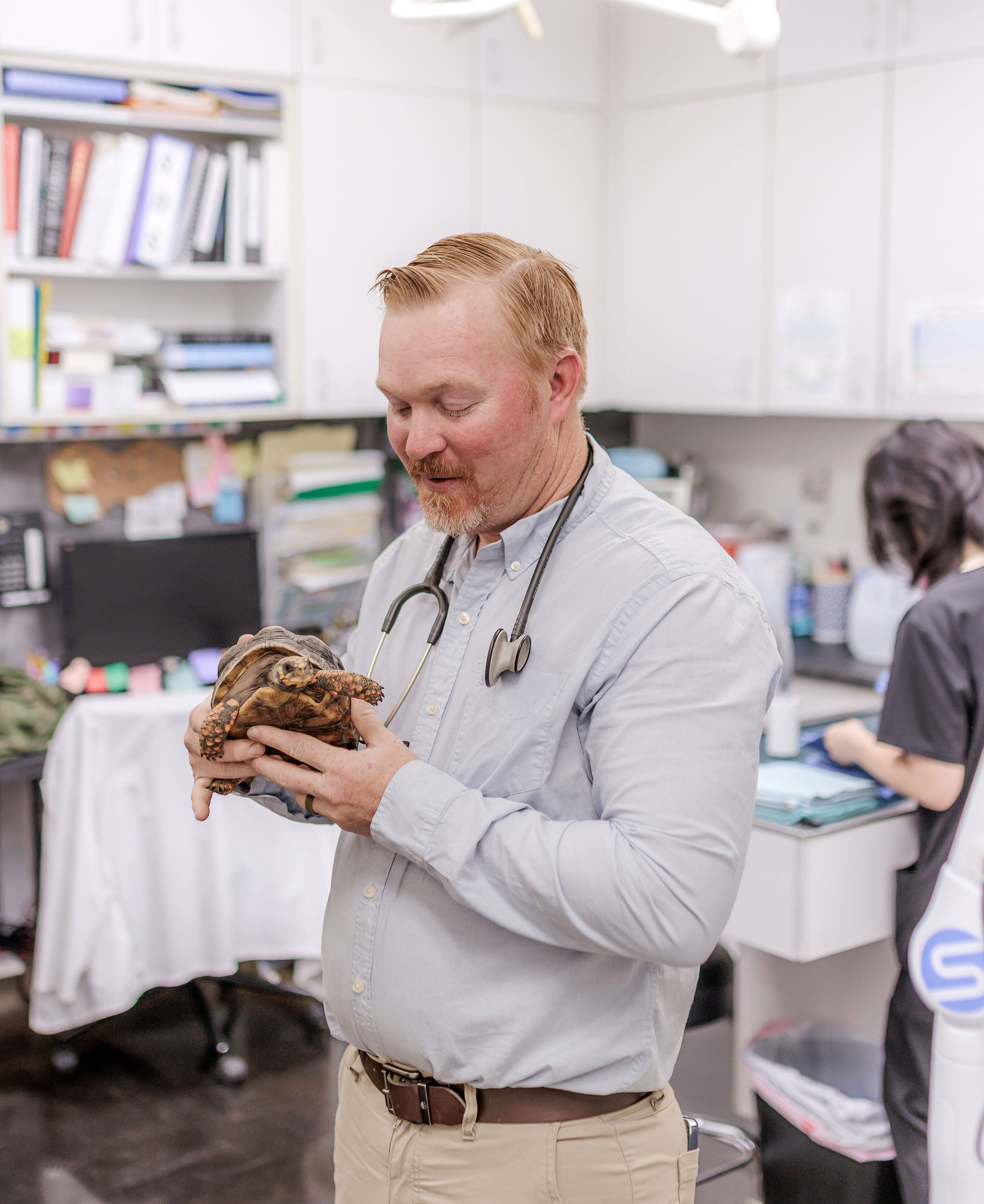
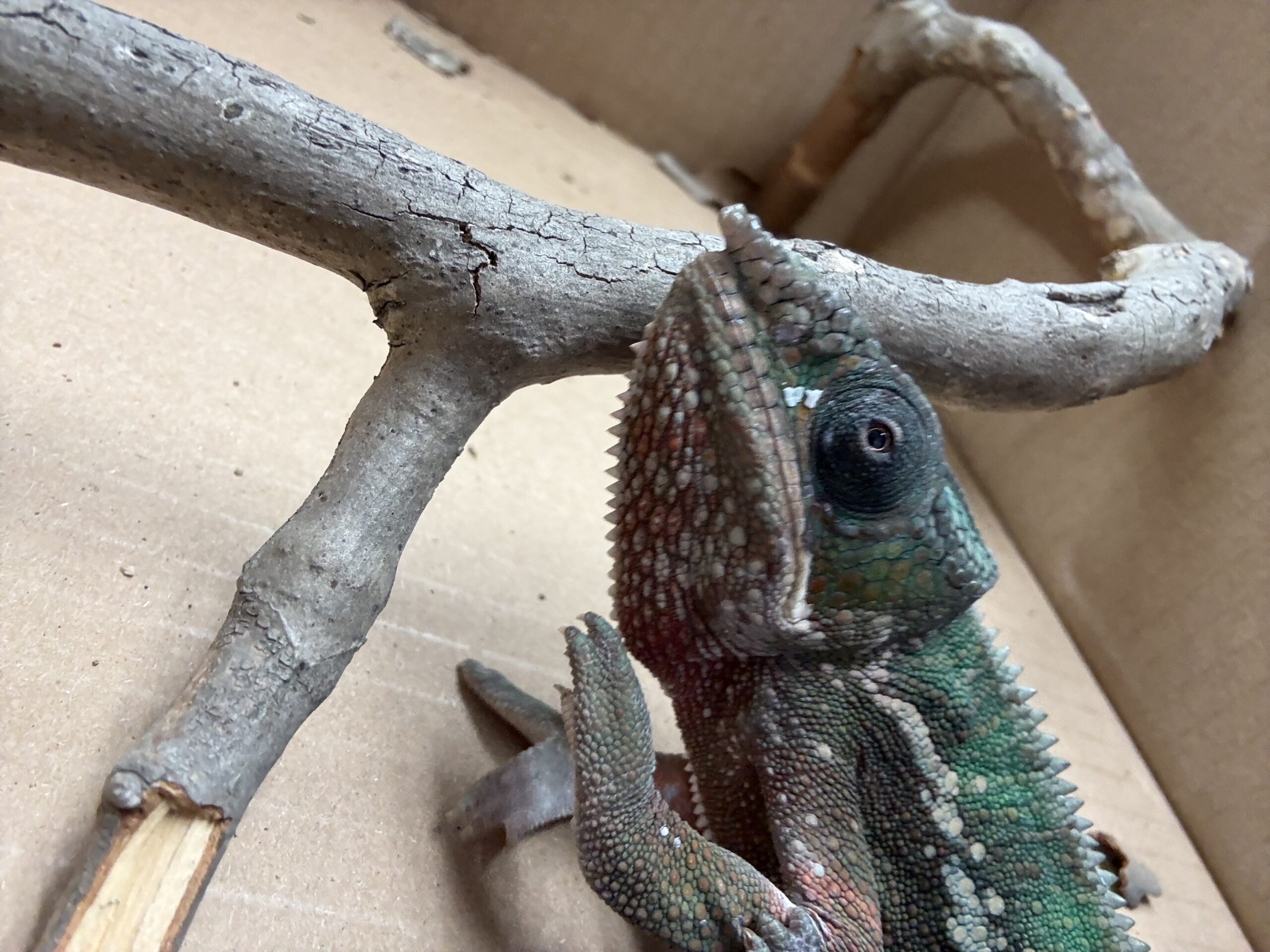
Bearded Dragon Veterinarian for Laguna Beach, Dana Point, Monarch Beach & Emerald Bay
Aliso Beach Animal Clinic is an independently owned veterinary hospital located at 30816 Coast Highway, Laguna Beach, CA 92651 , directly across from Montage Laguna Beach.
Reptile owners visit our hospital from Laguna Beach, South Laguna, Dana Point, Monarch Beach, Emerald Bay, Three Arch Bay, and Laguna Niguel , as well as neighboring coastal Orange County communities.
Whether your bearded dragon needs a preventive reptile exam, a review of UVB lighting and nutrition, fecal parasite testing, or an evaluation of appetite loss or abnormal movement, contact our Laguna Beach team to discuss appointment availability.
All veterinary services described here are provided or coordinated from our Laguna Beach location. We do not operate separate clinics in the neighboring communities listed.
Medical Review — Bryan William Hayter, DVM
Bryan William Hayter, DVM is the Owner and Medical Director of Aliso Beach Animal Clinic in Laguna Beach, California.
Dr. Hayter earned his veterinary degree at Auburn University and completed an internship at the San Diego Zoo. His clinical background includes exotic-animal medicine, small-animal diagnostics, and individualized medical care.
Medically reviewed and approved by Bryan William Hayter, DVM, Owner and Medical Director — November 7, 2026.
This updated guide incorporates veterinarian-reviewed care information, authentic ABAC patient photography, current clinical references, and relevant internal service links.
All ABAC articles and clinical updates receive veterinary medical review before publication.
Meet Dr. Hayter and the ABAC team .
Veterinary and Public Health References
- RSPCA — Bearded Dragon Husbandry
- NC State Veterinary Hospital — Bearded Dragon Care
- Washington State University Veterinary Teaching Hospital — Bearded Dragon Husbandry
- Merck Veterinary Manual — Nutritional and Metabolic Disorders of Reptiles
- CDC — Reptile and Amphibian Health Safety
This article provides general educational information. Recommendations may differ with the animal’s age, health, morph, reproductive status, diet, enclosure design, and medical findings. It does not replace an individualized veterinary examination or treatment plan.