

Puppy Health Screening | Laguna Beach, California
12 Health Problems Your Puppy’s First Vet Exam May Detect
Heart murmurs, hernias, cataracts, cleft palate, abnormal bites, developmental disorders and more: Why the first puppy examination matters.
Bringing home a puppy is exciting, but even a playful, energetic puppy may have a medical concern that is not immediately obvious to its family.
Your puppy’s first veterinary examination is much more than an appointment for vaccinations.
It is an opportunity to assess how your puppy is developing, identify possible congenital abnormalities, screen for parasites, evaluate growth and establish a lifelong preventive-care plan.
At Aliso Beach Animal Clinic in Laguna Beach, our independently owned veterinary team performs individualized examinations and helps owners understand which findings are normal, which deserve monitoring and which may require prompt treatment.
Medical review:
Bryan Hayter, DVM |
Owner & Medical Director
Last reviewed:
November 19, 2026
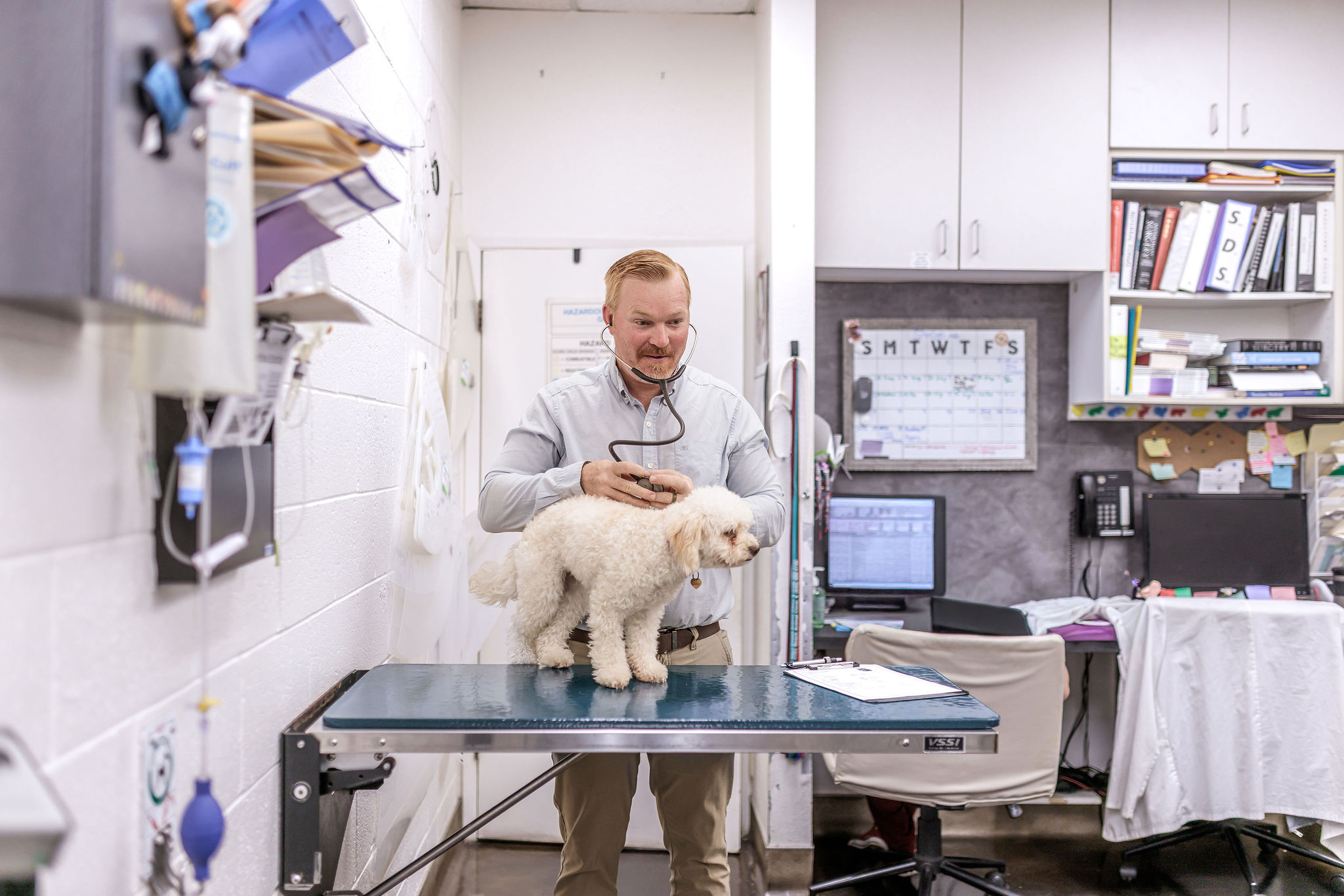
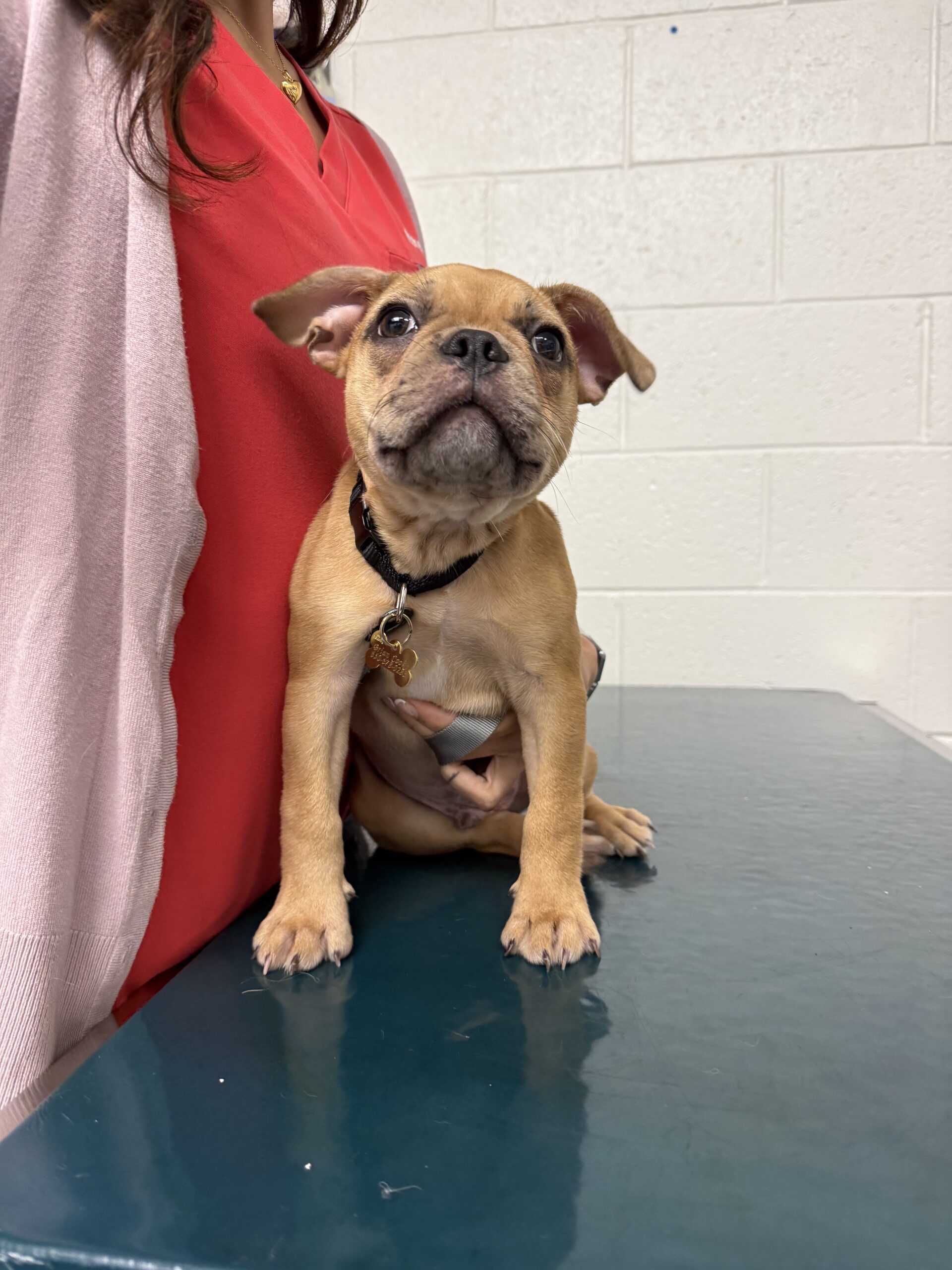
A veterinarian examines the puppy’s heart, lungs, eyes, ears, mouth, abdomen, skin, joints, gait, reproductive development, growth and general neurologic function.
This examination may reveal concerns such as heart murmurs, hernias, congenital cataracts, cleft palate, abnormal bites, retained testicles and orthopedic abnormalities.
Some findings are harmless or resolve with maturity. Others require further diagnostics, specialist assessment or treatment.
A normal first exam is reassuring, but it cannot rule out every inherited or developmental disease.
When Should a Puppy Have Its First Veterinary Examination?
Schedule a veterinary appointment soon after bringing a new puppy home, even if the breeder, shelter or rescue organization has already provided vaccinations or deworming.
Many healthy puppies begin routine veterinary visits around six to eight weeks of age, but younger puppies with feeding difficulties, weakness or suspected congenital abnormalities may require examination much sooner.
The first appointment is also important for puppies that appear completely healthy. Certain abnormalities do not initially cause obvious symptoms.
What Should You Bring?
- Breeder, rescue or shelter health records
- Vaccination dates and vaccine names
- Previous deworming details
- A fresh stool sample when requested
- Current food and feeding information
- Medication and supplement details
- Information about parents and littermates, if available
- Questions about behavior, growth or development
- Videos of unusual breathing, gait or other symptoms
We review these records rather than assuming that a previous vaccine or deworming treatment completed the puppy’s preventive-care needs.
12 Important Health Problems We Screen for During Puppy Exams
The following are examples of conditions that may be recognized or suspected during a comprehensive puppy examination.
Not all conditions can be diagnosed from an examination alone. Some require imaging, laboratory testing, specialist evaluation or repeat examinations as the puppy grows.
Heart Murmurs and Congenital Heart Disease
Listening to the heart with a stethoscope is an essential part of your puppy’s first veterinary examination.
A heart murmur is an unusual sound created by turbulent blood flow. It is a physical finding, not a diagnosis.
Are Heart Murmurs Normal in Puppies?
Some young puppies have soft, innocent or physiologic murmurs that are not associated with structural heart disease.
These are often low-grade systolic murmurs and may disappear as the puppy matures, commonly by six months of age.
However, not every puppy murmur is innocent.
Congenital heart defects can include:
- Patent ductus arteriosus (PDA)
- Pulmonic stenosis
- Subaortic stenosis
- Ventricular septal defects
- Other congenital cardiac malformations
When Does a Puppy Murmur Need More Investigation?
A loud murmur, continuous murmur, concerning murmur location, abnormal heart rhythm or associated symptoms may warrant additional testing.
Symptoms such as fainting, breathing difficulty, unusual exercise intolerance or poor growth increase concern.
An echocardiogram performed by an appropriately trained veterinarian or veterinary cardiologist can help identify structural heart disease.
Some congenital defects, including certain PDAs, are treatable. Early diagnosis can substantially affect treatment opportunities.
We assess the murmur’s characteristics and the puppy’s overall condition, then discuss whether monitoring, further testing or cardiology referral is appropriate.
Reference: Merck Veterinary Manual — Congenital Cardiovascular Abnormalities
Umbilical and Inguinal Hernias
A hernia occurs when tissue protrudes through an opening or weakness in the body wall.
Two types we consider during a puppy examination are umbilical and inguinal hernias.
Umbilical Hernia
An umbilical hernia usually appears as a swelling or soft bulge near the belly button.
Small, uncomplicated hernias may be monitored during growth.
Some close spontaneously, while others require surgical correction.
When appropriate, a simple hernia repair may be coordinated with a planned sterilization surgery.
Inguinal Hernia
An inguinal hernia occurs in the groin region. It may require different consideration depending on its size, contents and associated clinical signs.
When Is a Hernia an Emergency?
If abdominal contents become trapped within a hernia, blood supply to the affected tissue may become compromised.
A painful, firm, suddenly enlarged or discolored swelling, especially with vomiting, lethargy or abdominal pain, requires immediate veterinary assessment.
Do not attempt to force a painful hernia back into the abdomen at home.
Reference: Merck Veterinary Manual — Congenital Digestive Disorders
Congenital Cataracts and Eye Abnormalities
A puppy’s eyes may appear normal to an owner even when a developing ocular abnormality is present.
During an examination, we assess the visible eye structures and look for signs of abnormalities involving the eyelids, cornea, lens and other structures.
What Are Congenital Cataracts?
A cataract is an opacity within the lens of the eye.
Cataracts can be congenital or develop later in life.
Some congenital cataracts are small and may not significantly affect vision. Others can interfere with vision or progress.
Other Eye Problems Worth Screening For
- Abnormal eyelid positioning
- Entropion, or inward-rolling eyelids
- Corneal abnormalities
- Persistent pupillary membranes
- Abnormal eye size or development
- Signs of irritation, pain or impaired vision
Redness, squinting, corneal cloudiness and excessive tearing are not synonymous with cataracts.
Those signs may reflect other conditions, including painful corneal disease.
Suspected congenital lens or eye disorders may require a detailed ophthalmic examination or specialist referral.
Eye pain should not be dismissed as a minor developmental issue.
Reference: Merck Veterinary Manual — Lens Disorders and Cataracts
Cleft Palate and Cleft Lip
The roof of a puppy’s mouth normally separates the oral and nasal cavities.
A cleft palate is an abnormal opening between these spaces.
Some clefts are immediately visible, while others may be harder to recognize without a careful oral examination.
Why Is a Cleft Palate Serious?
Food, milk or liquid may enter the nasal cavity or respiratory tract.
Affected puppies may experience:
- Difficulty nursing or swallowing
- Milk or food exiting the nose
- Poor weight gain
- Coughing after feeding
- Repeated respiratory infections
- Aspiration pneumonia
Some cleft palates require specialized nutritional support and surgical correction.
Treatment timing and prognosis depend on the defect’s location, extent and any associated complications.
Puppies with feeding difficulty, respiratory symptoms or failure to thrive require prompt veterinary assessment.
Reference: American College of Veterinary Surgeons — Cleft Palate
Abnormal Bite, Jaw Alignment and Puppy Tooth Development
A healthy puppy mouth is not defined solely by the absence of tartar.
The veterinarian also evaluates jaw development, tooth position, oral soft tissues and whether the bite is comfortable.
What Is a Malocclusion?
A malocclusion means that the teeth or jaws do not align normally.
Possible findings include:
- Lower jaw that is unusually short
- Excessive underbite
- Misaligned canine teeth
- Base-narrow lower canine teeth
- Teeth contacting the palate
- Abnormal tooth eruption
- Missing or unusually positioned teeth
Some breed-associated jaw shapes are expected, but even an apparently typical breed-specific bite can cause traumatic tooth contact.
Can Puppy Teeth Damage the Palate?
Yes. Lower canine teeth may contact or penetrate the hard palate when the bite is abnormal.
This can create painful tissue injury.
Traumatic malocclusions deserve timely attention. Waiting for adult teeth is not always appropriate.
Dental treatment may involve monitoring, carefully selected orthodontic approaches or extraction of problematic teeth when medically indicated.
Follow-up examinations remain important because the bite changes as puppies grow.
Undescended Testicles and Reproductive Development
During male puppy examinations, we assess whether the testicles are present in the scrotum and monitor their development.
Cryptorchidism is a condition in which one or both testicles fail to descend normally.
At What Age Is Cryptorchidism Confirmed?
A testicle that cannot be palpated early in puppyhood may still require additional observation.
Persistent failure of descent is generally diagnosed at six months of age.
Why Does an Undescended Testicle Matter?
Retained testicles are associated with increased risk of testicular tumors and torsion.
Surgical removal of retained testicular tissue is generally recommended.
The surgical approach depends on whether the testicle is located within the abdomen or groin.
We also evaluate visible abnormalities involving the external reproductive structures and discuss individualized sterilization planning.
Luxating Patellas, Joint Problems and Limb Abnormalities
Puppies may begin showing subtle signs of developmental orthopedic problems before an owner notices persistent limping.
A veterinary orthopedic assessment considers movement, joint stability, limb symmetry and comfort.
What Is a Luxating Patella?
Patellar luxation occurs when the kneecap moves outside its normal groove.
It is commonly associated with developmental limb alignment abnormalities.
Some puppies show intermittent skipping, sudden lifting of a back leg or an unusual gait.
Others have minimal noticeable symptoms initially.
Will Every Luxating Patella Need Surgery?
No.
Management depends on the severity, degree of instability, symptoms and associated deformity.
Mild abnormalities may be monitored. More significant instability or developmental deformity may require surgical evaluation.
Other Orthopedic Findings
- Uneven limb alignment
- Abnormal gait
- Joint pain or swelling
- Reduced joint movement
- Possible hip or other joint abnormalities
- Signs of previous injury
Some orthopedic disorders become more apparent as the puppy grows.
A normal examination at eight weeks does not rule out later hip dysplasia or other growth-related orthopedic conditions.
Abnormal Breathing and Congenital Airway Problems
Puppies should breathe comfortably without excessive effort at rest.
Some congenital airway abnormalities may become evident early in life.
These concerns are particularly relevant in brachycephalic, or short-muzzled, breeds.
What Is Brachycephalic Obstructive Airway Syndrome?
Brachycephalic obstructive airway syndrome, or BOAS, can involve:
- Narrowed nostrils
- An elongated or thickened soft palate
- Other upper-airway obstructions
- Abnormal breathing effort
- Exercise or heat intolerance
Loud snoring, persistent snorting or noisy breathing should not automatically be considered normal simply because a puppy is a French Bulldog, Pug or another short-muzzled breed.
We assess respiratory signs and discuss whether additional evaluation or surgical consultation is appropriate.
Severe breathing distress is an emergency regardless of the puppy’s breed.
Reference: Cornell University — Brachycephalic Airway Syndrome
Ear Abnormalities and Possible Congenital Deafness
The first puppy examination includes inspection of the visible ears and discussion of any concerns about hearing.
We look for abnormalities involving the ear structures, inflammation, parasites or discharge.
Can a Puppy Be Born Deaf?
Yes. Congenital sensorineural deafness occurs in some dogs and is more common in certain breeds and coat-color patterns.
Owners may notice:
- Failure to respond to sounds
- Unusual startle responses
- Difficulty waking the puppy with noise
- Apparent inconsistency with auditory commands
However, behavior alone cannot reliably identify all hearing abnormalities.
A puppy that hears with only one ear may still respond to environmental sounds.
What Is BAER Testing?
Brainstem auditory evoked response, or BAER, testing objectively evaluates auditory pathways.
It may be recommended for selected puppies with suspected congenital hearing loss or breed-related risk.
When indicated, specialized testing can be arranged through an appropriate referral facility.
Skin, Coat, Ear and External Parasite Problems
Not every important puppy health concern is congenital.
Young puppies may develop skin disease, external parasites or infections even when otherwise active and playful.
During a comprehensive examination, we look for problems such as:
- Fleas and flea dirt
- Signs of ear mites
- Hair loss or patchy coat changes
- Skin redness or crusting
- Possible demodicosis
- Possible ringworm
- Skin infections
- Itching or abnormal skin sensitivity
Conditions such as ringworm and certain parasites may have implications for other pets or household members.
A veterinary examination helps determine whether additional skin testing or targeted treatment is needed.
We also discuss species- and age-appropriate parasite prevention.
Explore flea, tick, heartworm and parasite prevention at ABAC
Neurologic and Other Developmental Abnormalities
Puppies develop rapidly during their first weeks and months.
The veterinarian observes overall alertness, coordination, posture, mobility and responses during the examination.
Possible concerns include:
- Persistent abnormal head posture
- Unusual weakness or coordination problems
- Marked tremors
- Abnormal skull shape
- Unexplained behavioral or neurologic signs
- Unexpected developmental delays
An open fontanelle or other skull finding does not by itself prove a serious neurologic disorder.
However, suspicious findings accompanied by neurologic signs may justify further investigation.
Conditions such as congenital hydrocephalus, neurologic malformations and other inherited disorders are uncommon but may be considered when symptoms warrant.
Urinary and Anal Development
We also consider obvious abnormalities affecting elimination and external anatomy.
Persistent urinary leakage, straining, inability to urinate, difficulty passing stool or abnormal anatomy should not be ignored.
A puppy that cannot urinate normally requires immediate veterinary attention.
Poor Growth, Swallowing Problems and Congenital Digestive Abnormalities
One of the most valuable things a veterinarian can assess is whether a puppy is growing and feeding appropriately.
Difficulty maintaining weight, repeated regurgitation, unusual vomiting or coughing after meals may suggest more than a simple dietary problem.
What Is a Persistent Right Aortic Arch?
Persistent right aortic arch, or PRAA, is one form of vascular ring anomaly.
Abnormally positioned blood vessels can constrict the esophagus, interfering with the movement of food toward the stomach.
Signs may become apparent when the puppy transitions from milk to solid food.
Affected puppies may regurgitate after meals, grow poorly or develop respiratory complications from aspiration.
Regurgitation Is Different From Vomiting
Regurgitation is the relatively passive return of material from the esophagus.
Vomiting involves active abdominal contractions and other characteristic signs.
This distinction helps guide diagnostic decisions.
Persistent regurgitation may warrant radiographs, contrast imaging or other targeted testing.
Not every puppy with regurgitation has PRAA, but repeated episodes deserve medical investigation.
Reference: Merck Veterinary Manual — Congenital Esophageal Disorders
Which Puppy Examination Findings Can Be Monitored—and Which Need Treatment?
Discovering an abnormality during an early examination does not automatically mean your puppy needs surgery or extensive testing.
Some findings can be monitored with scheduled rechecks.
Others may require prompt diagnostic testing or intervention.
| Finding | Potential Approach | When More Urgent |
|---|---|---|
| Soft puppy heart murmur | Characterize the murmur; schedule monitoring or further testing based on findings | Loud or concerning murmur, fainting, breathing trouble, poor growth |
| Small uncomplicated umbilical hernia | Monitor or discuss planned surgical repair | Pain, hard swelling, vomiting, discoloration |
| Suspected cataract | Detailed eye assessment and possible referral | Acute pain, squinting, sudden vision loss |
| Cleft palate | Prompt feeding and respiratory assessment; specialist planning | Aspiration, respiratory distress, inability to feed |
| Abnormal bite | Monitor development or pursue early dental treatment | Tooth penetration into the palate or significant pain |
| Possible retained testicle | Recheck during growth; plan treatment if persistent | Sudden severe abdominal or groin pain |
| Mild patellar instability | Document grade, monitor symptoms and development | Marked pain, persistent lameness or abnormal limb development |
| Repeated regurgitation | Prompt examination and diagnostic investigation | Coughing, breathing trouble, weakness or failure to thrive |
- Labored breathing or blue/gray gums
- Collapse or repeated seizures
- Severe weakness or unresponsiveness
- Inability to urinate
- Persistent vomiting with marked lethargy
- A painful, hard or discolored hernia
- Suspected aspiration with breathing difficulty
ABAC provides urgent evaluations for many stable patients during regular hospital hours when capacity permits.
Life-threatening emergencies may require immediate care at a 24-hour veterinary hospital.
Vaccinations: An Essential Part of the First-Year Plan
Vaccinations remain an important part of puppy health, but they should accompany a complete veterinary examination rather than replace one.
Core Puppy Vaccines
Core canine vaccination recommendations include protection against:
- Canine distemper virus
- Canine adenovirus
- Canine parvovirus
- Rabies
- Leptospirosis under updated AAHA guidance
The combination distemper, adenovirus and parvovirus vaccine may be called DAPP or DA2PP.
Depending on the vaccine product, parainfluenza may also be included.
Why Do Puppies Need Multiple Booster Visits?
Antibodies received from the mother can interfere with a young puppy’s response to vaccination.
Because maternal antibody levels vary among puppies, a single early vaccine cannot reliably protect every puppy.
WSAVA recommends beginning the routine core puppy series at approximately six to eight weeks of age and repeating doses every two to four weeks until at least 16 weeks of age.
Selected higher-risk puppies may need a later final puppy-series dose.
Additional booster timing is determined by current guidelines, vaccine type, exposure risk and individual medical history.
What About Leptospirosis?
AAHA updated its canine vaccine recommendations in 2024 to classify leptospirosis vaccination as core for dogs.
Leptospirosis is a bacterial disease associated with exposure to infected animal urine and contaminated water or soil.
Both urban and outdoor dogs may encounter risk.
The initial leptospirosis vaccination series generally requires two doses administered several weeks apart, according to the vaccine label.
What About Rabies?
Rabies vaccination must comply with California law and the approved product’s minimum age and dosing instructions.
We review the puppy’s age and records to schedule the first vaccine appropriately.
Lifestyle-Based Vaccinations
Depending on exposure risks, additional vaccines may include:
- Bordetella
- Canine influenza
- Lyme disease in appropriate risk settings
Boarding, daycare, grooming, travel, exposure to other dogs and regional disease patterns influence recommendations.
Why Puppies Need Fecal Exams and Parasite Prevention
A puppy may have intestinal parasites despite having normal-looking stool and a good appetite.
Common concerns include:
- Roundworms
- Hookworms
- Giardia
- Coccidia
- Other intestinal parasites
Some intestinal parasites can affect growth, cause diarrhea, contribute to anemia or pose a risk to people.
Does a Puppy Need a Fecal Test After Deworming?
Often, yes.
Different medications target different parasites, and previous deworming does not guarantee that all intestinal parasites have been eliminated.
Fecal testing helps identify parasites that require specific treatment.
How Often Are Puppies Dewormed?
The Companion Animal Parasite Council recommends beginning routine deworming at two weeks of age and repeating every two weeks during early puppyhood until an appropriate regular parasite-control program begins.
The schedule should be individualized according to prior treatments, age, weight, fecal findings and product labels.
We also discuss heartworm prevention, flea and tick protection and regional parasite exposures.
Growth, Nutrition and Healthy Development
The first puppy examination establishes a baseline for future growth and development.
We assess body condition, current diet, feeding frequency, appetite and expected adult size.
Why Large-Breed Puppies Need Special Nutrition
Large and giant-breed puppies have different nutritional requirements from smaller puppies.
Excessive calorie intake or inappropriate mineral balance can contribute to abnormal skeletal development.
We recommend a diet formulated for the puppy’s growth needs and monitor body condition as the puppy matures.
What About Supplements?
Additional calcium, vitamins or other supplements are not routinely needed when a puppy is receiving an appropriate complete and balanced diet.
Unnecessary supplementation can be harmful, especially during skeletal development.
Early Socialization and Behavior
Early puppyhood is also an important period for healthy behavior development.
Positive exposure to new sounds, surfaces, people, handling and appropriately selected dogs can support confidence.
However, socialization should be balanced against infectious disease risk.
Avoid dog parks and uncontrolled contact with animals of uncertain health or vaccination status before adequate protection is established.
Carefully managed puppy classes and controlled positive experiences may begin earlier when age, vaccine status and safety criteria are met.
Our veterinary team can help families balance social development with disease prevention.
Why Repeat Examinations Matter Throughout Puppyhood
A puppy changes substantially between eight weeks and six months of age.
Some early findings resolve. Others become more apparent as the puppy grows.
Follow-up visits allow us to reassess:
- Heart murmurs
- Growth and body condition
- Hernias
- Testicular descent
- Dental development and occlusion
- Orthopedic stability
- Skin and ear health
- Vaccination progress
- Parasite prevention
- Nutrition and behavior
This is one reason that puppy vaccine appointments should include medical assessment rather than functioning as isolated injections.
What Makes a Thorough Puppy Examination Different?
The value of a comprehensive veterinary examination lies in connecting the physical findings with the puppy’s history, breed, growth and living environment.
The same finding may require very different approaches in different puppies.
Identifying Important Problems Early
We evaluate possible congenital and developmental abnormalities rather than focusing only on vaccine administration.
Avoiding Unnecessary Treatment
Some findings are mild and can be monitored. We help owners understand when intervention is medically justified.
Personalized Prevention
Vaccinations, parasite prevention and nutrition are adjusted to the puppy’s individual needs and exposure risks.
Continuity of Care
Follow-up visits allow us to monitor changes and revise recommendations as the puppy grows.
Independently Owned Veterinary Care
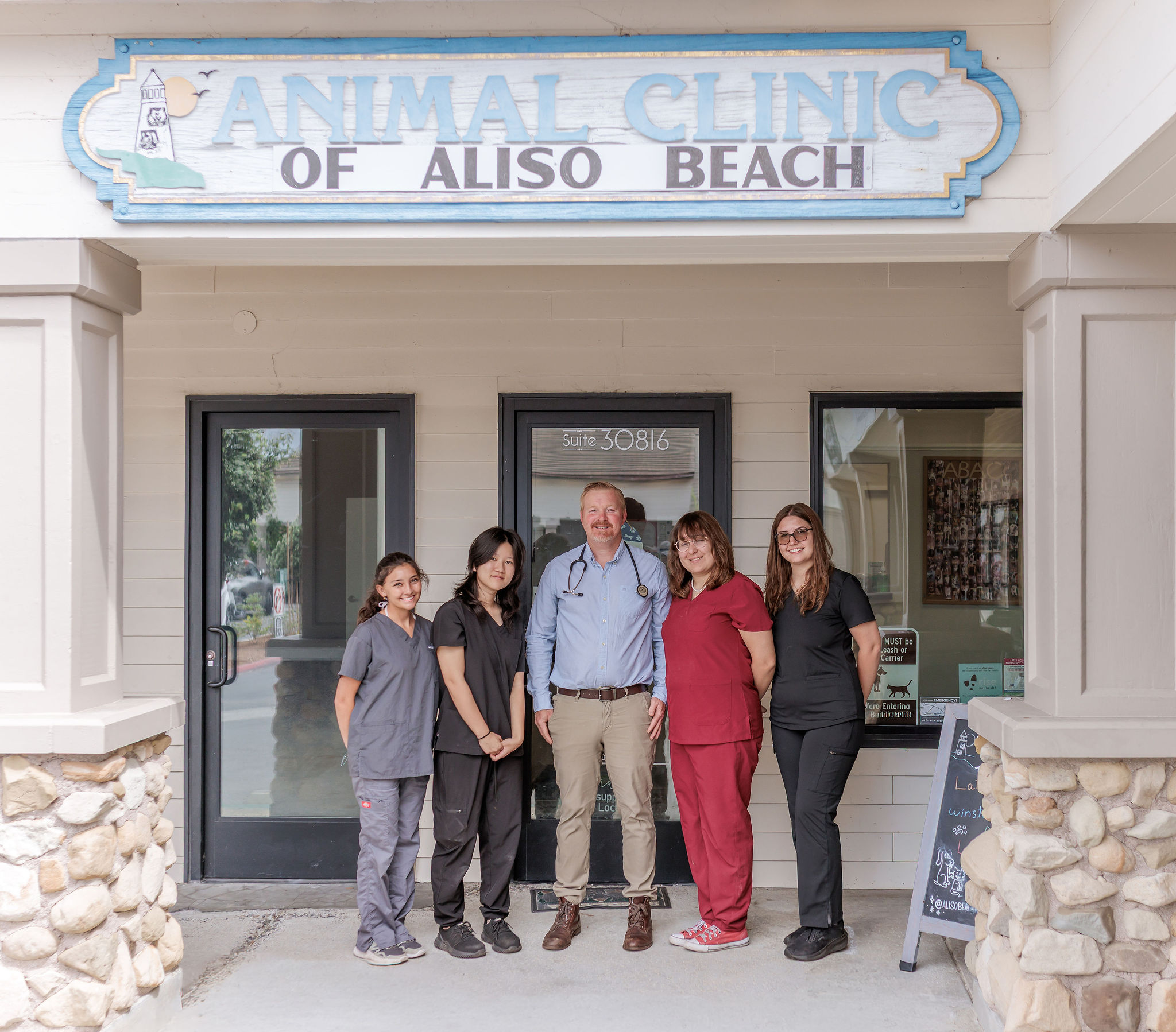
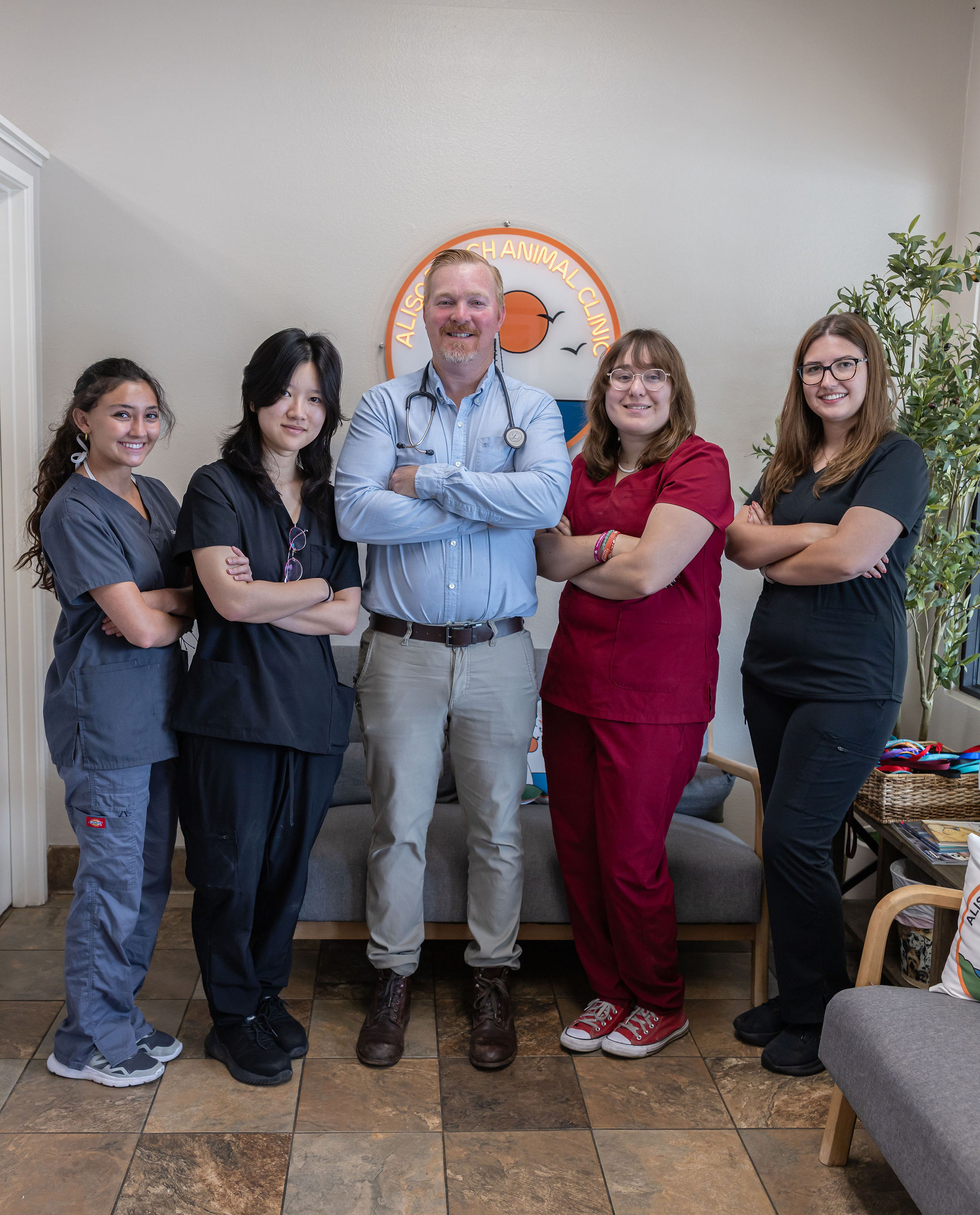
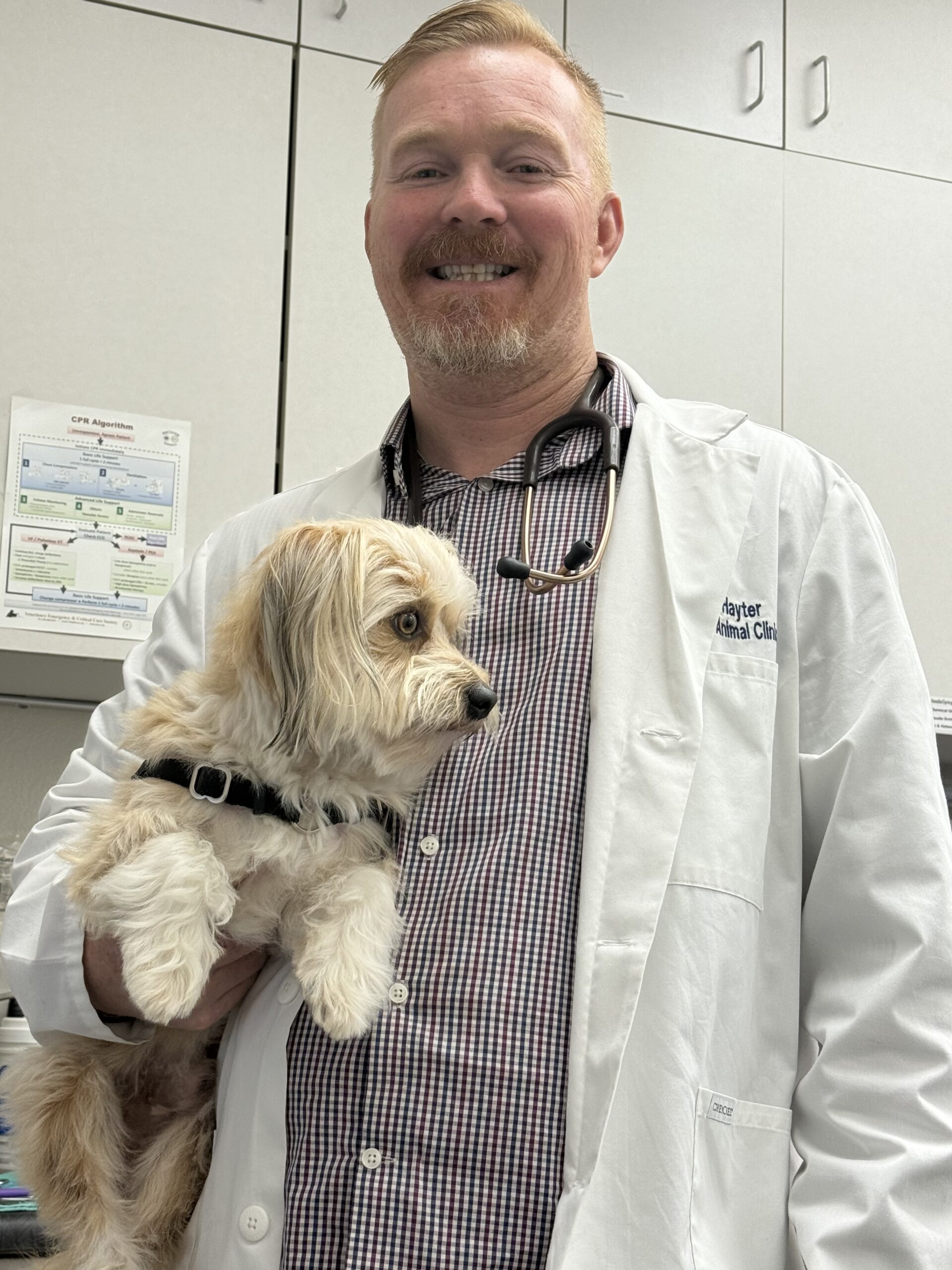
Aliso Beach Animal Clinic is independently owned and led by Bryan Hayter, DVM.
Dr. Hayter earned his veterinary degree from Auburn University and completed an internship at the San Diego Zoo.
Our goal is to help puppy owners understand what their pet’s examination reveals and what medical decisions are most important at each stage of development.
Frequently Asked Questions About First Puppy Vet Exams
When should I take my new puppy to the vet?
Schedule an examination soon after bringing the puppy home. Many puppies begin routine visits around six to eight weeks, but sick or vulnerable puppies may need care sooner.
Why does my puppy need an exam if the breeder already gave vaccines?
Vaccination records do not replace a veterinary examination. A first visit also assesses congenital defects, growth, parasites, teeth, heart, lungs and development.
Is a heart murmur in a puppy serious?
Not always. Some soft puppy murmurs are innocent and may resolve as the puppy matures. Others indicate congenital heart disease and warrant further testing.
Does every puppy umbilical hernia need surgery?
No. Management depends on size, contents and symptoms. Some small hernias may be monitored, while others require repair. Painful or suddenly abnormal hernias need urgent evaluation.
Can puppies be born with cataracts?
Yes. Some cataracts are congenital or inherited. Their effect on vision depends on size, location and progression. Suspected cataracts may warrant ophthalmic assessment.
Can a cleft palate be missed in a puppy?
Some defects are more difficult to recognize than others. Signs such as milk coming from the nose, coughing during feeding or poor growth require prompt investigation.
At what age should my puppy’s testicles descend?
Testicular descent is assessed during puppyhood. Cryptorchidism is generally confirmed when a testicle has not descended by six months of age.
Can a vet detect luxating patellas in a puppy?
Sometimes. A physical orthopedic examination can identify patellar instability, but some developmental abnormalities become more evident as the puppy grows.
How many puppy vaccines are needed?
The exact number depends on the age at which vaccination begins, intervals and risk factors. Routine distemper, adenovirus and parvovirus doses are repeated until at least 16 weeks of age. Rabies, leptospirosis and other vaccines have separate schedules.
Does my puppy need a stool test if it has normal poop?
Yes, fecal testing is commonly recommended because some intestinal parasites are present without visible worms or obvious diarrhea.
Can I socialize my puppy before all vaccines are finished?
Carefully controlled socialization may be appropriate before the full vaccine series is complete. Avoid high-risk settings such as dog parks and unknown dogs or contaminated environments. Discuss safe options with your veterinarian.
Where can I schedule a puppy vet exam near Dana Point?
Aliso Beach Animal Clinic is located at 30816 Coast Highway in South Laguna Beach, directly across from Montage Laguna Beach. We welcome puppies from Dana Point, Monarch Beach and neighboring Orange County communities.
Veterinary References and Clinical Guidelines
This guide draws upon established veterinary resources addressing puppy development, congenital disorders, preventive medicine and early intervention.
-
AAHA Canine Life Stage
Health Checklist
Comprehensive puppy examinations and preventive-care planning.
-
Merck Veterinary Manual:
Congenital Cardiovascular Abnormalities
Puppy heart murmurs and congenital cardiac conditions.
-
Merck Veterinary Manual:
Congenital Digestive Disorders
Hernias, cleft palate and developmental abnormalities.
-
American College of Veterinary Surgeons:
Cleft Palate
Clinical significance and surgical considerations.
-
Merck Veterinary Manual:
Lens Abnormalities
Congenital and developmental cataracts.
-
Cornell University:
Cryptorchidism in Dogs
Testicular descent and long-term reproductive health.
-
American College of Veterinary Surgeons:
Patellar Luxation
Developmental orthopedic disease and treatment.
-
Merck Veterinary Manual:
Deafness in Animals
Congenital hearing abnormalities and diagnostic assessment.
-
AAHA Canine Vaccination Guidelines
Core and lifestyle-based vaccines, including updated leptospirosis guidance.
-
WSAVA 2024 Vaccination Guidelines
Primary puppy vaccination schedules and maternal antibodies.
-
Companion Animal Parasite Council:
Roundworms and Puppy Deworming
Early deworming and intestinal parasite testing.
-
AAHA:
Puppy Life Stage Care
First-year examinations and individualized preventive planning.
Schedule Your Puppy’s First Veterinary Examination in Laguna Beach
Your puppy’s first veterinary appointment should do more than begin its vaccination series.
At Aliso Beach Animal Clinic, we examine your puppy from nose to tail, discuss important findings and help establish a personalized preventive-care plan.
We welcome puppies from Laguna Beach, South Laguna, Three Arch Bay, Emerald Bay, Dana Point, Monarch Beach, The Strand at Headlands, Laguna Niguel and surrounding Orange County communities.
Aliso Beach Animal Clinic
30816 Coast Highway
Laguna Beach, CA 92651
Across from Montage Laguna Beach
Phone: (949) 499-4190
Hours:
Monday–Friday: 7:30 a.m.–4:30 p.m.
Saturday: 8:00 a.m.–12:00 p.m.
Sunday: Closed
Please call before arriving for an urgent medical concern. Same-day evaluation depends on clinic capacity.