
Evidence-Informed Integrative Veterinary Care | Laguna Beach, California
5 Evidence-Informed Holistic Treatments for Dogs & Cats in Laguna Beach
A thoughtful guide to therapeutic nutrition, rehabilitation, veterinary acupuncture, therapeutic laser treatment and carefully selected nutraceuticals.
What are the best holistic treatments for dogs and cats? And how can pet owners distinguish effective veterinary care from wellness trends that make promises beyond the available evidence?
At Aliso Beach Animal Clinic, we believe the answer begins with understanding the individual animal—not choosing a treatment simply because it is natural, popular or drug-free.
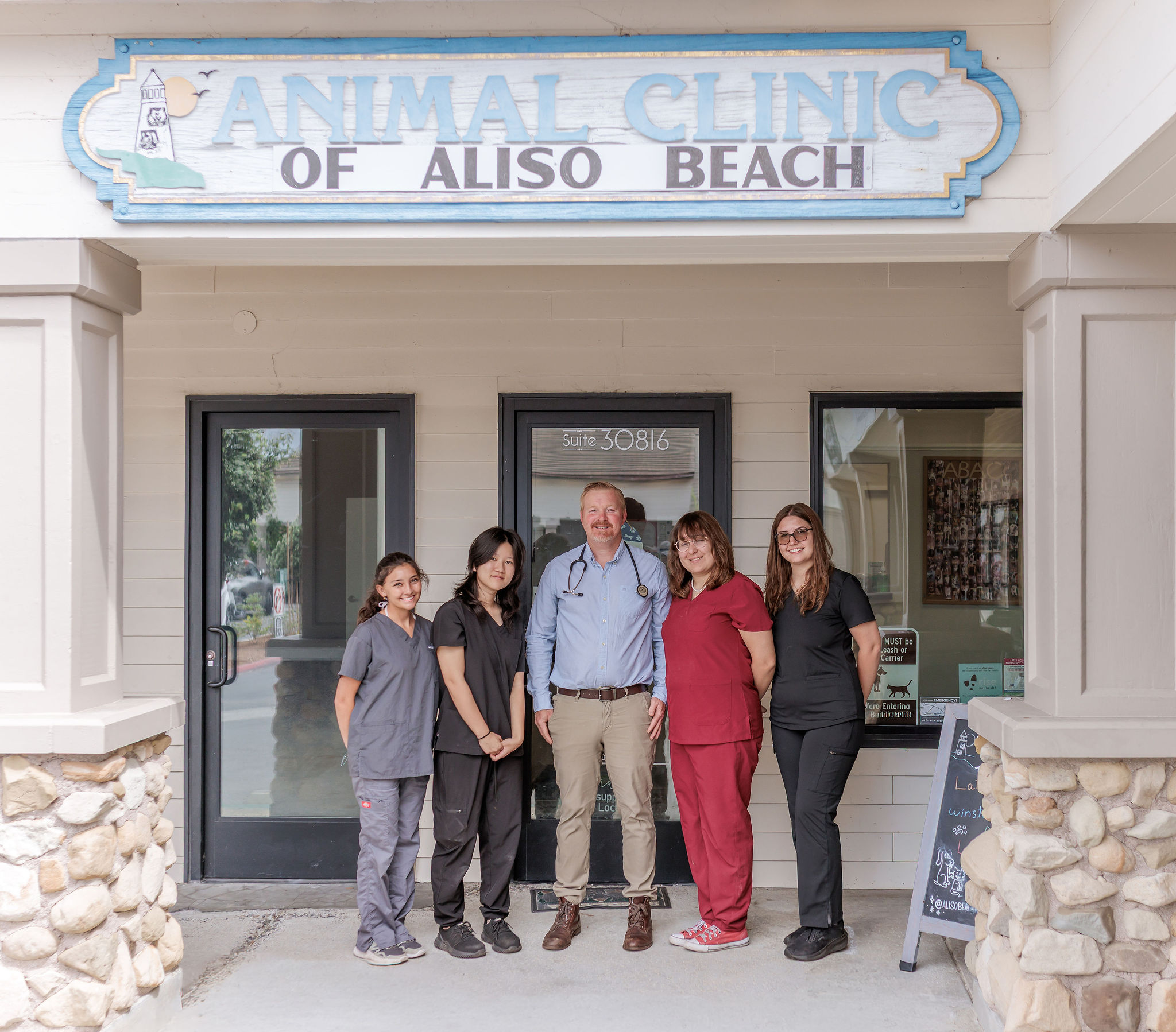
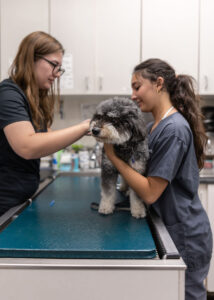
Our independently owned veterinary hospital in Laguna Beach combines conventional medical diagnosis and treatment with selected integrative options when they may benefit the patient.
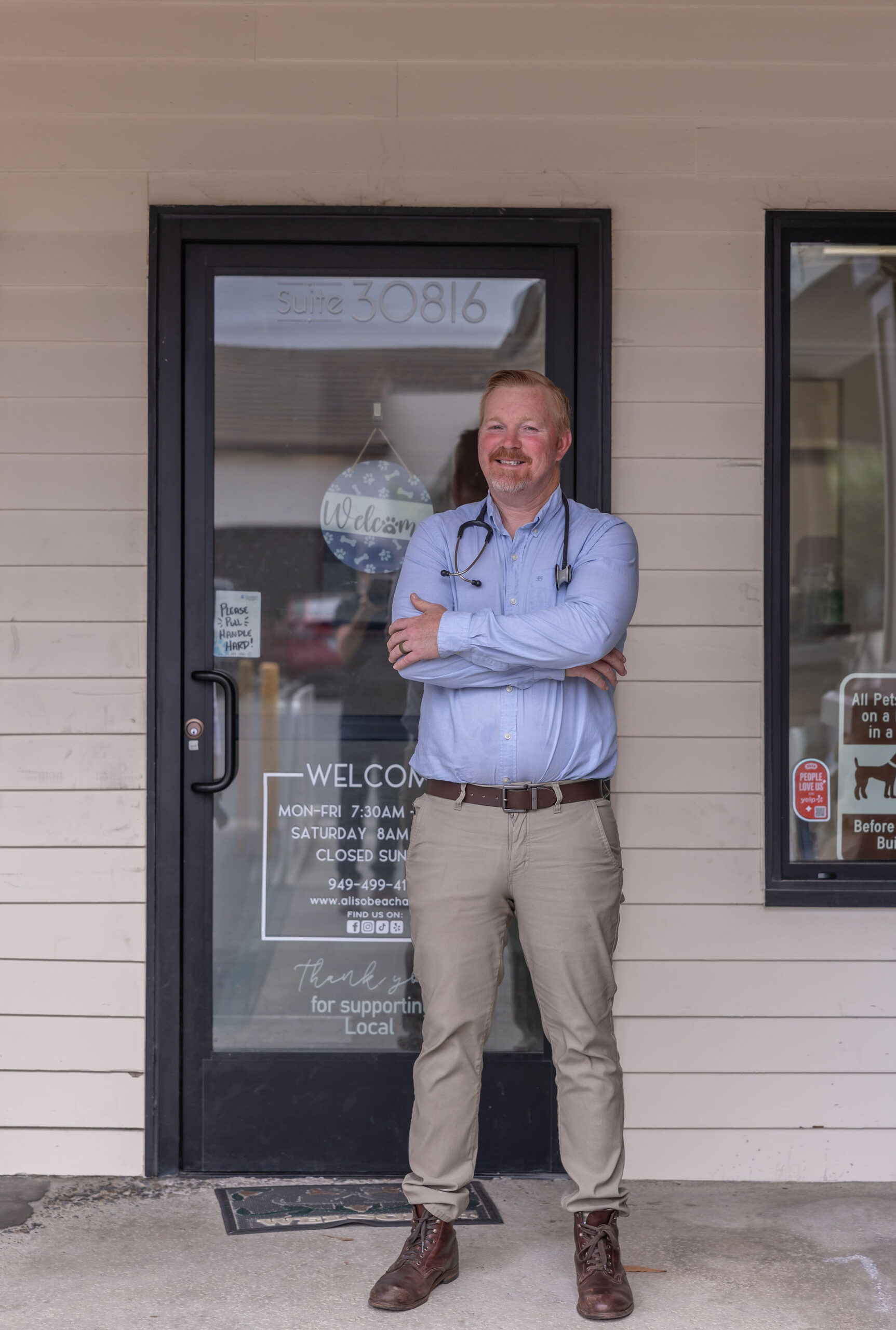
Led by Bryan Hayter, DVM, Owner and Medical Director, our team considers your pet’s diagnosis, comfort, diet, mobility, age, medical conditions, medications and lifestyle.
The result is a personalized treatment plan that may involve one or several of the approaches discussed below.
Medical review:
Bryan Hayter, DVM |
Owner & Medical Director
Last reviewed: November 17, 2026
- Therapeutic nutrition and healthy weight management: Using an appropriate diet and body-condition plan to support health and manage disease.
- Therapeutic exercise and rehabilitation: Maintaining strength, mobility and physical function with carefully selected activities.
- Veterinary acupuncture: A complementary therapy for selected pain and mobility concerns.
- Therapeutic laser treatment: Photobiomodulation considered for selected pain and tissue-recovery applications.
- Targeted nutraceuticals: Carefully evaluating supplements, omega-3 fatty acids and selected digestive products for a defined medical purpose.
These are not ranked by proven effectiveness. Evidence varies substantially among treatments and medical conditions.
What Does Holistic or Integrative Veterinary Medicine Actually Mean?
Holistic veterinary medicine considers the whole patient rather than focusing exclusively on one symptom.
Integrative veterinary medicine combines appropriate conventional medical care with complementary approaches when their potential benefits justify their risks, costs and limitations.
The distinction matters.
A dog that is limping may have arthritis, a cruciate ligament injury, a fracture, a spinal condition or another medical problem.
Offering a natural supplement without determining the cause is not comprehensive medicine.
The most thoughtful approach may begin with an orthopedic examination and diagnostic imaging, followed by appropriate medication, weight management, exercise changes or a selected complementary therapy.
Similarly, a senior cat that has stopped jumping onto the bed may have arthritis—but could also be affected by weakness, neurologic disease, metabolic illness or other medical conditions.
Good integrative care identifies the cause before selecting the treatment.
Natural Does Not Automatically Mean Safe or Effective
Herbal preparations, dietary supplements, essential oils and other natural products may contain pharmacologically active ingredients.
They may interact with medications, produce adverse effects or be unsafe for particular species.
The Canadian Veterinary Medical Association’s 2026 position statement emphasizes scientific evidence, veterinary oversight and informed consent when complementary therapies are used.
At ABAC, our philosophy is straightforward: use the most appropriate treatments for the animal in front of us, whether conventional, complementary or both.
Learn about holistic and integrative veterinary care at Aliso Beach Animal Clinic
Treatment 01
Therapeutic Nutrition and Weight Management
One of the most important integrative treatments is also one of the least exotic: choosing an appropriate diet and maintaining a healthy body condition.
Nutrition affects muscle preservation, weight, gastrointestinal health, skin condition, metabolism, mobility and the management of many chronic diseases.
The World Small Animal Veterinary Association and American Animal Hospital Association recommend individualized nutritional assessment as a regular part of veterinary care.
What Conditions Can Therapeutic Nutrition Address?
- Arthritis: Weight management can reduce unnecessary joint loading; selected therapeutic diets may provide additional support.
- Kidney disease: Appropriately formulated renal diets may be an important component of medical management.
- Obesity: Controlled caloric intake and monitoring can improve body condition while preserving lean muscle.
- Gastrointestinal disease: Selected diets may improve digestibility or address a specific diagnosed condition.
- Food-responsive skin or gastrointestinal disease: A properly designed elimination diet can have both diagnostic and therapeutic value.
- Senior-pet care: Nutritional planning can help address changing calorie needs, body composition and disease-related requirements.
Why Maintaining Lean Muscle Matters
Two pets can weigh the same but have very different muscle condition and physical health.
That is why we consider both body condition and muscle condition rather than looking only at the number on a scale.
An aging cat may lose muscle even when its body weight appears relatively stable. A dog with arthritis may become less active, gain fat and lose strength.
These patterns can influence mobility, comfort and treatment decisions.
Are Fresh, Homemade or Raw Diets Better?
Not automatically.
The best diet must be nutritionally appropriate for the animal’s species, life stage and health.
Fresh or home-prepared diets may be considered when nutritionally complete, balanced and safely prepared.
Homemade diets should be formulated with appropriate veterinary nutrition expertise, especially for growing animals or pets with disease.
Raw animal-protein diets present additional concerns. The American Veterinary Medical Association discourages raw or undercooked animal-source protein diets because of potential infectious risks to animals and people.
Marketing descriptions such as natural, ancestral, grain-free or premium do not establish superior nutritional quality.
How ABAC Integrates Nutrition Into Patient Care
Our veterinary team may review:
- Current diet and feeding amounts
- Body and muscle condition
- Calorie intake and treats
- Medical conditions and laboratory results
- Digestive tolerance
- Current supplements
- Activity level and mobility
- Practical owner preferences
We then recommend a feeding strategy that makes sense for the individual patient.
An overweight dog with osteoarthritis may benefit more from a well-designed weight-management plan and appropriate pain control than from several expensive joint supplements.
Nutrition and medication can work together rather than compete.
Treatment 02
Therapeutic Exercise, Rehabilitation and Home Modifications
Appropriate movement can be an important component of managing chronic pain, stiffness, muscle loss and orthopedic recovery.
Rest may be necessary for certain injuries, but prolonged inactivity can contribute to weakness, reduced muscle mass and loss of conditioning.
A well-designed plan balances movement with the patient’s physical limitations and stage of recovery.
What Does Veterinary Rehabilitation Include?
Depending on the diagnosis and professional assessment, rehabilitation may include:
- Controlled leash walking
- Progressive strengthening exercises
- Balance and coordination exercises
- Appropriate range-of-motion work
- Posture and gait assessment
- Muscle-conditioning exercises
- Hydrotherapy when appropriate
- Assistive devices or mobility support
- Home-environment modifications
Specialized rehabilitation procedures may require referral to a veterinary rehabilitation professional.
Exercise for Dogs With Arthritis
For many arthritic dogs, several shorter, consistent, controlled walks may be better tolerated than occasional strenuous outings.
An appropriate plan may include:
- Adjusting walk duration
- Choosing stable, even surfaces
- Avoiding abrupt increases in activity
- Reducing repetitive jumping
- Monitoring stiffness after exercise
- Maintaining appropriate weight
Exercise should be adapted to the pet’s diagnosis. A dog with an unstable cruciate ligament injury, fracture or certain spinal conditions may require substantial restrictions or surgery before a rehabilitation plan begins.
Special Considerations in Laguna Beach
Hillside neighborhoods, stairs and steep walking routes can be demanding for dogs with arthritis, weakness or orthopedic disease.
A shorter route with gentle terrain may be more appropriate than a difficult canyon walk during rehabilitation.
Sand and uneven surfaces may also increase physical demands on some patients.
Rehabilitation for Senior Cats
Cats often show discomfort differently from dogs.
An older cat may stop jumping onto a couch, avoid stairs, reduce grooming or become less playful.
Supportive environmental changes can include:
- Steps or ramps to favorite resting areas
- Low-entry litter boxes
- Non-slip surfaces
- Accessible food and water
- Warm, comfortable resting spaces
- Gentle, appropriate play and movement
These changes may improve daily function but should not replace appropriate pain assessment and treatment.
How ABAC Integrates Rehabilitation Principles
Our veterinarians can assess pain, mobility and muscle condition, recommend safe activity modifications, and coordinate referral for specialized rehabilitation when appropriate.
We may also incorporate medication, weight management, acupuncture or laser therapy into a broader mobility plan.
We do not assume that every painful animal should receive the same exercise program.
Treatment 03
Veterinary Acupuncture for Dogs and Cats
Veterinary acupuncture is one of the more established complementary procedures offered within integrative veterinary medicine.
It involves the placement of very fine, sterile needles at selected locations on the body.
Modern medical acupuncture may be considered in terms of nervous-system stimulation, pain processing and interactions among muscles, connective tissues and nerves.
Veterinary acupuncture has been studied for several conditions, but the level of evidence differs.
When Might Acupuncture Be Considered?
Depending on the patient, acupuncture may be considered as an adjunctive treatment for selected conditions involving:
- Chronic discomfort
- Muscle tension
- Selected spinal or neurologic disorders
- Selected postoperative discomfort
- Some rehabilitation needs
- Mobility problems requiring multimodal care
Does Acupuncture Work for Canine Arthritis?
The evidence is mixed.
AAHA’s 2022 Pain Management Guidelines recognize acupuncture as a potential complementary modality but note limited evidence for some applications.
In particular, published veterinary research has not consistently demonstrated reliable benefit for canine osteoarthritis pain.
This does not mean that no individual patient can respond.
It means improvement should be evaluated objectively rather than assumed.
Acupuncture should not replace effective pain medication, rehabilitation, surgery or other indicated care.
Veterinary Acupuncture at ABAC
Bryan Hayter, DVM, completed veterinary acupuncture training through the International Veterinary Acupuncture Society.
Dr. Hayter provides veterinary acupuncture at Aliso Beach Animal Clinic for selected dogs, cats and other appropriate patients.
Treatment begins with an examination and review of the patient’s diagnosis, medical history, medications and comfort.
We then determine whether acupuncture may reasonably add value to the medical plan.
What Happens During a Session?
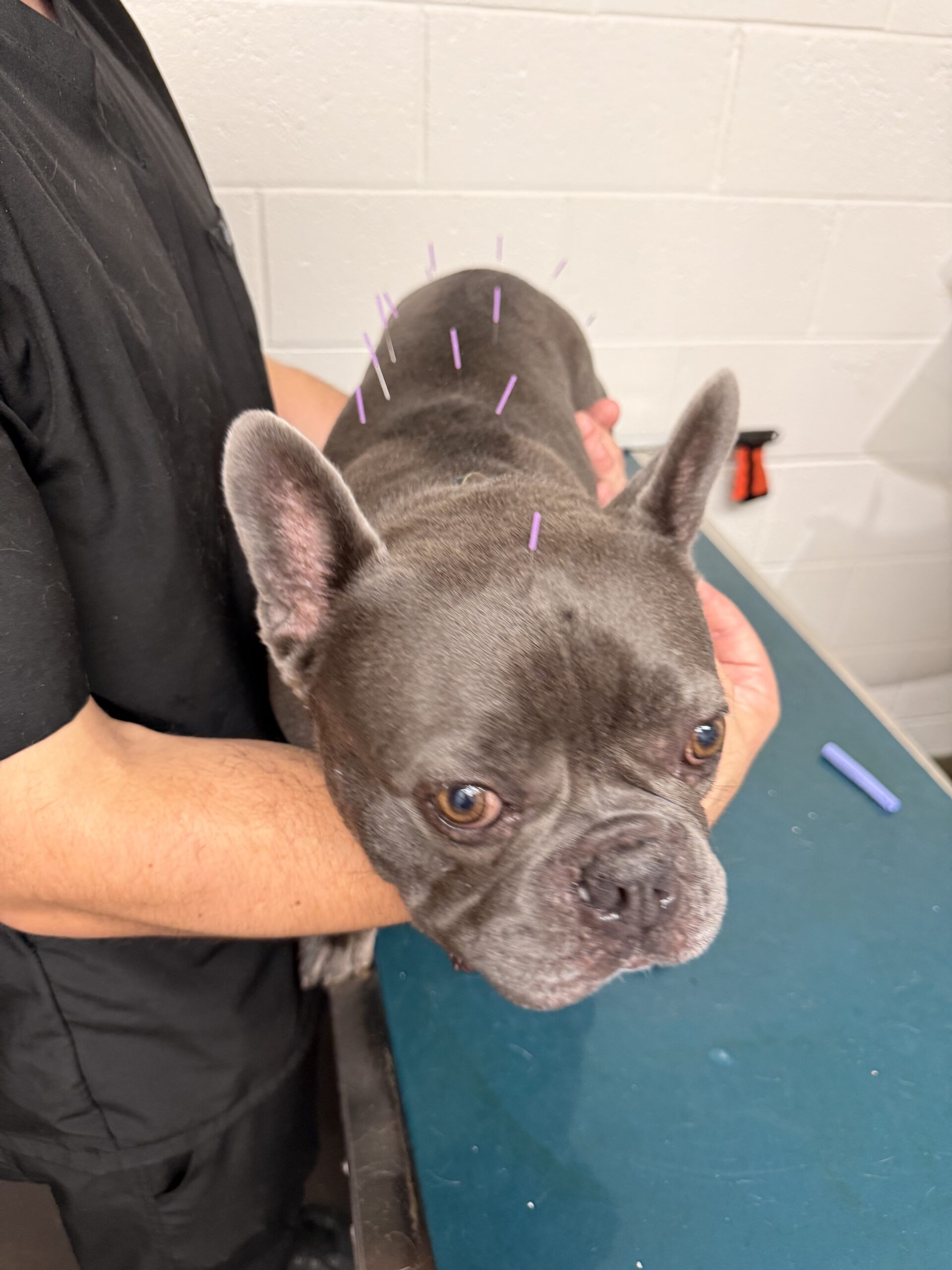
Your pet is positioned comfortably while sterile needles are placed at selected locations.
Some animals relax during treatment, while others may not tolerate it well.
The number and frequency of sessions depend on the condition, response and treatment goals.
We reassess progress rather than continuing treatment automatically.
Treatment 04
Therapeutic Laser Treatment and Photobiomodulation
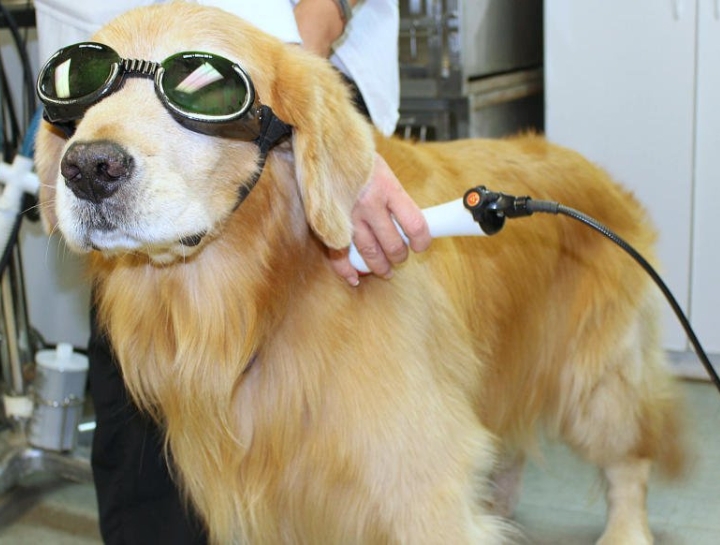
Therapeutic laser treatment, also known as photobiomodulation or PBM, applies selected wavelengths of light to targeted tissues.
It is used in veterinary rehabilitation and pain management as a potential supportive treatment for selected conditions.
Therapeutic laser is distinct from surgical laser. It is intended to influence tissue responses rather than cut or remove tissue.
When Might Laser Therapy Help?
Depending on the patient and diagnosis, laser treatment may be considered for:
- Selected chronic joint discomfort
- Some soft-tissue injuries
- Muscle soreness or stiffness
- Selected postoperative discomfort
- Rehabilitation support
- Selected wound-care applications
Research into photobiomodulation has produced encouraging findings in some small studies.
However, studies often differ in wavelength, power, treatment duration, frequency and outcome measures.
Consequently, benefits demonstrated in one condition or treatment protocol cannot be assumed for every patient.
How ABAC Uses K-Laser Therapy
Aliso Beach Animal Clinic offers K-Laser photobiomodulation for selected dogs and cats.
Our team considers the diagnosis, patient’s comfort, medical history, treatment area and expected benefit before recommending therapy.
Laser may complement medication, acupuncture, exercise modification, rehabilitation or postoperative care.
It does not repair an unstable ligament, eliminate a tumor, treat a bacterial infection by itself or replace necessary surgery.
Is Therapeutic Laser Safe?
Laser safety depends on correct equipment use, treatment settings and appropriate precautions.
Protective eyewear is essential when indicated by the laser equipment and treatment protocol.
Direct exposure of the eyes to laser energy can cause serious injury.
The veterinarian also considers the treatment location and any contraindications before proceeding.
How Do We Know Whether It Is Working?
We look for meaningful changes in the patient’s function and comfort.
Depending on the condition, this may include improved mobility, less stiffness, greater willingness to perform normal activities or better comfort during examination.
If expected improvement does not occur, the medical plan should be reassessed.
Treatment 05
Evidence-Guided Nutraceuticals, Omega-3 Fatty Acids and Microbiome Support
Nutraceuticals are among the most frequently discussed products in holistic pet medicine.
Owners may encounter supplements marketed for joints, digestion, anxiety, skin health, inflammation, cognition and healthy aging.
Some have useful supporting research. Others have limited or negative clinical evidence.
The most important question is not whether a supplement is natural.
It is whether the specific ingredient, preparation and dose offer a reasonable benefit for the individual patient.
Omega-3 Fatty Acids for Canine Osteoarthritis
Marine-derived omega-3 fatty acids, particularly EPA and DHA, are among the better-studied nutritional adjuncts for canine osteoarthritis.
A 2022 systematic review and meta-analysis found evidence supporting omega-3-enriched diets and omega-3 supplements for osteoarthritis-associated pain.
This does not establish an identical benefit for every pet or every fish-oil product.
Evidence for osteoarthritis benefits in cats is less consistent.
When indicated, our team can discuss an appropriate product, EPA/DHA content, dosage, calories and potential adverse effects.
High-dose products may cause gastrointestinal problems or present other concerns in selected patients.
Cod liver oil and other preparations may also contain vitamins that become harmful in excessive quantities.
What About Glucosamine and Chondroitin?
Glucosamine and chondroitin are widely marketed as joint supplements.
However, systematic reviews have not found reliable clinically meaningful pain relief from these combinations in canine and feline osteoarthritis.
We do not assume that a popular joint supplement deserves a place in every arthritis plan.
Products containing additional ingredients must be evaluated according to their full formulation rather than the name of one component.
Probiotics and Digestive Health
Probiotics are live microorganisms administered with the intention of providing a health benefit.
Their effects are often strain-specific and condition-specific.
A product that has been studied for one disorder may not be effective for a different condition.
Importantly, a 2024 evidence-based European veterinary guideline did not identify a clinically relevant benefit from probiotics for routine treatment of acute diarrhea in dogs.
That finding does not mean all microbiome interventions lack value.
It means probiotic recommendations should be based on a specific diagnosis, a studied formulation and realistic expectations.
Are Herbal Treatments Worth Considering?
Botanical products are another area of integrative veterinary interest.
However, herbal medicines differ considerably in chemical composition, quality, biological activity and safety.
Some may interact with prescription drugs, affect clotting, influence liver enzymes or be inappropriate for particular diseases.
A botanical preparation should not be selected simply because it has traditional use or a favorable online review.
What About CBD for Pets?
CBD has generated considerable interest for pain, seizures and anxiety.
Some veterinary studies suggest potential benefits in specific settings, but important questions remain regarding dosing, long-term safety, product consistency and drug interactions.
The U.S. Food and Drug Administration has not approved CBD products for animal use.
Owners should never assume that an over-the-counter hemp or CBD product is appropriate for a pet.
Quality Control Is Not the Same as Clinical Effectiveness
Independent manufacturing quality programs can help owners evaluate supplement production practices.
For example, the National Animal Supplement Council Quality Seal program involves company-level quality requirements and independent audits.
However, a quality seal does not prove that a product treats a particular disease.
How ABAC Evaluates Nutraceuticals
During a veterinary supplement consultation, we consider:
- What condition is being treated
- The evidence for the specific ingredient
- Actual product concentrations
- Manufacturer quality control
- Species-specific safety
- Other medications and supplements
- Possible drug interactions
- Kidney, liver and gastrointestinal health
- Cost and practical benefit
- How the treatment response will be evaluated
Labels, dosing instructions, ingredient concentrations, manufacturer details and current medications can materially change our recommendations.
Human supplements, concentrated essential oils and products intended for dogs should not automatically be given to cats.
Learn about veterinary supplement and nutraceutical consultations at ABAC
How We Combine Holistic and Conventional Treatments at ABAC
The purpose of integrative veterinary medicine is not to use all five treatments for every animal.
Instead, we identify the pet’s most important medical needs and select the combination that offers a reasonable balance of benefit, safety and practicality.
Different Patients Need Different Treatment Plans
| Patient Concern | Initial Priorities | Possible Integrative Additions |
|---|---|---|
| Older dog with arthritis | Examination, weight assessment, pain control and mobility evaluation | Controlled exercise, appropriate diet, omega-3s and selected adjunctive acupuncture or laser sessions |
| Senior cat avoiding jumps | Pain and medical assessment, including consideration of arthritis and other disease | Ramps, low-entry litter box, nutritional assessment and appropriate supportive care |
| Dog recovering from orthopedic surgery | Surgical follow-up, prescribed medication and healing restrictions | Stage-appropriate rehabilitation, weight management and selected supportive modalities |
| Dog with recurrent digestive symptoms | Medical history, examination and indicated diagnostic testing | Therapeutic diet, carefully chosen fiber, and selected microbiome interventions when justified |
| Cat with chronic kidney disease | Laboratory monitoring, hydration assessment, kidney-specific treatment and nutritional planning | Appropriate renal diet, feeding adjustments, environmental support and appetite monitoring |
These are illustrative treatment frameworks, not actual ABAC patient cases or prescriptions. Recommendations depend on examination and diagnosis.
Our Individualized Treatment Process
1. Begin With a Diagnosis
Review symptoms, medical history, current medications and previous testing. Perform a veterinary examination and recommend diagnostics when appropriate.
2. Identify the Primary Treatment
Determine whether the pet needs medication, nutritional therapy, surgery, dental care, rehabilitation or another medically indicated intervention.
3. Consider Complementary Options
Evaluate whether acupuncture, laser therapy, selected nutraceuticals, home changes or other supportive measures are appropriate.
4. Agree on Measurable Goals
Goals may include improved mobility, more comfortable sleep, better appetite, healthier body condition or greater participation in normal activities.
5. Reassess and Adjust
Monitor the patient’s response and change the plan if the treatment is ineffective, poorly tolerated or no longer necessary.
Our goal is to use the smallest effective and appropriate combination of interventions—not to create a complicated schedule of unnecessary supplements or procedures.
Integrative Care for Senior Dogs and Cats
Senior pets are among the patients most likely to benefit from coordinated whole-patient care.
An older dog or cat may experience several problems simultaneously: arthritis, muscle loss, dental disease, kidney disease, weight changes, reduced appetite or cognitive decline.
A single supplement cannot address every one of these concerns.
A thoughtful plan may combine:
- Regular medical examinations
- Appropriate laboratory monitoring
- Effective pain management
- Individualized nutrition
- Mobility and muscle support
- Dental and oral-health care
- Environmental changes
- Selected complementary treatments
- Quality-of-life assessment
Veterinary care should adapt as the animal’s needs change.
What Holistic Treatments Cannot Replace
Complementary treatments can sometimes support recovery and comfort, but they do not substitute for necessary medical or surgical treatment.
For example:
- Acupuncture does not stabilize a torn cranial cruciate ligament.
- Laser therapy does not remove a gastrointestinal foreign body.
- Supplements do not replace insulin for a diabetic patient who requires insulin.
- Herbal products do not replace treatment for a serious bacterial infection.
- Diet changes do not substitute for evaluating a pet with severe breathing difficulty.
- A natural calming product does not replace a comprehensive behavior or medical assessment when an animal is distressed.
Contact a veterinarian promptly for persistent vomiting or diarrhea, worsening pain, unexplained weight loss, new weakness, marked appetite changes or sudden behavior changes.
Severe breathing difficulty, collapse, seizures, inability to urinate, serious trauma or other life-threatening symptoms warrant immediate emergency evaluation.
ABAC provides same-day urgent veterinary assessment for many stable patients during regular hospital hours when capacity permits.
Our hospital is not a 24-hour emergency facility.
Why Choose ABAC for Integrative Veterinary Medicine in Laguna Beach?
Independently Owned
Our veterinary team can work with owners to develop individualized treatment recommendations based on medical needs and priorities.
Conventional Diagnostics
We recognize that laboratory testing, imaging, examination and medical diagnosis remain the foundation of appropriate treatment.
Acupuncture & K-Laser
ABAC offers veterinary acupuncture and therapeutic laser treatment for selected patients when medically appropriate.
Thoughtful Follow-Up
We consider treatment response, safety, patient comfort and quality of life when deciding whether to continue a therapy.
Veterinary Leadership: Bryan Hayter, DVM
Aliso Beach Animal Clinic is led by Bryan Hayter, DVM, Owner and Medical Director.
Dr. Hayter earned his veterinary degree from Auburn University and completed an internship at the San Diego Zoo.
He completed veterinary acupuncture training through the International Veterinary Acupuncture Society.
His approach emphasizes individualized veterinary treatment, appropriate diagnostic evaluation and selected integrative therapies when they offer potential benefit.
Holistic Veterinary Care in Coastal South Orange County
Aliso Beach Animal Clinic welcomes dogs and cats from Laguna Beach, South Laguna, Three Arch Bay, Emerald Bay, Monarch Beach, Dana Point, The Strand at Headlands, Laguna Niguel and surrounding communities.
Our location across from Montage Laguna Beach provides convenient access to veterinary care for pet owners seeking a thoughtful combination of traditional medicine and appropriate complementary therapies.
Whether your concern is arthritis, stiffness, senior-pet comfort, nutrition, supplementation or rehabilitation support, we can help you understand which treatment options deserve consideration.
Frequently Asked Questions About Holistic Veterinary Treatments
What is the best holistic treatment for dogs with arthritis?
The best approach usually combines a veterinary diagnosis, effective pain management, healthy body condition and appropriate activity. Omega-3 fatty acids may offer additional benefit. Acupuncture and laser therapy can be considered in selected patients, although evidence is less consistent.
Can holistic care help cats with arthritis?
Yes, a whole-patient treatment plan may help. This can include effective pain control, nutritional assessment, low-entry litter boxes, ramps, accessible resting areas and other appropriate supportive measures. Complementary therapies should be considered individually.
Can acupuncture replace prescription pain medicine?
Not routinely. Some pets may receive acupuncture alongside medication and other treatments, but the evidence does not justify replacing effective analgesia in every patient.
Is laser therapy better than acupuncture?
Neither is universally better. The appropriate option depends on the diagnosis, patient tolerance, available evidence, treatment goals and response.
What natural supplements actually help dogs?
Some omega-3 formulations have meaningful evidence as adjuncts for canine osteoarthritis. Other supplement categories have weaker evidence. Product selection should consider the exact ingredient, dose and patient.
Are probiotics always good for dogs and cats?
No. Effects depend on the specific strain, preparation and condition. A probiotic should not automatically be used for every digestive problem.
Is a natural diet always healthier?
No. A diet should be complete, balanced, safe and appropriate for the individual animal. A marketing label does not establish medical superiority.
Are essential oils safe for cats?
Essential oils can pose significant risks, particularly for cats. Do not apply them directly or use concentrated products without veterinary guidance.
Can holistic medicine help a pet avoid surgery?
Sometimes appropriate nonsurgical management is possible, but many conditions require specific medical or surgical treatment. The decision should follow a diagnosis and discussion of reasonable alternatives.
Does ABAC offer veterinary acupuncture and laser therapy?
Yes. Aliso Beach Animal Clinic offers veterinary acupuncture and K-Laser treatment for appropriately selected patients. These services are incorporated into individualized medical plans.
Can ABAC review the supplements I already give my pet?
Yes. Bring the actual product packaging or clear label photographs. Our team can consider ingredients, doses, potential interactions, medical history and whether the products are appropriate.
Where can I find an integrative veterinarian near Dana Point?
Aliso Beach Animal Clinic is located at 30816 Coast Highway in South Laguna Beach. We welcome clients from Dana Point, Monarch Beach, Laguna Niguel and surrounding areas.
Authoritative Veterinary References and Scientific Evidence
The following professional and academic resources inform our evidence-based discussion of integrative veterinary medicine.
-
Merck Veterinary Manual:
Overview of Integrative Veterinary Medicine
Clinical overview of science-based integrative approaches and their role alongside conventional medicine.
-
American Animal Hospital Association:
2022 Pain Management Guidelines
for Dogs and Cats
Multimodal pain management, treatment evidence, nonpharmacologic interventions and ongoing assessment.
-
AAHA:
Nutrition and Weight Management
Guidelines for Dogs and Cats
Individualized nutritional assessment and feeding plans.
-
World Small Animal Veterinary Association:
Global Nutrition Guidelines
Nutrition assessment, body and muscle condition, and responsible pet food selection.
-
Barbeau-Grégoire et al.:
2022 Systematic Review and Meta-Analysis
of Nutraceuticals for Canine
and Feline Osteoarthritis
Evaluation of clinical evidence for omega-3s, joint supplements and other nutraceuticals.
-
ENOVAT:
Evidence-Based Guidelines for
Antimicrobial and Probiotic
Treatment of Canine Acute Diarrhea
(2024)
Modern evidence for probiotic treatment in acute canine diarrhea.
-
Canadian Veterinary Medical Association:
Integrative Veterinary Medicine
Position Statement (2026)
Evidence, professional responsibility, risk-benefit assessment and informed consent.
-
International Veterinary
Acupuncture Society
Professional education and training in veterinary acupuncture.
-
American Holistic Veterinary
Medical Association
Professional resources for integrative veterinary practice and continuing education.
-
National Animal Supplement Council:
Quality Seal Program
Supplement manufacturing quality practices; not proof of medical efficacy.
-
U.S. Food and Drug Administration:
Cannabis and CBD Products
Federal regulatory and safety considerations for cannabis-derived products.
-
American Veterinary Medical Association:
Raw and Undercooked Animal-Protein Diets
Food safety and infectious-disease considerations for pets and households.
Explore Individualized Holistic Veterinary Care in Laguna Beach
Interested in acupuncture, therapeutic laser treatment, nutrition guidance or supplements for your dog or cat?
You do not need to know which treatment you want before your appointment.
Begin by telling us what you are concerned about and what you hope to improve.
Our veterinary team can evaluate your pet, discuss appropriate options and help develop a practical, individualized care plan.
Aliso Beach Animal Clinic
30816 Coast Highway
Laguna Beach, CA 92651
Across from Montage Laguna Beach
Phone: (949) 499-4190
Hours:
Monday–Friday: 7:30 a.m.–4:30 p.m.
Saturday: 8:00 a.m.–12:00 p.m.
Sunday: Closed
For urgent illness or injury, please call before arriving. Life-threatening emergencies may require immediate treatment at a 24-hour veterinary hospital.