



Whole-Pet Health | Laguna Beach, California
Holistic Pet Wellness in Laguna Beach: Nutrition, Dental Care & Healthy Living
Good holistic pet care starts with the basics: complete nutrition, healthy teeth, appropriate activity, preventive medicine and early diagnosis.
A fresh-food diet cannot compensate for untreated dental pain. A supplement cannot fix an undiagnosed illness. And an otherwise healthy dog may benefit more from weight management and a consistent exercise routine than from another wellness product.
At Aliso Beach Animal Clinic, we approach dogs and cats as whole patients. We consider nutrition, oral health, weight, movement, behavior, environment and medical history alongside physical examination and appropriate diagnostic testing.
We also offer selected integrative treatments, including acupuncture and therapeutic laser treatment, when they fit an individualized veterinary plan.
Holistic care should complement—not replace— proven medication, professional dentistry, diagnostics, surgery or urgent treatment.
What Does Holistic Veterinary Care Mean?
Holistic veterinary care means looking at the entire patient rather than treating a symptom without considering the circumstances contributing to it.
For example, a dog with arthritis may need effective pain medication. But body weight, muscle condition, exercise, household flooring and the ability to move comfortably at home can also affect its quality of life.
Integrative veterinary medicine combines conventional treatment with carefully selected supportive approaches when there is a reasonable clinical purpose.
It does not require avoiding medication, rejecting commercial pet food or substituting herbs for medical treatment.
The Three Foundations of Whole-Pet Wellness
A good wellness plan does not begin with an expensive supplement package or an elaborate feeding trend. It begins by establishing what the individual pet actually needs.
1. Complete Nutrition
Feed a diet that meets your pet’s species, life-stage and medical needs, with appropriate calories and realistic portions.
2. A Healthy Mouth
Prevent plaque, identify dental pain and use professional veterinary dentistry when disease requires treatment.
3. Movement and Enrichment
Maintain a suitable body condition, protect mobility and provide physical and mental activity appropriate to the pet.
These foundations are supported by regular veterinary examinations, appropriate vaccines, parasite prevention, diagnostic screening when indicated, and monitoring for changes in health.
Learn more about preventive pet wellness examinations in Laguna Beach .
1. Holistic Pet Nutrition: Complete and Balanced Matters More Than Marketing
Pet owners often ask whether fresh food, gently cooked meals, human-grade ingredients, raw food or grain-free diets are healthier than conventional kibble or canned food.
Those choices deserve a thoughtful discussion, but the most important question is not how appealing the ingredient list looks.
Does the complete diet reliably provide the nutrients, calories and food safety your individual dog or cat needs?
What Does “Complete and Balanced” Mean?
A complete and balanced diet provides appropriate essential nutrients in the correct proportions for a defined species and life stage.
Look for a nutritional adequacy statement indicating whether the product is suitable for adult maintenance, growth, reproduction or another specified nutritional purpose.
A food marketed as a topper, mixer, supplemental diet or treat may not be adequate as the sole source of long-term nutrition.
The World Small Animal Veterinary Association Global Nutrition Guidelines recommend considering the individual patient, body and muscle condition, diet formulation and feeding history.
How to Evaluate a Pet Food
- Nutritional adequacy: Is the diet intended to be complete for the pet’s life stage?
- Formulation expertise: Who develops the recipes and evaluates their nutritional composition?
- Quality control: Does the manufacturer have appropriate ingredient, production and safety procedures?
- Calories: Is the amount fed appropriate for your pet’s current condition and activity?
- Medical suitability: Does the pet need a specific diet because of kidney, urinary, gastrointestinal or another medical condition?
- Consistency: Can the diet be fed correctly and safely every day?
A fresh-food diet may be appropriate for one pet while a carefully formulated dry or canned commercial food is more suitable for another.
ABAC provides individualized dog and cat nutrition counseling to help owners compare food choices without assuming that one feeding style is best for every animal.
Fresh Food, Homemade Diets, Kibble and Raw Feeding: What Owners Should Know
| Diet Type | Potential Considerations | What Matters Most |
|---|---|---|
| Commercial dry or canned food | Convenience, calorie density, varying formulations and manufacturers. | Appropriate nutritional adequacy, quality control, portioning and medical suitability. |
| Commercial fresh or gently cooked food | May offer ingredient preferences or different moisture content. Some products are supplemental only. | Confirm it is complete and balanced; follow storage and handling instructions. |
| Home-cooked meals | Ingredient control and flexibility, but substantial risk of nutrient imbalance. | Use a complete recipe prepared for the individual pet by a qualified veterinary nutrition specialist. |
| Raw or unpasteurized products | Risks from bacteria, parasites and certain viral pathogens. | Understand the infectious-disease risks; a nutritionally complete cooked alternative is often safer. |
| Prescription or therapeutic diets | Designed for selected medical conditions. | Choose with veterinary guidance and monitor response. |
Are Home-Cooked Diets Healthier?
Not automatically. Preparing meals at home does not guarantee adequate calcium, phosphorus, zinc, essential fatty acids or vitamins.
Common recipes based on chicken, rice and vegetables can be useful for a limited purpose when recommended by a veterinarian, but are generally incomplete as long-term diets.
Puppies, kittens, pregnant animals and pets with chronic illnesses are particularly vulnerable to dietary formulation errors.
Adding a multivitamin to an improvised recipe does not reliably correct every imbalance.
Owners interested in long-term home cooking should obtain a recipe specifically formulated for their pet and follow it precisely, including the prescribed supplements.
What About Raw Food?
There is no established requirement for dogs or cats to eat raw meat in order to achieve good health.
Uncooked animal products may carry Salmonella, Listeria and other pathogens. In addition, federal public-health agencies have documented concerns involving highly pathogenic avian influenza (H5N1) and some raw pet foods and unpasteurized dairy products.
Cats can be particularly vulnerable to severe H5N1 infection. The CDC advises against feeding pets raw pet food or unpasteurized milk .
Owners considering a whole-food approach can discuss cooked, nutritionally complete alternatives with a veterinarian.
Treats, Toppers and Portion Control Matter Too
Even the best-formulated diet can become unsuitable when a pet receives too many additional calories from treats, table foods, dental chews or supplements.
For many healthy pets, treats should make up only a small share of total daily calories. A commonly used starting guideline is no more than about 10%, although individual medical needs may require a different limit.
A small dog may receive a substantial portion of its daily energy allowance from just a few high-calorie snacks.
A cat eating frequently from multiple food bowls may gain weight even when each meal appears modest.
Ask your veterinarian for a daily calorie target rather than relying only on the feeding chart printed on a package.
Measuring food and monitoring body condition over time makes it easier to adjust a feeding plan appropriately.
Can Diet Cause Heart Disease in Dogs? Understanding Diet-Associated DCM
Dilated cardiomyopathy (DCM) is a serious disorder affecting the heart muscle’s ability to contract and pump blood.
Some dogs develop DCM because of inherited factors or breed predisposition. Other dogs develop secondary forms associated with nutritional, metabolic, drug-related or other causes.
Researchers have identified an association between some diets containing high proportions of pulses—such as peas, lentils, chickpeas and dry beans—and a form of diet-associated DCM.
Importantly, affected diets can be grain-free or grain-inclusive. The concern is not simply that a diet omits grains.
Is Taurine Deficiency the Cause?
Taurine is important for normal cardiac function, and deficiency can cause a form of nutritionally related heart disease in susceptible animals.
However, the June 2026 update from veterinary nutrition researchers at Tufts University emphasizes that the diet-associated DCM pattern under investigation does not appear to be primarily caused by taurine deficiency.
The precise mechanism linking some high-pulse diets to heart-muscle injury remains under investigation.
Not every dog consuming a high-pulse diet develops DCM, and one ingredient cannot independently diagnose or predict the disease.
Warning Signs of Heart Disease
- Reduced exercise tolerance
- Unusual fatigue or weakness
- Coughing
- Rapid breathing at rest
- Fainting episodes
- Difficulty breathing
- Collapse
Some dogs may have few outward symptoms during early disease, so veterinary assessment is important when concerns arise.
Diagnostic evaluation may involve a physical examination, diet history, chest imaging, ECG, echocardiography or specialist consultation depending on the patient.
Difficulty breathing, collapse or fainting requires immediate veterinary assessment.
If your dog’s long-term diet relies heavily on pulses or has unusual formulation claims, discuss its suitability with a veterinarian. Do not attempt to correct a possible cardiac problem by adding taurine or changing food without evaluation.
Medical references: Tufts University — Diet-Associated DCM Update, June 2026 and FDA — Non-Hereditary DCM Questions and Answers .
Why Cat Nutrition Is Different From Dog Nutrition
Cats are obligate carnivores and have nutritional requirements that differ substantially from those of dogs.
Their diets must provide appropriate amounts of essential nutrients, including dietary taurine, preformed vitamin A, arachidonic acid and other species-specific requirements.
A recipe formulated for a dog should not be assumed suitable for a cat, even if it contains meat.
Taurine and Cardiac Health
Inadequate dietary taurine can cause serious health consequences in cats, including retinal degeneration and dilated cardiomyopathy.
Commercial diets labeled complete and balanced for cats should be formulated to meet feline requirements.
Folate, Vitamin Deficiencies and Digestive Disease
Folate, also called vitamin B9, is an essential nutrient. Inadequate feeding can contribute to deficiencies.
Veterinarians may also use folate and other tests in selected cases when investigating intestinal disease or nutrient absorption.
However, a cat eating fresh food instead of kibble is not automatically folate deficient. The nutritional adequacy of the entire diet matters.
Do not add taurine, folate or high-dose vitamins without determining whether the diet or a medical condition needs correction.
2. Pet Dental Care: A Foundation of Whole-Body Comfort
Dental care is one of the most overlooked components of pet wellness.
A dog or cat may continue eating despite painful periodontal disease, fractured teeth or infection beneath the gumline.
Bad breath, red gums, tartar, drooling, chewing on one side, dropping food or avoiding chew toys may indicate oral disease.
Does Dry Kibble Clean Teeth?
Ordinary kibble is not a reliable replacement for brushing or professional dental care.
Some specially formulated dental diets and chews have demonstrated benefits for controlling plaque or tartar.
Products accepted by the Veterinary Oral Health Council (VOHC) have met specified testing requirements for their labeled oral-health claims.
The VOHC Seal does not mean that a product treats every form of dental disease or replaces examination and treatment.
A Practical Home Dental Routine
- Brush daily when possible. Use a pet-safe toothbrush and veterinary toothpaste.
- Start gradually. Introduce handling and brushing through short, positive sessions.
- Choose safe dental aids. Ask which chews, wipes or dental diets are appropriate for your pet.
- Schedule oral examinations. The appropriate interval depends on age, breed, history and findings.
- Treat disease when indicated. Home care cannot remove established subgingival disease or repair painful damaged teeth.
Why Professional Dental X-Rays Matter
Much of a tooth’s structure lies beneath the gumline. A tooth may appear normal externally while its roots or supporting bone contain significant disease.
Veterinary dental radiographs can help reveal tooth-root abnormalities, bone loss, retained roots and feline tooth resorption.
A comprehensive dental procedure generally requires general anesthesia, airway protection, monitoring, probing, cleaning above and below the gumline, and appropriate treatment.
Anesthesia-free scraping does not provide the same diagnostic and therapeutic care.
Learn about ABAC’s veterinary dental cleanings, dental X-rays and periodontal treatment .
Professional guidance: AAHA Dental Care Guidelines for Dogs and Cats .
3. Exercise, Enrichment and Healthy Weight for Coastal Pets
Movement supports physical health, muscle condition and mental well-being, but the right type and amount of exercise vary among patients.
A healthy young dog may tolerate activities that are inappropriate for a senior dog with arthritis or a pet recovering from surgery.
An indoor cat also needs opportunities to climb, scratch, play, explore and engage in normal behaviors.
Healthy Weight Is More Than a Number
Two dogs with the same body weight may have very different proportions of muscle and body fat.
Veterinarians evaluate body-condition score and, when appropriate, muscle-condition score along with weight trends.
This distinction is especially important in senior pets, which may lose muscle while maintaining the same scale weight.
Exercise for Dogs With Arthritis
Dogs with joint disease often benefit from carefully controlled activity that maintains strength without causing excessive pain.
Short, consistent walks may be preferable to intense fetch, repetitive jumping or a single exhausting weekend outing.
Exercise recommendations should follow the pet’s diagnosis, comfort level and veterinary treatment plan.
Learn about integrative pain and mobility care and individualized senior pet wellness .
Indoor Enrichment for Cats
- Interactive toys and supervised play
- Appropriate scratching surfaces
- Stable, accessible climbing areas
- Food puzzles suited to the cat
- Quiet hiding and resting spaces
- Predictable opportunities for social interaction
- Comfortable litter-box access
A cat that suddenly stops jumping or becomes less interested in play may have pain or another medical problem. Changes in behavior should not automatically be attributed to age or personality.
Healthy Outdoor Habits in Laguna Beach, South Laguna and Dana Point
Southern California offers opportunities for neighborhood walks and outdoor recreation, but coastal activities introduce their own veterinary considerations.
Pet owners in Laguna Beach, South Laguna, Monarch Beach, Dana Point, Three Arch Bay, Emerald Bay and The Strand should consider:
Heat and Paw Safety
Choose appropriate walking temperatures. Hot pavement and sand can injure paw pads. Bring fresh drinking water.
Ocean and Beach Exposure
Supervise pets near surf, avoid saltwater ingestion, inspect paws for debris and follow posted leash rules.
Trail and Plant Hazards
Check for foxtails, ticks, sharp vegetation and other environmental hazards after outdoor activity.
Wildlife Safety
Keep pets appropriately supervised around coyotes and other wildlife. Avoid leaving small pets unattended outdoors.
For more detailed advice, read our Beach and Ocean Hazards for Dogs in Laguna Beach guide .
Do Supplements, Turmeric and Antioxidants Belong in a Holistic Pet Plan?
Sometimes, but a supplement should address a specific need and have a reasonable expectation of benefit.
A complete diet already provides essential nutrients. Adding additional vitamins, minerals or herbal products does not automatically improve health.
Is Turmeric Golden Paste a Proven Arthritis Treatment?
No. Curcumin, a compound found in turmeric, is being studied for possible effects on inflammatory pathways.
However, homemade turmeric golden paste has not been established as an effective replacement for veterinary arthritis medication, weight management, rehabilitation or other medically indicated treatment.
Concentrated turmeric supplements may cause gastrointestinal upset and may be unsuitable with certain medications or medical conditions.
Do not give human supplement doses to dogs or cats without veterinary advice.
What About Omega-3 Fatty Acids?
Marine omega-3 fatty acids, particularly EPA and DHA, may provide benefits for selected conditions, including some patients with osteoarthritis.
But products differ in concentration, formulation and quality. Appropriate dosing also depends on the animal’s medical history.
Supplements may cause digestive problems or interact with medications, and extra calories may affect a weight-management plan.
What About Probiotics and Joint Supplements?
Probiotics and joint-support products may be considered in selected cases, but evidence varies by product, strain, ingredient and specific medical indication.
A product that helps one patient is not necessarily useful for another.
Six Questions Before Starting a Pet Supplement
- What medical concern am I trying to address?
- Has my pet been examined for that concern?
- Is the ingredient and dose appropriate for this species?
- Could the product interact with medications or medical conditions?
- Is the manufacturer transparent about testing and formulation?
- How will we measure whether the supplement is helping?
ABAC provides veterinarian-guided supplement and nutraceutical consultations to help owners assess product claims and safety.
Where Acupuncture and Therapeutic Laser Treatment Fit Into Veterinary Care
Holistic and integrative care may include nonpharmacologic treatment for selected patients.
Examples offered at ABAC include veterinary acupuncture and therapeutic laser treatment.
These modalities may be considered for certain patients with chronic pain, mobility problems or recovery needs.
Evidence varies by condition and treatment. Neither treatment should be advertised as a cure or a substitute for necessary conventional care.
For a dog with a suspected ruptured cranial cruciate ligament, for example, acupuncture or laser therapy cannot restore mechanical joint stability.
For a cat with untreated dental disease, supplements and supportive therapies cannot remove a diseased tooth root.
Treatment should begin with an appropriate diagnosis, discussion of realistic benefits and a method for evaluating response.
Explore veterinary acupuncture , holistic and integrative veterinary care , and individualized pain and mobility management .
Preventive Veterinary Care Connects Every Part of Wellness
A healthy diet, clean teeth and adequate exercise are important, but they do not replace regular veterinary care.
A preventive examination offers an opportunity to evaluate the pet’s body condition, mouth, skin, heart and lungs, mobility, behavior and medical history.
Recommendations may include vaccinations, parasite prevention, laboratory screening, nutrition adjustments, dental treatment or additional evaluation.
Not every pet needs the same tests or treatment schedule.
Age, breed, medical conditions, exposure risks and previous findings guide individualized planning.
Special Considerations for Senior Pets
Older dogs and cats may develop several conditions at the same time, such as dental disease, arthritis, kidney disease and changes in weight or muscle.
A senior pet whose activity decreases may need a pain examination, blood work, dental evaluation or another medical assessment rather than simply more supplements.
Many senior pets benefit from more frequent examinations, depending on individual health.
Visit ABAC’s Senior Pet Care service for individualized recommendations.
A Realistic Weekly Whole-Pet Wellness Checklist
Consistency often matters more than elaborate wellness routines. These habits can help owners notice changes before they become major problems.
| Wellness Area | Simple Home Routine | When to Ask for Help |
|---|---|---|
| Nutrition | Measure meals and treats; monitor appetite and body condition. | Unexplained weight change, persistent digestive problems or reduced appetite. |
| Dental health | Brush teeth regularly with pet-safe products. | Bad breath, painful chewing, bleeding gums or facial swelling. |
| Movement | Provide age-appropriate walks, play or enrichment. | New limping, stiffness, reduced jumping or exercise intolerance. |
| Skin and paws | Check for irritation, debris, swelling and injuries. | Persistent licking, painful skin, wounds or hot spots. |
| Behavior | Observe sleep, sociability, activity and normal routines. | Sudden withdrawal, confusion, discomfort or other meaningful changes. |
| Medical care | Keep preventive appointments and recommended follow-ups. | New symptoms or changes in chronic medical conditions. |
For pets receiving medication, note any changes in symptoms, appetite, stool quality or activity. Bring that information to follow-up examinations.
When Does a Wellness Concern Become an Urgent Veterinary Problem?
Holistic care should never delay diagnosis of an actively ill pet.
A new symptom is not necessarily a vitamin deficiency, food intolerance or problem that can be corrected with a home remedy.
Call About Prompt or Same-Day Care
- Repeated vomiting or diarrhea
- New limping or painful paws
- Eye pain or squinting
- Sudden appetite loss
- Marked lethargy
- Significant ear pain
- Painful skin inflammation
- Oral pain or facial swelling
- New urinary symptoms
Seek Immediate Emergency Care
- Severe breathing difficulty
- Blue or gray gums
- Collapse or unresponsiveness
- Repeated or prolonged seizures
- Major trauma
- Uncontrolled bleeding
- Suspected GDV or twisted stomach
- Inability to urinate
- Other life-threatening symptoms
Urgent Care Is Not the Same as a 24-Hour Emergency Hospital
Aliso Beach Animal Clinic provides same-day urgent veterinary care for many stable pets during regular business hours when availability allows.
Call before arriving so the team can assess your pet’s symptoms and advise on the appropriate treatment setting.
ABAC is not a 24-hour emergency hospital. Pets with life-threatening conditions may need immediate treatment at an equipped emergency facility.
For more information, visit ABAC’s same-day urgent veterinary care page .
Holistic and Integrative Pet Wellness in Laguna Beach and Coastal Orange County
Aliso Beach Animal Clinic is an independently owned veterinary practice on Coast Highway in South Laguna Beach.
Our veterinary services include preventive examinations, individualized nutrition counseling, professional dentistry, diagnostic testing, senior pet care, surgery and selected integrative treatments.
We serve pets and their families from Laguna Beach, South Laguna, Three Arch Bay, Emerald Bay, Monarch Beach, Dana Point, The Strand at Headlands and nearby South Orange County communities.
If you are looking for a holistic veterinarian near Laguna Beach, our approach emphasizes whole-patient assessment alongside the medical testing and treatment an individual pet needs.
A veterinarian-guided wellness plan should be understandable, realistic and tailored to your pet’s health, rather than a collection of unnecessary treatments.
Frequently Asked Questions About Holistic Pet Wellness
What is holistic veterinary care?
It is an approach that considers the pet’s overall health, including nutrition, environment, behavior, activity, medical history and physical condition. It should be grounded in appropriate veterinary diagnosis and treatment.
Is holistic veterinary medicine better than conventional care?
Not inherently. Holistic care is most useful when it supports sound conventional veterinary medicine and addresses factors that influence a pet’s comfort and long-term health.
Is a home-cooked diet healthier than kibble for my dog?
Not automatically. Either can be appropriate when nutritionally complete and suited to the pet. Home-prepared diets require careful formulation to prevent deficiencies.
Can I feed my cat the same fresh-food recipe as my dog?
No. Cats have distinct nutritional requirements, including dietary taurine. A recipe formulated for dogs should not be assumed suitable for cats.
Is grain-free food linked to heart disease in dogs?
Some cases of diet-associated DCM have been linked with diets high in pulses such as peas and lentils. Both grain-free and grain-inclusive diets may contain high pulse levels. The exact mechanism remains under investigation.
Should I add taurine to prevent diet-associated heart disease?
Do not assume taurine is the solution. Some nutritional conditions involve taurine deficiency, but the form of diet-associated DCM currently under investigation is not generally explained by taurine deficiency alone. Ask your veterinarian to evaluate the diet and any medical concerns.
Do cats need folate supplements when they eat fresh food?
Not necessarily. Folate is an essential nutrient, but the need for supplementation depends on the complete diet and the cat’s medical condition. Fresh food alone does not establish a folate deficiency.
Does kibble clean my dog’s or cat’s teeth?
Ordinary kibble is not a replacement for brushing or professional dentistry. Some specially formulated dental diets have evidence for helping control plaque or tartar.
Are anesthesia-free dental cleanings an effective alternative?
No. Removing visible tartar from an awake pet does not allow the same examination and treatment beneath the gumline that comprehensive anesthetic dentistry provides.
Is turmeric golden paste safe for dogs with arthritis?
It should not be assumed safe or effective for every dog. Concentrated products can cause side effects or interact with medication. Homemade golden paste is not a proven substitute for veterinary arthritis treatment.
Can acupuncture replace arthritis medication?
No. Acupuncture may be considered as supportive care for selected pets, but effective pain control, diagnosis and indicated treatment should not be delayed.
Can dogs with arthritis still walk near Monarch Beach or South Laguna?
Often, yes. Activity should match the dog’s comfort, diagnosis and veterinary plan. Consistent, controlled exercise is generally preferable to sudden strenuous activity for many arthritic dogs.
How often should pets have wellness examinations?
Many healthy adult dogs and cats benefit from at least an annual examination. Senior pets and animals with chronic medical conditions may need more frequent assessments. The schedule should be individualized.
Where can I find holistic pet care near Dana Point and Emerald Bay?
Aliso Beach Animal Clinic offers conventional and selected integrative veterinary care at 30816 Coast Highway in South Laguna Beach. Call (949) 499-4190 to discuss your pet’s needs.
Veterinary Sources and Further Reading
- WSAVA Global Nutrition Guidelines — veterinary nutritional assessment, diet selection, body and muscle condition.
- Tufts University Petfoodology: Diet-Associated DCM Update, June 2026 — research on high-pulse diets and remaining uncertainty.
- U.S. FDA: Non-Hereditary DCM in Dogs — the ongoing investigation of nutritional associations.
- CDC: Bird Flu in Pets and Other Animals — risks associated with raw pet food and unpasteurized dairy products.
- AAHA Dental Care Guidelines for Dogs and Cats — professional dentistry, home hygiene and dental radiographs.
- Veterinary Oral Health Council: Accepted Products — dental products with accepted plaque- or tartar-control claims.
- AAHA Pain Management Guidelines for Dogs and Cats — patient assessment and multimodal pain management.
This content is for general veterinary education. Individual diet, supplement, exercise and treatment recommendations require assessment of the patient.
Veterinary Perspective: Aliso Beach Animal Clinic
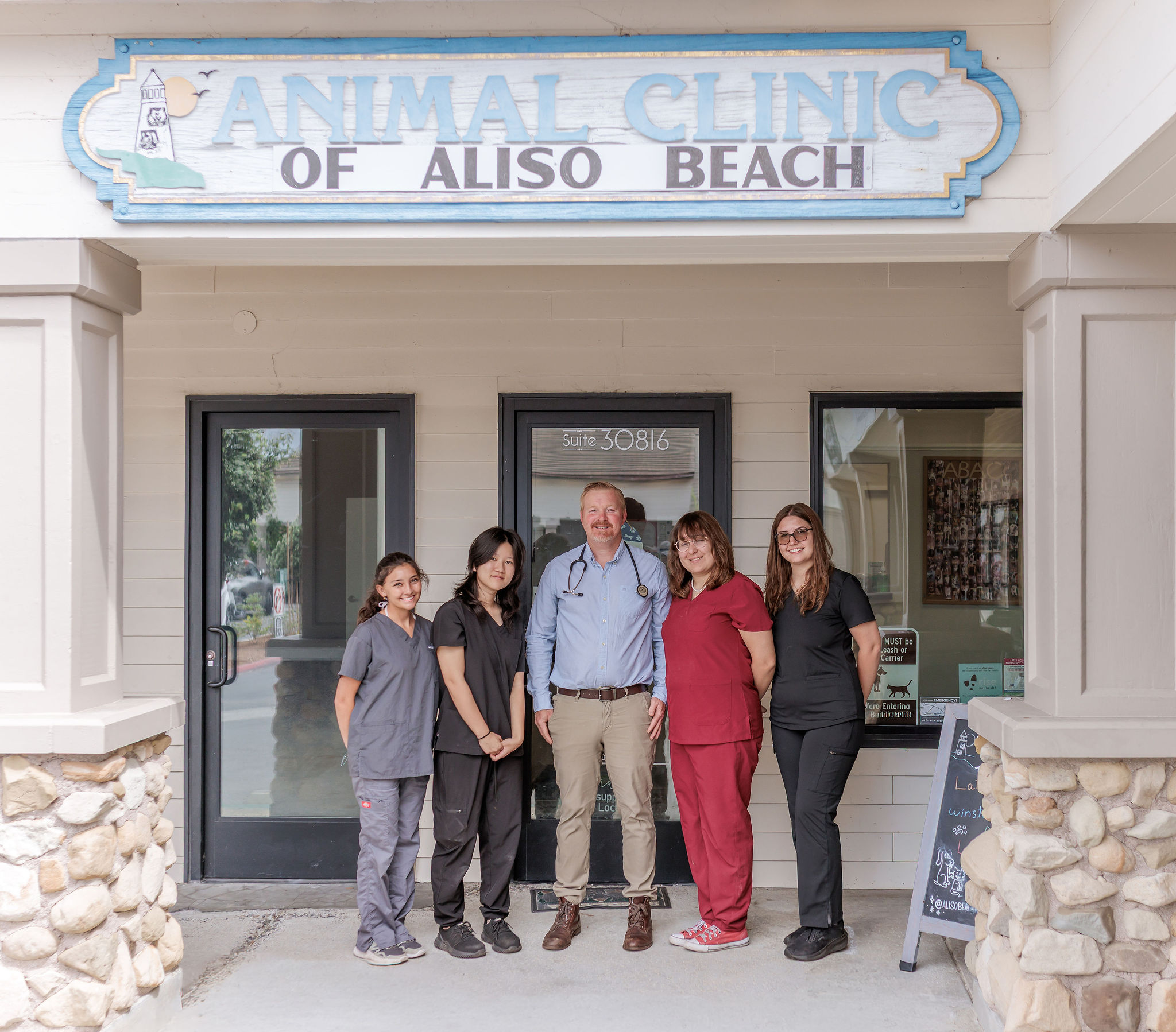
Aliso Beach Animal Clinic is an independently owned veterinary practice in Laguna Beach led by Bryan Hayter, DVM, Owner & Medical Director.
Dr. Hayter earned his veterinary degree at Auburn University and has completed veterinary acupuncture training through the International Veterinary Acupuncture Society.
Our approach combines conventional veterinary examinations, diagnostic testing, preventive care, dentistry, surgery and selected integrative options when appropriate for the patient.