Exotic Pet Husbandry & Nutrition Counseling in Laguna Beach
Medical review: Bryan Hayter, DVM | Owner & Medical Director
Last reviewed: November 12, 2026.
For exotic pets, the enclosure is part of the treatment plan. Temperature, UVB lighting, food, humidity, social housing and even the location of a hide can influence an animal’s health.
At Aliso Beach Animal Clinic (ABAC), our independently owned Laguna Beach veterinary team reviews the whole living environment alongside the patient. We provide species-specific husbandry and nutrition counseling for many rabbits, guinea pigs, chinchillas, bearded dragons, tortoises, companion birds and other nontraditional pets.
Our goal is to make practical, measurable improvements—not judge owners for following incomplete pet-store advice. Species and appointment eligibility vary, so please call before bringing an exotic animal. We welcome owners from Laguna Beach, South Laguna, Three Arch Bay, Emerald Bay, Monarch Beach, The Strand at Headlands and Dana Point.
What Does Exotic-Pet Husbandry Include—and Why Does It Matter Medically?
Husbandry is more than keeping an animal fed and contained. It covers the conditions that allow a species to thermoregulate, digest, move, hide, forage, rest and interact appropriately. A setup that is safe for a rabbit may be unsuitable for a guinea pig or chinchilla; the same basking lamp and humidity level will not fit every reptile.
Inappropriate nutrition or environment can contribute to dental disease, gastrointestinal slowdown, obesity, reproductive problems, foot lesions, respiratory illness, skin and shell infections, heat injury and nutritional metabolic bone disease. Medical treatment can fail if the underlying housing or dietary problem remains uncorrected.
However, not every illness is caused by husbandry. Pain, infection, dental disease, obstruction, parasites, tumors and other disorders may need examination, laboratory testing, radiographs or medical treatment. We aim to determine the cause rather than assuming a new enclosure will cure the pet.
What We Review During an Exotic-Pet Husbandry Consultation
An effective consultation considers the animal, its existing health problems and the actual equipment and food being used—not just a generic species care sheet.
Patient and medical history
Exact species, age, sex, reproductive status, body weight, body condition, growth, appetite, droppings, prior illness, medicines and supplements.
Daily diet and feeding
Brands, formulation, amount and freshness of pellets, hay, greens, insects or prepared diets; treats, feeding timing and any abrupt changes.
Equipment and environmental readings
Enclosure dimensions, basking and cool-zone readings, overnight temperatures, humidity, UVB bulb type and placement, substrate, light cycle and ventilation.
Behavior, safety and social housing
Space to move and hide, stress, foraging and climbing opportunities, compatible companions, fighting, contact with other household pets and transport safety.
How to Prepare Your Habitat Photos and Measurements
Photograph the entire enclosure and close-ups of heat/UVB fixtures, thermometers, substrate, feeding areas and enrichment. Record measurements rather than relying on the thermostat for the room. Bring food and supplement labels, a seven-day food log if available, current weight, recent droppings or stool photos if abnormal, and previous medical records.
At ABAC, the veterinarian can prioritize changes that are likely to matter most: replacing an unsafe heat source, improving fiber intake, correcting UVB placement, reducing crowding or changing a dangerous substrate. Follow-up and an updated photo may help assess progress.
Species-Specific Exotic-Pet Nutrition: Hay, Vitamin C, Insects, Greens and Pellets
There is no one-size-fits-all exotic-animal diet. A label saying “reptile,” “small animal” or “complete” does not establish that the food is appropriate as the only diet for your species, age or medical condition. Nutrition and environment are linked: a reptile kept too cold may not digest normally even if the food itself is suitable.
| Animal | Important nutritional foundation | Frequent preventable error |
|---|---|---|
| Adult rabbit | Continuous suitable grass hay, fresh water, appropriate greens and measured age-appropriate pellets | Too little long-strand fiber; excessive treats or abrupt changes |
| Guinea pig | Grass hay, appropriate plain guinea-pig pellets, fresh vegetables and dependable dietary vitamin C | Using rabbit pellets that do not provide the guinea pig’s vitamin C needs |
| Chinchilla | Fresh grass hay, appropriate uniform chinchilla pellets and clean drinking water | Sweet dried fruit, nuts, mixed seed foods or inadequate hay |
| Bearded dragon | Age-appropriate vegetables and suitable insects, supported by correctly managed heat, UVB and calcium | Unbalanced insect/plant diet, poorly fed insects or unmeasured UVB |
| Grazing tortoise | Species-appropriate fibrous grasses, weeds, flowers and leaves with appropriate hydration | High-fruit diet or assuming every tortoise species eats the same plants |
| Companion bird | Species-appropriate formulated diet, fresh foods as indicated, safe foraging and weight monitoring | Seed-only feeding or abrupt conversion that results in not eating |
Why Is Continuous Hay Important for Rabbits, Guinea Pigs and Chinchillas?
Long-strand fiber supports gut function and natural chewing. For most healthy adult rabbits and guinea pigs, suitable grass hay should be continuously available; chinchillas also depend on high-fiber feeding. Hay alone does not solve every dental problem, and drooling, reduced chewing or abnormal droppings still require evaluation.
What About Vitamin C and Calcium Supplements?
Guinea pigs cannot synthesize adequate vitamin C and require a reliable dietary source. Stored fortified pellets lose vitamin activity over time, and vitamin C placed in drinking water may degrade or reduce water intake. The right solution may involve fresh species-appropriate pellets, suitable produce and a veterinarian-directed oral supplement.
For reptiles, calcium, phosphorus, vitamin D and UVB exposure must be considered together. Excessive doses can cause harm just as inadequate intake can. Do not start multiple powdered supplements without reviewing the complete diet, feeder-insect gut loading, lamp and species.
Reptile Heat, Humidity and UVB: Measure the Actual Environment
Reptiles rely on external heat to regulate many functions. An appropriate enclosure allows an animal to move between warmer and cooler zones. The correct basking-surface temperature, cool-side temperature, overnight minimum and humidity vary by exact species, age and health. We avoid publishing a universal temperature chart because it could harm animals kept outside its intended range.
How Should Owners Measure Heat and Humidity?
Use accurate digital probe thermometers and suitable surface measurements, plus a hygrometer positioned where the animal actually spends time. Check basking surface, warm zone, cool zone, hides and nighttime conditions. A wall sticker thermometer or the thermostat across the room may not reflect the reptile’s actual exposure.
UVB Lamps, Glass and Mesh: Why Placement Matters
Many reptiles, particularly basking lizards and tortoises, need appropriate UVB exposure to support vitamin D and calcium metabolism. UVB delivery depends on bulb type, reflector, mesh, distance, hours of exposure and the animal’s ability to retreat. Window glass blocks most useful UVB, and visible light does not prove a bulb still delivers adequate UVB. Some lamps produce heat as well; inaccessible guards and thermostatic controls help prevent burns.
The MSD Veterinary Manual’s 2026-updated reptile nutrition resource describes how UVB, heat, diet and environmental gradients interact. We can evaluate your specific lamp model rather than making a generic wattage recommendation.
Is My Reptile Brumating, or Is It Sick?
Reduced activity and eating can occur seasonally in some reptiles, but obstruction, dehydration, infection and metabolic disease may look similar. We advise assessment before deliberately brumating an animal that is underweight, declining or otherwise unwell. This is especially important for tortoises with respiratory signs or weight loss.
Husbandry Advice for Common Exotic Pets at ABAC
Rabbits: Fiber, Dental Health and GI-Stasis Prevention
Rabbits need continuous suitable forage, fresh water, space to hop and hide, safe chew opportunities, appropriate social arrangements and weight monitoring. Sudden reductions in hay intake or fecal pellets are urgent. A rabbit may be very ill while remaining quiet. Discuss reproductive health and local rabbit hemorrhagic disease prevention with the veterinarian. Read our rabbit veterinary care guide.
Guinea Pigs: Vitamin C, Hay and Safe Social Housing
Guinea pigs require reliable daily vitamin C, hay, clean dry flooring, appropriate hiding places and observation for bullying or accidental breeding. They may conceal dental and respiratory disease. A pig that eats less or produces fewer droppings needs prompt assessment. See our guinea-pig husbandry and veterinary guide.
Chinchillas: Cool, Dry Housing and Long-Strand Fiber
Chinchillas can overheat in conditions humans find merely warm, particularly when humidity rises. They need cool, well-ventilated housing, suitable hay, safe climbing surfaces, dust bathing and dental monitoring. Avoid unprotected falls or excessive high-calorie treats. Read the chinchilla care guide.
Bearded Dragons: Basking, UVB and the Right Diet for Their Age
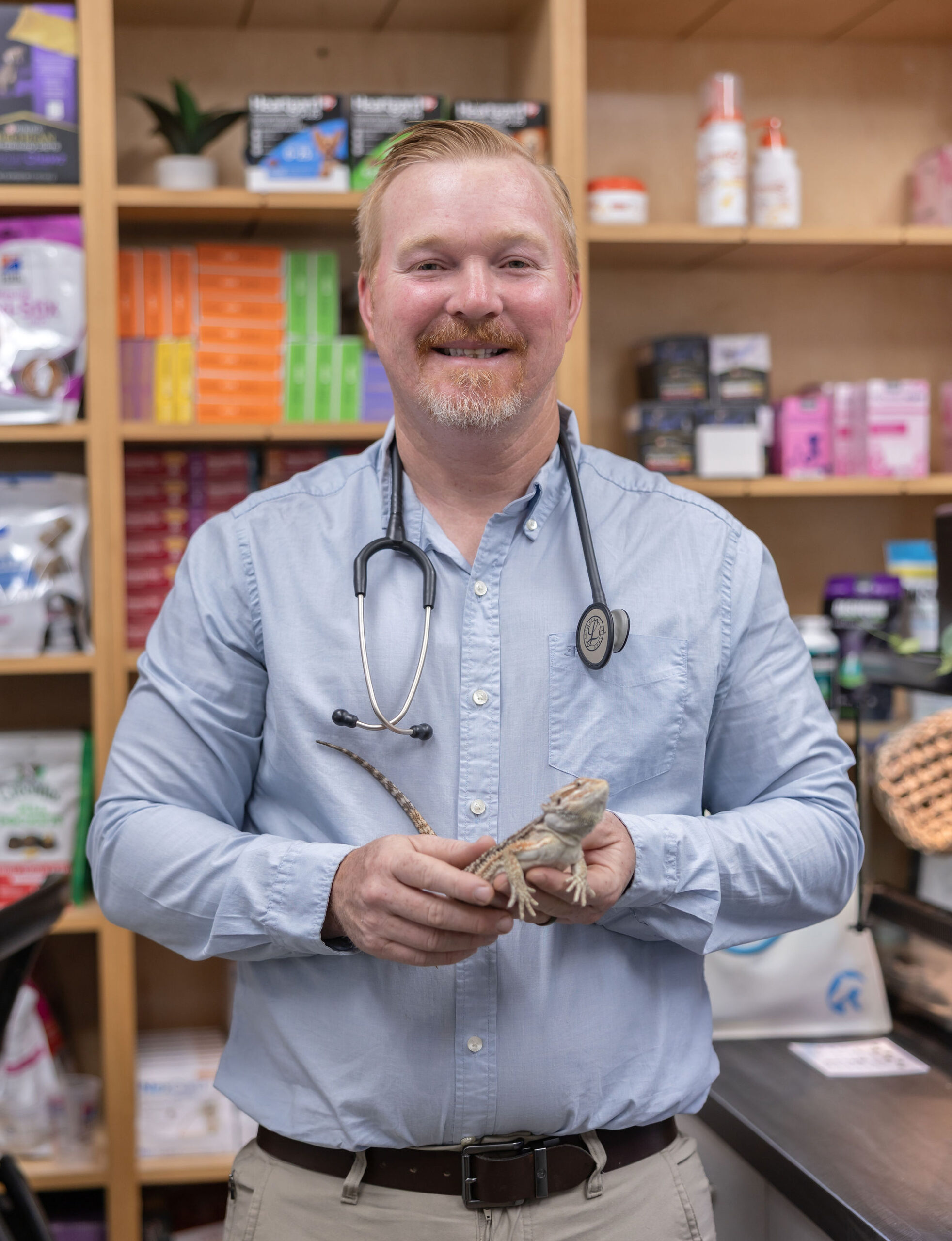
Bearded dragons need correct thermal and UVB gradients, suitable feeder insects, age-appropriate plant foods, calcium guidance and enough space to move. Weakness, tremors, soft jaw or limb deformity can indicate serious nutritional or metabolic disease requiring examination and sometimes radiographs. See our bearded dragon veterinarian and care guide.
Tortoises: Safe Plants, Hydration and Seasonal Planning
Desert and other grazing tortoises require species-appropriate fibrous plants, safe housing, shade, sunshine or suitable UVB, hydration and predator protection. Red-footed and other tropical tortoises differ from desert species, so diets cannot simply be copied. Coastal Southern California microclimates and winter conditions matter. See our desert tortoise care page and tortoise diet guide.
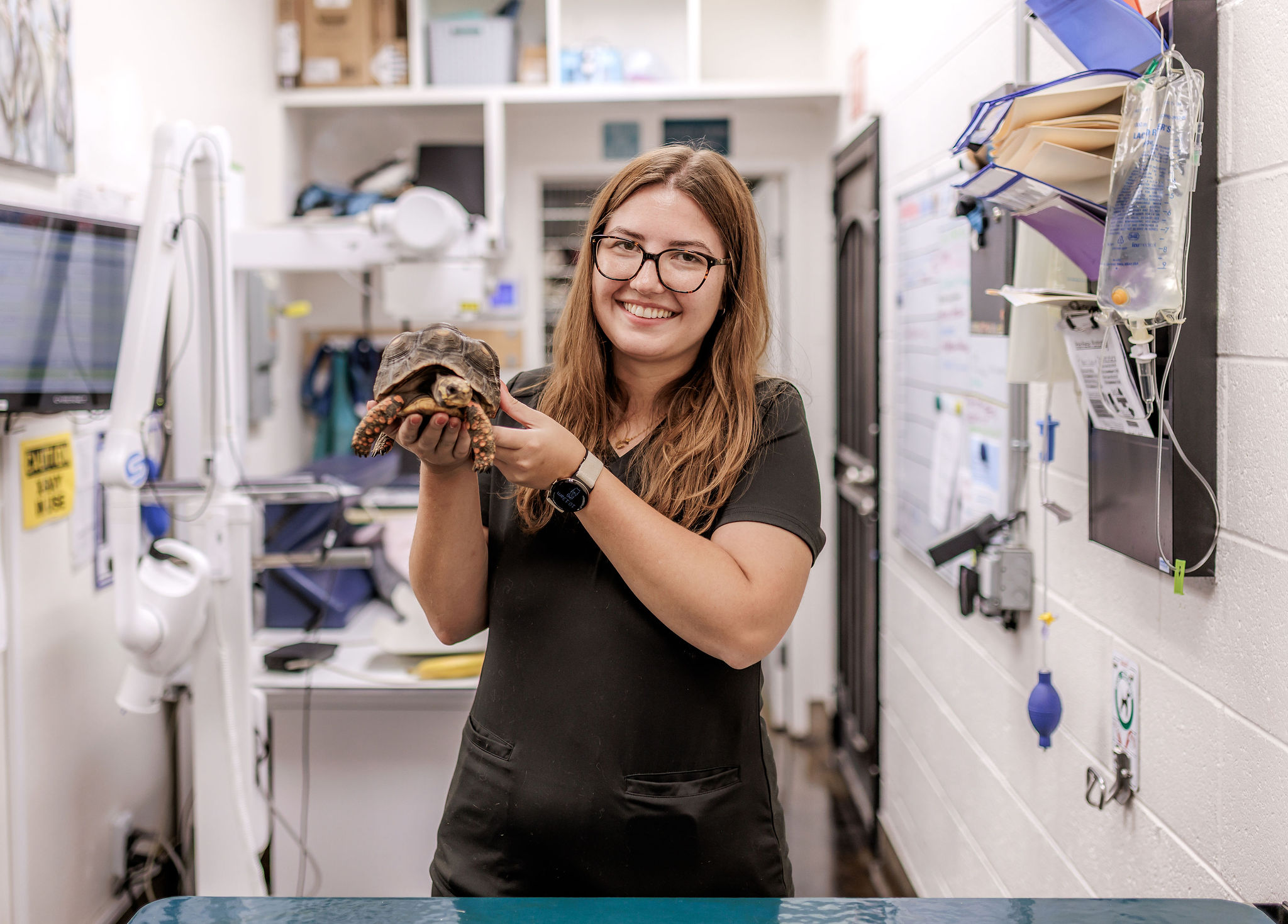
California desert tortoises are protected. Do not remove tortoises from the wild or release captive animals into wild habitat. See the California Department of Fish and Wildlife’s tortoise guidance for current conservation and legal information.
Companion Birds: Balanced Nutrition and Environmental Safety
Many pet birds require species-appropriate formulated food, carefully introduced fresh foods, safe perches, a predictable sleep schedule, flight or exercise opportunities and foraging enrichment. Seed-only diets are often inadequate for many parrots. Avoid overheated nonstick cookware fumes, smoke, aerosols and unsafe household plants. A bird undergoing diet conversion must be confirmed to be eating enough; a sudden switch can cause dangerous underfeeding. The Association of Avian Veterinarians’ owner resources provide further detail.
Hamsters and Other Small Mammals
Small mammals have different diet, housing and social requirements: solitary hamsters, social guinea pigs and chinchillas should not be managed as though they were interchangeable. Depending on the species, a suitable enclosure may require deep burrowing material, a safe running surface, chewing, privacy and carefully managed temperature. See our hamster care guide or species-care directory.
Enclosure Design, Substrate, Enrichment and Social Needs
An enclosure should allow natural movement and choice—not just prevent escape. The right layout depends on species and may require room to hop, climb, fly, dig, bask, hide or move away from other animals. Provide appropriately sized retreats, multiple food and water sites for compatible group-housed species, and safe traction or foot support.
Choose Bedding and Substrate by Species
We assess accidental ingestion risk, dust, moisture retention, foot pressure, ability to burrow, sanitation and species behavior. Clumping cat litter, sharp wire-only flooring, aromatic wood products, loose strands and some reptile substrates can be inappropriate. Material that works for one species or medical condition may be unsafe for another.
Heat and Ventilation Must Be Balanced
Humidity control should not come at the cost of stagnant air, heavy condensation or ammonia buildup. Avoid unregulated heat rocks, exposed bulbs, high-risk electrical wiring and direct contact with heating elements. A warm enclosure without a cool retreat can cause overheating.
Enrichment and Companionship
Opportunities to forage, chew, explore, hide or climb support welfare. Social housing decisions must account for species, sex, breeding risk, compatibility and resources. Never assume two animals should share one enclosure merely because both are small. Observe for fighting, guarding food, injuries or chronic fear.
Coastal Laguna Beach Husbandry Considerations
The South Laguna marine layer, cool nights, fog, damp outdoor enclosures and warm inland heat spikes can cause large temperature and humidity swings. An outdoor tortoise habitat in Emerald Bay or Three Arch Bay may experience different conditions from an indoor reptile enclosure in Dana Point. Measure what the animal actually experiences; also assess sprinklers, drainage, predators, pesticides, outdoor plants and escape routes.
Cleaning, Biosecurity and the 2026 CDC Reptile Safety Guidance
Daily removal of waste and spoiled food, clean water, appropriate disinfectant contact time, rinsing where required and thorough drying help reduce exposure to harmful microorganisms. Newly acquired reptiles or other pets may need a separate quarantine plan before entering an established collection.
Reptiles can carry Salmonella even when they look healthy. The CDC’s January 2026 reptile guidance advises careful handwashing after handling animals, feeder insects, equipment, tank water or droppings; avoiding reptile equipment in kitchens; and extra caution around children under five, older adults and people with weakened immune systems. A 2026 Salmonella outbreak linked to veiled chameleons illustrates why a clean-looking reptile is not necessarily germ-free.
Use a designated cleaning area and supplies. Do not wash tanks, food bowls or reptile accessories in a food-preparation sink. Reptiles are generally not recommended for households with very young children or other high-risk individuals; review the CDC Healthy Pets guidance for the full recommendation.
Exotic-Pet Warning Signs: When Husbandry Adjustments Are Not Enough
Many exotic animals hide early illness. An exotic pet that stops eating or has abnormal stool may deteriorate quickly, and illness does not always look dramatic. Do not wait for a home lighting or food change to correct urgent symptoms.
Call promptly for
Reduced hay intake; fewer droppings; persistent weight loss; drooling; facial swelling; eye or nasal discharge; abnormal gait; shell changes; or a sudden behavioral change.
Seek immediate emergency assessment for
Severe breathing difficulty or open-mouth breathing, collapse, unresponsiveness, serious trauma, major burns, seizures, suspected obstruction or egg-binding, or severe weakness.
Do not force-feed a rabbit or guinea pig with a painful distended abdomen or suspected blockage without veterinary direction. For some species, such an animal needs diagnostic imaging, pain control, fluids and potentially emergency procedures rather than an over-the-counter motility remedy.
ABAC assesses many urgent exotic-pet concerns during regular hours when the species, staffing and patient’s condition permit. We are not a 24-hour emergency hospital. Call first or proceed to an appropriately equipped emergency facility for life-threatening symptoms. Review urgent exotic-pet care and rabbit and guinea-pig GI stasis.
A Practical Seven-Day Habitat and Diet Review
- Day 1: Identify your exact species, current weight, life stage and any concerning symptoms. Seek care immediately if ill.
- Day 2: Photograph the entire enclosure with dimensions, location, hides, perches, feeding areas and ventilation.
- Day 3: Record warm, cool, basking, overnight and humidity readings appropriate for your species, rather than relying on room temperature alone.
- Day 4: Check lighting model, UVB source, lamp age, distance, reflector, timer and mesh/glass barriers.
- Day 5: List every food, supplement, treat and feeding amount. Photograph nutrition labels and note food storage age.
- Day 6: Document activity, appetite, droppings, social behavior, enrichment and sanitation routine.
- Day 7: Bring the record to a species-specific veterinary consultation; prioritize a safe plan, not simultaneous unmonitored changes.
For growing juveniles, breeding animals, older pets or those with a medical problem, the plan may need adjustment. Major diet or lighting changes should be reviewed before implementation when health is compromised.
Exotic-Pet Husbandry Veterinarian Near Dana Point, Monarch Beach and Laguna Beach
ABAC is at 30816 Coast Highway, Laguna Beach, CA 92651, across from Montage Laguna Beach. We welcome consultations from Laguna Beach, South Laguna, Three Arch Bay, Emerald Bay, Monarch Beach, The Strand at Headlands in Dana Point, Laguna Niguel and Aliso Viejo.
Whether your rabbit has declining hay intake, your chinchilla’s room overheats, or a tortoise’s coastal outdoor enclosure stays too damp, the correct next step begins with a species-specific assessment. All in-person veterinary visits take place at our single South Laguna hospital; we do not operate separate locations in the neighboring communities.
Exotic-Pet Husbandry and Nutrition: Frequently Asked Questions
Can ABAC review my exotic pet’s enclosure from photographs?
Yes. Photos, dimensions, lighting information and temperature/humidity measurements can make a consultation more specific. An individualized medical recommendation may still require an examination of the animal.
What should form the foundation of a healthy adult rabbit’s diet?
For most healthy adult rabbits, continuously available suitable grass hay is fundamental, with appropriate leafy greens, water and measured pellets selected by age and health status.
Can poor husbandry cause metabolic bone disease?
Yes. In susceptible reptiles, an inappropriate calcium/phosphorus balance, vitamin D status, UVB exposure or temperature can contribute to metabolic bone disease. Affected animals require veterinary assessment, not only more supplements.
How can I tell whether my UVB bulb is still effective?
Visible light alone is not a reliable indicator. Review the fixture model, distance, reflector, mesh, installation age and manufacturer guidance; a properly used UV meter may help. Requirements vary by species.
Can I put the UVB lamp outside the terrarium behind glass?
Window glass blocks most useful UVB. Fixture and barrier positioning should be chosen for the species and checked for safe exposure.
Does every reptile need identical basking temperatures?
No. Heat needs vary by species, life stage, health and day-night cycle. A universal target could be dangerous; measure the relevant microclimates and follow species-specific advice.
Why is my bearded dragon eating poorly?
Improper temperature, UVB, diet, parasites, reproductive illness, obstruction or other disease may contribute. Persistent appetite loss, weakness or weight loss warrants examination.
Do guinea pigs need vitamin C every day?
Yes. Guinea pigs need a dependable dietary vitamin C source. Appropriate fresh food, fresh fortified guinea-pig pellets and sometimes a direct oral supplement can help; avoid relying solely on vitamin C water additives.
Can a rabbit or guinea pig recover from not eating if I just switch foods?
Do not assume so. Reduced appetite or fecal output may reflect GI stasis, obstruction, dental disease or other illness. Call promptly, and do not force-feed if obstruction is possible without veterinary instruction.
Should chinchillas have a warm room because they have thick fur?
No. Dense fur makes chinchillas particularly vulnerable to overheating. They need cool, dry, well-ventilated housing and species-specific temperature management.
Can two bearded dragons share an enclosure?
Sharing often causes competition, stress and injury. Separate enclosures are generally the safest arrangement unless a qualified specialist has assessed an unusual case.
What should a pet desert tortoise eat?
Many grazing tortoises need species-appropriate fibrous grasses, weeds, leaves and flowers; fruit is not a routine staple for most desert species. Tropical species have different needs. Proper identification matters.
Can captive California desert tortoises be released outdoors?
No. Captive desert tortoises must not be released into the wild. Seek guidance from California wildlife authorities or an approved tortoise organization about legal care and placement.
Should companion birds eat only seeds?
For many birds, seed-only diets can contribute to nutrient imbalances. Converting to a balanced species-appropriate diet must be gradual and monitored so the bird does not stop eating.
Can a healthy-looking reptile spread Salmonella?
Yes. The CDC recommends handwashing and avoiding reptile equipment in food-preparation areas, with special precautions for young children and other higher-risk individuals.
Do you treat every exotic species?
No clinic can safely handle every species or procedure. Call ABAC before scheduling so the team can confirm species coverage and availability or recommend referral.
How often should an exotic pet receive a veterinary examination?
Interval depends on species, age, reproductive status and health. Many benefit from at least annual evaluations; growing, senior and medically complex animals may need more frequent care.
Where can I find an exotic pet nutrition veterinarian near Dana Point?
Aliso Beach Animal Clinic provides eligible exotic-pet diet and husbandry consultations at 30816 Coast Highway in South Laguna Beach, near Monarch Beach, The Strand at Headlands and Dana Point. Call before coming in.